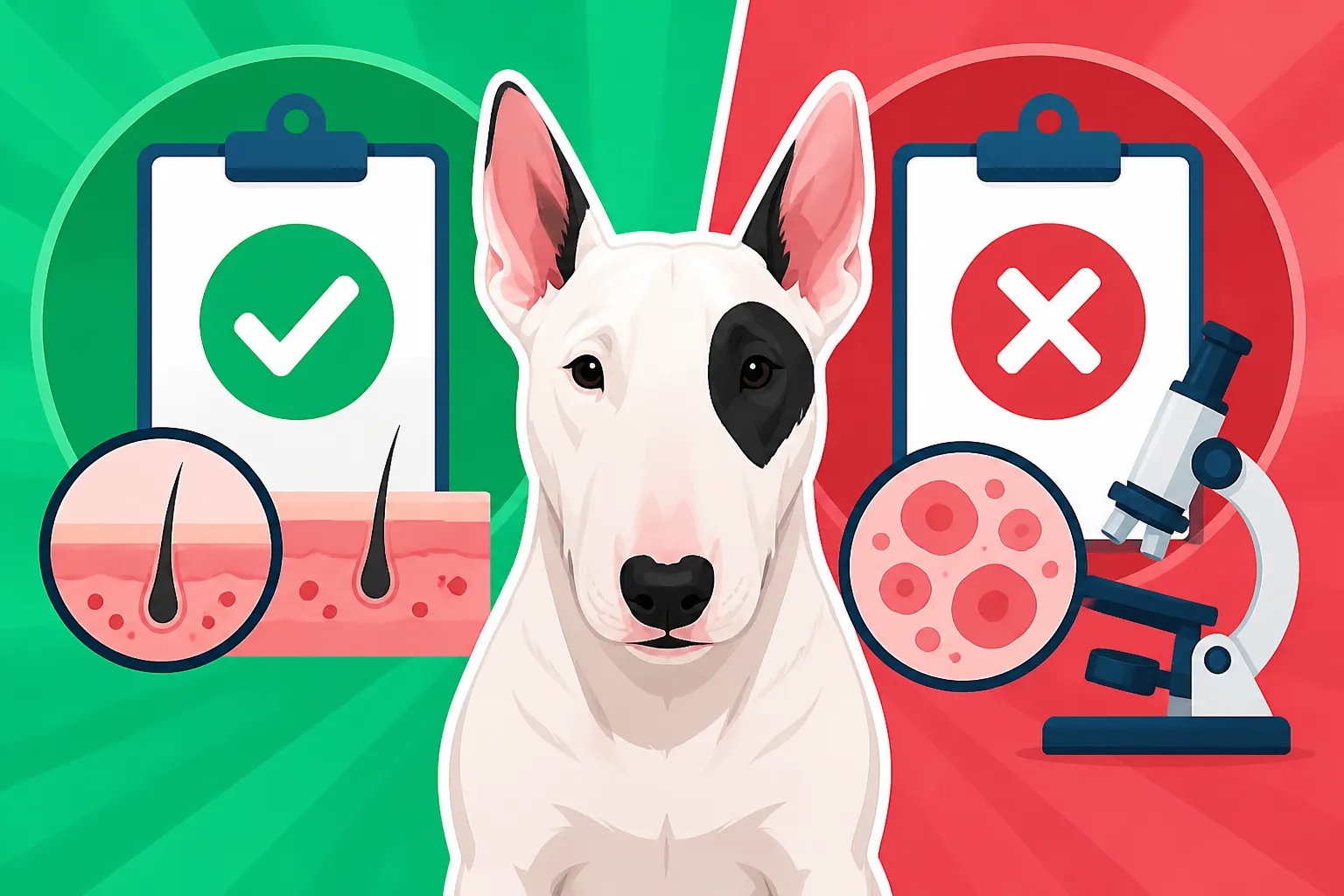
Whether the Bull Terrier Acrodermatitis Test Is Reliable
The moment you realize your Bull Terrier puppy might be facing a serious health challenge is stomach-dropping. With conditions like Lethal Acrodermatitis (LA), the thought alone is heartbreaking. You've heard there's a DNA test available, a beacon of hope, but a crucial question lingers: how much can you truly rely on it? This guide will dive deep into the Bull Terrier Acrodermatitis test, its accuracy, and what those results really mean for you and your beloved companion.
Understanding Lethal Acrodermatitis in Bull Terriers
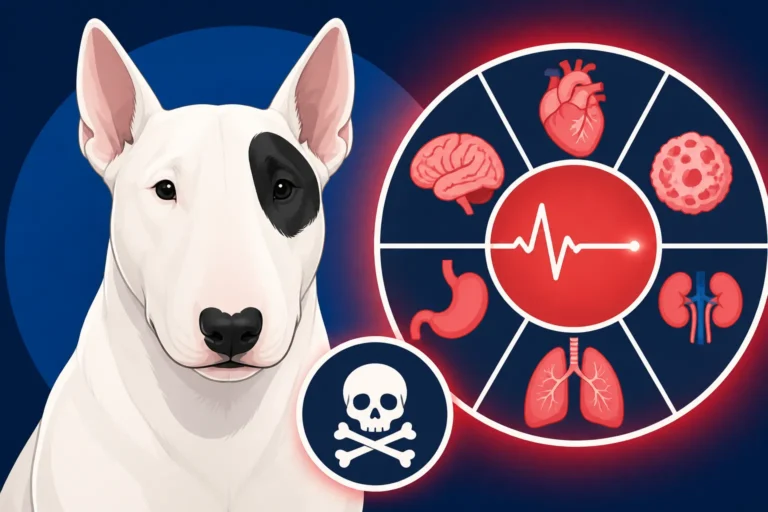
Lethal Acrodermatitis (LA) is a devastating, inherited disorder unique to Bull Terriers and Miniature Bull Terriers. It's not just a skin condition, though the visible symptoms often start there. This is a systemic disease that impacts multiple body systems, leading to a host of debilitating issues that sadly, are ultimately fatal. It's a heavy burden for any owner to contemplate, and often the early signs are subtle, making diagnosis even more difficult without specific testing.
Recognizing the Early Signs
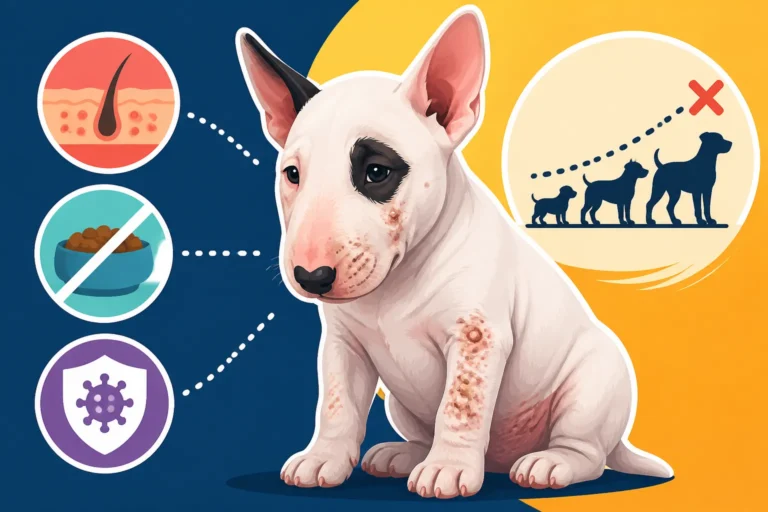
When an LA-affected puppy starts to show symptoms, it's usually around 4 to 8 weeks of age. You might notice their growth seems stunted compared to their littermates; they just don't thrive. Their most prominent and heartbreaking signs often appear on their paws. These puppies develop painful, thickened, and often infected skin lesions, especially on their pads, between their toes, and around their nail beds. This can make walking incredibly difficult and uncomfortable.
Beyond the paws, other areas like the muzzle, elbows, and hocks can also be affected. Their coat might become dull, sparse, or brittle. Internally, their immune system is severely compromised, making them highly susceptible to recurrent infections, particularly respiratory and gastrointestinal issues. They also struggle with nutrient absorption, which compounds their growth failure. It’s a truly tragic progression, as detailed in articles like What Lethal Acrodermatitis Does to a Bull Terrier. These little ones are often perpetually unwell, requiring constant veterinary attention and a level of care that can quickly become overwhelming for families, both emotionally and financially.
The Genetic Basis of the Disease
LA is an autosomal recessive genetic disorder. What does that mean in plain English? It means a puppy has to inherit two copies of the faulty gene – one from its mother and one from its father – to be affected by the disease. If a puppy inherits only one copy, they are considered a "carrier" and will not show any symptoms of LA themselves. However, they can pass that single faulty gene copy on to their own offspring. This is why understanding How Acrodermatitis Is Inherited in Bull Terriers is absolutely critical for responsible breeding practices.
The gene responsible for LA has been identified, which is fantastic news because it allowed for the development of a DNA test. Without this genetic understanding, diagnosing LA was much more difficult, often relying on necropsy after a puppy had succumbed to the disease. The identification of this specific genetic marker was a huge leap forward, giving breeders and owners a tool to proactively manage and, hopefully, eventually eradicate this devastating condition from the breed.
The Science Behind the LA DNA Test
The development of a reliable DNA test for Lethal Acrodermatitis was a monumental achievement for the Bull Terrier community. It transformed the approach to managing this devastating inherited condition, moving from reactive diagnosis to proactive prevention.
Pinpointing the Specific Gene
The LA DNA test works by looking for a specific mutation in the MKLN1 gene, sometimes referred to as the SLC39A4 gene in older literature, which is responsible for zinc metabolism. The MKLN1 gene is now widely recognized as the cause of LA. This particular gene plays a vital role in how a dog's body absorbs and utilizes zinc, an essential trace mineral. When this gene is mutated, the affected Bull Terrier puppy cannot properly absorb zinc from their diet, leading to a severe zinc deficiency that cannot be remedied by simple dietary supplementation.
This critical genetic discovery, often referenced in discussions about Which Gene Causes Acrodermatitis in Bull Terriers, was a game-changer. It means the test isn't just looking for general indicators; it's pinpointing the exact genetic error that causes the disease. This specificity is what makes the DNA test such a powerful and generally reliable tool, far more accurate than trying to diagnose based on symptoms alone, especially in the very early stages. Labs like the University of Helsinki, which has been at the forefront of genetic research in Bull Terriers, have been instrumental in this advancement.
How the Test is Performed
The LA DNA test is remarkably straightforward for owners to facilitate. It typically involves collecting a buccal swab, which is a fancy term for a cheek swab. You simply rub a sterile cotton swab inside your Bull Terrier's cheek for about 10-20 seconds to collect enough cheek cells. These cells contain the dog's DNA. The swab is then air-dried and sent to a specialized veterinary genetics laboratory.
Once at the lab, the DNA is extracted from the cells. Scientists then use a technique called Polymerase Chain Reaction (PCR) to amplify specific regions of the MKLN1 gene. They look for the presence or absence of the known mutation. It's a precise process, and generally, the turnaround time for results is a few weeks, depending on the laboratory. The simplicity of the sample collection, involving no blood draws or invasive procedures, means it can be done by owners at home or easily by a vet, making it accessible for even young puppies. What the Bull Terrier Acrodermatitis Swab Costs is typically quite reasonable, especially when considering the peace of mind it offers.
Understanding Test Results: What Do They Mean?
Receiving your Bull Terrier's LA DNA test results can be a moment of great anticipation. Understanding what the different classifications mean is key, whether you're a potential owner, a breeder, or already share your life with an affected dog.
Clear, Carrier, and Affected Outcomes
There are three primary results you can receive from an LA DNA test, each with distinct implications:
- Clear (or "Normal"): This means your Bull Terrier has two normal copies of the MKLN1 gene and does not carry the mutation for Lethal Acrodermatitis. A clear dog cannot develop LA and cannot pass the LA gene on to its offspring. This is the ideal result for any breeding animal, as it ensures they won't contribute to the spread of the disease.
- Carrier (or "Heterozygous"): This indicates your Bull Terrier has one normal copy of the MKLN1 gene and one copy of the mutated gene. Carriers do not show any symptoms of LA themselves; they are completely healthy. However, they carry the gene and can pass it on to approximately 50% of their offspring. Breeding two carriers together, for instance, carries a 25% risk of producing affected puppies, 50% chance of producing carriers, and 25% chance of producing clear puppies. This is why knowing Whether an Acrodermatitis Carrier Bull Terrier Is Affected is important – they aren't, but their progeny can be.
- Affected (or "Homozygous Affected"): This devastating result means your Bull Terrier has inherited two copies of the mutated MKLN1 gene, one from each parent. An affected dog will develop Lethal Acrodermatitis, usually showing symptoms within the first few months of life. Sadly, LA is a progressive and ultimately fatal disease, and these puppies rarely survive beyond two years of age, often succumbing much earlier.
These clear classifications provide invaluable information for making informed decisions about breeding, potential health management, and the welfare of individual dogs.
Interpreting Ambiguous or Unexpected Results
While the LA DNA test is highly reliable, sometimes questions arise. What if a dog tests as "clear" but shows symptoms that look suspiciously like LA? Or what if a puppy from two known carriers tests as "clear" when an affected puppy was expected? Such scenarios are rare but warrant careful consideration.
In cases where symptoms don't align with test results, it's crucial to consult with your veterinarian and potentially a specialist. There could be other conditions with similar symptoms. For instance, severe zinc deficiency from a dietary cause (unrelated to LA) or other dermatological issues might mimic some LA signs. A re-test might be recommended to rule out sample mix-up or laboratory error, though this is uncommon with reputable labs. It's important to remember that the test identifies the genetic predisposition to LA. If symptoms occur in a "clear" dog, it suggests another underlying problem is at play, rather than a failure of the LA test itself. Similarly, if a supposedly "affected" dog isn't showing symptoms, it could indicate a rare misdiagnosis, or perhaps that the symptoms haven't fully manifested yet. Always work closely with your vet to interpret any unexpected results, ensuring all avenues are explored for your Bull Terrier's health.
Factors Affecting Test Reliability
While the Bull Terrier Acrodermatitis DNA test is widely regarded as a reliable diagnostic and screening tool, it’s not immune to potential issues, just like any scientific test. Understanding these factors can help owners and breeders ensure they get the most accurate results possible.
The Role of the Testing Laboratory
The choice of laboratory plays a significant role in the reliability of your test results. Reputable veterinary genetic testing labs adhere to strict quality control standards, including using validated assays, experienced personnel, and rigorous internal checks. These labs are often associated with veterinary schools or have strong scientific backing. They also typically provide clear instructions for sample collection and offer robust customer support for interpreting results.
On the other hand, labs with less stringent practices, or those offering tests at unusually low prices without clear credentials, might pose a higher risk of error. This could range from incorrect sample processing to misinterpretation of results. When selecting a lab, look for accreditation (if applicable to genetic testing in your region), a history of working with breed-specific genetic conditions, and transparent reporting. Always ask your breeder or veterinarian for recommendations for trusted laboratories that specialize in canine genetic health.
Sample Collection and Handling
Even the most sophisticated lab can only work with the sample it receives. Errors in sample collection or handling are perhaps the most common reason for inconclusive or incorrect results, although still relatively rare. The buccal swab needs to contain a sufficient quantity of high-quality DNA. This means following the lab's instructions precisely:
- Ensure the dog hasn't eaten recently (usually 1-2 hours) to avoid food particles contaminating the swab.
- Swab firmly but gently inside the cheek to collect epithelial cells, not just saliva.
- Use the correct number of swabs as specified by the lab.
- Allow swabs to air-dry completely before packaging to prevent mold or bacterial growth, which can degrade DNA.
- Avoid contamination by not touching the swab tip or allowing it to come into contact with other surfaces or other dogs' samples.
If a sample is improperly collected or stored, the lab might report an "insufficient sample" result, requiring a re-submission. In very rare cases, severe contamination or mix-up could lead to an inaccurate result. This highlights why attention to detail during sample collection is so important for the overall reliability of the test.
Limitations and Rare Mutations
While the Bull Terrier LA DNA test targets a specific, well-identified gene mutation, it's important to acknowledge that no genetic test is 100% infallible for all possible scenarios, although it is exceptionally reliable for the known LA mutation. The current test is designed to detect the one specific MKLN1 gene mutation that has been definitively linked to Lethal Acrodermatitis in Bull Terriers.
However, the field of genetics is constantly evolving. It is theoretically possible, though highly unlikely with the current understanding of LA, that an extremely rare, different mutation in the same gene, or a mutation in an entirely different gene, could cause a similar phenotype (symptoms). The current test would not detect such a hypothetical, unknown mutation. This is a very remote possibility and not a common concern. For the vast majority of Bull Terriers and Miniature Bull Terriers, the existing LA DNA test is considered the gold standard for reliably determining their status regarding this specific, known genetic disease. It provides a solid foundation for health management and responsible breeding, minimizing the risk of this devastating condition for countless future puppies.
Why Testing Matters for Bull Terriers
The availability of a DNA test for Lethal Acrodermatitis is a significant advancement that empowers Bull Terrier owners and breeders. Despite any minor nuances in reliability, the overwhelming benefits of testing make it an indispensable tool for the breed's health.
Empowering Responsible Breeding Decisions
For breeders, the LA DNA test is an absolute game-changer. Historically, breeders could unknowingly produce affected puppies if both parent dogs were carriers, leading to immense heartbreak and financial strain. Now, with a simple cheek swab, breeders can identify clear dogs and carriers before any breeding takes place. This allows them to make informed decisions to avoid breeding two carriers together, thereby preventing the birth of affected puppies.
Responsible breeders will always test their breeding stock for LA, as well as for other critical health issues such as Hereditary Nephritis Takes Bull Terriers in Their Prime and The Heart Murmur a Bull Terrier Puppy Should Be Checked For. If a breeder has a carrier, they can still responsibly breed that dog to a "clear" partner. In such a pairing, none of the puppies will be affected by LA, though approximately half will be carriers themselves. These carrier puppies can then be identified through testing and placed in pet homes with full disclosure, or potentially bred to a clear partner if they possess other exceptional qualities that benefit the breed. This strategic breeding helps to maintain genetic diversity while slowly working towards reducing the frequency of the carrier gene in the population. Any breeder who is unwilling to provide LA test results for their breeding stock, or their puppies, should raise a serious red flag.
Early Detection and Management
While LA is ultimately fatal, early detection through DNA testing allows for proactive management strategies. If you acquire a puppy from parents who weren't tested, or perhaps adopted a rescue Bull Terrier, getting them tested can provide crucial information. Knowing a dog is affected, even before severe symptoms manifest, allows owners to work closely with their veterinarian to manage secondary infections, skin issues, and nutritional support more aggressively from the start.
This proactive approach, though not a cure, can sometimes improve the quality of life for an affected puppy for a short period and help you prepare for the difficult journey ahead. It also allows for careful monitoring of symptoms, ensuring that any deterioration is caught early. While no one wants to hear an "affected" diagnosis, knowing unequivocally allows for immediate action and ensures that the puppy receives the most comprehensive and empathetic care possible, focusing on comfort and reducing suffering. For instance, some veterinarians might explore options like extremely high-dose zinc supplementation, even if traditional zinc therapy is ineffective, simply to provide any possible relief, as discussed in Whether Zinc Helps a Bull Terrier With Acrodermatitis.
Living with the Knowledge: Implications for Owners and Breeders
Receiving any genetic test result for your Bull Terrier can be a profound experience. Whether it's good news or challenging, understanding the implications and finding support is vital.
Support for Affected Dogs and Their Families
For families whose Bull Terrier puppy tests as "affected," the news is devastating. It means facing a future of progressive illness and inevitable loss. In such difficult circumstances, seeking support is paramount. Many breed-specific rescue organizations and Bull Terrier clubs have resources and communities dedicated to helping owners navigate the challenges of LA. They can connect you with experienced veterinarians, offer advice on managing symptoms, and provide emotional support from others who have walked a similar path.
The financial burden of caring for an LA-affected puppy can also be significant due to ongoing vet visits, medications, and specialized care. This is where pet insurance can be an invaluable asset. Companies like Healthy Paws offer plans that can help cover the costs associated with chronic conditions, though it's always best to enroll a puppy before any symptoms or diagnoses appear to ensure coverage. Planning for potential health issues with insurance can provide a safety net, allowing you to focus on your puppy's comfort without added financial stress. Even with the best care, the prognosis for LA puppies remains poor, making every moment with them incredibly precious.
Navigating Breeding Ethics with Carriers
For breeders, identifying carriers presents a different kind of challenge, one focused on ethical decision-making for the future of the breed. While it might seem intuitive to simply remove all carriers from a breeding program, this approach can inadvertently reduce the gene pool too drastically, potentially leading to other health problems down the line by concentrating other undesirable traits. The goal is to reduce the incidence of the LA gene while maintaining genetic diversity.
This is why, for many years, careful breeding of carriers to clear dogs has been recommended. As mentioned in Whether Two Bull Terrier Acrodermatitis Carriers Should Be Bred, this is explicitly advised against. If a carrier dog possesses other excellent qualities, like sound temperament, conformation, or freedom from other genetic diseases, breeding them to a proven "clear" mate is a responsible strategy. All offspring from such a pairing should then be tested for LA. The clear offspring can go on to further generations, while carrier offspring should be placed in pet homes with full transparency, or if bred, only ever with a clear mate. This gradual, informed approach, supported by ongoing testing for every litter, helps ensure the health and longevity of the Bull Terrier breed without unnecessarily sacrificing valuable genetic lines. Organizations like the Bull Terrier Club of America (BTCA) strongly advocate for mandatory LA testing for all breeding stock, setting a high standard for breed health.
Cost Considerations for LA Testing
Understanding the cost associated with the Bull Terrier Acrodermatitis DNA test can help prospective owners and breeders budget effectively for responsible dog ownership. It’s an investment in health and peace of mind.
What the Test Typically Costs
The cost of a Bull Terrier Acrodermatitis DNA test usually ranges from $60 to $120 per dog, depending on the laboratory and whether it's bundled with other genetic tests. Many labs offer panels that include tests for multiple breed-specific conditions, which can sometimes be more cost-effective than ordering individual tests.
This fee generally covers the test kit (swabs, instructions, return envelope), laboratory processing, and the official results. When considering this cost, it's important to weigh it against the emotional and financial burden of an affected puppy. The veterinary bills for an LA-affected dog can run into thousands of dollars for diagnostics, medications, and palliative care over its short lifetime. Investing in upfront testing is a relatively small price for preventing such a tragic outcome. Some breeders include the cost of testing in the puppy's purchase price, providing peace of mind from day one. Reputable breeders understand the value of this investment and will readily share their dogs' results.
Long-Term Financial Implications
Beyond the initial test cost, understanding the broader financial implications of LA status is crucial. For owners of "clear" dogs, the financial implication is generally minimal, primarily being the cost of the test itself. For owners of "carrier" dogs, there's no direct health cost as carriers are healthy. However, if they choose to breed, the cost of testing all offspring would be a recurring expense.
For families with an "affected" Bull Terrier, the financial implications are unfortunately severe. Caring for a puppy with LA involves extensive veterinary care, including frequent visits, medications for secondary infections, specialized diets, and potential euthanasia decisions. The total cost can quickly escalate into many thousands of dollars, making financial preparation, such as setting up an emergency fund or securing pet insurance from providers like Healthy Paws before any symptoms appear, a very wise decision. While insurance may not cover pre-existing conditions, if enrolled early, it can provide significant assistance with the costs of managing a newly diagnosed LA-affected puppy. This long-term view helps emphasize why upfront testing is not just a health decision, but also a sound financial one for any Bull Terrier enthusiast.
| Test Result | Dog's Health Status | Breeding Implications (with untested mate) | Breeding Implications (with clear mate) |
|---|---|---|---|
| Clear | Healthy | No affected puppies; possible carriers | All puppies clear/no carriers |
| Carrier | Healthy | 25% affected, 50% carriers, 25% clear | No affected puppies; 50% carriers |
| Affected | Develops LA | Should not be bred | Should not be bred |
Disclaimer
This article is for general informational purposes only and does not constitute professional advice. Laws, prices and regulations vary by location and change over time. Consult a qualified professional for guidance on your specific situation.