Whether Exercise Reduces Bull Terrier Spinning
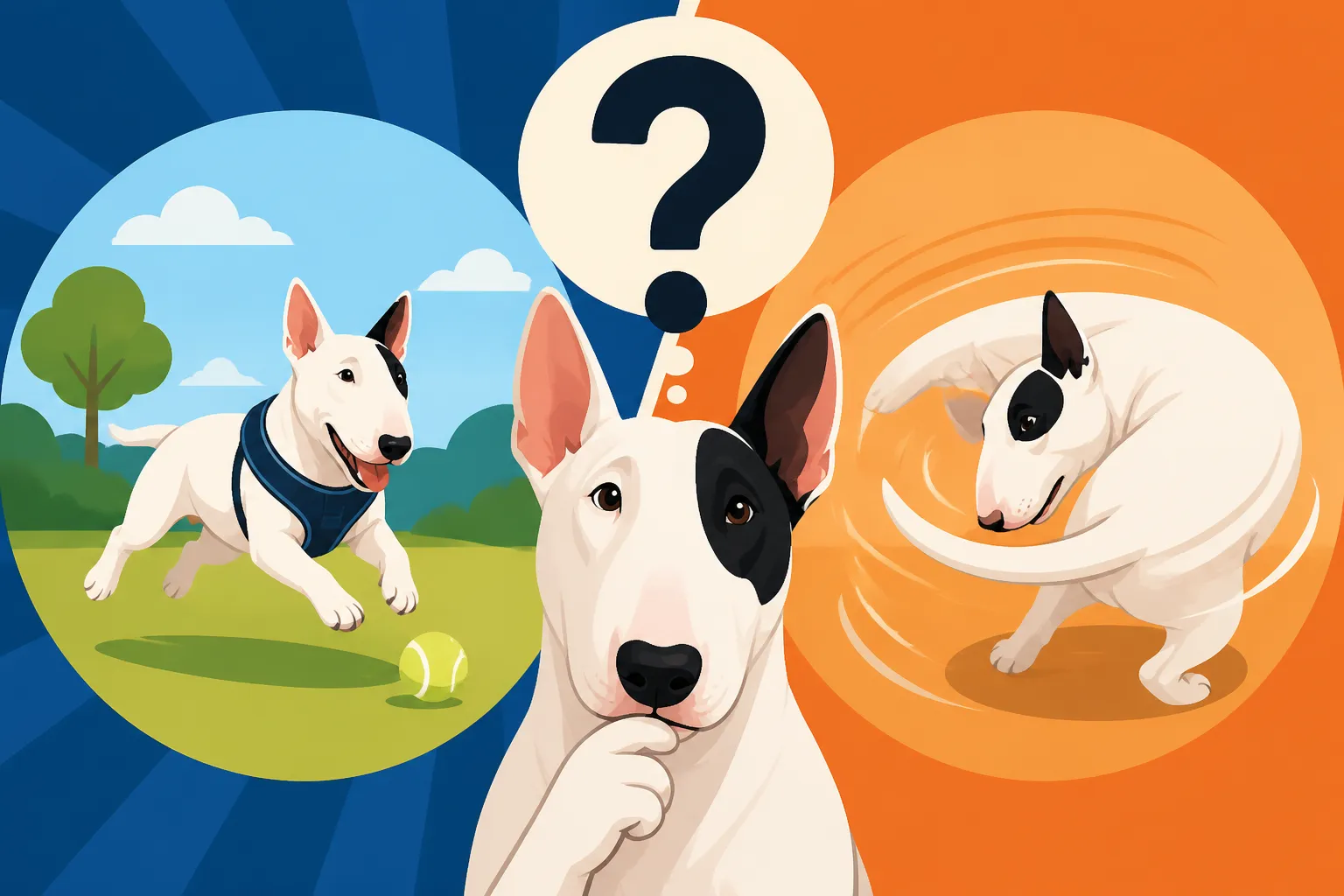
It's incredibly frustrating and often heartbreaking to watch your Bull Terrier engage in relentless, obsessive spinning or tail chasing. You try everything – more walks, fetch, trips to the park – desperately hoping that burning off extra energy will finally bring an end to the dizzying cycles. But often, the spinning persists, leaving you wondering if more exercise is truly the answer, or if there's something deeper at play. This guide will delve into the complex nature of Bull Terrier spinning and explore whether physical activity can genuinely reduce this challenging behavior.
Understanding Obsessive Bull Terrier Spinning
Before we can even talk about exercise, it's crucial to really understand what we're dealing with when a Bull Terrier starts spinning. This isn't just a dog playing a little too enthusiastically; it's a specific, often compulsive, behavior that can significantly impact their quality of life and your peace of mind.
What Bull Terrier Spinning Really Looks Like
When a Bull Terrier spins, it's not a casual turn or two. It's typically a fast, frantic, and repetitive pursuit of its own tail, often in tight circles. The dog might appear almost "trance-like" during these episodes, seemingly unaware of its surroundings or unable to respond to your calls. Some Bull Terriers will literally spin until they collapse from exhaustion, or until they've bitten and injured their tails. It can start subtly, maybe a quick flick and chase, but over time, it can escalate into intense, prolonged bouts. It's not uncommon for these episodes to be triggered by excitement, frustration, or even boredom, but sometimes, they seem to come out of nowhere. Many owners describe a sense of helplessness, feeling like their dog is trapped in a cycle they can't break. This behavior is distinct from the playful, occasional tail chases you might see in other breeds. For a Bull Terrier, it can be a serious issue.
The Potential Roots of Spinning Behavior
The origins of Bull Terrier spinning are quite complex and often multifaceted, making it such a challenging behavior to manage. While the exact cause isn't fully understood, it's widely believed to have a strong genetic component, particularly prevalent in the breed. This isn't just a bad habit; it's often linked to a form of canine compulsive disorder (CCD) or an epilepsy-like condition. Some theories suggest neurological imbalances, where the brain struggles to inhibit repetitive actions. Environmental factors, while not typically the cause, can certainly act as triggers or exacerbate the underlying predisposition. Things like stress, anxiety, lack of appropriate mental stimulation, or even specific noises or lights can sometimes set off an episode. It's less about a Bull Terrier being "naughty" and more about an internal struggle they are facing. It's why just shouting "stop" rarely works, and can even make the dog more agitated, increasing the intensity of the spinning.
Distinguishing Spinning from Other Behaviors
It's vital for Bull Terrier owners to understand that not all tail chasing is the same. While some puppies might playfully nip at their tails, true Bull Terrier spinning is far more serious and warrants veterinary attention. A key differentiator is the compulsive nature and intensity. If you're wondering, "Whether Bull Terrier Tail Chasing Is a Seizure," you're on the right track to consider medical origins. Seizures in Bull Terriers, particularly focal seizures, can sometimes manifest as unusual, repetitive behaviors, including spinning. However, a typical seizure usually involves a loss of consciousness or altered mental state, drooling, or full-body tremors. Bull Terrier trancing, another unique breed behavior where they slowly walk under objects, is entirely different and not a concern for health or safety. Spinning is usually faster, more agitated, and often targets the tail itself, sometimes leading to self-mutilation. If you're observing repetitive tail chasing, especially if it's difficult to interrupt, the frequency is increasing, or your dog seems distressed, it's time to talk to your vet. This clear distinction is the first step towards getting the right kind of help for your dog.
The General Benefits of Exercise for Bull Terriers
Before we dive into how exercise specifically affects spinning, let's talk about why physical activity is so important for Bull Terriers in general. These are robust, energetic dogs, and meeting their basic exercise needs is fundamental to their overall well-being.
Physical Health and Stamina
Bull Terriers are powerful, athletic dogs bred for stamina and strength. Regular exercise is absolutely crucial for maintaining their muscular physique, cardiovascular health, and healthy weight. Without adequate physical activity, Bull Terriers can become overweight, leading to joint problems, heart strain, and a general decline in their physical condition. They need opportunities to run, jump, and expend that natural energy. A sedentary Bull Terrier is often an unhealthy Bull Terrier. This means not just short walks around the block, but actual periods of higher intensity activity that get their heart rate up and work their muscles. A well-conditioned Bull Terrier is less prone to certain physical ailments and simply feels better in its own skin.
Mental Stimulation and Stress Reduction
Beyond the physical, exercise plays a massive role in a Bull Terrier's mental and emotional health. These intelligent, often quirky dogs thrive on routine and engagement. Physical activity, especially when combined with training or varied environments, provides much-needed mental stimulation. Exploring new smells, navigating different terrains, or engaging in interactive games challenges their minds. This mental workout can be just as tiring, if not more so, than pure physical exertion. Furthermore, exercise is a natural stress reliever. Just like humans, dogs release endorphins during physical activity, which can help reduce anxiety, calm nervous energy, and improve mood. A dog that's had a good run or a stimulating walk is often a more relaxed, content companion at home. This is particularly important for a breed known for its "three-year-old in a dog suit" personality, as boredom can quickly lead to destructive behaviors.
The Bull Terrier's Unique Exercise Needs
It's easy to assume that because they're muscular and strong, Bull Terriers need to run marathons. While they are energetic, their exercise needs are sometimes misunderstood. While they certainly need vigorous activity, it's usually in shorter bursts rather than prolonged, endurance efforts. Most adult Bull Terriers thrive on two good walks a day, each lasting around 30-45 minutes, with opportunities for off-leash running or vigorous play in a secure area. Remember, Bull Terriers have a distinctive, often clownish, way of moving, and their enthusiasm can sometimes override their physical limits. It’s important to monitor them, especially in hot weather, due to their short snouts and muscular build making them prone to overheating. A long-tail article on "How Much Exercise a Bull Terrier Actually Needs" goes into more detail, but generally, quality over quantity is key. Structured play, like fetch or flirt pole sessions, can be incredibly effective. However, it's also about how they exercise. Simply letting them out in the yard isn't enough; they need interaction, engagement, and a 'job' to do, even if it's just fetching a ball.
Does Increased Exercise Truly Reduce Spinning?
This is the million-dollar question for many Bull Terrier owners. While exercise offers undeniable benefits, its direct impact on reducing spinning is nuanced and often not a straightforward solution.
When Exercise Might Help
For some Bull Terriers, particularly those whose spinning is primarily driven by excess energy, boredom, or stress, an increase in appropriate exercise can lead to a reduction in the frequency or intensity of spinning episodes. If your Bull Terrier is chronically under-exercised, restless, and destructive (a common issue for the breed, as covered in "What a Bull Terrier Does When It Is Bored"), then increasing their physical and mental activity might help alleviate some of the underlying frustration that could contribute to spinning. When a dog is truly tired, both physically and mentally, they are generally less likely to engage in compulsive behaviors. Think of it as releasing pent-up energy that might otherwise be channeled into spinning. Varied exercise, involving new smells, sounds, and challenges, provides more comprehensive stimulation than just a repetitive activity. If your dog only spins when they haven't had their usual walk, then adjusting their routine might be beneficial.
However, it's crucial to differentiate between general restlessness and genuine compulsive spinning. If the spinning is a deeply ingrained, neurological compulsion, exercise alone won't "fix" it.
When Exercise Falls Short
Here's where the reality often hits hard. For many Bull Terriers, spinning is not simply a matter of needing more exercise. If the behavior stems from an underlying neurological issue, a compulsive disorder, or even a form of focal seizure, no amount of running or playing will eliminate it. In fact, trying to "exercise it out" can sometimes make things worse. Imagine trying to run off an anxiety attack; it might temporarily distract, but it doesn't solve the root cause, and prolonged exertion can even increase stress hormones.
When spinning is a true compulsion, the dog is driven by an internal mechanism, not simply an energy surplus. You might find your Bull Terrier spinning after a long walk, or even during a high-energy play session. This is a clear indicator that the behavior isn't solely due to a lack of physical activity. It's frustrating to pour your heart and soul into exercising your dog, only to see the spinning continue unabated, but it's important to recognize that this is not a failure on your part, but rather a characteristic of the condition itself. This is where you might need to broaden your perspective beyond just physical output.
The Risk of Over-Exercising a Spinner
While the instinct to tire out a spinning Bull Terrier is understandable, there are real risks associated with over-exercising, especially if the spinning is compulsive.
- Physical Injury: Bull Terriers are prone to certain joint issues, and excessive, repetitive motion can exacerbate these. More directly, a dog that spins intensely can injure its tail (creating "happy tail" syndrome or splitting the tail tip) or even suffer paw injuries from constant friction. If they are already in a trance-like state, they might not notice minor injuries until it's too late.
- Increased Stress and Anxiety: For a dog with a compulsive disorder, pushing them beyond their comfortable physical limits can actually heighten their stress and anxiety levels. This can, paradoxically, trigger more spinning episodes as a coping mechanism. The dog isn't choosing to spin; it's a response to internal or external stimuli. Exhaustion might lead to temporary cessation, but it doesn't address the underlying issue and can create a vicious cycle.
- Fatigue and Apathy: Chronic over-exercise can lead to a dog becoming lethargic, sore, and generally less engaged. Instead of being a happy, well-adjusted pet, they might become withdrawn or even irritable due to constant physical strain. This can also mask other health issues, making diagnosis harder.
- Behavioral Extinction Burst: In some cases, increasing exercise might initially lead to an increase in spinning as the dog tries harder to meet its compulsive need before eventually becoming too tired. This can be misleading and disheartening for owners.
It's about finding the right balance of exercise that keeps your Bull Terrier healthy and happy, without pushing them into a state that worsens their spinning.
A Multifaceted Approach to Managing Bull Terrier Spinning
Since exercise alone rarely solves Bull Terrier spinning, a comprehensive strategy that addresses the dog's physical, mental, and medical needs is usually required. This means looking at the whole picture, not just one piece.
Behavioral Modification and Environmental Enrichment
Managing spinning effectively often involves a combination of behavioral strategies designed to redirect or interrupt the behavior and environmental adjustments to reduce triggers.
- Redirection and Interruption: Rather than punishing the spinning, which can increase anxiety, the goal is often to gently interrupt the behavior and redirect your Bull Terrier's focus to an appropriate activity. A sudden noise, a treat tossed away from the spinning spot, or a clear "sit" cue can sometimes break the cycle. Consistency is key here. If you're wondering "How to Interrupt a Bull Terrier's Tail Chasing," the answer is often calm, consistent redirection.
- Mental Stimulation: This is where enrichment shines. Puzzle toys, interactive feeders (like KONGs or LickiMats), scent work games, and short, engaging training sessions can provide significant mental outlets. Bull Terriers are smart, and their brains need a workout just as much as their bodies. "What Enrichment a Spinning Bull Terrier Needs" often involves challenging their problem-solving skills, which can be far more effective than just physical exertion. These activities engage their cognitive functions and can reduce the mental "idle time" that sometimes precedes spinning episodes.
- Structured Routine: A predictable daily schedule can reduce anxiety for some dogs. Knowing when walks, meals, and playtimes will occur can provide a sense of security and control, which might lessen the need for compulsive behaviors.
- Safe Spaces: Ensuring your Bull Terrier has a quiet, comfortable "den" or crate where they can retreat and feel secure can also be beneficial, especially if their spinning is triggered by overstimulation.
| Activity Type | Description | Potential Impact on Spinning |
|---|---|---|
| Physical Exercise | Brisk walks, fetch, running in a secure yard. | May reduce spinning if linked to excess energy/boredom; can worsen if overdone or not addressing root cause. |
| Mental Enrichment | Puzzle toys, scent games, trick training. | Can significantly reduce spinning by engaging the mind and reducing anxiety. |
| Calming Activities | Licking mats, chew toys, massage, quiet cuddle time. | Helps reduce overall stress and can act as a distraction/substitute for spinning. |
| Structured Training | Obedience classes, teaching new cues, positive reinforcement. | Builds confidence, provides mental work, and strengthens the bond, potentially reducing compulsive behaviors. |
Dietary Considerations and Supplements
While diet isn't usually a primary cause of spinning, it can sometimes play a supporting role in overall health and brain function, and some owners explore it as part of a holistic management plan.
- Balanced Nutrition: A high-quality, balanced diet is fundamental for any dog's health, including neurological health. Ensure your Bull Terrier is receiving all necessary vitamins and minerals. Some anecdotes suggest certain food sensitivities might exacerbate behavioral issues, though this is not scientifically proven for spinning.
- Omega-3 Fatty Acids: Supplements like fish oil (rich in EPA and DHA) are known for their anti-inflammatory properties and benefits for brain health. While not a cure for spinning, they can support overall neurological function and reduce inflammation, potentially helping with general well-being. Brands like Nordic Naturals or Zesty Paws offer reputable omega-3 supplements for dogs.
- L-Tryptophan/Probiotics: Some owners explore supplements like L-Tryptophan (a precursor to serotonin) or probiotics, which influence the gut-brain axis, believing they might help with anxiety or compulsive behaviors. Always consult your vet before introducing any supplements, as interactions or incorrect dosages can be harmful.
Remember, these are supportive measures and should not replace veterinary assessment or treatment.
The Critical Role of Veterinary Consultation
Above all, if your Bull Terrier is spinning, the absolute first step is a thorough veterinary examination. This is not a behavior you should try to manage alone without professional guidance.
- Rule Out Medical Causes: Your vet will want to rule out any underlying medical conditions, such as pain, skin irritations (if they're biting their tail), or neurological issues (like focal seizures). This might involve blood tests, physical exams, and potentially imaging if indicated. They can explain "How a Bull Terrier Seizure Differs From a Spin" and help identify the true nature of the behavior.
- Behavioral Specialists: If medical causes are ruled out, your vet might refer you to a board-certified veterinary behaviorist. These specialists are experts in diagnosing and treating complex behavioral disorders like canine compulsive disorder. They can develop a tailored behavior modification plan and discuss potential pharmacological interventions.
- Medication: For many Bull Terriers with true compulsive spinning, medication is a crucial part of the management plan. Antidepressants or anti-anxiety medications (such as SSRIs or tricyclic antidepressants) are often prescribed to help regulate brain chemistry and reduce the compulsive urge. This isn't about sedating your dog; it's about rebalancing neurotransmitters to allow them to learn and cope more effectively. Your vet or behaviorist will discuss "Which Medication Stops a Bull Terrier Spinning" and the appropriate dosage and monitoring.
- Financial Planning: Veterinary consultations, diagnostic tests, potential specialist fees, and ongoing medication can add up. It's wise to have a plan for these expenses. This is where pet insurance, like Healthy Paws, can be incredibly beneficial. A good policy from Healthy Paws can help cover unexpected vet bills for chronic conditions or specialist treatments, taking some of the financial burden off your shoulders when managing complex behavioral issues. Having such support allows you to pursue the best possible care for your spinning Bull Terrier without undue stress. Remember, early intervention and consistent treatment, often guided by your vet, are key to improving your Bull Terrier's quality of life.
Disclaimer
This article is intended for informational purposes only and does not constitute veterinary advice. Always consult with a qualified veterinarian or veterinary behaviorist for any health or behavioral concerns regarding your Bull Terrier.