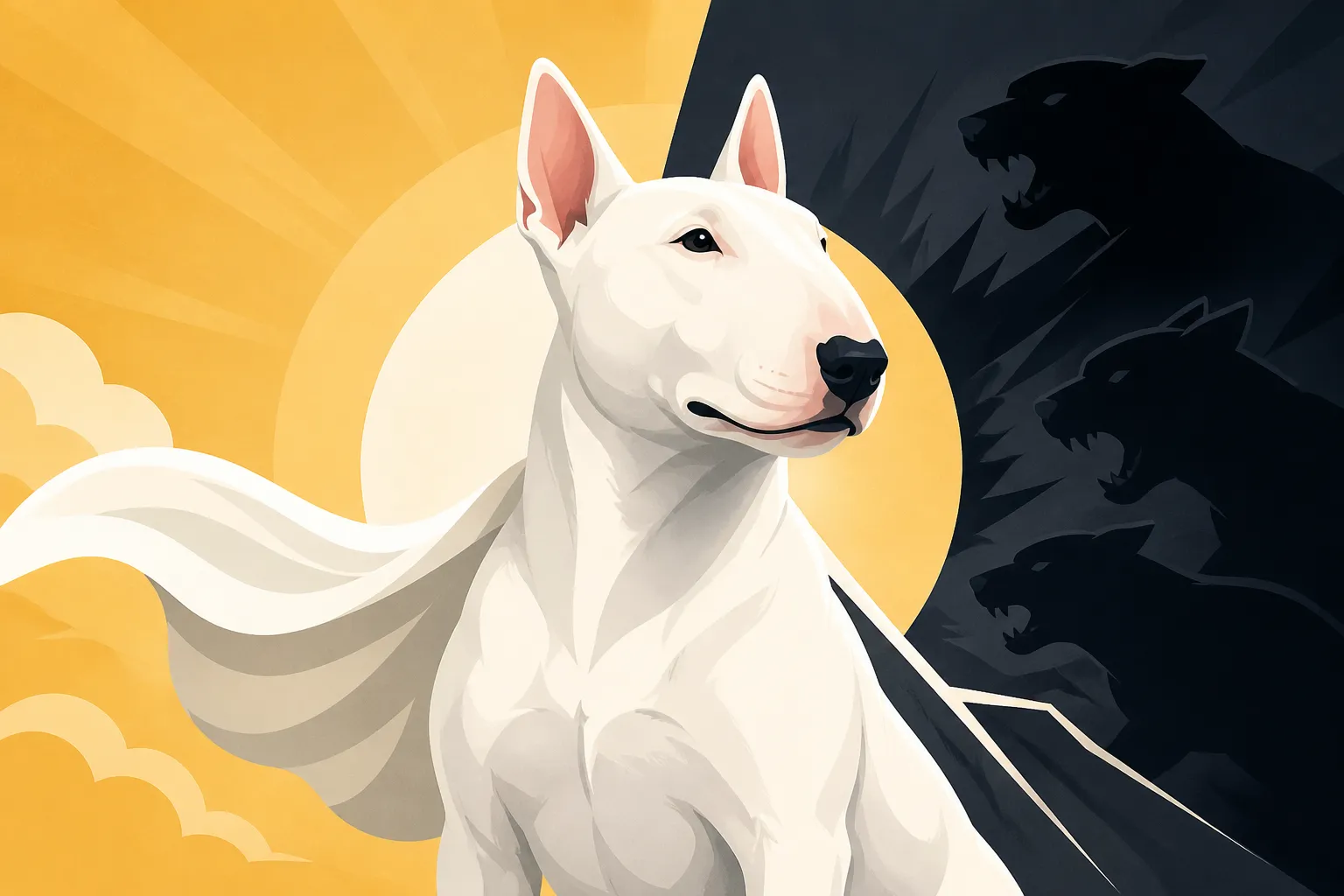
The White Cavalier: Why the Bull Terrier Never Started Fights
It's easy for people to look at a Bull Terrier, with their sturdy build and intense gaze, and assume they were once fierce fighting dogs. This misconception often leads to unfair breed stereotypes and a misunderstanding of their true origins and temperament. But the truth is far more nuanced, rooted in a fascinating history that saw the Bull Terrier emerge not as a combatant, but as the "White Cavalier" – a gentleman's companion admired for its unique looks and unwavering loyalty. This guide will delve into the rich history of the Bull Terrier, exploring how this remarkable breed was intentionally developed away from aggression and towards the devoted, clownish companion we know and love today.
Understanding the Bull Terrier's Ancestry: Beyond the Fighting Pits
When you hear "Bull Terrier," your mind might jump to images of gladiatorial contests, but the story is much more refined than that. To truly appreciate the Bull Terrier, we have to rewind to a time before its distinct form existed, and then witness the deliberate choices that shaped it. It's a journey from rough beginnings to a very specific, genteel ideal.
The Bull and Terrier: Foundation, Not Final Product
Before the modern Bull Terrier, there were "bull and terrier" crosses. These were not a uniform breed with a fixed standard, but rather a type of dog resulting from mixing Old English Bulldogs with various terriers. The intention behind these crosses was often to combine the Bulldog's strength and tenacity with the terrier's agility and gameness, primarily for blood sports like bull-baiting and dog fighting. It's a brutal part of history, and it's where many of the misconceptions about today's Bull Terriers originate. People assume the Bull Terrier is that original "bull and terrier" dog, but that's like saying a modern sports car is the same as a Model T simply because they both have four wheels. The function and design evolved dramatically. These early crosses certainly had a reputation for toughness, which, unfortunately, clung to the lineage even as the dogs themselves transformed. You can read more about What the Bull and Terrier Was to understand this foundation.
However, it's crucial to understand that these "bull and terrier" dogs were tools for a specific, now outlawed, purpose. They were bred for a certain drive, yes, but not necessarily for indiscriminate aggression towards humans. Their focus was typically on other animals. The sheer power and determination these crosses possessed were certainly impressive, even if their application was horrific. This raw material, this blend of bulldog tenacity and terrier fire, was what James Hinks would later take and refine, aiming for something entirely different. He saw potential for a dog that embodied strength without the savagest.
James Hinks' Vision: A New Breed for a New Era
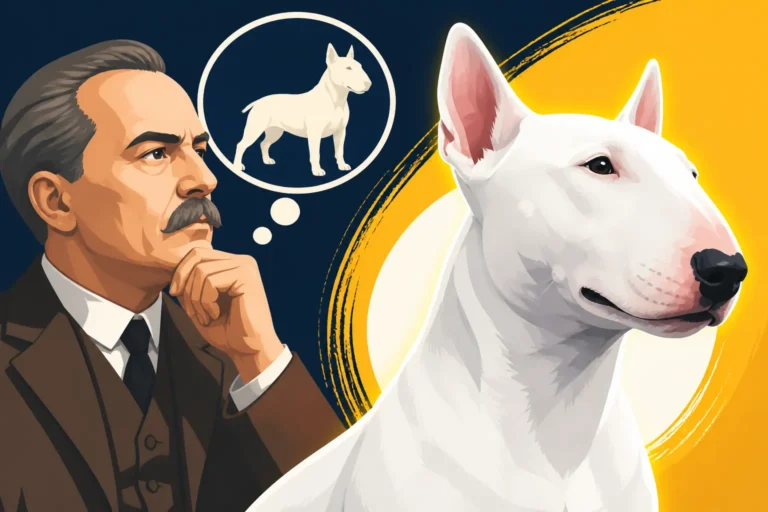
Enter James Hinks, a shrewd dog dealer and breeder from Birmingham, England, in the mid-19th century. He was a visionary who saw beyond the grim reality of dog fighting, which was already facing increasing public disapproval and legal challenges. Hinks wasn't interested in creating a better pit fighter. Instead, he wanted a fashionable companion dog that possessed courage, elegance, and a distinctive appearance. He looked at the existing "bull and terrier" types and recognized their inherent strength and loyalty, but he wanted to strip away the aggression and harshness associated with their past. He wanted a dog that could be a gentleman's companion, a striking figure in the park, and a loyal family member, rather than a brutal competitor.
Hinks started by selectively breeding the existing white English Terriers with Bulldogs and, importantly, he introduced Dalmatian blood. This was a critical step in refining the breed. The Dalmatian contributed to the breed's striking all-white coat, its elegant lines, and a more refined temperament, moving away from the stocky, confrontational build of its ancestors. The goal was to create a dog that was physically imposing but emotionally stable, a dog that looked tough but acted like a "white gentleman," hence the "White Cavalier" moniker. This was a deliberate and conscious effort to move away from the "fighting dog" image, focusing on intelligence, loyalty, and a distinguished appearance. For more on the architect of the breed, check out Who James Hinks Was and Where the Bull Terrier Comes From.
The Birth of the "White Cavalier": Hinks' Ideal Dog
The phrase "White Cavalier" isn't just a catchy nickname; it encapsulates the very essence of James Hinks' ambition for the Bull Terrier. He wasn't just breeding dogs; he was crafting an image, a symbol of Victorian gentility and sporting prowess, far removed from the blood-soaked arenas of the past. It was about creating a dog that was admired, not feared.
Breeding for Beauty and Temperament, Not Aggression
Hinks' breeding program was revolutionary for its time because it deliberately prioritized temperament and aesthetics over sheer fighting ability. He understood that to elevate the breed's status, it needed to possess not only a unique look but also a disposition suitable for society. The introduction of the Dalmatian into the gene pool was instrumental here. Beyond contributing to the desired all-white coat, the Dalmatian also brought a more refined, active, and generally good-natured temperament. Hinks was meticulously selecting for dogs that were striking in appearance – the iconic egg-shaped head, the muscular yet agile body – but equally important was their character. He wanted dogs that were spirited and courageous, yes, but not prone to unprovoked aggression. He was breeding out the "gameness" that made them effective pit fighters and breeding in the qualities that made them reliable companions.
This focus meant rejecting individuals who showed excessive dog aggression or unstable temperaments, even if they were physically impressive. Hinks was crafting a canine paradox: a powerful dog with the heart of a companion. The "White Cavalier" was meant to be a dog that could accompany its owner anywhere, from the bustling streets of Birmingham to a quiet evening at home, without causing trouble. This was a deliberate departure from the earlier "bull and terrier" types, which, while brave, often lacked the refined manners desired in polite society. The selective breeding efforts were all about creating a dog that could hold its own, but ideally, never needed to. It was about inherent confidence that didn't need to prove itself through conflict.
The Gentleman's Companion: A Dog for Society
The Bull Terrier, particularly the all-white variety, quickly became fashionable among the young gentlemen of Victorian England, earning its esteemed title, the "White Cavalier." This designation wasn't just about its striking appearance; it was deeply intertwined with its expected demeanor. A "cavalier" implies chivalry, a dignified bearing, and a steadfast loyalty – qualities Hinks diligently sought to instill in his dogs. These weren't dogs left chained in kennels; they were integral parts of their owners' lives, accompanying them on walks, to the pub, and even within the home. This shift in role demanded a dog that was trustworthy, adaptable, and a pleasure to be around.
The ideal Bull Terrier, as envisioned by Hinks and embraced by its early admirers, was a dog that exuded confidence and spirit without being quarrelsome. They were known for their pluck and courage, which were seen as admirable traits in a companion, but these traits were to be channeled, not unleashed in aggression. The "White Cavalier" was a statement piece, a canine companion that reflected its owner's taste for distinctiveness and quality. It was a dog that could trot proudly beside a gentleman, turning heads, and engaging with people in a friendly, if sometimes boisterous, manner. This was a far cry from the utilitarian, often grim, existence of the earlier bull and terrier types. The Bull Terrier's ascent into the role of a cherished companion cemented its image as a noble and distinctive breed. You can dive deeper into What the White Cavalier Name Meant to understand its significance.
The 1862 Cremorne Show: A Defining Moment
If there's one event that truly captured the essence of the "White Cavalier" and solidified the Bull Terrier's new image, it was the 1862 dog show at Cremorne Gardens in London. This wasn't just another show; it was a public declaration of the breed's refined temperament and a pivotal moment in debunking the perception of it as a mere fighting dog.
Puss's Legendary Encounter: Proving Temperament
The legendary story of James Hinks' prized Bull Terrier, Puss, at the 1862 Cremorne Show, is often cited as the definitive moment that showcased the breed's true temperament. The tale goes that Hinks accepted a challenge: his Puss, an all-white Bull Terrier, would face a much larger, older bull and terrier type dog owned by a rival. The prevailing expectation was that Puss, being from Hinks' refined line, would be outmatched and possibly severely injured. This was a wager that put Hinks' entire breeding philosophy on the line. What transpired, however, cemented the Bull Terrier's reputation as a "White Cavalier."
Puss reportedly entered the impromptu "contest" with the same cool demeanor he carried into the show ring. The larger, more battle-hardened dog attacked, but Puss, instead of engaging in a brutal, prolonged fight, skillfully defended himself without retaliating with excessive force. He allegedly outmaneuvered his opponent, demonstrating courage and agility, but crucially, emerged virtually unscathed, while the other dog was tired and defeated. The most important detail? Puss didn't start the fight, and he didn't inflict severe injury. He simply proved that a Bull Terrier could handle itself with dignity and self-preservation, without succumbing to uncontrolled aggression. This wasn't about bloodlust; it was about composed fortitude. This story, whether embellished or entirely accurate, became a powerful narrative. It proclaimed that Hinks' Bull Terriers possessed courage, but also control and composure, distinguishing them from their brute ancestors. For a closer look at the event, see What Happened at the 1862 Cremorne Show.
The Narrative Shift: From Pit Dog to Show Dog
The success of Puss at Cremorne, and the subsequent widespread popularity of Hinks' white Bull Terriers, marked a significant narrative shift for the breed. Prior to this, any "bull and terrier" dog was often lumped into the category of fighting dogs, regardless of its individual temperament or purpose. Hinks' deliberate breeding and clever marketing, culminating in events like the Cremorne Show, actively worked to redefine this image. The focus moved from the grimy, violent world of underground pits to the glittering, competitive, but civilized world of dog shows. Exhibiting dogs in public shows like Cremorne highlighted their conformation, elegance, and manageable temperaments.
This public display was a conscious effort to demonstrate that the Bull Terrier was not a fighting dog in the same vein as its predecessors. Instead, it was a breed refined for companionship, aesthetically pleasing, and capable of holding its own without being inherently aggressive. The popularity of the "White Cavalier" among the upper echelons of society further cemented this new identity. Owning a Bull Terrier became a status symbol, a choice that spoke of discerning taste and an appreciation for a distinctive, well-behaved animal. This narrative shift was vital for the breed's survival and growth, allowing it to transcend its controversial origins and become a beloved companion dog. The reputation for being a "gentleman's companion" effectively countered any lingering associations with fighting, establishing the Bull Terrier as a breed apart. Ultimately, the question Whether the Bull Terrier Was a Fighting Dog was definitively answered by Hinks' work.
Temperament and Training: The Modern Bull Terrier's Reality
Forget the old stereotypes; the modern Bull Terrier is a vibrant, often goofy, and utterly devoted companion. However, their unique temperament and impressive physical capabilities mean that training and socialization are absolutely non-negotiable for a happy, well-adjusted dog and owner. They aren't dogs you can just let "be dogs" without guidance.
The Bull Terrier's Endearing Personality: Playful and Affectionate
If you've ever spent time with a Bull Terrier, you know they are far from the grim, aggressive fighters some perceive them to be. In reality, they are often described as "three-year-olds in a dog suit," a testament to their perpetual puppy-like enthusiasm, boundless energy, and undeniable clownishness. They thrive on human interaction and are intensely affectionate with their families, often wanting to be right in the middle of whatever you're doing, usually leaning on you or burrowing their distinctive heads into your lap. Their loyalty is legendary; once they bond with you, they are truly devoted companions. They often exhibit a unique sense of humor, performing silly antics and making expressive faces that can melt even the sternest heart. They are known for their playful "zoomies" and sudden bursts of energy, contrasting with their equally strong desire to snuggle up for a nap.
This breed has a deep capacity for love and forms strong attachments. They want to be included in family activities, whether it's a walk in the park or just watching TV on the couch. Their sensitive side means they respond best to positive reinforcement and gentle, consistent guidance, rather than harsh corrections that can make them withdraw or become stubborn. They are exceptionally social dogs, craving companionship and often struggling with being left alone for extended periods. This combination of playful energy and deep affection makes them incredibly rewarding companions for those prepared to meet their needs. Understanding What a Bull Terrier's Temperament Is Really Like is key to appreciating them.
Training for a Well-Adjusted Bull Terrier: Consistency is Key
While their affectionate nature is undeniable, Bull Terriers are also highly intelligent and famously stubborn. This combination means that training is not just about teaching commands; it's about building a strong relationship based on mutual respect and clear communication. They respond wonderfully to positive reinforcement methods – think treats, praise, and favorite toys – but they will quickly decide a command is "optional" if they don't see the point or if you're not consistent. Their independent streak means they need an owner who is firm, fair, and, most importantly, patient. Short, engaging training sessions that feel like a game rather than a chore work best to keep their attention.
Early and ongoing training is paramount. From basic obedience like "sit," "stay," and "come," to more advanced skills, every interaction is a training opportunity. Because of their strength and enthusiasm, teaching a Bull Terrier to walk politely on a leash without pulling is a critical life skill. They are powerful dogs, and an excited Bull Terrier on the end of a leash can be a real challenge if not properly trained. Investing in puppy classes and potentially advanced obedience or even dog sports like agility or scent work can channel their intelligence and energy in positive ways. A Bull Terrier that understands boundaries and expectations is a happy Bull Terrier, and a joy to live with. Remember, A Bull Terrier Trains When It Sees the Point.
Socialization: Crucial for a Confident Companion
Socialization is perhaps one of the most critical aspects of raising a well-adjusted Bull Terrier. Given their breed history and strong personality, exposing a Bull Terrier puppy to a wide variety of sights, sounds, people, and other well-behaved dogs from a young age is absolutely essential. This isn't about making them friends with every dog they meet (as some Bull Terriers, particularly same-sex pairs, can struggle with dog-on-dog interactions as they mature), but about teaching them appropriate responses to novel situations and helping them develop confidence and good manners. A poorly socialized Bull Terrier can become fearful or reactive, leading to defensive behaviors.
Controlled, positive interactions are key. Puppy playdates with vaccinated, appropriate playmates, visits to dog-friendly stores, and exposure to different environments all contribute to a well-rounded dog. Continue socialization throughout their lives; it's not a one-time event. Even with careful socialization, some Bull Terriers may develop a preference for being the only dog in the household, or prefer certain types of canine companions. Supervision is always important, especially when introducing them to new dogs. The goal is a confident dog that is comfortable and calm in various situations, not necessarily one that wants to be the life of every dog park party. With consistent effort, you can help your Bull Terrier grow into a polite and balanced member of society. You can also look into How a Bull Terrier Gets On With Other Dogs for more insights.
Dispelling Myths: Why the Bull Terrier Isn't a Fighting Dog
Despite the breed's storied past and the efforts of early breeders like James Hinks, enduring myths about the Bull Terrier being a fighting dog persist. These misconceptions are unfair to the breed and often lead to breed-specific legislation and unwarranted fear. It's time to set the record straight and understand why the modern Bull Terrier is fundamentally different from the gladiators of old.
Physical Characteristics: Built for Form, Not Combat
A close look at the modern Bull Terrier's physical characteristics reveals a dog bred for a distinctive appearance and athletic prowess, not for sustained, brutal combat. While they possess powerful jaws and a muscular build, these traits are part of their unique breed standard, which emphasizes a symmetrical, balanced, and robust physique. The iconic egg-shaped head, with its Roman finish, is a hallmark of the breed, a result of generations of selective breeding for a particular aesthetic. This unique head shape, combined with their small, triangular eyes, gives them a characteristic intense expression, but it's a look developed for the show ring, not the pit. Breeders meticulously selected for these features, often refining them over many generations, with the aim of creating a dog that was undeniably unique and eye-catching.
Consider the practicalities: a dog bred for fighting would prioritize certain functional attributes over aesthetic ones. While the Bull Terrier is strong and agile, their overall structure and temperament have been intentionally steered away from the relentless aggression and damage-inflicting capability required for dog fighting. Their sturdy build speaks to general athleticism, a love for play, and robustness, not aggression. Their compact, strong body allows them to be agile and quick, perfect for a game of fetch or a spirited run, rather than a confrontation. In fact, many of the features that make a Bull Terrier distinctive, such as the downface, were developed for visual appeal. You can learn about How the Bull Terrier's Head Changed Over Time to see this evolution.
The "Bully Breed" Misconception: Unpacking the Label
The term "bully breed" is often thrown around carelessly, lumping several distinct breeds, including the Bull Terrier, into a single category based on a perceived shared ancestry with fighting dogs. This label is problematic because it ignores the significant divergence in breeding goals and temperament development that has occurred over more than a century for many of these breeds. While the Bull Terrier certainly has "bull" in its name and shares distant ancestors with other terrier and bulldog types, its development by James Hinks was explicitly to move away from fighting and towards companionship. The "bully" in their name refers to their historical ties to bull-baiting ancestors, not to an inherent aggressive nature in modern dogs.
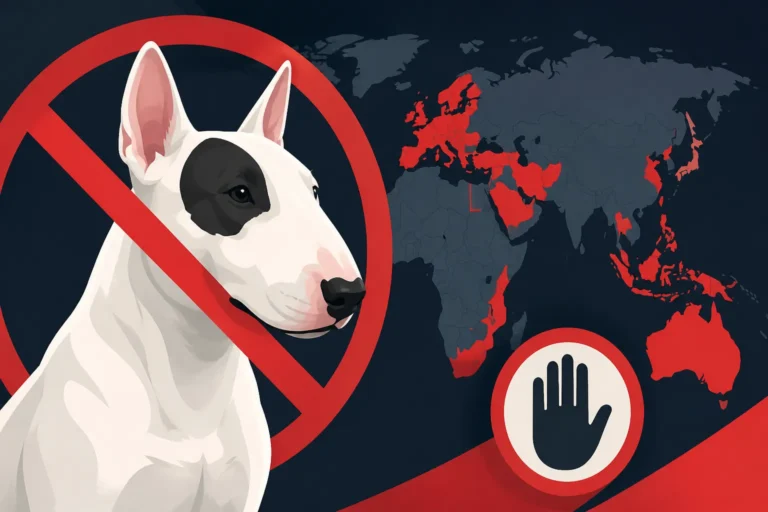
The unfortunate reality is that the "bully breed" label contributes to breed-specific prejudice and legislation, often based on outdated perceptions rather than the actual temperament of individual dogs. A Bull Terrier today is bred to be a family companion, excelling in dog sports, therapy work, or simply as a beloved pet. Their physical strength requires responsible ownership and training, just like any large, powerful breed. However, this strength should not be equated with an inherent desire to fight. It's a testament to good breeding practices over generations that the typical Bull Terrier is a loyal, affectionate, and playful dog, a far cry from the aggressive stereotype that the "bully breed" label implies. Educating ourselves and others about the true history and temperament of these dogs is crucial to combating these unfair and often dangerous misconceptions. It's vital to recognize that breed classification alone doesn't dictate an individual dog's behavior.
The Legacy of the White Cavalier in Today's Bull Terrier
The spirit of the White Cavalier isn't just a historical footnote; it actively shapes the Bull Terrier we know and love today. From the breed standards that guide reputable breeders to the responsibilities that fall on owners, the legacy of James Hinks' vision continues to define this remarkable breed.
Breed Standards: Reinforcing Temperament and Type
The breed standards for the Bull Terrier, maintained by kennel clubs around the world, are a direct reflection of Hinks' initial vision for the White Cavalier. These standards don't just describe the physical ideal – the egg-shaped head, the muscular body, the strong jaws – they also explicitly detail the desired temperament. A Bull Terrier should be courageous, full of spirit, and have a playful, clownish disposition, yet remain amenable to discipline. Aggression or extreme shyness are considered serious faults in the show ring, indicating that these traits are deviations from the ideal Bull Terrier character. Reputable breeders adhere to these standards, not only striving for physical perfection but also meticulously selecting for sound temperaments in their breeding stock.
This commitment to temperament is crucial. It ensures that the core qualities of the White Cavalier – its dignified courage without unprovoked aggression, its loyalty, and its joyful nature – are perpetuated through generations. When judges evaluate a Bull Terrier, they are not just looking at how well the dog fits the physical description; they are also assessing its overall demeanor. A truly exemplary Bull Terrier embodies both the unique physical characteristics and the stable, confident, yet friendly temperament outlined in the standard. This means that a well-bred Bull Terrier today carries the torch of Hinks' original dream: a distinctive, powerful dog that is, above all, a beloved and well-mannered companion.
Responsible Ownership: Upholding the Cavalier Spirit
For those of us lucky enough to share our lives with a Bull Terrier, upholding the "Cavalier Spirit" is a profound responsibility. This means understanding and embracing their unique personality, providing consistent training, and ensuring proper socialization. A Bull Terrier is not a dog for a passive owner; they thrive with someone who is committed, patient, and understands their need for mental and physical engagement. Their intelligence and stubborn streak mean they need clear boundaries and leadership. Owners must be their advocates, dispelling myths and showcasing the true nature of their dogs through responsible behavior. This includes ensuring they are well-exercised, properly trained, and that their interactions with the public and other animals are always positive and controlled.
This commitment also extends to health. Bull Terriers, like many breeds, can be prone to certain health conditions such as hereditary nephritis or deafness, particularly in white individuals. Responsible owners partner with reputable breeders who perform necessary health testing, and then continue with regular veterinary check-ups and a high-quality diet, perhaps from a trusted source like Chewy. A healthy Bull Terrier is a happy Bull Terrier, better equipped to embody that joyful, spirited nature. By investing time, effort, and love, owners continue the legacy of the White Cavalier, demonstrating to the world that Bull Terriers are indeed noble, loyal, and wonderful companions. Whether the Bull Terrier Is a Healthy Breed is a question responsible ownership helps answer.
The Bull Terrier in Popular Culture: Ambassadors of the Breed
Over the years, the Bull Terrier has appeared in various forms of popular culture, often serving as an ambassador for its unique charm and character. From the iconic Spuds MacKenzie of beer commercial fame (who, despite public perception, was actually a female Bull Terrier named Honey) to Target's cheerful mascot, Bullseye, these dogs have captured the public imagination. These appearances often highlight their distinctive looks and playful nature, helping to slowly chip away at the misconceptions that sometimes cling to the breed. They are portrayed as fun-loving, loyal, and charismatic, showcasing the lighter side of their personality.
These famous Bull Terriers serve as powerful visual reminders of the breed's true temperament – not aggressive, but engaging and spirited. They allow millions of people to see the Bull Terrier through a different lens, one that focuses on their individuality and endearing qualities. While no single dog can represent an entire breed, these cultural icons contribute to a broader understanding and appreciation of the Bull Terrier's role as a companion rather than a combatant. They reinforce the image of the White Cavalier, a dog that stands out for its unique beauty and charming disposition, continuing to prove that the Bull Terrier is a breed worthy of admiration and affection.
| Characteristic | Early "Bull and Terrier" Type | James Hinks' Bull Terrier "White Cavalier" | Modern Bull Terrier |
|---|---|---|---|
| Primary Purpose | Dog fighting, bull-baiting | Gentleman's companion, show dog | Family pet, show dog, various dog sports |
| Temperament Focus | Gameness, tenacity | Courage, loyalty, stable, elegant | Playful, affectionate, devoted, stubborn |
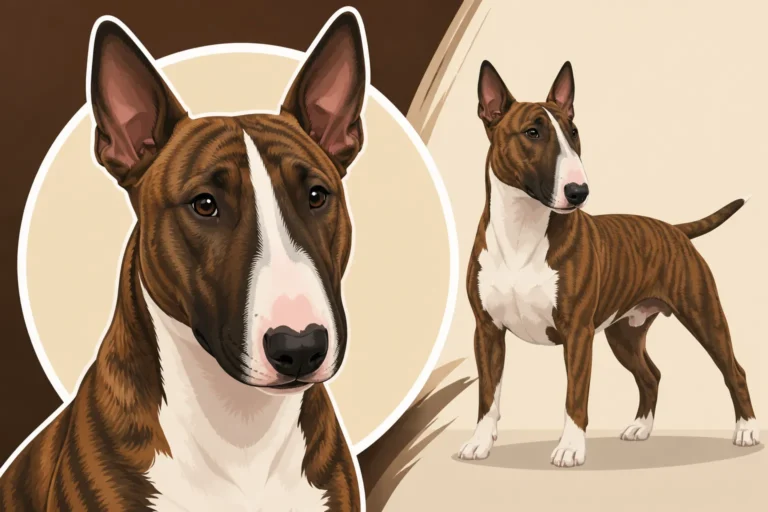
| Physical Appearance | Varied, stocky, functional | All-white, refined, unique head shape | Distinctive egg-shaped head, muscular, varied colors |
| Public Perception | Feared, aggressive | Admired, fashionable, loyal | Misunderstood, but increasingly appreciated for personality |
| Key Influences | Old English Bulldog, various terriers | Bulldog, English Terrier, Dalmatian | Continuous selective breeding for standard |
Disclaimer
This article is for general informational purposes only and does not constitute professional advice. Laws, prices and regulations vary by location and change over time. Consult a qualified professional for guidance on your specific situation.