The Yearly Urine Test Every Bull Terrier Owner Should Book
The quiet worry about your Bull Terrier's health is a constant companion for many of us, especially when it comes to silent killers like kidney disease. It's truly heartbreaking to discover a serious health issue when it's already advanced, leaving you feeling helpless and wishing you had known sooner. This comprehensive guide is here to walk you through the essential yearly urine test for your Bull Terrier, explaining why it's not just another vet visit, but a critical tool in safeguarding their precious lifespan. We'll demystify what to expect, how to interpret results, and why this simple test is your best defense against inherited kidney conditions.
Why a Yearly Urine Test Is a Non-Negotiable for Bull Terriers
The Silent Threat of Kidney Disease in Our Beloved Bullies
It’s a tough truth that many Bull Terrier owners face: our quirky, clownish companions are predisposed to certain health conditions, and kidney disease, particularly Hereditary Nephritis (HN), is one of the most insidious. What makes it so terrifying is its silent nature. Dogs are masters at hiding discomfort and illness, often continuing to play and eat even as their internal organs are slowly failing. You might not see obvious signs like lethargy or changes in appetite until the disease is quite advanced, sometimes past the point where early intervention could have made a significant difference. This makes preventive screening not just a good idea, but an absolute necessity for our breed.
Imagine waking up one day to a perfectly happy Bull Terrier, only to find out weeks later that their kidneys are functioning at a fraction of their capacity. This isn't a hypothetical fear; it's a reality for many Bull Terrier families. Their genetic makeup makes them uniquely vulnerable, which is why we, as responsible owners, need to be hyper-vigilant. A simple, non-invasive urine test can offer a window into their kidney health long before any symptoms even dream of showing up. It’s about catching those whispers of trouble before they become screams, giving our dogs the best possible chance at a full and happy life.
The frustration is real when you feel like you're constantly on guard, but understanding why these tests are important helps. It's not about being an overbearing "helicopter parent" to your dog; it's about being informed and proactive. When we talk about conditions like Hereditary Nephritis, we’re dealing with something that specifically targets Bull Terriers, unlike general kidney issues that can affect any breed. This specific vulnerability means our approach to their healthcare needs to be equally specific and diligent.
Early Detection: The Ultimate Lifeline
The power of early detection cannot be overstated when it comes to kidney disease in Bull Terriers. Unlike many ailments that might present with clear, immediate symptoms, kidney disease often progresses silently, eroding kidney function over months or even years. By the time a dog shows overt signs such as increased thirst and urination, vomiting, or weight loss, a significant portion of their kidney function, sometimes as much as 75%, may already be lost. At this stage, management becomes about slowing progression rather than preventing it, and the quality of life can be severely impacted.
A yearly urine test, specifically one that includes a Urine Protein Creatinine (UPC) ratio, allows your veterinarian to spot subtle changes in kidney function long before your Bull Terrier feels unwell. This early warning system can detect protein leaking into the urine, which is often one of the first indicators of kidney damage. Catching this early opens up a world of possibilities for intervention, from dietary changes and specific medications to closer monitoring. These early steps can literally add years to your Bull Terrier's life and significantly improve their comfort and well-being. It transforms a potential crisis into a manageable condition.
Think of it like this: If you could see a tiny crack in your car's engine block, wouldn't you address it immediately rather than waiting for the engine to seize? Your Bull Terrier's kidneys are just as vital. Early intervention means preserving what kidney function they still have, rather than desperately trying to compensate for what’s already gone. It means having options, and hope, instead of facing a dire prognosis later on. This is why booking that annual urine test is genuinely one of the most loving and responsible things you can do for your Bull Terrier.
The Bull Terrier's Unique Genetic Predisposition to Kidney Woes
The Bull Terrier breed, both standard and miniature, is unfortunately prone to a specific, inherited kidney condition known as Hereditary Nephritis (HN). This isn't just a random occurrence; it's written into their genetic code. Unlike acquired kidney disease that develops later in life due to environmental factors, infection, or age, HN is present from birth, even if symptoms don't show up until later, typically between the ages of two and eight years old. It's a progressive disease that damages the kidney's filtering units, leading to protein leakage and, eventually, kidney failure. To delve deeper into this, you might want to read about What Hereditary Nephritis Does to a Bull Terrier.
Understanding that this predisposition is hereditary is key. It means that no matter how perfectly you care for your Bull Terrier, how excellent their diet is, or how much exercise they get, they still carry this inherent risk. This knowledge isn't meant to instill fear, but to empower you with the information needed to be proactive. Reputable breeders should be testing their breeding stock to reduce the incidence of HN, but no test is foolproof, and carrier dogs can still pass on the gene without showing symptoms themselves. Knowing this underscores the importance of ongoing monitoring for every Bull Terrier.
The unique genetics of our Bull Terriers mean we can’t take kidney health for granted. While there isn't currently a perfect DNA test for HN that covers all genetic mutations, the UPC ratio remains the most reliable indicator available for early disease. It’s a sad reality that sometimes, even with the best intentions and responsible breeding, this condition can still appear. This is why every Bull Terrier owner must commit to regular screening, providing a crucial safety net for their unique companions.
Understanding Hereditary Nephritis in Bull Terriers
The Devastating Nature of HN
Hereditary Nephritis (HN) is a truly devastating disease for Bull Terriers. It's a type of progressive renal disease characterized by defects in the glomerular basement membrane—essentially, the tiny filters within the kidneys that are responsible for removing waste products from the blood while retaining essential proteins. In dogs with HN, these filters are compromised, allowing vital proteins to leak out into the urine. This constant leakage, over time, causes irreversible damage to the kidneys, leading to chronic kidney disease and, eventually, kidney failure. The frustrating part is that this process can begin very early in life, even in puppies, but often doesn't show overt clinical signs until the damage is extensive.
The progression of HN is relentless. Initially, your Bull Terrier might seem completely normal, full of energy, and showing no signs of illness. However, internally, the kidneys are slowly deteriorating. As more and more filtering units are damaged, the kidneys become less efficient, and protein loss accelerates. This leads to a cascade of problems, including dehydration, electrolyte imbalances, and the accumulation of toxins in the blood that healthy kidneys would normally filter out. The thought of this silent battle happening within your beloved pet is truly heartbreaking, emphasizing why we must be vigilant.
Once significant kidney function is lost, the symptoms become more apparent: increased thirst (polydipsia), more frequent urination (polyuria), weight loss despite a good appetite, lethargy, vomiting, and even bad breath due to toxin buildup. By this point, the disease is in its advanced stages, and while management can help improve comfort and extend life, a full recovery isn't possible. This grim reality is precisely why we stress the importance of understanding this condition and taking proactive measures like the yearly urine test.
The Role of Genetics: How HN is Inherited
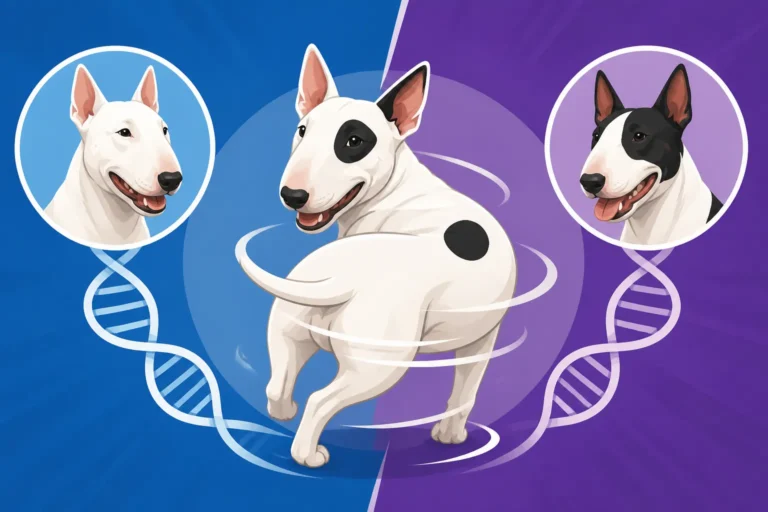
Hereditary Nephritis in Bull Terriers is typically inherited as an autosomal dominant trait, though some research suggests a more complex genetic basis. This means that a dog only needs to inherit one copy of the defective gene from either parent to be affected by the disease. This mode of inheritance is particularly tricky because even a dog with one healthy copy and one defective copy will develop the condition, and they can pass that defective gene on to roughly half of their offspring. This makes responsible breeding incredibly challenging and highlights why genetic screening is so vital for breeding animals. You might find more information on How Hereditary Nephritis Is Inherited in Bull Terriers.
The specific gene responsible for the most common form of HN in Bull Terriers is a mutation in the COL4A1 or COL4A2 genes, which are crucial for forming Type IV collagen – a major component of those all-important kidney filters. When this collagen is faulty, the filters become leaky. The frustration for breeders and owners alike is that while DNA tests exist for some forms of inherited kidney disease in other breeds, a comprehensive and universally accepted DNA test specifically for the broad spectrum of HN in Bull Terriers has been elusive or not widely utilized for all potential genetic markers. This means that even with the best intentions, genetically "clear" parents might still, in rare cases, produce affected offspring if there are other, as yet undiscovered, genetic components or mutations.
This complex genetic picture reinforces the need for universal screening practices for all Bull Terriers, regardless of parental health history. While reputable breeders strive to eliminate HN from their lines through careful selection and testing, the genetic complexities mean that annual monitoring of protein in the urine is the most reliable current method for detecting the disease in individual dogs. It's about combining genetic knowledge with practical, ongoing health surveillance to give every Bull Terrier the best shot at a healthy life.
Signs of Kidney Trouble That Often Go Unnoticed
As we’ve discussed, Bull Terriers are masters of stoicism, often hiding illness until it’s quite advanced. This is especially true for kidney disease, where early signs can be incredibly subtle, easily dismissed, or even entirely absent. Many owners report that their dog seemed "fine" right up until a sudden decline, which can be incredibly frustrating and guilt-inducing. It’s not your fault; it’s just how dogs are built to survive. However, knowing what to look for, even the most minuscule changes, can give you a critical head start.
One of the earliest and most easily missed signs is a subtle increase in thirst and urination. You might notice your Bull Terrier emptying their water bowl more frequently, or asking to go out more often. This isn't just about them being a bit thirstier after a romp; it's the kidneys struggling to concentrate urine, leading to dilute urine and a compensatory increase in water intake. Other subtle changes might include a slight decrease in appetite, or just a general "off" feeling that you, as their dedicated owner, can pick up on intuitively. They might seem a little less enthusiastic about their favorite activities, or take longer to recover from exercise. These aren't definitive symptoms, but they are cues to pay closer attention.
Another easily overlooked sign can be changes in coat quality, a dullness that wasn't there before, or a slightly less vibrant demeanor. Some owners might also notice very subtle weight loss, even if the dog is still eating. These are not typically the dramatic "my dog is clearly sick" symptoms, but rather a slow, creeping deviation from your Bull Terrier’s normal baseline. This is where your intimate knowledge of your dog becomes invaluable. Paying close attention to their daily habits, their water intake, and output can be the first line of defense, prompting you to speak to your vet sooner rather than later. For more information on subtle changes, you can refer to Signs a Bull Terrier's Kidneys Are Failing.
The UPC Ratio: Your Bull Terrier's Kidney Report Card
What is the Urine Protein Creatinine UPC Ratio?
The Urine Protein Creatinine (UPC) ratio is perhaps the single most important diagnostic tool for screening and monitoring kidney health in Bull Terriers. It's a simple, non-invasive test that measures the amount of protein in your dog's urine relative to the amount of creatinine, a waste product also found in urine. Why is this ratio so important? Because kidneys are supposed to filter waste products out of the blood, but they should retain essential proteins within the blood. When the kidney filters (the glomeruli) are damaged, they start to leak protein into the urine. The UPC ratio essentially quantifies this leakage.
Unlike a simple dipstick test for protein in urine, which can give false positives due to concentrated urine, inflammation, or infection, the UPC ratio provides a much more accurate and consistent measure of protein loss. Creatinine levels in urine are relatively stable, so using it as a reference point helps normalize the results, making them reliable regardless of how dilute or concentrated the urine sample is. This accuracy is critical for detecting subtle, early-stage kidney disease, especially conditions like Hereditary Nephritis, where protein leakage is a hallmark. It’s like getting a detailed financial report instead of just a quick glance at your bank balance.
When your vet runs a UPC test, they're looking for protein that shouldn't be there. A small amount of protein can be normal, but consistently elevated levels are a red flag that warrants further investigation. This test is non-invasive, meaning it's generally stress-free for your Bull Terrier, and can be collected during a regular visit or even at home. It’s a powerful, cost-effective way to peer into your dog’s kidney health and catch issues before they become life-threatening. For a deeper understanding, check out What a UPC Ratio Tells a Bull Terrier Owner.
What a "Normal" UPC Looks Like for a Bull Terrier
Understanding what constitutes a "normal" UPC ratio is crucial for any Bull Terrier owner. Generally, a UPC ratio of less than 0.2 is considered within the normal reference range for healthy dogs. This indicates that the kidneys are efficiently doing their job, retaining protein and excreting waste. Values between 0.2 and 0.4 are often considered "borderline" or "equivocal," especially for breeds prone to kidney disease. In these cases, your vet might recommend retesting in a few weeks or months to see if the protein leakage is transient or persistent. It's a bit like getting a "check engine soon" light – it doesn’t mean disaster, but it definitely needs attention.
It's important to remember that a single slightly elevated UPC reading doesn't automatically mean your Bull Terrier has kidney disease. Other factors can temporarily increase protein in the urine, such as a urinary tract infection (UTI), inflammation, fever, stress, or even strenuous exercise. This is why your vet will usually recommend ruling out these other possibilities first, perhaps by running a full urinalysis and culture, before jumping to conclusions. A reliable diagnosis often requires persistent proteinuria, meaning consistently elevated UPC ratios over several samples taken weeks apart.
The goal with a Bull Terrier is to consistently see those low, healthy UPC numbers. Anything consistently above 0.2, even if it's below the commonly cited "renal proteinuria" threshold of 0.4-0.5, should be taken seriously for a breed so prone to HN. It's about being proactive and catching even the smallest blips on the radar. Don't hesitate to ask your vet to explain the specific numbers and what they mean for your Bull Terrier's individual health profile.
When to Worry: Interpreting Elevated UPC Numbers
When a Bull Terrier's UPC ratio consistently comes back elevated above the normal range (generally >0.2, and definitely >0.4-0.5), it’s time to take action. A persistent UPC ratio greater than 0.5 (or 0.4 in some labs) in a dog with inactive urine sediment (meaning no sign of infection or inflammation) is usually considered indicative of "renal proteinuria," which signifies kidney damage. For a breed like the Bull Terrier, with its known predisposition to Hereditary Nephritis, even a UPC ratio in the 0.2-0.4 range, if persistent, warrants serious discussion and often further investigation with your veterinarian.
The degree of elevation can give your vet an idea of the severity, but even moderately elevated numbers, when persistent, point to ongoing damage. An elevated UPC ratio, especially without signs of a UTI or other inflammatory conditions, means that the delicate filtering units in your Bull Terrier's kidneys are compromised and allowing too much protein to escape. This is a critical indicator that something is amiss and needs to be addressed promptly. The frustration of these numbers can be intense, but remember, this is information that empowers you to act.
Your vet will likely recommend a series of follow-up tests if an elevated UPC is detected. This could include blood work to assess kidney function (BUN, creatinine, phosphorus), a full urinalysis with sediment exam and culture to rule out infection, and potentially imaging like an ultrasound to visualize the kidneys. In some cases, a consultation with a veterinary internal medicine specialist or nephrologist might be recommended. The key is to not ignore these numbers. They are your Bull Terrier’s early warning system, and acting on them quickly can significantly impact their long-term health and prognosis. This is also where having pet insurance, like through Healthy Paws, can really alleviate the stress of unexpected diagnostic costs.
Preparing for Your Bull Terrier's Yearly Urine Test
The Art of Collecting a Clean Urine Sample
Collecting a clean urine sample from your Bull Terrier might sound simple, but anyone who's tried knows it can be a bit of an art! For the most accurate UPC results, your vet will ideally want a "free catch" or mid-stream sample. This means catching the urine mid-pee, rather than at the very beginning or end, to minimize contamination from the skin, hair, or external genitalia. You'll need a clean, dry, sterile container, often provided by your vet clinic. Many owners find a long-handled ladle or a shallow container taped to a stick quite effective for this maneuver, allowing you to reach under your Bull Terrier without them getting too suspicious.
The best time to collect the sample is often first thing in the morning, as this urine is usually more concentrated and can give a clearer picture of potential issues. However, if your Bull Terrier is cooperative and pees on command, any time they haven't just had a huge drink of water will work. Walk them on a leash, wait for them to start peeing, then smoothly slide your collection container under them to catch the mid-stream portion. Aim for at least 5-10 ml if possible. Don't worry if it's not perfect the first time; it takes practice! The crucial part is to avoid contaminating the sample with dirt, grass, or feces.
Once collected, the sample should be refrigerated immediately and transported to your vet clinic as soon as possible, ideally within a few hours. Prolonged storage or exposure to heat can alter the sample, affecting the accuracy of the results. If you can't get it to the vet within 2-4 hours, discuss with your vet about keeping it refrigerated overnight, though fresh is always best. A little planning can make this seemingly simple task go smoothly and yield the most reliable information for your dog's health. You may also want to ask How a Bull Terrier's UPC Sample Is Collected.
What to Discuss with Your Veterinarian
Before your Bull Terrier's yearly urine test, take some time to prepare a few key points for discussion with your veterinarian. This is your opportunity to voice any concerns and ensure your vet has a complete picture of your dog’s health. First and foremost, mention any subtle changes you've noticed over the past year. Has their water intake increased, even slightly? Are they asking to go out more often? Have there been any changes in their appetite, energy levels, or weight? No detail is too small when it comes to kidney health.
Secondly, specifically discuss your awareness of Hereditary Nephritis in Bull Terriers. Ask your vet if they are regularly performing UPC ratios as part of their annual wellness panels for Bull Terriers. Some vets might rely solely on basic urinalysis or blood work, which, while useful, don’t provide the same early diagnostic power as a UPC ratio. Advocate for this specific test if it's not already standard practice. This is also a good time to bring up your Bull Terrier’s breeding history, if known, and any health information provided by the breeder, especially concerning kidney health of the parents.
Finally, discuss the importance of baseline values. If this is your Bull Terrier's first UPC test, establishing a baseline is critical for future comparisons. If they've had previous tests, ask to review the trends. Understanding your vet’s interpretation criteria for Bull Terriers, given their breed-specific risks, is also paramount. Don't be afraid to ask questions until you feel completely informed. Your vet is your partner in your Bull Terrier's health, and an open dialogue is essential. Remember, proactive discussions can make all the difference in uncovering potential issues early on. This is where The Yearly Kidney Screen a Bull Terrier Needs for Life truly comes into play.
The Importance of Consistency in Testing
Consistency is king when it comes to monitoring your Bull Terrier's kidney health with UPC ratios. A single test result, whether normal or slightly elevated, provides a snapshot in time. What truly gives your veterinarian valuable insight is a trend over time, established through consistent yearly (or more frequent, if advised) testing. This allows them to see if a normal value is truly stable, or if there's a slow, upward creep that might indicate early, progressive kidney damage before it becomes clinically significant. Think of it as tracking your own blood pressure – a single reading is less informative than seeing how it behaves over months or years.
Regular, consistent testing, ideally at the same time of year (e.g., during their annual wellness exam), helps normalize variables. It creates a historical record that can reveal subtle shifts that might otherwise be missed. If you suddenly see an elevated UPC after several years of normal readings, it immediately flags a potential issue, prompting further investigation. Conversely, if there's a slight fluctuation but it consistently returns to a low baseline, it offers reassurance.
Without this consistency, vets are working with incomplete information, making it harder to distinguish between a transient, benign elevation and the early stages of a serious condition like Hereditary Nephritis. Committing to a yearly UPC test for the entire life of your Bull Terrier provides that invaluable longitudinal data, allowing for the earliest possible detection and intervention. This regular monitoring can significantly influence How Long a Bull Terrier Lives After a Nephritis Diagnosis. You might also find it helpful to learn about How Often a Bull Terrier's Urine Should Be Tested.
Interpreting the Results: Demystifying Your Bull Terrier's Lab Report
Deciphering the Numbers: What Your Lab Report Means
Receiving your Bull Terrier's lab report can feel like reading a foreign language, filled with acronyms and numbers. However, understanding the key components, especially regarding the UPC ratio, is empowering. The report will typically list "Urine Protein," "Urine Creatinine," and then the calculated "Urine Protein/Creatinine Ratio" (UPC). Remember, a normal UPC is generally less than 0.2. A value between 0.2 and 0.4-0.5 is considered borderline or equivocal, and anything consistently above 0.5 (or 0.4 for some labs and breeds like Bull Terriers) indicates significant protein loss from the kidneys.
Beyond just the UPC number, your vet will also look at the complete urinalysis results, which often accompany the UPC. This includes urine specific gravity (USG), which tells you how concentrated your dog's urine is. Low USG can indicate that the kidneys aren't concentrating urine effectively, a common sign of kidney disease. They'll also check for things like pH, glucose, ketones, and microscopic elements such as red blood cells, white blood cells, bacteria, and crystals. For example, if the UPC is elevated but the urinalysis shows a lot of white blood cells and bacteria, it's likely a urinary tract infection causing the protein leakage, not necessarily primary kidney disease.
Your veterinarian's role here is crucial. They will synthesize all this information – the UPC ratio, the full urinalysis, your Bull Terrier's clinical signs (or lack thereof), and their breed predisposition – to give you a comprehensive assessment. Don’t hesitate to ask for a detailed explanation of each part of the report. This is your dog's health, and you have every right to understand it thoroughly.
Factors That Can Skew the Results
It's important to be aware that several factors can potentially skew your Bull Terrier's UPC ratio, leading to a false positive or an unnecessarily alarming result. This is why your vet will always consider the entire clinical picture and often recommend repeat testing. One common culprit is a urinary tract infection (UTI). The inflammation and presence of white blood cells and bacteria in the urine can cause protein to leak, temporarily elevating the UPC. This is why a full urinalysis and urine culture are often performed alongside or before a UPC ratio, especially if there are signs of a UTI.
Other factors include strenuous exercise before sample collection, which can temporarily increase protein excretion, or fever, which can also cause transient proteinuria. Even stress from a vet visit can sometimes influence results. Certain medications, recent vaccination, or other systemic inflammatory conditions can also lead to temporary protein in the urine. This is why a single elevated UPC isn't usually enough for a definitive diagnosis of chronic kidney disease; your vet will want to rule out these confounding factors.
This understanding helps manage expectations and prevent unnecessary panic. If your Bull Terrier's UPC comes back slightly elevated, don't immediately jump to the worst conclusion. Discuss with your vet the possibility of retesting, perhaps under different conditions, and whether other factors could be at play. The goal is to get a true, accurate picture of kidney health, not to react to a temporary anomaly.
When to Seek a Specialist's Opinion
While your primary care veterinarian is exceptionally skilled and knowledgeable, there are times when seeking a specialist’s opinion becomes invaluable, especially if your Bull Terrier receives a concerning UPC result. If, after ruling out other causes like UTIs and performing repeat tests, your Bull Terrier still shows persistently elevated UPC ratios, particularly above 0.5, a referral to a board-certified veterinary internal medicine specialist or a nephrologist (a kidney specialist) is often the next logical step. These specialists have advanced training and experience in diagnosing and managing complex kidney diseases, including breed-specific conditions like Hereditary Nephritis.
A specialist can offer more advanced diagnostic tools and treatment options that might not be available at a general practice. This could include more in-depth imaging, specialized blood tests, or even a kidney biopsy in some cases, which can provide a definitive diagnosis of the type and extent of kidney damage. They can also provide expert guidance on the most current management strategies, dietary recommendations, and medication protocols tailored to your Bull Terrier's specific condition. This expertise can be critical in slowing the progression of disease and optimizing quality of life.
The decision to see a specialist can feel daunting, both emotionally and financially, but it’s an investment in your Bull Terrier’s future. It provides access to the highest level of care and ensures you have all the information and options available. If you have pet insurance, like through Healthy Paws, it can significantly ease the financial burden of specialist consultations and advanced diagnostics, allowing you to focus on getting your Bull Terrier the best possible care without added stress.
What Happens if the UPC is Elevated: Taking Action
Further Diagnostic Steps After an Elevated UPC
If your Bull Terrier’s UPC ratio is persistently elevated, your veterinarian will likely recommend a series of further diagnostic steps to fully assess their kidney function and rule out other causes. This is where the detective work truly begins. First, a comprehensive blood panel will be crucial. This usually includes a Complete Blood Count (CBC) and a chemistry panel, paying close attention to kidney values like Blood Urea Nitrogen (BUN), creatinine, and phosphorus. While these values often remain normal in early kidney disease (as kidneys are remarkably good at compensating), they will start to rise as function declines, providing a more complete picture of the disease stage.
Beyond blood work, your vet will likely want to re-evaluate the full urinalysis, potentially sending a portion for a urine culture to definitively rule out a hidden urinary tract infection that could be causing the proteinuria. Blood pressure measurement is also vital, as hypertension (high blood pressure) is both a cause and a consequence of kidney disease, and managing it is critical. Imaging studies, such as an abdominal ultrasound, can provide visual information about the size, shape, and architecture of the kidneys, helping to identify any structural abnormalities, cysts, or stones.
In some cases, especially if the diagnosis remains unclear or a more definitive understanding of the disease type is needed, a referral to an internal medicine specialist for a kidney biopsy might be considered. While invasive, a biopsy can provide precise information about the specific type of kidney damage, guiding targeted treatment. The thought of all these tests can be overwhelming, but each step provides a crucial piece of the puzzle, helping your veterinary team tailor the best possible treatment plan for your Bull Terrier.
Starting Treatment Early: Diet and Medication
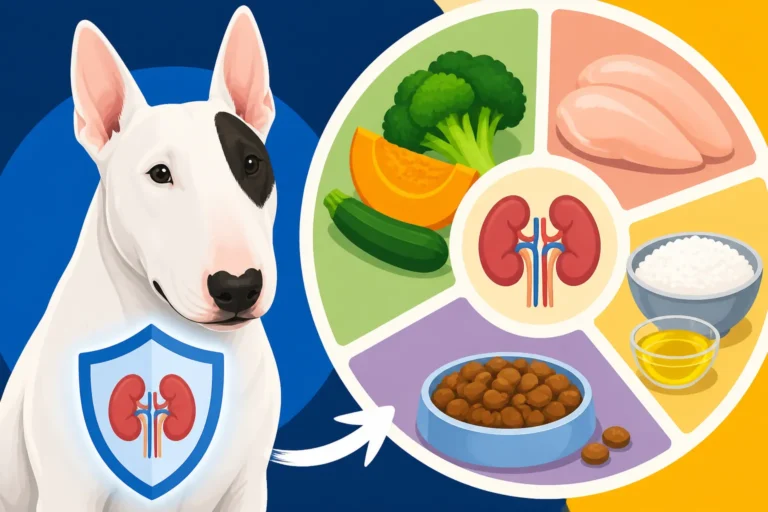
Once an elevated UPC ratio and kidney disease are confirmed, starting treatment as early as possible is paramount to slowing progression and maintaining your Bull Terrier’s quality of life. The cornerstone of early intervention often involves dietary modifications. A prescription renal diet, typically lower in protein, phosphorus, and sodium, is usually recommended. The goal isn't to eliminate protein entirely, but to provide high-quality, easily digestible protein in controlled amounts to minimize the burden on the kidneys while still meeting your Bull Terrier's nutritional needs. These diets also contain controlled phosphorus levels, as high phosphorus can accelerate kidney damage. You might want to review Which Diet a Bull Terrier With Kidney Disease Needs.
In addition to diet, medication can play a significant role. Angiotensin-converting enzyme (ACE) inhibitors, such as enalapril or benazepril, are commonly prescribed. These medications help reduce protein loss by decreasing pressure within the kidney filters and can slow the progression of kidney disease. If hypertension is present, blood pressure medications will also be initiated. Omega-3 fatty acid supplements are often recommended for their anti-inflammatory effects and potential kidney protective benefits. Other medications might be used to manage specific symptoms, such as anti-nausea drugs if vomiting is an issue, or phosphorus binders if blood phosphorus levels become too high.
The journey of managing kidney disease is ongoing, requiring regular monitoring and adjustments to treatment protocols based on how your Bull Terrier responds. It's a commitment, but with early and consistent intervention, many Bull Terriers with kidney disease can maintain a good quality of life for an extended period. This proactive approach underscores the value of that initial yearly urine test – it gives you the chance to intervene when it matters most. You may also be interested in What a Bull Terrier's Monthly Kidney Medication Costs.
Lifestyle Adjustments and Supportive Care
Beyond diet and medication, making thoughtful lifestyle adjustments and providing supportive care can significantly enhance your Bull Terrier's well-being when managing kidney disease. Hydration is key: ensure constant access to fresh, clean water. Some Bull Terriers might benefit from adding water to their food or using a pet water fountain to encourage increased fluid intake. This helps the kidneys flush out waste products and prevents dehydration. Monitoring their water intake and urine output becomes a part of your daily routine.
Regular, gentle exercise is still important for maintaining muscle mass and overall health, but strenuous activity should be avoided, especially if your Bull Terrier is feeling unwell. The focus shifts to comfortable, consistent activity rather than intense exertion. Maintaining a calm, low-stress environment is also beneficial, as stress can impact overall health. This means sticking to routines, providing familiar comforts, and minimizing abrupt changes. Many owners find that creating a comfortable, easily accessible sleeping area that's not too hot or cold is especially appreciated by dogs with kidney disease.
Regular veterinary check-ups, often more frequent than yearly, become crucial. These follow-up visits will involve repeating blood work and UPC ratios to monitor the disease’s progression and adjust medications or diet as needed. Your vet may also want to monitor blood pressure more closely. These ongoing visits, while they can add up in cost, are vital. This is another area where a comprehensive pet insurance plan from providers like Healthy Paws can truly be a lifesaver, covering a significant portion of these recurring expenses and allowing you to prioritize your Bull Terrier’s health without financial worry.
Proactive Care: Beyond the Yearly Test
The Critical Role of Diet and Hydration
Even if your Bull Terrier has a pristine UPC ratio, diet and hydration remain critical components of proactive kidney health. For healthy Bull Terriers, a high-quality, balanced diet that provides appropriate protein levels is essential. While high protein doesn't cause kidney disease, excessive protein can put extra strain on the kidneys over time. Look for dog foods with named meat sources as the first ingredient and a moderate protein content suitable for their life stage and activity level. Avoid ultra-high protein diets unless specifically recommended by your vet for other health reasons.
Hydration, as mentioned, is paramount for all dogs, but especially for Bull Terriers. Always ensure they have access to fresh, clean water. Multiple water bowls around the house, water added to meals, or even a pet water fountain can encourage increased water intake, helping their kidneys function optimally and efficiently flush out waste. Good hydration supports overall kidney function and can potentially slow the development of age-related kidney decline, even in healthy dogs.
The choices you make daily in their bowl and water dish have a profound impact on their internal organs. Prioritizing a diet that supports kidney function, along with ensuring consistent, ample hydration, is a simple yet powerful way to contribute to their long-term health. Don’t wait for a diagnosis to think about kidney-friendly habits; integrate them into your Bull Terrier’s life from day one.
Regular Veterinary Check-ups and Comprehensive Panels
While the yearly urine test is a cornerstone, it's part of a larger picture of comprehensive veterinary care for your Bull Terrier. Regular veterinary check-ups, at least once a year for younger dogs and often twice a year for seniors (typically those over eight years old), are non-negotiable. These visits aren't just for vaccinations; they're an opportunity for a thorough physical examination, dental check, and a discussion of any changes you've observed. During these visits, your vet can catch other subtle signs of illness, monitor weight, and assess overall health.
Beyond the UPC ratio, a comprehensive blood panel should be considered periodically, especially as your Bull Terrier ages. This full panel includes values that assess liver function, blood sugar, thyroid hormones, and a more detailed look at red and white blood cell counts, all of which provide a holistic view of their internal health. Catching issues like hypothyroidism or early liver changes can also prevent secondary complications that might inadvertently impact kidney health. For more on caring for an older Bull Terrier, read Caring for a Bull Terrier Past Eight.
Think of these comprehensive check-ups as ongoing maintenance for a complex, beloved machine. Just like you wouldn't only check one fluid in your car, you shouldn't only check one aspect of your Bull Terrier’s health. Integrating the yearly urine test into a broader schedule of regular, thorough veterinary care ensures that all systems are being monitored, giving your Bull Terrier the best chance at a long, healthy, and vibrant life. These proactive measures, while invaluable, can also come with a cost, making a robust pet insurance policy, such as those offered by Healthy Paws, a thoughtful consideration for many Bull Terrier owners.
Genetic Screening for Breeding Animals
For anyone involved in breeding Bull Terriers, genetic screening is not just important; it’s an ethical imperative. While the genetics of Hereditary Nephritis are complex and a perfect DNA test covering all mutations might not be universally available or exhaustive, breeders still have a responsibility to screen their breeding stock as thoroughly as possible. This includes regular UPC testing on all breeding dogs, demonstrating consistent clear results over multiple years. Sharing these results transparently with prospective puppy buyers is also a sign of a responsible breeder. You can get more information on What a Bull Terrier Breeder Should Have Tested.
In addition to UPC screening, responsible breeders will also screen for other inherited conditions common in Bull Terriers, such as heart conditions (like mitral valve dysplasia or aortic stenosis, usually via echocardiogram), hearing (BAER testing, especially for white Bull Terriers), and patellar luxation. The goal is to make informed breeding decisions that reduce the likelihood of passing on known genetic diseases, thereby improving the overall health of the breed. This meticulous approach to health testing helps ensure that future generations of Bull Terriers are as healthy as possible.
Transparency and ongoing research are key in breed health. Reputable breeders work closely with breed clubs and veterinary geneticists to stay abreast of the latest research and testing protocols. For aspiring Bull Terrier owners, asking breeders about their health testing practices, including specific questions about HN and UPC results of the parents, is crucial. This helps support ethical breeding and ensures you're bringing home a puppy with the best possible genetic foundation.
Long-Term Management and Maximizing Quality of Life
Ongoing Monitoring and Adjusting Care
Living with a Bull Terrier diagnosed with kidney disease, even if caught early, means embracing a journey of ongoing monitoring and adaptive care. This isn't a one-and-done situation. Regular check-ups, often every 3-6 months, become a normal part of life. These visits will involve repeating blood work (BUN, creatinine, phosphorus, electrolytes) and UPC ratios to track the disease’s progression and assess the effectiveness of current treatments. Your vet will monitor blood pressure at each visit, too, as hypertension can worsen kidney damage.
Based on these results, your veterinary team will make adjustments to your Bull Terrier's diet and medication regimen. This might mean increasing dosages of ACE inhibitors, adding new medications to manage symptoms like nausea or anemia, or switching to a more restrictive prescription renal diet. It's a dynamic process, and open communication with your vet is vital. You are the best observer of your Bull Terrier's daily life, and your insights into their energy levels, appetite, thirst, and overall demeanor are critical for guiding these adjustments.
The goal is always to maximize their comfort and slow the progression of the disease for as long as possible. This adaptive care ensures that as your Bull Terrier's needs change, their treatment evolves with them, offering them the best possible quality of life at every stage. It’s about being a responsive, attentive advocate for their health.
Supporting Your Bull Terrier Through Their Senior Years
As our beloved Bull Terriers enter their senior years, typically around eight years old, their bodies naturally start to slow down, and the risk of various health issues, including kidney disease, increases. Even if they’ve had healthy kidneys their whole life, age can bring about a decline. This is why the yearly urine test and comprehensive check-ups become even more crucial for older Bull Terriers. Catching age-related kidney changes early can significantly extend their comfortable years.
Supporting a senior Bull Terrier with kidney issues involves a gentle, holistic approach. Beyond the prescribed diet and medication, consider comfort measures. Orthopedic beds can ease joint pain, which can become more noticeable with age. Ensuring easy access to food, water, and outdoor potty spots, perhaps with ramps or fewer stairs, can make a big difference. Maintaining mental stimulation with gentle puzzle toys or short, engaging play sessions can keep their minds sharp without overexerting their bodies. It's about acknowledging their changing needs and adapting their environment to support them.
The bond we share with our senior Bull Terriers is incredibly special. While it's hard to watch them age, providing diligent, compassionate care through their golden years, including proactive health monitoring, allows them to enjoy every moment possible. The commitment to that yearly urine test throughout their life is a testament to that love, securing them the longest, healthiest The Ten to Fourteen Years a Bull Terrier Gets.
Embracing Every Moment: Quality of Life Over Quantity
Ultimately, the goal of all this vigilant testing, monitoring, and treatment for your Bull Terrier's kidney health is to ensure they have the best possible quality of life for as long as possible. While a diagnosis of kidney disease is daunting, it doesn't mean the end of joy or precious moments. Many Bull Terriers, with early detection and diligent management, can live comfortably for years after diagnosis. It's about finding that balance between necessary medical interventions and simply letting them be happy, goofy Bull Terriers.
This might mean embracing the small victories: a good appetite, a playful romp in the yard (even if shorter than before), a contented nap on the sofa. It's about appreciating their unique personality and ensuring they still get to experience the joys of being a dog. Open conversations with your vet about their comfort levels, energy, and overall happiness are key. There might come a time when difficult decisions need to be made, but until then, every effort is focused on preserving their spark.
For any Bull Terrier owner, the thought of their dog facing a serious illness is terrifying. But armed with knowledge, proactive testing, and a dedicated veterinary team, you can navigate these challenges with confidence and compassion. The yearly urine test is a powerful step in that journey, providing the insights needed to protect their health and cherish every moment you have together.
| UPC Ratio Range | Interpretation for Bull Terriers | Recommended Action |
|---|---|---|
| < 0.2 | Normal; kidneys are functioning well. | Continue yearly screening. |
| 0.2 – 0.4 | Borderline/Equivocal; mild protein loss. | Retest in 2-4 weeks. Rule out infection/inflammation. Monitor closely. |
| > 0.4 – 0.5 | Mild to Moderate Proteinuria; suggestive of early kidney damage. | Full urinalysis, blood panel, blood pressure check. Consider specialist consult. |
| > 0.5 | Significant Proteinuria; indicative of ongoing kidney damage/disease. | Comprehensive workup: blood, urine culture, imaging. Initiate treatment (diet/meds). Specialist consult highly recommended. |
Disclaimer
The information provided in this guide is for general informational purposes only and is not intended as a substitute for professional veterinary advice, diagnosis, or treatment. Always seek the advice of your veterinarian or other qualified animal health provider with any questions you may have regarding a medical condition or the health and welfare of your pet.