Whether Bathing Too Often Dries a Bull Terrier’s Skin
It’s a tale as old as time for Bull Terrier owners: you love that pristine, clean feeling after a bath, but you’re also keenly aware that their distinct skin and coat might not appreciate too much of a good thing. We’ve all been there, wondering if that slight dryness or itchiness our beloved Bullie experiences after a wash is just normal, or if we’re actually doing more harm than good by bathing them too often. This guide is going to dive deep into exactly that, helping you understand your Bull Terrier's unique dermatological needs and how to strike the perfect balance for a healthy, happy coat and skin.
Understanding Your Bull Terrier's Unique Skin and Coat
When we talk about Bull Terriers, we’re not just talking about any dog; we’re talking about a breed with a genuinely unique physical makeup, particularly when it comes to their skin and coat. It’s not just about aesthetics; these characteristics play a huge role in how we should approach their grooming and overall care. If you've ever found yourself wondering why your Bullie reacts differently to bathing than other breeds, it all starts here.
The Bull Terrier's Distinctive Coat Texture
Take a moment to run your hand over your Bull Terrier's coat. What do you feel? It's short, yes, and often described as smooth and harsh to the touch. Unlike many breeds that boast a thick double coat for insulation, Bull Terriers typically have a single coat. This means they lack that soft, dense undercoat that helps protect the skin from environmental factors and maintain moisture. While this single layer might make for easier brushing compared to, say, a Golden Retriever, it also means there's less natural protection for the skin underneath. The short, stiff hairs, while low-maintenance in terms of shedding volume compared to some, still shed consistently, as you'll know if you've ever had a Bull Terrier on your dark clothes! This distinctive coat, or lack thereof in terms of an undercoat, directly impacts how resilient their skin is to external factors, including bathing.
The absence of a dense undercoat means that any stripping of natural oils from the skin, a common consequence of frequent bathing with harsh shampoos, can have a more immediate and noticeable impact. There isn't an extra layer of fur to buffer the drying effects or to help trap moisture against the skin. This nakedness, in a sense, makes them more vulnerable. You might not see huge clumps of fur, but the tiny, needle-like hairs still find their way onto everything, and the skin beneath is quite exposed. Understanding How Much a Short Coated Bull Terrier Actually Sheds helps you appreciate the reality of their coat, which, while seeming low-maintenance, needs attention due to the exposed skin underneath.
Why Bull Terrier Skin is So Sensitive
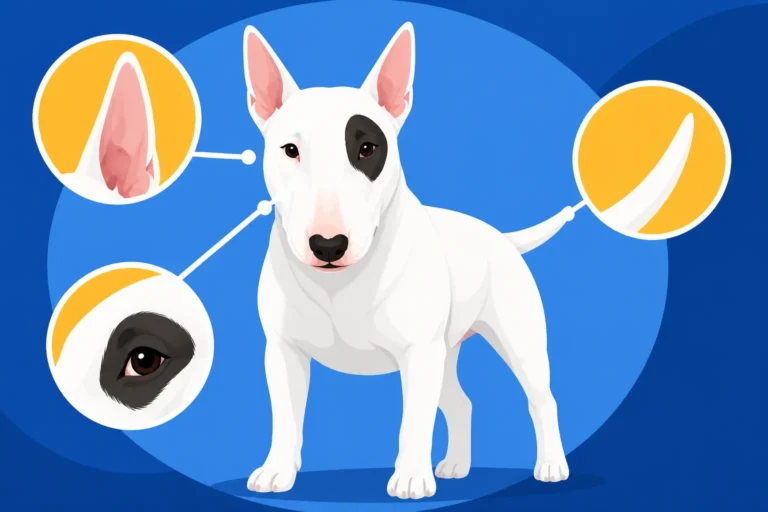
It's no secret among seasoned Bull Terrier owners that A Bull Terrier's Skin Is Its Weakest Point. This isn't just anecdotal; there are genuine physiological reasons for it. Their skin tends to be thinner and more prone to irritation than many other breeds. Genetically, Bull Terriers, especially white ones, can be predisposed to various skin issues. Allergies are incredibly common in the breed, whether they are environmental (atopy), food-related, or contact allergies. A Bull Terrier might react to pollen, certain proteins in their diet, or even the detergent you use to wash their bedding.
Think about it this way: their skin is essentially a highly responsive alarm system. When something is off, whether it's an allergen, a nutrient deficiency, or an imbalance caused by inappropriate grooming, their skin is often the first place to show it. This sensitivity means that seemingly innocuous practices, like bathing, can actually trigger or worsen underlying conditions if not approached carefully. You might notice redness, bumps, or an increase in scratching even after what you thought was a beneficial bath. This is their skin telling you, loud and clear, that something isn't quite right.
This inherent sensitivity means we have to be extra vigilant. Even a minor irritation can quickly escalate into a more significant problem, such as hot spots or secondary bacterial or yeast infections, because their skin barrier is often not as robust as it could be. Recognizing these predispositions is the first step in providing truly effective care, making sure that your grooming routine works with their skin, not against it.
The Impact of Frequent Bathing on Bull Terrier Skin Health
We all want our Bull Terriers to be clean, smell fresh, and look their best. But there's a fine line between a necessary bath and an overzealous one that can actually compromise their skin's health. For a breed like the Bull Terrier, with its specific dermatological sensitivities, understanding this impact is absolutely crucial.
Stripping Natural Oils and the Skin Barrier
Your Bull Terrier's skin naturally produces oils, called sebum, which are vital for maintaining a healthy skin barrier. This barrier is like the skin's protective shield, keeping moisture in and irritants, allergens, and microbes out. It's a delicate ecosystem, and every time you bathe your dog, especially with shampoos that aren't specifically formulated for sensitive canine skin, you risk stripping away these essential natural oils.
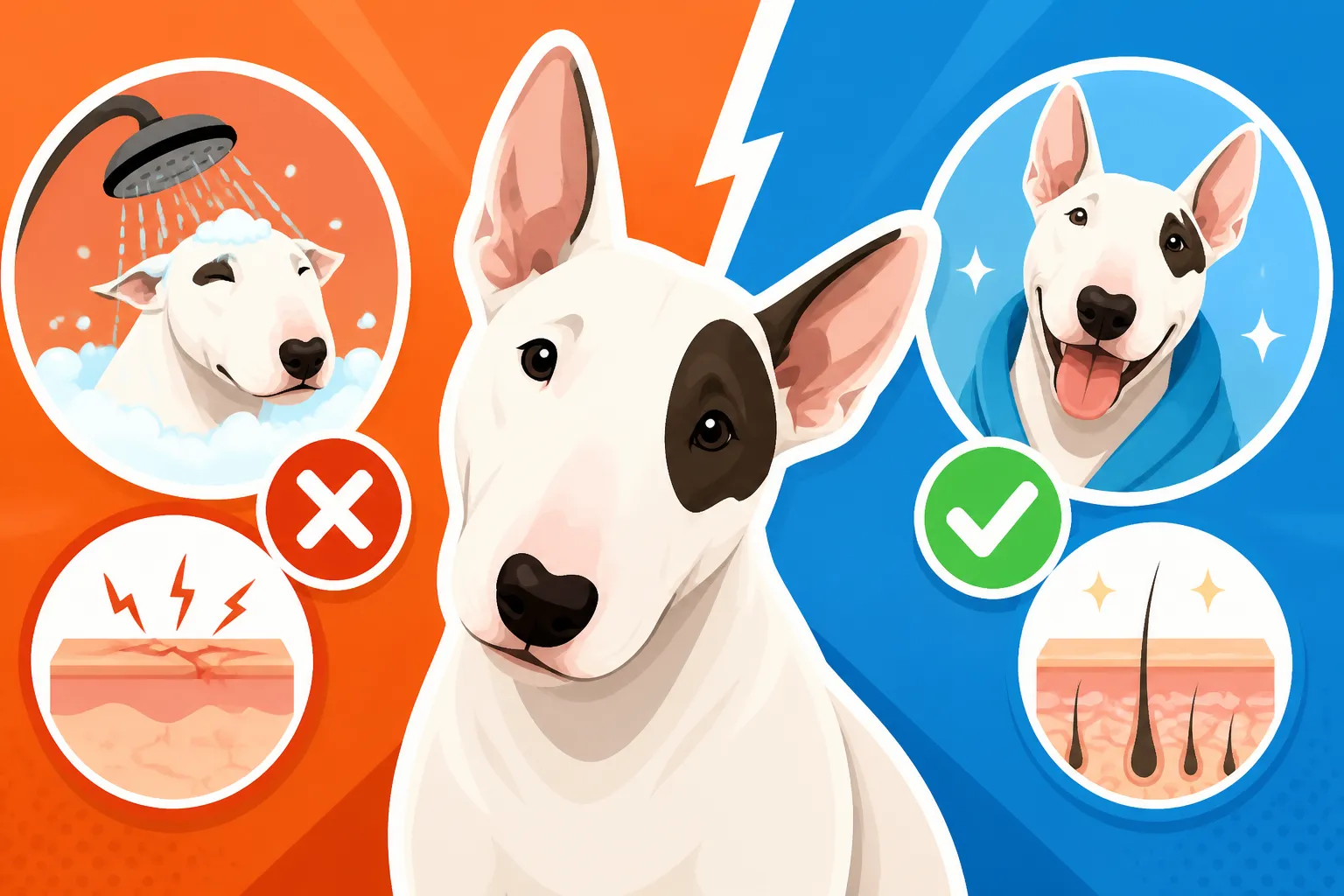
Imagine washing your hands with harsh soap multiple times a day; eventually, they become dry, cracked, and irritated. The same principle applies to your Bull Terrier. When the sebum is repeatedly removed, the skin barrier becomes compromised. It loses its ability to hold moisture, leading to dryness, and it becomes less effective at defending against external threats. This can leave your Bull Terrier's skin feeling tight, itchy, and vulnerable. Over time, this constant stripping can also signal the skin to produce more oil in an attempt to rebalance, sometimes leading to a greasy coat and paradoxically, more skin problems. It's a frustrating cycle that many well-meaning owners inadvertently initiate.
This isn't just about superficial dryness. A compromised skin barrier is an open invitation for problems. Allergens can penetrate more easily, leading to flare-ups of Whether a Bull Terrier Gets Skin Allergies. Bacteria and yeast, which are normally kept in check on healthy skin, can proliferate, leading to infections. It really highlights why the quality of your shampoo and the frequency of bathing are not just preferences, but critical components of your Bull Terrier's health.
Recognizing Signs of Dry, Irritated Skin
So, how do you know if you're bathing your Bull Terrier too often, or if the shampoo you're using is too harsh? Your Bullie's skin and coat will often give you clear signals, if you know what to look for. One of the most obvious signs is persistent itching, even when fleas have been ruled out. If your dog is constantly scratching, licking, or chewing at their paws or body after a bath, that's a red flag.
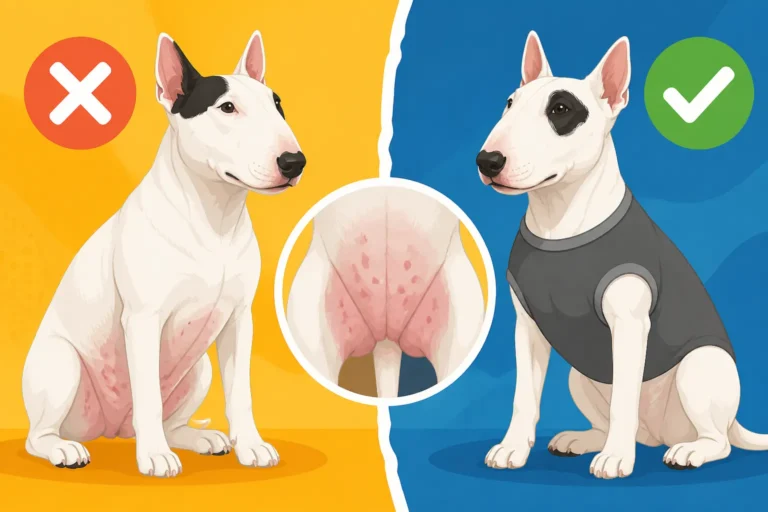
Beyond itching, visually inspect their skin. Is it red, inflamed, or flaky? You might notice small white flakes, similar to dandruff, particularly along their back or flanks. The skin might appear dull, losing its natural sheen, or feel rough to the touch. Sometimes, the skin can even look slightly thickened or leathery in areas where they've been excessively scratching or licking. In more severe cases, you might even spot small scabs or bald patches where the irritation has led to hair loss. Sometimes, you might think a bald spot is normal, but understanding What a Bull Terrier's Bald Patch Means can help differentiate between a typical skin condition and something exacerbated by over-bathing.
It’s easy to dismiss a little itchiness as "just a dog thing," but for a Bull Terrier, it can quickly become a serious issue. If you observe any of these symptoms, especially appearing or worsening after a bath, it's a strong indication that your current bathing routine or products might be contributing to dry, irritated skin. Pay close attention to these cues; your Bullie is trying to tell you something important about their comfort and health.
The Link to Other Skin Issues
When a Bull Terrier's skin barrier is compromised by too-frequent or inappropriate bathing, it doesn't just get dry; it opens the door to a host of other, more serious skin problems. Think of that protective barrier as a fortress wall. If you keep chipping away at it, eventually the invaders can get in. In the canine world, these "invaders" are often opportunistic bacteria, yeasts, and even parasites that seize the chance to thrive on weakened skin.
For example, a Bull Terrier whose skin is constantly dry and irritated is far more susceptible to secondary bacterial infections (pyoderma) or yeast infections (Malassezia dermatitis). These infections often manifest as redness, greasiness, a peculiar odor, and intense itching, creating a vicious cycle where the dog scratches, further damages the skin, and makes the infection worse. We sometimes see conditions like Demodectic Mange in a Bull Terrier flare up in puppies or adult dogs with compromised immune systems or unhealthy skin, and while bathing isn't the cause, harsh bathing can certainly exacerbate the skin's ability to recover.
Furthermore, if your Bull Terrier is already predisposed to allergies, a compromised skin barrier makes them even more reactive to environmental allergens. Pollen, dust mites, or certain grasses can penetrate the skin more easily, triggering a more intense allergic response. This can lead to chronic itching, skin thickening, and even ear infections. It's a clear illustration that skin health is interconnected with overall well-being, and a thoughtful approach to bathing is a foundational step in preventing a cascade of dermatological woes.
Best Practices for Bathing Your Bull Terrier
Now that we’ve covered why Bull Terriers can be sensitive to over-bathing, let’s talk about how to do it right. It’s not about avoiding baths altogether; it’s about making them beneficial, not detrimental, to your Bull Terrier’s skin health. Getting this right can make a world of difference for their comfort and coat condition.
Finding the Right Bathing Frequency
Determining the ideal bathing frequency for your Bull Terrier isn't a one-size-fits-all answer. It largely depends on their lifestyle, their individual skin sensitivities, and how quickly they get truly dirty. Generally, for a Bull Terrier with healthy skin and a relatively clean indoor lifestyle, bathing every 4 to 8 weeks is often sufficient. Some might even stretch to 10 or 12 weeks, especially if they aren't rolling in mud or getting into particularly smelly situations.
However, there are exceptions. If your Bull Terrier has specific skin conditions, your veterinarian might recommend a medicated shampoo used more frequently, perhaps every week or two, for a certain period. If your Bullie loves to romp in dusty fields, swim in ponds, or gets particularly stinky from outdoor adventures, you might need to bathe them slightly more often. The key is observation. If you notice their coat becoming greasy, or they start to develop a "doggy" odor, it's probably time for a bath. Conversely, if their skin appears dry, flaky, or irritated after a bath, you're likely bathing too frequently or using the wrong products.
It's a dance between cleanliness and skin health. Here’s a general guideline for bathing frequency, but remember to always adjust based on your individual dog:
| Factor | Recommended Bathing Frequency | Notes |
|---|---|---|
| Healthy Skin, Indoor | Every 6-8 weeks | Minimal outdoor activity, no skin issues. |
| Active Outdoor Dog | Every 4-6 weeks | Regular outdoor adventures, prone to getting dirty or smelly. |
| Mild Skin Allergies | Every 2-4 weeks | With vet-recommended, gentle, hypoallergenic shampoo. |
| Specific Skin Conditions | As directed by vet | Medicated shampoos may require more frequent use initially, then tapered. |
| Very Sensitive Skin | Every 8-12 weeks | Focus on spot cleaning and gentle daily grooming. |
Between full baths, you can always spot-clean muddy paws, wipe down their coat with a damp cloth, or use a dog-specific deodorizing spray if they just need a refresh. Dry shampoos formulated for dogs can also be a good interim solution for minor freshening up without stripping oils. This approach allows you to keep them clean without constantly subjecting their sensitive skin to a full wash.
Choosing the Right Shampoos and Conditioners
This is perhaps the most critical part of bathing a Bull Terrier without drying out their skin. You cannot, and I repeat, cannot use human shampoos on your dog. Our skin pH is different, and human products are far too harsh for a dog’s delicate skin barrier. For Bull Terriers, you need to be particularly selective.
Look for shampoos that are specifically labeled as "hypoallergenic," "oatmeal-based," "moisturizing," "soap-free," or "for sensitive skin." These formulations are designed to be gentle, pH-balanced for dogs, and often contain ingredients like colloidal oatmeal, aloe vera, or essential fatty acids that soothe and hydrate the skin. Avoid anything with harsh detergents, strong fragrances, or artificial colors, as these are common irritants for sensitive Bull Terrier skin. Many great options are available from online retailers like Chewy or Amazon, where you can read reviews from other dog owners about their experiences with sensitive-skin products. Just make sure to vet the ingredients list carefully.
After shampooing, a good dog-specific conditioner is absolutely essential for a Bull Terrier. It helps restore moisture, detangle any stray hairs, and seal the hair cuticle, providing an extra layer of protection for the skin underneath. Again, opt for hypoallergenic and fragrance-free options. Apply it generously, leave it on for the recommended time (usually 3-5 minutes), and rinse thoroughly. Understanding Which Shampoo Suits a Bull Terrier's Skin is foundational, but remember that conditioner is the unsung hero for preventing dryness.
Proper Bathing Techniques for Sensitive Skin
Once you have the right products and a frequency plan, the how of bathing is next. It's not just about getting them wet and soapy; the technique matters, especially for sensitive Bull Terrier skin.
First, prepare everything in advance. Gather your chosen shampoo, conditioner, towels, a non-slip mat for the tub, and even a few treats to make the experience more positive. Make sure the water temperature is lukewarm – not hot, not cold. Too hot can further dry out their skin, and too cold can be unpleasant.
Next, thoroughly wet your Bull Terrier's coat from neck to tail. Take your time to ensure the water penetrates their short, dense fur. Then, apply a small amount of shampoo and gently massage it into their coat, working up a lather. Focus on areas that get particularly dirty or oily, like their back, tail base, and paws. Avoid getting shampoo directly into their eyes or ears. If they have a tendency to get ear infections, a cotton ball in each ear can help, but remember to remove them immediately afterward.
The most crucial step after shampooing is rinsing, rinsing, and rinsing again. Any shampoo residue left on the skin can be incredibly irritating and lead to itching and flakiness. Rinse until the water running off their coat is completely clear and you can no longer feel any slickness on their fur. Follow up with conditioner, allowing it to sit for a few minutes before rinsing thoroughly once more.
Finally, drying. Gently squeeze excess water from their coat, then wrap them in a clean, absorbent towel. Pat them dry rather than rubbing vigorously, which can irritate the skin. If your Bull Terrier tolerates it, a cool or low-heat setting on a dog-specific dryer can speed up the process. Never use high heat, as this can severely dry out their skin. For detailed tips on ensuring they are completely dry, especially in cooler weather, refer to How to Dry a Bull Terrier After a Bath. Ensure they are completely dry before letting them go outside or into a drafty area.
Beyond the Bath: Holistic Skin Care for Bull Terriers
Bathing is just one piece of the puzzle when it comes to maintaining a Bull Terrier's healthy skin. A truly comprehensive approach looks at their overall lifestyle, diet, and environment to support their unique dermatological needs. It’s about creating a protective bubble around their sensitive skin from the inside out and the outside in.
The Role of Diet and Supplements
What your Bull Terrier eats has a profound impact on their skin and coat health. A high-quality diet provides the necessary building blocks for a strong skin barrier and healthy hair follicles. Look for dog foods that list a named animal protein (like chicken, lamb, or fish) as the first ingredient and are free from excessive fillers, artificial colors, and preservatives, which can sometimes trigger sensitivities in Bull Terriers. Some owners find that novel protein diets or limited ingredient diets help pinpoint and avoid food allergens that manifest as skin issues. Brands like Ollie often focus on fresh, whole ingredients, which can be beneficial, but always consult with your vet or a canine nutritionist to ensure any new diet meets all your Bull Terrier's nutritional needs.
Beyond the core diet, certain supplements can be game-changers for skin health. Omega-3 fatty acids, typically derived from fish oil (salmon, krill), are fantastic for reducing inflammation and promoting a healthy, shiny coat. They work by strengthening the skin barrier from within, helping it retain moisture and fend off irritants. Another crucial nutrient for Bull Terriers, especially given their genetic predisposition, is zinc. Some Bull Terriers suffer from Zinc Responsive Dermatosis, a condition where they can't properly absorb zinc, leading to skin lesions. Supplementation, under veterinary guidance, can be vital for these dogs. Exploring Whether a Bull Terrier's Skin Improves With Diet and understanding Zinc Responsive Dermatosis in a Bull Terrier can provide more specific guidance on dietary interventions. Always discuss any supplements with your vet before introducing them, as too much of a good thing can sometimes be harmful.
Environmental Management and Routine Care
Your Bull Terrier's environment plays a significant role in their skin health. Think about the air quality in your home. Dry indoor air, especially during winter months when heating systems are running, can strip moisture from their skin just as easily as frequent baths. Using a humidifier can help maintain a more comfortable humidity level, benefiting both your Bullie's skin and your own!
Regular grooming, even without a bath, is also essential. A soft rubber curry brush or a grooming mitt can help distribute natural oils, remove loose hairs and dander, and stimulate blood flow to the skin. This simple routine can prevent matting (though rare in Bull Terriers due to their short coat) and allow you to perform a The Weekly Skin Check Every Bull Terrier Needs. During these checks, look for any redness, bumps, flakiness, or unusual odors that might indicate a developing skin issue. Catching problems early means they're often easier to treat.
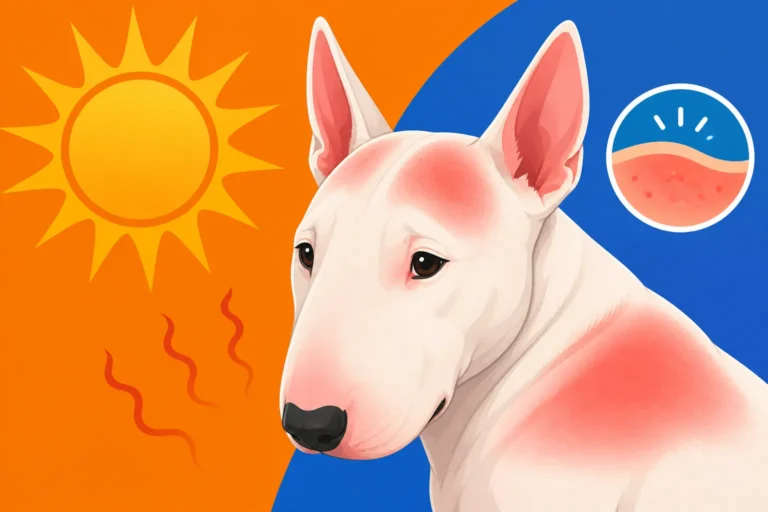
Consider their bedding too. Ensure it's clean and made of breathable materials. Harsh detergents used to wash their beds can also irritate their skin, so opt for hypoallergenic, fragrance-free laundry detergents. If your Bull Terrier spends time outdoors, especially white ones, remember their pink skin is highly susceptible to sunburn. Limit sun exposure during peak hours, and consider dog-specific sunscreen on vulnerable areas like their nose, ear tips, and belly.
When to Consult Your Vet
While this guide provides a lot of information, it’s absolutely vital to know when to seek professional veterinary advice. If you notice any persistent or worsening skin issues, don't hesitate. Signs like relentless itching that disrupts their sleep, visible skin lesions, scabs, oozing, foul odors, significant hair loss, or changes in skin color or texture are all reasons to call your vet.
Your veterinarian can help accurately diagnose the underlying cause of any skin problems. They might perform skin scrapings to check for parasites, fungal cultures to rule out ringworm, or allergy testing to identify specific triggers. They can also prescribe appropriate medicated shampoos, antibiotics, antifungals, or anti-itch medications to bring your Bull Terrier relief and get their skin back on track. Remember, guessing and trying various home remedies without a proper diagnosis can sometimes prolong suffering or even make the condition worse. Your vet is your best partner in ensuring your Bull Terrier's skin health is optimized.
Disclaimer
This article is for general informational purposes only and does not constitute professional advice. Laws, prices and regulations vary by location and change over time. Consult a qualified professional for guidance on your specific situation.