Whether a Deshedding Tool Helps a Bull Terrier
If you're a Bull Terrier owner, you know the frustration: you love that sleek, short coat, but the sheer volume of hair that seems to magically appear on every surface can be baffling. It's a common misconception that short-haired dogs don't shed much, and many of us find ourselves desperately searching for that miracle deshedding tool that promises to whisk away all the loose fluff. This guide will dive deep into whether those popular deshedding gadgets actually make a difference for our unique Bull Terriers and what truly helps manage their shedding.
Understanding the Bull Terrier's Unique Coat
Before we even think about grabbing a deshedding tool, it's crucial to understand what kind of coat our Bull Terriers actually have. Their coat isn't like that of a Husky or a Golden Retriever with thick double layers of fur. Bull Terriers sport a short, flat, hard coat that lies close to their skin. It feels dense and smooth to the touch, and you might assume this means minimal shedding. Oh, how wrong we can be!
Why Bull Terriers Shed Despite Their Short Coat
The reason your Bull Terrier leaves behind a surprising amount of hair isn't because they have a hidden undercoat (most don't, or it's extremely sparse). It's simply because their hair follicles have a relatively short growth cycle compared to many other breeds. This means individual hairs grow to a certain length, then die and fall out more frequently. It's a constant turnover, rather than a seasonal "coat blow" that some double-coated breeds experience. You'll find these short, stiff hairs embedded in your carpets, sticking to your clothes, and clinging to your furniture like tiny, determined needles. It's not a fluffy accumulation; it's a persistent, fine coating that seems to multiply overnight. Many new owners are completely blindsided by this. How Much a Short Coated Bull Terrier Actually Sheds might give you some perspective.
Think of it this way: a longer-haired dog might shed a lot of long hairs that are easier to see and clump together, but your Bull Terrier sheds countless short hairs that spread everywhere and become almost invisible until they've accumulated. It’s less about a huge volume all at once and more about a consistent, widespread distribution of hair. This constant shedding also means that while there might be seasonal increases, like in spring, your Bull Terrier is pretty much a year-round shedder. How Much a Bull Terrier Sheds in Spring is a good read if you're trying to track seasonal patterns.
The Problem With Stiff, Short Hairs
One of the biggest complaints Bull Terrier owners have isn't just the amount of hair, but its nature. These aren't soft, fluffy hairs that gently float away. Bull Terrier hairs are short and stiff, almost like bristles. This characteristic makes them incredibly adept at embedding themselves into fabric, particularly upholstery and car seats. You can run a vacuum over your sofa, and still feel those tiny hairs pricking you. They weave themselves into the fibers, making them notoriously difficult to remove completely. If you’ve ever tried to get Bull Terrier hair off a black shirt, you know exactly what I mean. Whether Bull Terrier Hair Sticks Into Fabric talks about this very issue. This unique texture also means that some deshedding tools designed for fluffier coats might not be as effective, or worse, could even irritate your Bull Terrier's sensitive skin.
The Reality of Deshedding Tools for Bull Terriers
So, with this constant, stiff shedding, what's a Bull Terrier owner to do? Many turn to the myriad of deshedding tools on the market, hoping for a magic bullet. But the truth is, not all tools are created equal, especially for a Bull Terrier's particular coat.
Are Specialized Deshedding Tools Effective?
When we talk about "deshedding tools," most people immediately think of brands that feature a fine-toothed metal comb designed to reach through a topcoat and pull out loose undercoat hairs. For breeds with dense undercoats, these tools can be incredibly effective, removing piles of dead hair and significantly reducing shedding in the home. However, for a Bull Terrier, the story is a bit different.
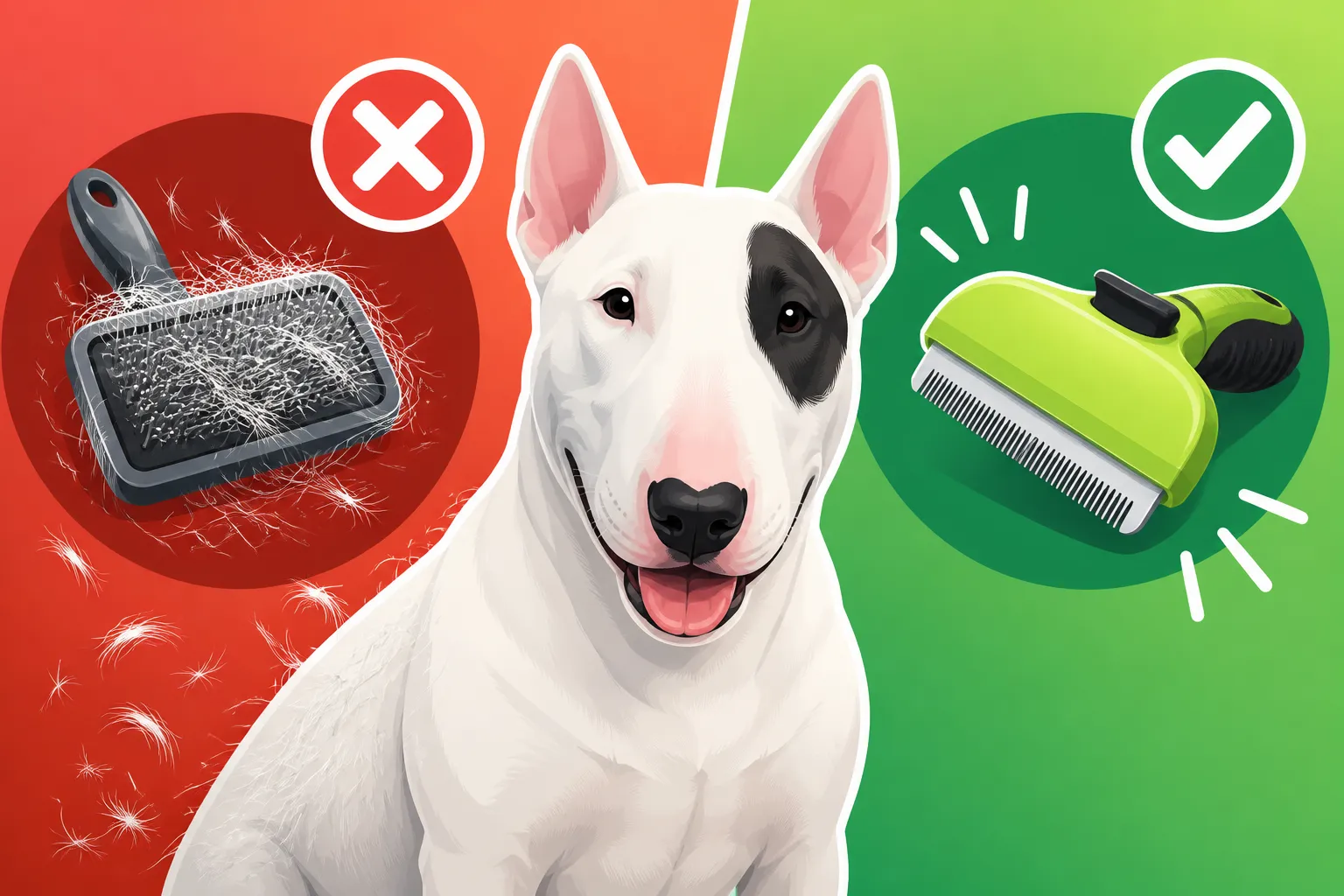
Since most Bull Terriers lack a significant undercoat, using these types of deshedding tools can be counterproductive and even harmful. The sharp, closely spaced teeth can scratch their delicate skin, which is already prone to irritation. A Bull Terrier's Skin Is Its Weakest Point is a crucial read here. Instead of removing dead undercoat, you might just be irritating the skin or breaking healthy topcoat hairs, leading to more skin issues rather than less shedding. While a quick, gentle pass might pull out some surface-level loose hairs, the aggressive scrubbing motion often promoted with these tools is simply not suitable for a Bull Terrier. You're better off avoiding anything that feels like it's raking their skin.
What Actually Works: Gentle Grooming Tools
Instead of aggressive deshedding tools, Bull Terriers benefit much more from consistent, gentle grooming with tools designed for their short, hard coats. The goal isn't to "dig out" an undercoat, but to remove the surface-level loose hairs and stimulate healthy skin.
Here's what tends to work best:
- Rubber Curry Brushes or Mitts: These are absolute heroes for Bull Terrier coats. The rubber nubs gently massage the skin, stimulating blood flow and loosening dead hair without scratching. The hairs stick to the rubber, making them easy to peel off and discard. This type of tool is wonderful for weekly grooming sessions and can even be used during a bath to help work shampoo in and shed out loose hair. Brands like Kong and Furminator (yes, they make rubber versions too!) offer excellent curry brushes. You can often find these on sites like Chewy or Amazon.
- Shedding Blades (Smooth Edge): These are U-shaped metal blades with a smooth, not sharp, edge. They're typically used with a light touch, pulling gently over the coat to collect loose hair. They work well for surface hair removal on short coats. The key is to use very light pressure and avoid going over bony areas too much.
- Hound Gloves: These are essentially a grooming glove with short rubber or silicone nubs. They're fantastic for getting into all the contours of your Bull Terrier's body, and many dogs enjoy the sensation, making grooming a positive experience. You can even use them to give a quick once-over before guests arrive.
- Microfiber Cloths or Lint Rollers: For that final polish, a damp microfiber cloth can do wonders to pick up any remaining loose hairs and leave the coat gleaming. And for your clothes and furniture? A good old-fashioned lint roller is still one of your best friends. Which Brush Suits a Bull Terrier offers a deeper dive into brush types.
A regular routine with these gentler tools, rather than an aggressive "deshedding" session, will yield far better results for your Bull Terrier's coat and skin health.
| Grooming Tool Type | Suitability for Bull Terrier | How it Helps | Potential Downsides (for BTs) |
|---|---|---|---|
| Rubber Curry Brush | Highly Recommended | Gently massages skin, removes loose surface hair, promotes circulation. | None, if used correctly. |
| Grooming Mitt/Glove | Highly Recommended | Similar to curry brush, good for contours, many dogs enjoy the sensation. | None. |
| Shedding Blade | Use with Caution (smooth edge) | Effective for removing loose surface hair, but requires a very light touch. | Can be too abrasive if used with too much pressure; avoid sharp edges. |
| Fine-toothed Deshedder (e.g., metal rakes) | Not Recommended | Designed for undercoats, which Bull Terriers generally lack. | Can scratch delicate skin, break healthy hair, cause irritation. |
| Soft Bristle Brush | Good for Finishing | Distributes natural oils, adds shine, removes very fine dust. | Not very effective for actual shedding control. |
Beyond the Tool: A Holistic Approach to Managing Shedding
While the right grooming tools are important, managing your Bull Terrier's shedding effectively goes beyond just the brush you choose. A holistic approach considering their overall health, diet, and environment can make a significant difference.
Consistent Grooming Routine
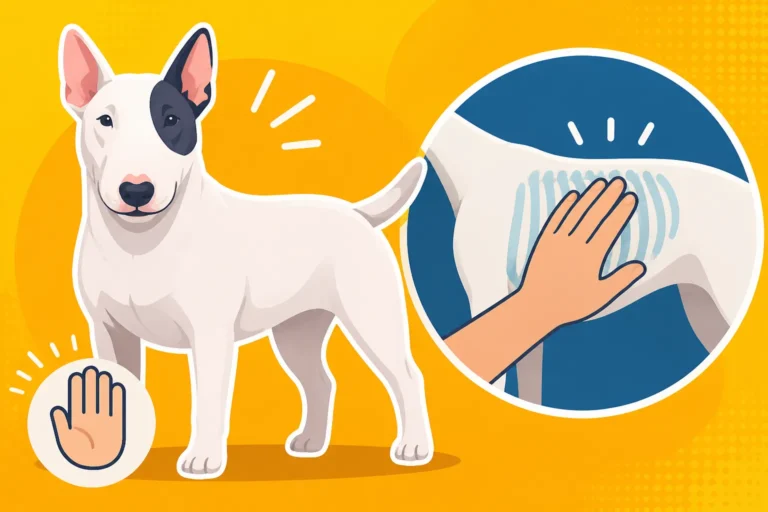
The most important "trick" to managing Bull Terrier shedding is consistency. Short, frequent grooming sessions are far more effective than infrequent, intense ones. Aim for at least 2-3 times a week with a rubber curry brush or grooming mitt. For some Bull Terriers, a daily quick pass might be necessary, especially if you're sensitive to hair in the house.
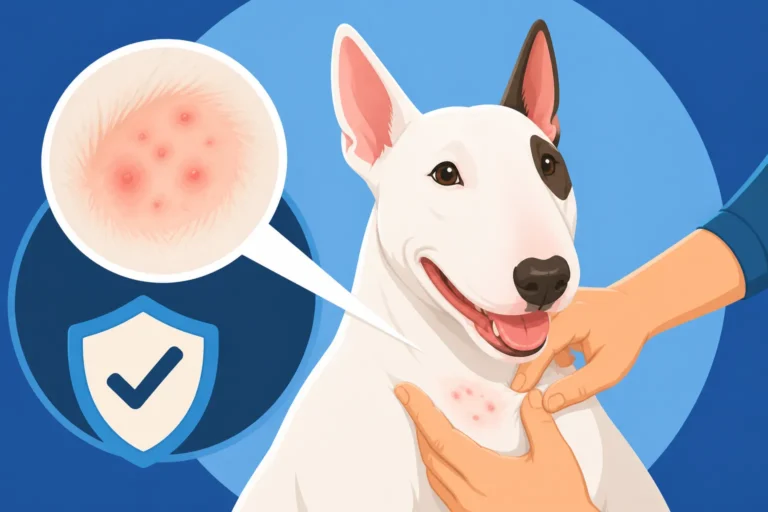
This regular routine not only helps remove dead hairs before they have a chance to fall onto your sofa, but it also gives you an excellent opportunity to perform The Weekly Skin Check Every Bull Terrier Needs. Bull Terriers are notorious for skin sensitivities, and regular handling allows you to spot any redness, bumps, or dry patches early. It also strengthens your bond with your dog, turning grooming into a pleasant ritual rather than a chore.
When bathing your Bull Terrier, which typically isn't needed more often than every few weeks unless they've gotten particularly dirty, use a good quality shampoo. Sometimes, a gentle, hypoallergenic shampoo can help maintain skin health, which in turn supports a healthier coat. Which Shampoo Suits a Bull Terrier's Skin discusses this in more detail. Use your rubber curry brush while they're lathered up to really work out those loose hairs.
The Role of Diet and Supplements
What goes into your Bull Terrier can significantly impact the health of their skin and coat, and by extension, their shedding. A high-quality diet provides the necessary nutrients for strong, healthy hair follicles. Look for dog foods that list a named meat source as the first ingredient and contain beneficial fatty acids like Omega-3 and Omega-6. These fatty acids are vital for skin barrier health and a shiny coat.
If your Bull Terrier's coat seems dull or their skin is dry, even with a good diet, discuss supplements with your veterinarian. Fish oil (rich in Omega-3s) is a common and often effective supplement for improving skin and coat health. Some owners see a noticeable reduction in shedding and an improvement in coat quality when their dog's diet is optimized. Whether a Bull Terrier's Skin Improves With Diet explores this topic further, and you might find useful supplements or high-quality foods on platforms like Chewy or even specialized brands like Ollie. Just remember, always consult your vet before adding any new supplements to your dog's regimen.
Environmental Control and Cleaning
Let's be realistic: even with the best grooming routine and diet, a Bull Terrier is still going to shed. So, part of managing shedding is managing the hair in your environment.
- Good Vacuum Cleaner: Invest in a powerful vacuum cleaner designed for pet hair. Look for models with strong suction and specialized attachments that can get into upholstery. Robot vacuums can also be a game-changer for daily maintenance, picking up a surprising amount of hair each day.
- Furniture Covers/Throws: Consider using washable covers or throws on your favorite furniture spots. These are much easier to toss in the washing machine than trying to deep-clean your sofa every week.
- Regular Laundry: Wash pet bedding, blankets, and your own clothes regularly to remove embedded hairs. Adding a cup of white vinegar to the rinse cycle can sometimes help release pet hair from fabrics.
- Car Maintenance: If your Bull Terrier rides in the car, a dedicated seat cover or hammock can protect your upholstery. A rubber glove or specialized car detailing tool can work wonders for getting hair out of car carpets and seats. You can find many useful cleaning supplies on Amazon.
Ultimately, living with a Bull Terrier means accepting some level of shedding. But by being proactive with the right tools, a consistent routine, and supporting their overall health, you can absolutely minimize the impact and keep both your Bull Terrier and your home looking their best. What Care a Bull Terrier Needs Its Whole Life offers a broader perspective on lifelong care.
Disclaimer
This article is for general informational purposes only and does not constitute professional advice. Laws, prices and regulations vary by location and change over time. Consult a qualified professional for guidance on your specific situation.