How Much a Bull Terrier Sheds in Spring
If you're a Bull Terrier owner, you might be lulled into a false sense of security by that short, sleek coat. Many people assume these dogs are "low shedding" because they don't have a fluffy undercoat. But then spring rolls around, and suddenly, your sofa, your dark clothes, and every corner of your home seem to be covered in tiny, stiff hairs. This guide is here to shed some light (pun intended!) on why your Bull Terrier seems to transform into a miniature hair factory during the spring months and how you can manage it.
The Seasonal Shift: Why Spring Brings More Hair
It's a common misconception that short-coated dogs don't shed much, but any Bull Terrier owner will tell you otherwise. While they don't produce tumbleweeds of fluff like some double-coated breeds, Bull Terriers definitely shed, and spring is often one of the peak seasons. This isn't just random; it's a finely tuned biological process dictated by the changing seasons.
Understanding the Bull Terrier's Unique Coat
A Bull Terrier’s coat is wonderfully short, coarse, and lies close to the body. Unlike breeds such as Golden Retrievers or Huskies, they don't have a thick, insulating undercoat designed to keep them warm in harsh winters. Their single coat means less bulk, but it doesn't mean no shedding. In fact, that short, stiff hair can be surprisingly pervasive, weaving itself into fabrics and somehow managing to find its way onto every surface. It’s part of the charming reality of living with these robust, big-hearted dogs. A Bull Terrier's Coat Is Easy and Its Skin Is Not touches on this dichotomy – easy care on the surface, but potential underlying skin sensitivities.
The Biological Triggers: Daylight and Temperature
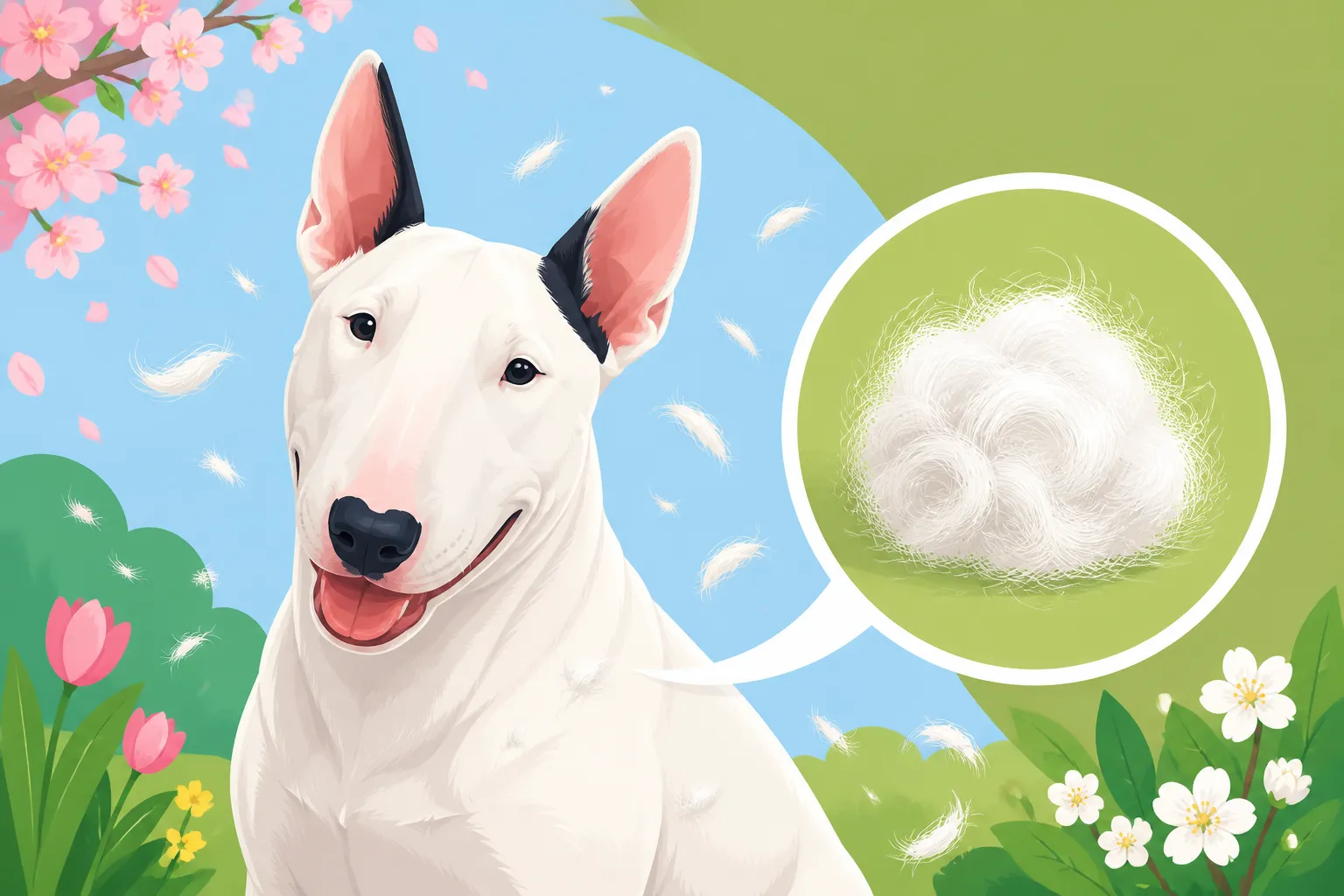
The primary driver behind seasonal shedding in most dogs, including Bull Terriers, is the change in photoperiod, which is the amount of daylight in a 24-hour period. As spring arrives, the days get longer, signaling to your dog's body that warmer weather is on its way. This biological clock prompts them to shed their denser winter coat (even if it wasn't overtly "dense") to make way for a lighter summer coat. Temperature also plays a role, with rising ambient temperatures further encouraging the release of old hair. Think of it as nature's way of helping your Bull Terrier prepare for those sunny, playful days ahead.
More Than Just a Light Dusting: The Reality of Spring Shedding
While it might not be the blizzard of fur you see from a German Shepherd, don't underestimate the sheer volume of hair a Bull Terrier can lose in the spring. Those short, sturdy hairs detach and become airborne, settling on everything. You might find yourself brushing your hand over your favorite armchair only to come away with a palm full of white, brindle, or red hairs. This isn't abnormal; it's just the Bull Terrier's way of naturally renewing its coat. Many owners are surprised by How Much a Short Coated Bull Terrier Actually Sheds because their expectations are set by fluffier breeds.
What to Expect: Quantity and Type of Shed
So, you know your Bull Terrier will shed in spring, but what does that actually look like in your home? It’s not just about the volume, but also the characteristics of the hair itself and the various factors that can influence just how much of it ends up on your floor.
The Hair You'll See: Short, Stiff, and Surprisingly Sticky
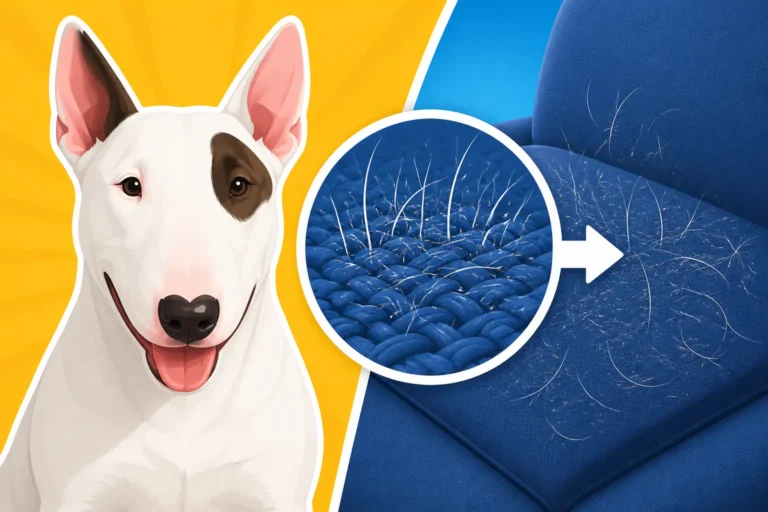
Bull Terrier hair is distinct. It's short, generally straight, and often quite stiff. This makes it different from the soft, downy undercoat hairs that sometimes form larger clumps. Instead, Bull Terrier hairs tend to embed themselves into upholstery, carpets, and clothing. If you've ever tried to de-hair a dark pair of trousers after a cuddle session with your Bull Terrier, you know exactly what I mean. They can be particularly tenacious, requiring a good lint roller or a strong vacuum to dislodge effectively. The upside is that individual hairs are less likely to float around the house indefinitely compared to longer, finer hairs.
Factors Influencing Shedding Beyond the Season
While spring is a trigger, other elements can significantly influence how much your Bull Terrier sheds year-round and during peak seasons.
- Diet: A high-quality diet rich in omega-3 and omega-6 fatty acids can promote a healthier coat, which in turn can lead to less excessive shedding. Think of it as strengthening the hair follicle. If your dog isn't getting adequate nutrition, their coat might be duller and shed more easily. Products available from services like Ollie, which focus on fresh, high-quality ingredients, or premium kibbles found on Chewy, can make a real difference.
- Health: Underlying health issues can manifest as changes in coat quality and shedding patterns. Hormonal imbalances, allergies, or skin conditions can all lead to increased hair loss. This isn't just typical seasonal shedding but a sign that something else might be going on. The Weekly Skin Check Every Bull Terrier Needs is vital to catch these issues early.
- Stress: Just like humans, dogs can shed more when stressed or anxious. A change in routine, a new environment, or even loud noises can sometimes trigger a "stress shed."
- Hormones: Intact dogs (not spayed or neutered) can experience shedding cycles influenced by their reproductive hormones. Spaying or neutering can sometimes alter these patterns.
- Environment: Dogs that spend more time outdoors might have more pronounced seasonal shedding changes as their bodies react directly to the outdoor temperature shifts. Indoor dogs, living in climate-controlled environments, might shed more consistently year-round, but still experience a spring peak due to the changes in natural light.
The Myth of the "Non-Shedding" Bull Terrier
Let's debunk this one right now: there's no such thing as a truly non-shedding dog, and certainly not a Bull Terrier! While they don't have the same grooming needs as a Poodle or a Maltese, they are not hypoallergenic, and they do shed. The myth likely stems from their short coat being less visible or easier to manage than that of long-haired breeds. However, any Bull Terrier owner will confirm that you will find their hair, especially in the spring. Managing this reality is simply part of the joy of owning this wonderful breed.
Managing Spring Shedding for a Happier Home
Dealing with increased shedding doesn't have to be a battle. With a consistent routine and the right tools, you can significantly reduce the amount of Bull Terrier hair in your home and keep your dog's coat healthy and shiny.
Brushing Routines to the Rescue
Brushing is your first line of defense against spring shedding. Regular, consistent brushing helps remove loose hair before it has a chance to settle on your furniture. For a Bull Terrier's short, stiff coat, you don't need fancy de-shedding tools with sharp blades.
- Rubber Curry Brush or Grooming Mitt: These are fantastic for Bull Terriers. The rubber nubs gently massage the skin, stimulating circulation, and effectively grab loose hair. They’re also great for a quick once-over to remove dust and debris after a walk. You can find excellent options on Amazon or Chewy. Aim for daily brushing during peak shedding season, even just for 5-10 minutes. This not only removes hair but also strengthens your bond with your dog. Which Brush Suits a Bull Terrier delves deeper into the best choices.
- Fine-toothed Comb: While a curry brush does most of the heavy lifting, a fine-toothed comb can be useful for getting any remaining fine hairs, especially around the face and ears.
Here's a quick comparison of common brushing tools for short-coated dogs:
| Tool Type | Best For | Benefits | Drawbacks |
|---|---|---|---|
| Rubber Curry Brush | Short, stiff coats; removing loose hair | Gentle massage, stimulates skin, effective at trapping short hair | Less effective for deep tangles (not a BT issue), can fill up fast |
| Grooming Mitt/Glove | Short coats; bonding; quick cleanup | Allows petting motion, great for sensitive dogs, removes surface hair | Less thorough than a curry brush |
| Bristle Brush (short) | Polishing coat; distributing oils | Adds shine, smooths coat, good for daily upkeep | Less effective at removing deeply embedded loose hair |
| De-shedding Tool | Double coats; removing dense undercoat | Highly effective for specific coat types | Can be too harsh on a Bull Terrier's single coat; not recommended |
Bathing for Shed Control
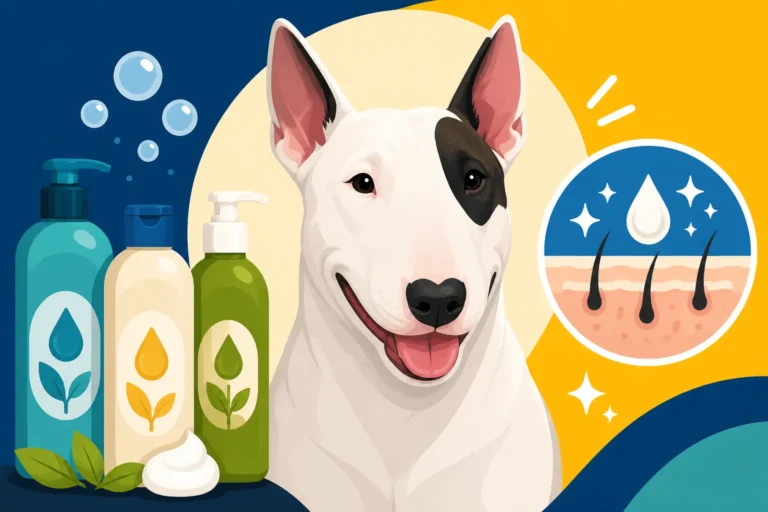
Bathing can also help in managing shedding, especially if you use a good quality shampoo and conditioner designed for healthy skin and coat. However, don't overdo it, as too frequent bathing can dry out your Bull Terrier's skin.
- Frequency: Aim for a bath every 4-6 weeks, or as needed if your dog gets particularly dirty. During a heavy shedding period, an extra bath might help loosen and rinse away dead hair. How Often a Bull Terrier Should Be Bathed offers more detailed guidance.
- Shampoo and Conditioner: Use a gentle, pH-balanced dog shampoo. Look for formulas with oatmeal or aloe vera if your Bull Terrier has sensitive skin. A good conditioner will help moisturize the skin and make the coat smoother, which can also help reduce shedding by keeping hair healthier. Thoroughly rinse all shampoo and conditioner to prevent skin irritation.
Diet and Supplements: Nurturing From Within
What goes into your Bull Terrier's body directly impacts the quality of their coat and, by extension, how much they shed.
- High-Quality Food: Ensure your dog is eating a complete and balanced diet appropriate for their age and activity level. Look for foods with real meat as the first ingredient. Many owners see a noticeable improvement in coat health when they switch to a premium food or fresh dog food service like Ollie.
- Omega Fatty Acids: Supplements like fish oil (omega-3 and omega-6 fatty acids) are excellent for skin and coat health. They can reduce dryness, improve coat shine, and potentially lessen shedding. Always consult your vet before adding any supplements to your dog's diet. You can easily find reputable fish oil supplements on Amazon or Chewy. Whether a Bull Terrier's Skin Improves With Diet discusses this further.
Environmental Control: Keeping Your Home Cleaner
Even with the best brushing and bathing routines, some hair will inevitably end up in your home. Having a plan for managing it will save you a lot of frustration.
- Vacuum Regularly: Invest in a good quality vacuum cleaner, ideally one designed for pet hair, and use it frequently during shedding season. Focus on areas where your Bull Terrier spends a lot of time, like their bed or favorite resting spots.
- Lint Rollers: Keep lint rollers handy for quick clean-ups on clothes and furniture. They're indispensable for Bull Terrier owners!
- Furniture Covers: Consider washable covers for sofas and chairs if your Bull Terrier is allowed on the furniture. This makes cleaning much easier.
- Dedicated Dog Bedding: Ensure your Bull Terrier has a comfortable bed that you can easily wash. This helps contain a lot of the loose hair to one specific area.
When Shedding Might Signal More
While seasonal shedding is a normal part of life with a Bull Terrier, sometimes excessive or unusual hair loss can be a red flag for an underlying health issue. It’s important to know the difference and when to seek veterinary advice.
Spotting Excessive or Unusual Shedding
Normal shedding is usually diffuse, meaning hair loss occurs evenly over the entire body. It might be more noticeable in certain areas due to friction (like where they lay), but there shouldn't be obvious bald patches.
- Bald Patches or Thinning Hair: If you notice circular bald spots, areas of severely thinned hair, or patches where the skin is visible, this is not normal shedding. It could indicate a medical problem. What a Bull Terrier's Bald Patch Means can help you understand these signs.
- Skin Irritation: Along with hair loss, look for red, inflamed skin, scabs, crusting, excessive flaking, or a strong odor. These are all signs of skin issues, not just normal shedding.
- Excessive Itching or Licking: If your Bull Terrier is constantly scratching, licking, or chewing at their coat, especially in specific areas, it suggests an irritation that could be causing hair loss.
- Changes in Coat Texture: A coat that suddenly becomes dull, brittle, or greasy, even without obvious hair loss, can also be a sign of an underlying problem.
Common Health Issues Tied to Coat Changes
Several health conditions can lead to abnormal shedding or hair loss in Bull Terriers. Recognizing these can help you act quickly.
- Allergies: Bull Terriers are prone to skin allergies, which can cause intense itching, leading to self-trauma (scratching, licking, biting) and secondary hair loss or skin infections. This might be environmental (pollen, dust mites) or food-related.
- Parasites: Fleas, mites (like Demodex), and other external parasites can cause significant itching and localized hair loss. Demodectic Mange in a Bull Terrier is a specific concern for the breed, often appearing in puppies or dogs with compromised immune systems.
- Hormonal Imbalances: Conditions like hypothyroidism, where the thyroid gland doesn't produce enough hormones, can lead to a dull coat, symmetrical hair loss, and sometimes dry skin. Whether a Bull Terrier Gets Hypothyroidism is an important read for owners noticing these changes. Cushing's disease, though less common, can also cause hair thinning.
- Bacterial or Fungal Infections: Skin infections, often secondary to allergies or parasites, can cause inflammation, itching, and hair loss.
- Nutritional Deficiencies: While less common with high-quality commercial foods, severe nutritional deficiencies can impact coat health. For example, zinc deficiency can sometimes lead to skin problems and poor coat. A Bull Terrier's Skin Is Its Weakest Point broadly covers the breed's skin vulnerabilities.
When to Consult Your Vet
If you notice any of the "red flag" signs mentioned above, or if your Bull Terrier's shedding seems unusually severe, prolonged, or accompanied by other symptoms like lethargy, changes in appetite, or behavioral shifts, it's crucial to consult your veterinarian. They can perform a thorough examination, run diagnostic tests (such as skin scrapes, blood tests, or allergy tests), and pinpoint the exact cause of the hair loss. Early diagnosis and treatment are key to resolving these issues and getting your Bull Terrier back to their healthy, shiny-coated self.
Disclaimer
This article is for general informational purposes only and does not constitute professional advice. Laws, prices and regulations vary by location and change over time. Consult a qualified professional for guidance on your specific situation.