How Sensitive a Bull Terrier’s Stomach Is
It’s truly disheartening to see your Bull Terrier struggle with an upset tummy. You clean up the messes, worry about their comfort, and often feel like you’re constantly guessing what might be causing their latest bout of diarrhea or vomiting. Many Bull Terrier owners face this very challenge, feeling like their robust, clownish companion has a surprisingly delicate digestive system. This guide is here to shed some light on why Bull Terriers can be prone to stomach sensitivities and equip you with practical strategies to manage and soothe their digestive woes.
Understanding the Bull Terrier Digestive System
While Bull Terriers often project an image of undeniable strength and boundless energy, their internal systems, particularly their digestive tract, can sometimes be surprisingly particular. It's easy to assume such a sturdy-looking dog could eat anything, but that's often far from the truth. Their unique blend of genetics and vigorous personality can play a significant role in how their stomach handles different foods and environmental stressors.
Genetic Predispositions and Breed Traits
Bull Terriers, like many purebred dogs, come with a certain genetic blueprint that can influence various aspects of their health, including their digestive fortitude. While we often think of specific diseases when we talk about genetics, even the subtle workings of their metabolism and immune system can be influenced by their lineage. They aren't inherently "fragile," but rather, they have a specific physiological makeup that responds uniquely to diet and environment. Some lines may carry a general propensity for immune system overreactions, which can manifest as allergies or sensitivities that directly impact the gut.
Beyond genetics, their breed temperament plays a part. Bull Terriers are known for being incredibly enthusiastic, sometimes bordering on chaotic. This high-energy, "three-year-old in a dog suit" personality can mean they are more prone to dietary indiscretion – eating things they shouldn't, simply out of curiosity or sheer zest for life. A quick gulp of something questionable on a walk, or the infamous ability to counter-surf anything edible, can throw a sensitive stomach into turmoil. Their robust exterior often hides an interior that demands a bit more thoughtful care.
The sheer musculature and active lifestyle of a Bull Terrier also mean their bodies are constantly working hard. Any additional strain, whether from a food they can't properly digest or an environmental stressor, can put extra pressure on their internal systems. It’s a delicate balance to maintain such a powerful physique while also ensuring their internal workings are happy and healthy.
Unique Metabolism and Nutritional Needs
Bull Terriers are muscular, active dogs that require a diet rich in high-quality protein to support their impressive build and sustain their energetic antics. However, this need for robust nutrition doesn't necessarily mean "more is better" when it comes to certain ingredients. Their metabolism is designed for efficiency and power, but it can sometimes struggle with ingredients that are common in lower-quality commercial pet foods. Think about it: a finely tuned engine needs premium fuel.
Many Bull Terriers don't do well with an abundance of fillers like corn, wheat, or soy. These ingredients, while inexpensive for manufacturers, can be difficult for some dogs to digest, leading to inflammation and irritation in the gut. Instead, their system thrives on easily digestible proteins and fats that provide sustained energy without creating a heavy digestive load. Over time, consistent exposure to ingredients that cause even mild irritation can lead to chronic sensitivity. Understanding How Many Calories a Bull Terrier Needs is crucial for ensuring they receive adequate nutrition without being overfed, which can also contribute to digestive upset.
Furthermore, some Bull Terriers may have a subtle imbalance in their gut microbiome, the complex community of bacteria that aids digestion and immune function. If this balance is off, they might struggle to break down certain nutrients or fend off opportunistic bad bacteria, leading to a perpetually sensitive stomach. It's not always an overt allergy, but rather a slow, grinding inefficiency in their digestive process that can manifest as chronic loose stools, gas, or intermittent vomiting. Providing them with easily assimilated nutrients helps reduce the workload on an already sensitive system.
Common Digestive Issues in Bull Terriers
It’s often not a single, dramatic event that signals a sensitive stomach in a Bull Terrier, but rather a pattern of recurring issues. As an owner, you become a detective, trying to piece together clues from their stool, their eating habits, and their overall demeanor. Identifying the specific type of digestive problem can be challenging, as many symptoms overlap, but understanding the common culprits can help you and your vet narrow down the possibilities.
Food Allergies and Intolerances
One of the most frequent reasons a Bull Terrier might exhibit stomach sensitivity is due to food allergies or intolerances. While often used interchangeably, there's a key distinction: a food allergy involves an immune system response, usually to a protein, leading to more severe symptoms like anaphylaxis (rare but serious), intense itching, or chronic skin and ear infections, alongside gastrointestinal upset. A food intolerance, on the other hand, is a digestive issue – the body simply can't process a certain ingredient well, leading to symptoms primarily focused on the gut, such as diarrhea, gas, and vomiting, without an immune system overreaction.
Common culprits for Bull Terriers, and many dogs, include proteins like chicken, beef, dairy, and eggs, as well as grains like wheat and corn. It can be incredibly frustrating trying to pinpoint the exact ingredient, especially when many commercial dog foods contain multiple potential allergens. An allergic Bull Terrier might not just have diarrhea; they might also be constantly scratching, developing Whether a Bull Terrier Gets Hot Spots, or suffering from recurring Whether a Bull Terrier Gets Ear Infections. This is because the immune response can manifest throughout the body.
The best way to diagnose a food allergy or intolerance is often through a strict elimination diet, guided by your veterinarian. This involves feeding a novel protein source (something your dog has never eaten before, like duck or venison) and a single carbohydrate for several weeks, then slowly reintroducing ingredients one by one to see which triggers a reaction. This process takes patience, but it’s often the most reliable path to understanding What a Bull Terrier Is Most Often Allergic To.
Inflammatory Bowel Disease IBD and Gastritis
Beyond specific food reactions, some Bull Terriers can develop more chronic inflammatory conditions within their digestive tract. Inflammatory Bowel Disease (IBD) is a catch-all term for several chronic gastrointestinal disorders characterized by the infiltration of inflammatory cells into the lining of the digestive tract. This inflammation can occur in the stomach (gastritis), small intestine (enteritis), or large intestine (colitis), leading to persistent symptoms. With IBD, the immune system mistakenly attacks the gut lining, causing ongoing irritation and malabsorption.
Symptoms of IBD can wax and wane, making it hard to diagnose. You might see chronic or intermittent vomiting (if the stomach is affected), diarrhea (which can vary in consistency, sometimes with mucus or blood), weight loss despite a good appetite, or a general lack of energy. It’s not just a passing upset; it's a persistent, underlying issue that can make your Bull Terrier uncomfortable for extended periods. The challenge with IBD is that its exact cause is often unknown, though diet, genetics, and the gut microbiome are all believed to play roles.
Gastritis specifically refers to inflammation of the stomach lining. This can be acute (sudden onset) or chronic. Acute gastritis is often triggered by dietary indiscretion (eating something rotten or irritating), certain medications, or even stress. Chronic gastritis, however, can be a symptom of IBD or a persistent reaction to certain food ingredients, or even an underlying systemic disease. A Bull Terrier with gastritis might vomit frequently, especially bile on an empty stomach, or show signs of abdominal discomfort after eating. Distinguishing between IBD, simple gastritis, and other issues requires a thorough veterinary investigation, often involving endoscopy and biopsies to examine the inflamed tissues directly.
Exocrine Pancreatic Insufficiency EPI and Pancreatitis
Two other significant digestive challenges that can cause sensitive stomach symptoms in Bull Terriers involve the pancreas: Exocrine Pancreatic Insufficiency (EPI) and Pancreatitis. While both affect the same organ, their mechanisms and treatments are quite different.
EPI is a condition where the pancreas fails to produce enough digestive enzymes (like amylase, lipase, and protease) needed to break down fats, carbohydrates, and proteins in food. Without these enzymes, food passes through the digestive tract largely undigested, meaning your Bull Terrier isn't absorbing the nutrients they need, no matter how much they eat. It's heartbreaking to see a dog ravenously hungry, yet losing weight and passing voluminous, greasy, often yellowish stools. They might also experience excessive gas and have a dull, poor coat quality because of nutrient deficiencies. EPI is typically diagnosed with a simple blood test called a TLI (Trypsin-like Immunoreactivity) test. The good news is that once diagnosed, it's manageable with enzyme supplements added to every meal.
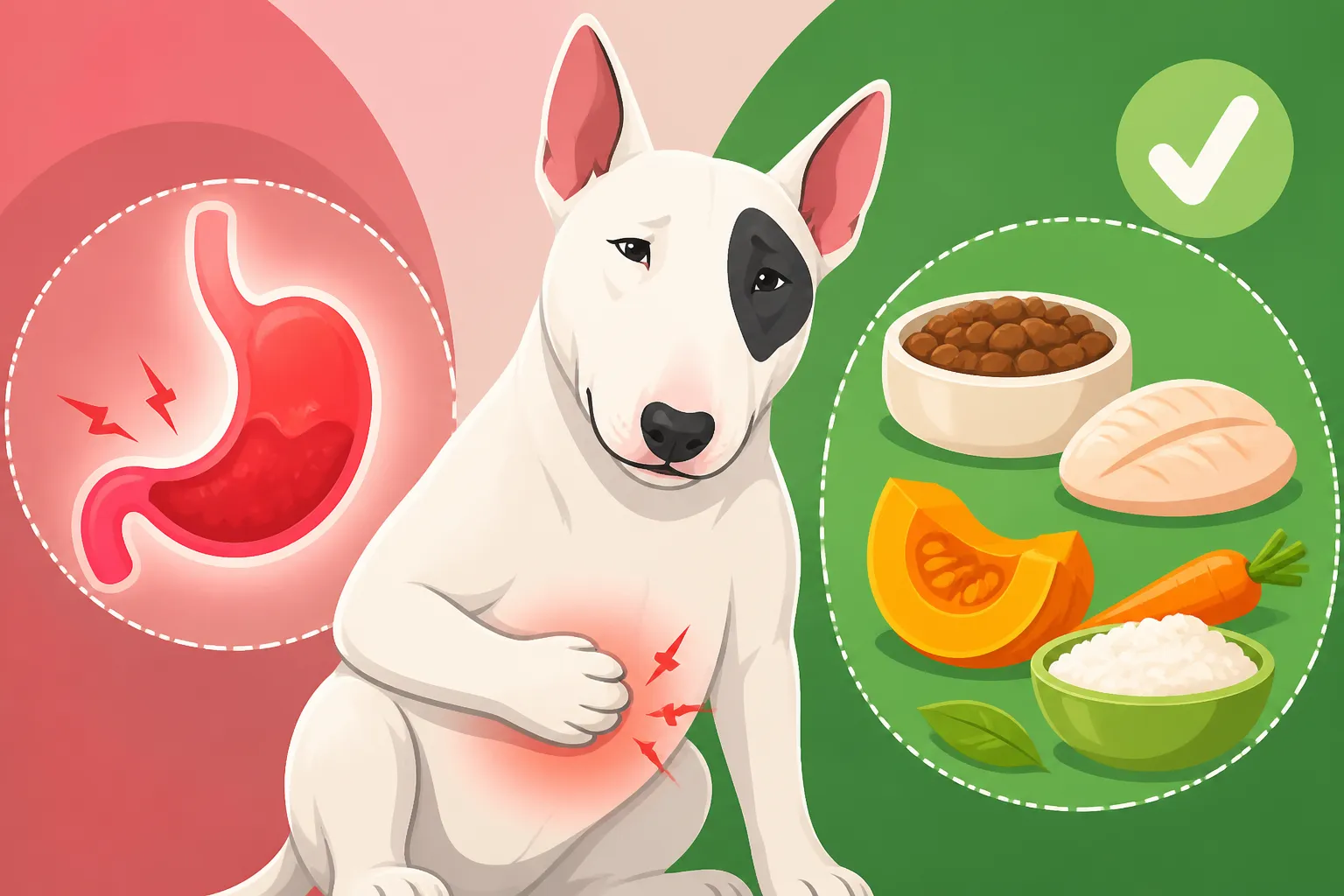
Pancreatitis, on the other hand, is the inflammation of the pancreas itself. This can range from mild to severe and life-threatening. When the pancreas becomes inflamed, its digestive enzymes can "activate" prematurely within the organ, essentially starting to digest the pancreas itself. This causes immense pain, vomiting, diarrhea, lethargy, and a hunched posture (a classic sign of abdominal pain). Pancreatitis is often triggered by high-fat meals, dietary indiscretion, or sometimes certain medications. Some dogs are simply more prone to it. A Bull Terrier's love for food and their occasional tendency to raid the garbage can make them susceptible if they get into something fatty. Diagnosis usually involves specific blood tests (like canine pancreatic lipase immunoreactivity, or cPLI) and imaging. Treatment focuses on pain management, anti-nausea medication, IV fluids, and a bland, low-fat diet. It’s a serious condition that requires immediate veterinary attention.
Identifying Symptoms of a Sensitive Stomach
When your Bull Terrier isn't feeling well, they can't simply tell you what's wrong. As their owner, you become their translator, paying close attention to their behavior, their output, and any subtle changes that might indicate digestive distress. It’s about more than just looking for outright vomiting; a sensitive stomach can manifest in a variety of ways, some more obvious than others.
Gastrointestinal Signs
The most overt signs of a sensitive stomach are, of course, those directly related to the gastrointestinal tract. Persistent or recurring diarrhea is a classic indicator. This isn't just one loose stool; it's a pattern of soft, watery, or pudding-like stools, sometimes with mucus, or even streaks of fresh red blood, indicating irritation in the lower bowel. You might notice your Bull Terrier straining to defecate, or having accidents in the house because they can't hold it. The color can also be telling – very dark, tarry stools could indicate digested blood from the upper GI tract, while yellow or greasy stools might point to malabsorption issues like EPI.
Vomiting is another clear sign. While occasional vomiting might just mean they ate too fast or too much grass, consistent vomiting, especially after meals, or vomiting bile on an empty stomach, points to a deeper issue. Pay attention to when they vomit (immediately after eating, hours later), what they vomit (undigested food, foamy bile, blood), and how often. Frequent vomiting, particularly when combined with diarrhea, can quickly lead to dehydration, which is a serious concern for any dog.
Beyond the visible output, listen to their tummy. Excessive gurgling noises (borborygmi) can indicate increased gas or fluid movement in the intestines. Your Bull Terrier might also be unusually flatulent, passing gas more frequently or with a stronger odor than usual. These signs, especially when they occur regularly, are clear indicators that their digestive system is not happy. Changes in appetite, such as refusing meals for extended periods or becoming excessively ravenous (as seen in EPI), are also important clues.
Non-Gastrointestinal Clues
While the obvious signs are important, a sensitive stomach can also manifest through less direct, non-gastrointestinal symptoms that are easy to overlook or misattribute to other causes. Chronic skin problems are a prime example. If your Bull Terrier is constantly itching, has red, inflamed skin, or suffers from recurrent ear infections, it could very well be a sign of a food allergy or intolerance. Their A Bull Terrier's Skin Is Its Weakest Point, and allergies often target this area. The body’s immune system, constantly fighting off perceived threats from food, can express this irritation through the largest organ—the skin.
Beyond skin and ears, changes in energy levels and overall demeanor are crucial. A Bull Terrier who is usually a whirlwind of activity might become lethargic, withdrawn, or unwilling to play. Chronic digestive discomfort can simply make them feel miserable and tired. Weight loss, despite a normal or even increased appetite, is a strong indicator of malabsorption, suggesting that even if they are eating, their body isn't processing the nutrients. Conversely, some Bull Terriers might become more anxious or irritable if they are in constant discomfort, leading to subtle behavioral shifts that an astute owner would notice. For context on their typical behavior, consider reading What a Bull Terrier's Temperament Is Really Like.
Finally, keep an eye on their coat condition. A dull, dry, or sparse coat, or excessive shedding, can be a subtle sign of nutrient deficiencies caused by poor digestion and malabsorption. While these signs can also point to other health issues, when seen in conjunction with any of the gastrointestinal symptoms, they strengthen the case for a sensitive stomach. If you notice Signs a Bull Terrier Is Drinking More Than It Used To, it could also indicate an underlying metabolic issue or dehydration from chronic vomiting/diarrhea, further linking back to digestive health.
Dietary Management for Sensitive Bull Terriers
Once you suspect your Bull Terrier has a sensitive stomach, the most impactful step you can take, often in conjunction with your vet, is to modify their diet. This isn't about simply switching brands; it's about a strategic approach to nutrition that supports their unique digestive needs and reduces the likelihood of flare-ups.
Choosing the Right Food
Finding the "right" food for a Bull Terrier with a sensitive stomach can feel like searching for a needle in a haystack, but it’s a critical step. The goal is to select a diet that is highly digestible, minimally processed, and free from common irritants. Many veterinarians will recommend starting with a high-quality, limited-ingredient diet (LID). These foods reduce the number of ingredients, making it easier to pinpoint potential allergens or intolerances. Look for diets with a single, novel protein source—one your Bull Terrier hasn't been exposed to extensively—such as duck, venison, rabbit, or salmon.
Another excellent option to discuss with your vet is a hydrolyzed protein diet. In these specialized foods, the protein molecules are broken down into such tiny pieces that the immune system doesn't recognize them as allergens. This can be a game-changer for dogs with severe food allergies. While often more expensive, these prescription diets can provide significant relief. When considering over-the-counter options, read labels carefully. Avoid foods with excessive fillers, artificial colors, flavors, or preservatives, as these can all contribute to digestive upset. Grain-free diets are often popular for sensitive stomachs, but it's important to remember that grains themselves aren't always the culprit; sometimes, it's the type of grain or other ingredients in grain-inclusive foods. Your vet can help you decide if grain-free is truly necessary for your particular Bull Terrier. You can explore many specialized diets on platforms like Chewy or Amazon, but always consult your vet first to ensure it's appropriate.
Some owners are also exploring fresh food options. Brands like Ollie offer customized meal plans that can be formulated to avoid specific ingredients, providing fresh, human-grade food that can be easier for some sensitive stomachs to digest. The key is to work closely with your veterinarian to formulate a plan and monitor your Bull Terrier's response to any dietary changes. It's not a one-size-fits-all solution, and what works for one Bull Terrier might not work for another. Remember, consistency is vital once you find a food that agrees with them.
Feeding Strategies and Supplements
Beyond what you feed, how you feed your Bull Terrier can make a significant difference for a sensitive stomach. Bull Terriers are notoriously enthusiastic eaters, often inhaling their meals in seconds. This rapid eating can lead to gulping air, which contributes to gas and bloating, and can also overwhelm their digestive system, especially if it's already sensitive. Breaking their daily food allowance into smaller, more frequent meals can help. Instead of two large meals, try three or four smaller portions throughout the day. This reduces the load on their stomach and allows for more efficient digestion. Consider How Many Meals a Day a Bull Terrier Needs as a starting point, but adjust based on their sensitivity.
Slow feeder bowls are another excellent tool for Bull Terriers. These bowls have raised obstacles or labyrinths that force your dog to eat around them, significantly slowing down their mealtime. This simple change can reduce air intake, minimize post-meal vomiting, and give their digestive enzymes more time to work. There are many options available on Amazon or Chewy that are sturdy enough for a determined Bull Terrier. If you're wondering Whether a Slow Feeder Suits a Bull Terrier, the answer is almost always yes, especially for fast eaters.
In terms of supplements, probiotics and prebiotics can be beneficial for supporting a healthy gut microbiome. Probiotics introduce beneficial bacteria, while prebiotics provide food for those good bacteria, helping to restore balance in the gut. Digestive enzymes, similar to those missing in EPI, can also be given with meals to aid digestion, particularly if malabsorption is a concern. Fish oil, rich in Omega-3 fatty acids, has anti-inflammatory properties that can soothe an irritated digestive tract and improve skin health, often linked to food sensitivities. However, always introduce any supplements gradually and under the guidance of your veterinarian to ensure they are appropriate and don't interact negatively with other medications or conditions, such as if your Bull Terrier had to be on Which Diet a Bull Terrier With Kidney Disease Needs.
Managing Treats and Table Scraps
It's tempting to share bits of your meal or offer a constant stream of treats, especially when your Bull Terrier gives you those endearing, egg-shaped head stares. However, for a Bull Terrier with a sensitive stomach, treats and table scraps are often the primary culprits for upsetting their delicate balance. Even small amounts of rich, fatty, or highly seasoned human food can trigger a cascade of digestive issues, from acute gastritis to a full-blown pancreatitis flare-up. Their systems are simply not designed to process the complex ingredients and high fat content often found in human foods.
The golden rule for sensitive stomachs is "consistency and simplicity." Stick to the limited-ingredient diet you've carefully selected for their main meals. If you must give treats, choose single-ingredient, easily digestible options. Freeze-dried meats (like chicken or liver) or small pieces of cooked sweet potato are often well-tolerated. Avoid anything with added sugars, artificial flavors, or a long list of ingredients. Many health-focused pet product lines on Chewy or Amazon offer sensitive-stomach-friendly treats that are less likely to cause issues.
Educate everyone in the household, including guests, about your Bull Terrier's dietary restrictions. One innocent bite of cheese or a sliver of bacon can undo weeks of careful dietary management. If your Bull Terrier is a scavenger, be extra vigilant during walks and in environments where food might be dropped. The effort required to keep their stomach calm often outweighs the fleeting pleasure of an inappropriate treat. Remember, their health and comfort are paramount.
When to Seek Veterinary Help
While home management and dietary changes are crucial, it’s vital to recognize when your Bull Terrier's digestive issues warrant immediate professional attention. A sensitive stomach can sometimes mask more serious underlying conditions, and delays in veterinary care can have significant consequences.
Urgent Symptoms That Need Immediate Attention
Some symptoms are not just signs of a sensitive stomach; they are red flags that demand an immediate trip to the emergency veterinarian. If your Bull Terrier is experiencing severe, projectile, or persistent vomiting (more than a couple of times in an hour or over 24 hours), or explosive, watery diarrhea that doesn't let up, it's time to go. The risk of rapid dehydration is very high, especially in puppies or senior dogs. Any signs of blood in the vomit (bright red or coffee grounds-like) or stool (bright red streaks or dark, tarry stools) are also urgent. These could indicate internal bleeding, severe inflammation, or the presence of foreign objects.
Beyond the visible output, observe your Bull Terrier’s overall demeanor. Extreme lethargy, weakness, collapse, or a refusal to get up and move are serious signs. Watch for signs of severe abdominal pain: a hunched posture, stretching repeatedly, reluctance to be touched on the belly, whimpering, or restlessness. A distended or bloated abdomen, especially if accompanied by retching without vomiting, could indicate bloat (gastric dilatation-volvulus), a life-threatening emergency that requires immediate surgery. Don't wait for these symptoms to worsen; time is critical in many of these situations.
Working With Your Veterinarian for Diagnosis
When you arrive at the vet, providing a detailed history is invaluable. Be prepared to discuss:
- The exact symptoms: Type of vomiting/diarrhea, frequency, duration, any blood or mucus.
- Eating habits: What they eat, when they eat, any changes in appetite.
- Dietary indiscretion: Did they get into anything they shouldn't have?
- Medications/supplements: Anything they are currently taking.
- Previous medical history: Any past illnesses or known sensitivities.
- Changes at home: Stressors, new routines, new family members.
Your veterinarian will start with a thorough physical examination, palpating the abdomen, checking hydration levels, and listening to their heart and lungs. Depending on the initial findings, they may recommend various diagnostic tests. A fecal analysis can check for parasites, bacterial overgrowth, or maldigestion. Blood work (complete blood count and biochemistry panel) can assess overall organ function, inflammation markers, and electrolyte imbalances. Imaging like X-rays can check for foreign objects or signs of bloat, while an abdominal ultrasound can provide a more detailed view of the digestive organs, pancreas, and lymph nodes. For chronic, unexplained issues, more invasive procedures like endoscopy with biopsies might be necessary to definitively diagnose conditions like IBD.
Long-Term Management and Prognosis
If your Bull Terrier is diagnosed with a chronic condition like IBD, EPI, or severe food allergies, understand that long-term management is often the reality, not a quick cure. The goal will be to control symptoms, prevent flare-ups, and maintain your Bull Terrier's quality of life. This often involves a multi-faceted approach combining a carefully selected diet (which might be a prescription food), medications to reduce inflammation or motility, and supplements like probiotics or digestive enzymes. Regular follow-up appointments with your veterinarian will be crucial to monitor their progress, adjust treatments as needed, and conduct periodic re-evaluations.
It can feel overwhelming at times, especially when chronic conditions involve ongoing dietary restrictions and medication. However, with consistent care, a deep understanding of their triggers, and a strong partnership with your veterinary team, many Bull Terriers with sensitive stomachs or chronic digestive issues can lead full, comfortable, and happy lives. It requires dedication and patience, but the sight of your Bull Terrier thriving, free from constant digestive distress, makes every effort worthwhile. Just like with any long-term health issue, early detection and consistent, informed management are key to a positive prognosis. Remember to keep an eye on their general health, including reviewing the potential lifespan discussed in The Ten to Fourteen Years a Bull Terrier Gets.
| Symptom Category | Common Signs to Watch For | Potential Causes |
|---|---|---|
| Gastrointestinal | Frequent vomiting (food, bile, blood) | Food allergy/intolerance, gastritis, pancreatitis, IBD, foreign body |
| Chronic/watery diarrhea (with mucus, blood) | Food allergy/intolerance, IBD, parasites, bacterial infection, EPI | |
| Excessive gas/flatulence, loud stomach gurgling | Food intolerance, maldigestion, bacterial imbalance, fast eating | |
| Loss of appetite or excessive hunger (despite eating) | Pain, nausea, EPI, IBD, systemic illness | |
| Straining to defecate, accidents in house | Colitis, constipation, discomfort | |
| Non-Gastrointestinal | Chronic itching, redness, recurring ear infections | Food allergies, environmental allergies (often exacerbated by food) |
| Dull coat, excessive shedding | Nutrient malabsorption, chronic illness | |
| Weight loss despite eating well | EPI, IBD, malabsorption, increased metabolic demand | |
| Lethargy, weakness, behavioral changes (anxiety, irritability) | Pain, chronic discomfort, dehydration, systemic illness | |
| Abdominal pain (hunched posture, stretching, sensitivity) | Gastritis, pancreatitis, IBD, foreign body, bloat (urgent) |
Disclaimer
This article is for general informational purposes only and does not constitute professional advice. Laws, prices and regulations vary by location and change over time. Consult a qualified professional for guidance on your specific situation.