Whether Insurance Pays for a Bull Terrier’s UPC Screening
The financial stress of owning a Bull Terrier often hits hardest when unexpected health issues arise, but even routine preventative care can feel like a mountain of bills. Many of us worry about our beloved bullies' predispositions to certain conditions, like kidney disease, and wonder if our pet insurance will actually step up when it comes to the crucial screening tests. This guide will help you understand whether that vital UPC (Urine Protein Creatinine) screening for your Bull Terrier is typically covered by pet insurance and how to navigate the sometimes-confusing world of policies.
The Critical Role of UPC Screening for Bull Terriers
It’s a tough truth that Bull Terriers, for all their robust appearance and energetic antics, carry a genetic vulnerability to certain health issues, and kidney disease is high on that list. Specifically, hereditary nephritis is a silent predator, often showing no outward symptoms until significant damage has already occurred. This is precisely why a regular UPC screening isn't just a suggestion; it's a lifeline.
What a UPC Ratio Actually Measures
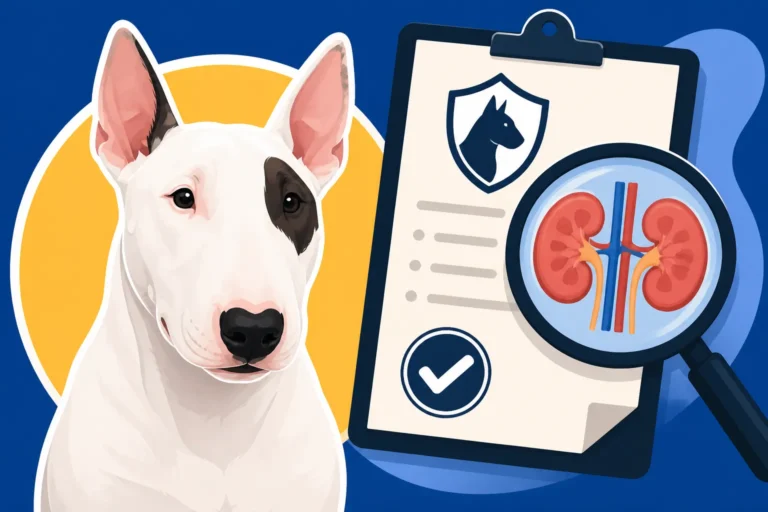
The Urine Protein Creatinine (UPC) ratio is a simple, non-invasive test that measures the amount of protein in your Bull Terrier's urine relative to its creatinine level. Think of it like this: your dog's kidneys are supposed to act as a sophisticated filter, keeping essential proteins in the body and letting waste products pass out. If that filter is damaged, proteins start to leak into the urine. A high UPC ratio is often an early warning sign that the kidneys are losing their ability to filter correctly, long before your dog starts showing obvious signs like increased thirst, lethargy, or changes in appetite. Catching this early can literally add years to your Bull Terrier's life by allowing for prompt intervention. It truly provides a window into their renal health. If you want to dive deeper into what these numbers mean, take a look at What a UPC Ratio Tells a Bull Terrier Owner.
Why UPC Screening is a Regular Necessity for Bull Terriers
Given the breed's genetic predisposition to conditions like hereditary nephritis, proactive screening is non-negotiable. This isn't just about catching a problem when it's already advanced; it's about establishing a baseline and monitoring for subtle shifts year after year. Most Bull Terrier owners, in consultation with their vets, aim for annual UPC screenings as part of their dog's routine wellness exam. It’s a crucial step in early detection, especially since hereditary nephritis can take Bull Terriers in their prime. By the time visible symptoms of kidney disease appear, a significant portion of kidney function has often been lost, making treatment more challenging and prognosis less favorable. Regular screenings are an investment in your Bull Terrier's long-term health, and understanding The Yearly Urine Test Every Bull Terrier Owner Should Book is paramount.
Pet Insurance: Differentiating Routine Care from Illness Coverage
When it comes to pet insurance, many Bull Terrier owners assume that if their dog gets sick, it's covered. While that's largely true for unexpected accidents and illnesses, preventative and routine care, like UPC screenings, often fall into a different category. This distinction is crucial for managing expectations and finances.
Wellness Plans vs. Accident & Illness Coverage
The vast majority of pet insurance policies are designed to cover the big, unexpected costs: accidents (like a broken leg from a zealous zoomie session) and illnesses (like a sudden bout of pancreatitis or a cancer diagnosis). This is often referred to as "accident and illness" coverage, and it's what most people think of when they imagine pet insurance. Providers like Healthy Paws, for example, are well-regarded for their comprehensive accident and illness plans, but they typically don't include routine wellness care in their base policies.
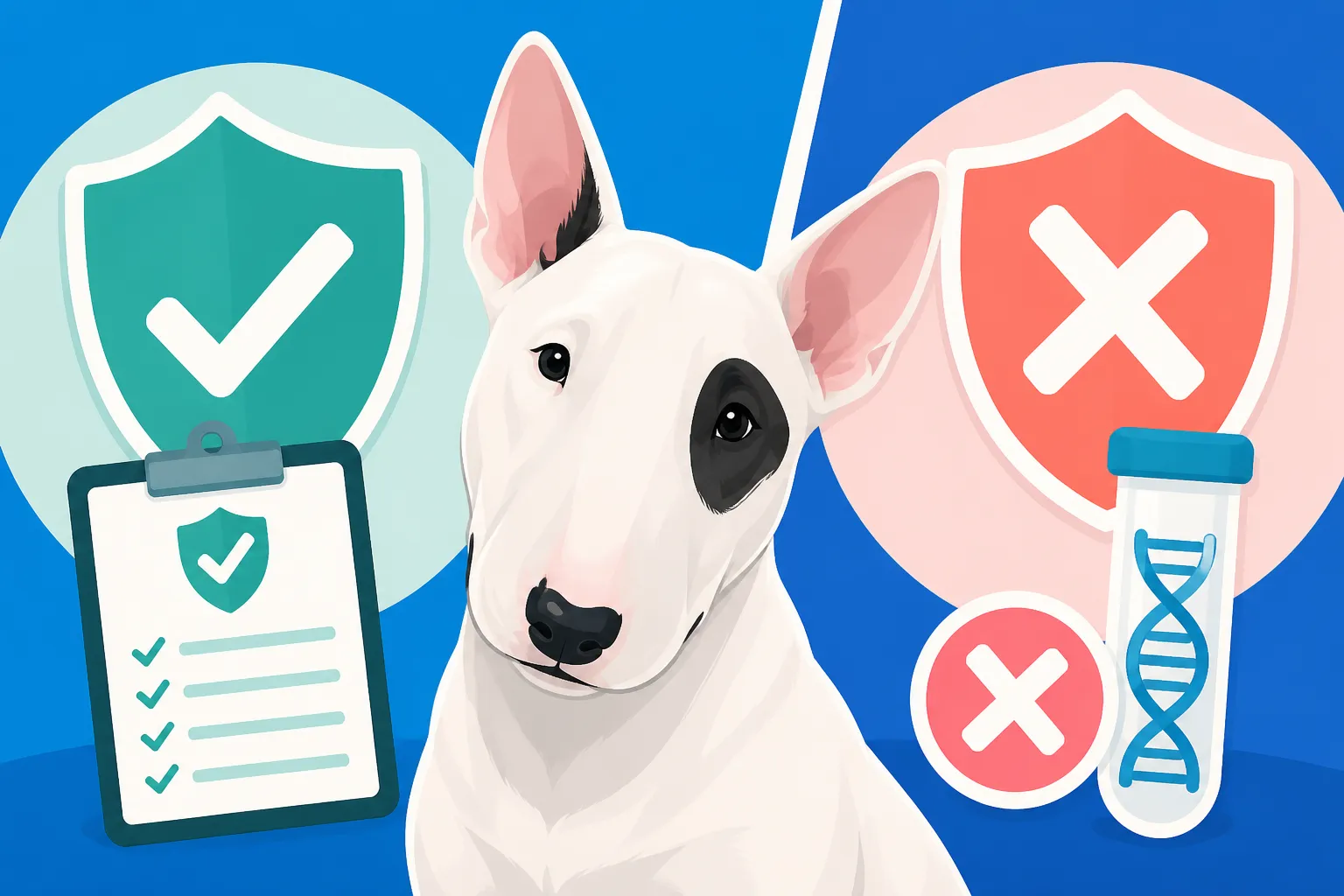
Routine preventative care, which includes things like annual exams, vaccinations, flea and tick prevention, and yes, those all-important UPC screenings, are usually covered under a separate "wellness plan" or "wellness rider." This is an optional add-on that you pay extra for, and it functions more like a budget-planning tool than true insurance against unforeseen catastrophes. Wellness plans often provide a set allowance or reimburse a percentage for specific preventative services up to a certain annual limit. It’s a key distinction to grasp, as simply having an accident and illness policy won't guarantee coverage for your Bull Terrier's yearly kidney check-up.
The "Pre-Existing Condition" Elephant in the Room
This is where things can get particularly tricky and frustrating for Bull Terrier owners. Most pet insurance policies, across all providers, explicitly exclude coverage for pre-existing conditions. A "pre-existing condition" is generally defined as any illness or injury that your pet showed signs of, or was diagnosed with, before your policy coverage began or during a waiting period.
For a breed like the Bull Terrier, known for Hereditary Nephritis Takes Bull Terriers in Their Prime, this clause can be devastating. If your Bull Terrier develops an elevated UPC ratio, or worse, is diagnosed with hereditary nephritis before you enroll them in an insurance plan (or if it surfaces during the initial waiting period), then any subsequent UPC screenings, medications, or treatments related to that kidney disease will likely not be covered. This includes even the routine annual UPC screen if it's tied to an ongoing, pre-existing kidney issue. This highlights the immense importance of insuring your Bull Terrier as early as possible – ideally as a healthy puppy – before any potential health concerns manifest. Many owners find themselves grappling with the question of Whether a Bull Terrier's Nephritis Counts as Pre Existing when trying to get coverage for their beloved dog.
Navigating Insurance Policies for UPC Screening Coverage
So, how do you ensure your Bull Terrier's critical UPC screenings are covered? It requires a bit of detective work and a clear understanding of what you're actually signing up for. Pet insurance policies are not one-size-fits-all, and what one company includes, another might exclude.
Reading the Fine Print: What to Look For
The devil is truly in the details when it comes to pet insurance contracts. Don't just skim over the summary; get into the nitty-gritty of the policy document. You're looking for specific language that addresses "routine care," "preventative care," "wellness benefits," or "diagnostic screenings."
Here are some questions to keep in mind as you read:
- Is a wellness plan offered as an add-on? If so, what are its tiers or levels of coverage?
- What specific tests are covered under the wellness plan? Does it explicitly mention "urinalysis," "bloodwork," or "renal panel" that would include a UPC? Some plans might list general "diagnostic tests" but then exclude routine screenings from that category unless they are part of an illness diagnosis.
- What are the reimbursement rates and annual limits for wellness items? Some plans might cover 100% up to a certain dollar amount per year, while others might reimburse 70-90% of the cost.
- Are there any waiting periods for wellness coverage? This is less common than for accident/illness, but it's worth checking.
Platforms that help you compare policies, or even direct providers like Chewy's pet insurance offerings or Ollie's partnerships, will typically lay out their wellness plans and what they include. Always confirm that your specific concern – the UPC screen – is listed or implicitly covered within the categories provided.
Comparing Wellness Riders and Their Inclusions
Since UPC screening falls under wellness, comparing various wellness riders is key. These riders often come in different tiers, offering increasing levels of coverage for preventative care services.
Here's a simplified table illustrating what you might find when comparing wellness plans:
| Feature | Basic Wellness Plan Example | Standard Wellness Plan Example | Premium Wellness Plan Example |
|---|---|---|---|
| Annual Exam | Covered (1 per year) | Covered (1 per year) | Covered (1 per year) |
| Vaccinations | Covered (core vaccines) | Covered (core & some non-core) | Covered (all recommended vaccines) |
| Flea/Tick/Heartworm | Discount or partial reimbursement | Partial reimbursement | Full or higher reimbursement |
| Routine Bloodwork | Not included | Included (basic panel) | Included (comprehensive panel, including UPC) |
| Routine Urinalysis (UPC) | Often Not included, or limited to diagnostic post-illness | May be included as part of an annual diagnostic panel | Explicitly included as a routine screening or kidney panel |
| Dental Cleaning | Not included | Partial coverage (non-anesthetic) | Significant coverage (anesthetic cleaning) |
| Spay/Neuter | Not included | Partial coverage | Partial or full coverage |
As you can see, a "Basic" plan might save you a little on annual exams and vaccines, but won't touch that UPC screening. You'd likely need a "Standard" or "Premium" tier wellness rider to cover it. Always call the insurer directly to confirm what their current wellness add-on covers for diagnostic tests like a UPC.
Strategies for Ensuring Your Bull Terrier's Kidneys Are Covered
Protecting your Bull Terrier's kidney health through regular screening, and making sure the costs are manageable, takes foresight and a bit of strategic planning.
Insuring Early and Continuously
This cannot be stressed enough: the single most effective way to ensure that potential future kidney issues – and the associated UPC screenings and treatments – are covered by insurance is to enroll your Bull Terrier as a young, healthy puppy. The moment they cross that threshold into having any symptom or diagnosis of kidney problems, even a slightly elevated UPC, it's very likely to be flagged as a pre-existing condition, and you'll be on the hook for those costs.
When you bring home a Bull Terrier puppy, make getting them insured one of your first priorities, right after the vet check-up. The minimal cost of early premiums is a small price to pay compared to the potential financial burden of managing chronic kidney disease without coverage. Plus, maintaining continuous coverage ensures there are no gaps that could inadvertently lead to a pre-existing condition designation if a health issue arises while the policy has lapsed. Check out When a Bull Terrier Should Be Insured Before Screening for more details on timing. It’s also wise to research What a Bull Terrier Costs Over Its Lifetime to properly budget for all expenses.
Budgeting for Routine Care (Even with Insurance)
Even with a robust wellness plan, it's wise to have a dedicated budget or savings fund specifically for routine veterinary care. While wellness riders can significantly offset costs, they rarely cover 100% of everything, and they often have annual caps. For example, a wellness plan might cover one UPC screening per year, but if your vet recommends follow-up screenings every three months due to a borderline result, those additional tests might fall outside the plan's limits or require you to pay out of pocket once the annual allowance is met.
Understanding What a Bull Terrier's UPC Screen Costs Each Year can help you determine how much of a financial gap your wellness plan leaves. Think of pet insurance, especially the wellness portion, as a tool to reduce the financial impact, not eliminate it entirely. It’s about making veterinary care more accessible and predictable, but responsible pet ownership still involves personal financial planning for those routine checks and potential overages.
Proactive Communication with Your Provider
Don't guess; ask. If you're unsure about specific coverage for a UPC screening or any other test, pick up the phone and call your pet insurance provider directly. Have your policy number ready and be prepared to ask very specific questions. For example:
- "Does my current wellness rider cover an annual UPC (Urine Protein Creatinine) test for my Bull Terrier?"
- "What is the reimbursement percentage or annual limit for routine diagnostic bloodwork and urinalysis under my plan?"
- "If my Bull Terrier has a borderline UPC result and the vet recommends retesting in three months, will those follow-up tests be covered under my wellness plan?"
Getting these clarifications in writing, if possible, can provide invaluable peace of mind. Remember, the goal is to be proactive, not reactive, especially when it comes to safeguarding your Bull Terrier's health. You want to avoid any surprises when the vet bill arrives. Being informed also helps you choose the best plan for your Bull Terrier's specific needs, including if you're looking at options like those from Healthy Paws, Chewy, or Ollie.
Ultimately, while pet insurance is an excellent tool for managing the high costs of unexpected accidents and illnesses, covering routine preventative screenings like the UPC test for your Bull Terrier often requires a specific wellness add-on. By understanding the different types of coverage, carefully reading policy documents, and communicating directly with providers, you can ensure your beloved bully receives the proactive care needed to catch potential kidney issues early and live a long, healthy life.
Disclaimer
This article is for general informational purposes only and does not constitute professional advice. Laws, prices and regulations vary by location and change over time. Consult a qualified professional for guidance on your specific situation.