Whether a Bull Terrier Is Safe Around an Elderly Person
Many Bull Terrier enthusiasts will tell you that owning one is like living with a perpetual three-year-old in a dog suit – full of energy, love, and an almost complete lack of self-awareness regarding their size and strength. This endearing but often challenging trait raises a very real and valid question: are Bull Terriers truly safe around elderly individuals, whose balance might be less steady and bones more fragile? This guide will dive deep into the specific characteristics of the Bull Terrier that can pose a risk, and more importantly, how thoughtful management, training, and careful consideration can create a safe and loving home for everyone.
Understanding the Bull Terrier's Unique Nature
Before we even talk about specific risks, it's vital to grasp the core personality and physical attributes that make Bull Terriers, well, Bull Terriers. They are not like many other breeds; their combination of strength, exuberance, and sometimes relentless affection can be overwhelming for those not prepared, and particularly for an elderly person.
The "Three-Year-Old in a Dog Suit" Phenomenon
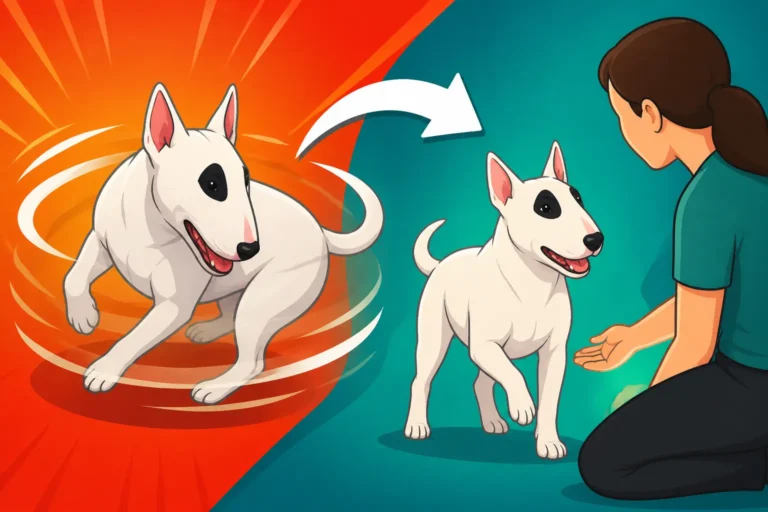
It's a common saying among Bull Terrier owners, and for good reason. These dogs, often nicknamed "pig dogs" due to their distinctive head, possess an almost boundless energy that can last far beyond puppyhood. Unlike some breeds that calm down significantly after a year or two, many Bull Terriers maintain a spirited, playful, and sometimes clumsy demeanor well into adulthood. They are known for their sudden bursts of activity, often called "zoomies," where they'll tear through the house or yard at full speed, weaving unpredictable paths. Imagine a seventy-pound bundle of muscle and enthusiasm suddenly deciding to do laps around the living room, or greet you with a full-body wiggle that turns into a headbutt. For someone with robust balance, it might be a funny moment. For an elderly person, it could easily lead to a fall. It's truly like living with a toddler who never quite grows out of their chaotic phase, only this toddler has a powerful physique. If you've ever wondered about this particular nickname, you can learn more by checking out Why a Bull Terrier Is Called a Three Year Old in a Dog Suit.
Affectionate but Unaware
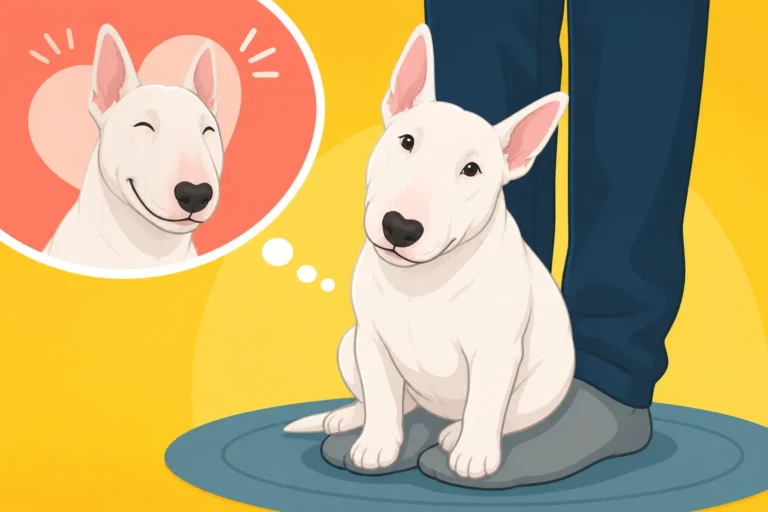
Bull Terriers are incredibly affectionate and devoted to their families. They love to be close, to lean on you, to sit on your feet, and to snuggle up. However, their expression of affection can be incredibly physical. They don't just gently nuzzle; they will often launch themselves onto your lap, push their entire body against you, or greet you with an enthusiastic jump that might feel more like a tackle. They don't seem to fully grasp their own weight or momentum. A Bull Terrier might affectionately body-slam into an elderly person's legs while soliciting attention, or suddenly stand up on their hind legs to "hug" them. This isn't malice; it's pure, unadulterated Bull Terrier love, but it can easily result in scraped skin, a loss of balance, or even a fall. Understanding Why a Bull Terrier Shows Affection With Its Whole Body is key to managing these interactions safely.
Specific Risks for Elderly Individuals
When considering a Bull Terrier for an elderly person, it's not just about the dog's inherent temperament, but how that temperament interacts with the physical realities and vulnerabilities that often come with age.
The Tripping Hazard
This is perhaps the most immediate and common risk. Bull Terriers love to be near their people, often following them from room to room, even becoming "trip hazards" by constantly being underfoot. They might lie down unexpectedly in a hallway, dart across an elderly person's path to investigate a sudden noise, or weave between their legs during meal prep, hoping for a dropped morsel. An elderly person, who might already have compromised balance, slower reaction times, or even vision impairment, is at a much higher risk of stumbling over the dog, a loose toy, or simply losing their footing due to a sudden, unexpected movement from the dog. A seemingly innocuous lean from the dog against a leg can easily knock someone off balance.
Consider a scenario: an elderly person is carrying a hot cup of coffee from the kitchen to the living room. Their beloved Bull Terrier, sensing movement, excitedly rushes ahead, then abruptly stops to sniff something on the floor right in their path. A quick step to avoid the dog could lead to a catastrophic fall, not only injuring the person but potentially causing serious burns. The risk for physical injury is significant, and the emotional toll of such an accident can be profound, potentially leading to fear or resentment towards the dog, even if it was unintentional. This is why it's so important to really consider How Easily a Bull Terrier Knocks You Over.
Unintentional Rough Play
Bull Terriers can be mouthy in play, especially as puppies. While they should be taught bite inhibition, even a playful nip or grab from an adult Bull Terrier can be problematic for delicate skin or thin blood vessels common in older individuals. Their sharp nails, even when trimmed, can inadvertently scratch or bruise during an excited greeting or play session. An elderly person's skin tends to be thinner and more susceptible to tearing, and a playful paw swat or a body brush against a leg could easily cause a skin tear or a bruise that takes longer to heal.
Furthermore, if the Bull Terrier is prone to "body slamming" as a form of play or attention-seeking, the force of their weight can easily cause an elderly person to fall, potentially leading to fractures or sprains. These are not minor incidents; they can lead to hospital stays, loss of independence, and a significant reduction in quality of life. It’s crucial to understand that even when a Bull Terrier is well-meaning, their sheer physical presence demands careful consideration around vulnerable individuals.
Strategies for a Safe Coexistence
While the challenges are real, they are not insurmountable. Many Bull Terriers live happily and safely with elderly family members, thanks to dedicated training, management, and a realistic understanding of the breed's needs.
Training and Management are Non-Negotiable
For an elderly person to safely coexist with a Bull Terrier, robust training and consistent management are absolutely vital. This isn't just about teaching basic obedience; it's about instilling manners that specifically address the Bull Terrier's physical nature.
- Foundation Training: Commands like "sit," "stay," "down," "off," and a solid "leave it" are critical. "Off" is especially important for discouraging jumping up, while "leave it" can prevent them from snatching dropped items or getting underfoot. Given a Bull Terrier's independent streak, training needs to be engaging and rewarding. They often "train when they see the point," so finding high-value rewards (whether food or a favorite toy, often found on Amazon) is key. Consider virtual training programs like those offered by BAXTER & Bella, which can provide personalized guidance right from home, making it easier for an elderly owner or a supporting family member to implement consistent training strategies. This consistent effort reinforces good habits and minimizes the risk of unintentional harm. You can learn more about their training style by reading A Bull Terrier Trains When It Sees the Point.
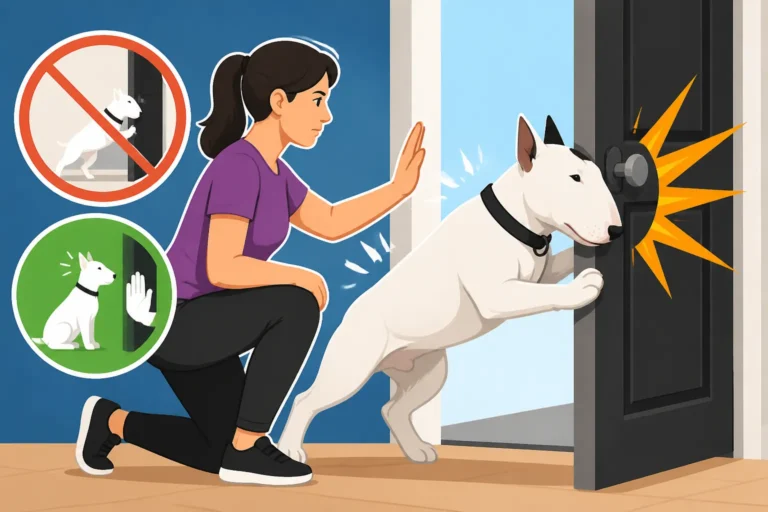
- Controlled Greetings: Teach your Bull Terrier to greet people calmly, ideally with all four paws on the floor. Practice this repeatedly with different people in a controlled environment. If jumping is an issue, a leash can be used indoors to physically prevent the behavior until the dog learns the appropriate way to greet.
- Space Management: Utilize baby gates or exercise pens to create safe zones where the Bull Terrier can be separated from an elderly person during high-risk times, such as when they are moving with hot drinks, using a walker, or simply need quiet time. A sturdy crate can also be a wonderful tool for safe containment, especially if the elderly person needs to be alone or is feeling unwell. While a Bull Terrier needs companionship, learning to settle quietly in their own space, perhaps on a comfy mat, is a valuable skill. Teaching a Bull Terrier to Settle on a Mat can offer more insights here.
- Leash Manners Indoors and Out: Even inside, a short house leash can be helpful in the initial stages to guide the dog away from dangerous situations or to interrupt unwanted behavior without physical contact, which might be risky for an elderly person.
Exercise and Enrichment as Prevention
A bored or under-exercised Bull Terrier is a recipe for disaster, especially around vulnerable individuals. Their pent-up energy will manifest in ways that are often destructive or overly enthusiastic. Ensuring the dog receives adequate physical and mental stimulation daily is paramount to safety.
- Physical Exercise: Bull Terriers need a good amount of exercise. This doesn't necessarily mean miles of running, but consistent, structured activity is crucial. Daily walks, playtime in a securely fenced yard, or even fetch sessions can help burn off energy. For an elderly person who might not be able to provide intense physical exercise, this means family members or hired dog walkers become indispensable. A tired Bull Terrier is generally a calmer Bull Terrier. Explore How Much Exercise a Bull Terrier Actually Needs for more insights into their physical requirements.
- Mental Stimulation: Bull Terriers are intelligent and love to work their brains. Puzzle toys, like those readily available on Amazon, can keep them engaged and prevent boredom-induced mischief. Snuffle mats, treat-dispensing toys, or even basic obedience training sessions several times a day can tire them out mentally, which is just as important as physical exertion. Which Puzzle Toys Occupy a Bull Terrier provides great ideas for keeping their minds busy. Regular training sessions, even short ones, reinforce good behavior and provide an outlet for their intelligence.
Physical Aids and Supervision
Sometimes, no matter how much training, a Bull Terrier's natural exuberance needs a bit of a safety net.
- Non-Slip Surfaces: Ensure floors are not slippery, especially in high-traffic areas. Rugs with non-slip backing can prevent both the person and the dog from slipping, reducing the risk of collisions.
- Handrails and Support: Install handrails in hallways or areas where an elderly person might need extra support. This provides something for them to grab onto if the dog bumps them.
- Constant Supervision: This is perhaps the most critical element. An elderly person should ideally not be left unsupervised with a young or overly boisterous Bull Terrier, especially if their mobility is severely compromised. A family member or caregiver should always be present to intervene, manage the dog, and ensure everyone's safety. This doesn't mean the Bull Terrier can't be part of the family, but it means their interactions need careful oversight.
Assessing Individual Compatibility
Every Bull Terrier is an individual, and every elderly person has unique capabilities and limitations. A blanket "yes" or "no" answer isn't truly possible. It comes down to a careful assessment of both the dog and the person.
Temperament of the Specific Dog
When considering a Bull Terrier, especially for a household with an elderly person, the individual dog's temperament is far more important than the breed standard alone.
- Adult vs. Puppy: A young Bull Terrier puppy is a whirlwind of sharp teeth, boundless energy, and frequent accidents. They require immense patience, constant supervision, and consistent training. For an elderly person, raising a puppy, particularly a Bull Terrier, can be incredibly taxing and even dangerous. An adult Bull Terrier, especially one from a reputable rescue organization, might be a better choice. Rescues often have a good understanding of their dogs' temperaments and can match them with appropriate homes. They can tell you if the dog is known for jumping, body-slamming, or being particularly clumsy. They might even have a dog who is already a bit older and calmer. While Bull Terriers remain playful, some do settle into a more sedate rhythm as they mature. You might be interested in learning about What a Bull Terrier's Temperament Is Really Like to help in your assessment.
- Training History: A Bull Terrier with a solid foundation in obedience and good house manners will be significantly safer than one that hasn't had consistent training. Look for a dog that responds reliably to commands, especially "off" and "down."
- Energy Level: Even within the breed, energy levels vary. Some Bull Terriers are more content to snuggle on the sofa, while others are perpetual motion machines. Spend time with the individual dog to gauge their typical activity level.
- Socialization: A well-socialized Bull Terrier is generally more adaptable and less prone to unexpected reactions, which can be a safety concern.
Mobility and Strength of the Individual
Just as important as the dog's temperament is an honest assessment of the elderly person's physical capabilities and living situation.
- Balance and Mobility: Can the person walk steadily without assistance? Do they use a cane, walker, or wheelchair? Even a gentle bump from a dog can cause a fall if balance is compromised. A Bull Terrier can become a major obstacle for someone navigating with mobility aids.
- Strength and Dexterity: Can the person hold onto a leash firmly if the dog pulls? Can they manage a strong, determined dog if it decides to bolt after a squirrel? Can they easily get up and down from the floor to interact with the dog?
- Cognitive Function: Are they able to consistently enforce rules and commands? Will they remember to close gates or supervise interactions?
- Living Environment: Is the home free of clutter? Are there stairs? Is there a secure outdoor space for the dog to exercise? A small apartment with limited space can exacerbate a Bull Terrier's energy and lead to more indoor "zoomies." Whether a Bull Terrier Suits an Apartment is a relevant read here.
- Support System: Does the elderly person have a strong support network of family or friends who can help with training, exercise, and overall management of the dog? If not, the responsibility can quickly become overwhelming and dangerous.
Here’s a quick comparison of considerations:
| Factor | Active, Mobile Senior | Frail, Less Mobile Senior |
|---|---|---|
| Physical Strength | Can handle a strong pull, recover from a bump. | High risk of falling, injury from a bump or pull. |
| Balance/Mobility | Steady on feet, can quickly adjust. | Prone to falls, uses mobility aids. |
| Energy Level | Can manage daily walks, active play. | Relies on others for dog's exercise. |
| Training Needs | Can actively participate in and reinforce training. | Requires significant assistance with training. |
| Supervision | Can supervise dog for most interactions. | Requires constant, direct supervision by others. |
| Risk Assessment | Moderate, manageable with consistent training/management. | High, often not advisable without dedicated, full-time help. |
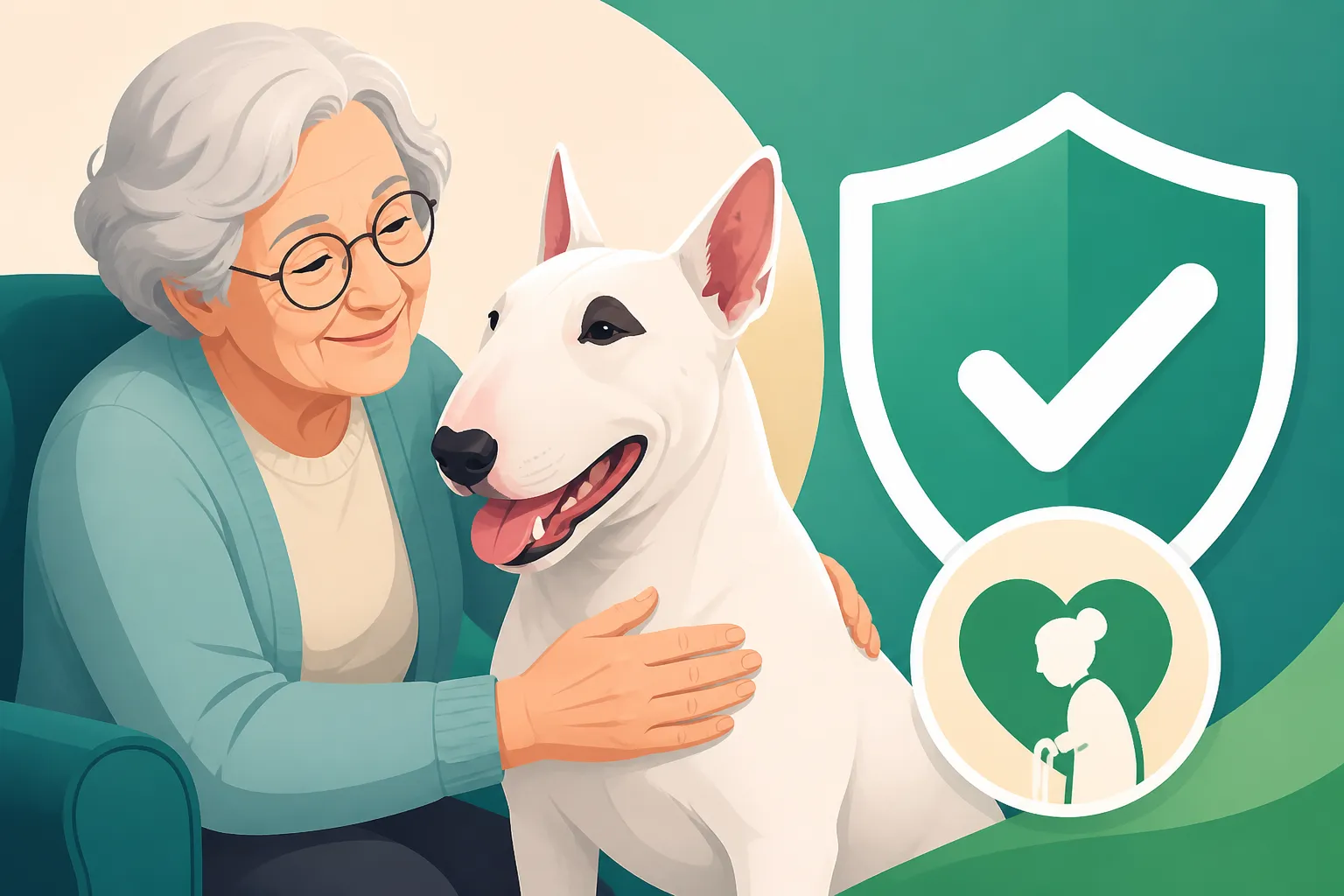
Ultimately, having a Bull Terrier and an elderly person coexist safely requires a great deal of forethought, planning, and commitment from everyone involved. It's not a decision to be taken lightly, but with the right approach, it is absolutely possible to create a loving and safe environment for both the beloved Bull Terrier and their cherished elderly companion.
Disclaimer
This article is for general informational purposes only and does not constitute professional advice. Laws, prices and regulations vary by location and change over time. Consult a qualified professional for guidance on your specific situation.