Where to Get a Bull Terrier BAER Tested
Discovering that your energetic Bull Terrier might have a hearing impairment can be incredibly unsettling, leaving you scrambling to find reliable information and qualified professionals. It's a worry no pet owner wants to face, especially when dealing with a breed prone to specific genetic conditions. This comprehensive guide will walk you through everything you need to know about BAER testing for your Bull Terrier, from understanding the test itself to locating the best facilities and navigating the process with confidence.
Understanding the BAER Test and Why It's Crucial for Bull Terriers
When you bring a Bull Terrier into your home, you're not just getting a dog; you're getting a vibrant, often goofy, and utterly unique personality. However, with that distinctive charm comes the responsibility of being aware of certain health predispositions, and one of the most significant for our beloved egg-headed companions is deafness. The Brainstem Auditory Evoked Response (BAER) test isn't just a recommendation; it's a vital tool for early detection and responsible ownership, particularly for white Bull Terriers.
What Exactly is a BAER Test?
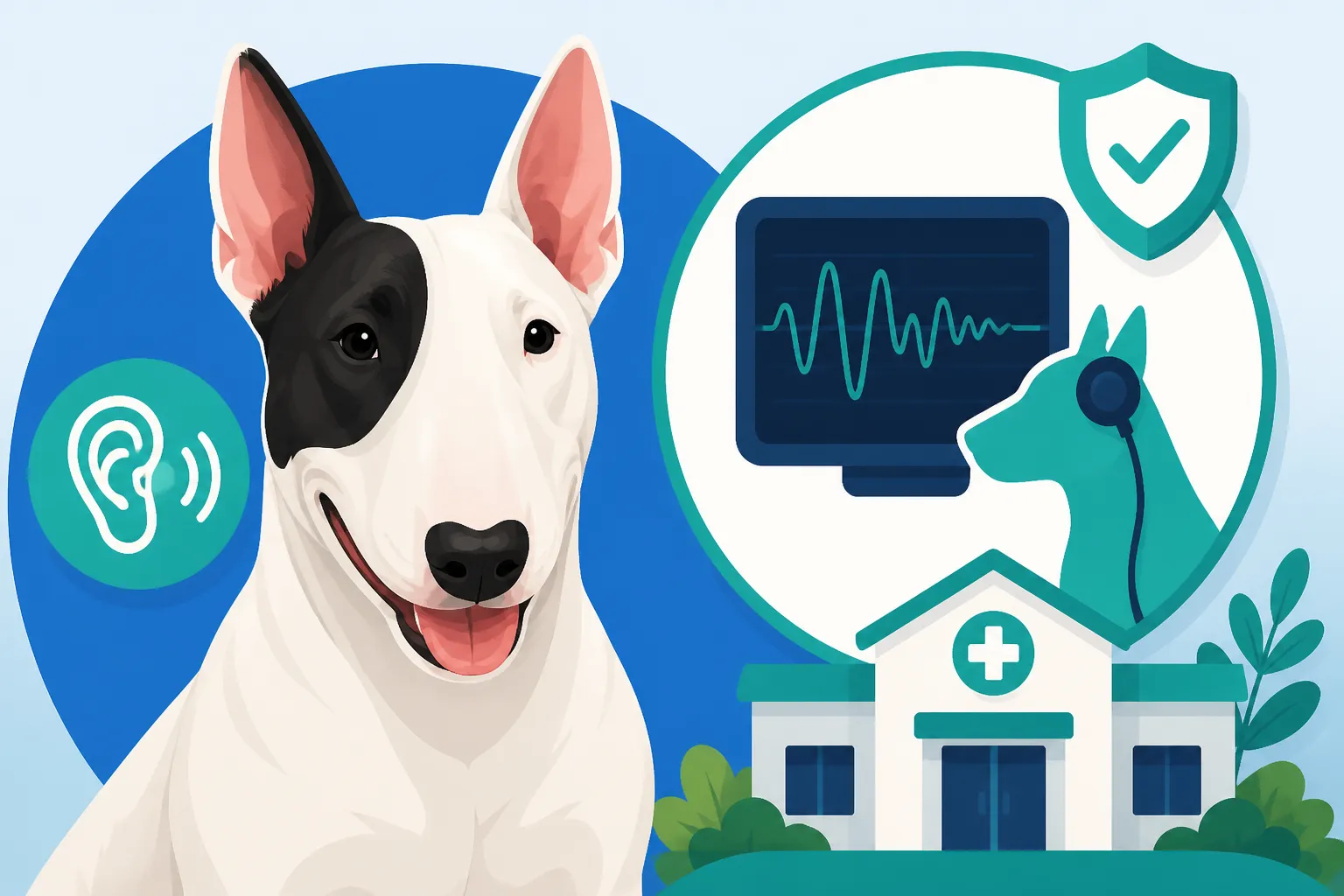
The BAER test is a non-invasive diagnostic procedure that measures the electrical activity in your dog's brain in response to auditory stimuli, essentially checking how well their ears and auditory nerve pathways are transmitting sound signals to the brain. Think of it like an EEG for hearing. Small electrodes are placed on your Bull Terrier's scalp, and tiny click sounds are delivered through earphones. The machine then records the brain's response to these sounds. If there's no response, or a diminished one, it indicates hearing loss. It's a completely objective test; your dog doesn't have to "cooperate" by reacting to sounds, which is especially helpful for puppies or dogs who might be easily distracted.
This test is the gold standard for diagnosing congenital deafness, which means deafness present at birth. Unlike simply clapping your hands behind your dog and watching for a reaction, the BAER test provides definitive, scientific proof of whether one or both ears can hear. It's painless and usually performed with the dog mildly sedated to ensure they remain still and comfortable throughout the procedure, which typically takes less than an hour.
Why Bull Terriers, Especially White Ones, Need This Test
Bull Terriers, particularly those with a pure white coat, have a well-documented predisposition to inherited deafness. This isn't just a quirky trait; it's a serious health concern linked to the genes responsible for their lack of pigmentation. The same genetic factors that give them their striking white fur can also affect the development of the cochlea, the part of the inner ear responsible for hearing. Studies have shown that a significant percentage of white Bull Terriers are born deaf in one or both ears. You can learn more about how often a white Bull Terrier should be BAER tested in our detailed article about Why a White Bull Terrier Should Be BAER Tested.
Even colored Bull Terriers can be affected, though at a much lower rate. Responsible breeders will BAER test entire litters to identify affected puppies early. This allows prospective owners to be fully informed and prepare for any special care a deaf or unilaterally deaf (deaf in one ear) puppy might need. Knowing your Bull Terrier's hearing status from a young age can prevent misunderstandings, enhance training strategies, and ensure their safety.
The Ideal Age for BAER Testing
Timing is everything when it comes to BAER testing Bull Terrier puppies. Vets and breeders generally recommend performing the test when puppies are around 6 to 8 weeks old. At this age, their ear canals are usually open, and their auditory systems are developed enough to provide accurate results. Testing earlier might yield inconclusive results because their systems aren't fully mature, and waiting much longer means a deaf puppy might already be ingrained with certain behaviors that are harder to adapt later.
It's crucial for breeders to test puppies before they go to their new homes. This ensures transparency and helps new owners understand the specific needs of their puppy right from the start. If you're acquiring an adult Bull Terrier, especially from a rescue, it's still a good idea to inquire about their BAER test history, or consider having one done if there are any signs of hearing loss. Our article The Age a Bull Terrier Puppy Can Be BAER Tested dives deeper into this topic.
Pinpointing Reputable BAER Testing Facilities
So, you've understood the importance of the BAER test and you're ready to get your Bull Terrier's hearing checked. But where do you go? Unlike routine vaccinations, BAER testing isn't offered at every local veterinary clinic. It requires specialized equipment and expertise, so you'll typically need to seek out specific types of facilities.
University Veterinary Hospitals and Teaching Colleges
The gold standard for BAER testing is often found at university veterinary teaching hospitals. These institutions are at the forefront of veterinary medicine, equipped with state-of-the-art diagnostic tools and staffed by board-certified specialists in fields like neurology, internal medicine, and audiology. They perform these tests regularly, ensuring high accuracy and proper interpretation of results. For instance, facilities like UC Davis School of Veterinary Medicine in California, Cornell University's Hospital for Animals in New York, Colorado State University Veterinary Teaching Hospital, or Purdue University's Veterinary Hospital are prime examples of places that consistently offer BAER testing.
These university settings are also excellent resources because they are involved in research and education. You can be confident that the veterinarians performing the test are highly trained and up-to-date on the latest protocols. While they might be a bit further to travel for some, the peace of mind and expertise they offer are often well worth the journey. They also often have the facilities for comprehensive follow-up care if any issues are detected.
Specialty Veterinary Clinics and Referral Centers
Beyond universities, many private veterinary specialty clinics and referral centers also offer BAER testing. These clinics often have veterinarians with advanced training and certifications in specific areas, including neurology or internal medicine, who possess the necessary equipment. To find one near you, you might need to do a bit of digging. Start by asking your regular veterinarian for a referral. They often have networks with specialists in your region. You can also search online for "veterinary audiology," "canine BAER testing," or "veterinary neurologist" along with your city or state.
When choosing a specialty clinic, don't hesitate to ask about their experience with BAER testing, particularly with Bull Terriers or other breeds prone to deafness. Inquire about the credentials of the veterinarian who will be performing and interpreting the test. A facility that routinely performs these tests will be more efficient and provide more accurate results, giving you a clear understanding of What a BAER Test Tells a Bull Terrier Owner.
Breeder Recommendations and Breed Clubs
Sometimes, the best resource can be other Bull Terrier owners or the breed club itself. Reputable Bull Terrier breeders are deeply familiar with the importance of BAER testing and often have established relationships with specific veterinary specialists or clinics they trust. They can provide personal recommendations and insights into facilities that are experienced with the breed.
Organizations like the Bull Terrier Club of America (BTCA) or regional Bull Terrier clubs maintain health registries and sometimes provide lists of recommended testing sites or upcoming testing clinics. These clinics are often organized to make testing more accessible and affordable for breeders and owners. Engaging with the breed community can be incredibly beneficial not just for BAER testing, but for all aspects of your Bull Terrier's health, including understanding common issues like Demodectic Mange in a Bull Terrier.
Here's a quick comparison of typical BAER testing facilities:
| Facility Type | Pros | Cons | Ideal For |
|---|---|---|---|
| University Veterinary Hospitals | Highest expertise, advanced equipment, research-backed, comprehensive care | Can be expensive, often a longer waitlist, may require significant travel | Definitive diagnosis, complex cases, seeking top-tier expertise |
| Specialty Veterinary Clinics | Specialized knowledge, dedicated equipment, often more accessible than universities | May be fewer options depending on location, cost can still be high | Local expertise, referrals from general vets |
| Breeder/Breed Club Organized Clinics | Often more affordable, convenient location (if available), breed-specific experience | Less frequent, availability depends on club initiatives, might be less comprehensive follow-up | Routine puppy testing, budget-conscious owners |
What Happens During Your Bull Terrier's BAER Test and After
Once you've found a suitable facility, knowing what to expect on the day of the test can help alleviate any anxiety you might have. The procedure is generally straightforward, but a little preparation goes a long way.
The Testing Procedure Explained
When you arrive for your appointment, the veterinary staff will typically take your Bull Terrier back to prepare them for the test. As mentioned, mild sedation is often used. This isn't just to keep your dog still; it ensures that any movement or environmental distractions don't interfere with the delicate electrical readings. The sedation is usually light and wears off quickly. Once sedated, small electrodes are gently placed on your Bull Terrier's scalp, near the ears, and sometimes on the forehead. These electrodes are connected to the BAER machine.
Tiny foam ear inserts or earphones are then placed into your Bull Terrier's ears. These deliver specific sound stimuli – usually a series of rapid clicks – at varying intensities. The machine records the brain's response to these sounds, displaying the results as waveforms on a screen. The veterinarian, or a trained technician under supervision, will monitor these waveforms. A healthy ear will produce clear, consistent waveforms, indicating that the sound signals are reaching the brain. An ear with hearing loss will produce flattened or absent waveforms. The entire test usually takes 15-30 minutes once your dog is sedated and prepared.
Interpreting the Results and What They Mean
Immediately after the test, the veterinarian will be able to interpret the results. They will tell you if your Bull Terrier has normal hearing in both ears, if one ear is deaf (unilateral deafness), or if both ears are deaf (bilateral deafness). Receiving a diagnosis of deafness, especially bilateral deafness, can be overwhelming, but it's important to remember that deaf dogs can lead happy, full lives with proper care and training. Understanding Whether a Unilaterally Deaf Bull Terrier Lives Normally can provide comfort and guidance.
If your Bull Terrier is diagnosed with unilateral deafness, it means they can still hear quite well with their good ear, but you'll need to be mindful of approaching them from their deaf side. Bilateral deafness requires more significant adjustments to your communication and safety protocols. This might include using hand signals for commands, vibrating collars for attention, and ensuring secure environments where they can't wander off unaware of auditory cues like approaching cars. Your veterinarian or a certified professional dog trainer can provide resources and guidance tailored to living with a deaf Bull Terrier.
Financial Considerations and Managing the Cost of BAER Testing
Let's be realistic: veterinary care can be costly, and specialized diagnostic tests are no exception. Understanding the financial aspect of BAER testing is an important part of responsible Bull Terrier ownership.
What a BAER Test Typically Costs
The cost of a BAER test can vary significantly depending on your geographic location, the type of facility (university vs. private specialty clinic), and whether it's part of a breeder-organized clinic. Generally, you can expect to pay anywhere from $100 to $300 per dog for a BAER test. This fee usually includes the test itself, the mild sedation required, and the interpretation of the results by a specialist. However, this cost might be higher if your dog requires additional examinations or if there are unforeseen complications with sedation.
It's always a good idea to call the facility in advance and get a detailed estimate. Don't be shy about asking what exactly is included in the price. Some breeders might test an entire litter at a reduced per-puppy rate, so if you're acquiring a puppy, the breeder may have already covered this cost. For a deeper dive into the exact expenses, our article What a Bull Terrier's BAER Test Costs offers more detailed insights.
Pet Insurance and BAER Testing
This is where pet insurance can truly shine, though coverage for BAER testing can be a bit nuanced. Most pet insurance policies, such as those offered by Healthy Paws, focus on covering unexpected accidents and illnesses. Whether a BAER test is covered often depends on why it's being performed. If it's a routine screening for a puppy, some plans might not cover it, or it might fall under a "wellness package" add-on. However, if your Bull Terrier is showing signs of potential hearing loss later in life, or if the test is recommended due to a suspected medical condition, it might be covered under diagnostic testing.
It's absolutely essential to read your specific pet insurance policy documents carefully or call your provider, like Healthy Paws, directly to clarify coverage before booking the test. Ask specific questions: "Is BAER testing for congenital deafness covered?" or "Does my wellness plan include diagnostic screenings like the BAER test?" Understanding your coverage beforehand can prevent financial surprises. Many pet owners find a comprehensive plan helpful for managing the costs of unforeseen health issues in their Bull Terriers, from genetic predispositions to an unexpected need for What an Echocardiogram Costs on a Bull Terrier.
Budgeting for Ongoing Care and Support
Beyond the initial BAER test, if your Bull Terrier is diagnosed with deafness, there might be ongoing costs associated with specialized training or equipment. This isn't about medical treatment for deafness itself, as congenital deafness is irreversible, but rather about tools and resources to help your deaf Bull Terrier thrive. This could include specialized vibrating collars, private training sessions with a professional experienced in deaf dog training, or enrichment toys that focus on other senses.
It's also worth noting that regular veterinary check-ups and preventative care remain vital for all Bull Terriers, regardless of their hearing status. Keep up with routine screenings, including The Yearly Urine Test Every Bull Terrier Owner Should Book, to monitor their overall health. Building an emergency fund or maintaining good pet insurance with a company like Healthy Paws can help you manage both routine and unexpected health expenditures throughout your Bull Terrier's life.
Disclaimer
The information provided in this article is for general informational purposes only and is not a substitute for professional veterinary advice. Always consult with a qualified veterinarian for any health concerns or before making any decisions related to your Bull Terrier's health and care.