Why a Bull Terrier From a Show Kennel Costs Three Thousand
It’s a moment many prospective Bull Terrier owners face: you fall in love with the breed, do your research, and then you see the price tag on a puppy from a reputable show kennel. A figure like three thousand dollars can feel like a punch to the gut, leaving you wondering why such an investment is necessary. This guide will walk you through the extensive, often unseen, efforts and costs that go into producing a truly well-bred Bull Terrier, explaining exactly why that price point reflects immense dedication to the health, temperament, and future of the breed.
The Foundation: Health Testing Goes Above and Beyond
When you see a price like three thousand dollars for a Bull Terrier puppy, a significant portion of that reflects the rigorous health testing undertaken by responsible show breeders. This isn't just a quick vet check-up; it's a proactive, multi-faceted approach to ensure the genetic well-being of the parent dogs and, by extension, their offspring.
A Proactive Approach to Genetic Health
A truly dedicated show breeder starts with the parents long before a litter is even conceived. They invest in comprehensive health screenings for both the sire and the dam, often annually, to catch potential issues that could be passed down. Think about it: a breeder isn't just breeding two dogs; they're essentially making a commitment to the health of an entire future generation. This involves a battery of veterinary visits, specialized tests, and expert consultations. For instance, specific genetic tests for conditions prevalent in Bull Terriers are run, and these can involve sending samples to specialized labs, which incurs both lab fees and veterinary consultation costs. It’s an ongoing investment, not a one-time checkbox, because the health landscape of breeding dogs can change. This meticulous pre-screening is a non-negotiable step for anyone serious about the breed's future, preventing heartbreaking and expensive issues down the line for new owners. You can learn more about these crucial screenings in Which Health Tests a Bull Terrier Breeder Should Run.
Inherited Conditions and Ethical Breeding
Bull Terriers, like many purebred dogs, are susceptible to certain inherited conditions that can severely impact their quality of life and longevity. A show kennel breeder is keenly aware of these and actively works to mitigate them through careful breeding choices. We're talking about serious conditions here, such as Hereditary Nephritis, a devastating kidney disease, or Lethal Acrodermatitis, a truly tragic condition that affects a puppy's zinc absorption and immune system. Then there are the cardiac issues, like Mitral Valve Dysplasia or Aortic Stenosis, which can lead to early heart failure.
To address these, ethical breeders conduct specific tests. For kidneys, this often means yearly urine protein:creatinine (UPC) ratio tests and sometimes ultrasounds. For heart, it involves regular echocardiograms performed by a veterinary cardiologist. For Acrodermatitis, there's a specific DNA test. These tests aren't cheap. They require specialized equipment, expert interpretation, and ongoing veterinary care. The cost isn't just for the test itself, but for the knowledge and effort involved in understanding the results and making informed breeding decisions that prioritize health over all else. Breeders might even factor in the cost of traveling to a specialist, or the expense of importing a healthy stud dog from a line known for good health. This commitment to avoiding passing on severe diseases is paramount and significantly contributes to the initial puppy price. Consider the devastating impact of Lethal Acrodermatitis Kills a Bull Terrier Puppy Before It Grows Up or Hereditary Nephritis Takes Bull Terriers in Their Prime, and you'll understand why these tests are invaluable.
Raising a Bull Terrier Puppy the Right Way
Beyond the foundational health of the parents, the way a Bull Terrier puppy is raised from conception to the day it goes home is another critical factor influencing the price from a show kennel. It's a commitment that goes far beyond simply feeding and housing them.
Exceptional Prenatal and Postnatal Care for the Dam
The care of the mother dog, or dam, during pregnancy and after birth is incredibly intensive and costly. A show breeder will ensure the dam receives a specialized diet, often higher in protein and calories, to support healthy fetal development. She'll have multiple veterinary check-ups throughout her pregnancy, which might include ultrasounds to monitor the puppies and ensure everything is progressing normally. Many Bull Terriers, due to their unique head shape and the potential for large litters, often require planned C-sections, which are significant surgical procedures with associated costs for the surgery itself, anesthesia, and post-operative care.
Once the puppies arrive, the work truly begins. For the first few weeks, the dam and her litter require round-the-clock monitoring. This means sleepless nights for the breeder, ensuring every puppy is nursing well, staying warm, and developing appropriately. Any complications with a puppy might require emergency vet visits. The cost of this intensive care, special nutrition for the nursing mother, and constant vigilance is a substantial investment of time, energy, and money, all aimed at giving each puppy the best possible start in life. It's truly a labor of love, but one that comes with real financial implications.
Early Socialization, Testing, and Enrichment
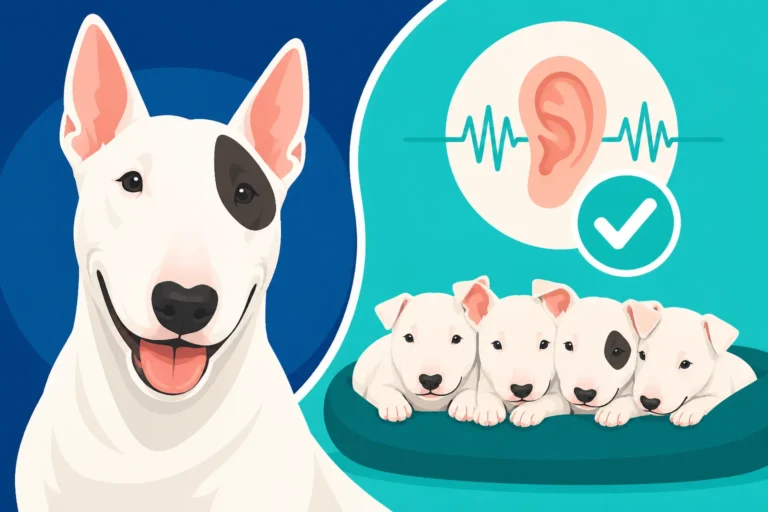
A high price tag also accounts for the crucial early weeks of a Bull Terrier puppy's life, from birth up to 8-10 weeks when they are typically ready to go to their new homes. This period is vital for their development and future temperament. For instance, all white Bull Terriers, and often colored ones too, are BAER (Brainstem Auditory Evoked Response) tested for deafness at around 6-8 weeks of age. This specialized hearing test requires a veterinary specialist and equipment, adding to the cost per puppy. You might be surprised at The Age a Bull Terrier Puppy Can Be BAER Tested and Why a White Bull Terrier Should Be BAER Tested.
Beyond health checks, responsible breeders dedicate immense time and resources to early socialization and enrichment. This means exposing puppies to a variety of safe, positive experiences: different people (men, women, children), household noises (vacuum cleaners, doorbells), various textures, and even early car rides. They’ll begin crate exposure, litter training, and teach bite inhibition. The puppies receive their first vaccinations, deworming, and are microchipped before leaving. Quality puppy food, appropriate toys, and a clean, stimulating environment all add up. This isn't just about providing basic necessities; it's about laying a robust foundation for a well-adjusted, confident Bull Terrier, prepared for life in a family home. Many breeders might even provide a starter kit, including some of the food they've been on (perhaps from reputable brands like Chewy or Ollie) to ease the transition.
The Value of Pedigree, Reputation, and Support
When you buy a Bull Terrier from a show kennel, you're not just buying a dog; you're investing in a legacy, a reputation, and often, a lifetime of support. This intangible value is a significant component of that three thousand dollar price point.
The Show Kennel Standard and Breed Preservation
Show kennels are fundamentally about breeding dogs that conform to the breed standard, which describes the ideal Bull Terrier in terms of appearance, structure, and temperament. This isn't just about vanity; it's about producing healthy, functional dogs that embody what a Bull Terrier should be. Breeders participate in conformation shows, traveling to events, paying entry fees, and sometimes even hiring professional handlers. These shows act as an objective evaluation of their breeding program, a way to prove that their dogs meet the established standard and are worthy of continuing their lines. The process is incredibly time-consuming and expensive, but it's how dedicated breeders ensure they are improving the breed rather than simply multiplying dogs. The "three thousand dollar" price tag covers a share of these investments, ensuring the breed's heritage and future are protected. It's a commitment to James Hinks Built the Bull Terrier in Birmingham in the 1860s and the vision he had for this unique breed.
Lifelong Breeder Support and Guarantees
Perhaps one of the most invaluable, yet unquantifiable, aspects of purchasing from a reputable show kennel is the lifelong support you receive. A good breeder doesn't just hand you a puppy and wave goodbye. They become a trusted resource for the entire life of your dog. This means they are available to answer questions about training challenges, provide advice on nutrition (and might even recommend trusted brands like Chewy or fresh food options like Ollie), discuss health concerns, and offer guidance through all of your Bull Terrier's life stages. This support network is crucial, especially for a breed with distinct characteristics and potential quirks like the Bull Terrier.
Furthermore, these breeders almost always offer comprehensive health guarantees against serious inherited conditions. They stand behind their puppies, often with contracts that outline what happens if a serious genetic health issue arises. They may also have a take-back clause, meaning if for any reason you can no longer care for your Bull Terrier, they will take the dog back, ensuring it never ends up in a shelter. This safety net provides immense peace of mind. While a good breeder significantly reduces the risk of major health issues, unforeseen problems can still arise. This is where pet insurance, from providers like Healthy Paws, can be an excellent complement to a breeder's guarantee, providing an additional layer of financial protection for unexpected accidents or illnesses throughout your Bull Terrier's life. Understanding Which Certificates a Bull Terrier Breeder Must Hand Over will also give you insight into their transparency and dedication. You should always feel comfortable asking Which Questions to Ask a Bull Terrier Breeder.
Understanding the Cost Breakdown
To truly appreciate why a Bull Terrier from a show kennel carries a price tag in the realm of three thousand dollars, it helps to break down the numerous investments a responsible breeder makes. It’s not just a single cost, but a cumulative reflection of immense dedication and resources poured into each and every puppy.
| Category | Description of Investment | Impact on Puppy Price |
|---|---|---|
| Health Testing | Pre-breeding genetic testing for conditions like Lethal Acrodermatitis (specific DNA tests exist), regular cardiac screenings (echocardiograms for heart murmurs), annual kidney health checks (UPC ratios), and hearing (BAER) tests for puppies. These involve specialist vet visits, lab fees, and potentially travel. For example, What the Bull Terrier Acrodermatitis Swab Costs and What a Bull Terrier's UPC Screen Costs Each Year can add up significantly across multiple parent dogs and liters. | This is a foundational cost, ensuring puppies are born from healthy parents, minimizing the risk of devastating inherited diseases and the associated veterinary bills for owners down the line. It's an investment in preventative care that can save thousands in future treatment. |
| Dam & Puppy Care | Specialized nutrition and veterinary care for the pregnant dam (e.g., ultrasounds, potential C-sections). Intensive postnatal care for the dam and litter, including round-the-clock monitoring, appropriate vaccinations, deworming, microchipping, and high-quality puppy food (potentially from brands like Chewy or Ollie). This phase is critical for physical development. | Ensures a healthy start for every puppy, reducing early life health complications. The physical and financial demands on the breeder during this period are substantial, requiring constant attention and resources. |
| Socialization & Prep | Structured early socialization programs expose puppies to various sights, sounds, people, and experiences to build confidence and a stable temperament. Early training, crate introduction, and house-training fundamentals are often started. This involves significant time and effort from the breeder. | Produces well-adjusted, confident puppies better prepared for their new homes. A Bull Terrier puppy that has had a good foundation of socialization is less likely to develop behavioral issues, which is a priceless benefit to new owners. |
| Breed Preservation | Costs associated with participating in conformation shows (entry fees, travel, handler fees) to validate breeding choices against the breed standard. This demonstrates a commitment to improving the breed and preserving its unique characteristics for future generations. | Contributes to maintaining the health, structure, and temperament of the Bull Terrier breed as a whole, ensuring future generations remain true to their heritage and purpose. |
| Lifelong Support | The ongoing commitment from the breeder to provide guidance, advice, and a safety net for the dog's entire life. This includes being available for questions, offering assistance, and often having a take-back clause in contracts. This provides invaluable peace of mind and resources for new owners. | While not a direct cost per puppy, the breeder's time and expertise are built into their reputation and value. This support can be more valuable than any other aspect of ownership, particularly for a breed with specific needs. |
When you look at this table, it becomes clear that a three thousand dollar price for a Bull Terrier from a show kennel isn't arbitrary. It's a reflection of a comprehensive, ethical, and deeply committed breeding program focused on producing healthy, well-adjusted, and type-correct Bull Terriers. This investment upfront often saves owners significant heartache, time, and money down the road that might otherwise be spent on managing genetic diseases or behavioral issues. It's an investment in a happy, healthy companion for years to come.
Disclaimer
This article is for general informational purposes only and does not constitute professional advice. Laws, prices and regulations vary by location and change over time. Consult a qualified professional for guidance on your specific situation.