How Long It Took to Fix the Bull Terrier Type
Have you ever looked at a Bull Terrier and wondered how on earth such a distinct, almost sculptural dog came to be? That iconic egg-shaped head, those piercing triangular eyes, and that muscular, clownish physique didn't just appear overnight. It took generations of dedicated breeders, persistent vision, and a whole lot of trial and error to "fix" the Bull Terrier type into the magnificent breed we know and adore today. This journey wasn't quick or easy, and understanding it helps us appreciate the careful artistry behind our beloved "White Cavaliers."
The Genesis: James Hinks' Vision and Early Experiments
The story of the modern Bull Terrier truly begins in 19th-century England, specifically in Birmingham, with a man named James Hinks. He wasn't just a dog breeder; he was a visionary, and he set out to create a dog that embodied both strength and undeniable elegance. This wasn't about churning out puppies; it was about sculpting a living work of art, and it required a clear, unwavering goal from the outset.
Blending Power and Elegance: The Initial Crosses
Before Hinks, there was the "Bull and Terrier," a general type of dog used for fighting and baiting, characterized by its tenacious spirit and robust build. But Hinks wanted more than just a fighting machine; he sought a gentleman's companion, a dog with courage but also refinement and a striking appearance. To achieve this, he embarked on a deliberate cross-breeding program, primarily using the Old English Bulldog, the now-extinct English White Terrier, and the Dalmatian. Each breed brought something crucial to the table. The Old English Bulldog provided the powerful jaws, muscularity, and unwavering grit. The English White Terrier, a stylish, pure white breed, lent its sleek build and active temperament. And the Dalmatian, surprisingly to some, contributed to the distinctive white coat Hinks initially favored, as well as an athletic grace and perhaps even the early inclinations toward the unique head shape. It was a complex genetic puzzle, and Hinks was meticulously trying to piece together his ideal. James Hinks Built the Bull Terrier in Birmingham in the 1860s delves deeper into his foundational work.
The White Cavalier Ideal: Early Focus on Color and Temperament
Hinks' initial focus was on creating an all-white dog, a pristine "White Cavalier" that would stand out from its more colorful, rough-and-tumble ancestors. This wasn't just an aesthetic choice; it also tied into the desired temperament. The idea was to produce a dog that, despite its powerful build, was a gentleman's companion, less prone to aggression, and more suited to show rings and family life. The term "White Cavalier" itself suggested a dog of noble bearing, loyal, and brave, but without the savage instincts of the pit dogs. Achieving this required generations of careful selection, not just for coat color but also for disposition. Breeders rigorously screened their dogs, not only for physical traits but also for behavioral characteristics that aligned with this refined ideal. It was a slow process of culling those that didn't fit the mold, both visually and temperamentally. What the White Cavalier Name Meant offers more insight into this fascinating aspect of their history.
Sculpting the Signature Look: The Evolution of the Bull Terrier's Form
Once the foundational breeds were mixed, the real work began: refining and solidifying the unique physical characteristics that make a Bull Terrier instantly recognizable. This wasn't a one-and-done affair; it was an iterative process, with each generation bringing the breed closer to its iconic form.
The Elusive Downface: Generations of Selective Breeding
Perhaps the most defining feature of the Bull Terrier's head is its "downface" or "Roman finish"—a continuous, unbroken curve from the top of the skull to the tip of the nose, with no "stop" or indentation where the forehead meets the muzzle. This feature was not present in the original crosses; it was developed through intense selective breeding over many years, perhaps even decades. Early Bull Terriers, while distinctive, still had a more traditional head shape with a discernible stop. Breeders carefully selected individuals that showed even the slightest hint of this continuous curve, breeding them together to accentuate the trait. It was a monumental task, demanding patience and a keen eye for subtle variations. Every breeding decision was geared towards pushing the envelope on this unique aesthetic. It really highlights how much intentional design went into shaping the breed. When the Bull Terrier's Egg Head Appeared discusses this specific development in more detail.
Refining the Egg-Shaped Head and Triangular Eye
Along with the downface, the overall egg shape of the head and the distinctive triangular eyes are hallmarks of the breed. The head, viewed from the front, should resemble an egg, full and round, without hollows or indentations, especially behind the eyes. The eyes themselves are small, dark, deeply set, and, critically, triangular. These features were not incidental; they were meticulously cultivated. Achieving the perfect egg-shaped skull required understanding bone structure and selecting for broadness and depth. The triangular eye shape, often described as having a "pin-prick" quality, adds to the breed's intense and sometimes mischievous expression. This level of detail in phenotype development took continuous effort across multiple generations, as breeders worked to embed these specific traits into the genetic code of the breed. Each successful breeding brought them closer to the "fixed" type, ensuring these characteristics were consistently passed down. The Bull Terrier Is the Only Breed With a Triangular Eye provides further reading on this unique feature.
The Introduction of Color and Diversifying the Gene Pool
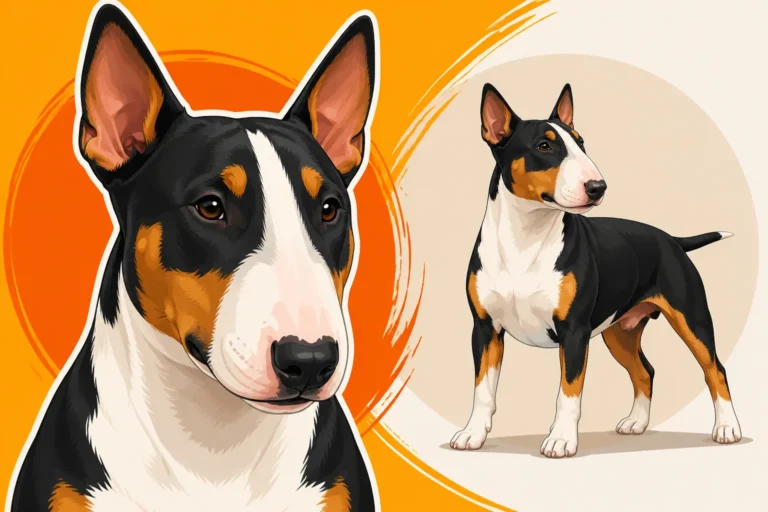
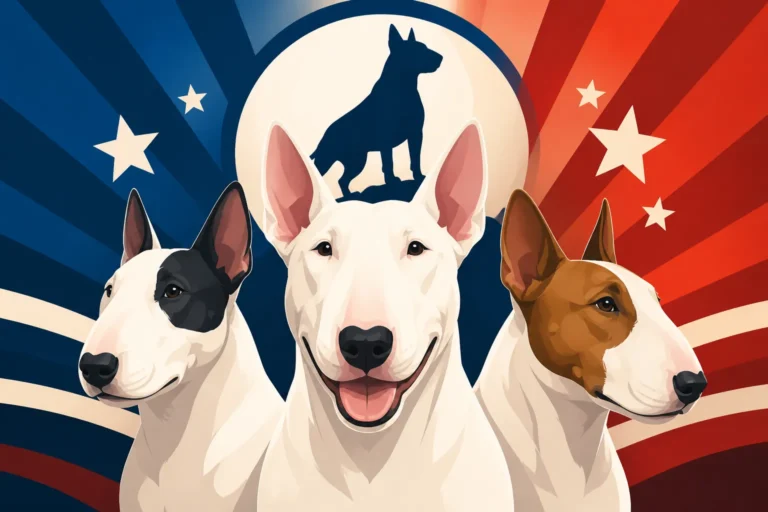
While Hinks initially championed the all-white Bull Terrier, the breed faced challenges, particularly with deafness and other health issues linked to the pure white gene. Recognizing the need for a more robust gene pool and the aesthetic appeal of other colors, breeders began reintroducing colored Bull Terriers in the late 19th and early 20th centuries. This wasn't without controversy, as many purists clung to the "White Cavalier" ideal. However, pragmatic breeders understood that a wider genetic base was crucial for the breed's long-term health and vitality. Breeds like the Staffordshire Bull Terrier were sometimes utilized to bring in brindle, red, fawn, and black and white markings. This deliberate reintroduction of color helped address some genetic bottlenecks and added a stunning array of coat patterns to the breed. It also demonstrated that "fixing" a type isn't just about sticking to one narrow vision; it's about intelligent adaptation for the breed's overall betterment. This diversification played a crucial role in ensuring the Bull Terrier's continued popularity and health. When Colored Bull Terriers Were Accepted details this important shift in breed standards.
From Experiment to Established Breed: When the "Type" Was Fixed
So, how long did all this take? Pinpointing an exact year is difficult because "fixing" a breed type is a gradual process rather than a sudden event. However, we can look at key milestones that indicate when the Bull Terrier's distinctive look became reliably reproducible and widely recognized.
Standardizing the Bull Terrier: Kennel Club Recognition and Consistency
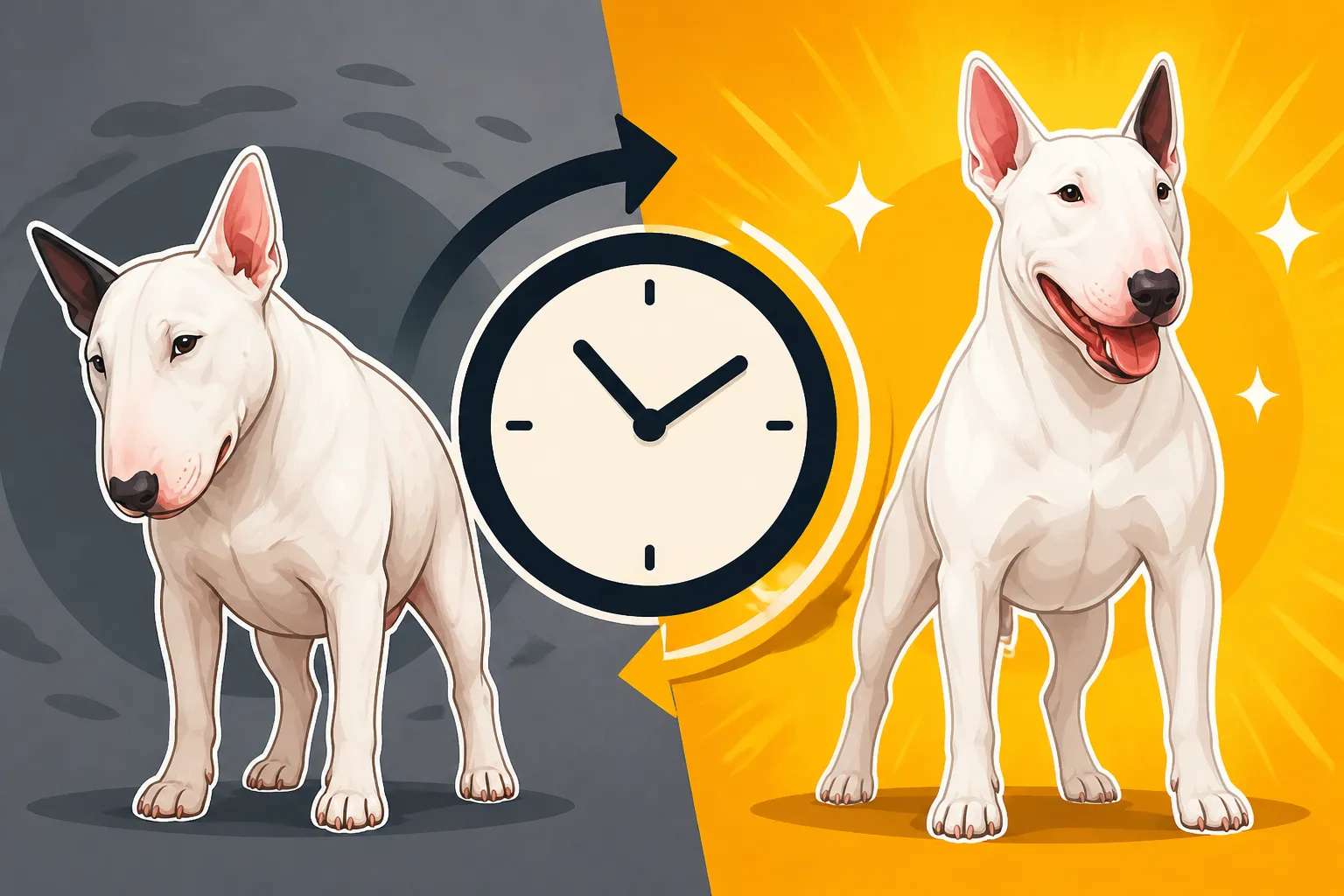
The initial push by James Hinks began around the 1860s. By the 1870s and 1880s, his efforts and those of his contemporaries had certainly established a recognizable "Bull Terrier type," particularly the white variety, which was already winning at shows. However, consistency across different kennels and breeders was still a work in progress. It really took several decades, extending into the early 20th century, for the modern head profile, the body structure, and the temperament to be truly consolidated. The Bull Terrier Club was established to promote and protect the breed, and the creation of a detailed breed standard was paramount. This standard served as a blueprint, guiding breeders on what traits to prioritize and how to assess their stock. The American Kennel Club (AKC) recognized the breed in 1885, a significant step that cemented its status and provided a framework for its continued development. This recognition meant there was a formal, agreed-upon "type" that judges and breeders could adhere to. So, while Hinks laid the groundwork in the 1860s, it took roughly 40-50 years, moving into the early 1900s, for the Bull Terrier's core characteristics to be firmly established and consistently reproduced across enough generations to be considered "fixed" in a widespread, standardized sense. When the AKC Recognized the Bull Terrier further explains this formal recognition.
The Continuing Journey: Subtle Refinements and Modern Health Considerations
Even when a breed type is considered "fixed," the journey of refinement never truly ends. While the iconic egg head and overall powerful yet elegant conformation were largely achieved by the early 20th century, breeders continue to strive for perfection within the standard. This involves subtle enhancements to proportions, movement, and ensuring that the distinctive traits are also healthy traits. For instance, focusing on genetic health has become a paramount concern in modern breeding. Conditions like hereditary nephritis and deafness, which have historically affected Bull Terriers, are now actively screened for. The emphasis today is not just on looking the part, but on being a robust, healthy example of the breed. This means that while the core visual "type" was established long ago, the definition of a "perfect" Bull Terrier continues to evolve, incorporating advancements in veterinary science and genetic understanding. Responsible breeders today leverage tools like DNA testing and health certifications to preserve the breed's unique type while also enhancing its overall well-being. Looking for these health clearances when you're considering a Bull Terrier puppy is absolutely crucial for any prospective owner. What a Bull Terrier Breeder Should Have Tested provides a detailed look at the necessary health screenings.
Evolution of the Bull Terrier Type: A Timeline Snapshot
To truly appreciate the transformation, let's look at a simplified timeline of the Bull Terrier's development. This isn't exhaustive, but it highlights the key periods of change and consolidation.
| Era | Key Developmental Focus | Distinctive Features | Time to Achieve (Approximate) |
|---|---|---|---|
| Pre-1860s | Creating a more refined fighting dog and gentleman's companion | Bull and Terrier stock: Strong, tenacious, varied appearance, more distinct stop, less uniform build. | Decades (informal) |
| 1860s – 1880s | James Hinks' initial crosses (Bulldog, English White Terrier, Dalmatian) | All-white ideal ("White Cavalier"), powerful build, emergence of longer, cleaner head. Still some stop. | ~20 years |
| 1880s – 1900s | Refinement of head shape, establishment of breed standard. AKC recognition. | Development of the downface (Roman finish), more consistent egg-shaped head, distinct triangular eye beginning to appear. | ~20 years |
| Early 1900s | Consolidation of modern type, reintroduction of color. | Iconical egg head, full downface, triangular eyes, strong musculature. Colored varieties accepted and integrated. | ~10-20 years |
| Mid-20th Century – Present | Further refinement, health screening, temperament stability. | Consistency in type, emphasis on robust health, stable temperament. | Ongoing |
As you can see, the journey wasn't a sprint. It was a marathon of careful selection, vision, and dedication that spanned several decades to truly "fix" the Bull Terrier type into the recognizable and beloved dog we have today. Every Bull Terrier you encounter is a testament to this incredible history and the passionate individuals who shaped the breed. When you see that unique profile, remember the generations of thoughtful breeding that went into making it a reality.
Disclaimer
This article is for general informational purposes only and does not constitute professional advice. Laws, prices and regulations vary by location and change over time. Consult a qualified professional for guidance on your specific situation.