The Age a Bull Terrier Is Considered Senior
Bull Terriers reach their senior years around seven or eight, prompting owners to monitor physical and behavioral changes.
Know what to watch for.
Breed-specific conditions, screening and DNA tests, what surgery actually costs, and the daily habits that stretch a healthy lifespan.

Bull Terriers reach their senior years around seven or eight, prompting owners to monitor physical and behavioral changes.
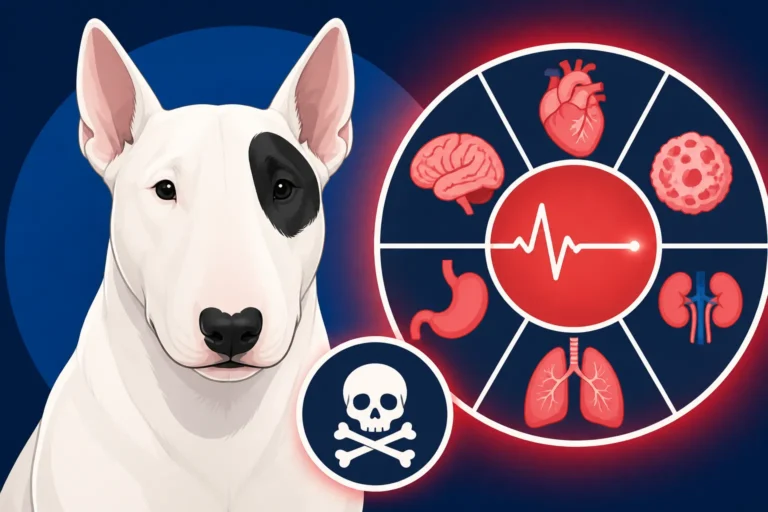
Hereditary nephritis is a common, fatal inherited kidney disease that often causes kidney failure in young Bull Terriers.

Recommended Bull Terrier health tests include the urine protein-to-creatinine ratio test and renal ultrasound for preventing inherited kidney disease.
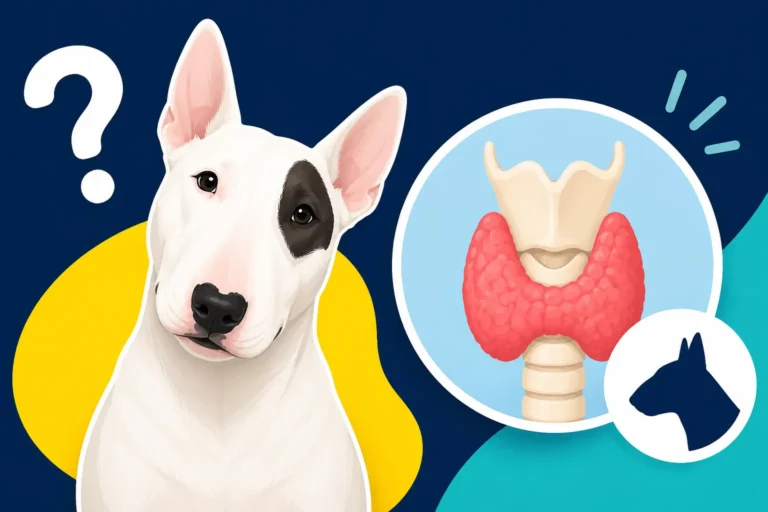
Bull Terrier hypothyroidism causes, genetic risks, diagnosis methods, and management strategies for adult dogs aged four to ten years old.
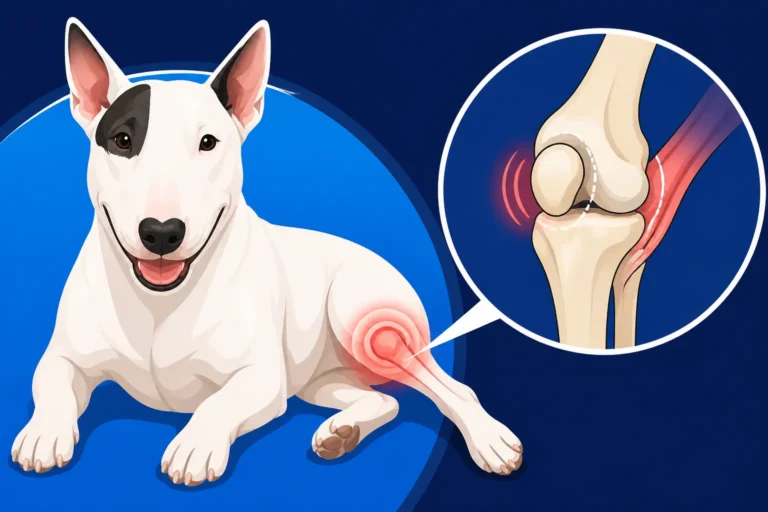
Patellar luxation in Bull Terriers is a slipped kneecap caused by joint anatomy, explained through four severity grades from mild to severe.

Bull Terrier skin allergies, including atopic dermatitis and environmental triggers, cause intense itching, redness, and discomfort.
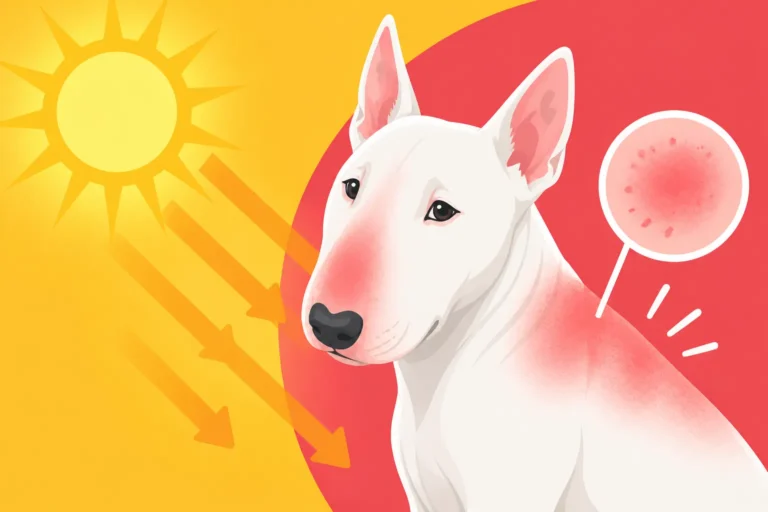
White Bull Terrier skin lacks melanin pigmentation, causing these dogs to experience rapid cellular damage from ultraviolet rays.
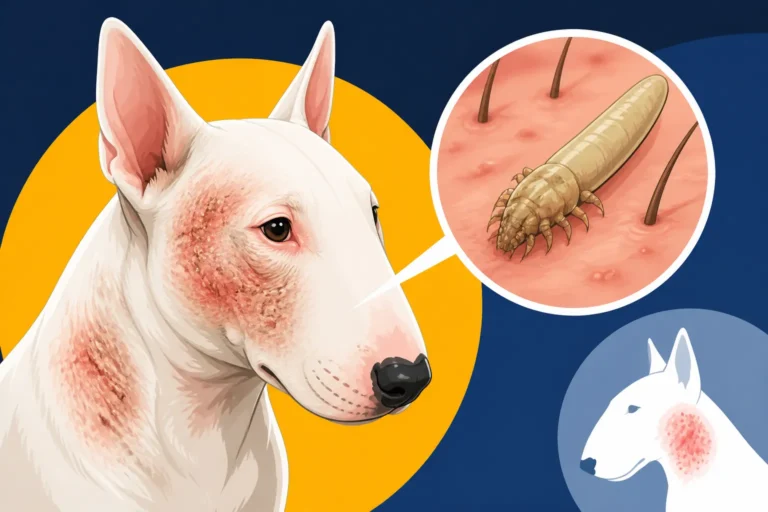
Demodectic mange in Bull Terriers explained through mite overgrowth causes, localized or generalized symptom recognition, and treatment options.

Bull Terrier spinning is a compulsive behavior caused by genetics and stress, requiring specific medical and behavioral treatments.
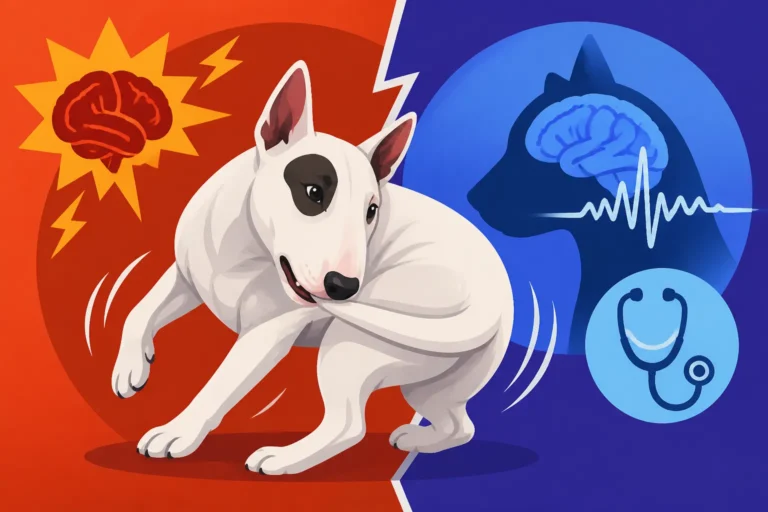
Bull Terrier tail chasing behavior and actual seizures are compared to help owners identify underlying health issues and medical problems.