Whether a Bull Terrier Should Be Interrupted Mid Spin
It can be incredibly distressing and even a little frightening when your beloved Bull Terrier suddenly starts spinning in tight, frantic circles, sometimes for what feels like an eternity. You see their eyes glazed over, their body tensed, and you're left wondering if you should step in, shout, or try to physically stop them. This guide is here to walk you through understanding why your Bull Terrier might be spinning, and more importantly, whether interrupting them is the right approach, or if a gentler, more strategic method is needed to help your quirky companion.
Understanding Bull Terrier Spinning: More Than Just Play
Before we even consider interrupting a spinning Bull Terrier, we really need to get to the bottom of what's driving this behavior. It’s easy to dismiss it as just a "Bull Terrier thing" or even a funny quirk, but for many of these wonderful dogs, it's often a sign of something deeper, whether it’s a medical issue, a behavioral compulsion, or an unmet need. Ignoring the root cause means any interruption is just a band-aid, and often, an ineffective one.
What Spinning Looks Like in a Bull Terrier
When we talk about a Bull Terrier spinning, we're not usually talking about a quick zoomie around the living room or a playful twirl before a game of fetch. This is often a more intense, repetitive, and sometimes relentless circling, often chasing their own tail or an invisible object. Their focus can seem entirely internal, almost as if they're in a trance. You might see them spinning on the spot, or running in tight, repetitive circles, often bumping into furniture or walls without seeming to notice. The intensity can vary, from a relatively calm, persistent whirl to a frantic, almost desperate blur of motion. This isn't just a spontaneous burst of energy; it often has a ritualistic or compulsive quality to it, and it can be quite alarming for an owner to witness. It's a world away from a dog happily chasing a ball or doing a quick celebratory dance.
For some Bull Terriers, the spinning might be accompanied by other behaviors, such as incessant licking, flank sucking, or staring at walls. It's important to differentiate this from a dog simply playing or having a bout of the zoomies, where they're typically responsive to their environment and engaged with you. With compulsive spinning, they often seem "checked out."
The Potential Causes Behind the Spin
The reasons why a Bull Terrier might start spinning are complex and can range from purely behavioral to deeply medical. One of the most common discussions among Bull Terrier owners, and indeed among veterinarians, centers around whether it’s a form of obsessive-compulsive disorder (OCD) or even a type of seizure activity. Why a Bull Terrier Chases Its Tail is a closely related behavior often linked to this spinning.
On the medical side, spinning can be a symptom of a neurological issue. Partial seizures, for instance, can manifest as repetitive, seemingly purposeless behaviors like tail chasing or spinning. Brain tumors, certain toxins, or even inner ear problems could also lead to disorientation and circling. It's why any sudden onset of intense, repetitive spinning absolutely warrants a trip to the vet.
Behaviorally, spinning can stem from chronic stress, anxiety, or even boredom. Bull Terriers are incredibly intelligent dogs with high energy levels, and if they're not getting enough mental stimulation or physical exercise, they can develop coping mechanisms. A Bull Terrier who feels ignored might also spin for attention, knowing that this particular behavior is guaranteed to get a reaction from you, even if it's a negative one. In these cases, it often becomes a self-reinforcing cycle – they spin, they get attention (or a release of energy), and the behavior strengthens.
The Dilemma: To Interrupt or Not To Interrupt?
This is the big question that keeps many Bull Terrier owners up at night. Your gut reaction might be to immediately intervene, especially if the spinning is intense or if your dog is about to knock over a lamp. But the impact of that interruption can vary wildly depending on your method and the underlying cause of the spinning.
Why Owners Feel Compelled to Interrupt
Let's be honest, watching your dog spin uncontrollably is distressing. There's the immediate fear of injury—your Bull Terrier might hit a wall, trip over something, or even hurt themselves or another pet if they're spinning too wildly. Then there's the concern for property damage; a Bull Terrier in a full-on spin can be a wrecking ball. Beyond that, there's the sheer worry about your dog's well-being. Is this painful? Are they scared? Are they having a medical emergency?
There's also the social aspect. If your Bull Terrier spins in public, it can be embarrassing or lead to judgment from others who don't understand the behavior. Owners often feel a sense of urgency to make it stop, if only to alleviate their own anxiety and avoid negative attention. We want to help our dogs, and often, our first instinct is to stop the troubling behavior directly. It comes from a place of love and concern, but it's not always the most effective path.
The Risks of Direct Interruption
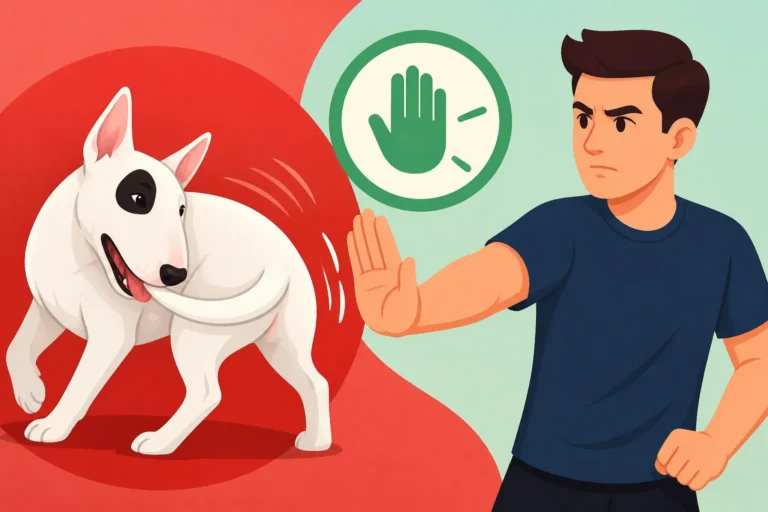
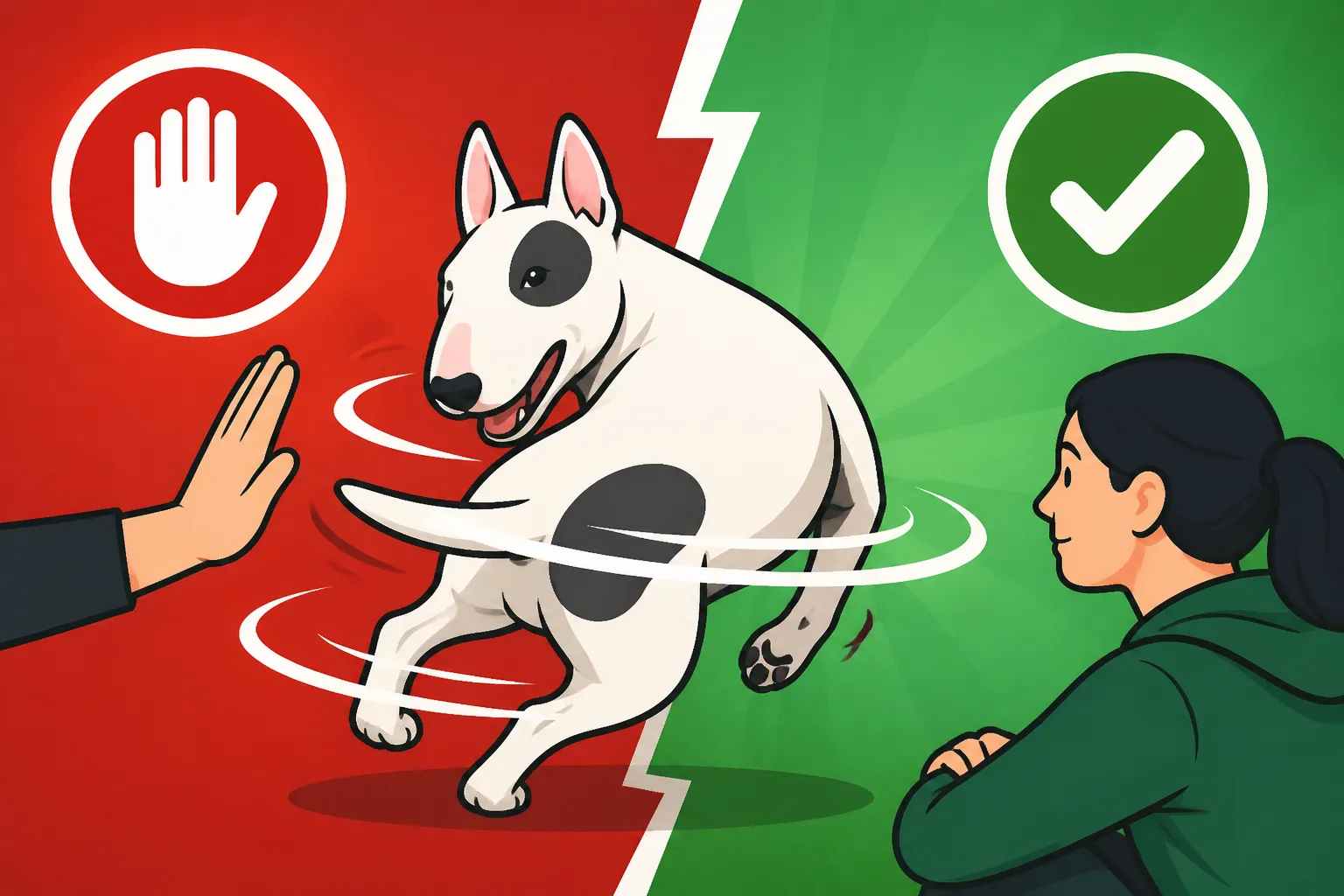
While your intention might be good, direct, forceful interruption – like grabbing your Bull Terrier's tail, shouting at them, or trying to physically restrain them – can actually be counterproductive and even harmful.
Firstly, if the spinning is medically induced, such an interruption could actually exacerbate a seizure or increase stress, prolonging the episode or making your dog more disoriented when it's over. Imagine waking up from a disoriented state to someone yelling at you or grabbing you; it would be terrifying.
Secondly, for behavioral spinning, a harsh interruption can reinforce the attention-seeking aspect. Even negative attention is attention, and your Bull Terrier might learn that spinning is a surefire way to get you to react. This means the behavior could become more frequent or intense over time. In some cases, if your Bull Terrier is startled or frustrated by a sudden intervention, they might even snap or become aggressive as a defensive reaction. Their focus is completely absorbed by the spinning, and a sudden, ungentle break can feel like an attack. It can erode trust and create a negative association with your presence during these episodes. Instead of teaching them to stop, you might just be teaching them to avoid you when they feel the urge to spin.
Gentle and Effective Strategies for Managing Spinning
So, if direct interruption isn't the answer, what should you do? The key lies in understanding, gentle redirection, environmental management, and, crucially, addressing the underlying cause. Your goal isn't just to stop the spinning in the moment, but to reduce its frequency and intensity long-term.
Distraction and Redirection Techniques
Instead of a forceful stop, think about gentle redirection. The aim is to break their focus without causing alarm or reinforcing the behavior. A high-value treat, a favorite squeaky toy, or a calm, familiar verbal cue can often do the trick. The trick is timing and delivery.
If your Bull Terrier is starting to spin, try tossing a high-value treat (like a small piece of cheese or cooked chicken) away from them. The motion of the treat flying and the promise of a tasty reward can often interrupt their focus and get them to move in a different direction. Once they eat the treat, you can then try to engage them in a different, more appropriate activity, like a short training session or a puzzle toy. You might even use a special toy that only comes out during these moments, making it a powerful motivator.
Another effective method is to use a specific, calm verbal cue that you've previously associated with something positive. For example, if you've taught them "find it" for scattering treats, you can use that. The key is to keep your voice calm and inviting, not sharp or commanding. The goal is to gently guide their attention elsewhere, not to punish the spinning itself. Consistency is paramount. If you successfully redirect them, even for a moment, reward that shift in focus generously. For more specific guidance, check out How to Redirect a Spinning Bull Terrier.
Environmental Management and Prevention
Prevention is always better than reaction. A significant amount of Bull Terrier spinning, especially that rooted in boredom or anxiety, can be mitigated by ensuring their environment meets their needs. Bull Terriers thrive on routine, mental stimulation, and physical activity.
First, ensure your Bull Terrier is getting adequate exercise. This means more than just a quick walk around the block. They need opportunities to run, play, and burn off that incredible energy. Think about structured play sessions, fetch in a secure yard, or even going for a hike.
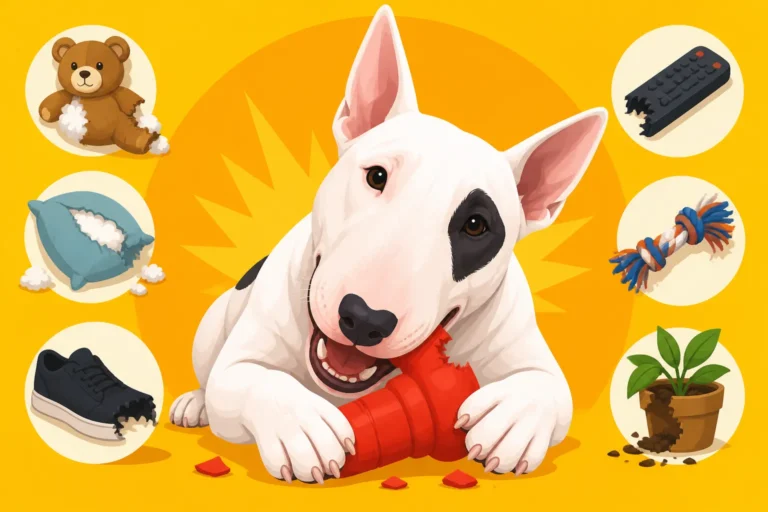
Second, mental enrichment is crucial. Bull Terriers are smart, and a bored Bull Terrier is often a destructive or anxious one. Puzzle toys, like those found on Amazon, where they have to work to get treats out, can keep their minds engaged. Chews that last a long time are also excellent outlets. Kongs stuffed with frozen peanut butter or other safe treats can provide extended mental engagement. Regularly rotating their toys can also keep things fresh and interesting. For ideas on sustained engagement, consider Which Puzzle Toys Occupy a Bull Terrier and How Many Chews a Bull Terrier Needs a Week.
Minimizing triggers can also help. If you notice your Bull Terrier tends to spin in certain situations (e.g., when guests arrive, when you're busy on the phone), try to manage those situations. This might mean having them in a separate room with a chew during high-stress times, or engaging them in a calming activity before the trigger appears.
Addressing Underlying Medical Causes
This is a critical step that cannot be overstated. If your Bull Terrier's spinning is sudden, new, or particularly intense, your very first call should be to your veterinarian. Do not delay. A medical issue needs a medical diagnosis and treatment.
Your vet will likely perform a thorough physical exam, neurological assessment, and possibly blood work. They might also suggest further diagnostics like an MRI or an EEG if a seizure disorder is suspected. Early diagnosis of conditions like partial seizures, for example, means that medication can be prescribed to manage the episodes, significantly improving your Bull Terrier's quality of life and reducing the spinning. It's truly essential to rule out health issues before assuming it's "just behavior." Remember, dogs can't tell us what hurts, and these kinds of repetitive behaviors can be their way of signaling distress. For more details on recognizing when medical help is needed, refer to When a Bull Terrier's Spinning Needs a Vet.
Working with a Professional
If medical causes have been ruled out, or if the spinning has a strong behavioral component, working with a certified professional dog trainer or a veterinary behaviorist is your next best step. They have the expertise to assess your Bull Terrier's specific situation, identify triggers, and develop a tailored behavior modification plan.
A professional can help you understand the nuances of your Bull Terrier's body language, teach you effective redirection techniques, and implement a consistent training strategy. They can guide you on enrichment strategies and help you manage environmental factors that contribute to the spinning. They might introduce specific counter-conditioning and desensitization exercises to change your Bull Terrier's emotional response to situations that typically trigger spinning. This kind of expert guidance is invaluable, providing both you and your dog with the tools needed to manage this challenging behavior. If you're considering this route, Whether a Bull Terrier Owner Should Hire a Behaviorist offers more insights into the process.
When to Seek Veterinary or Professional Help
Knowing when to move beyond simple distraction and seek expert help is paramount. Sometimes, what looks like a quirky habit can be a serious health issue masquerading as behavior. Don't fall into the trap of delaying a vet visit if you have even a sliver of doubt.
Signs Your Bull Terrier's Spinning is Medical
There are several red flags that strongly suggest the spinning has a medical, rather than purely behavioral, origin. If you observe any of these, it's time for an immediate veterinary consultation:
- Sudden Onset or Change in Intensity: If the spinning appears out of nowhere, or significantly worsens in frequency or duration, it's a major warning sign.
- Unresponsiveness: During the spinning episode, if your Bull Terrier seems completely unresponsive to their name, treats, or sudden noises – as if they're "not really there" – this can point to a neurological issue like a partial seizure. This unresponsiveness is a key differentiator from attention-seeking behavior.
- Post-Spin Disorientation: After spinning, if your Bull Terrier seems confused, disoriented, wobbly, or unusually tired, it could indicate a seizure or other neurological event.
- Other Neurological Symptoms: Look for accompanying symptoms such as staring into space, muscle twitching, unusual vocalizations, drooling, or changes in gait.
- Physical Injury: If your Bull Terrier is consistently bumping into objects or injuring themselves while spinning, it might be that they lack control or awareness due to a medical condition.
- No Clear Trigger: If the spinning seems to occur randomly, without any identifiable environmental stressor, boredom, or attention-seeking motivation, medical causes become more likely.
Understanding Whether Bull Terrier Tail Chasing Is a Seizure can help you recognize subtle differences. Your vet needs to evaluate these symptoms thoroughly.
What a Vet or Behaviorist Will Assess
When you bring your spinning Bull Terrier to the vet, be prepared to provide a detailed history. This includes:
- When the spinning started: The age of onset.
- Frequency and duration: How often does it happen, and how long does each episode last?
- Triggers: What seems to set it off, if anything?
- What you do when it happens: Your reaction.
- What happens afterwards: Any post-spin symptoms.
- Other behaviors: Any other compulsive habits, changes in appetite, thirst, or energy levels.
The vet will conduct a thorough physical and neurological exam. This might involve checking their reflexes, coordination, and mental status. Depending on their findings and your history, they might recommend blood tests to check for metabolic issues, an MRI to look for brain abnormalities, or an EEG to detect seizure activity.
A veterinary behaviorist, or a certified professional dog trainer, will often conduct an extensive behavioral history, sometimes requesting videos of the spinning episodes. They’ll look at your Bull Terrier's daily routine, enrichment, social interactions, and your handling techniques to identify behavioral patterns and potential stressors. They might observe your dog in their home environment to get a clearer picture.
Treatment Options and Long-Term Management
Treatment for spinning will depend entirely on the diagnosis. If a medical condition like epilepsy or a brain issue is found, medication will likely be prescribed to manage the underlying problem. This could involve anti-seizure medications, or other drugs to address specific neurological symptoms.
For behavioral or compulsive spinning, a multi-faceted approach is usually best:
- Behavior Modification: This involves teaching your Bull Terrier alternative, appropriate behaviors to engage in when they feel the urge to spin. Positive reinforcement is key here.
- Environmental Enrichment: Ensuring your Bull Terrier has plenty of mental and physical stimulation throughout the day. This might involve daily walks, interactive toys, training sessions, and safe chew items.
- Stress Reduction: Identifying and reducing stressors in their environment. This could mean adjusting routines, creating a quiet "safe space," or managing interactions with other pets or people.
- Dietary Adjustments: In some cases, specific diets or supplements might be recommended, particularly if anxiety or nutrient deficiencies are thought to play a role.
- Medication for Compulsive Disorders: For severe, intractable compulsive spinning that significantly impacts a Bull Terrier's quality of life, a veterinary behaviorist might prescribe psychoactive medications (e.g., SSRIs) to help manage the underlying anxiety and compulsive urges, often in conjunction with behavior modification.
Long-term management often requires patience, consistency, and ongoing communication with your chosen professionals. It's a journey, not a quick fix, but with the right support, many Bull Terriers can see significant improvement in their spinning behaviors.
Here's a quick overview of approaches:
| Strategy | Best For | How to Interrupt/Manage | Potential Outcome |
|---|---|---|---|
| Direct Verbal/Physical Stop | Rarely recommended | Shouting, grabbing, harsh correction | Increased anxiety, aggression, reinforcement of behavior, injury |
| Gentle Redirection | Behavioral (boredom, attention-seeking, mild compulsion) | High-value treat toss, squeaky toy, calm verbal cue | Breaks focus, redirects to appropriate activity, positive association |
| Environmental Management | Behavioral (boredom, lack of exercise/stimulation) | Provide puzzle toys (e.g., from Amazon), increase exercise, create routines, safe space | Reduces triggers, prevents onset, improves overall well-being |
| Medical Intervention | Neurological conditions (seizures, tumors), severe OCD | Veterinary diagnosis, prescribed medications, regular check-ups | Manages underlying condition, reduces intensity/frequency, improves quality of life |
| Professional Behavioral Support | Persistent behavioral spinning, anxiety, diagnosed OCD | Tailored behavior modification plan, desensitization, counter-conditioning | Long-term behavior change, coping mechanisms, owner education |
It's clear that simply stopping the spin, especially through harsh means, isn't the best path forward for your Bull Terrier. Instead, focusing on understanding why they are spinning, offering gentle redirection, optimizing their environment, and most importantly, seeking professional veterinary and behavioral advice, are the most effective and humane ways to support your unique companion. Remember, your Bull Terrier looks to you for guidance and care, and a thoughtful approach to their spinning will lead to a happier, healthier life for both of you.
Disclaimer
This article is for general informational purposes only and does not constitute professional advice. Laws, prices and regulations vary by location and change over time. Consult a qualified professional for guidance on your specific situation.