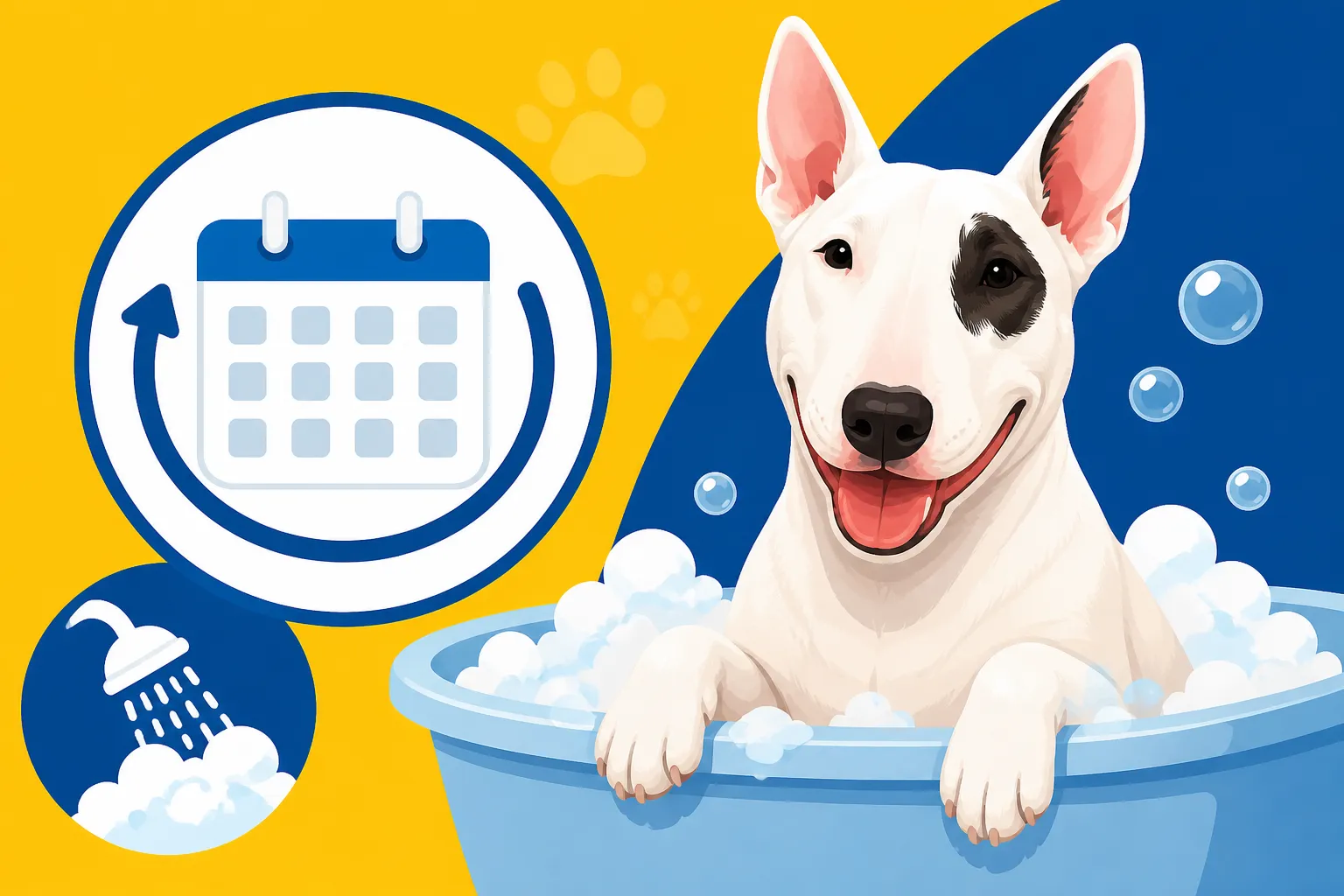
How Often a Bull Terrier Should Be Bathed
One of the trickiest things about owning a Bull Terrier, beyond their legendary stubbornness, is figuring out how often to actually get them in the tub. You want them clean, sure, but you're also acutely aware of their notoriously sensitive skin. Many of us have been there, watching our beloved bullie roll in something questionable and immediately picturing a long, drawn-out battle with dry, itchy skin if we bathe them too frequently. This guide is here to walk you through the nuances of Bull Terrier bathing, dispelling myths and providing practical advice to keep their unique coat healthy and their sensitive skin happy.
Understanding Your Bull Terrier's Unique Skin and Coat
It’s not just about a quick scrub; understanding the specific characteristics of your Bull Terrier’s skin and coat is the first step to establishing a healthy bathing routine. They aren’t like a fluffy Golden Retriever or a double-coated Husky. Bull Terriers have a very distinct physical makeup that directly influences their grooming needs.
The Bull Terrier Coat: More Than Just Short Hair
When you look at a Bull Terrier, you might think, "Oh, short hair, easy care!" And yes, in some ways, their sleek, flat coat is less demanding than, say, a Poodle’s elaborate coif. But it's precisely this short, dense, and often harsh-feeling coat that can trap dirt and skin debris right against their body. There's no long hair providing a protective barrier or wicking away moisture. Every bit of mud, every stray allergen, has a direct path to their skin. This means that while their coat doesn't tangle or mat, it also doesn't offer much in the way of natural protection from external irritants. They are indeed unique creatures, and their skin is a big part of that. What a Bull Terrier's Coat Is Like really does set them apart.
Think about it: a quick run through a damp field, and suddenly your white Bull Terrier looks like a mud sculpture. That fine, short hair picks up everything. And while some breeds might shake it off, the Bull Terrier’s coat tends to hold onto it, grinding it against their skin as they move. This can lead to irritation even before you consider the drying effects of bathing. It's a constant balancing act – they get dirty easily, but their skin doesn't always appreciate a frequent bath.
The Delicate Bull Terrier Skin: Why It Needs Special Attention
If there’s one truth about Bull Terriers, it’s that A Bull Terrier's Skin Is Its Weakest Point. They are particularly prone to a range of dermatological issues, from allergies to simple dryness. This sensitivity often stems from their genetics, leading to a thinner skin barrier or a predisposition to immune responses. Many Bull Terrier owners will tell you stories of mysterious rashes, endless itching, or persistent hot spots, often triggered by seemingly innocuous things like certain grasses, household cleaners, or even diet.
This delicate skin means that every bath is a significant event. The wrong shampoo can strip essential oils, leading to dryness, flakiness, and unbearable itching. Too-frequent bathing can disrupt the natural pH balance, making their skin more susceptible to bacterial or yeast infections. It’s a frustrating cycle: they get dirty easily, but washing them incorrectly or too often can cause more problems than it solves. This is why a thoughtful approach to bathing is not just a preference, but a necessity for their overall health and comfort. You'll spend less time battling skin issues and more time enjoying their clownish antics.
Factors Influencing Bathing Frequency
Deciding how often to bathe your Bull Terrier isn't a one-size-fits-all answer. Several key factors play a role in determining the ideal schedule, and understanding these will help you tailor a routine that works best for your individual dog.
Lifestyle and Environment: Indoors vs. Outdoors
The environment your Bull Terrier lives in and their daily activities profoundly impact how quickly they get dirty and, consequently, how often they might need a bath. A Bull Terrier living primarily indoors, lounging on the sofa, and only going out for leashed walks on pavement will naturally stay cleaner than one who spends hours romping in a muddy backyard or exploring dusty trails.
Consider the outdoor adventures: if your bullie loves to dig (and many do!), roll in questionable substances at the dog park, or splash through puddles, those experiences bring an entirely new level of grime into play. For these adventurous types, a quick rinse or a targeted spot clean might be necessary more often, even if a full shampoo bath is less frequent. If you live in an area with a lot of pollen or environmental allergens, you might find that regular rinsing, particularly of their paws and belly, can help alleviate itching without resorting to a full scrub-down. Conversely, if your Bull Terrier is mainly a house dog, a monthly or even bi-monthly bath might be perfectly sufficient to keep them fresh without drying out their skin.
Activity Levels and Skin Health: Sweaty Paws and Dirt
Just like people, active dogs can get pretty grimy. While dogs don't sweat in the same way humans do, their paws can certainly accumulate dirt, sweat, and allergens, especially after a vigorous walk or play session. Bull Terriers, with their boundless energy and muscular builds, often love to run, jump, and play hard. This means more contact with the ground, more chances to pick up dirt, and potentially more "doggy smell."
Beyond visible dirt, consider the health of their skin itself. If your Bull Terrier has Whether a Bull Terrier Gets Skin Allergies or tends towards yeasty paws, regular, gentle cleaning of their feet can be a game-changer. These aren't necessarily full baths, but a targeted paw soak or wipe-down can prevent issues from escalating. For instance, after a particularly muddy walk, a quick hose-down of their legs and belly, followed by thorough drying, might be all they need. It’s about being responsive to what your dog actually encounters and focusing on preventative measures rather than always defaulting to a full bath.
Age and Health Conditions: Puppies, Seniors, and Allergies
Your Bull Terrier's age and overall health status are crucial considerations for bathing frequency. Puppies, for example, often get into more mischief and might need more frequent spot cleaning, but their skin is also very delicate. You'll want to use extremely mild shampoos and ensure they don't get chilled. What a Bull Terrier Puppy Eats at Four Months might seem unrelated, but a healthy diet contributes to healthy skin, no matter the age.
As Bull Terriers age, their skin can change. Some senior Bull Terriers might develop drier skin, or their immune system might not be as robust, making them more prone to skin issues. Caring for an Old Bull Terrier means adapting all aspects of their care, including grooming. For dogs with chronic skin conditions, such as allergies, yeast infections, or even Demodectic Mange (which some Bull Terriers are prone to, as seen in Why Demodex Appears on a Bull Terrier Puppy), your veterinarian might recommend a specific bathing schedule with medicated shampoos. In these cases, bathing becomes part of their treatment plan and might be more frequent than for a healthy dog. Always consult your vet if you suspect a skin condition, as an incorrect bathing routine could worsen the problem.
The Ideal Bathing Schedule for a Bull Terrier
So, after all that, what’s the magic number? While there isn't one universal answer, we can establish some solid guidelines and discuss when and why you might need to adjust. The key is balance: enough to keep them clean and their skin healthy, but not so much that you strip their natural oils or cause irritation.
General Guidelines for a Healthy Adult Bull Terrier
For the average, healthy adult Bull Terrier with no specific skin issues and a relatively indoor lifestyle, a full bath every 4 to 8 weeks is often a good starting point. This frequency allows enough time for their skin's natural oils to replenish, maintaining a healthy barrier, while still keeping them clean and smelling fresh.
Think of it this way: your bullie's skin is constantly producing sebum, a natural oily substance that moisturizes the skin and helps protect against bacteria. Too frequent bathing strips this sebum away before it has a chance to do its job, leaving the skin dry and vulnerable. Too infrequent bathing, especially for an active dog, can lead to a buildup of dirt, dander, and oils, which can also cause skin irritation and an unpleasant "doggy" odor.
Here's a general guide:
| Factor | Recommended Bathing Frequency | Notes |
|---|---|---|
| Indoor Lifestyle | Every 6-8 weeks | Less exposure to dirt and allergens. |
| Active/Outdoor Life | Every 4-6 weeks | More exposure to mud, dirt, and environmental irritants. |
| Mild Skin Sensitivity | Every 4-8 weeks | Use gentle, hypoallergenic shampoos. Monitor for dryness. |
| No Visible Dirt/Odor | Up to 8 weeks | Rely on brushing and spot cleaning. |
| Strong Odor/Visible Dirt | As needed (between 4-8 weeks) | Don't delay if truly dirty, but aim to minimize full shampoo baths. Spot clean first. |
Remember, this is a guideline. Your Bull Terrier is an individual, and you're the best judge of their needs. You’ll become attuned to their specific skin and coat health over time.
When to Deviate: Addressing Specific Needs
Life with a Bull Terrier is rarely "average." There will be times when you need to adjust your bathing schedule.
- Roll in Something Foul: Let's be honest, it happens. Whether it's mud, something unspeakable in the park, or a run-in with a skunk, some odors and substances demand immediate attention. In these cases, a bath is absolutely necessary, regardless of when their last one was. Focus on thoroughly cleaning the affected area, using a gentle shampoo, and rinsing meticulously.
- Allergies and Skin Conditions: If your Bull Terrier suffers from environmental allergies (which many do, unfortunately), your vet might recommend more frequent baths with a specific Which Shampoo Suits a Bull Terrier's Skin to remove allergens from their coat and soothe irritated skin. This could be weekly or bi-weekly during peak allergy seasons. Similarly, for conditions like bacterial or yeast infections, medicated shampoos often require a specific application frequency recommended by your veterinarian. What a Bull Terrier Is Most Often Allergic To can sometimes inform the need for more frequent allergen removal baths.
- Visible Dirt or Strong Odor: Sometimes, despite your best efforts, your bullie just gets plain dirty or starts to develop a noticeable smell. If a spot clean and a good brush (more on that later!) don't cut it, then a full bath is warranted. Don't let them stay uncomfortably dirty, but always try the least invasive method first.
The important thing is to be responsive. Don't stick to a rigid schedule if your dog's circumstances dictate otherwise. Flexibility is key, always prioritizing their skin health and comfort.
The Myth of Over-Bathing: What's Really Harmful
You've probably heard the dire warnings about "over-bathing" your dog. While there's truth to the idea that excessive, improper bathing can be detrimental, the real harm comes from how and with what you bathe, rather than the frequency itself, provided you're not doing it daily.
The primary concerns with over-bathing are:
- Stripping Natural Oils: As mentioned, repeated use of harsh shampoos can strip the skin of its natural protective oils (sebum). This leads to dry, flaky, itchy skin, and can even compromise the skin's barrier function, making it more susceptible to infections.
- Disrupting pH Balance: A dog's skin pH is different from a human's. Using human shampoo or even dog shampoos with inappropriate pH levels can disrupt this delicate balance, leading to irritation and creating an environment where bacteria and yeast can thrive.
- Drying and Irritation: Even with the right shampoo, very frequent bathing (e.g., several times a week without a medical reason) can simply dry out the skin due to the water and friction, especially in breeds like Bull Terriers with predisposed skin sensitivity.
However, if your Bull Terrier is truly dirty, smelly, or has a veterinarian-recommended bathing regimen for a skin condition, a bath is far less harmful than leaving them uncomfortable or allowing an infection to worsen. The solution isn't to avoid bathing, but to do it correctly:
- Use a high-quality, gentle, moisturizing shampoo specifically formulated for dogs.
- Rinse thoroughly, ensuring no shampoo residue is left behind.
- Dry them completely to prevent skin irritation.
Don't let the "over-bathing" myth scare you into neglecting your Bull Terrier's hygiene when they truly need a clean. It’s about being mindful and using appropriate products and techniques.
Best Practices for Bathing Your Bull Terrier
Once you've decided it's bath time, how you go about it makes all the difference. For a Bull Terrier, this isn't just a routine chore; it's a careful procedure to protect their sensitive skin. Getting it right can save you a lot of grief and vet visits down the line.
Choosing the Right Shampoo and Conditioner
This is arguably the most critical step for Bull Terriers. You absolutely cannot grab any old shampoo from your shower. Their skin pH is different, and human products are too harsh. Look for specific qualities when choosing a shampoo and conditioner for your bullie:
- Hypoallergenic and pH-balanced: These are non-negotiable. Look for formulas designed for sensitive skin, often labeled as "hypoallergenic," "oatmeal-based," or "for sensitive skin." Avoid strong fragrances or artificial colors, as these can be irritants.
- Moisturizing: Ingredients like oatmeal, aloe vera, and certain oils (like coconut or argan) can help to soothe and hydrate the skin, counteracting any potential drying effects of the water.
- Soap-free: Some shampoos use harsh detergents (soaps) that can strip natural oils. "Soap-free" formulas often use gentler cleansing agents.
- Medicated (if needed): If your Bull Terrier has a skin condition, your vet might prescribe a specific medicated shampoo (e.g., antifungal, antibacterial, or antiparasitic). Follow their instructions carefully, as these often have specific contact times.
Consider brands that prioritize natural ingredients and gentle formulations. For general purpose cleaning, many owners find good quality dog shampoos on sites like Chewy or Amazon. These platforms often have user reviews that can give you insights into how a product performs for sensitive-skinned breeds. Don't forget a good conditioner! It helps to restore moisture and protect the coat and skin after shampooing.
The Bathing Process: Step-by-Step
A Bull Terrier bath doesn’t have to be a wrestling match, but it does require patience and a systematic approach.
- Pre-Bath Prep:
- Brush first: Always brush your Bull Terrier thoroughly before bathing. This removes loose hair (and trust me, How Much a Bull Terrier Sheds means there's always loose hair!) and any trapped dirt. It also helps the shampoo penetrate better and prevents mats, though mats are less common with their short coat. How Often a Bull Terrier Needs Brushing is something you should do regularly, not just before a bath.
- Gather supplies: Have everything ready: shampoo, conditioner, towels, a non-slip mat for the tub, and plenty of treats.
- Protect their ears: Place cotton balls loosely in your Bull Terrier's ears to prevent water from entering, which can lead to ear infections.
- Water Temperature and Wetting:
- Use lukewarm water, not hot or cold. Test it on your inner wrist to ensure it's comfortable.
- Thoroughly wet your Bull Terrier's coat from head to tail. Start from the neck and work your way down, making sure the water penetrates all the way to the skin.
- Shampoo Application:
- Apply a small amount of shampoo and work it into a lather, starting from the neck and working backwards towards the tail and legs. Pay special attention to their paws, belly, and any areas that get particularly dirty.
- Gently massage the shampoo into their skin. Avoid vigorous scrubbing, which can irritate sensitive skin.
- Allow the shampoo to sit for the recommended time, especially if using a medicated shampoo (usually 5-10 minutes). This "contact time" is crucial for the active ingredients to work.
- Rinsing – The Most Important Step:
- Rinse, rinse, and rinse again! This is where many owners go wrong, leaving shampoo residue behind, which is a major cause of skin irritation and itching in Bull Terriers.
- Start from the top of their head and work down, ensuring all traces of shampoo are removed. Their short coat can make it seem like it's all gone quickly, but double-check. The water running off their coat should be completely clear.
- Conditioner Application (Optional but Recommended):
- If using a conditioner, apply it next, following the product instructions. This helps to restore moisture and leave their coat soft and shiny. Leave it on for a few minutes, then rinse thoroughly, just like the shampoo.
- Final Rinse: Always finish with a cool (not cold) water rinse to help close their pores and invigorate their skin.
Post-Bath Care: Drying and Skin Checks
The job isn't done when they're out of the tub. Proper drying and a post-bath inspection are vital.
- Towel Dry: Use several absorbent towels to gently blot and squeeze excess water from their coat. Avoid rubbing too vigorously, as this can irritate their skin.
- Air Dry or Low-Heat Dryer: If it's warm, you can let your Bull Terrier air dry, but ensure they don't get chilled. If using a hair dryer, always use a cool or low-heat setting specifically designed for pets. High heat can burn their sensitive skin. Keep the dryer moving to avoid concentrating heat in one spot. Ensure they are completely dry, especially in skin folds or between their toes, to prevent yeast or bacterial growth.
- Rewards and Comfort: Always finish with praise and treats! Make bath time a positive experience.
- Skin Check: While they're clean and dry, take the opportunity to perform a How to Check a Bull Terrier's Skin Weekly. Look for any redness, flakiness, bumps, or lesions. This is the perfect time to catch any developing issues early. Pay attention to areas like their armpits, groin, and between their toes.
By following these steps, you can ensure that bath time is not only effective at cleaning but also nurturing for your Bull Terrier's delicate skin.
Beyond the Bath: Maintaining Coat and Skin Health
Bathing is just one piece of the puzzle when it comes to keeping your Bull Terrier’s coat gleaming and their skin healthy. A holistic approach that includes regular grooming, a proper diet, and diligent monitoring is essential for these sensitive souls.
Regular Brushing and Grooming Routines
Even with their short coats, Bull Terriers benefit immensely from regular brushing. This isn't just about removing loose hair; it's a vital part of their overall skin health. Brushing helps to:
- Distribute Natural Oils: Regular brushing helps spread the natural sebum produced by their skin evenly across their coat, keeping both hair and skin moisturized and healthy.
- Remove Loose Hair and Dander: While they don't have a massive undercoat, Bull Terriers still shed. Brushing captures loose hair before it ends up on your furniture and removes dead skin cells (dander) that can accumulate and cause itching or trigger allergies.
- Stimulate Circulation: The gentle massage of a brush stimulates blood flow to the skin, which promotes healthier skin and coat growth.
- Bonding: For many Bull Terriers, brushing can be a lovely bonding experience, a quiet moment of connection with their favorite human.
Aim for brushing your Bull Terrier a few times a week, or even daily during shedding season. A rubber curry brush or a shedding blade designed for short coats works wonders for removing loose hair without irritating their skin. How Often a Bull Terrier Needs Brushing really can make a difference in keeping them comfortable between baths.
Beyond brushing, don't forget other crucial grooming tasks:
- Nail Trims: Keep their nails short to prevent discomfort and potential paw issues.
- Ear Checks: Regularly inspect their ears for redness, odor, or discharge, and clean them as needed with a vet-approved cleaner.
- Eye Wipes: Gently wipe away any eye discharge with a soft, damp cloth.
Diet and Supplements for Skin Support
What goes into your Bull Terrier's body is just as important as what goes on their skin. A high-quality, balanced diet is fundamental for healthy skin and coat. Look for dog foods that list a named meat source as the first ingredient and contain healthy fats like omega-3 and omega-6 fatty acids. These essential fatty acids are building blocks for healthy skin cell membranes and have anti-inflammatory properties, which can be particularly beneficial for Bull Terriers prone to allergies or dry skin.
Many Bull Terrier owners see significant improvement in their dog's skin and coat health when switching to a diet rich in these nutrients, or by adding supplements. For example, some premium dog food brands, like those found on Chewy or Ollie, often formulate their recipes with skin and coat health in mind, sometimes even including ingredients like flaxseed or fish oil.
If your Bull Terrier is struggling with persistent dry skin, dull coat, or allergies, talk to your veterinarian about:
- Fish Oil Supplements: Omega-3 fatty acids from fish oil (EPA and DHA) are potent anti-inflammatories and excellent for skin health.
- Zinc Supplements: While rare, some Bull Terriers can suffer from zinc-responsive dermatosis, where their body doesn't absorb zinc properly, leading to skin issues. Your vet can advise if this is a concern.
- Probiotics: A healthy gut often translates to healthy skin. Probiotic supplements can support overall immune function and digestion, which can indirectly benefit skin health.
Remember, always consult your vet before adding any supplements to your dog’s diet, as too much of a good thing can sometimes be harmful. Whether a Bull Terrier's Skin Improves With Diet is often a resounding yes for many owners.
Addressing Specific Skin Concerns
Despite your best efforts, Bull Terriers can still encounter specific skin challenges. Being vigilant and knowing when to seek professional help is crucial.
- Allergies: Bull Terriers are notoriously prone to environmental and food allergies. Symptoms include incessant itching, redness, ear infections, and paw licking. If you suspect allergies, your vet can help identify triggers and recommend treatments, which might include antihistamines, steroids, allergy shots, or a specialized diet. You might also want to refer to What a Bull Terrier Is Most Often Allergic To for more information.
- Dry Skin and Flakiness: This can often be managed with appropriate bathing, moisturizing shampoos/conditioners, and dietary supplements. If it persists, it could be a symptom of a deeper issue, like hypothyroidism, so a vet visit is warranted.
- Hot Spots: These are moist, red, irritated lesions that can appear suddenly, often due to intense licking or scratching. They can escalate quickly. Immediate cleaning, drying, and often topical medication from your vet are needed.
- Infections: Bacterial (pyoderma) or yeast (Malassezia) infections can occur secondary to allergies or other skin irritations. They often manifest as redness, scaling, odor, and discomfort. These usually require veterinary diagnosis and prescription medications, which might include specific medicated shampoos.
Regularly performing a How to Check a Bull Terrier's Skin Weekly will help you spot these issues early. Don't hesitate to contact your vet if you notice anything unusual or if your Bull Terrier is showing signs of discomfort. Proactive care is always the best defense for your Bull Terrier's sensitive skin.
Disclaimer
This article is for general informational purposes only and does not constitute professional advice. Laws, prices and regulations vary by location and change over time. Consult a qualified professional for guidance on your specific situation.