How to Bull Terrier Proof a Room
It's a familiar sight for many Bull Terrier owners: you step out for an hour, come back, and suddenly your living room looks like a demolition crew just wrapped up a job. The sheer power and determination these dogs possess can turn a perfectly normal home into a scene of utter chaos, leaving you wondering if your beautiful Bull Terrier is secretly moonlighting as a wrecking ball. The frustration is real, and the expense of replacing chewed furniture, gnawed baseboards, and shredded beds can quickly add up. This guide is all about giving you practical, empathetic strategies to safeguard your home, making it a safer and less destructive environment for both you and your extraordinary Bull Terrier.
Understanding Your Bull Terrier's Destruction Instincts
Before we can effectively "Bull Terrier proof" anything, we need to get into the mind of our beloved, albeit sometimes chaotic, companions. It's not usually out of spite, though it can certainly feel that way when you discover your favorite pair of shoes reduced to confetti. There's almost always a root cause, and understanding it is the first step towards managing the behavior.
Why They Chew, Dig, and Destroy
Your Bull Terrier isn't just trying to annoy you; their destructive tendencies are often deeply ingrained behaviors, or reactions to their environment and internal state. For puppies, chewing is a natural and necessary part of exploring their world and relieving the discomfort of teething. Those sharp puppy teeth need to gnaw on something to feel better, and if you haven't provided enough appropriate outlets, your furniture or baseboards become fair game. As they mature, chewing can evolve into a way to relieve boredom or stress.
Think about it: a Bull Terrier is an intelligent, high-energy breed. If they're not getting enough mental and physical stimulation, that pent-up energy has to go somewhere. Chewing, digging, and ripping things apart are all self-rewarding activities that release energy and offer a form of entertainment. It’s their way of creating their own fun when yours falls short. For instance, a Bull Terrier left alone for long stretches without stimulation might turn to the sofa simply because it's there and offers an interesting texture to tear apart. They might even view these acts as a game or a challenge, especially if they've successfully "conquered" an item before. This is a big reason why many Bull Terriers fall into the pattern of What a Bull Terrier Does When It Is Bored.
The "Challenge Accepted" Mentality
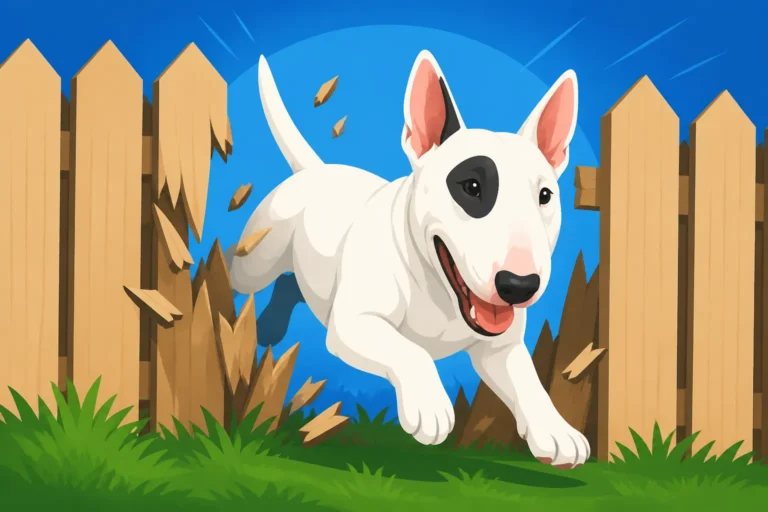
Bull Terriers are renowned for their determination and their ability to problem-solve, often in ways that defy our expectations. If you put up a barrier, many dogs might accept it. A Bull Terrier, however, might see it as an intriguing puzzle or a personal affront. Their strength is considerable, and their powerful jaws are designed for serious business. A flimsy baby gate that holds back a smaller breed might be seen as a minor inconvenience, easily breached with a nudge, a jump, or a calculated chew. They are truly masters of "the art of the escape," viewing any obstruction as an invitation to engage.
This "challenge accepted" mentality means you can't just block off areas; you have to fortify them. A Bull Terrier doesn't just push through a screen door; they might decide to simply rip it out of its frame if they believe something more interesting is on the other side. They have a remarkable ability to find the weakest point in any defense you put up. If you try to simply hide something they shouldn't chew, they'll often sniff it out with impressive persistence, turning the house into a treasure hunt for contraband. This tenacious spirit is part of why we love them, but it also means our home-proofing efforts need to be equally robust.
The Essential "Bull Terrier Proofing" Checklist for Every Room
Effective Bull Terrier proofing isn't a one-time event; it's an ongoing strategy that evolves as your dog learns and grows. It requires a detailed inspection of your home from their perspective, anticipating their next ingenious act of destruction.
Securing the Perimeters: Walls, Doors, and Floors
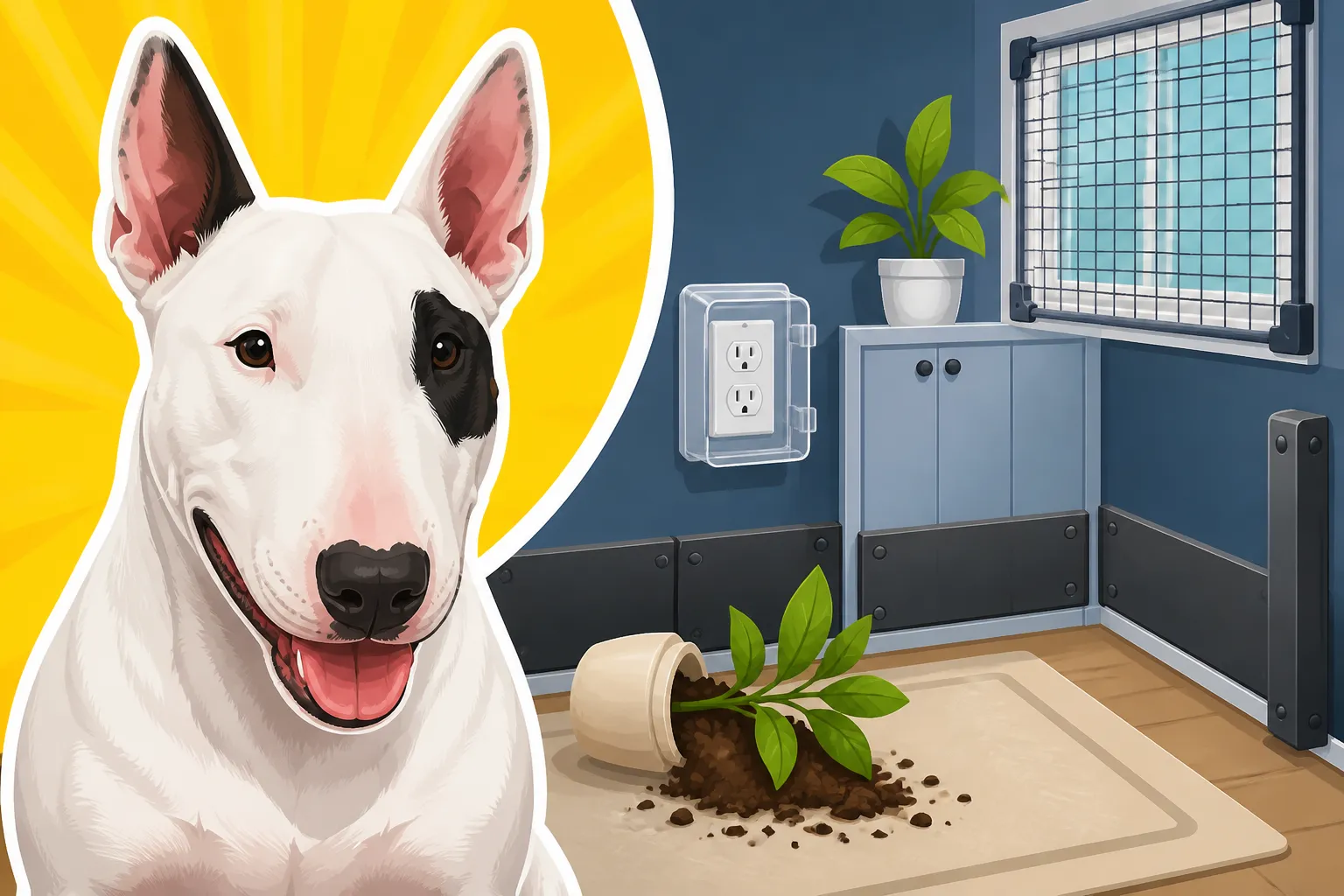
The structure of your home often bears the brunt of a Bull Terrier's investigative chewing or digging. Baseboards are a prime target, especially in areas where they might feel confined or anxious. They can strip paint, splinter wood, and even pull away sections of drywall if given the opportunity. To combat this, consider installing metal corner guards on vulnerable baseboards, or applying chew-resistant sprays (though results vary widely, as some Bull Terriers seem to find even bitter apple spray a delightful flavor enhancer). Where possible, consider more robust trim materials if you're renovating, or at least opt for hard, dense wood that's less appealing to gnaw than soft pine.
Doors, particularly door frames, are another weak point. If your Bull Terrier decides a door is standing between them and where they really want to be, that frame can become a chew toy. Heavy-duty metal door frame protectors or even temporary plywood barriers can save your trim. For interior doors, consider swapping out hollow core doors for solid wood, and ensure latches are secure enough to withstand enthusiastic body slams.
Flooring can also suffer. While carpet might seem resilient, a bored or anxious Bull Terrier can quickly unravel it, exposing the underlay or even subflooring. Hardwood floors are generally more durable against chewing, but beware of scratching from their nails, especially during zoomies. Regular nail trims are essential, as discussed in Trimming a Bull Terrier's Nails While It Fights You. If you have rugs, choose low-pile, durable options, and consider rug grippers to prevent them from being bunched up and chewed.
Out of Sight, Out of Mouth: Wires, Valuables, and Toxins
This category is not just about protecting your belongings, but about protecting your Bull Terrier from serious harm. Electrical cords are incredibly tempting to chew, especially for puppies. A single bite can lead to burns, electrocution, or even death. All exposed wires should be secured, covered with chew-proof cord protectors (often available on Amazon), or routed through conduit. Furniture should be placed strategically to block access, or you might need to invest in cord tidies and management boxes that fully encase wires.
Valuables, especially small items that can be swallowed, need to be completely out of reach. Think about remote controls, cell phones, glasses, wallets, and any small decorative items. A Bull Terrier can swallow surprisingly large objects, leading to expensive and dangerous intestinal blockages. Low shelves, coffee tables, and even countertops are often within reach or jump-range for a determined Bull Terrier. The best practice is to assume anything at their eye level, or anything they can jump onto, is a potential target. Use secure cabinets, high shelves, or rooms that are completely off-limits.
Household toxins are another grave concern. Cleaning supplies, medications, certain houseplants, pest control products (like mouse traps or ant baits), and even common foods (like chocolate or grapes) are highly poisonous to dogs. All cleaning supplies should be stored in high, locked cabinets. Medications must be kept in child-proof containers and out of paw's reach. Familiarize yourself with common toxic plants and either remove them or place them in inaccessible areas. For curious chewers, remember that even seemingly harmless items like dryer sheets or batteries can be toxic if ingested.
Here's a quick checklist for securing common household hazards:
| Hazard Type | Common Items | Proofing Strategy |
|---|---|---|
| Electrical | Phone chargers, lamps, appliance cords | Cord protectors, conduit, furniture placement, unplug when not in use |
| Small Ingestibles | Remote controls, keys, jewelry, coins, socks | Store in closed drawers/cabinets, high shelves, secure containers |
| Chemicals/Toxins | Cleaning sprays, detergents, medications, paint | Locked cabinets, high shelves, secure containers |
| Plants | Lilies, sago palm, aloe vera | Remove toxic plants, place non-toxic plants out of reach |
| Food | Chocolate, grapes, avocado, onions, xylitol gum | Secure pantry, fridge, counter-proof (if possible) |
| Trash | Food scraps, wrappers, small items | Heavy-duty, latched trash cans, store outside |
Furniture Fortification: Beds, Sofas, and Tables
Furniture is often a significant investment, and it's heartbreaking to see it torn apart. Your Bull Terrier's bed is often the first item to face their wrath. Standard fabric dog beds rarely stand a chance against a determined chewer. Look for beds made with chew-resistant materials like ballistic nylon or even aluminum-framed beds with raised mesh platforms. Some brands specialize in nearly indestructible dog beds, which, while more expensive upfront, can save you money in the long run. If your Bull Terrier is particularly prone to shredding, a sturdy crate with a minimalist, chew-proof mat inside might be the safest option for their rest area. Which Bed Survives a Bull Terrier delves deeper into finding the right sleeping solution.
Sofas and chairs are large targets. If your Bull Terrier is a "digger" or "nester," they can quickly damage upholstery. Consider slipcovers made of durable, thick canvas or denim that can be washed or replaced. If you have a particularly destructive chewer, covering exposed wooden legs with chew-proof wraps or even small pieces of PVC pipe can help. For upholstered furniture, sometimes a strategically placed heavy blanket or throw can deter light chewing by making the surface less accessible. However, for a Bull Terrier, you might need to think about a truly sturdy crate, perhaps a heavy-duty model like those on Amazon designed for strong chewers, to use when you can't actively supervise. Remember, a Bull Terrier that thinks What a Bull Terrier Does to a Sofa is a fun game needs careful management.
Coffee tables, end tables, and other wooden furniture can also be gnawed. Look for furniture made of metal, or very dense, hard woods that are less appealing to chew. You can apply corner protectors or even temporary barriers during periods of unsupervised time. The key is to make the undesirable items less appealing and harder to access than the appropriate chew toys you provide.
Beyond Physical Barriers: Mental & Physical Engagement
While physical proofing is crucial, it's only one piece of the puzzle. A truly "Bull Terrier proofed" home also means a Bull Terrier who is less inclined to be destructive in the first place, and that comes down to meeting their needs for mental and physical engagement.
The Power of Enrichment and Appropriate Chews
A bored Bull Terrier is a destructive Bull Terrier. These dogs are intelligent and need to use their brains. Providing ample mental enrichment is paramount. This includes puzzle toys where they have to work to get treats, such as Kongs stuffed with peanut butter or kibble and then frozen, or interactive treat-dispensing balls. Rotate these toys regularly to keep them novel and engaging. If they see the same old toy every day, it quickly loses its appeal. Think about how many toys a Bull Terrier goes through a year, and invest in durable, stimulating options. Which Toys Survive a Bull Terrier offers great suggestions for indestructible playthings.
Beyond puzzle toys, dedicated chew items are absolutely non-negotiable for a Bull Terrier. Raw bones (appropriate size and type, always supervised), bully sticks, yak chews, and nylon chew toys are all options. The important thing is that they are safe, durable, and appealing enough to redirect their natural chewing instinct away from your possessions. Supervise these chews, especially new ones, to ensure they don't break off pieces that could become choking hazards or cause digestive issues. Regular rotation of chews also helps maintain interest. Consider a subscription box service that sends a variety of durable chews to keep things fresh.
Activities like scent work, hide-and-seek with treats, or even just teaching new tricks can be incredibly mentally tiring for a Bull Terrier. A program like BAXTER & Bella offers online resources and training support that can introduce you to various enrichment activities, helping you tap into your Bull Terrier's natural drive to learn and problem-solve. Engaging their minds reduces their need to create their own "entertainment" by destroying your home. Remember, Why a Bull Terrier Needs a Job is about channeling their energy constructively.
Training and Management for a Less Destructive Home
Consistent training and smart management strategies are fundamental to preventing destruction. Crate training is often the single most effective tool for Bull Terrier owners, especially during puppyhood and for unsupervised periods. A properly sized, secure crate provides a safe den for your dog, preventing them from accessing items they shouldn't chew. However, simply tossing a Bull Terrier into a wire crate can backfire if they decide to bend the bars or chew their way out. You might need a heavy-duty, reinforced crate to withstand their strength. Which Crate Holds a Bull Terrier provides guidance on selecting the right one.
Consistency is key. Teach commands like "leave it" and "drop it" and reinforce them relentlessly. These commands can be lifesavers when your Bull Terrier suddenly decides your new rug is a fun project. Supervision is also critical, particularly with puppies and adolescent Bull Terriers. If you can't actively watch them, they should be in their secure crate or a completely proofed, confined area. Tethering them to you (on a leash, not left unattended) when you're busy can also prevent them from wandering off to find trouble.
Establishing a predictable daily routine that includes ample exercise and training sessions can significantly reduce destructive behavior. A well-exercised Bull Terrier is a less destructive Bull Terrier. They need more than just a short walk around the block; they need vigorous playtime, engaging walks, and opportunities to run. After a good run or a mentally challenging training session, they're much more likely to settle down and chew on an appropriate toy, or simply nap, rather than redesign your baseboards. For insights into their growth and maturity, consider The Age a Bull Terrier Finally Settles to understand when you might see a shift in their behavior patterns.
When to Call in the Pros: Addressing Extreme Destruction
Sometimes, despite your best efforts at proofing, enrichment, and training, the destruction persists or escalates. This can be incredibly disheartening, but it's important to recognize when the behavior might stem from something more than just typical Bull Terrier mischief.
Recognizing Signs of Separation Anxiety or OCD
Not all destruction is "naughty dog" behavior. Severe destructive chewing, digging, or scratching, especially when it only occurs when you are absent, can be a symptom of separation anxiety. This isn't your Bull Terrier being spiteful; it's a genuine panic response to being left alone. Signs might include incessant barking or howling, inappropriate urination or defecation, frantic attempts to escape (which often cause self-injury), and focused destruction around exit points like doors or windows. If you suspect your Bull Terrier has Whether a Bull Terrier Gets Separation Anxiety, passive proofing alone won't solve the underlying emotional distress.
Similarly, some Bull Terriers can develop compulsive disorders, which might manifest as excessive chewing, licking, or even tail chasing to an extreme degree. Tail Chasing in a Bull Terrier Is a Medical Problem highlights how these behaviors can go beyond simple play. If the destruction seems obsessive, repetitive, or self-harming, it might indicate an underlying behavioral or even medical issue that needs professional diagnosis. These behaviors are not conscious choices but rather manifestations of deeper psychological or physiological imbalances.
Seeking Professional Help
If you've implemented all the management and enrichment strategies, and the destruction is still severe, dangerous, or accompanied by other concerning behaviors, it's time to bring in the experts. Your first stop should always be your veterinarian. They can rule out any underlying medical conditions that might be contributing to the behavior, such as dental pain that makes chewing painful, or certain neurological conditions. They can also discuss medication options if anxiety is a significant factor.
Beyond your vet, a certified professional dog trainer or a veterinary behaviorist can be invaluable. A certified professional dog trainer (CPDT-KA) can help you refine your training techniques, implement structured routines, and provide personalized advice on enrichment and management. For more complex cases, especially those involving separation anxiety or compulsive disorders, a veterinary behaviorist (DACVB) is the specialist you need. They have both veterinary and behavioral qualifications, allowing them to diagnose and treat behavioral issues from a holistic perspective, often combining behavior modification plans with appropriate medication when necessary. Don't hesitate to seek their expertise; they can provide a tailored plan that goes far beyond simple room-proofing to address the root cause of the destructive behavior, ultimately leading to a happier, healthier Bull Terrier and a more peaceful home.
Disclaimer
This article is for general informational purposes only and does not constitute professional advice. Laws, prices and regulations vary by location and change over time. Consult a qualified professional for guidance on your specific situation.