Whether a Bull Terrier Can Be Socialized Around Dogs
Oh, the age-old question that keeps many prospective and current Bull Terrier owners up at night: can these goofy, strong-willed clowns actually get along with other dogs? It’s a completely valid concern, and if you’ve heard conflicting stories or witnessed your Bull Terrier giving another dog the side-eye, you're not alone. This guide is here to untangle the complexities of Bull Terrier dog-dog socialization, offering a realistic roadmap to help your beloved blockhead navigate the canine social scene, whatever that might look like for them.
The Bull Terrier's Complex Social Blueprint
Let's be honest, Bull Terriers aren't exactly known for being the life of the dog park. While many are absolutely wonderful with other canines, their history and unique temperament often mean their social style is, shall we say, "particular." It's not about being inherently aggressive, but rather about a combination of traits that requires careful understanding and proactive management from their human companions.
The Historical Role and Bred-In Traits
To truly understand why your Bull Terrier might be a little choosy about their canine companions, we need to take a quick peek into their past. The Bull Terrier, in its early iterations, was developed from "bull and terrier" crosses, primarily for pit fighting. Now, before you gasp, let's be clear: this doesn't mean your Bull Terrier is a bloodthirsty beast waiting to attack. Far from it! The breed has evolved dramatically, and responsible breeders have worked tirelessly to temper these traits. However, some fundamental characteristics remain.
These historical roots mean Bull Terriers were bred for tenacity, high pain tolerance, and a certain level of dog-to-dog "gameness." While dog fighting is abhorrent and illegal, the legacy of that era can manifest today as a dog that might not back down easily from a challenge, might play incredibly intensely, or might have a lower tolerance for perceived rudeness from other dogs. They tend to be strong-willed, confident, and aren't always great at "reading the room" in dog-dog interactions. They might also possess a strong prey drive, which can sometimes be misdirected towards smaller, faster-moving dogs if not managed. Whether a Bull Terrier Was a Fighting Dog is a common misconception that needs context. It's more about how the breed's foundational purpose influences their physical and mental makeup even today, rather than them being bred to actively fight other dogs in modern times.
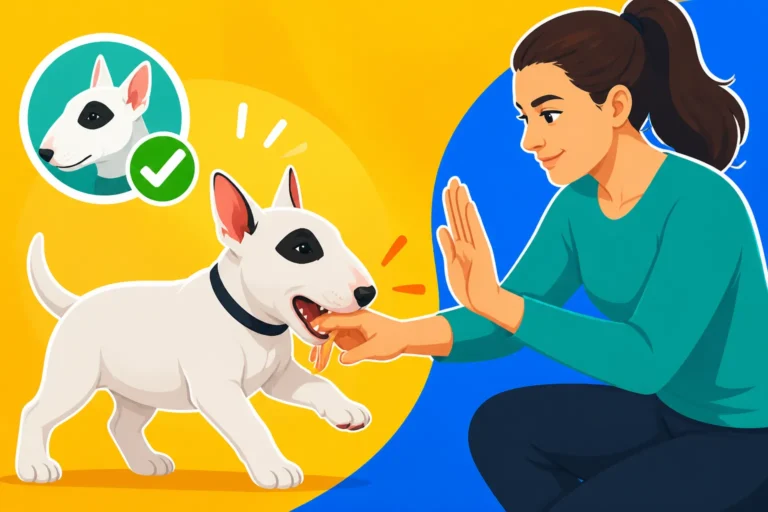
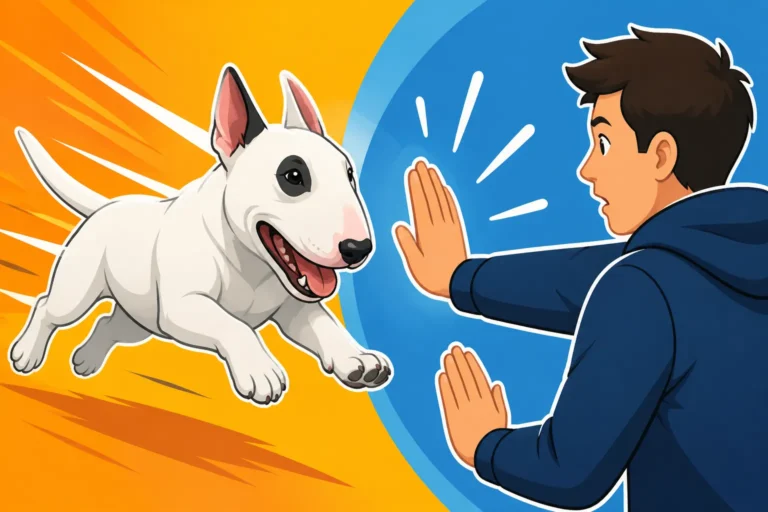
Their play style can also be incredibly physical. They body-slam, mouth, and wrestle with an enthusiasm that can be overwhelming to more sensitive or polite breeds. What might be perfectly normal rough-housing for two Bull Terriers could be seen as an aggressive attack by a Golden Retriever. This isn't malice; it's just how they're wired to interact sometimes, and it's something every owner needs to acknowledge and manage.
"Dog Selectivity" vs. "Dog Aggression"
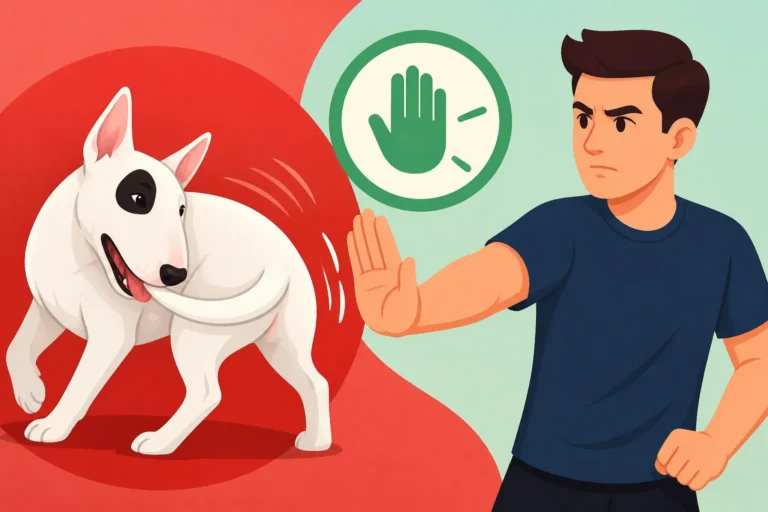
This distinction is absolutely crucial for Bull Terrier owners. Often, what people perceive as "dog aggression" in a Bull Terrier is actually "dog selectivity." A truly dog-aggressive dog will actively seek out confrontation, often with intent to harm. A dog-selective Bull Terrier, on the other hand, might simply prefer to ignore other dogs, might only tolerate certain play styles, or might react strongly when another dog pushes their boundaries too far. They might not start a fight, but they’ll certainly finish one if provoked.
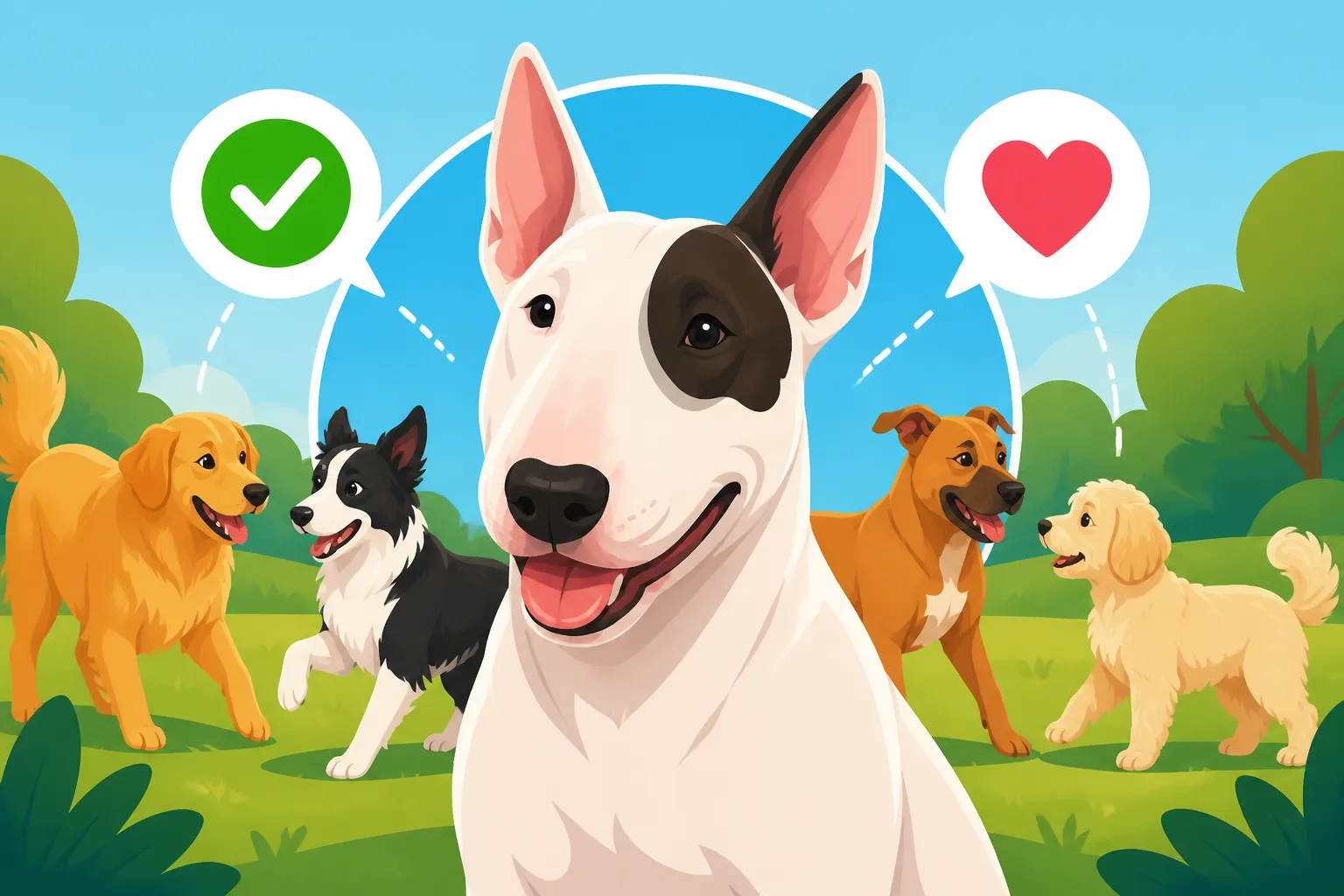
Think of it like this: some people love large, boisterous parties, while others prefer quiet dinners with a select few close friends. Your Bull Terrier is often the latter. They thrive with companions who understand their unique communication style and intense play. They might not enjoy the chaos of a busy dog park, finding it overwhelming or a source of conflict. Recognizing this preference for selectivity can save you and your dog a lot of stress and potential trouble.
It’s about understanding their personal space and their boundaries. Many Bull Terriers tolerate other dogs up to a point, but if another dog is overly pushy, constantly jumps on them, or tries to assert dominance in a way your Bull Terrier doesn't appreciate, they might react with a clear, swift correction. This isn't necessarily a desire to harm, but a firm "back off" that can appear quite aggressive to an uninformed bystander. This breed generally falls into the category of How a Bull Terrier Gets On With Other Dogs in a very specific way that requires owner intervention and understanding.
Navigating Puppy Socialization: Setting Realistic Goals
Just because Bull Terriers can be dog-selective doesn't mean you should skip socialization! On the contrary, proper, thoughtful socialization during puppyhood is even more critical for this breed. It's about teaching them appropriate social cues and building positive associations, even if the ultimate goal isn't to be best friends with every dog they meet.
Puppyhood: The Critical Window
The period from 8 to 16 weeks is often called the "critical socialization window." This is when a Bull Terrier puppy's brain is most open to new experiences and learning what is normal and safe in their world. During this time, it's vital to expose your puppy to a wide variety of sights, sounds, people, and, yes, other dogs. But here's the kicker: the quality of these interactions matters far more than the quantity.
Seek out carefully curated, positive experiences. This means exposing your Bull Terrier puppy to calm, friendly, vaccinated adult dogs who have a track record of being good with puppies. These experienced adult dogs act as "canine mentors," teaching your puppy appropriate play manners, bite inhibition, and how to respect boundaries. Avoid chaotic dog parks or unsupervised play with unknown dogs during this sensitive period. One bad experience can have a lasting negative impact on a Bull Terrier's willingness to engage with other dogs.
Puppy classes can be a double-edged sword. While some offer fantastic, well-supervised play sessions, others can be a free-for-all where puppies learn bad habits or get overwhelmed. Look for classes where the trainer actively monitors and intervenes during play, ensuring that all puppies are having positive experiences. Whether a Bull Terrier Should Do Puppy Class is a question with a nuanced answer: yes, if the class is structured and well-managed, but not if it's uncontrolled chaos.
Controlled Environments and Positive Reinforcement
Beyond puppy classes, arrange specific play dates with dogs you know and trust. Start with short, positive interactions. A quick five-minute supervised play session in a fenced yard is often more beneficial than an hour-long free-for-all that ends with one dog getting overwhelmed. Observe your Bull Terrier puppy's body language closely. Are they loose and wiggly? Or stiff and wary? End the interaction on a high note, before either dog becomes overstimulated or stressed.
Parallel walks can also be incredibly helpful. This involves walking your Bull Terrier puppy alongside another calm, friendly dog, maintaining enough distance so both dogs are comfortable. They learn to exist peacefully in the presence of another dog without the pressure of direct interaction. This builds a foundation of neutrality.
Always use positive reinforcement. When your Bull Terrier puppy exhibits calm behavior around another dog, or even just acknowledges another dog without reacting, reward them lavishly with high-value treats or praise. The goal is to create positive associations, so they learn that other dogs can be a source of good things, even if those good things come from you and not directly from the other dog. Remember, even if they don't become best buddies, learning to coexist peacefully is a huge win for a Bull Terrier.
Practical Strategies for Adult Dog Encounters
So, you've got an adult Bull Terrier, and you're navigating their dog-dog interactions. Maybe they're a rescue with an unknown past, or perhaps their puppy socialization wasn't as thorough as it could have been. The good news is that you can still work on improving their social skills, though the approach will be more about careful management and focused training.
Leash Manners and Handler Awareness
One of the biggest hurdles for many Bull Terrier owners is managing their dog on a leash when other dogs are around. Bull Terriers are incredibly strong and, let's face it, they often have their own ideas about where they want to go and who they want to investigate (or ignore!). This can lead to pulling, lunging, and reactivity, which is stressful for everyone involved. Teaching a Bull Terrier to Walk Without Pulling is not just about polite walks; it's a safety measure for dog-dog encounters.
A secure, well-fitting harness is absolutely essential. I’ve seen many a Bull Terrier slip out of a standard collar or even poorly designed harnesses. Brands like Ruffwear or even some of the more robust no-pull harnesses you can find on Amazon can make a huge difference in control. The key is to find something that prevents them from escaping while also distributing pressure comfortably and effectively.
Your own demeanor on the leash plays a massive role. If you’re tense, anticipating a reaction from your Bull Terrier, they will pick up on that stress. Try to stay calm and confident. Practice "look at that" exercises: when another dog appears at a distance, quickly reward your Bull Terrier for simply looking at the other dog and then looking back at you. This changes their association from "threat/excitement" to "opportunity for reward." If a situation feels too intense, don't hesitate to do a U-turn and create more distance. Your dog's comfort and safety are paramount.
Structured Play and Supervision
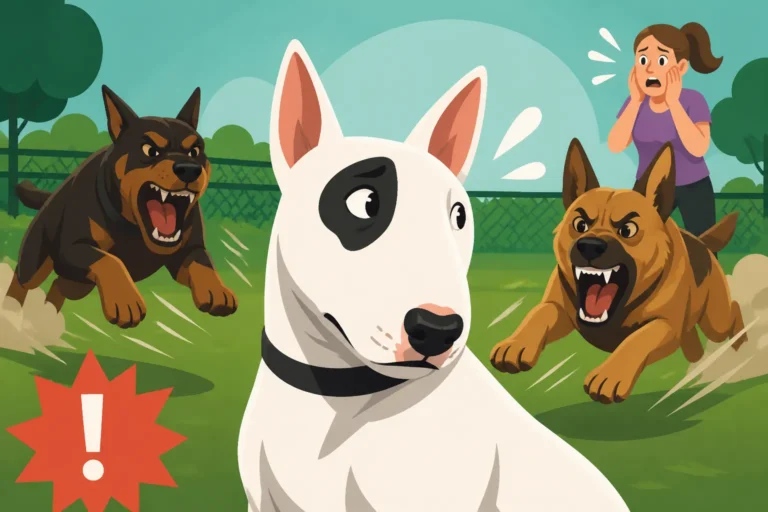
For Bull Terriers, casual, off-leash dog park environments are almost universally a recipe for disaster. Why a Dog Park Goes Wrong for a Bull Terrier often comes down to their intense play style and intolerance for rude canine behavior. Instead, focus on structured, supervised interactions with known, compatible dogs.
When choosing playmates, consider dogs who are:
- Similar size and strength: This allows for a more balanced play style.
- Tolerant and calm: Dogs who can roll with the punches (literally, with a Bull Terrier) or who are very laid-back are often the best match.
- Well-socialized: Avoid dogs who are pushy, untrained, or reactive themselves.
Always supervise play closely. Look for signs of stress or over-arousal: stiff body language, whale eye (showing the whites of their eyes), incessant barking, or attempts to mount. Intervene before things escalate. A simple "break!" and redirecting with a toy or a short obedience command can reset the energy. If you see signs that your Bull Terrier is becoming overwhelmed or overly dominant, it’s time for a break or to end the session. How Rough a Bull Terrier Plays With Other Dogs means you need to be constantly vigilant.
Sometimes, parallel activities work best. Instead of free play, perhaps a walk with another dog, maintaining a polite distance, or even training sessions in the same space. The goal isn't always nose-to-nose greetings but peaceful coexistence.
Professional Guidance and Training
If you're struggling, please, reach out to a professional. A certified professional dog trainer (CPDT-KA) or a certified dog behaviorist (CDBC) who has experience with Bull Terriers and bully breeds can be an invaluable resource. They can assess your individual dog, help you understand their specific triggers, and develop a tailored training plan.
While in-person training is often best for dog-dog issues, online platforms can supplement your efforts, especially for foundational obedience. Programs like BAXTER & Bella offer comprehensive online puppy and dog training that can help you build a strong relationship with your Bull Terrier and establish crucial obedience cues, which are vital for managing their behavior in any social setting. Having a solid "stay," "come," and "leave it" can make all the difference in safely navigating encounters with other dogs.
Never underestimate the power of management. If your Bull Terrier truly struggles with other dogs, accept that they might not be a "dog park dog." Prioritize their happiness and safety by choosing solitary walks, engaging in one-on-one play, and focusing on other enrichment activities. Whether an Adult Bull Terrier Can Learn to Tolerate Dogs is a firm "yes," but it often requires commitment and professional guidance, and sometimes, simply managing expectations.
Living with a Dog-Selective Bull Terrier: Ongoing Management
Accepting your Bull Terrier for who they are – a unique, often dog-selective individual – is key to a happy life together. This breed is known for its intense bond with its human family, and while dog-dog friendships can be a bonus, they shouldn't be the sole measure of your Bull Terrier's worth or happiness.
Accepting "Dog Selectivity"
It's tempting to want your dog to be friends with everyone, but that's just not realistic for many Bull Terriers. And you know what? That's perfectly okay. Some Bull Terriers will live happily in a multi-dog household, forming deep bonds with their canine housemates, particularly if introduced carefully and raised together. Others will thrive as an only dog, soaking up all the human attention for themselves.
Don't feel pressured to force interactions that make your Bull Terrier uncomfortable. Your job is to advocate for them. If they prefer to greet other dogs with a polite sniff and move on, respect that. If they'd rather ignore other dogs entirely on a walk, that’s a win! The goal is not to have a dog that loves every other dog, but a dog that can exist peacefully and safely in the world, under your guidance.
Focus on the wonderful qualities that make Bull Terriers such incredible companions: their clownish antics, their unwavering loyalty, their boundless affection for their family. What a Bull Terrier's Temperament Is Really Like is often described as a "three-year-old in a dog suit" – playful, charming, and sometimes a little bit bossy. These traits are what make them special, and their dog selectivity is just one facet of their complex personality.
Lifelong Commitment to Training and Management
Socialization for a Bull Terrier isn't a box you tick and then forget about. It's an ongoing, lifelong commitment to training, observation, and smart management. Even a Bull Terrier who has been well-socialized and gets along great with some dogs can have their tolerance change as they mature (often around 18-24 months) or if they have a negative experience.
Regularly practice obedience cues in various environments, including around other dogs. This reinforces your leadership and gives your Bull Terrier a clear framework for behavior. Continue with parallel walks, short, positive interactions, and always be the calm, confident leader your dog needs.
It's also important to understand The Age a Bull Terrier Is Considered Senior and how that might impact their social tolerance. Older dogs might have less patience for rambunctious puppies or might be more prone to stiffness or pain, making them less tolerant of physical play. Adjust your expectations and management strategies as your Bull Terrier ages.
Remember, a Bull Terrier thrives on structure and routine. Providing clear boundaries and consistent expectations in all areas of their life, including dog-dog interactions, will lead to a more confident, well-adjusted, and manageable companion.
| Aspect | Myth | Reality |
|---|---|---|
| Temperament | All Bull Terriers are aggressive towards other dogs. | Bull Terriers are often dog-selective, meaning they prefer certain dogs or play styles. True aggression is rare but needs professional intervention. Their play can be very intense. |
| Socialization | A Bull Terrier should be thrown into dog parks to learn. | High-quality, supervised interactions with calm, appropriate dogs in controlled environments are crucial, especially during puppyhood. Dog parks are often detrimental. |
| Training | Bull Terriers are untrainable when it comes to other dogs. | They are intelligent but stubborn. Consistent, positive reinforcement training, especially for leash manners and recall, is essential. Professional guidance can be highly beneficial. Why a Bull Terrier Decides a Cue Is Optional |
| Management | They should be allowed to "figure it out" with other dogs. | Proactive management, such as avoiding dog parks, using secure equipment like a strong harness, and supervising all interactions, is vital for safety and success. |
| Expectations | My Bull Terrier must be best friends with every dog. | It's more realistic to aim for neutrality or polite coexistence. Your Bull Terrier can be a wonderful, loving companion without being a "social butterfly" with other canines. |
Disclaimer
This article is for general informational purposes only and does not constitute professional advice. Laws, prices and regulations vary by location and change over time. Consult a qualified professional for guidance on your specific situation.