How to Teach a Bull Terrier to Play Gently
One of the biggest joys of living with a Bull Terrier is their boundless energy and unique, clownish personality. But let's be honest, that same zest for life often translates into a play style that can feel, shall we say, a little less than gentle. If you've ever found yourself with a bruised shin, a ripped sweater, or an accidentally headbutted toddler during what was supposed to be a fun game, you know the struggle is real. This guide is here to help you navigate those enthusiastic play sessions and teach your beloved Bull Terrier how to dial down the intensity, ensuring safer and more enjoyable interactions for everyone involved.
Understanding the Bull Terrier's Energetic Play Style
It's easy to look at a Bull Terrier mid-zoomie, body-slamming into furniture or nipping playfully a bit too hard, and wonder if they're just perpetually over-caffeinated. The truth is, their vigorous play isn't usually born out of malice or aggression; it's deeply rooted in their breed history and inherent personality. Bull Terriers were originally bred for strength and tenacity, and while their role evolved into that of a companion, those powerful instincts for physical engagement often manifest in their play. They are notoriously robust, and sometimes, they simply don't understand their own strength or how delicate humans and other creatures can be in comparison.
Their nickname, "the three-year-old in a dog suit," perfectly captures their eternal puppy energy and often clumsy, unrefined approach to play. They love to use their entire body to express affection and excitement, which means you might find yourself subjected to a full-body lean, a playful nudge with that powerful egg-shaped head, or even a delighted pounce that sends you staggering. This isn't them trying to hurt you; it's their way of saying, "I love you and I want to play right now!" Understanding this innate enthusiasm is the first step toward gently guiding them towards a more controlled play style. It's not about stifling their joy, but channeling it appropriately. Why a Bull Terrier Shows Affection With Its Whole Body
Why Bull Terriers Play So Physically
Bull Terriers are built like tanks, with dense musculature and a low center of gravity. This physical prowess naturally lends itself to a very hands-on (or rather, paws-on) approach to play. They love to engage, to wrestle, to tug, and to chase. For them, a good play session often involves a full-contact experience. What feels rough to us, or to a more delicate dog, might just feel like a regular game to a Bull Terrier. They have a high pain tolerance themselves and may not realize that their playful nips or full-speed charges can be startling or even painful to others. It's crucial for owners to differentiate between enthusiastic, albeit rough, play and actual aggressive behavior. Aggression usually involves stiff body language, growling, snarling, or a sustained attempt to inflict harm, which is very different from the loose, bouncy, slightly awkward movements of a Bull Terrier just having too much fun.
Consider their history; even as they transitioned from the pit, the qualities of courage and determination were highly valued. These traits translate today into dogs who tackle life, and play, with an unstoppable fervor. Sometimes, their deep bond with their people also means they crave intense interaction, and they may genuinely believe that a robust game is what you desire too. Without clear boundaries and consistent redirection, they will default to what feels natural to them – high-impact, full-body engagement. How Rough a Bull Terrier Plays With Other Dogs
Recognizing the Difference Between Rough Play and Aggression
It’s vital for Bull Terrier owners to distinguish between genuine aggression and overly boisterous, rough play. While both can result in nips or bumps, the underlying motivation and body language are completely different. Rough play, even when it’s a bit much, typically involves loose, bouncy movements, a relaxed open mouth (a "happy pant" rather than a tense snarl), wiggly bodies, play bows, and often self-handicapping (where the bigger dog might roll on their back to invite play from a smaller dog). The Bull Terrier will usually break eye contact, disengage when overwhelmed, and respond positively to interruptions. There's a give-and-take, even if it's clumsy.
Aggression, on the other hand, presents with tense, rigid body language, narrowed or "hard" eyes, a wrinkled brow, lip lifting, growling with intent, and often a direct, unwavering stare. The goal isn't fun, but dominance or defense. If you ever see signs of true aggression, especially towards people or other dogs, it's a serious concern that warrants immediate professional intervention from a certified dog behaviorist or veterinary behaviorist, not just general training advice. Our focus here is on modifying the intensity of well-intentioned, but over-the-top, play.
Establishing Clear Boundaries and Expectations for Gentle Play
Teaching a Bull Terrier to play gently isn't about crushing their spirit or stopping them from being themselves. It's about teaching them how to be themselves in a way that is respectful and safe for everyone around them. This starts with clear, consistent boundaries, and setting realistic expectations. Remember, these intelligent dogs thrive on routine and understanding what’s expected of them. If you're inconsistent, one day allowing roughhousing and the next punishing it, your Bull Terrier will get confused and frustrated, and likely just continue with their natural, more vigorous style.
Think of it like teaching a child table manners. You wouldn't expect them to instinctively know not to throw food; you'd teach them, gently but firmly, what's acceptable. The same goes for your Bull Terrier's play. They need you to be their guide, patiently showing them the ropes of polite interaction. This foundation of clear boundaries is paramount for any training success with this stubborn, yet eager-to-please, breed.
Consistency Is Your Best Friend
This cannot be stressed enough: consistency is absolutely vital when training a Bull Terrier. If one family member allows jumping and nipping during play, while another strictly forbids it, your Bull Terrier will be utterly confused. They'll quickly learn that "gentle" is a suggestion, not a rule, and they might try their luck with whoever seems more lenient. Everyone in the household, from adults to older children, needs to be on the same page. Discuss what constitutes acceptable play, what actions will immediately stop play, and what verbal cues will be used.
For instance, if your Bull Terrier mouths too hard during a game of tug, everyone should immediately stop the game, turn their back, or leave the room. If they jump up, everyone should respond by turning away or walking out of reach until all four paws are on the floor. It takes discipline on the human end to maintain this united front, but the payoff in a well-mannered playmate is immense. Your Bull Terrier will learn much faster when the rules are predictable and unwavering.
Defining What "Gentle" Means to Your Household
What one person considers "gentle" another might find too rough. Before you start training, have a family discussion to agree on what "gentle play" looks like for your Bull Terrier. Does it mean no teeth on skin ever? No jumping on people? No using their body to shove? No lunging at the end of the leash during play? Be specific.
A good starting point is usually:
- No teeth on skin: Any mouthing that contacts human skin, even lightly, stops play immediately.
- Four paws on the floor: Jumping up during excitement is not allowed.
- Respecting personal space: No unsolicited body slams or pushing. How Easily a Bull Terrier Knocks You Over
- Controlled tugging: Releasing the toy on command and not aggressively thrashing it into people.
Once you have your definition, you can apply it uniformly. For example, if "no teeth on skin" is the rule, even a soft, exploratory mouth from a puppy will result in an immediate cessation of play, rather than waiting for it to escalate to a painful nip. This proactive approach helps them understand the boundary before they cross it too far.
Practical Training Techniques for Encouraging Gentle Play
Now that you understand your Bull Terrier's natural play style and have established your household's definition of "gentle," it's time to implement some practical training techniques. This isn't a quick fix; it requires patience, repetition, and a consistent positive reinforcement approach. Remember, we want to teach them better behavior, not punish their natural enthusiasm.
The Power of "No More Fun!"
This is arguably the most effective technique for modifying rough play: if the play gets too rough, the fun stops immediately. Bull Terriers are smart and they want to play. They learn very quickly that certain actions make the game disappear.
Here’s how it works:
- Identify the unwanted behavior: Your Bull Terrier nips too hard, jumps, or body-slams you.
- Give a clear signal: A sharp "Ouch!" or "No!" in a surprised, firm tone. Don't yell, but make it clear the behavior was unwelcome.
- Immediately stop play:
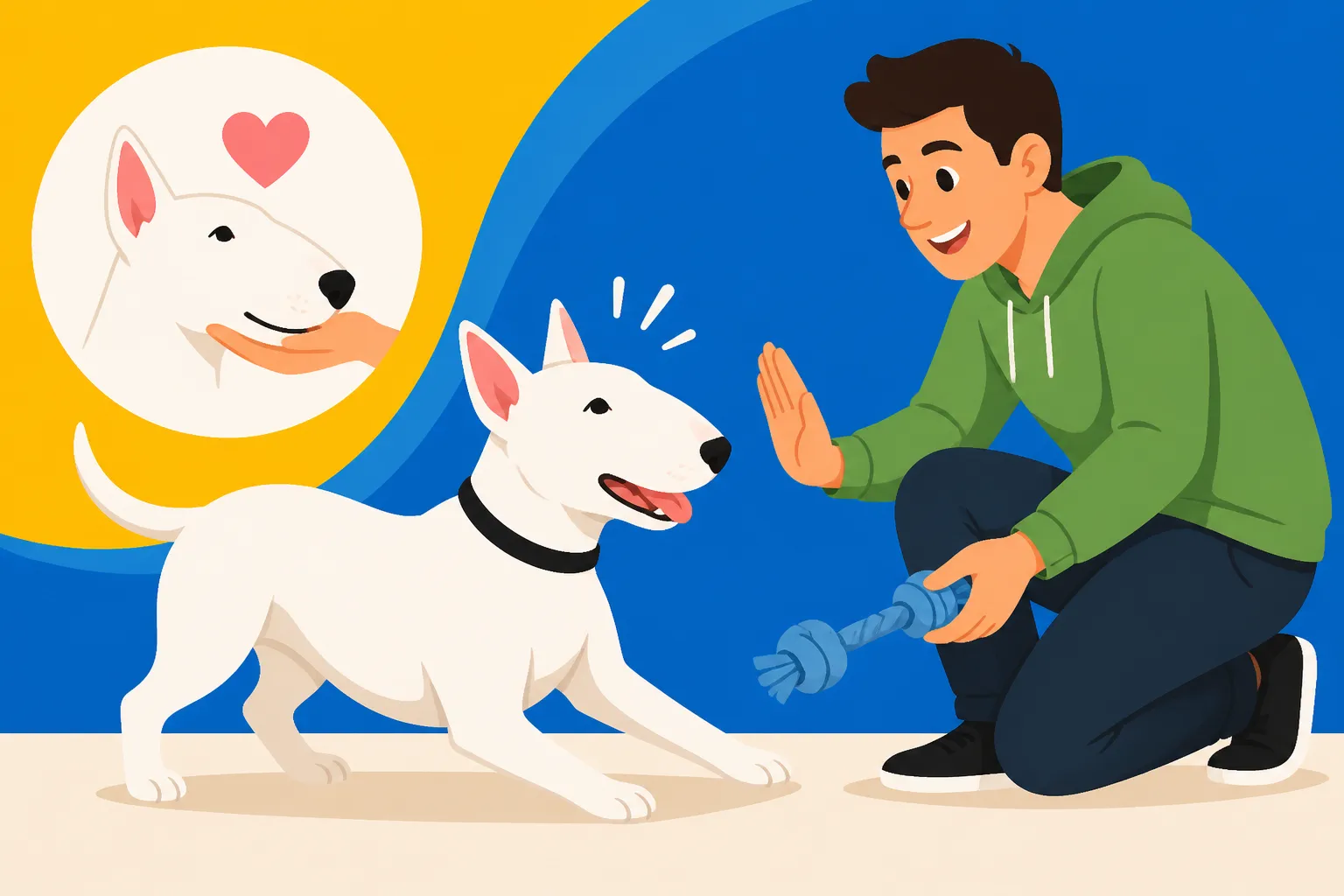
- If you're playing tug or fetch: Drop the toy and turn your back, crossing your arms. Ignore your dog for 10-20 seconds.
- If they're jumping or mouthing: Turn your back and walk away, or even leave the room if necessary.
- If they continue: Put yourself or them in a brief "time out." This could mean stepping behind a baby gate or putting them in their crate for a minute or two until they calm down.
The key is that the cessation of play is immediate and directly linked to the rough behavior. When they calm down, and only when they are calm, you can re-engage in play. If they resume the rough behavior, repeat the process. This teaches them that calm, gentle play earns more playtime, while rough play ends it.
Redirection and Appropriate Toys
Bull Terriers have powerful jaws and an incredible drive to chew and tug. It's essential to redirect this natural inclination onto appropriate outlets. Always have a variety of durable toys readily available. When your Bull Terrier starts to mouth at your hand or clothing, immediately offer a suitable toy instead. Praise them enthusiastically when they take the toy in their mouth.
Look for toys that are designed for heavy chewers. Brands like KONG, Goughnuts, or specific durable rubber toys often stand up better to a Bull Terrier's enthusiastic jaws. Avoid flimsy toys that will be destroyed in minutes, as this can lead to frustration or accidental ingestion of pieces. A good variety includes:
- Tug toys: Rope toys (though be mindful of fraying), durable rubber tugs.
- Chew toys: Hard rubber chews that can withstand serious gnawing.
- Puzzle toys: These can engage their minds and burn mental energy, which often translates to calmer physical play.
- Balls: For fetch, but ensure they are solid and can't be easily punctured or swallowed.
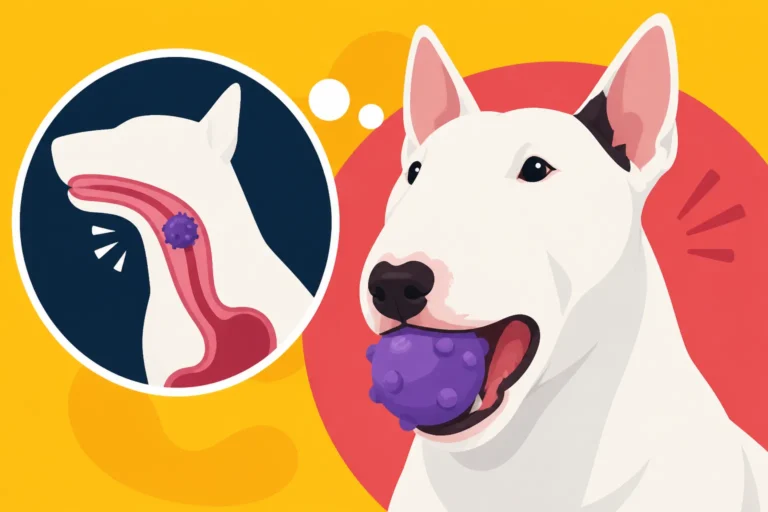
When playing tug, establish rules: the game stops if their teeth touch your hand, and they must "drop it" on command. This teaches impulse control. For energetic outdoor play, a flirt pole can be a fantastic way to burn off steam by mimicking chase without direct human-dog contact, allowing them to exert themselves safely. I've found some fantastic indestructible options on Amazon that have survived even my Bull Terrier's best attempts at demolition. You can also explore options from specialized pet stores or online retailers. Which Toys Survive a Bull Terrier
Teaching Impulse Control Cues
Solid obedience cues like "Leave It" and "Wait" are invaluable tools for managing play intensity.
- "Leave It": This cue teaches your Bull Terrier to disengage from something desirable. Practice this with toys, food, and even other dogs. When play gets too over-the-top, a firm "Leave It" can help them pause and redirect their attention.
- "Wait": Useful for teaching them to hold still before entering a play area or before a toy is thrown. This builds self-control and reduces the frantic charge that can lead to accidental bumps.
Start teaching these commands in low-distraction environments and gradually increase the difficulty. Reward them generously with calm praise and treats when they successfully obey. The more control they have over their own impulses, the better they will be at modulating their play behavior.
Structured Play Sessions
Rather than letting play escalate uncontrolled, initiate structured play sessions. This means you decide when play starts, what kind of play it will be, and when it ends.
- Short and sweet: Keep play sessions relatively short, perhaps 5-10 minutes, especially when you're first teaching gentle play. End the session before your Bull Terrier gets overstimulated or too rough.
- Controlled environment: Play in an area where there are no fragile items or small children who might get accidentally knocked over.
- Interactive games: Focus on games that encourage engagement without direct body contact, like fetch or "find it" games with treats.
- Incorporate training: Use play as an opportunity to practice commands. For example, have them sit or lie down before throwing a ball.
By structuring play, you teach your Bull Terrier that play is a privilege earned through good behavior, not an uncontrolled free-for-all. This helps them understand that there are rules even when they're having fun.
Managing Interactions with Other Dogs and Children
Bull Terriers are generally known for being good with children and often tolerate other dogs, but their powerful and enthusiastic play style can sometimes be too much for smaller dogs or less robust children. This requires careful supervision and proactive management to ensure everyone's safety and comfort.
Supervised Play with Other Dogs
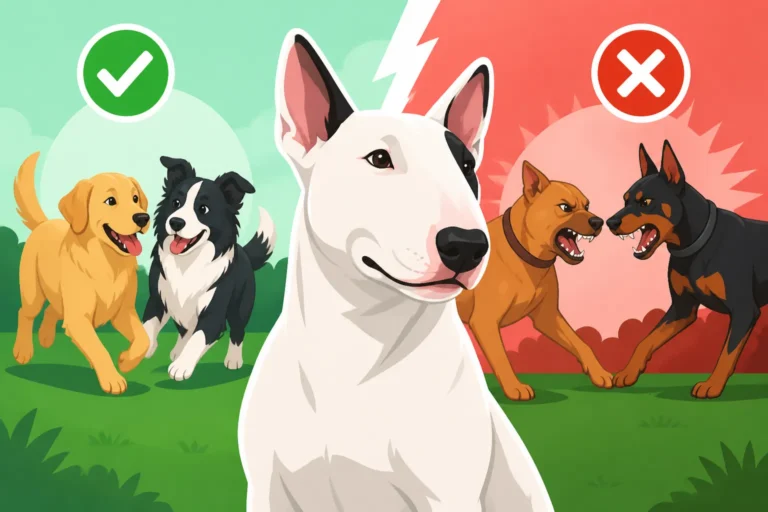
Not all dogs appreciate a Bull Terrier's robust play style. Some dogs might be intimidated by their intensity, while others might misinterpret their boisterousness as aggression. Always introduce your Bull Terrier to new dogs in a neutral, controlled environment, and keep them on a leash initially. Watch both dogs' body language closely.
Look for signs of stress in the other dog:
- Lip licking
- Yawning
- Turning away
- Tail tucked
- Whining or growling (if it's not part of a clear play growl)
If the other dog seems uncomfortable, immediately intervene and separate them. Teach your Bull Terrier to respect other dogs' boundaries. If you notice your Bull Terrier getting too rough, redirect them with a toy or call them away for a short "time out" until they calm down. Some Bull Terriers do best with dogs of similar size and play style, while others learn to adjust. This is an area where professional guidance from a certified dog trainer, perhaps through online courses like those offered by BAXTER & Bella, can be incredibly helpful for structured socialization. They can offer tailored advice for introducing your dog to new playmates safely.
Ensuring Safe Play with Children
Bull Terriers often adore children and can be wonderful family dogs, but their sheer strength and exuberant nature mean that all interactions, especially with young children, must be closely supervised. A playful pounce from a seventy-pound Bull Terrier, even if well-meaning, can easily knock over a small child, leading to injury and fear.
Teach children how to interact respectfully with the dog:
- No teasing: Children should never tease or pull on the dog's ears or tail.
- Gentle touch: Teach children to pet gently, avoiding swatting or roughhousing with the dog.
- Respect space: Children should understand that the dog needs its own quiet space, like a bed or crate, where it won't be disturbed.
- No running or screaming: Excited running and screaming can trigger a Bull Terrier's prey drive or simply overstimulate them, leading to rough chasing or jumping.
- Supervised play: All play between children and the Bull Terrier should be supervised by an adult, who can intervene immediately if play gets too rough from either side.
Teach your Bull Terrier specific cues related to children, such as "gentle" before taking a treat from a child's hand, or "off" if they try to jump up. Reward calm, respectful interactions. Remember, it's not fair to expect a dog to instinctively know how to be gentle with a fragile human. It's our responsibility to teach them and manage the environment to prevent accidents. How to Teach a Child to Play With a Bull Terrier
Knowing When to Intervene
Your role as an owner is to constantly monitor play and be ready to intervene at the first sign that it's escalating beyond acceptable limits. This means being present and engaged during playtime, not just letting your Bull Terrier run loose.
Here’s a quick guide on when to step in:
| Behavior Indicating Rough Play | Intervention Strategy |
|---|---|
| Hard Nips / Mouth on Skin | Immediate "Ouch!" + Play Stops + Turn Away |
| Jumping Up on People | Ignore + Turn Away / Leave Room |
| Body Slams | Create Space + Redirect to Toy / Cue |
| Relentless Pushing | Initiate a Brief Time-Out for the dog |
| Uncontrolled Tug of War | "Drop It" command + Put Toy Away if ignored |
| Intense Chasing (Unwanted) | Leash Control + Practice "Come" + Redirection |
| Other Dog Shows Stress | Separate dogs + Remove Bull Terrier from situation |
| Child Appears Frightened | Immediately separate dog & child + Redirect dog |
Intervention should always be calm and firm, never angry. The goal is to break the cycle of rough play and encourage a moment of calm, then reward the calm. Over time, your Bull Terrier will begin to associate calm behavior with continued positive interaction, and intense, rough play with the end of fun. It takes diligence, but the reward of a gentle, well-behaved Bull Terrier is absolutely worth the effort. How a Bull Terrier Plays With Children
Teaching a Bull Terrier to play gently is an ongoing process, but with consistency, patience, and positive reinforcement, you can guide your spirited companion to a more refined play style. It's about building understanding and trust, ensuring that the unique joy a Bull Terrier brings can be shared safely and happily with everyone.
Disclaimer
This article is for general informational purposes only and does not constitute professional advice. Laws, prices and regulations vary by location and change over time. Consult a qualified professional for guidance on your specific situation.