Why a Bull Terrier Shows Affection With Its Whole Body
If you've ever been greeted by a Bull Terrier, you know it's rarely a subtle affair. They aren't content with a polite sniff or a gentle paw; instead, they often launch into a full-body expression of joy that can feel like a solid, affectionate bowling ball. This guide is all about diving deep into why Bull Terriers show affection with their whole body and how you can navigate these wonderfully exuberant displays to foster a strong, loving bond without feeling overwhelmed.
The Bull Terrier's Unique Language of Love
Bull Terriers are truly one-of-a-kind, and their affection reflects that. They aren't aloof or understated; they are all in, head to tail. This breed has a distinctive way of expressing attachment that often involves significant physical contact, which can be endearing, hilarious, and, at times, a little bit much for the unprepared. Understanding the roots of this behavior helps us appreciate our beloved companions even more.
It's All About Contact and Connection
For many Bull Terriers, physical touch is their primary love language. They thrive on being close to their people, often seeking out any opportunity to lean against you, sit on your feet, or push their enormous heads into your lap. This isn't just about demanding attention; it's a deep-seated need for connection and reassurance. They literally want to be part of your space, often blurring the lines between "personal bubble" and "dog."
Imagine you've just come home from a long day. While another dog might greet you with a wagging tail from a distance, your Bull Terrier is likely to glue itself to your side, pressing its sturdy body against your legs as you move, or even attempting to burrow into your lap the moment you sit down. This constant physical contact is how they affirm their bond with you. They want to know you're there, you're theirs, and they are an integral part of your world. This desire for closeness is a fundamental part of How Physically Affectionate a Bull Terrier Is.
The "Clown" Persona and Physical Expression
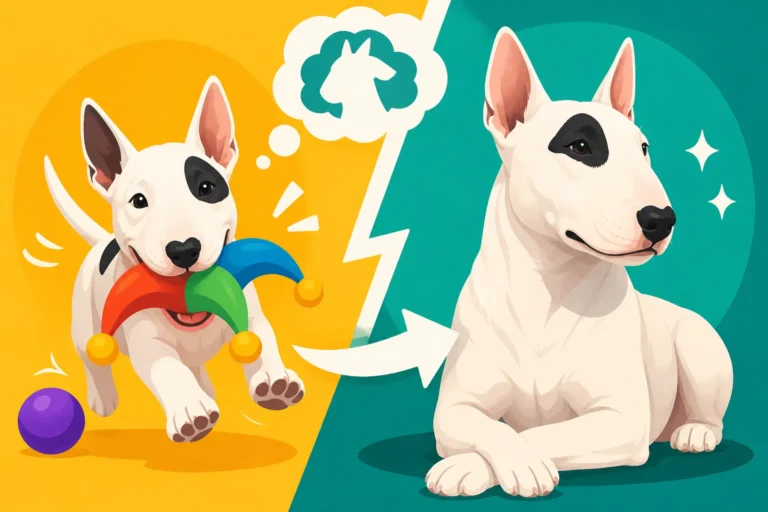
Bull Terriers are famously known as the "clowns of the dog world," and for good reason. Their playful, often goofy antics translate directly into their physical expressions of affection. They don't just wag their tails; their entire body wiggles with joy, their hips sway, and their powerful frames become animated with an almost cartoonish enthusiasm. This exuberant energy isn't just for play; it's also how they communicate their happiness and love.
Think about a puppy, full of boundless energy, clumsily showing affection. Now, picture that in a fully grown, muscled Bull Terrier. Their "clown" persona means they often lack inhibition in their physical displays. They might throw themselves into your side, mouth at your hands gently, or even perform what feels like a happy dance around your feet. This is all part of their unique charm, a direct result of their spirited nature, as discussed in Why a Bull Terrier Is Called a Clown. They genuinely want to make you smile, and they use their whole body to convey that feeling.
Inherited Traits and Early Bonding
The Bull Terrier's lineage, originally bred for strength, courage, and companionship, plays a significant role in their physical expressiveness. While they were never intended as fighting dogs in the aggressive sense, their heritage gave them a robust physical presence. This strength, combined with their strong desire to bond with humans, manifests in their full-body affection. Early socialization and proper breeding also contribute to how they express themselves. A well-socialized Bull Terrier puppy, raised with plenty of gentle handling, will naturally lean into physical contact as a positive experience.
From a young age, Bull Terriers often learn that physical proximity and playful pushes are rewarded with attention and affection from their human families. If a breeder encourages gentle interaction and a new owner continues with positive reinforcement, the Bull Terrier learns that these full-body expressions are a welcome part of the family dynamic. This early bonding reinforces their natural inclination to be intensely physical.
Decoding the Full-Body Affection
It's one thing to understand that your Bull Terrier is affectionate; it's another to interpret the various ways they express it with their entire being. These behaviors, while sometimes surprising, are usually clear signals of their adoration and joy. Learning to read these cues can help you respond appropriately and strengthen your bond.
Leaning, Pushing, and "Body Slams"
One of the most common and endearing (if occasionally disorienting) forms of Bull Terrier affection is the lean or the "body slam." This isn't aggressive; it's a deliberate act of pressing their weight into you, often accompanied by a contented sigh or a soft nudge of their head. They might walk beside you and gently lean their entire side against your leg, or if you're standing still, they might back into your knees with surprising force, trying to get as close as possible. This is a classic Bull Terrier move, as explored in Why a Bull Terrier Leans on People.
The "body slam" is similar but often more energetic. Picture yourself sitting on the sofa, and suddenly a 50-70 pound furry missile launches itself next to you, making full contact. While it can be startling, it's usually a joyous "hello" or an invitation to cuddle. They just want to be right there with you, and their preferred method is direct physical connection. It’s their way of saying, "I'm here, you're here, and this is where I belong." If you're struggling with this, resources from a platform like BAXTER & Bella can offer guidance on teaching polite greetings.
The Happy Tail and Enthusiastic Wiggles
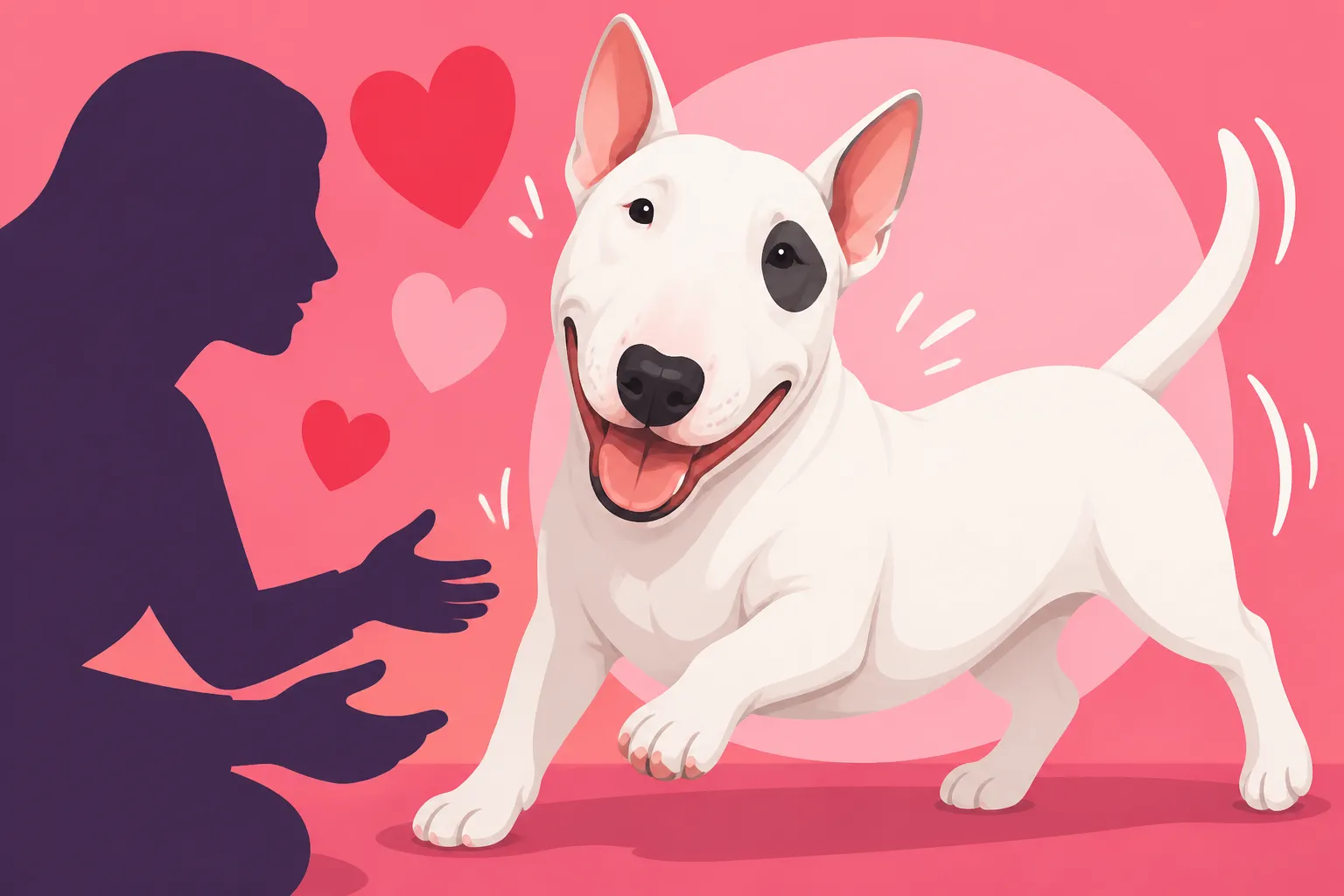
When a Bull Terrier is truly happy, it's not just their tail that wags; it's their entire back end. Their powerful, thick tail becomes a blur, and their hips and torso join in, creating a full-body shimmy that can shake their whole frame. This enthusiastic wiggle is a clear sign of immense joy, particularly during greetings or when they anticipate something exciting, like a walk or playtime.
You'll see this when they fetch their favorite toy, when you pull out the leash, or when you simply make eye contact and use an excited tone of voice. Their whole body becomes a living, breathing expression of "YAY!" This kind of uninhibited movement is part of their charm and why their joy is so infectious. It's almost impossible not to smile when a Bull Terrier is wiggling its way into your heart, showing exactly how thrilled it is to be with you.
Following You Everywhere
If you own a Bull Terrier, privacy might be a forgotten concept. These dogs often adopt a "shadow" routine, following you from room to room, even to the bathroom. This isn't necessarily separation anxiety (though they can experience that too); it's an intense desire to be involved in whatever you're doing, simply by being in your presence. They want to be near you, to observe, and to ensure they don't miss out on any potential fun or cuddle opportunities.
This constant companionship, sometimes referred to as being a "Velcro dog," is another manifestation of their full-body affection. Even when they're not physically touching you, their proximity is a form of affectionate bonding. They're making sure you know they're available for pets, leans, or just quiet company. Understanding Why a Bull Terrier Follows You Everywhere can help you appreciate this intense devotion rather than find it intrusive.
Here's a quick summary of Bull Terrier affectionate behaviors:
| Affectionate Behavior | Description | Underlying Meaning | Managing It |
|---|---|---|---|
| Body Leaning | Pressing their full weight against your legs or body. | Comfort, security, "I'm with you." | Acknowledge with a stroke, reinforce calm lean. |
| Body Slamming | Energetic full-body contact, often jumping or launching into you. | Overjoyed greeting, invitation to play/cuddle. | Teach polite greetings, redirect energy, use a barrier if needed. Teaching a Bull Terrier Not to Shoulder Through a Door |
| Full-Body Wiggles | Whole body wags, especially the hindquarters, accompanied by tail wags. | Extreme happiness, excitement, anticipation. | Reward calm behavior, engage in appropriate play. |
| Constant Shadowing | Following you closely from room to room, even if not touching. | Desire for companionship, presence, watchful. | Provide mental stimulation, designated "place" training. |
| Lap Sitting | Trying to sit fully on your lap, regardless of their size. | Ultimate closeness, trust, deep affection. | Allow it if comfortable, or teach an alternative "place" nearby. |
Managing and Redirecting Intense Affection
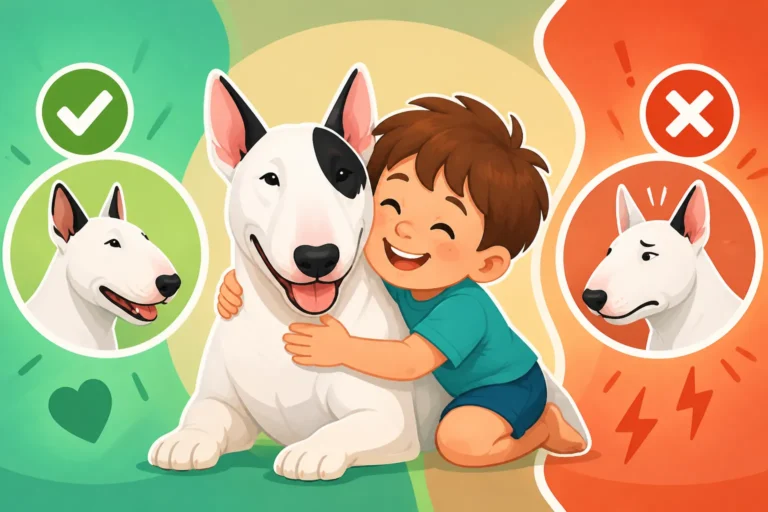
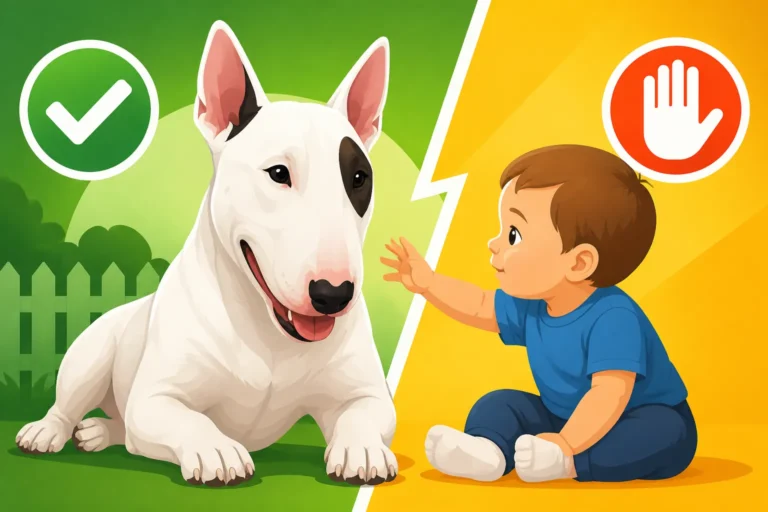
While their full-body affection is a testament to their loving nature, it can sometimes be overwhelming, especially for guests, children, or elderly family members. It's important to guide your Bull Terrier towards more appropriate ways of expressing their love without stifling their joyful spirit.
Setting Boundaries Without Shutting Down Affection
The key to managing a Bull Terrier's intense affection is to set clear boundaries while still affirming their positive intentions. You don't want to make them feel rejected for being loving, but you do need to teach them how to be loving in a way that works for everyone. This often means teaching an "off" command for jumping or a "four on the floor" rule for greetings. When they lean, gently pet them. When they jump, turn your back until they are on all fours, then reward with calm praise. Consistency is paramount.
For instance, when your Bull Terrier tries to body slam you upon your arrival home, instead of shouting or pushing them away (which they might interpret as play), calmly turn your back, cross your arms, and wait until all four paws are on the ground. The moment they settle, even for a second, turn back and offer a gentle, calm stroke. Over time, they'll learn that calm behavior gets the attention they crave. You can find excellent advice on managing these energetic greetings on platforms like Amazon, where many trainers offer books and guides on positive reinforcement for strong breeds. If your dog jumps on you, you'll find more specific guidance in How to Stop a Bull Terrier Jumping Up.
Providing Appropriate Outlets for Physicality
A Bull Terrier with pent-up energy is more likely to express its affection in boisterous ways. They need plenty of physical and mental stimulation to burn off that incredible energy. Daily walks, playtime in a securely fenced yard, and engaging puzzle toys can make a huge difference. When they are appropriately tired, they are generally calmer and more amenable to gentler forms of affection. Remember, How Much Exercise a Bull Terrier Actually Needs might surprise you.
Consider incorporating structured play like fetch or tug-of-war (with clear "drop it" commands) into their routine. These activities allow them to use their powerful bodies in a constructive way. Interactive toys found on Amazon, like heavy-duty Kongs or puzzle feeders, can also provide mental challenges that tire them out just as effectively as physical exercise. A tired Bull Terrier is a happy, and often more gently affectionate, Bull Terrier.
Training for Polite Interaction
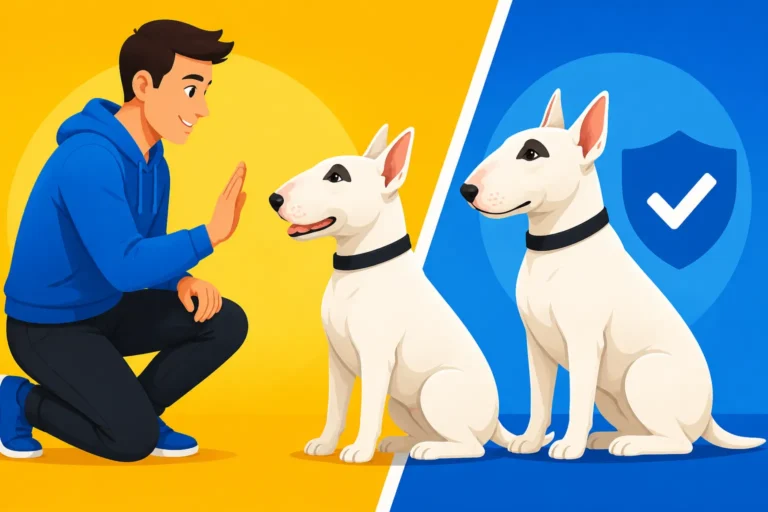
Formal training, especially positive reinforcement methods, can be incredibly effective in shaping a Bull Terrier's affectionate displays. Teaching cues like "sit," "stay," "off," and "place" gives them a framework for how to behave, even when they're bursting with love. Enroll in a good puppy class or consider online training programs. For example, BAXTER & Bella offers comprehensive online training programs that can help you teach your Bull Terrier polite manners, including how to greet people without knocking them over or demanding attention with a full-body lean.
Consistent training teaches them impulse control. For instance, when a guest arrives, you can teach your Bull Terrier to go to their "place" mat and wait for an invitation to greet. This doesn't mean they can't be affectionate; it simply means they learn to express it in a controlled, polite manner. This kind of structured interaction also gives them a "job," which is incredibly important for a breed as intelligent and driven as the Bull Terrier, as highlighted in Whether a Bull Terrier Needs a Job.
When Affection Becomes Overwhelming or Problematic
Most of the time, a Bull Terrier's full-body affection is a charming quirk. However, there are instances where these behaviors might cross the line into becoming genuinely problematic or even indicative of an underlying issue. It’s crucial to know the difference and when to seek professional help.
Differentiating Excitement from Anxiety
Sometimes, an overly enthusiastic greeting or a relentless desire for physical contact can stem from more than just pure joy. It could be a sign of over-arousal, stress, or even mild separation anxiety if they become frantic when you leave and return. Look for other accompanying signs: excessive panting, drooling, destructive chewing, or inappropriate urination when you're away can point to anxiety rather than just exuberance.
A truly affectionate Bull Terrier will eventually settle down after an initial burst of joy. A dog struggling with anxiety or over-arousal might find it very difficult to calm themselves, continuing to jump, whine, or seek intense contact long after the initial excitement should have passed. Observing these subtle differences is key to understanding your dog's true emotional state. Understanding What a Bull Terrier's Temperament Is Really Like will give you a baseline for normal behavior.
Seeking Professional Guidance
If your Bull Terrier's full-body affection is consistently causing issues – perhaps they're knocking over children, injuring themselves or others with their exuberant jumps, or if you suspect there's an underlying anxiety component – it's time to consult a professional. A certified professional dog trainer or a veterinary behaviorist can help assess the situation, identify any triggers, and develop a tailored behavior modification plan. They can teach you techniques to redirect their energy and reinforce calmer behaviors more effectively than you might achieve alone.
Don't hesitate to reach out for help. Addressing these behaviors early can prevent them from escalating and ensure a harmonious household for both you and your Bull Terrier. Professionals can offer personalized strategies, sometimes even recommending specific training tools or exercises that aren't immediately obvious. They can also help you understand if your Bull Terrier truly suits your lifestyle, particularly if you are a Whether a Bull Terrier Suits a First Time Owner.
Disclaimer
This article is for general informational purposes only and does not constitute professional advice. Laws, prices and regulations vary by location and change over time. Consult a qualified professional for guidance on your specific situation.