How Much a Bull Terrier Digs
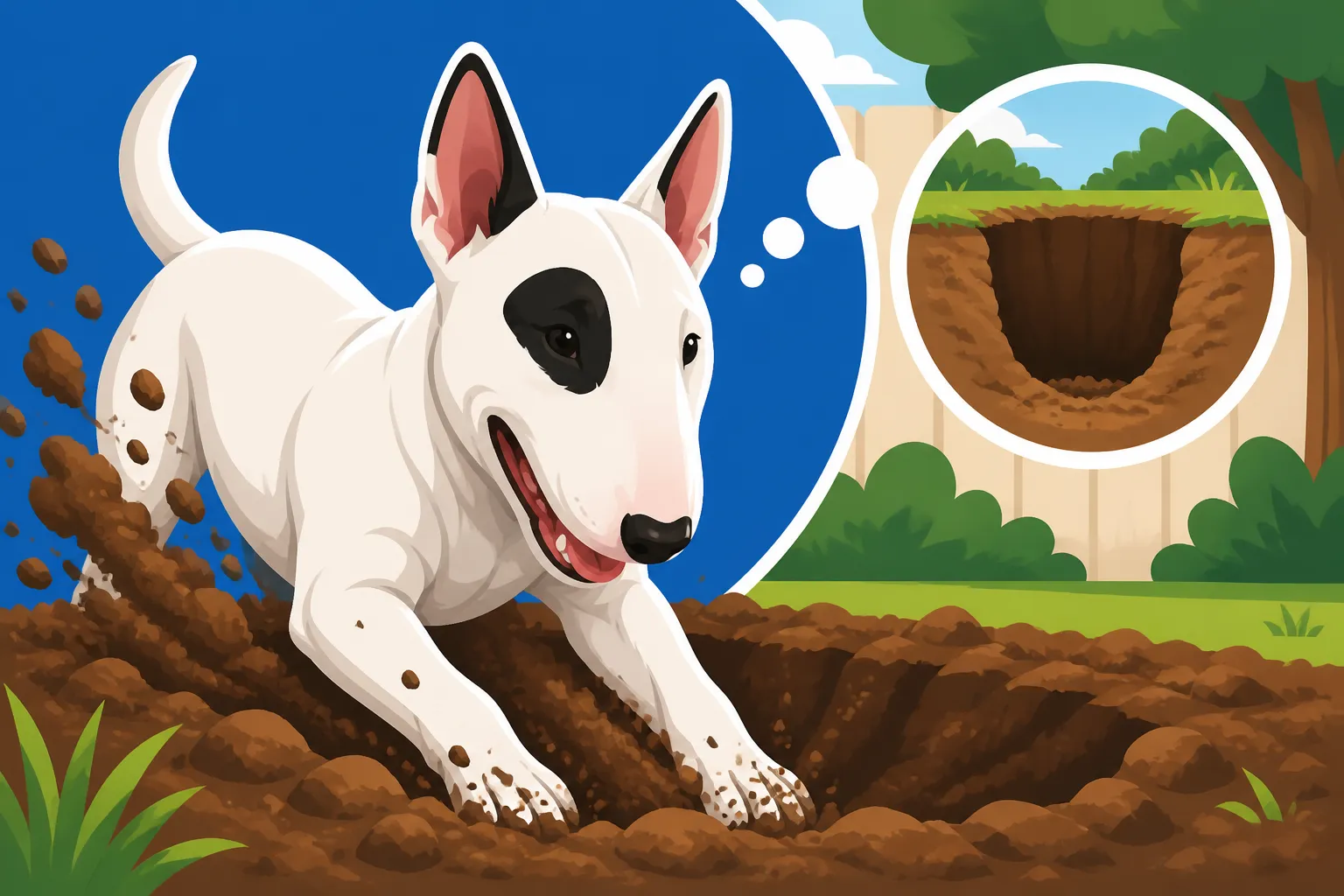
So, you’ve stepped into your backyard only to discover it resembles a lunar landscape, dotted with craters and trenches dug with impressive speed and determination. It’s a common, if utterly frustrating, sight for many Bull Terrier owners, leaving them to wonder just how much a Bull Terrier digs, and more importantly, why. This comprehensive guide will delve into the powerful instincts behind this common Bull Terrier behavior, helping you understand the motivations and arming you with practical strategies to manage and redirect their digging endeavors effectively.
The Bull Terrier's Innate Drive to Dig
Let's be honest, Bull Terriers are known for many things: their clownish personalities, their boundless energy, and their sometimes-stubborn independence. What often catches new owners by surprise, however, is their inherent talent for excavation. This isn't just a random act of mischief; it's deeply rooted in their history and genetic makeup.
Tracing the Terrier Ancestry
To truly understand why your Bull Terrier seems determined to unearth every hidden treasure in your yard, we need to look back at their lineage. While the modern Bull Terrier, as developed by James Hinks, was refined for companionship and show, their foundational stock included various "bull and terrier" types. These dogs were originally bred for tasks that often involved going to ground, such as hunting vermin like rats, badgers, and foxes. Terriers, by definition, derive from the Latin word "terra," meaning earth, a direct nod to their digging heritage. This means that a propensity to dig isn't a flaw in your Bull Terrier; it's a feature, a deeply ingrained instinct passed down through generations.
Think of it this way: your Bull Terrier isn't just digging a hole; they're answering a primal call to explore, to hunt, and to create. Even if they've never seen a badger in their life, the instinct to tunnel, to scent out unseen prey, or simply to rearrange the earth is a powerful motivator. It’s like us having a sudden urge to bake cookies even if we haven’t done it in years – the muscle memory and enjoyment are still there. This is why you'll often see them digging with intense focus, ears perked, tail wagging, completely absorbed in their earthy project.
The Instinctual Rewards of Digging
For a Bull Terrier, digging isn't just about the act itself; it's about the entire sensory experience and the potential rewards. There's the satisfying feel of cool earth between their paws, the rich scent of soil and hidden critters, and the sheer physical exertion that comes with it. Each successful scoop, each unearthed root or stone, provides a burst of dopamine, reinforcing the behavior. They might be after a buried treasure, a forgotten bone, or simply the sensation of creating a den.
Consider the joy your Bull Terrier gets from tearing apart a cardboard box or dissecting a squeaky toy. Digging offers a similar, albeit more destructive, form of entertainment. It’s an engaging activity that stimulates their minds and bodies. This means that simply scolding them after the fact often doesn't deter the behavior because the immediate reward of digging outweighs the delayed negative consequence. It’s crucial to understand this inherent drive to effectively manage it, rather than just trying to suppress it entirely. You can learn more about What a Bull Terrier's Temperament Is Really Like to grasp the depth of their inherent drives.
Common Digging Hotspots and What They Mean
Bull Terriers often aren't indiscriminate diggers; they usually have their favorite spots, and these locations can tell you a lot about why they're digging. Understanding these patterns is the first step toward finding a solution.
Around the Fence Line: The Escape Artist
Ah, the fence line – a classic digging hotspot for many dogs, and Bull Terriers are no exception. If your Bull Terrier is routinely tunneling beneath the fence, they're likely trying to achieve one of two things: escape or access. Perhaps they’ve caught the tantalizing scent of a squirrel or a neighborhood cat on the other side, igniting their strong prey drive. Or, maybe, they simply want to explore what lies beyond their current boundaries. Bull Terriers are naturally curious and often believe that rules (like fences) are merely suggestions.
This type of digging is often driven by a combination of high energy and a lack of sufficient mental stimulation within their own yard. They might be bored, seeing the world beyond the fence as a grand adventure, or they might be genuinely lonely and looking for company. It's a real worry for owners, not just for the damaged fence, but for the safety of their beloved companion. An escaped Bull Terrier can quickly find themselves in dangerous situations, from traffic to encounters with other animals. Addressing this requires not only reinforcing the fence but also addressing the underlying motivation. You might need to think about Whether a Bull Terrier Needs a Reinforced Fence if this is a consistent problem.
Under Trees and Bushes: The Hunter's Lair
Another popular digging location is beneath trees and bushes. This behavior is often directly linked to their terrier instincts: hunting. These spots are prime real estate for moles, voles, mice, and other small critters that create tunnels and burrows. Your Bull Terrier's keen sense of smell will pick up on these subterranean residents, triggering an intense, focused excavation effort. They're not just digging; they're trying to get to their perceived prey.
Beyond hunting, digging under foliage can also be a comfort-seeking behavior. On a hot summer day, the earth under a dense bush is often cooler and damper, providing a welcome respite from the heat. Conversely, on a cold day, a self-dug hollow might offer a sheltered, warmer spot out of the wind. Bull Terriers, with their short coats, can be sensitive to extreme temperatures, making these self-made microclimates appealing. It's their way of creating a primitive, natural den, a safe haven where they can relax and observe the world. This is particularly true if they don't have a comfortable, temperature-appropriate spot elsewhere in the yard.
In Flower Beds and Gardens: The Gardener's Bane
If you’ve ever lovingly planted a new rose bush or a row of vibrant perennials, only to find them uprooted and scattered by a furry bulldozer, you know the particular sting of a Bull Terrier digging in your garden. This can be one of the most disheartening forms of digging, as it often destroys cultivated efforts. Sometimes, it’s simply an extension of their playful nature; a freshly tilled garden bed with soft, loose soil is an irresistible invitation for a good romp and a bit of "re-landscaping."
However, there can be other motivations. Many garden plants, especially bulbs like tulips or daffodils, have appealing scents or textures that a curious Bull Terrier might find intriguing. They might be trying to "bury" a prized toy or treat, only to forget where they put it, leading to a general excavation of the entire area. Or, again, boredom can play a significant role. A garden full of interesting smells and textures offers a novel environment for a Bull Terrier with excess energy or a lack of appropriate outlets for their natural instincts. It’s not malicious; it's just a Bull Terrier being a Bull Terrier, but it certainly doesn’t make for happy gardening.
Understanding Different Types of Digging
Digging isn't a monolithic behavior; it stems from various motivations. Identifying the specific reason your Bull Terrier is digging can significantly inform your approach to managing it.
Digging for Fun and Boredom Relief
One of the most common reasons Bull Terriers dig is simply for entertainment. These intelligent and energetic dogs require a significant amount of mental and physical stimulation. If left alone in a yard with nothing to do, a Bull Terrier will invent their own fun, and often, that fun involves digging. It’s a full-body activity that engages their strength, their senses, and their problem-solving skills, even if the "problem" is just how to make the biggest hole possible.
Imagine being stuck in a room with no books, no TV, no internet, and no one to talk to. You'd likely start pacing, fiddling, or finding something, anything, to occupy your mind. For a Bull Terrier, digging offers that much-needed outlet. It's physically demanding, which helps burn off some of their boundless energy, and it's mentally engaging as they explore scents and textures. This is especially true for younger Bull Terriers who are still learning about the world and how to occupy themselves. A bored Bull Terrier is a destructive Bull Terrier, and digging is just one manifestation of that. You might also find them chewing on things they shouldn't or generally creating chaos. This ties directly into What a Bull Terrier Does When It Is Bored.
Seeking Comfort: Temperature Regulation
Bull Terriers, with their short, sleek coats, don't have the natural insulation that many other breeds possess. This makes them more susceptible to temperature extremes, and they are remarkably adept at finding ways to regulate their own body temperature. On a scorching summer day, the surface of the earth can get incredibly hot, but just a few inches down, the soil remains cool and damp. Digging a shallow pit allows them to expose that cooler earth and lie down in it, much like a natural air conditioner.
Conversely, on a chilly, windy day, a Bull Terrier might dig a deeper hollow to create a sheltered spot, nestling into the earth for warmth and protection from the elements. This is particularly noticeable in areas with sparse shade or shelter. They are instinctively creating a micro-environment that suits their needs, a comfortable spot away from harsh sun, cold winds, or even rain. Observing when your Bull Terrier is digging – is it always on the hottest or coldest days? – can offer a clue to this motivation. Providing adequate shade, shelter, and cool resting spots can often mitigate this type of digging.
The Thrill of the Chase: Prey Drive Excavations
This is arguably the most intense and focused type of digging you'll witness from your Bull Terrier. If they've caught the scent, sound, or sight of a rodent, mole, or any other small burrowing animal, their prey drive kicks into overdrive. Their digging becomes rapid, powerful, and relentless, often accompanied by excited whines, snorts, and an unwavering gaze into the hole. Their natural instincts take over completely, and they will pursue that perceived prey with incredible tenacity.
Bull Terriers have a strong prey drive, a remnant of their terrier heritage, which can make them formidable hunters of small animals. When they are in this mode, distraction is incredibly difficult. They are single-minded in their pursuit, often ignoring commands or treats until the "hunt" is over. This isn't digging for fun; it's digging with a purpose, and for them, it's the most exciting and rewarding kind of digging there is. They are truly living up to their ancestral role. Understanding How Strong a Bull Terrier's Prey Drive Is will give you further insight into this powerful instinct.
The Frustration of Digging: Damage and Dangers
While understanding why your Bull Terrier digs can foster empathy, it doesn't diminish the very real problems this behavior creates for homeowners. The consequences range from aesthetic nightmares to genuine safety hazards.
A Landscape Ruined: The Aesthetic Impact
Let's face it, a beautifully manicured lawn or a lovingly tended garden can quickly be transformed into a war zone by a determined Bull Terrier. Those neat rows of petunias become flung soil, that smooth green lawn turns into a pockmarked battlefield, and those carefully laid stepping stones are now precarious trip hazards. The aesthetic impact is often the most immediate and visible source of frustration for owners. It takes time, money, and effort to maintain a yard, and seeing it undone by a furry accomplice can be incredibly disheartening.
Beyond the immediate mess, persistent digging can also damage irrigation systems, erode soil, and even compromise the stability of small structures or landscaping features. You might find yourself constantly refilling holes, reseeding grass, or replacing plants, only for the cycle to repeat itself the next day. This ongoing battle can wear down even the most patient owner, making the backyard feel less like a relaxing oasis and more like an endless chore. It certainly adds to The Destruction Budget Nobody Warns a Bull Terrier Owner About.
Hidden Hazards: From Sprinklers to Critters
Beyond the visual damage, digging poses several potential dangers to your Bull Terrier and your property. Underground irrigation lines, electrical cables for outdoor lighting, or even buried drainage pipes can be easily chewed through or ruptured, leading to costly repairs and potential safety risks. Imagine your Bull Terrier accidentally hitting a live wire – it's a terrifying thought no owner wants to contemplate.
Furthermore, digging can expose your Bull Terrier to unwanted elements. They might unearth toxic plants, fertilizers, or pest control baits that were buried for safety. They could also come face-to-face with the very critters they were hunting, such as moles, rats, or even snakes, leading to bites, scratches, or exposure to parasites. Punctured paws from sharp rocks, glass, or debris buried in the soil are also a concern. It’s not just about the hole; it's about what the hole contains and what your Bull Terrier might encounter within it.
Strategies to Manage and Redirect Digging Behavior
While you can't completely extinguish a Bull Terrier's innate drive to dig, you can certainly manage it and redirect it to more appropriate outlets. This requires a combination of environmental management, increased stimulation, and consistent training.
Increasing Exercise and Mental Stimulation
One of the most effective ways to reduce unwanted digging is to ensure your Bull Terrier is getting enough physical exercise and mental engagement. A tired Bull Terrier is a less destructive Bull Terrier. These dogs are athletes in a compact package and need more than just a quick stroll around the block. Think brisk walks, energetic games of fetch, or even structured playdates. A good rule of thumb is to aim for at least two vigorous exercise sessions a day, each lasting 30-60 minutes. Learn more about How Much Exercise a Bull Terrier Actually Needs.
Beyond physical activity, mental stimulation is crucial. Bull Terriers are smart, and their brains need a workout just as much as their bodies. Incorporate puzzle toys, training sessions, or scent work into their daily routine. Use feeder toys where they have to work to get their kibble, or hide treats around the house for them to sniff out. Which Puzzle Toys Occupy a Bull Terrier can be incredibly helpful here. Even simple obedience training sessions, kept short and fun, can provide valuable mental exercise. Remember, a Bull Terrier trains when it sees the point, so make it rewarding! Consider browsing options on Amazon for durable puzzle toys and interactive feeders that can stand up to a Bull Terrier's enthusiasm. When their minds are engaged and their bodies are tired, they'll be far less inclined to create new landscaping projects in your yard.
Creating a Designated Digging Zone
Since digging is a natural behavior, a highly effective strategy is to provide a sanctioned outlet for it. Create a "digging pit" or "sandbox" in a corner of your yard specifically for this purpose. This could be a small children's sandbox, a raised garden bed filled with loose soil and sand, or even just a designated patch of soft dirt. The key is to make it irresistible and teach your Bull Terrier that this is the place to dig.
To encourage use, "seed" the digging pit with exciting treasures. Bury favorite toys, durable chews, or high-value treats (think Kongs stuffed with peanut butter or frozen treats). When your Bull Terrier starts to dig elsewhere, calmly redirect them to their digging pit and encourage them to dig there instead, praising them enthusiastically when they do. Consistency is vital. You want them to associate this specific area with the satisfying act of digging and finding rewards. Over time, they will learn that this is their special digging spot, saving your prize-winning petunias in the process.
Here’s a simple comparison of digging management strategies:
| Strategy | Description | Pros | Cons |
|---|---|---|---|
| Increased Exercise/Stimulation | Longer walks, fetch, puzzle toys, training sessions | Addresses root cause (boredom/energy), overall healthier dog | Requires owner's consistent time commitment |
| Designated Digging Zone | Sandbox or specific area where digging is allowed and encouraged | Satisfies natural instinct, protects rest of yard | Requires initial setup, ongoing effort to "seed" with treasures |
| Supervision & Redirection | Constant monitoring, immediately moving dog from unwanted digging spot | Immediate halt of destructive behavior, prevents establishment | Very time-consuming, cannot be done 24/7 |
| Physical Deterrents | Placing chicken wire, large rocks, or unpleasant scents in problem areas | Can deter digging in specific spots | May shift digging to other areas, can be unsightly, temporary |
Reinforcing Desired Behaviors and Supervision
Consistent supervision is absolutely crucial, especially during the initial stages of managing digging behavior. When your Bull Terrier is in the yard, be present and engaged. If you catch them beginning to dig in an unwanted spot, immediately and calmly interrupt the behavior. Avoid harsh punishment, as this can create fear or anxiety and may even make them more stealthy in their digging. Instead, redirect them to their designated digging pit or an appropriate chew toy. Praise them heartily when they engage with the alternative.
Positive reinforcement is your best friend here. Every time they choose to play with a toy, chew on an appropriate item, or dig in their designated area, reward them. Make these positive choices far more appealing than the forbidden digging spots. If you're struggling with consistent training or feel overwhelmed, resources like BAXTER & Bella offer online puppy and dog training programs that can provide structured guidance and support for tackling challenging behaviors like digging. Their step-by-step approach and positive reinforcement methods can be incredibly effective in teaching your Bull Terrier what to do instead of focusing on what not to do. Remember, consistency from every family member is key for your Bull Terrier to understand the new rules.
When Digging Signals Something More
While often a normal, albeit inconvenient, behavior, sometimes excessive or sudden digging can be a signal that something deeper is going on with your Bull Terrier.
Underlying Anxiety or Stress
Just like humans, dogs can experience anxiety and stress, and these feelings often manifest in behavioral ways. Excessive digging can be a coping mechanism for a Bull Terrier feeling anxious, bored, or experiencing separation anxiety. If your Bull Terrier only digs when left alone, or if the digging is accompanied by other destructive behaviors like chewing, pacing, or vocalization, it could be a sign of distress.
A Bull Terrier with separation anxiety might dig frantically at the fence line, desperate to get back to their human companion. This isn't just boredom; it's genuine emotional distress. Similarly, a dog experiencing general anxiety might dig to self-soothe or to create a perceived safe space. It's important to look at the whole picture of your Bull Terrier's behavior and their environment. Is there anything new or stressful in their life? Are they getting enough quality time and interaction? Ignoring these signs can lead to worsening anxiety and more ingrained destructive behaviors. You can explore Signs a Bull Terrier Has Separation Anxiety for further insights.
Physical Discomfort or Medical Issues
While less common, occasionally, an increase in digging can point to an underlying physical issue. If your Bull Terrier suddenly starts digging compulsively, especially if it's localized to a specific area of their body (e.g., trying to dig at their side or belly), it's worth a vet visit. They might be trying to alleviate an itch, discomfort, or pain. Skin allergies, parasites (like fleas or mites), or even an internal ache could drive a dog to dig in an attempt to find relief or distraction.
For example, a dog with an uncomfortable skin condition might dig at their bedding or the ground in an attempt to scratch an unreachable itch or to cool down inflamed skin. While it's rare for digging itself to be a primary symptom of a serious illness, any sudden, unexplained change in behavior warrants investigation by a veterinarian. Ruling out medical causes is always the first step when a behavioral problem seems out of character or comes on suddenly.
Disclaimer
This article is for general informational purposes only and does not constitute professional advice. Laws, prices and regulations vary by location and change over time. Consult a qualified professional for guidance on your specific situation.