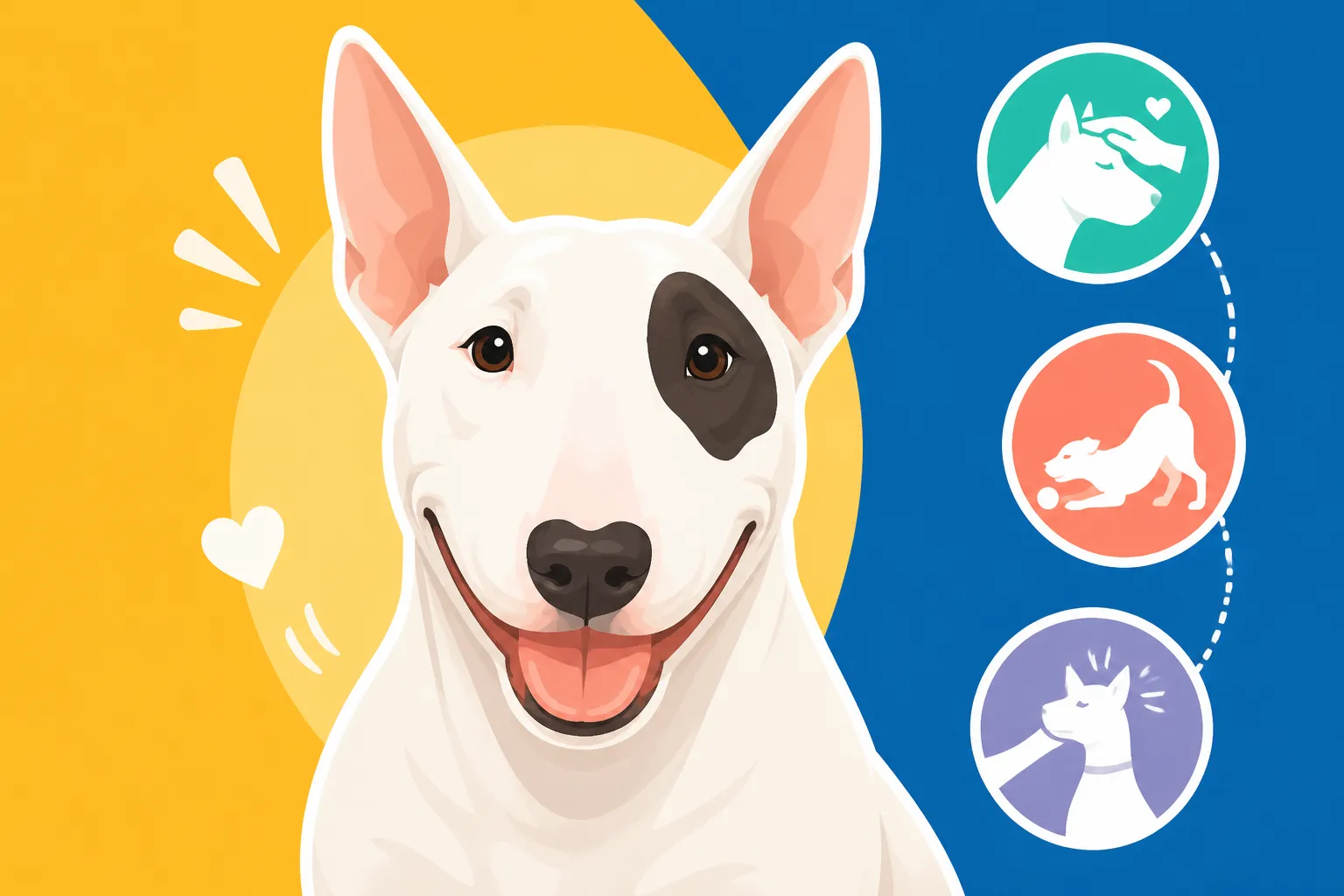
What a Bull Terrier’s Temperament Is Really Like
So, you're thinking about welcoming a Bull Terrier into your life, or maybe you've just brought one home and are finding their quirks utterly baffling and delightful all at once. It’s easy to be charmed by their distinctive looks and famously comical demeanor, but beneath that egg-shaped head and those twinkling, triangular eyes lies a personality that’s truly one-of-a-kind. This isn't a breed for the faint of heart or those seeking a docile companion; a Bull Terrier’s temperament is a complex tapestry of clownish antics, surprising stubbornness, fierce loyalty, and an unshakeable belief that they are, in fact, the center of your universe. Many first-time owners are completely unprepared for the sheer Bull Terrier-ness of a Bull Terrier, and that's exactly why we're going to dive deep into what truly makes them tick.
The "Three-Year-Old in a Dog Suit" Phenomenon
If there’s one phrase you'll hear consistently from Bull Terrier owners, it’s that these dogs are perpetually like a Why a Bull Terrier Is Called a Three Year Old in a Dog Suit. They possess an almost childlike joy and an unyielding zest for life that often lasts well into their senior years. This isn't just about boundless energy; it's about a particular way they interact with the world – with curiosity, enthusiasm, and sometimes, a complete disregard for conventional adult dog behavior. They'll bounce, they'll lean, they'll head-butt you affectionately, and they'll likely find immense humor in things that make absolutely no sense to you.
Endless Energy and Enthusiasm
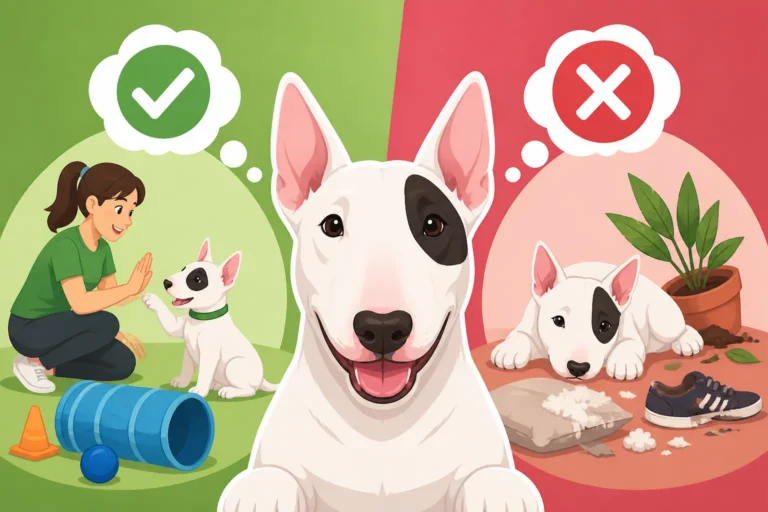
A Bull Terrier’s energy isn't just a physical attribute; it's a mental state. They wake up ready to go, and "go" often means whatever adventurous, mischievous, or intensely fun thing pops into their unique little heads at that moment. This isn't a breed content to lie politely by your feet for hours on end, especially in their younger years. They crave interaction, play, and a consistent outlet for their vigor. Ignoring their need for physical activity isn’t just unfair to them; it’s a recipe for a stressed, destructive, and deeply unhappy Bull Terrier. You might find your sofa suddenly sporting new ventilation holes, or your prize-winning rose bush experiencing an unexpected "pruning."
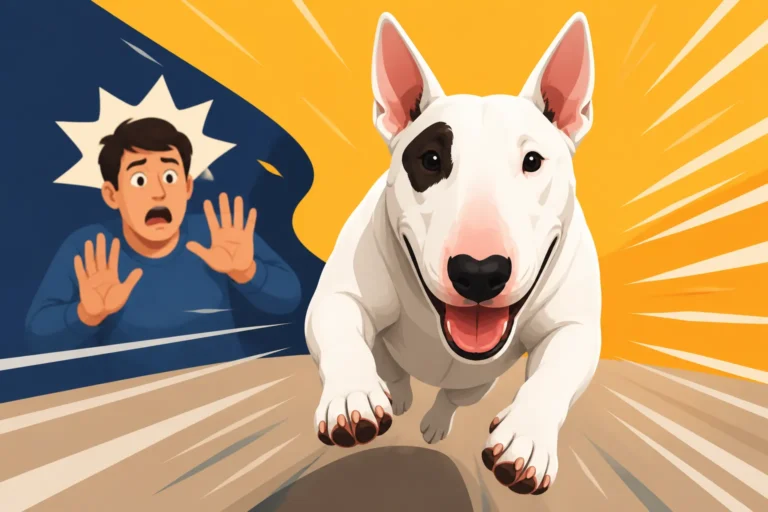
Their enthusiasm is infectious, though sometimes overwhelming. Picture this: you arrive home after a long day, perhaps hoping for a quiet entry. Instead, you're met with a full-body wiggle, a joyful bark, and possibly a playful charge that sends you stumbling. They truly have no concept of personal space when it comes to expressing their delight. This robust greeting is a testament to their deep affection, but it requires an owner who can appreciate and manage such unbridled joy. Early training focused on polite greetings, even amidst such excitement, is absolutely crucial. Think of teaching them to "settle" or "four on the floor" from day one, and celebrate even the smallest moments of calm.
The Importance of Mental Stimulation
Physical exercise alone, while vital, is rarely enough for a Bull Terrier. Their intelligent and cunning minds need to be challenged just as much as their powerful bodies. If left without mental engagement, they will invent their own entertainment, and trust me, their ideas of fun rarely align with yours. This could manifest as problem-solving how to open the pantry door, dissecting the seemingly indestructible chew toy in under five minutes, or meticulously reorganizing your garden gnome collection. Boredom is the enemy of a peaceful household with a Bull Terrier.
Incorporating puzzle toys, sniff work, training sessions, and even simply new environments for walks can make a huge difference. Imagine a busy Tuesday: you're working from home, and your Bull Terrier, Daisy, starts nudging your arm, then sighs dramatically. Instead of just a quick potty break, you grab a snuffle mat, sprinkle some kibble, and let her "hunt" for her breakfast. Later, you practice five minutes of 'find it' games with a favorite squeaky toy. These small bursts of mental activity throughout the day can prevent the larger, more destructive outbursts born of an under-stimulated mind. Brands like Amazon offer a huge variety of interactive toys and feeders that can keep their clever minds occupied, even when you can’t be actively playing with them. Remember, a tired Bull Terrier is usually a good Bull Terrier, but a mentally tired Bull Terrier is a great Bull Terrier.
The Stubborn Streak and Independent Mind
Ah, the Bull Terrier’s stubbornness. It’s legendary, and it’s not a myth. These dogs are incredibly intelligent, but they also possess a fierce independence and a strong sense of self-preservation that means they will do what they want to do, unless you can convince them otherwise. This isn't malice; it's simply how their brains are wired. They don't view you as an absolute authority figure to be blindly obeyed; they see you as a partner in crime, a source of fun, and perhaps, a slightly less informed decision-maker. This means that A Bull Terrier Trains When It Sees the Point.
Why Traditional Training Methods Often Fail
If you approach Bull Terrier training with a heavy hand, punitive methods, or endless, boring repetitions, you're going to hit a wall. Hard. They shut down, they resist, or they simply find something more interesting to do. A Bull Terrier is not a Golden Retriever; they don't live to please. Their motivation comes from what's in it for them. This can be incredibly frustrating for owners used to more biddable breeds. You might find yourself standing in the yard, repeatedly calling "Come!" to a Bull Terrier who is intently investigating a particularly fascinating blade of grass, utterly oblivious (or pretending to be) to your existence.
This independence means you need to be creative, patient, and consistent. One common pitfall is giving up too soon or getting angry. A Bull Terrier will quickly learn that anger means "game over" or "this isn't fun anymore." They thrive on positive reinforcement, clear communication, and making training feel like a game. You need to be more interesting than the environment, a challenge that can feel insurmountable on a busy street. But when you crack the code, when you find that sweet spot of motivation, the results are truly rewarding.
Finding Their "Why" in Training
The key to successful Bull Terrier training is discovering what truly motivates your individual dog. Is it a high-value treat, a favorite squeaky toy, a game of tug, or simply enthusiastic praise? For many Bull Terriers, it's a combination, and it often requires an arsenal of varying rewards to keep things fresh. Imagine teaching your Bull Terrier, Bruno, to sit. If he knows a dry, crumbly biscuit is coming, he might sit eventually. But if he thinks a piece of grilled chicken or a round of his beloved fetch is on the line, he'll likely drop into a perfect sit faster than you can say "good boy!"
Consistency is equally important. Everyone in the household needs to be on the same page with commands and expectations. Training isn't just about structured sessions; it's about integrating it into everyday life. The online dog training program BAXTER & Bella emphasizes positive, force-free methods that can work wonderfully for Bull Terriers, focusing on building a strong relationship and clear communication, which is precisely what this breed needs. They excel when they feel like an active participant, not just a recipient of commands. Keep sessions short, fun, and end on a high note, even if it's just for a simple "touch" command. This builds enthusiasm for the next session and reinforces that training is a rewarding activity.
Affectionate Clowns with a Protective Heart
Despite their sometimes formidable appearance and independent streak, Bull Terriers are, at their core, incredibly loving and deeply affectionate animals. They are famously How Clownish a Bull Terrier Is, bringing endless laughter into their homes with their silly antics and unique expressions. This isn’t a dog that merely tolerates your presence; they actively seek out connection and thrive on being an integral part of the family. They are truly dedicated companions, eager to be wherever you are, often demonstrating their affection in ways that are uniquely Bull Terrier.
Their Unique Ways of Showing Love
A Bull Terrier won't necessarily be a lap dog in the traditional sense – they're often too big and boisterous for delicate snuggles. Instead, their affection manifests in broad, sweeping gestures. They'll lean their entire body weight against your legs while you're standing, a silent declaration of "I'm here, you're here, all is right." They might demand head scratches with a forceful shove of their egg-shaped head into your hand, refusing to take no for an answer. And then there's the famous Bull Terrier "nuzzle" or "snuggle," where they push their head into your side or lap and burrow in with surprising intensity, often letting out a contented sigh.
This powerful, full-body affection is part of their charm. You'll also notice their profound emotional sensitivity. While stubborn in training, they are deeply attuned to the atmosphere of the home. If you're sad, they'll often try to comfort you in their own clumsy, loving way, perhaps by bringing you a favorite toy or simply resting their head on your knee. This sensitivity means harsh words or unfair treatment can genuinely hurt their feelings, leading to classic Bull Terrier sulks where they might dramatically turn their back to you or retreat to their bed with an air of profound injustice. Understanding How Physically Affectionate a Bull Terrier Is is key to appreciating their bond.
Instinctual Guardianship and Socialization Needs
Beneath the clownish exterior lies a protective instinct. Bull Terriers were originally bred to be both companion animals and capable guardians, and that protective streak remains. They are naturally watchful of their homes and their people. This means they will often bark at strangers approaching the door or exhibit a cautious demeanor with unfamiliar faces. This isn't aggression, but rather a strong territorial and protective drive. Proper socialization from a young age is paramount to channeling this instinct into appropriate behavior.
Exposing your Bull Terrier puppy to a wide variety of sights, sounds, people, and appropriate dog interactions is crucial. Without it, that natural caution can morph into fear or reactivity. A well-socialized Bull Terrier should be confident and discerning, not fearful or overly aggressive. They should learn that new people and experiences can be positive. Think of regular, controlled exposure to new things – trips to the pet store, quiet walks in public parks, or puppy classes where they learn to interact politely. It helps them understand the world isn't a constant threat, allowing their natural friendliness to shine through. This is particularly important for managing interactions with other animals, a topic often explored in discussions like A Bull Terrier With Other Dogs.
Navigating Social Dynamics: Dogs, Kids, and Strangers
One of the most significant aspects of Bull Terrier temperament is how they navigate social situations, especially with other animals and children. Due to their history and strong personalities, these interactions require careful management and proactive training. They are not a "set it and forget it" breed when it comes to social dynamics; constant vigilance and a clear understanding of their predispositions are necessary for a harmonious home and safe outings.
Introducing Your Bull Terrier to Other Dogs
While some Bull Terriers can live peacefully with other dogs, it's not a given, and requires careful consideration. They can have a strong prey drive and may not always understand subtle dog-to-dog communication cues, sometimes leading to misunderstandings or conflicts. When it comes to same-sex aggression, especially between two females, it can be a significant concern for the breed. This isn't to say it always happens, but it's a very real possibility that owners must be prepared for. Therefore, introductions to new dogs should always be slow, supervised, and in neutral territory.
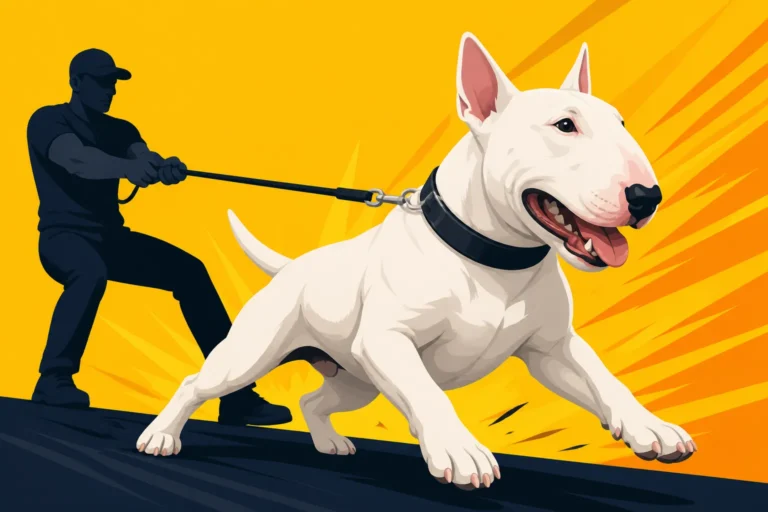
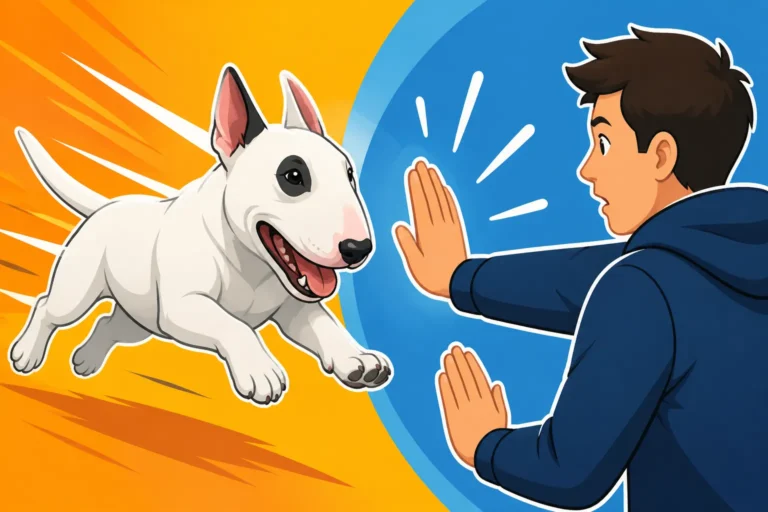
Imagine you're walking your Bull Terrier, Gus, and you encounter another dog. Gus might react with an excited bark and a full-body lunge, not out of aggression, but sheer over-enthusiasm. Or, he might fixate, becoming rigid and intense, which can be misread by other dogs. This is why Teaching a Bull Terrier to Walk Without Pulling and having solid leash manners are incredibly important. Dog parks are often not suitable environments for Bull Terriers, as the unpredictable nature of interactions can quickly escalate. Instead, focus on controlled playdates with known, stable dogs, or parallel walks where they can get used to another dog's presence without direct, intense interaction.
Bull Terriers and the Family Unit
With children, Bull Terriers can be wonderful companions, displaying immense patience and a playful spirit. However, their robust nature, strength, and tendency to body slam during play mean that supervision is always, always required, especially with younger children. A Bull Terrier doesn't mean to hurt a child; they simply don't always grasp their own power. A playful bump from a 50-pound Bull Terrier can easily knock a toddler off their feet. Establishing clear boundaries for both dog and child is crucial. Children must be taught how to interact respectfully with the dog, and the dog must learn appropriate play behavior.
Consider a scenario where your Bull Terrier, Ruby, loves to zoom around the house. If a child is in the way, Ruby might not alter her path, potentially causing a collision. Teaching cues like "gentle" or "settle" can help. Furthermore, their protective instinct can extend to children within the family, which, while endearing, means they need to learn that not all strangers approaching the child are a threat. This requires ongoing positive exposure and training around children and guests. The adage "never leave a dog and child unsupervised" rings especially true for a breed with such powerful energy and affectionate, yet sometimes clumsy, expressions of love. This vigilance extends to discussions like A Bull Terrier With Children.
The Need for Constant Companionship
Perhaps one of the most defining traits of a Bull Terrier's temperament is their overwhelming need for companionship. These are not dogs designed to be left alone for extended periods. They thrive on being with their people, participating in family activities, and feeling like an indispensable member of the household. Their history as loyal companions, rather than solitary working dogs, is deeply ingrained in their DNA. This strong attachment, while endearing, also makes them highly susceptible to separation anxiety and destructive boredom if their needs for connection aren't met.
The Dangers of Being Left Alone
Leaving a Bull Terrier alone for an entire workday, especially without proper preparation and outlets, is a recipe for disaster. This isn't hyperbole; it's a realistic assessment of their emotional and behavioral needs. When a Bull Terrier is bored, anxious, or lonely, they often resort to destructive behaviors not out of spite, but out of genuine distress and a desperate need for stimulation or an outlet for their anxiety. This could mean chewing through furniture, tearing up carpets, or attempting daring escapes. You might come home to a scene that looks like a tornado went through your living room. This highlights Why a Bull Terrier Cannot Be Left Alone All Day.
Preventing this requires proactive management. Crate training is often a lifesaver for Bull Terrier owners, providing a safe, secure den for the dog when you can't supervise them. However, a crate is not a substitute for companionship; it's a tool for short-term management. Enrichment toys, such as KONGs stuffed with frozen treats or durable chew toys from Amazon, can help occupy them for a while. Dog walkers or doggy daycare for part of the day can also be excellent solutions for owners who work outside the home, ensuring their Bull Terrier gets much-needed social interaction and physical exercise.
Building a Secure and Enriched Environment
Creating an environment that caters to a Bull Terrier’s need for companionship and mental engagement is critical. This goes beyond just providing toys; it means structuring their day to include plenty of human interaction, varied activities, and opportunities for mental challenges. Think about interactive feeders that make them work for their food, or training sessions incorporated into your daily routine. Even something as simple as allowing them to follow you from room to room as you do chores can fulfill their desire to be involved and close to their people.
It also means "Bull Terrier-proofing" your home. Their powerful jaws and insatiable curiosity mean that anything within reach is a potential chew toy. Valuables, toxic plants, and electrical cords need to be secured or removed. Providing appropriate chew items, and lots of them, is essential. Rotate their toys to keep them interesting. A sturdy, escape-proof yard is also a must, as a bored Bull Terrier is an escape artist in the making. What a Bull Terrier Does When It Is Bored isn't just a nuisance; it can be dangerous for the dog. By understanding their profound need for connection and proactively addressing it, you can foster a happy, well-adjusted Bull Terrier who feels truly loved and secure.
Here’s a quick overview of some key Bull Terrier temperament traits:
| Trait | Description | Management Strategy |
|---|---|---|
| Clownish & Playful | Possesses a perpetual puppy-like energy and loves to entertain with antics. | Provide ample play, positive reinforcement, engage in fun activities. |
| Stubborn & Independent | Highly intelligent but will only comply if they see a point or benefit. | Use positive, reward-based training; find high-value motivators; keep sessions fun and short. |
| Affectionate | Deeply loyal and loving, shows affection through leans, nudges, and intense snuggles. | Embrace their unique displays of love; return affection; avoid harsh corrections. |
| Protective | Instinctively watchful of family and home, can be wary of strangers. | Early, extensive socialization; controlled introductions; clear boundaries. |
| Needs Companionship | Thrives on human interaction; prone to separation anxiety and destructive boredom if left alone. | Incorporate into family life; crate train; provide mental stimulation and enrichment when alone; consider dog walker/daycare. |
| Strong-Willed | Confident and self-assured; requires a consistent and firm (but kind) leader. | Be consistent with rules; establish clear expectations; enroll in training classes. |
In conclusion, the Bull Terrier temperament is a truly unique blend of powerful personality traits. They are not an easy breed, and they certainly aren't for everyone. They demand commitment, consistency, and a boundless sense of humor from their owners. But for those who are prepared for the challenges and willing to embrace their individualistic spirit, a Bull Terrier offers an unparalleled depth of love, loyalty, and laughter. They will challenge you, they will frustrate you, but above all, they will fill your life with a joy and companionship that is utterly unforgettable. It’s an adventure, and if you’re up for it, it's one of the best you'll ever embark on.
Disclaimer
This article is for general informational purposes only and does not constitute professional advice. Laws, prices and regulations vary by location and change over time. Consult a qualified professional for guidance on your specific situation.