What a Full Bull Terrier Health Panel Costs
Bringing a Bull Terrier into your life is an absolute joy, but it also comes with a significant responsibility to safeguard their unique health. Many hopeful owners, and even experienced ones, often wonder about the true financial commitment required to ensure their beloved Bullie lives a long, healthy life, especially when it comes to comprehensive health screening. This guide will meticulously break down the typical costs associated with a full health panel for a Bull Terrier, helping you understand where your money goes and why it's such a vital investment.
Understanding the "Full" Bull Terrier Health Panel
When we talk about a "full" health panel for a Bull Terrier, we're not just referring to a routine vet visit. We're talking about a series of specific, targeted tests designed to identify the genetic and congenital conditions that this wonderful breed is predisposed to. It’s about being proactive, catching potential issues early, and giving your Bullie the best shot at a comfortable life. Without these specific screenings, you're essentially flying blind, and that can lead to heartbreak and much higher costs down the line.
Why Comprehensive Screening Matters for Bull Terriers
Bull Terriers, for all their robust charm and muscular build, are unfortunately prone to several significant inherited health conditions. These aren't just minor ailments; they can be life-limiting or require intensive, expensive management. Knowing what you might face allows you to make informed decisions, whether you're selecting a puppy from a reputable breeder or adopting an adult rescue. It's about preparedness, not pessimism. Imagine the heartache of realizing your sweet puppy has a condition that could have been identified months earlier, potentially preventing suffering or guiding treatment options.
The breed's unique genetics mean that certain conditions crop up more frequently than in other breeds. A responsible breeder will always have their breeding stock screened, and if you're bringing home a puppy, these tests should already be done on the parents and often the puppy itself. For an adult Bull Terrier, especially one from a rescue where their history might be unknown, a comprehensive health panel becomes even more critical. It's truly the foundation of responsible ownership.
This kind of proactive screening also helps contribute to the overall health of the breed. When owners demand proper health testing from breeders, it encourages more responsible breeding practices, slowly but surely reducing the incidence of these inherited diseases in future generations. It's a commitment not just to your own dog, but to the entire Bull Terrier community.
The Core Health Concerns Specific to Bull Terriers
Bull Terriers face a handful of serious health challenges that are far more prevalent in the breed than in the general dog population. These are the conditions that reputable breeders are actively trying to screen out of their lines, and they are precisely what a "full" health panel aims to address. It's not just about generalized canine wellness; it's about Bull Terrier-specific vulnerabilities.
One of the most devastating is Hereditary Nephritis Takes Bull Terriers in Their Prime, a kidney disease that often shows up relatively early in life and can lead to kidney failure. Another serious concern is heart disease, particularly subaortic stenosis and mitral valve dysplasia. These can range from mild, manageable conditions to severe defects that significantly impact quality of life and lifespan. Deafness is also a known issue, especially in white Bull Terriers, and can dramatically affect their training and daily living.
Then there’s Lethal Acrodermatitis Kills a Bull Terrier Puppy Before It Grows Up, a truly heartbreaking genetic condition that prevents puppies from absorbing zinc properly, leading to severe skin issues, immune deficiency, and a failure to thrive, usually resulting in death before a year of age. Skin allergies and sensitivities are also common, though not always fatal, they can lead to chronic discomfort and require ongoing management. These are the big hitters, the ones that make comprehensive testing so absolutely essential.
What's Included in a Recommended Panel
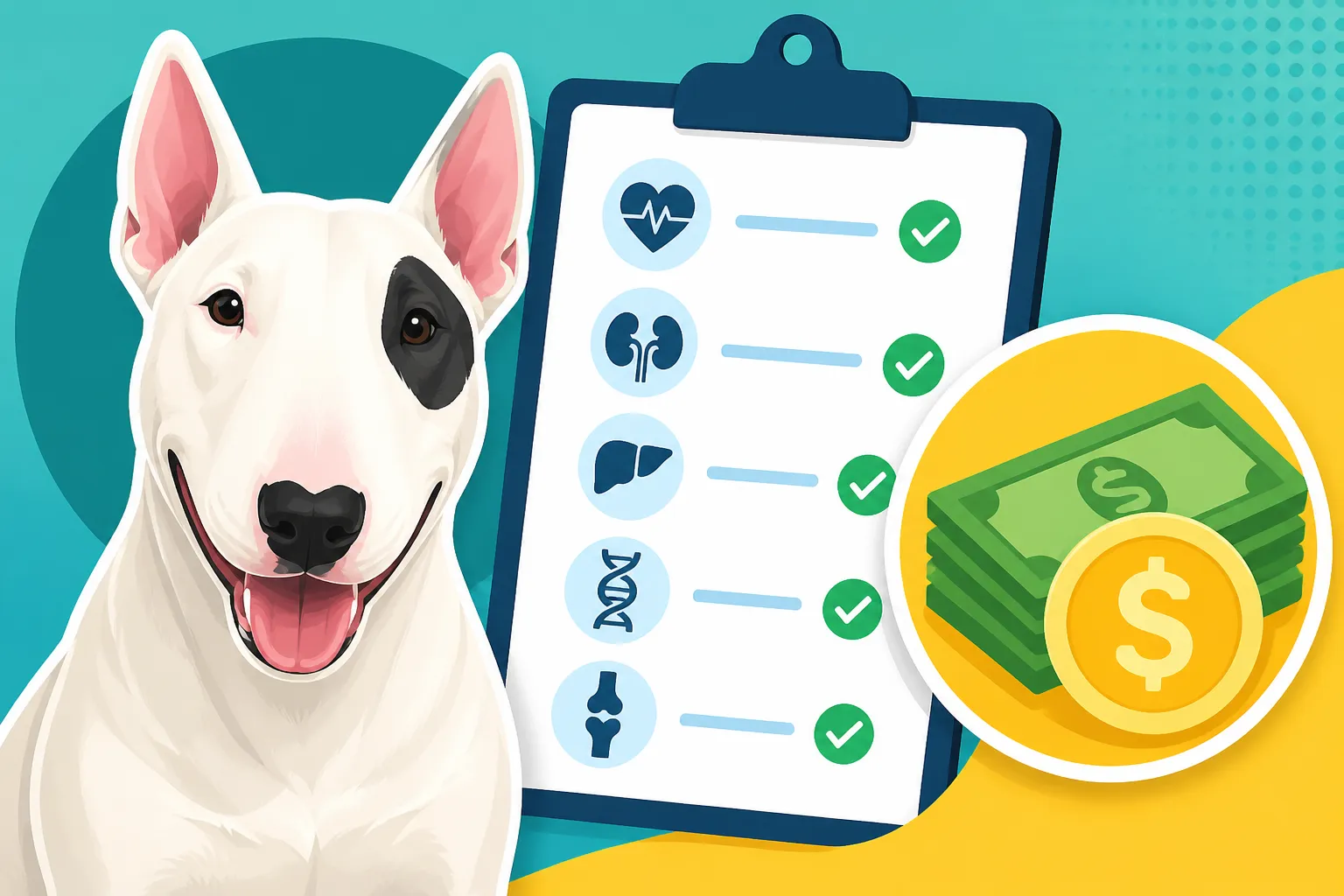
A truly comprehensive Bull Terrier health panel goes beyond the basic vet check-up. It specifically targets the genetic predispositions of the breed. The core tests typically include genetic screening for conditions like Lethal Acrodermatitis, cardiac evaluations (often including an echocardiogram), kidney function tests (like a yearly urine protein:creatinine ratio or UPC), and hearing tests (BAER testing), particularly for white Bull Terriers. Some panels might also include patella checks for luxation or general bloodwork to establish baselines.
Think of it as a specialized detective kit for your Bullie's health. Each test is a tool designed to uncover a specific piece of the puzzle. For example, the genetic test for Acrodermatitis can tell you if your dog is clear, a carrier, or affected, even before symptoms appear. Which Gene Causes Acrodermatitis in Bull Terriers is a key piece of information breeders use. Cardiac screenings can reveal murmurs or structural abnormalities that might not be obvious from a regular stethoscope check. The goal is to paint as complete a picture as possible of your dog's underlying health.
It's important to remember that a "full" panel isn't a one-time thing for life for every test. While genetic tests are usually done once, cardiac and kidney screenings, especially the UPC ratio test for kidneys, are often recommended yearly or bi-annually throughout your Bull Terrier's life due to the progressive nature of these diseases. This ongoing monitoring is a critical part of a proactive health strategy.
Breaking Down the Costs of Individual Health Tests
Understanding the individual components of a full health panel helps you appreciate where the costs come from. Each test requires specialized equipment, trained veterinary staff, and sometimes external laboratory processing. The investment here is in accuracy and early detection, which can save you a world of pain and expense in emergency situations later on.
Genetic Tests for Inherited Conditions
Genetic tests for Bull Terriers are usually collected via a simple cheek swab or blood sample, which is then sent to a specialized veterinary genetics laboratory. The most critical genetic test for the breed is for Lethal Acrodermatitis. This DNA test can definitively tell you if your Bull Terrier is clear, a carrier, or affected. This is invaluable information, especially if you are considering breeding your dog, but it's also important for any owner to know.
The cost for these genetic panels can vary but typically involves a lab fee plus a collection fee from your veterinarian. Many labs offer panels that cover multiple genetic conditions common to the breed, rather than just one. This means you might get results for Acrodermatitis, Primary Lens Luxation (PLL) if your dog is a Miniature Bull Terrier, and other relevant genetic markers all in one go. You can often find kits online or through your breeder, but your vet will usually guide you on the best lab to use. What the Bull Terrier Acrodermatitis Swab Costs is something you'll want to factor in early.
While these tests are usually a one-time expense per dog, the information they provide is priceless. Knowing your dog's genetic status allows you to anticipate potential health issues and discuss preventative strategies with your vet. For instance, if you know your dog is a carrier for a condition, even if they aren't affected, it helps paint a more complete picture of their overall genetic makeup and future health considerations.
Cardiac Evaluations and Imaging
Heart health is a major concern for Bull Terriers, with conditions like subaortic stenosis and mitral valve dysplasia being relatively common. A basic cardiac check often starts with your veterinarian listening to your dog's heart with a stethoscope – this is called auscultation. They'll be listening for any murmurs, which can indicate turbulent blood flow and potential problems. However, a stethoscope can only tell you so much, especially in an athletic breed with a wide chest like the Bull Terrier. The Heart Murmur a Bull Terrier Puppy Should Be Checked For is a crucial early screening.
For a true "full" health panel, especially if a murmur is detected, or as a preventative measure for breeding stock, an echocardiogram is essential. This is an ultrasound of the heart performed by a veterinary cardiologist or a vet specially trained in cardiac imaging. It provides a detailed look at the heart's structure, valve function, and blood flow, allowing them to diagnose specific conditions and assess their severity. This highly specialized test understandably carries a higher cost than a simple auscultation. What a Bull Terrier's Echocardiogram Costs can be a significant part of the panel.
Regular follow-ups, particularly if a heart condition is diagnosed, will also be part of the ongoing cost. This might include repeat echocardiograms to monitor progression, blood pressure checks, and medication if needed. Early detection from an echocardiogram can allow for management that extends a Bull Terrier's quality of life for years, potentially delaying or even preventing severe symptoms.
Kidney Health Assessments
Hereditary Nephritis is a silent and devastating disease in Bull Terriers, making kidney health screening non-negotiable. The primary screening tool for this condition is a Urine Protein:Creatinine ratio (UPC) test. This simple urine test measures the amount of protein leaking into the urine, which can be an early indicator of kidney damage, long before your dog shows any outward signs of illness. It's recommended that Bull Terriers have this test performed annually throughout their lives. The Yearly Urine Test Every Bull Terrier Owner Should Book really is that important.
Collecting a urine sample is usually straightforward, either done at home by the owner ("free catch") or by your vet via cystocentesis (a sterile sample collected directly from the bladder with a needle, often during another procedure). The sample is then sent to a lab for analysis. The cost of a UPC test is relatively modest compared to other specialized screenings, making it a very cost-effective way to monitor kidney health. However, if the UPC ratio is consistently elevated, further diagnostics like bloodwork (to check kidney values like BUN and creatinine) and a kidney ultrasound might be recommended, which will add to the costs.
It's vital to catch kidney issues early because the kidneys are incredibly resilient and can hide problems until significant damage has occurred. By the time a Bull Terrier shows symptoms like increased thirst or changes in urination, the disease is often quite advanced. Regular UPC screening gives you the best chance to intervene with diet modifications (like those offered by Ollie, which can formulate special diets for specific health needs) and medication, potentially slowing the progression of the disease and improving your Bull Terrier's prognosis. What a UPC Ratio Tells a Bull Terrier Owner is crucial for monitoring.
Hearing and Eye Examinations
For white Bull Terriers, deafness is a common concern. The gold standard for assessing hearing is a Brainstem Auditory Evoked Response (BAER) test. This is a non-invasive procedure where electrodes are placed on the dog's head, and clicks are played into each ear. The electrodes measure the brain's response to these sounds. It can determine if a dog is unilaterally deaf (deaf in one ear) or bilaterally deaf (deaf in both ears). Most responsible breeders will have their entire litter BAER tested before sending puppies to new homes. Why a White Bull Terrier Should Be BAER Tested is a fundamental part of puppy health checks.
The BAER test often requires a referral to a specialist center or a veterinary neurologist, as not all general practices have the equipment. This specialized nature means the cost can be higher than routine vet visits. However, it's a one-time test that provides definitive information about your Bull Terrier's hearing. Knowing your dog's hearing status is incredibly important for their safety and for tailoring your training methods. A unilaterally deaf dog can live a perfectly normal life, but a bilaterally deaf dog requires specific care and communication strategies.
While specific eye diseases aren't as prevalent as heart or kidney issues in Bull Terriers, a general eye examination by a veterinarian is still part of a good health panel. They will check for any visible abnormalities, signs of infection, or conditions like entropion or ectropion. Some breeders may also opt for an ophthalmologist (ACVO) examination, particularly if there's a history of certain eye conditions in the lineage, though this is less universally recommended for all Bull Terriers compared to the other tests.
Factors Influencing the Overall Cost of a Health Panel
The actual cash you'll shell out for a full health panel can fluctuate quite a bit, even for the same set of tests. It's not a static price tag, but rather a dynamic figure influenced by several external factors and your own choices as an owner. Don't be surprised if your friend in another state quotes a different price for what seems like the same procedure.
Geographical Location and Veterinary Practice
Just like human healthcare, the cost of veterinary services, including health panels, can vary significantly based on your geographical location. A veterinary practice in a large metropolitan area, say, New York City or Los Angeles, will almost certainly charge more than a clinic in a rural town in the Midwest. This is due to differences in overhead costs, property rents, staff salaries, and the overall cost of living in that area.
Beyond general location, the type of veterinary practice also plays a role. A large, multi-specialty veterinary hospital with board-certified specialists (like cardiologists or neurologists) on staff will generally have higher fees than a smaller, single-doctor general practice. While a general vet can perform many of the basic screenings, specialized tests like echocardiograms or BAER tests often require referral to these larger facilities with their advanced equipment and expert personnel. Always ask for a detailed estimate beforehand, so you're not caught off guard.
It’s always a good idea to call around to a few different clinics in your area to compare prices for specific tests, but remember that the cheapest option isn't always the best. You're paying for expertise, quality equipment, and a good diagnostic outcome. A small difference in cost might be worth it for the peace of mind that comes with a highly experienced specialist reading your Bull Terrier's echocardiogram.
The Breeder's Role and Initial Testing
A huge factor in the cost you personally incur for a Bull Terrier's initial health panel depends on the breeder you choose. Reputable, responsible Bull Terrier breeders are deeply committed to the health of their lines. This means they will have already performed extensive health testing on their breeding stock (the parents of your puppy) and often on the puppies themselves before they go to their new homes. What a Bull Terrier Breeder Should Have Tested includes cardiac, kidney, and genetic screenings.
When you purchase a puppy from such a breeder, they should provide you with copies of the health certificates for both parents, including cardiac clearances, kidney screenings, and genetic test results for conditions like Acrodermatitis. Many will also have had the entire litter BAER tested if they are white or partially white. This means that a significant portion of the "initial" health panel costs have already been absorbed by the breeder, and you're getting a puppy with a known health status. This is a huge benefit and often justifies the higher initial purchase price of a well-bred Bull Terrier.
Conversely, if you acquire a Bull Terrier from a less reputable source, such as a backyard breeder or a pet store, it's highly unlikely that these essential health screenings will have been performed. In this scenario, the full burden of initiating these vital tests falls on you, the new owner. This can mean a substantial upfront cost to ensure your new family member is healthy and to establish a baseline for future care. What an Untested Bull Terrier Puppy Signals is usually a warning to expect higher veterinary costs later.
The Value of Comprehensive Pet Insurance
Pet insurance, while an added monthly or yearly expense, can be an absolute lifesaver when it comes to managing the costs of both routine health screenings and unexpected illnesses or injuries. For a breed like the Bull Terrier with known predispositions to serious conditions like kidney and heart disease, comprehensive pet insurance can truly pay for itself many times over. Insuring a Bull Terrier Against What It Actually Gets is a smart financial move.
Different insurance policies offer various levels of coverage. Some basic plans might only cover accidents, while more comprehensive plans will cover illnesses, surgeries, medications, and even wellness care (which could include some of your Bull Terrier's yearly health screenings). It's crucial to read the fine print regarding hereditary and congenital conditions. Many insurers, like Healthy Paws, will cover these conditions as long as they are not pre-existing before you enroll your dog and before any waiting periods expire.
The key to maximizing the value of pet insurance for a Bull Terrier is to enroll them when they are young and healthy, ideally before any murmurs are detected or kidney issues arise. If a condition is diagnosed before you get insurance, it will almost certainly be considered pre-existing and excluded from coverage. While you still pay for the upfront screenings, insurance helps spread the financial risk of potential future diagnoses and treatments, turning a potentially catastrophic bill into a manageable co-pay and deductible.
| Test Category | Specific Test | Purpose | Typical Cost Type (Relative) | Frequency |
|---|---|---|---|---|
| Genetic | Acrodermatitis DNA Test | Identifies clear, carrier, or affected status for LAD | Moderate | Once |
| Other DNA Panel (e.g., PLL for Mini BT) | Screens for other breed-specific genetic conditions | Moderate | Once | |
| Cardiac | Cardiac Auscultation (Vet Listen) | Screens for heart murmurs or arrhythmias | Low (part of exam) | Yearly |
| Echocardiogram (Specialist) | Detailed ultrasound of the heart to diagnose structural defects | High | As needed/Yearly for breeding | |
| Kidney | Urine Protein:Creatinine (UPC) Ratio | Detects early protein leakage, indicating kidney damage | Low | Yearly |
| Bloodwork (BUN, Creatinine, SDMA) | Assesses overall kidney function in blood | Moderate | As needed/Yearly (senior) | |
| Kidney Ultrasound | Visualizes kidney structure, size, and presence of cysts | High | As needed | |
| Hearing & Eye | BAER Test (for white Bull Terriers) | Objectively tests hearing in each ear | Moderate | Once (as puppy) |
| General Ophthalmic Exam | Checks for visible eye abnormalities and health | Low (part of exam) | Yearly |
Budgeting for Ongoing Care and Unexpected Issues
Even with a clean bill of health from an initial panel, responsible Bull Terrier ownership involves budgeting for ongoing care and the inevitable "what ifs." A Bull Terrier, like any dog, will have routine expenses that extend beyond these specific health screenings. This includes yearly wellness exams, vaccinations, parasite prevention, and quality food. Brands like Chewy and Ollie offer convenient delivery for food and supplies, helping manage that regular expenditure.
But beyond the routine, it's crucial to acknowledge that health issues can arise that weren't covered by an initial panel or develop later in life. Bull Terriers can be prone to skin allergies, for example, which might require ongoing veterinary visits, special shampoos, or medications. They can also have unexpected accidents; their robust nature can sometimes lead them into situations where they get injured. A Bull Terrier's Skin Is Its Weakest Point can lead to ongoing dermatological costs.
Having an emergency fund specifically for your Bull Terrier's health is a wise decision, even with pet insurance. Insurance often involves a deductible and a co-pay, and some things might not be covered. Think about setting aside a dedicated savings account for your dog's future, alongside their routine monthly budget. This financial cushion provides peace of mind and ensures that you can always provide the best possible care if an unexpected health challenge arises.
Ultimately, investing in a full Bull Terrier health panel and planning for ongoing care isn't just about money; it's about investing in the love, companionship, and joy your Bull Terrier brings to your life. Being prepared financially allows you to focus on what truly matters: keeping your unique "egghead" happy and healthy for as many years as possible.
Disclaimer
This article is for general informational purposes only and does not constitute professional advice. Laws, prices and regulations vary by location and change over time. Consult a qualified professional for guidance on your specific situation.