Which Certificates a Bull Terrier Breeder Must Hand Over
Bringing home a new Bull Terrier puppy is one of life's truly exciting moments, full of anticipation for years of clownish antics and unwavering loyalty. However, the joy can quickly turn to apprehension if you’re not prepared for the crucial paperwork you should receive. Many first-time owners feel overwhelmed, unsure what legitimate documentation looks like or how to spot potential red flags. This comprehensive guide is designed to empower you by detailing every essential certificate and record a responsible Bull Terrier breeder must provide, ensuring you start your journey with your new family member on the most informed and secure footing possible.
Understanding the Importance of Breeder-Provided Certificates
It’s easy to get swept away by the cuteness of a Bull Terrier puppy. Their little egg-shaped heads and mischievous eyes can melt anyone’s heart. But before you fall head over heels, remember that a responsible breeder isn't just selling you a puppy; they're providing a lifetime companion backed by a commitment to the breed's health and integrity. The certificates and documents they hand over are not mere formalities; they are tangible proof of this commitment, offering transparency and crucial information about your puppy's lineage, health, and early care.
Think of it like buying a car. You wouldn’t just drive off the lot without the title, service records, and a warranty, right? A Bull Terrier is a living, breathing, complex creature, and the paperwork tells you its "history" and "specifications." This documentation helps you understand potential hereditary health issues, confirms proper preventative care has been given, and provides a legal framework for your purchase. Skipping these steps, or accepting vague assurances, can lead to heartbreak and significant financial strain down the road.
Essential Health Clearances for Your Bull Terrier Puppy
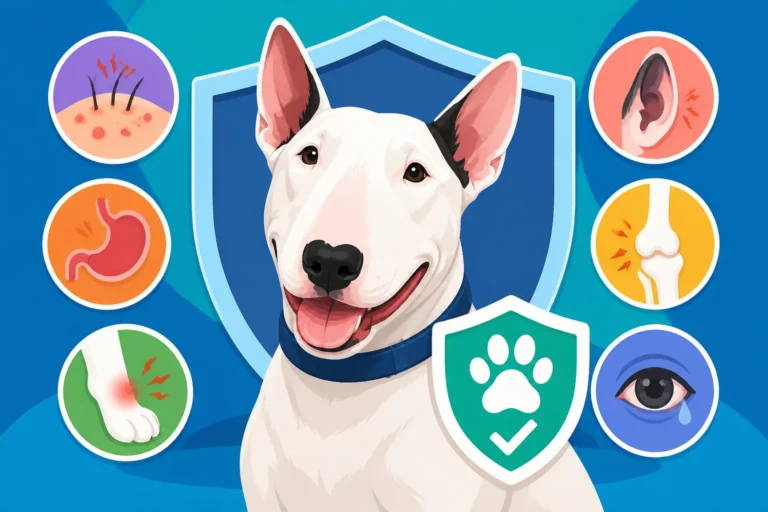
When you acquire a Bull Terrier, especially from a reputable breeder, you're not just getting a puppy; you're inheriting a legacy of careful breeding choices. Bull Terriers, while generally robust, are known to be predisposed to certain hereditary health conditions. A responsible breeder will have invested considerable time and resources into screening their breeding stock to minimize the risk of passing these issues on. The health certificates you receive are proof of this diligent work and are paramount for understanding your puppy's predispositions and ensuring its long-term well-being.
Cardiac Screening Records
Heart conditions are a real concern in Bull Terriers, with some lines being more affected than others. The most commonly diagnosed issues include Mitral Valve Dysplasia (MVD) and Aortic Stenosis (AS). These are congenital conditions, meaning they are present from birth, even if symptoms don't appear until later. A breeder should provide documentation from a board-certified veterinary cardiologist, typically an echocardiogram (ultrasound of the heart) that clears the parents, and often the puppies themselves if they are old enough.
This report should clearly state the date of the examination, the dog's registered name, microchip number, and the cardiologist's findings. A clear rating indicates no significant heart issues were detected at the time of the exam. Without this, you're essentially buying a car without knowing if the engine has a ticking time bomb. Knowing the heart health of your puppy's parents is critical, as many breeders will not breed a dog that has anything other than a "clear" certification. For more in-depth information on specific conditions, you can look into articles such as "What Mitral Valve Dysplasia Does to a Bull Terrier" and "What Aortic Stenosis Does to a Bull Terrier".
Kidney Health Documentation
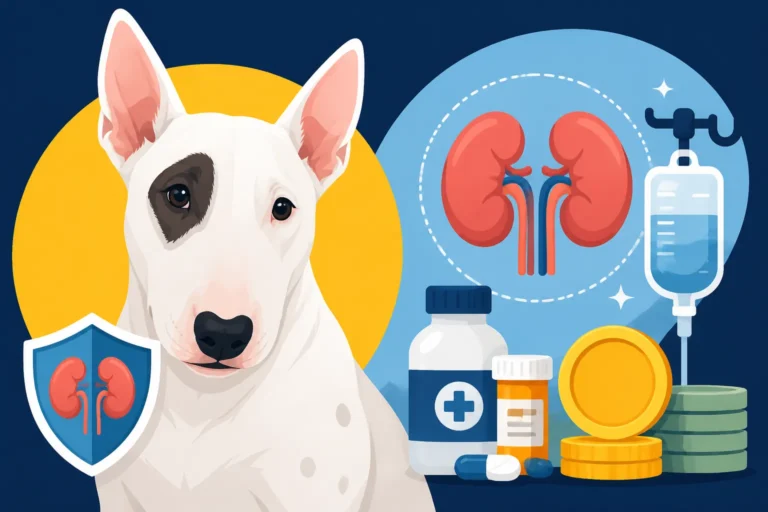
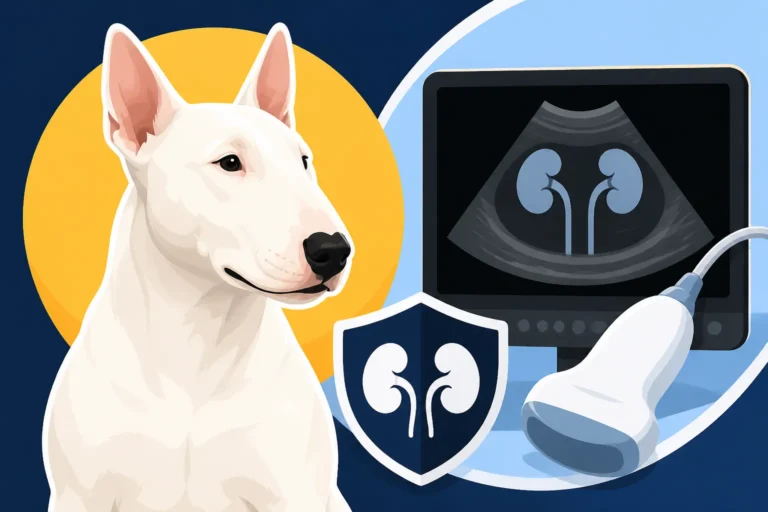
Hereditary Nephritis (HN) is another serious, often fatal, genetic kidney disease that affects Bull Terriers. Unlike some conditions, HN can be insidious, with affected dogs often appearing healthy until kidney function is severely compromised. Responsible breeders will meticulously screen their breeding dogs for HN through a yearly Urine Protein Creatinine (UPC) ratio test and sometimes even a renal ultrasound to check for cysts, which can indicate Polycystic Kidney Disease (PKD). While there isn't a single definitive DNA test for HN that covers all forms, breeders rely on these regular screenings to catch any early signs.
The certificates you receive should include UPC results for the parents, ideally showing consistently low ratios, often from multiple years, demonstrating a history of clear kidney health. Some breeders may also provide a clean bill of health from a veterinarian after a physical examination and basic blood panel for the puppy. This ongoing screening is vital, as early detection can impact management and prognosis. Understanding "Hereditary Nephritis Takes Bull Terriers in Their Prime" can really drive home why these yearly checks, documented by the breeder, are so important.
Acrodermatitis DNA Results
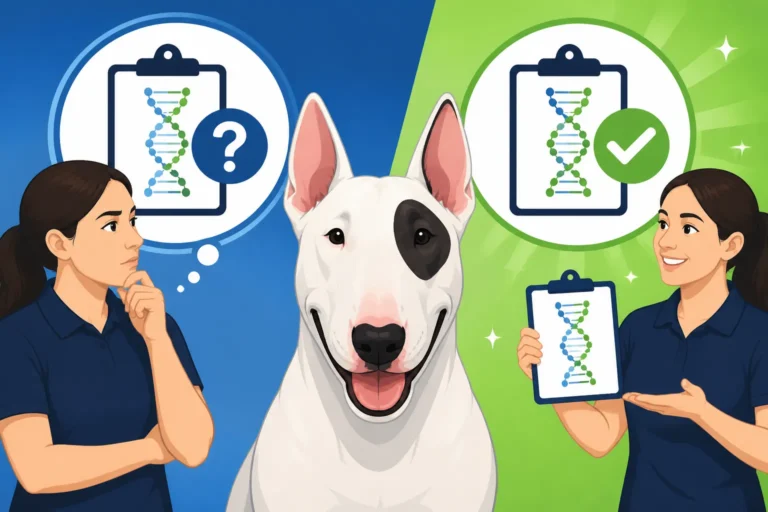
Lethal Acrodermatitis (LAD) is a truly devastating genetic disorder unique to Bull Terriers, causing severe skin lesions, immune deficiency, and failure to thrive. Affected puppies rarely survive past two years of age. Fortunately, there is a DNA test available that identifies carriers and affected dogs. A responsible breeder must provide you with the DNA test results for both parents, showing they are clear, or that one is a carrier and has been bred to a clear dog, ensuring no affected puppies are produced.
Ideally, both parents will be DNA clear. If one parent is a carrier, the breeder should have tested the entire litter to identify any carriers among the puppies. You should receive a certificate for your individual puppy confirming its LAD status (clear or carrier, but never affected if bred responsibly). This is non-negotiable proof that your puppy will not suffer from this horrific condition. Knowing "Lethal Acrodermatitis Kills a Bull Terrier Puppy Before It Grows Up" underlines the absolute necessity of this genetic clearance.
BAER Test for Hearing
Deafness, particularly unilateral (one ear) or bilateral (both ears) deafness, is a common issue in white Bull Terriers, though it can also affect colored Bull Terriers to a lesser extent. The Brainstem Auditory Evoked Response (BAER) test is the only reliable way to assess a puppy's hearing objectively. This test is typically performed when puppies are around six to eight weeks old.
A reputable breeder will provide BAER test results for each individual puppy in the litter. The certificate should clearly state whether the puppy is bilaterally hearing (hearing in both ears), unilaterally deaf (hearing in one ear), or bilaterally deaf (deaf in both ears). For white Bull Terriers especially, this test is critical. While a unilaterally deaf Bull Terrier can lead a perfectly normal life, a bilaterally deaf one requires significant commitment and specialized training. Understanding "Why a White Bull Terrier Should Be BAER Tested" or "What a BAER Test Tells a Bull Terrier Owner" can help you interpret these results and appreciate their significance.
Registration and Pedigree Documentation
Beyond health, the identity and lineage of your Bull Terrier puppy are also crucial, particularly if you ever plan to show your dog, participate in performance events, or breed responsibly (though many breeders sell on limited registration to discourage this). These documents confirm your dog's purebred status and trace its family tree.
AKC or Kennel Club Papers
For most Bull Terrier owners in the United States, this will be American Kennel Club (AKC) registration papers. Similar national kennel club papers apply in other countries. The breeder should provide you with either a completed registration application or the actual registration certificate for your puppy, ready for you to transfer ownership. There are typically two types of registration:
- Limited Registration: This is the most common for companion animals. It means your Bull Terrier is registered as a purebred, can participate in many AKC events (like obedience, agility, rally), but any offspring cannot be registered, and the dog cannot compete in conformation shows. This is a responsible breeder's way of ensuring their puppies go to loving pet homes rather than becoming part of irresponsible breeding programs.
- Full Registration: This allows the dog to compete in all AKC events, including conformation, and its offspring can be registered. Full registration is usually reserved for show or breeding prospects and typically comes with a higher price tag and very specific contractual agreements.
Always confirm the type of registration you are receiving. It's a key part of your agreement with the breeder and ensures you understand your dog's eligibility for various activities.
Pedigree Chart
A pedigree chart is essentially your Bull Terrier's family tree, typically going back three to five generations. This document lists the registered names of your puppy's ancestors, their titles (e.g., Champion, Grand Champion, Canine Good Citizen), and often their health clearances (though these are sometimes separate). While not a certificate in the medical sense, a pedigree is invaluable for understanding the genetic background of your puppy.
Looking at a pedigree helps you see the consistent quality and health focus within a breeder's lines. It tells you if the breeder is continuously breeding healthy, well-tempered dogs with strong conformation. It’s a snapshot of the genetics behind your pup and can give you an idea of the traits that might emerge as your puppy grows. A good breeder will be proud to discuss the dogs on the pedigree with you, sharing their accomplishments and health history.
Vaccination and Microchip Records
These are the immediate, practical documents that detail your puppy's foundational health care before it comes home with you. They are vital for your veterinarian to establish a proper ongoing health plan and for your peace of mind in case your adventurous Bull Terrier ever decides to explore the neighborhood on its own.
Comprehensive Vaccination Card
Your Bull Terrier puppy will have received a series of vaccinations before you bring it home, protecting it from common and dangerous diseases such as distemper, parvovirus, adenovirus, and parainfluenza. The breeder must provide a detailed vaccination record, often a small card or booklet, from their veterinarian. This document should include:
- The date each vaccine was administered.
- The type of vaccine given.
- The brand and lot number of the vaccine.
- The signature or stamp of the veterinarian who administered it.
- The date the next booster shots are due.
This record is absolutely critical. Your own veterinarian will use it to determine the remaining vaccination schedule and avoid over-vaccinating your puppy. It also serves as proof that your puppy has received essential early protection. Alongside vaccinations, the breeder should also provide records of any deworming treatments given, which are crucial for preventing internal parasites.
Microchip Registration Confirmation
A microchip is a small, rice-sized transponder implanted under your dog's skin, usually between the shoulder blades. It contains a unique identification number that can be scanned by a veterinarian or shelter, linking your dog back to you if it ever gets lost. A responsible breeder will have already microchipped your puppy before it leaves their care.
You should receive either the microchip registration form, with instructions on how to register it in your name, or confirmation that the breeder has already transferred ownership to you. It's vital that you complete this transfer immediately upon getting your puppy. A microchip is useless if the contact information isn't up-to-date. This simple device is one of the most effective tools for reuniting lost pets with their families, offering priceless peace of mind. Many breeders view microchipping as a standard part of their puppy care, just like initial vaccinations.
Sales Contract and Health Guarantee
While the emotional connection is paramount, adopting a Bull Terrier puppy is also a legal transaction. A well-drafted sales contract and health guarantee protect both you and the breeder, outlining expectations, responsibilities, and remedies. This is where transparency and clear communication are absolutely vital.
Detailed Sales Agreement
A comprehensive sales agreement should be provided, clearly stating the terms of the purchase. This document typically includes:
- The names and contact information of both the breeder and the buyer.
- The purchase price of the puppy.
- Detailed identification of the puppy (breed, color, sex, date of birth, microchip number, dam and sire's registered names).
- The type of registration (limited or full) and any associated conditions.
- Any co-ownership agreements, if applicable (less common for pet homes).
- An agreement regarding spaying/neutering by a certain age for pet-quality animals.
- A clear return policy, outlining what happens if the puppy needs to be returned for any reason, whether health-related or behavioral. Many reputable breeders will insist that if you can no longer keep the dog at any point in its life, it must be returned to them.
Reading this contract thoroughly is essential. Do not hesitate to ask questions about any clause you don't understand. A good breeder will be happy to explain everything and ensure you feel comfortable with the agreement. This document is your legal safeguard, so treat it with the seriousness it deserves.
Transparent Health Guarantee Details
The health guarantee is arguably one of the most crucial parts of your sales contract. It outlines the breeder's commitment to the health of the puppy they've sold you. While specifics vary, a good health guarantee will typically cover:
- Initial Health: A short window (e.g., 48-72 hours) for you to have the puppy examined by your own veterinarian. If any significant health issue is found during this initial check, the breeder should offer a full refund or replacement.
- Genetic Health: A longer guarantee (e.g., one to two years, sometimes even lifetime for specific conditions) against severe hereditary diseases that are screened for in the breed, such as Hereditary Nephritis, Mitral Valve Dysplasia, or Lethal Acrodermatitis. If such a condition develops and is confirmed by a veterinarian, the guarantee should outline the breeder's responsibilities, which might include a partial refund, a replacement puppy, or assistance with treatment costs.
It's important to understand what the guarantee doesn't cover. It won't typically cover common puppy ailments like kennel cough or parasites (which are often stress-related), or conditions that are not hereditary or not screened for. It's also crucial to note that even with the best health guarantee, unexpected things can happen. Many owners wisely look into pet insurance providers like Healthy Paws shortly after bringing their puppy home, before any potential conditions are considered pre-existing, to cover unforeseen accidents or illnesses not covered by the guarantee.
Supporting Documents and Ongoing Care Information
Beyond the legal and medical necessities, a truly dedicated breeder will equip you with a wealth of practical information to help your new Bull Terrier adjust and thrive in its new home. This reflects their investment not just in the puppy, but in your success as its owner.
Dietary Guidelines and Food Samples
The transition to a new home is stressful for a puppy, and changing its diet abruptly can lead to digestive upset. Your breeder should provide you with specific instructions on what the puppy has been eating, including the brand, type, and feeding schedule. Ideally, they will also send you home with a small supply of the puppy's current food. This allows you to either continue with that diet or transition slowly to a different one over several days, minimizing stomach issues.
They might also offer recommendations for puppy-safe treats and discuss any specific nutritional needs for Bull Terriers. Some breeders might even suggest certain diets or brands, and options like Ollie, offering fresh, tailored meals, are becoming more popular, while convenient services like Chewy can often deliver it right to your door. This guidance is invaluable, particularly for first-time Bull Terrier owners who might not be familiar with the breed's dietary requirements.
Parental Health Clearances
While the health certificates for your specific puppy are vital, a truly transparent breeder will also be willing to show you the extensive health clearances of both the dam (mother) and sire (father) of your litter. This isn't just about the puppy's immediate health; it's about the long-term health lineage. Seeing the full panel of tests performed on the parents provides confidence that the breeder is consistently making informed breeding decisions.
These parental clearances should include OFA or PennHIP certifications for hips and elbows (though patellar luxation is more common in Bull Terriers, which should also be checked), annual cardiac specialist reports, yearly UPC ratios, LAD DNA results, and sometimes even thyroid panels. This full disclosure is a hallmark of an ethical breeder and helps you understand the genetic health background that your puppy inherits. For a complete list of recommended tests, you might review "What a Bull Terrier Breeder Should Have Tested".
Transition and Care Instructions
The first few days and weeks with a new Bull Terrier puppy are critical for its adjustment and socialization. A good breeder will provide you with a detailed set of instructions covering various aspects of initial care:
- Routine: Information on the puppy's typical feeding, potty, and nap schedule.
- Potty Training: Tips and techniques the breeder has already started.
- Socialization: Guidance on continuing early socialization, safely introducing the puppy to new sights, sounds, people, and vaccinated dogs. This is especially important for Bull Terriers, who benefit immensely from early, positive experiences.
- Training: Basic obedience cues the puppy has learned and methods the breeder used.
- Grooming: Advice on basic grooming needs, like nail trimming and bathing.
- Troubleshooting: What to do if the puppy isn't eating, seems lethargic, or is showing signs of distress.
This "puppy manual" is often invaluable, especially if you're a first-time Bull Terrier owner. It ensures continuity of care and helps your puppy feel secure and understood. Remember that a Bull Terrier can be quite a handful, earning them the nickname "a three-year-old in a dog suit," so clear, consistent guidance from the start is paramount. For more on navigating life with a new Bull Terrier, consider reading "Whether a Bull Terrier Suits a First Time Owner".
Summary of Essential Documents
To help you keep track, here’s a handy table summarizing the key documents and certificates you should expect from a responsible Bull Terrier breeder:
| Document Category | Specific Document | Why It's Essential | Breeder Responsibility |
|---|---|---|---|
| Health Clearances | Cardiac Specialist Report (Echo) | Screens for Mitral Valve Dysplasia, Aortic Stenosis | Clear certification for parents; sometimes puppies |
| Yearly UPC Ratio Results | Monitors for Hereditary Nephritis | Consistently low results for parents (multiple years) | |
| Acrodermatitis (LAD) DNA Test | Confirms puppy is not affected | Parents clear or carrier x clear, puppy tested if carrier | |
| BAER Test Certificate | Screens for hearing in both ears | Individual certificate for each puppy | |
| Patellar Luxation (OFA/Vet Check) | Screens for kneecap issues | Clear certification for parents | |
| Identity & Lineage | AKC/Kennel Club Registration Paper/Application | Confirms purebred status and ownership transfer | Completed form or direct transfer |
| 3-5 Generation Pedigree Chart | Shows family tree, titles, and health history | Printed chart or access to online database | |
| Initial Care | Vaccination Record Card | Details vaccinations, deworming, and due dates | Vet-signed document with dates and vaccine info |
| Microchip Registration Confirmation | Proof of microchip implant and ownership transfer | Confirmation of transfer or instructions for buyer | |
| Legal & Guarantee | Sales Contract | Outlines purchase terms, responsibilities, return policy | Clear, comprehensive written agreement |
| Health Guarantee | Covers initial health and genetic conditions | Specific terms for initial vet check and genetic issues | |
| Supporting Information | Dietary Guidelines & Food Sample | Helps with smooth transition and prevents stomach upset | Specific food info and a small supply |
| Parental Health Clearance Copies | Provides transparency on genetic health of breeding stock | Copies of all parent health tests | |
| Transition & Care Instructions | Guides new owners on routine, training, and socialization | Written advice for the first few weeks |
By expecting these documents, you are not being overly demanding; you are being a responsible puppy owner. A reputable Bull Terrier breeder will welcome your questions and readily provide all this information, as it demonstrates their commitment to the health and welfare of their puppies and the breed as a whole. Remember, these papers are your roadmap to a happy, healthy life with your beloved Bull Terrier.
Disclaimer
This article is for general informational purposes only and does not constitute professional advice. Laws, prices and regulations vary by location and change over time. Consult a qualified professional for guidance on your specific situation.