What the Bull Terrier Acrodermatitis Test Costs
The journey of bringing a Bull Terrier into your home is filled with joy, excitement, and, let's be honest, a fair bit of anxiety about their health. One particular concern that often weighs heavily on potential and current Bull Terrier owners is Acrodermatitis (LAD), a devastating genetic condition. This guide is designed to shed light on the financial aspect of the Acrodermatitis test, helping you understand what costs you might encounter and why this specific genetic screening is so vital for the breed.
Understanding Bull Terrier Acrodermatitis and Why Testing Matters
When you welcome a Bull Terrier into your life, you're not just getting a dog; you're getting a commitment to their well-being, and part of that commitment involves understanding the breed's unique health challenges. Lethal Acrodermatitis is one of those profound challenges, and it's a topic that every Bull Terrier enthusiast should be deeply familiar with.
What is Acrodermatitis and its Impact?
Acrodermatitis is a severe, inherited immune deficiency and zinc malabsorption disorder that tragically affects Bull Terrier puppies. It's often called "Lethal Acrodermatitis" because, heartbreakingly, affected puppies rarely survive past two years of age, and often much sooner. The signs are incredibly distressing: failure to thrive, persistent skin lesions, particularly on the paws, snout, and around the eyes, and a susceptibility to recurrent infections. Imagine a puppy that just can't grow properly, whose skin is constantly inflamed and painful, and who battles one infection after another – it's a truly devastating condition for both the puppy and the family who loves them.
The impact isn't just physical; it's emotionally and financially draining. Owners of an affected puppy face a constant uphill battle, with frequent veterinary visits, medications, and specialized care, all while watching their beloved pet suffer. This is why preventing the birth of affected puppies through responsible breeding and testing is so incredibly important. The heartbreak and financial strain are immense, and it’s a situation no Bull Terrier owner ever wants to face. To truly grasp the severity, you might want to read more about Lethal Acrodermatitis Kills a Bull Terrier Puppy Before It Grows Up.
The Genetics Behind Acrodermatitis
Acrodermatitis is inherited in an autosomal recessive manner. This means a puppy must inherit two copies of the faulty gene – one from each parent – to be affected. If a puppy inherits one copy of the faulty gene and one normal copy, they become a "carrier." Carriers do not show any symptoms of the disease themselves; they are perfectly healthy Bull Terriers. However, if two carriers are bred together, there's a 25% chance with each puppy in the litter that it will be affected, a 50% chance it will be a carrier, and a 25% chance it will be clear.
Understanding Which Gene Causes Acrodermatitis in Bull Terriers revolutionized responsible breeding. Before the DNA test, breeders could only guess at carrier status based on whether previous litters produced affected puppies, a reactive and tragic approach. Now, with a simple genetic test, breeders can identify carriers and make informed decisions to avoid breeding two carriers together, thus preventing affected puppies from being born. This proactive approach saves lives and prevents immense suffering, which is why the cost of this test, while a consideration, is so utterly worthwhile. The ethical implications of breeding without this knowledge are profound.
Breaking Down the Cost of the DNA Test
Navigating the costs associated with health testing for your Bull Terrier can feel like trying to solve a puzzle. The Acrodermatitis DNA test, thankfully, is relatively straightforward in its components, but the overall price can still vary depending on where and when you get it done. It's not usually a one-size-fits-all figure, so understanding the nuances is key.
The Core Lab Fee for the Swab
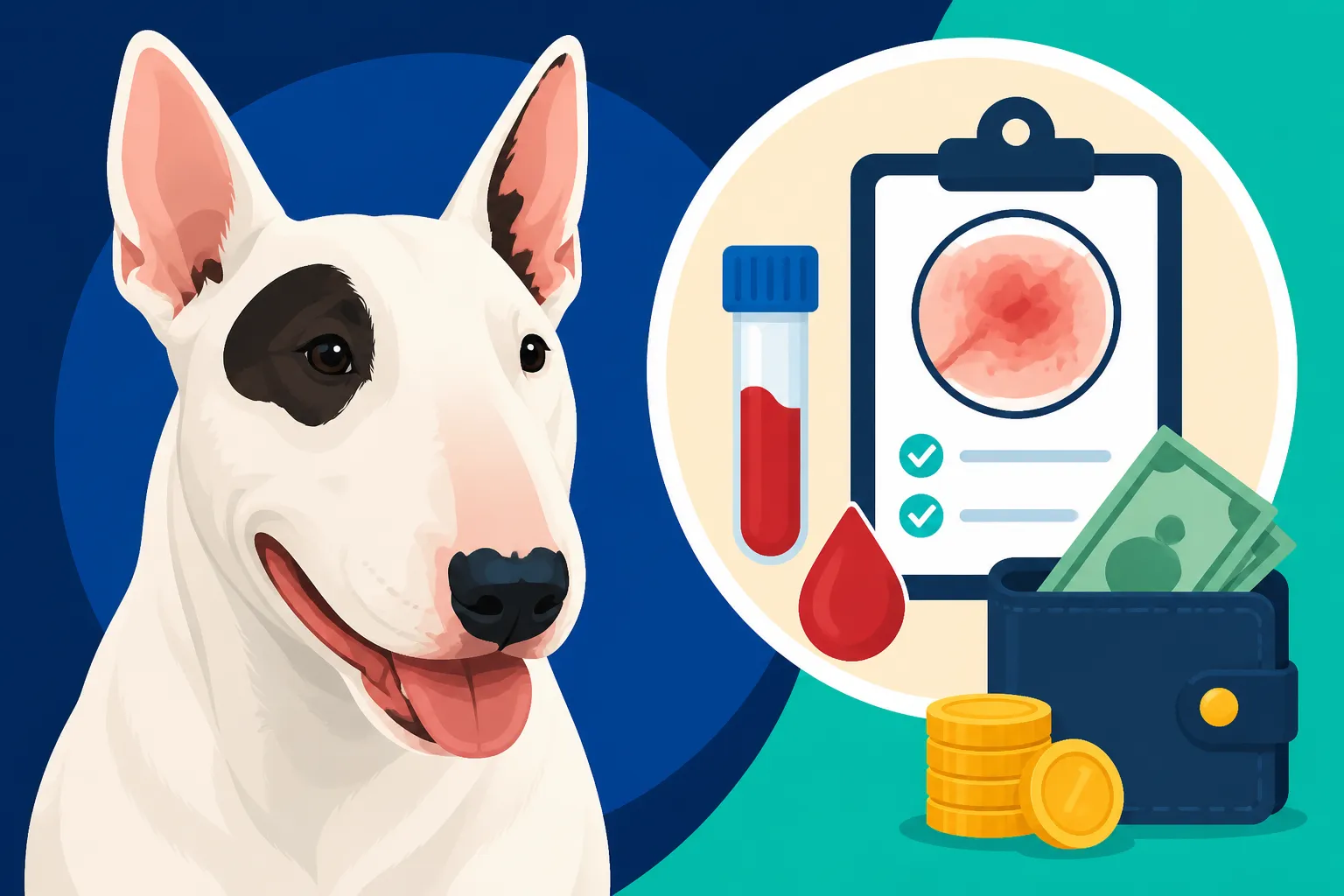
The fundamental cost of the Acrodermatitis test comes down to the laboratory fee. This is the amount charged by the genetic testing facility for processing your Bull Terrier's DNA sample and providing the results. Typically, this involves a buccal swab – essentially, a glorified Q-tip rubbed inside your dog's cheek to collect cells. It's quick, painless, and can be done right at home or by your veterinarian.
The price for this core lab analysis can fluctuate based on a few factors:
- The specific laboratory: Different genetic testing companies have different pricing structures. Some are large, well-established entities that might offer panels of tests, while others specialize more narrowly.
- The country or region: International laboratories might have different base rates and currency conversion factors.
- Whether it's part of a panel: Often, laboratories offer a suite of genetic tests together at a slightly reduced price per test compared to ordering them individually. For Bull Terriers, breeders might opt for a comprehensive panel that includes other relevant genetic screenings. If you're only focused on the Acrodermatitis test, the individual price might be slightly higher than if it were bundled.
- Special offers or promotions: Sometimes labs run discounts, especially for breeders testing multiple dogs or entire litters.
Generally, you can expect the core lab fee for the Acrodermatitis DNA test to fall within a specific range, usually a fraction of the cost of other, more complex diagnostic procedures. While I can't give you current figures, it's typically an accessible price point designed to encourage widespread testing, recognizing its importance to breed health. You'll want to check the websites of reputable canine genetic testing labs directly for their most up-to-date pricing.
Additional Fees You Might Encounter
While the lab fee is the biggest chunk, there can be other costs that add to the total. It’s important to budget for these so you’re not caught off guard.
- Veterinary collection fee: If you're having your veterinarian collect the buccal swab, they will charge a consultation or a sample collection fee. This covers their time, expertise in ensuring a good sample, and often the postage to send it to the lab. While you can often collect the sample yourself at home, some owners prefer the peace of mind of a professional doing it, or their breeder might require it for verification.
- Shipping costs: You'll need to factor in the cost of shipping the sample to the genetic testing laboratory. This might be a standard postal service charge or a courier service, depending on the lab's requirements and your preference for speed and tracking. Sometimes this is included in the lab fee, but always confirm.
- Interpretation or consultation fees: In rare cases, if the results are ambiguous or if you need a detailed explanation of what the results mean for your breeding program or future plans, your vet might charge a fee for a follow-up consultation to interpret the results and advise you. For most clear/carrier/affected results, this isn't usually necessary, but it's a potential consideration.
For example, a breeder might test an entire litter and incur a single shipping fee for multiple samples, alongside a bulk discount from the lab. An individual owner testing an adult dog might only pay the lab fee and their shipping, assuming they collect the sample themselves. These variables mean that while the core test is affordable, the overall cost can vary. This is a good opportunity to understand What a Full Bull Terrier Health Panel Costs if you're considering broader health screenings beyond just Acrodermatitis.
Where and When to Get Your Bull Terrier Tested
Deciding where and when to conduct the Acrodermatitis test can significantly influence the overall cost and convenience. There are generally two main scenarios: testing done by the breeder before you even get your puppy, or testing you initiate as an owner.
Testing Through a Breeder vs. Owner-Initiated Testing
The ideal scenario for any new Bull Terrier owner is to acquire a puppy from a responsible breeder who has already performed all recommended health screenings on the parents and, ideally, the puppies themselves. When a breeder tests, they typically:
- Test the parent dogs: This is crucial. If both parents are tested clear, then all their puppies will automatically be clear by parentage and don't need individual testing for Acrodermatitis. This saves money and ensures peace of mind.
- Test individual puppies: If one or both parents are carriers, a responsible breeder will test each puppy in the litter to determine their individual status (clear, carrier, or affected). They absorb the cost of these tests and provide you with the results. This transparency is a hallmark of an ethical breeder. You should expect to receive documentation showing the results for your specific puppy and its parents. If a breeder provides proof that The Five Tests a Bull Terrier Breeder Should Have Paid For have been completed, including Acrodermatitis, it indicates a commitment to health.
If you are purchasing a puppy from a breeder, always ask for the Acrodermatitis test results for the parents and, if applicable, the puppy. If the breeder hasn't tested, or if you've adopted an adult Bull Terrier from a rescue where their history isn't fully known, you might need to initiate testing yourself.
Owner-initiated testing is straightforward:
- Select a reputable lab: Research reputable canine genetic testing laboratories.
- Order a kit: You'll order a DNA collection kit directly from the lab. This kit will contain the buccal swabs and instructions.
- Collect the sample: You can either collect the sample yourself at home (following instructions carefully to ensure purity) or ask your veterinarian to do it.
- Mail the sample: Send the collected sample back to the lab using their provided shipping information.
- Receive results: Results are usually delivered via email within a few weeks.
The benefit of breeder testing is that the cost is usually built into the puppy's purchase price, and you receive immediate assurance. Owner-initiated testing puts the responsibility and direct cost on you, but it offers control and the ability to confirm your dog's status if questions arise.
Choosing a Reputable Testing Laboratory
Selecting the right laboratory is paramount for accurate and reliable results. Not all genetic testing labs are created equal, and some might not be as widely recognized or offer the same level of scientific rigor. When looking for a lab, consider the following:
- Accreditation and reputation: Look for laboratories that are recognized by major breed clubs or veterinary associations. Companies like Embark Veterinary, Optimal Selection (MyDogDNA), and Animal Genetics are well-known and trusted in the canine genetic testing field. While I cannot endorse specific providers, these are examples of the types of reputable services available.
- Specific Bull Terrier tests: Ensure the lab offers the specific test for Acrodermatitis (LAD) in Bull Terriers. While many tests are generic, some breed-specific tests are crucial.
- Customer support: Good customer service is important if you have questions about the process, the results, or need help with sample collection.
- Turnaround time: While not a direct cost factor, knowing how long you'll wait for results can influence your planning, especially if you're waiting on a puppy's results.
Before committing, it's always a good idea to visit the lab's website, read their information on the Acrodermatitis test, and check their current pricing. Don't hesitate to call them with any questions you might have about their process or specific Bull Terrier concerns. The accuracy of the test, after all, is the most important factor, as Whether the Bull Terrier Acrodermatitis Test Is Reliable depends entirely on the lab's quality.
Managing the Financial Aspect of Bull Terrier Health
Owning a Bull Terrier, or any dog for that matter, comes with significant financial responsibilities beyond the initial purchase price. Health testing, like the Acrodermatitis DNA test, is an investment in their future and can actually save you money and heartache in the long run. Thinking strategically about how you manage these costs is part of being a responsible owner.
The Value of Proactive Testing
While the immediate cost of the Acrodermatitis test might seem like an extra expense, especially if you're just bringing home a new puppy, its value is immeasurable. Consider the alternative: unknowingly acquiring an affected puppy. The veterinary bills for an Acrodermatitis-affected Bull Terrier are astronomical. You’d be looking at a lifetime (albeit a short one) of specialist visits, medications, treatments for secondary infections, and potentially even emergency care for complications. These costs would dwarf the price of a simple DNA test many times over.
Proactive testing:
- Prevents suffering: Most importantly, it prevents a puppy from enduring a painful, debilitating, and ultimately fatal illness.
- Provides peace of mind: Knowing your Bull Terrier is clear or understanding their carrier status allows you to plan responsibly.
- Informs breeding decisions: For breeders, it’s an ethical imperative that helps eradicate the disease from future generations. Understanding How Acrodermatitis Is Inherited in Bull Terriers makes it clear why testing is the only responsible path.
- Long-term savings: By avoiding an affected puppy, you save yourself from years of immense veterinary debt and emotional distress.
Think of it as an insurance policy for your peace of mind and your dog's future. It's a small, one-time investment that can prevent catastrophic future expenses and unimaginable heartache.
Considering Pet Insurance for Genetic Conditions
Pet insurance can be a fantastic safety net for unexpected veterinary costs, and it's something every Bull Terrier owner should seriously consider. However, when it comes to genetic testing and conditions like Acrodermatitis, there are some important nuances to understand.
- Pre-existing conditions: Most pet insurance policies will not cover conditions that are considered "pre-existing." This usually means any illness or injury that showed symptoms or was diagnosed before your policy began or during its waiting period. If your dog is diagnosed with Acrodermatitis before you get insurance, it will almost certainly be excluded. This emphasizes the importance of getting insurance early, ideally when your Bull Terrier is a healthy puppy, before any conditions manifest.
- Genetic testing coverage: Many standard pet insurance policies do not cover the cost of preventative genetic screening tests themselves. They are typically geared towards covering diagnostic tests and treatments for illnesses, not proactive screening for potential future issues. However, some wellness add-ons or more comprehensive plans might offer some coverage for routine screening or diagnostic workups that uncover genetic predispositions. You'll need to read the policy fine print carefully.
Companies like Healthy Paws offer comprehensive accident and illness plans. While they might not cover the initial genetic screening, they would typically cover the costs associated with diagnosing and treating an unexpected illness or injury that arises after your policy is in effect. If an Acrodermatitis-affected puppy was acquired and then developed symptoms after insurance was active (and not deemed pre-existing), then the significant costs of managing that condition could potentially be covered.
It’s always best to research different providers and their specific genetic condition policies. Ask direct questions about how they handle genetic testing and hereditary conditions for breeds like the Bull Terrier. Don't wait until you suspect a problem; that's often too late for coverage. Investing in pet insurance is a significant part of Insuring a Bull Terrier Against What It Actually Gets and preparing for the lifetime costs of their care.
Beyond the Test: Ongoing Care and Cost Considerations
The Acrodermatitis test delivers a result: clear, carrier, or affected. For most owners, the hope is for "clear," providing immense relief. However, understanding the implications of "carrier" or, tragically, "affected" is crucial for ethical breeding and responsible ownership.
Understanding Carrier Status and Breeding Implications
If your Bull Terrier tests as a "carrier" for Acrodermatitis, it means they carry one copy of the faulty gene but are completely healthy and unaffected by the disease themselves. This is vital information, especially for breeders.
- For pet owners: If your Bull Terrier is a carrier and you have no intention of breeding, their carrier status has no impact on their health or lifespan. They will live a normal, healthy life. You still have peace of mind that they won't develop the condition.
- For breeders: A carrier Bull Terrier can still be part of a responsible breeding program, but it requires careful planning. They should only be bred to a Bull Terrier that has tested "clear" for Acrodermatitis. Breeding a carrier to a clear dog ensures that no affected puppies will be born, as any offspring will either be clear or a carrier themselves. This strategy allows valuable genetic diversity to be maintained in the breed without producing affected puppies. This understanding is key to responsible breeding practices, and it's why every single Bull Terrier in a breeding program should be tested. Breeding two carriers together, even accidentally, would result in a 25% chance of affected puppies in the litter, which is an avoidable tragedy. To prevent such a scenario, breeders must provide documentation for Whether a Bull Terrier Breeder Shows the Acrodermatitis Result.
The Cost of Caring for an Affected Puppy
This is the scenario everyone hopes to avoid. If, despite best efforts, a Bull Terrier puppy is born affected with Acrodermatitis, the financial and emotional costs are staggering.
- Veterinary care: Affected puppies require intensive and ongoing veterinary care. This includes regular visits, often to specialists, for managing skin infections, gastrointestinal issues, and other opportunistic infections that their compromised immune system cannot fight off. The skin lesions alone, which can manifest as What an Acrodermatitis Bull Terrier's Paws Look Like, require constant attention.
- Medications and supplements: Zinc supplementation is often attempted, but due to the malabsorption issue, it provides limited long-term benefit for genuinely affected puppies. Antibiotics, antifungals, pain relief, and other supportive medications become a constant necessity.
- Special diets and care: Affected puppies often fail to thrive, requiring highly palatable, nutritious food. Sometimes, specialized formulas are needed to tempt their appetites, which can be found at retailers like Chewy or premium options like Ollie. Despite these efforts, these puppies typically remain undersized and sickly.
- Euthanasia: Ultimately, due to the severe and progressive nature of the disease, and the constant suffering, most affected puppies are humanely euthanized before they reach two years of age. The decision to let go of a beloved pet is devastating, and the veterinary costs associated with end-of-life care, even if covered partially by insurance, add to the financial burden.
The cost of a simple genetic test pales in comparison to the immense financial and emotional toll of caring for an affected puppy. It underscores why understanding The Age Acrodermatitis Kills a Bull Terrier makes prevention through testing such a high priority for anyone involved with this wonderful breed.
Summary of Acrodermatitis Testing Costs
To provide a clearer picture, here's a general overview of the potential cost components for the Bull Terrier Acrodermatitis DNA test. Remember, these are estimates and actual prices will vary significantly based on location, specific laboratory, and whether a vet performs the sample collection. Always consult the chosen laboratory and your veterinarian for current figures.
| Cost Component | Description | Typical Scenario |
|---|---|---|
| Core Lab Test Fee | Price charged by the genetic testing laboratory for DNA analysis. | Can vary by lab, bundled vs. individual test, and promotions. |
| Sample Collection Fee | Fee charged by a veterinarian to collect the buccal swab. | Applied if a vet collects the sample; often a small consultation fee. |
| Shipping & Handling | Cost to mail the DNA sample kit to the laboratory. | Can be standard postal rates; sometimes included in lab kit price. |
| Veterinary Consultation | Fee for discussing results or breeding advice (optional). | If you need professional interpretation beyond standard results. |
This table highlights that while the core test is the main expense, there are ancillary costs to consider if you opt for professional assistance or specific shipping methods.
Disclaimer
This article is for general informational purposes only and does not constitute professional advice. Laws, prices and regulations vary by location and change over time. Consult a qualified professional for guidance on your specific situation.