Whether a Bull Terrier Tolerates Anesthesia
The thought of your beloved Bull Terrier going under anesthesia can trigger a wave of anxiety in any owner, and it's a completely valid concern. Our blocky-headed companions, with their unique physiology and sometimes stoic nature, can present particular considerations when it comes to surgical procedures or even routine dental cleanings that require sedation. This guide aims to demystify the process, explain the specific factors that influence how a Bull Terrier tolerates anesthesia, and equip you with the knowledge to work with your veterinarian for the safest possible outcome.
Understanding Anesthesia in Bull Terriers: What Makes Them Unique?
When your vet talks about anesthesia, they're not just talking about putting your dog to sleep. It's a carefully managed state that suppresses pain and consciousness, allowing for medical procedures. For Bull Terriers, however, there are certain breed-specific traits and common health predispositions that can make anesthesia a more nuanced conversation than it might be for other breeds. It's not about them being inherently "bad" candidates, but rather about understanding their individual profile.
Breed-Specific Anesthetic Concerns
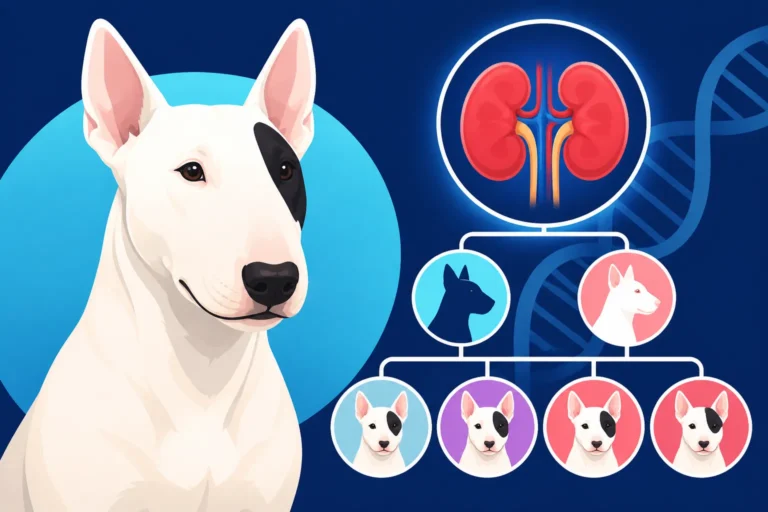
Bull Terriers, while generally robust, do have some health considerations that can impact how they react to anesthetic agents. One of the primary concerns can be their cardiovascular health. While not all Bull Terriers have heart issues, conditions like mitral valve dysplasia or aortic stenosis are known in the breed. Anesthesia places stress on the cardiovascular system, so a dog with an undiagnosed or unmanaged heart condition could face increased risks. This is why a thorough cardiac check-up is so vital before any procedure. Additionally, kidney disease, particularly hereditary nephritis, is another significant concern for the breed. The kidneys play a crucial role in filtering anesthetic drugs from the body, and compromised kidney function can lead to prolonged recovery times or drug accumulation.
Beyond internal organ health, their physical structure can also play a role. While not considered a true brachycephalic (short-nosed) breed like a Bulldog or Pug, some Bull Terriers can have shorter muzzles or thicker necks that might predispose them to minor airway obstruction during sedation, especially if they are overweight. Their dense muscle mass can also affect drug distribution and metabolism, potentially requiring different dosages or protocols compared to a lighter-built dog. Finally, Bull Terriers are famous for their tough-guy demeanor, often masking pain or discomfort remarkably well. This stoicism can sometimes make it harder to assess their baseline comfort or to know if they are truly pain-free during recovery without careful observation. Knowing your dog's normal behavior is key.
Pre-Anesthetic Screening: The Non-Negotiables
You wouldn't go into surgery without a full physical, and neither should your Bull Terrier. Thorough pre-anesthetic screening isn't just a suggestion; it's a critical safety measure, especially for a breed with specific genetic predispositions. This typically includes a comprehensive physical examination, but it goes much deeper than that.
Your veterinarian will almost certainly recommend a full blood panel, which includes a complete blood count (CBC) to check for anemia, infection, or clotting issues, and a chemistry panel to assess organ function, particularly the liver and kidneys. These tests reveal if your Bull Terrier's internal organs are healthy enough to process and eliminate anesthetic drugs effectively. A urinalysis, often overlooked, is equally important. It provides additional insights into kidney function and can detect urinary tract infections that could complicate recovery. For any Bull Terrier, especially those aged two years or older, The Yearly Urine Test Every Bull Terrier Owner Should Book becomes a non-negotiable part of their routine health check, giving your vet crucial baseline data long before an anesthetic event. If there are any indications of kidney issues, such as elevated protein levels in the urine or abnormal kidney values in the bloodwork, your vet might recommend additional diagnostics like a What a UPC Ratio Tells a Bull Terrier Owner or a kidney ultrasound.
Cardiac screening is another cornerstone of safe anesthesia for Bull Terriers. Your vet will listen to your dog's heart carefully during the physical exam. If they detect a heart murmur, even a slight one, it's generally advised to have a cardiac workup before anesthesia. This usually involves an echocardiogram, which is an ultrasound of the heart, to determine the exact nature and severity of the murmur. Understanding The Heart Murmur a Bull Terrier Puppy Should Be Checked For and whether it's an innocent murmur or a structural defect like mitral valve dysplasia or aortic stenosis, is crucial for planning the safest anesthetic protocol. Without this vital information, administering anesthesia can be akin to flying blind. For dogs over a certain age or those with a history of any health concerns, these screenings become even more imperative to catch any silent issues that could turn into major complications under sedation.
Preparing Your Bull Terrier for a Smooth Anesthetic Experience
While the medical tests are vital, there's also a lot you can do as an owner to prepare your Bull Terrier for anesthesia, ensuring not just their safety, but also a calmer experience for both of you. Preparation starts well before the actual day of the procedure.
The Importance of a Pre-Anesthetic Exam
Even if bloodwork was done a few weeks prior, a comprehensive physical exam on the day of or just before the procedure is essential. Your vet will re-evaluate your Bull Terrier's general health, paying close attention to their heart, lungs, and overall body condition. They'll confirm their weight, which is critical for accurate drug dosing. It's also a chance to discuss any changes in your dog's health or behavior since the last visit. Sometimes, a seemingly minor sniffle or a slight decrease in appetite could be a sign that delaying the procedure might be wise. This exam also allows the vet to identify any dental issues that might need addressing, ensuring that if it's a dental procedure, they have a clear plan.
One of the most crucial parts of preparing your Bull Terrier is following the fasting instructions provided by your vet. Typically, this means no food for 8-12 hours before the procedure, and sometimes no water for a few hours as well. This isn't just to be inconvenient; it's a vital safety measure. Anesthetized animals can aspirate (inhale) stomach contents into their lungs, leading to severe pneumonia, a potentially life-threatening complication. Your vet will give you specific guidelines based on your dog's age, size, and health status. Stick to them rigidly. It can feel cruel to withhold food from a hungry Bull Terrier, but it's for their absolute best interest. Ensure your dog has had access to water right up until the cut-off time, keeping them hydrated.
Discussing Risks and Protocols with Your Vet
Don't be shy about asking questions! This is your Bull Terrier, and you deserve to understand every step of the process. Before the day of the procedure, schedule a time to talk through everything with your veterinarian or the veterinary technician. Ask about the specific anesthetic agents they plan to use. Modern veterinary medicine offers a variety of drugs, and some are safer for dogs with particular health profiles (e.g., kidney-friendly drugs for dogs with Signs a Bull Terrier's Kidneys Are Failing).
Inquire about the monitoring equipment that will be used during the procedure. Will your Bull Terrier have an IV catheter for fluid administration (which is highly recommended for maintaining blood pressure and hydration)? Will they be monitored with an ECG to track heart activity, a pulse oximeter for oxygen levels, a capnograph for breathing, and a blood pressure monitor? Will a dedicated veterinary technician be solely focused on monitoring your dog throughout the entire procedure and recovery? These are all critical components of a safe anesthetic experience. You should also discuss the pain management plan, both during and after the procedure, as Bull Terriers can be stoic and effective pain relief is crucial for a comfortable recovery. Understanding the entire protocol, from premedication to induction and maintenance, and what measures are in place to address any potential complications specific to Bull Terriers, will give you peace of mind.
During and After Anesthesia: What to Expect
The moments during and immediately following anesthesia are critical for your Bull Terrier's well-being. Knowing what happens behind the scenes and what to look for when they come home can alleviate much of your worry and help ensure a smooth transition back to their goofy selves.
Monitoring During the Procedure
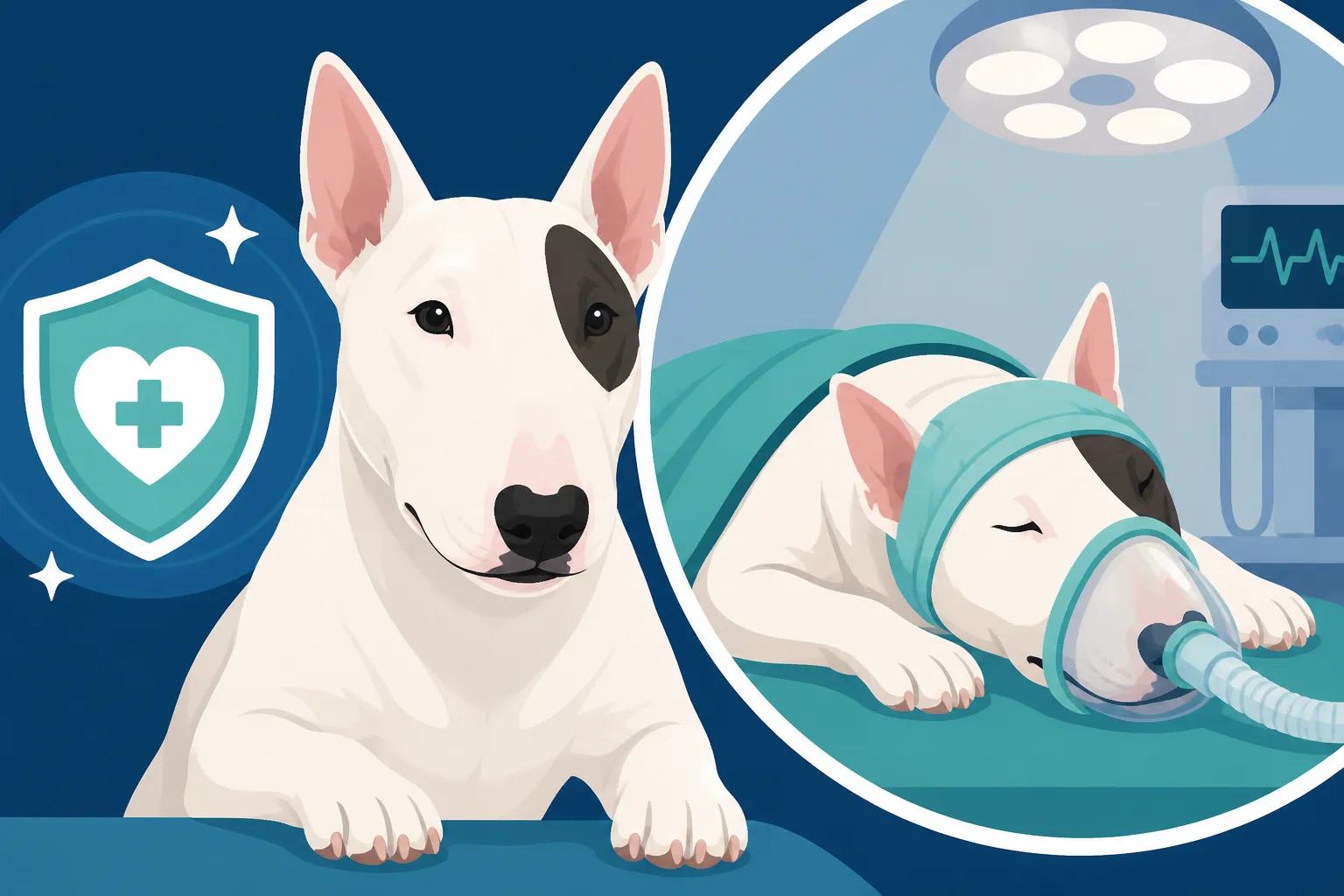
Once your Bull Terrier is under anesthesia, a dedicated veterinary team will be continuously monitoring their vital signs. This is where state-of-the-art equipment and experienced personnel truly shine. A common setup involves constant monitoring of heart rate and rhythm via an electrocardiogram (ECG). Respiratory rate and end-tidal carbon dioxide levels (capnography) are crucial for assessing ventilation and ensuring adequate breathing. Blood pressure is meticulously tracked, as anesthesia can often cause a drop in pressure, and maintaining it within a healthy range is vital for organ perfusion. Oxygen saturation is measured with a pulse oximeter, making sure your Bull Terrier is getting enough oxygen.
Perhaps one of the most critical, yet sometimes overlooked, aspects of monitoring for Bull Terriers is temperature. Due to their short coats and sometimes lean muscle mass, they can be prone to hypothermia (low body temperature) during long procedures, especially in a cool operating room. Conversely, overheating can also be a concern if they are too bundled or in a warm environment. Monitoring their temperature and taking active measures to keep it stable, such as using warming blankets or circulating warm air, is standard practice. The vigilance of the veterinary team, continuously adjusting anesthetic depth and supportive care based on these parameters, is what makes modern anesthesia so much safer than in years past.
Post-Anesthetic Care and Recovery at Home
The period immediately following anesthesia is just as important as the procedure itself. Your Bull Terrier will likely be groggy, disoriented, and a bit clumsy when you pick them up. This is normal. They might still be feeling the lingering effects of the drugs, which can manifest as lethargy, nausea, or a general "out of it" demeanor. Some Bull Terriers might even seem a bit clingy or unusually quiet, which for our normally boisterous friends, can be concerning but is often just part of the process.
When you bring them home, provide a quiet, comfortable, and warm place for them to rest, away from other pets or boisterous children. Soft bedding and a confined space like their crate (if they are comfortable with it) can help them feel secure. They might not have much of an appetite initially, and that's okay. Offer small amounts of water first, and if they hold that down, then a small, bland meal a few hours later, as directed by your vet. Vomiting is a common side effect of anesthesia, so don't be alarmed by a single episode, but notify your vet if it's persistent or severe. You'll also need to closely monitor their incision site (if applicable) for any redness, swelling, or discharge. If your Bull Terrier was given pain medication, ensure you administer it exactly as prescribed. Remember, they are often stoic, so don't wait for obvious signs of severe pain before giving medication. Quiet rest is paramount for the first 24-48 hours. Avoid strenuous activity or too much excitement. Your vet will provide specific discharge instructions, covering everything from feeding to medication and when to call them with concerns.
Mitigating Anesthesia Risks for Bull Terriers
While some risks are inherent in any medical procedure, there's a lot you can do to proactively minimize them for your Bull Terrier. It's about making informed choices and being a proactive advocate for your dog's health.
Choosing the Right Veterinary Team
The single most impactful factor in ensuring a safe anesthetic experience for your Bull Terrier is the expertise of your veterinary team. Look for a practice that prioritizes comprehensive pre-anesthetic screening and uses modern, multi-modal anesthetic protocols. Don't hesitate to ask about their experience with Bull Terriers specifically. Anesthesia in brachycephalic-leaning breeds or those with known health challenges requires a more nuanced approach, and a team experienced with these considerations will be better prepared.
A high-quality veterinary hospital will have dedicated, well-trained staff whose sole job during a procedure is monitoring anesthesia. They should also have an emergency plan in place, with the necessary drugs and equipment readily available. If your Bull Terrier has significant underlying health issues, such as advanced kidney disease or a severe heart condition, don't be afraid to ask for a referral to a board-certified veterinary anesthesiologist or a specialist (like a cardiologist or internal medicine specialist) before proceeding. These specialists have advanced training and equipment to manage even the most complex cases, ensuring the highest level of care for your beloved companion. Finding a vet that you trust implicitly and who understands the unique nuances of the Bull Terrier breed is priceless.
Investing in Comprehensive Pet Insurance
Let's face it, veterinary care, especially emergency or specialized care, can be incredibly expensive. This financial burden can sometimes lead to agonizing decisions during unexpected health crises. This is where comprehensive pet insurance, like plans offered by Healthy Paws, can be a real game-changer. Thinking ahead and enrolling your Bull Terrier in a robust insurance plan before any health issues or anticipated procedures arise can provide immense peace of mind.
Pet insurance doesn't just cover the procedure itself, but often the critical pre-anesthetic diagnostics, the advanced monitoring, and any unexpected complications that might arise from anesthesia. For example, if your Bull Terrier develops an adverse reaction to an anesthetic agent, or if a previously undiagnosed condition is revealed and complicates recovery, the costs associated with extended hospitalization, additional medications, or specialist consultations can quickly escalate. Having coverage from a reliable provider such as Healthy Paws can alleviate the stress of these financial decisions, allowing you to focus solely on your Bull Terrier's recovery. It allows you to say "yes" to the best possible care without being held back by cost. Many owners don't realize how much these unforeseen circumstances can add up, and waiting until your dog has a pre-existing condition means those specific issues might not be covered. Proactive enrollment, especially considering a Bull Terrier's predispositions to conditions that might impact anesthesia like Hereditary Nephritis Takes Bull Terriers in Their Prime or certain cardiac issues, is a wise investment in their long-term health and your financial security. Don't forget to look into whether the plan covers routine preventative care or only emergency and illness-related expenses.
Key Pre-Anesthetic Tests for Bull Terriers
To ensure your Bull Terrier tolerates anesthesia as safely as possible, a series of thorough pre-anesthetic tests are crucial. These tests help the veterinary team identify any underlying health issues that could complicate the procedure or recovery.
| Test Category | Specific Test | Why it's Crucial for Bull Terriers |
|---|---|---|
| Bloodwork | Complete Blood Count (CBC) | Detects anemia, infection, and issues with clotting. Essential for oxygen delivery and surgical safety. |
| Chemistry Panel | Evaluates liver and kidney function, ensuring organs can metabolize and excrete anesthetic drugs. | |
| Urinalysis | Full Urinalysis | Provides additional insight into kidney function, hydration status, and screens for urinary infections. |
| Cardiac Screening | Physical Exam (Auscultation) | Initial check for heart murmurs or abnormal rhythms. |
| Echocardiogram | Recommended if a murmur is detected, to identify structural heart defects like mitral valve dysplasia or aortic stenosis, which can increase anesthetic risk. | |
| Additional Tests | Thoracic Radiographs (X-rays) | May be recommended for older dogs or those with respiratory symptoms, to check lung health and heart size. |
| Blood Pressure | Measures systemic blood pressure, as both high and low readings can impact anesthetic safety. |
This table provides a snapshot of the critical checks. Your vet will tailor these recommendations based on your Bull Terrier's age, overall health, and the specific procedure planned. Being proactive with tests like What a Bull Terrier's Yearly Bloodwork Should Cover ensures your vet has a complete picture of your dog's health.
Disclaimer
The information provided in this guide is for general informational purposes only and does not constitute veterinary medical advice. Always consult with a qualified veterinarian regarding any health concerns or before making any decisions about your Bull Terrier's medical care, including anesthesia. Individual responses to anesthesia can vary, and your veterinarian is the best resource for personalized advice based on your dog's specific health profile.