Spondylosis in an Aging Bull Terrier
It's heartbreaking to watch our beloved Bull Terriers start to slow down as they age, especially when they've always been such energetic, rambunctious clowns. One of the frustrating realities many of us face with our older Bullies is the onset of stiffness and discomfort, often leading to diagnoses like spondylosis. This guide will walk you through what spondylosis in an aging Bull Terrier looks like, how to recognize the subtle signs, and practical ways to manage the condition to ensure your senior companion stays as comfortable and happy as possible.
Understanding Spondylosis Deformans in Bull Terriers
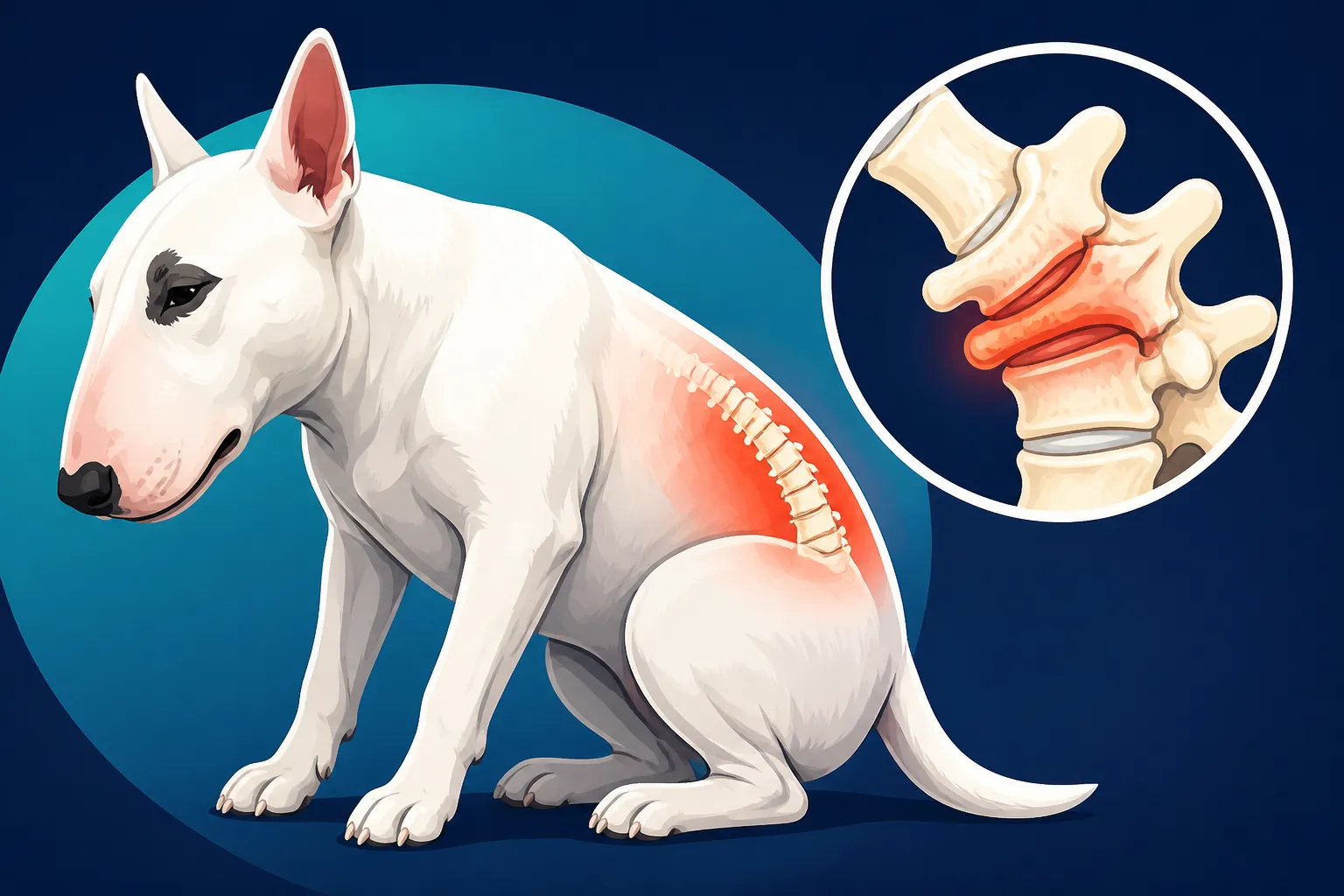
Spondylosis deformans, often just called spondylosis, sounds like a really scary, complicated medical term, but it's actually a pretty common degenerative condition that affects the spine in older dogs, just like it does in aging humans. Essentially, it involves the formation of bony spurs, or osteophytes, along the underside of the vertebrae in the spine. These spurs can sometimes grow large enough to bridge the gaps between adjacent vertebrae, effectively fusing them.
What Exactly Is Spondylosis Deformans?
Imagine your Bull Terrier's spine as a stack of building blocks (vertebrae) separated by soft, spongy cushions (intervertebral discs). These discs act as shock absorbers and allow for flexibility. Over years of zoomies, jumps, and all the enthusiastic body-slams we know and love, these discs can start to degenerate. When the body senses this instability, it tries to stabilize the spine by growing new bone – those bony spurs we mentioned. These spurs usually form on the bottom or sides of the vertebrae, rather than where the nerves exit, which is why some dogs with spondylosis show no clinical signs at all.
However, when these spurs grow significantly, or if they happen to form in a location that puts pressure on nerves or the spinal cord, that's when you start to see problems. The "deformans" part of the name simply refers to this deformation or change in the shape of the vertebrae due to the new bone growth. It's not usually an inflammatory condition in itself, but rather a response to chronic wear and tear.
Why Bull Terriers Might Be Prone to It
While spondylosis can affect any breed, and certainly any large or active breed, Bull Terriers, with their robust build and intense personalities, might experience it in particular ways. Their muscular frame and tendency for sudden bursts of energy, coupled with their often fearless approach to play, can put significant stress on their spinal columns over time. Think about how a Bull Terrier launches itself off the couch or makes a sudden, tight turn during a game of fetch in the yard. All those movements contribute to the wear and tear on the discs.
There's no specific genetic link that points to Bull Terriers being more predisposed to spondylosis than other similar breeds, but their characteristic vigor throughout their younger years can certainly accelerate the process. A Bull Terrier that’s always been highly active, a "bull in a china shop" type, might simply have put more stress on their spine than a more sedentary dog. Factors like obesity can also significantly worsen the strain on the spine, making the condition more pronounced and painful. If you're concerned about your dog's overall health and longevity, especially as they enter their golden years, it's worth considering The Ten to Fourteen Years a Bull Terrier Gets and how proactive care can improve their quality of life.
The Difference Between Mild and Severe Cases
The spectrum of spondylosis ranges widely. In mild cases, a vet might discover a few small bony spurs incidentally on an X-ray taken for something else, and your Bull Terrier might show absolutely no outward symptoms. They're still running, jumping, and playing with gusto, oblivious to the changes happening in their spine. These dogs might never develop symptoms that affect their quality of life.
However, in more severe cases, the bony bridges can become extensive, limiting the flexibility of the spine. If these spurs compress nerves exiting the spinal cord, or if there's associated inflammation, then your Bull Terrier will likely experience significant pain, stiffness, and potentially even neurological deficits. This can manifest as lameness, weakness in the hind legs, or changes in gait. It's a progressive disease, meaning it tends to get worse over time, which is why early detection and management are so crucial for keeping our Bullies comfortable.
Recognizing the Signs of Spondylosis in Your Senior Bull Terrier
Spotting spondylosis in a Bull Terrier can be tricky because, let's be honest, these dogs are masters at hiding pain. Their stoic nature, combined with their sheer determination, often means they'll push through discomfort long before they let you know something is truly wrong. As they enter their senior years, which for a Bull Terrier often means around eight years old or even earlier for some, it becomes even more important to be vigilant. Caring for a Bull Terrier Past Eight requires a keen eye for subtle changes.
Subtle Shifts in Movement
One of the first things you might notice isn't an outright limp, but a general reluctance. Has your Bull Terrier, who once leaped onto the sofa without a second thought, started to hesitate or struggle? Do they seem to take more care when climbing stairs, or do they avoid them altogether? You might see them moving a bit stiffer after waking up from a nap, or after a long period of lying down. Their gait might shorten, or they might seem less fluid in their movements. They might also start to refuse to jump into the car, or they might seem to stumble more often. These aren't necessarily signs of sudden injury, but rather chronic, low-grade discomfort from spinal changes.
You might also notice a subtle change in how they hold themselves. Perhaps a slight arch in their back or a less confident swagger. My old Bull Terrier, Spike, started to walk with his tail carried a little lower, and his usually enthusiastic tail wags became less broad, more constrained, almost as if it hurt to move his whole hind end. It was the little things that, once I put them together, painted a clear picture.
Behavioral Changes
Pain isn't just physical; it impacts behavior too. A Bull Terrier in chronic discomfort might become more withdrawn or, conversely, more irritable. They might snap or growl if touched in certain areas, particularly along their back or hindquarters. If your usually affectionate Bull Terrier suddenly shies away from being petted on their back, that’s a huge red flag. They might also become less tolerant of other dogs or even children, simply because they don't want to risk being bumped or jostled.
A Bull Terrier who once loved a vigorous play session might opt for a shorter, gentler one, or prefer to supervise from the sidelines. You might notice they sleep more, or struggle to get comfortable, constantly shifting positions. Some dogs might even become restless, unable to find a comfortable spot to lie down, pacing instead. Changes in appetite or house-training accidents can also sometimes be linked to pain, as getting into position to eliminate can be uncomfortable. It's crucial to remember that How a Bull Terrier Hides Pain means you have to be extra observant.
Physical Indicators
Beyond movement and behavior, there can be more direct physical signs. As the body tries to protect a painful area, muscles around it can tense up or even atrophy (waste away) due to disuse. So, you might notice that the muscles over your Bull Terrier's hindquarters or along their spine seem less developed or softer than before.
In some cases, you might even be able to feel the bony spurs if they are particularly prominent, though this should always be done gently and ideally by a vet. Swelling is less common with spondylosis itself, but generalized stiffness or a noticeable hunched posture can be indicative. If your Bull Terrier is licking or chewing excessively at their paws or hind legs, it could be a sign they are trying to alleviate referred pain from their back. Keep an eye on their paw pads; sometimes, uneven pressure due to altered gait can lead to excessive wear or sores.
When to Consult Your Vet
The moment you suspect something isn't right, it's time to call your veterinarian. Don't wait until the symptoms are severe, because by then your Bull Terrier might be in significant discomfort. Early intervention can make a huge difference in managing the progression of the disease and maintaining your dog's quality of life. Your vet will conduct a thorough physical exam, checking for pain responses, range of motion, and any neurological deficits.
To definitively diagnose spondylosis, X-rays are usually required. These images will clearly show the bony spurs and bridging. Sometimes, additional diagnostics like MRI or CT scans might be recommended if there are concerns about spinal cord compression or other concurrent conditions, but for most cases of spondylosis, X-rays are sufficient. When discussing treatment options, remember to ask about preventative measures and long-term care, as well as potential costs. Many owners find value in pet insurance providers like Healthy Paws, which can help cover unexpected veterinary bills for chronic conditions like spondylosis, especially if enrolled before symptoms appear.
Managing Spondylosis and Supporting Your Aging Bull Terrier
Living with an aging Bull Terrier who has spondylosis is all about management and adaptation. There's no cure for the bony changes, but there's so much we can do to alleviate pain, improve mobility, and ensure our Bullies can continue to enjoy their lives to the fullest.
Pain Management Options
When it comes to pain, a multi-modal approach is often best. Your veterinarian will likely recommend non-steroidal anti-inflammatory drugs (NSAIDs) like Rimadyl, Previcox, or Galliprant, which can significantly reduce pain and inflammation. These are usually the first line of defense, but it's important to monitor for side effects, especially with long-term use. Sometimes, other pain medications like gabapentin or tramadol might be added, particularly for neuropathic pain or if NSAIDs alone aren't enough.
Beyond pharmaceuticals, there are excellent complementary therapies. Physical therapy, including therapeutic exercises, massage, and hydrotherapy (underwater treadmill), can strengthen core muscles, improve flexibility, and reduce reliance on medication. Acupuncture and chiropractic adjustments, performed by certified veterinary professionals, have also shown great success in managing chronic back pain. Don't forget the power of good joint supplements containing glucosamine, chondroitin, and MSM, which can help support cartilage health, though their direct impact on existing bone spurs is limited. Omega-3 fatty acids, like those found in fish oil, are also excellent for their anti-inflammatory properties and can be a good addition to their diet. Many Bull Terrier owners also look into Whether a Bull Terrier Needs Joint Supplements for proactive care.
Environmental Modifications
Making your home more accessible for your senior Bull Terrier can dramatically improve their comfort and reduce the risk of further injury.
Consider these changes:
- Ramps or Pet Stairs: These are invaluable for helping your Bull Terrier get onto and off furniture, or into and out of vehicles, without painful jumps.
- Orthopedic Beds: A supportive, memory foam bed can cradle their joints and spine, providing much-needed comfort during rest. Place these in their favorite napping spots.
- Non-Slip Flooring: Slippery floors (hardwood, tile) can be treacherous for a dog with an unstable spine. Use rugs, carpet runners, or paw grips to provide better traction.
- Raised Food and Water Bowls: Bending down to eat or drink can strain a sensitive back. Elevated bowls can make meal times much more comfortable.
- Easy Access to Outdoors: Ensure they have a simple path to the yard for potty breaks, especially if they are stiff in the mornings or at night.
Small adjustments can make a world of difference. For instance, my neighbor's Bull Terrier, Buster, got a ramp for the car, and it wasn't just his back that thanked them – his whole demeanor improved because he wasn't constantly stressed about getting in and out of the car.
Diet and Weight Management
Keeping your Bull Terrier lean is one of the most impactful things you can do to manage spondylosis. Every extra pound puts additional stress on their joints and spine. Work with your vet to determine an ideal weight and create a feeding plan. A high-quality, balanced diet is essential, and sometimes specific formulations for senior dogs or those with joint support ingredients can be beneficial.
While not directly for spondylosis, if your Bull Terrier is also managing kidney health, Which Diet a Bull Terrier With Kidney Disease Needs might be something you're already considering, and many of these diets are also mindful of weight management. Treats should be healthy and given in moderation. Incorporating certain nutrients, like those found in joint supplements, can also be delivered through specialized diets.
The Importance of Regular Vet Check-ups and Monitoring
Because spondylosis is progressive, regular veterinary check-ups are non-negotiable. Your vet can monitor the progression of the condition, adjust pain management strategies as needed, and catch any new issues early. These visits are also a good opportunity to discuss their quality of life, mobility, and any new concerns. For an aging Bull Terrier, yearly or even twice-yearly check-ups are essential.
During these visits, make sure to give your vet a full rundown of your observations at home. Are they still able to enjoy their walks? Are they sleeping comfortably? Are there any days where they seem particularly off? Detailed information helps your vet tailor the best plan. Remember, ongoing care for conditions like spondylosis can be costly, and this is where pet insurance, such as a plan from Healthy Paws, can really make a difference, covering a significant portion of diagnostic tests, medications, and specialized therapies, allowing you to focus on your Bull Terrier's well-being without constant financial worry. It's often too late to get coverage once a condition has been diagnosed, so looking into options early is wise.
Maintaining Mental and Physical Well-being
Even with spondylosis, your Bull Terrier still needs enrichment and appropriate exercise. The goal isn't to stop all activity but to modify it. Short, frequent walks on soft surfaces (like grass) are generally better than one long, strenuous one. Controlled leash walks are excellent for maintaining muscle tone without excessive strain. You might find that How Far an Aging Bull Terrier Should Still Run changes over time, and that's perfectly okay. Listen to your dog and adjust accordingly.
Mental stimulation is just as important. Puzzle toys, gentle training sessions, and interactive games can keep their minds sharp and happy. This can also help prevent boredom, which in some Bull Terriers can lead to unwanted behaviors or even exacerbate stress related to pain. Consider activities like sniff walks where they can explore scents at their own pace, or teaching new, low-impact tricks that don't put strain on their spine. Keeping them engaged helps keep them happy, even when their body isn't quite what it used to be.
A Comparative Look at Spondylosis Management
To give you a clearer picture of different management approaches, here's a table summarizing common strategies and their benefits.
| Management Strategy | Description | Key Benefits | Considerations |
|---|---|---|---|
| NSAIDs (e.g., Galliprant) | Prescription medications reducing pain and inflammation | Quick relief from discomfort, improved mobility | Potential side effects (GI upset, kidney/liver issues), require vet monitoring |
| Joint Supplements | Glucosamine, chondroitin, MSM, Omega-3 fatty acids | Supports cartilage health, anti-inflammatory, few side effects | Slower acting, may not be sufficient alone, results vary |
| Physical Therapy | Therapeutic exercises, hydrotherapy, massage | Strengthens muscles, improves flexibility, reduces pain, promotes recovery | Requires commitment, specialized equipment, can be costly |
| Acupuncture/Chiropractic | Alternative therapies by certified vets for pain relief and alignment | Non-invasive, can reduce reliance on medication, good for chronic pain | Requires certified practitioner, not all dogs respond, multiple sessions usually needed |
| Environmental Changes | Ramps, orthopedic beds, non-slip flooring, raised bowls | Prevents further injury, increases comfort, improves accessibility | Requires investment in equipment, may change home aesthetics |
| Weight Management | Keeping your Bull Terrier at a healthy, lean weight through diet and exercise | Reduces stress on joints and spine, improves overall health | Requires owner discipline, consistent monitoring, may be challenging for some Bull Terriers |
| Regular Vet Checks | Routine veterinary examinations and diagnostic monitoring | Early detection of issues, tailored treatment adjustments, proactive care | Requires ongoing vet visits and associated costs |
This table helps illustrate that managing spondylosis is truly a multifaceted endeavor, often involving a combination of these approaches. Each Bull Terrier is unique, so what works best for one might need adjustment for another.
Disclaimer
The information provided in this article is for educational purposes only and is not intended to be a substitute for professional veterinary advice, diagnosis, or treatment. Always seek the advice of your veterinarian or other qualified health provider with any questions you may have regarding a medical condition. Never disregard professional veterinary advice or delay in seeking it because of something you have read in this article.