Whether a Bull Terrier Puppy Can Be Screened for Nephritis
It's heartbreaking to consider that your sweet, energetic Bull Terrier puppy might carry a silent threat, a genetic predisposition to a devastating kidney disease that often doesn't show itself until much later. As Bull Terrier owners, we're all too familiar with the unique health challenges our beloved "eggheads" can face, and the dread of an unseen condition like Hereditary Nephritis (HN) is a very real, very heavy burden. This guide is here to shed light on whether a Bull Terrier puppy can actually be screened for nephritis, offering clarity and practical advice amidst the worry.
The Early Worries of Hereditary Nephritis in Bull Terriers
The moment you bring home a Bull Terrier puppy, your heart is full of joy, but sometimes, a little knot of anxiety forms, especially if you're aware of the breed's genetic predispositions. Hereditary Nephritis is one of those conditions that can cast a long shadow, leading many new owners to desperately wonder if there's a way to screen their precious pup early on to avoid future heartbreak. It's a completely natural, empathetic response to want to protect them from every possible ailment.
Why Puppy Screening Feels So Urgent
The desire to screen a Bull Terrier puppy for Hereditary Nephritis stems from its insidious nature. This isn't a disease that suddenly appears out of the blue. It's an inherited condition that slowly, progressively damages the kidneys, often showing no outward signs until significant, irreversible damage has occurred. Imagine the relief of knowing, or at least understanding the risk, from the very beginning. For anyone who has loved a dog through a chronic illness, the thought of preventing or even just preparing for such a challenge is paramount. The emotional toll of watching a vibrant young dog decline due to kidney failure is immense, and that's precisely why the idea of early detection, even in puppies, is so appealing. Owners want to give their dogs the best possible chance at a long, healthy life, and understanding their genetic health status is a huge part of that. Knowing your puppy's potential health trajectory can help you make informed decisions about their care, diet, and even future breeding plans, if that's a consideration.
The Limitations of Current Puppy Screening Methods
While the urgency to screen is profound, the reality of direct puppy screening for Hereditary Nephritis can be a bit more complex and, frankly, frustrating. Unlike some conditions where a simple physical exam or blood test can reveal an issue in a young pup, HN primarily manifests its physical symptoms as the dog matures. The kidneys, the organs affected by HN, might appear structurally normal in a young puppy, even if they carry the gene.
The key limitation lies in the fact that the actual kidney damage – the proteinuria, the loss of function – typically doesn't become evident in routine urinalysis or blood tests until the dog is older, often between 2 to 6 years of age, though it can appear earlier or later. This means that a standard vet check on a young puppy, while essential for general health, won't reliably detect the early onset of HN. The disease is a progressive one, and the subtle microscopic changes in the kidney's filtering units (glomeruli) take time to accumulate to a point where they cause measurable dysfunction. So, while you can perform a basic urinalysis on a puppy, it's unlikely to reveal the specific proteinuria associated with HN until the disease has progressed sufficiently. This can be incredibly disheartening for owners hoping for a clear "all-good" at eight or twelve weeks.
Understanding the Genetics and Progression of Hereditary Nephritis
To truly grasp whether a Bull Terrier puppy can be screened for nephritis, we need to dive into the genetic heart of the matter. Hereditary Nephritis isn't just a random kidney problem; it's a specific, genetically driven condition. Understanding this distinction is crucial because it informs how we can assess risk, even in the youngest Bull Terriers.
The Specific Gene Responsible for Bull Terrier Nephritis
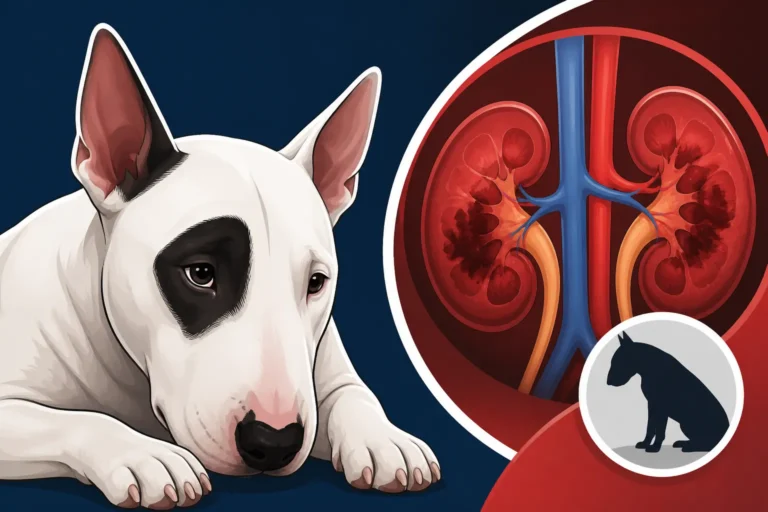
The culprit behind Hereditary Nephritis in Bull Terriers is a mutation in the COL4A1 gene. This gene is responsible for producing a vital component of the basement membrane in the kidney's filtering units. When this gene is mutated, this structural component doesn't form correctly, leading to leaky filters in the kidneys. This is how What Hereditary Nephritis Does to a Bull Terrier takes its devastating toll.
Crucially, this condition is inherited in an autosomal dominant manner. This means a Bull Terrier only needs to inherit one copy of the mutated gene from either parent to be affected by the disease. There are three possible genetic statuses for a Bull Terrier regarding HN:
- Clear: The dog does not have the mutated gene and will not develop HN or pass it on.
- Carrier: The dog has one copy of the mutated gene. It will likely develop HN and will pass the gene on to approximately 50% of its offspring.
- Affected: The dog has two copies of the mutated gene. These dogs typically develop very severe, early-onset HN, often succumbing to kidney failure at a young age, and will pass the gene on to 100% of their offspring. This directly explains Why One Parent Passes Bull Terrier Nephritis On.
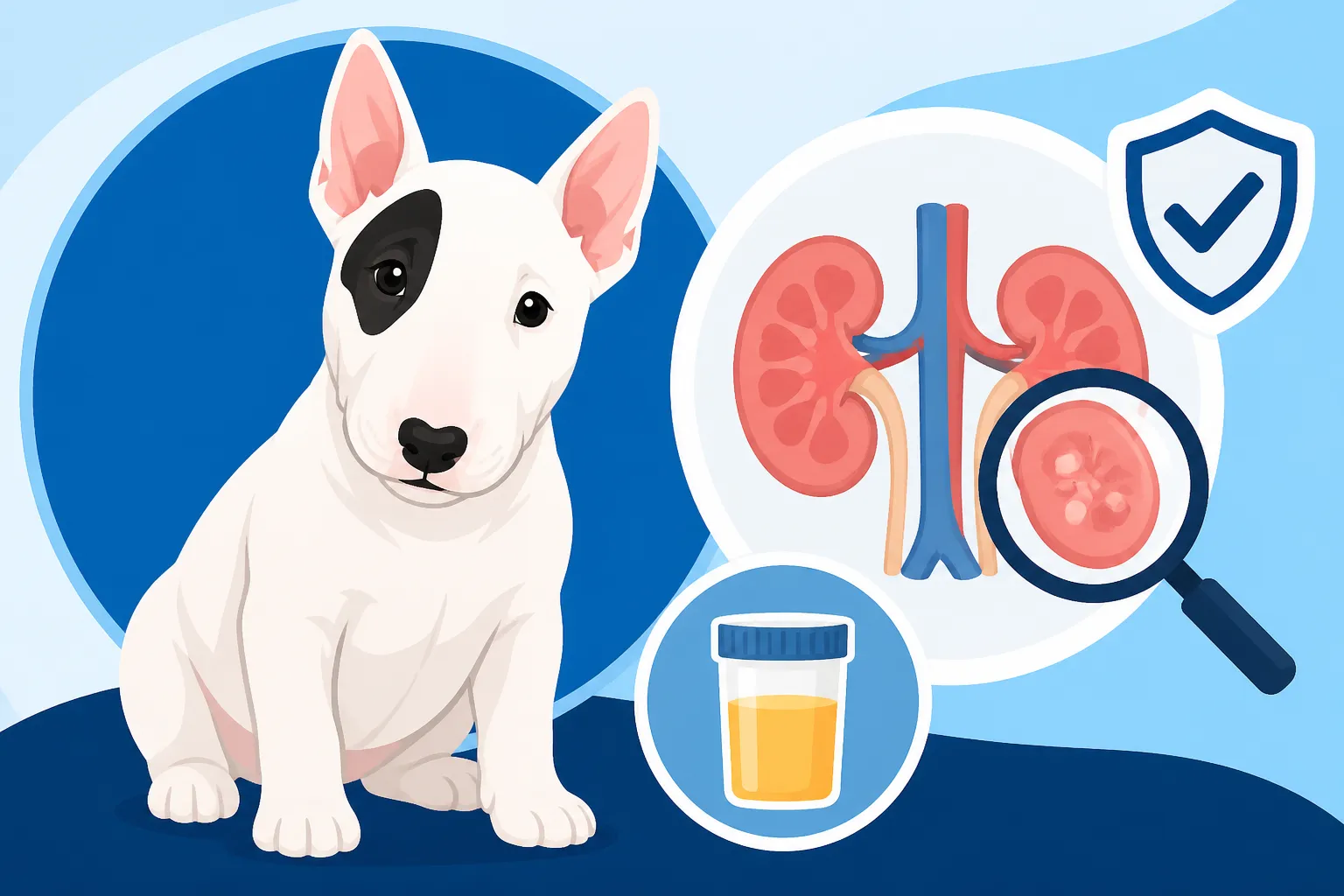
This genetic understanding is precisely why Whether a DNA Test for Bull Terrier Nephritis Exists is so important. A DNA test, typically performed via a cheek swab, can identify whether a puppy (or its parents) carries the COL4A1 mutation. This test can be done at any age, even on very young puppies, as their genetic makeup doesn't change. This genetic screening is the most definitive way to understand a puppy's inherited risk for HN, even before any physical symptoms emerge. It doesn't diagnose active kidney disease, but it tells you if the blueprint for that disease is present.
When Kidney Damage Actually Becomes Detectable
While the genetic mutation for Hereditary Nephritis is present from conception, the actual damage to the kidney and the subsequent clinical signs don't typically manifest until later in life. This is one of the most frustrating aspects of HN, as outwardly, your puppy can appear perfectly healthy for months or even years while the subtle kidney changes are occurring internally. Think of it like a slow leak in a pipe; the leak starts small, but it takes time for enough water to accumulate to cause visible dampness or a flood.
For Bull Terriers with HN, the progressive damage to the glomeruli leads to proteinuria, which is the leakage of protein into the urine. This is the hallmark sign that veterinarians look for, usually through a test called a urine protein-to-creatinine (UPC) ratio. However, a puppy's kidneys are still developing, and minor fluctuations can occur. Significant, persistent proteinuria indicative of HN typically doesn't show up reliably on a UPC test until a Bull Terrier is at least 6-12 months old, and often not until they are 18 months to 3 years or even older. This is why The Age Hereditary Nephritis Shows in a Bull Terrier varies so much.
Before this point, the kidneys might be undergoing microscopic changes, but they are still functioning well enough to prevent noticeable protein leakage or other signs of distress. This makes physical screening of very young puppies (under six months) for active kidney damage largely ineffective and prone to false negatives. The DNA test reveals the potential for the disease, but clinical tests like the UPC ratio are needed to monitor for its manifestation. This distinction is critical for understanding what kind of "screening" is truly beneficial at what age.
The Role of Responsible Breeding and Ongoing Monitoring
Given the complexities of Hereditary Nephritis, the responsibility of breeders and the commitment of owners to ongoing monitoring become paramount. It's not just about a one-time test; it's about a holistic approach to managing the breed's health.
Breeder Responsibilities and Genetic Testing
A truly responsible Bull Terrier breeder understands the genetic risks inherent in the breed, especially for a devastating condition like Hereditary Nephritis. They don't just breed two good-looking dogs; they breed two healthy dogs with known genetic backgrounds. This is where genetic screening of the parent dogs becomes indispensable.
Before planning a litter, both prospective sire and dam should undergo genetic testing for the COL4A1 mutation. This simple cheek swab test provides definitive results: Clear, Carrier, or Affected. Responsible breeders will meticulously plan their pairings to ensure that no puppy will ever be born affected with HN. This means never breeding two carriers together, as such a pairing would have a 25% chance of producing affected puppies. Instead, a responsible breeder will only breed a carrier dog with a clear dog, which still produces carriers but ensures no puppies are genetically affected. This proactive approach significantly reduces the incidence of the disease.
When you're looking for a Bull Terrier puppy, your breeder should be fully transparent and eager to share the genetic test results for both parents. They should have documentation from a reputable genetic testing lab, confirming their dogs' status. If a breeder hedges on providing these results, or claims their dogs are "visually clear," it's a huge red flag. This transparency is a cornerstone of responsible breeding and is a key part of What a Bull Terrier Breeder Should Have Tested. They should also be educating you on what these results mean for your puppy's potential risk.
Lifelong Monitoring Beyond Puppyhood
Even if your Bull Terrier puppy comes from genetically clear parents, or is a carrier but not affected, lifelong monitoring for kidney health is absolutely crucial. Hereditary Nephritis isn't the only kidney issue a Bull Terrier can face, and even with the genetic test, regular check-ups are non-negotiable.
The primary tool for monitoring kidney function in Bull Terriers, starting at a young age and continuing annually, is the urine protein-to-creatinine (UPC) ratio test. This simple urine test measures the amount of protein leaking into the urine, which is an early indicator of kidney dysfunction. A normal UPC ratio helps establish a baseline, and any significant increase over time can signal a problem. This is why The Yearly Urine Test Every Bull Terrier Owner Should Book is so vital. It’s an inexpensive, non-invasive way to keep an eye on those precious kidneys.
Your vet will likely recommend starting these yearly UPC screens around 1-2 years of age, or even earlier if there's any concern. They will track the trends over time. If a persistently elevated UPC ratio is detected, further diagnostics like blood work (to check kidney values like BUN and creatinine) and potentially an ultrasound of the kidneys might be recommended to fully assess the situation. This proactive monitoring allows for early intervention, which can significantly improve the prognosis and quality of life for a Bull Terrier dealing with kidney challenges, even if it's not the specific COL4A1 mutation type of HN. Being prepared for these ongoing health needs, especially the potential for costly diagnostics and long-term care, is where pet insurance like Healthy Paws can be an absolute lifesaver, helping to cover unexpected veterinary bills.
Practical Steps for New Bull Terrier Owners
Navigating the world of Bull Terrier health can feel overwhelming, especially when you're bringing home a new puppy. But by taking proactive steps and partnering with the right people, you can set your Bull Terrier up for the healthiest life possible.
Choosing a Reputable Breeder
This is arguably the single most important decision you'll make in protecting your Bull Terrier from Hereditary Nephritis and other inherited conditions. A reputable breeder is your first and best line of defense. They are transparent, ethical, and prioritize the health and temperament of their dogs above all else.
Here's what to look for and what questions to ask:
- Ask about health testing for both parents: Specifically inquire about genetic testing for Hereditary Nephritis (the COL4A1 gene mutation) and ask to see the official results from a recognized lab. Don't accept vague assurances. You want to see "Clear," "Carrier," or "Affected" reports for both sire and dam.
- Understand the implications: If one parent is a carrier, ask the breeder how they ensure affected puppies aren't produced (i.e., breeding only with a clear mate). If both parents are clear, that's ideal for reducing HN risk.
- Ask about other essential health clearances: Beyond HN, reputable breeders will also screen for other Bull Terrier health concerns like cardiac issues (echocardiograms for mitral valve dysplasia or aortic stenosis), patellar luxation, and BAER testing for deafness (especially for white Bull Terriers). The Five Tests a Bull Terrier Breeder Should Have Paid For is an excellent resource for this.
- Inquire about their mentorship and support: A good breeder will be a lifelong resource, ready to answer questions and provide guidance as your puppy grows. This ongoing relationship is invaluable.
- Visit the facility (if possible) or do a virtual tour: Observe the living conditions of the adult dogs and puppies. Are they clean, well-socialized, and healthy-looking?
- Review the contract: A good contract will outline health guarantees, return policies, and expectations for lifelong care.
Choosing a reputable breeder significantly increases your chances of bringing home a genetically sound puppy, reducing the heartbreak and expense of dealing with preventable hereditary diseases.
Partnering with Your Veterinarian for Proactive Care
Once your Bull Terrier puppy is home, your veterinarian becomes your crucial partner in maintaining their health. Establishing a strong relationship with a vet who understands the unique needs of Bull Terriers is incredibly important.
Here’s how to work proactively with your vet:
- Share all breeder documentation: Bring all health clearances, genetic test results for the parents, and any health records from the breeder to your first vet appointment. This provides your vet with a comprehensive health history from day one.
- Discuss a proactive health plan: Talk to your vet about the breed-specific concerns, including Hereditary Nephritis. Plan a schedule for future screenings. While a direct HN diagnostic isn't feasible in a tiny pup, you can certainly discuss commencing yearly UPC ratio testing from around 1-2 years of age to monitor kidney health. Your vet can guide you on How Often a Bull Terrier's Urine Should Be Tested.
- Regular wellness checks: Don't skip annual check-ups, even if your Bull Terrier seems perfectly healthy. These visits are vital for early detection of any potential issues, not just kidney disease.
- Consider pet insurance early: Investing in pet insurance, like a plan from Healthy Paws, when your Bull Terrier is a puppy can provide immense peace of mind. Many plans have waiting periods, and pre-existing conditions are typically not covered. Enrolling while your pup is healthy means you'll have coverage in place if any hereditary or unexpected health issues, including kidney disease, arise later in life. This can significantly offset the financial strain of managing a chronic condition.
- Open communication: Don't hesitate to ask questions or raise any concerns you have, no matter how small they seem. You know your dog best, and your observations are invaluable to your vet.
Recognizing Early Warning Signs
Even with the best breeding practices and proactive vet care, it's essential for Bull Terrier owners to be vigilant and recognize the subtle signs that could indicate a problem, including potential kidney issues. While definitive diagnosis requires a vet, your awareness can prompt early intervention.
Here are some signs that might warrant a vet visit, even if they seem minor:
- Increased Thirst and Urination (Polydipsia/Polyuria): This is one of the classic early signs of kidney problems. If your puppy or young adult Bull Terrier starts drinking significantly more water than usual, or needs to go outside to urinate more frequently, or has accidents in the house when previously house-trained, it's a red flag. Signs a Bull Terrier Is Drinking More Than It Used To is a helpful reference.
- Changes in Appetite or Weight Loss: A sudden decrease in appetite, pickiness with food, or unexplained weight loss can be a sign that something isn't right internally.
- Lethargy or Decreased Energy: While Bull Terriers are known for their bursts of energy, a persistent lack of enthusiasm for play, increased sleeping, or general sluggishness should be noted.
- Poor Coat Quality: A dull, dry, or unhealthy-looking coat can sometimes be an indicator of underlying health issues, including kidney problems.
- Vomiting or Diarrhea: While these can be due to many things, persistent gastrointestinal upset, especially without a clear dietary cause, could be concerning.
- Pale Gums: Healthy gums should be a salmon pink. Pale gums can indicate anemia, which can be associated with advanced kidney disease.
- Unusual Odor to Breath: A metallic or ammonia-like smell on the breath can sometimes indicate a buildup of toxins due to failing kidneys. This is often a sign of more advanced disease.
It's important to remember that these signs are not exclusive to kidney disease and can indicate other health issues. The key is to notice any persistent changes in your Bull Terrier's normal behavior or physical state and contact your veterinarian promptly. Early detection, even of subtle signs, can make a significant difference in management and outcome. Your insurance provider, like Healthy Paws, would rather you come in early for diagnostics than wait until a condition is far advanced.
Bull Terrier Kidney Health Screening Overview
Here’s a quick overview of the different methods used to assess kidney health in Bull Terriers, what they indicate, and when they are typically performed:
| Test Type | What It Screens For | When Performed | What It Tells You | Limitations |
|---|---|---|---|---|
| DNA Test (COL4A1) | Genetic predisposition to Hereditary Nephritis (HN) | Any age (ideally on parents before breeding, or on puppy at any age) | Whether a dog is genetically Clear, a Carrier, or Affected for the specific HN gene. Predictive of risk. | Does not indicate current kidney function or other types of kidney disease. |
| Urinalysis (UPC) | Protein leakage in urine (proteinuria), an early sign of kidney damage, including HN | Annually, starting at 1-2 years of age (or earlier if concerns arise) | Measures protein loss, indicating potential kidney filter dysfunction. Tracks trends over time. | Not definitive for HN in young puppies; can be affected by other factors (e.g., infection). |
| Blood Work | Kidney values (BUN, Creatinine), phosphorus, calcium, electrolytes | Annually, often starting in middle age (or if UPC is elevated or other signs) | Assesses overall kidney function. Elevated values indicate significant kidney damage. | Values typically only rise when ~75% of kidney function is lost. Not an early detection for mild damage. |
| Kidney Ultrasound | Structural integrity of the kidneys (size, shape, presence of cysts) | As indicated by other test results or clinical signs | Visualizes kidney structure for abnormalities. Can detect other conditions like Polycystic Kidney Disease. | Requires specialized equipment and expertise. Not a routine screening for HN. |
Disclaimer
This article is intended for informational purposes only and does not constitute medical advice. Always consult with a qualified veterinarian for any health concerns or before making any decisions about your Bull Terrier's health care.