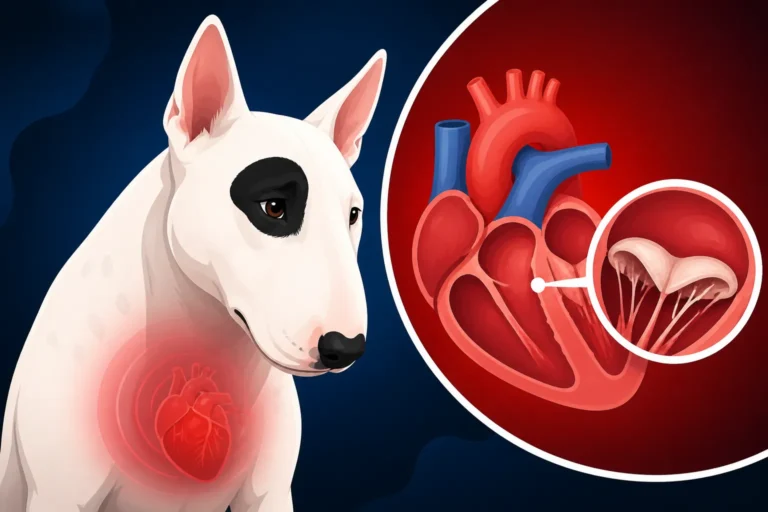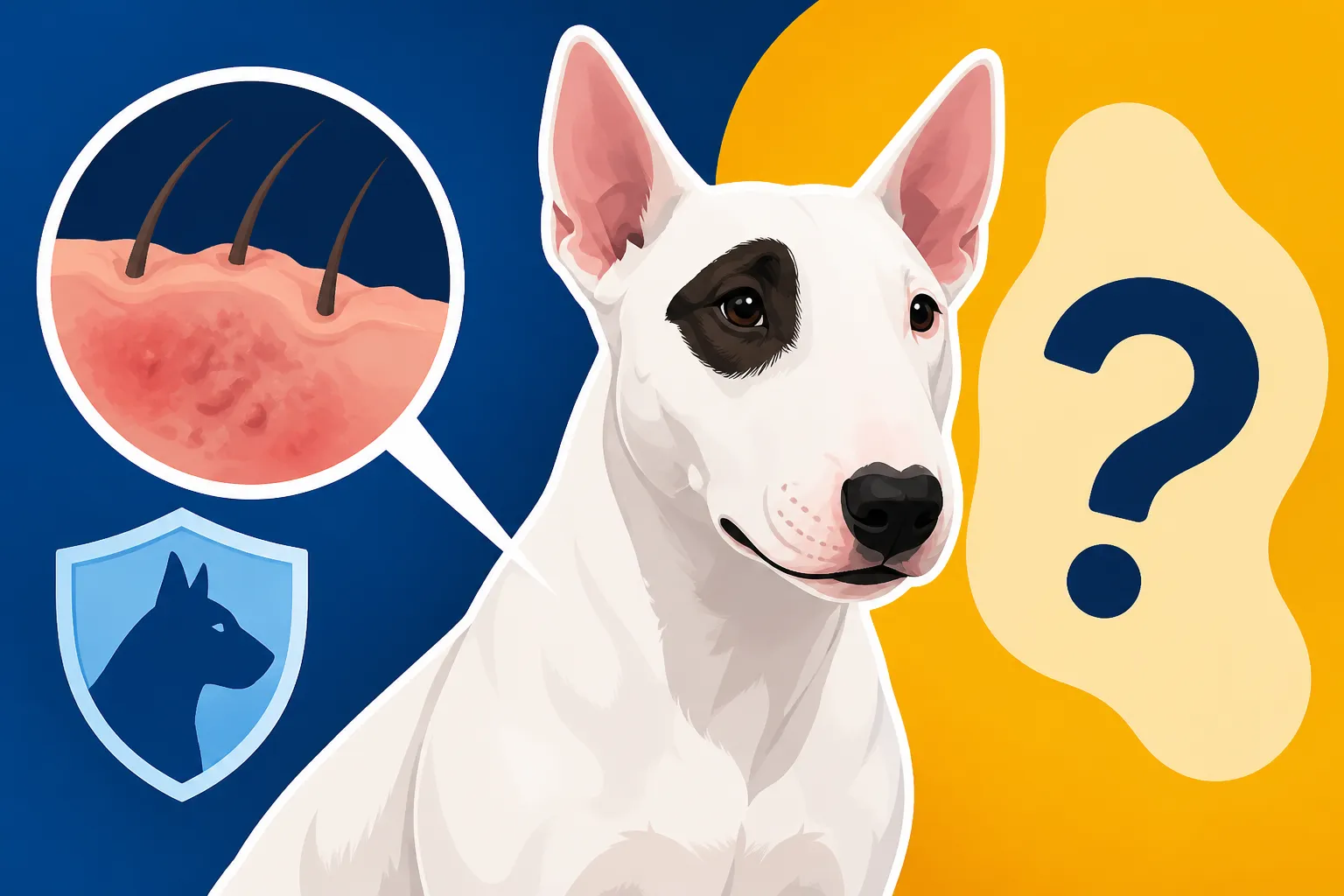
Whether an Acrodermatitis Carrier Bull Terrier Is Affected
It's absolutely heartbreaking to hear about conditions like Acrodermatitis (AD) in our beloved Bull Terriers, and it’s natural to feel a wave of anxiety when terms like "carrier" start getting thrown around. You might be wondering if your carrier Bull Terrier is secretly suffering, or if a perfectly healthy dog could suddenly develop symptoms. This comprehensive guide is here to unravel the truth about Acrodermatitis carriers, reassure worried owners, and provide clear information on what being a carrier truly means for your dog's health and future.
Unpacking Acrodermatitis in Bull Terriers
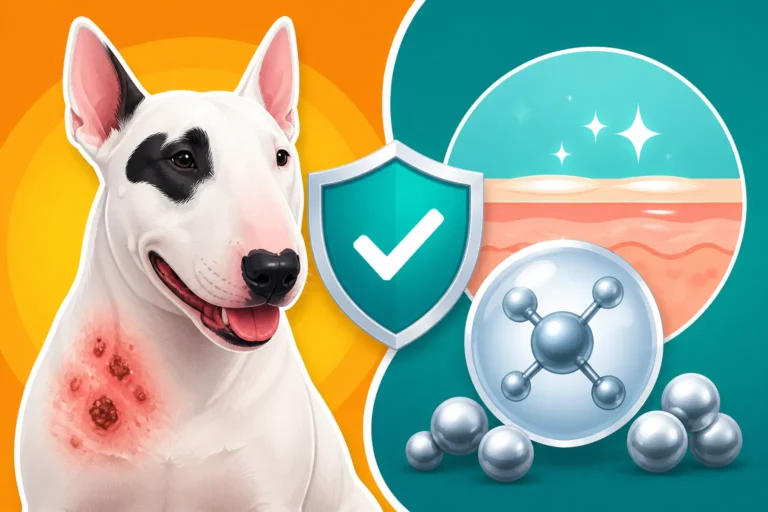
Before we dive into what it means to be a carrier, let's make sure we're all on the same page about Acrodermatitis itself. This isn't just some run-of-the-mill skin irritation; it's a devastating, inherited condition specific to Bull Terriers and Miniature Bull Terriers. It’s caused by a genetic mutation that prevents the body from properly absorbing and utilizing zinc, even if there's enough zinc in their diet.
What Acrodermatitis Does to an Affected Puppy
An "affected" Bull Terrier puppy, meaning one that has inherited two copies of the faulty gene (one from each parent), will sadly face a very grim prognosis. These puppies typically show signs very early, often around 4-7 weeks of age. Their growth severely stunts, and their paws become red, cracked, and crusty, often with painful lesions. We’re talking about an extreme immune deficiency, making them susceptible to every infection imaginable. They often suffer from chronic diarrhea, pneumonia, and a general failure to thrive. It’s a truly miserable condition, and most affected puppies don’t make it past their first year, with many succumbing much earlier. It’s a stark reminder of why Lethal Acrodermatitis Kills a Bull Terrier Puppy Before It Grows Up is such a critical topic for new owners to understand. You'll often see distinct symptoms like thickened, hyperkeratotic paw pads and skin lesions around the eyes, muzzle, and pressure points. These puppies are almost always undersized and lethargic, struggling to eat and digest food properly. Their immune system is so compromised that even minor infections can become life-threatening, making a simple sniffle a monumental challenge.
The Genetic Basis of Acrodermatitis
Acrodermatitis is an autosomal recessive disorder. This fancy genetic term simply means two copies of the defective gene are required for a dog to be affected by the disease. Let’s break down the possibilities:
- Clear (or "Normal"): A dog with two copies of the healthy gene. They cannot get AD and cannot pass the gene on.
- Carrier: A dog with one copy of the healthy gene and one copy of the defective gene. This is the focus of our discussion!
- Affected: A dog with two copies of the defective gene. This dog will develop AD.
The specific gene responsible for Acrodermatitis in Bull Terriers is the MKLN1 gene. A mutation within this gene leads to the zinc malabsorption issue. Understanding Which Gene Causes Acrodermatitis in Bull Terriers is crucial for breeders trying to eliminate this devastating condition from their lines responsibly. This inheritance pattern is why two seemingly healthy dogs can produce an affected puppy if both parents are carriers. It’s a silent threat without proper testing, which is why DNA testing has become such a vital tool in responsible breeding programs.
The Role of DNA Testing
Thankfully, modern science has given us a powerful tool: a DNA test for Acrodermatitis. This simple cheek swab can accurately determine whether a Bull Terrier is clear, a carrier, or affected. When The Bull Terrier Acrodermatitis DNA Test Arrived, it was a game-changer for the breed, offering a clear path to prevent the birth of affected puppies. Reputable breeders utilize this test on all their breeding stock, sometimes even testing entire litters, to make informed decisions about pairings and to offer full transparency to prospective puppy buyers. This test is non-invasive and provides definitive results, removing the guesswork from a historically heartbreaking genetic lottery. Knowing the status of breeding dogs is paramount to eradicating this disease.
The Life of an Acrodermatitis Carrier Bull Terrier
Here's the crucial takeaway, the answer to the core question: An Acrodermatitis carrier Bull Terrier is NOT affected by the disease. This means your dog will not develop the symptoms of AD, will not suffer from zinc malabsorption, and will live a completely normal, healthy life. This is the most important piece of information for any owner of a carrier dog.
Are Carriers Sick? The Definitive "No"
It’s easy to hear the word "carrier" and immediately assume the worst, especially when the disease itself is so severe. You might envision a dog with mild symptoms or a ticking time bomb, but that's simply not the case with AD carriers. A carrier Bull Terrier functions just like any "clear" Bull Terrier. They have sufficient healthy genetic material to process zinc normally, maintain a robust immune system, and grow into strong, vibrant adults. There are no subtle signs of illness, no hidden health issues directly linked to their carrier status. They eat, play, run, and snuggle just like any other happy Bull Terrier. It's truly a normal life, much like how a healthy human can carry a gene for a recessive condition without ever experiencing symptoms. This is why many owners choose to insure their Bull Terriers with companies like Healthy Paws, knowing that general health concerns, rather than AD, are the more likely issues they'll face.
What "Carrier" Actually Means for Daily Life
For your everyday life with your Bull Terrier, "carrier" status changes absolutely nothing. You won't need special diets, extra supplements, or different veterinary care because of it. Your carrier Bull Terrier will enjoy The Ten to Fourteen Years a Bull Terrier Gets without Acrodermatitis ever being a concern for them. Think of it like this: your dog has a blueprint for a house, and one tiny section on that blueprint has a flaw. But because they have a perfectly good, identical backup section, the house gets built perfectly. The flaw is there, but it's completely overridden by the healthy copy. You'll still need to provide a good quality diet, regular exercise, routine vet check-ups, and plenty of love, but none of these need to be adjusted for carrier status. The only real implication of carrier status comes into play if you were considering breeding your dog, which we’ll discuss next.
Why the Term "Carrier" Can Be Misleading
The term "carrier" itself, while scientifically accurate, often causes undue alarm. In many contexts, "carrier" can imply an asymptomatic infection or a predisposition to a milder form of a disease. However, in the context of recessive genetic disorders like AD, it solely means the dog carries the gene but does not express the disease. This confusion leads to unnecessary worry for owners and sometimes even prejudice against perfectly healthy dogs. It’s important to educate ourselves and others that a carrier Bull Terrier is a healthy Bull Terrier. They are not compromised, they are not fragile, and they are not destined for an early grave due to Acrodermatitis. A reputable breeder will always disclose carrier status, not as a warning sign for the individual dog’s health, but as crucial information for future breeding decisions.
Breeding Considerations for Acrodermatitis Carriers
While carrier Bull Terriers are completely healthy, their carrier status becomes incredibly significant if you're a breeder or are considering breeding your dog. The goal of responsible breeding is to produce healthy puppies, and that means avoiding the creation of affected individuals.
Responsible Breeding Practices with Carriers
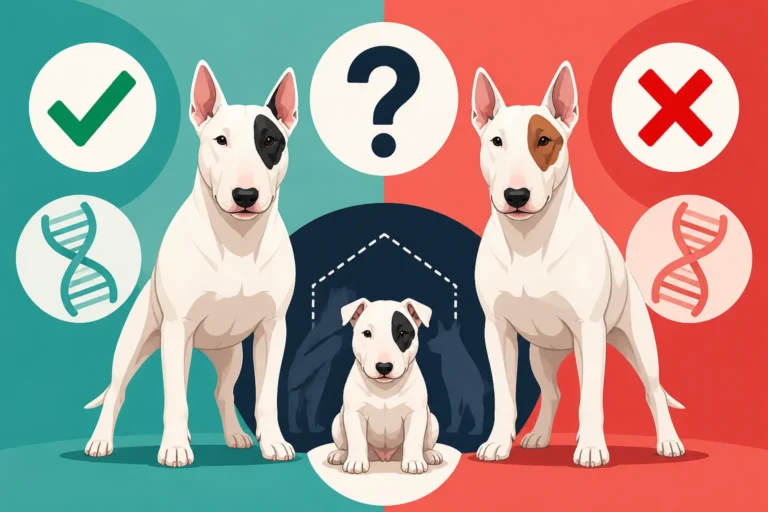
The existence of a reliable DNA test means there's no excuse for producing affected Acrodermatitis puppies today. Responsible breeders know that a carrier dog can still be a valuable part of a breeding program, provided they are mated with a "clear" partner. When a carrier is bred to a clear dog, none of the offspring will be affected. Statistically, about 50% of the puppies will be clear, and 50% will be carriers. This allows breeders to retain excellent conformation, temperament, or other desirable traits from a carrier dog without risking the health of the puppies. Many ethical breeders rely on genetic testing services to confirm the status of their breeding stock, which is a major investment in the future health of the breed. This practice demonstrates a commitment to transparency and the welfare of the dogs.
Avoiding Affected Puppies
The primary concern when breeding carriers is to prevent the mating of two carriers. If two carriers are bred together, there is a 25% chance with each puppy that it will be affected, a 50% chance it will be a carrier, and a 25% chance it will be clear. This 1 in 4 chance of producing a puppy with such a severe, ultimately fatal disease is why Whether Two Bull Terrier Acrodermatitis Carriers Should Be Bred is a hard "no" for ethical breeders. The genetic test makes this entirely preventable. Any breeder who is not testing their stock for AD, or who knowingly breeds two carriers, is acting irresponsibly and putting puppies at severe risk. When looking for a puppy, always ask for proof of parentage testing for AD. This due diligence can save you and a puppy from immense heartbreak.
The Role of DNA Testing in Mating Choices
DNA testing provides breeders with the knowledge to make educated mating choices. It allows them to manage the AD gene responsibly within the breed population. Instead of completely removing carriers from the gene pool – which could inadvertently reduce genetic diversity and eliminate other valuable traits – breeders can use carriers strategically. For instance, a valuable carrier male with exceptional qualities can be bred to multiple clear females, spreading his positive traits without producing affected puppies. The puppies from these pairings can then be tested, and future breeding decisions made based on their individual results. This ensures that What a Bull Terrier Breeder Should Have Tested always includes the AD DNA test, alongside other vital screenings for heart, kidney, and hearing health. This commitment to testing benefits the entire breed, slowly but surely reducing the prevalence of the AD gene.
Living with a Carrier Bull Terrier: What Owners Need to Know
If you've discovered your Bull Terrier is an Acrodermatitis carrier, take a deep breath. It's truly not a cause for concern regarding your dog's personal health or wellbeing. Your focus should remain on general care and providing the best possible life.
No Special Care Needed
Let's reiterate: a carrier Bull Terrier does not require any specialized care, diet, or medication related to Acrodermatitis. Their zinc absorption is normal, their immune system is robust, and their skin and paws will be healthy (assuming no other unrelated conditions, of course). You simply continue to care for them as you would any other Bull Terrier. Provide a balanced, high-quality dog food, ensure they get adequate exercise to match their energetic nature, and keep up with routine veterinary check-ups. Don't fall prey to the temptation to over-supplement with zinc, as excessive zinc can actually be harmful. Stick to what your vet recommends for a healthy dog. This freedom from special requirements often gives owners peace of mind, knowing they don't need to change their established routines or incur extra expenses.
Importance of Knowing Carrier Status for Future Breeding
Even if you have no immediate plans to breed your Bull Terrier, knowing their carrier status is valuable information. If your dog is intact and you're contemplating breeding them down the line, this knowledge becomes essential for making responsible choices. Similarly, if your dog is a carrier and you choose to spay or neuter them, you've removed any future breeding risk. This is often the path many pet owners take, ensuring that while their beloved companion carries a gene, it won't be passed on. Some owners appreciate knowing for pedigree research or for contributing to breed health databases, even without breeding. This data helps the breed clubs monitor gene prevalence and guide future breeding strategies.
Routine Health and Wellness, Just Like Any Other Bull Terrier
Your carrier Bull Terrier should receive the same comprehensive health care as any other Bull Terrier. This includes annual veterinary wellness exams, appropriate vaccinations, parasite prevention, and attention to common Bull Terrier health concerns like kidney issues (The Yearly Urine Test Every Bull Terrier Owner Should Book is very important here), heart conditions, and skin sensitivities. Companies like Healthy Paws offer comprehensive pet insurance plans that cover a wide range of illnesses and accidents, which is far more relevant to a carrier Bull Terrier's actual health needs than worrying about AD. Focus on preventative care, early detection of potential issues, and maintaining a healthy lifestyle. Your carrier Bull Terrier's lifespan will be determined by the same factors as any other dog: genetics (unrelated to AD carrier status), nutrition, exercise, and overall medical care.
Here’s a quick comparison to summarize the differences:
| Trait/Status | Clear Bull Terrier | Acrodermatitis Carrier Bull Terrier | Affected Acrodermatitis Bull Terrier |
|---|---|---|---|
| Genetic Makeup | Two healthy gene copies | One healthy, one defective gene copy | Two defective gene copies |
| Zinc Absorption | Normal | Normal | Severely impaired |
| Immune System | Normal | Normal | Severely compromised |
| Health Status | Healthy | Healthy | Severely ill |
| Symptoms of AD | None | None | Severe skin lesions, infections, stunted growth, diarrhea |
| Lifespan | Normal Bull Terrier lifespan | Normal Bull Terrier lifespan | Typically does not survive past one year |
| Can Pass Gene to Offspring? | No | Yes (50% chance per puppy) | Yes (100% chance per puppy) |
| Breeding Recommendation | Can be bred with any status | Only breed with a "Clear" partner | Should not be bred |
In conclusion, while Acrodermatitis is a serious concern for the Bull Terrier breed as a whole, understanding the genetics behind it clearly shows that a carrier Bull Terrier is a healthy Bull Terrier. You can breathe a sigh of relief and continue enjoying your beloved companion knowing they are not personally affected by this condition.
Disclaimer
The information provided in this article is for general informational purposes only and is not a substitute for professional veterinary advice. Always consult with a qualified veterinarian for any health concerns or before making any decisions related to your Bull Terrier's health or treatment.