How Many Bull Terriers Carry the Acrodermatitis Gene
The moment you welcome a Bull Terrier into your life, you're not just getting a dog; you're inviting a whirlwind of unique personality, undeniable charm, and a whole lot of questions about their specific health challenges. One of the most heartbreaking conditions a Bull Terrier can face is Lethal Acrodermatitis, or LAD. It’s a devastating inherited disorder, and as a loving owner or prospective one, you naturally worry about its prevalence. This comprehensive guide will delve deep into how many Bull Terriers carry the gene for Acrodermatitis, what that means for the breed, and how you can be a part of preventing this disease.
Understanding Lethal Acrodermatitis and its Genetic Blueprint
Before we talk about carrier percentages, it’s crucial to truly grasp what Lethal Acrodermatitis is and how it’s passed down. It’s not just a skin condition; it’s a systemic breakdown that impacts nearly every part of a puppy’s body, leaving owners feeling helpless and heartbroken.
What Lethal Acrodermatitis Does to a Bull Terrier
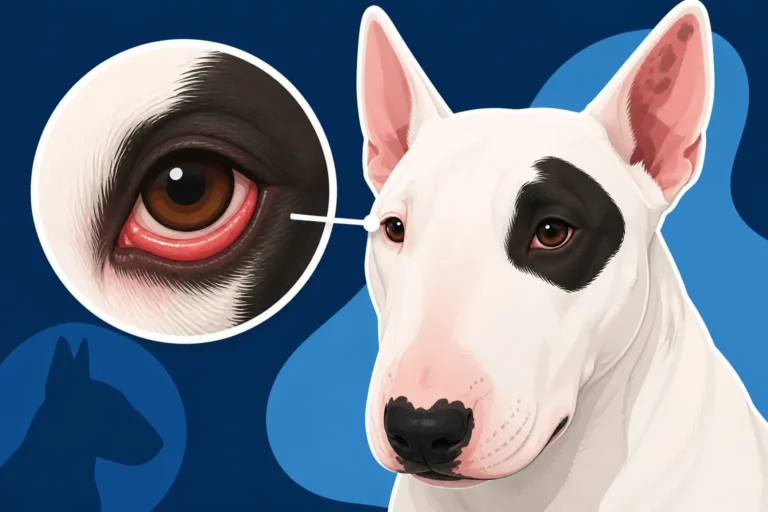
Lethal Acrodermatitis, often shortened to LAD, is a severe, inherited immune deficiency and zinc malabsorption disorder specific to Bull Terriers. Puppies affected by LAD typically appear normal at birth, which can be so deceptively cruel. But as they grow, usually between 4 and 7 weeks of age, the signs begin to manifest, and they are utterly heartbreaking. These puppies develop painful skin lesions, especially on their paws, around their eyes, nose, and mouth. Their skin thickens and cracks, making movement excruciating. You might notice they have incredibly poor growth, fail to thrive, and struggle to eat properly.
Beyond the visible skin issues, their immune systems are severely compromised, making them highly susceptible to all sorts of infections. Respiratory problems, diarrhea, and a general wasting away become common. Their beautiful, clownish spirit fades as they are overwhelmed by illness and discomfort. Sadly, despite the best veterinary care, there is no cure, and affected puppies rarely survive past two years of age, with most succumbing much earlier. It’s a truly devastating condition that underscores why understanding its genetic basis is so critical. For more in-depth information on the symptoms, you might want to read about What Lethal Acrodermatitis Does to a Bull Terrier.
How the Acrodermatitis Gene is Inherited
LAD is an autosomal recessive genetic disorder. What does "autosomal recessive" actually mean in plain English? It means two key things for Bull Terrier owners and breeders:
- Autosomal: The gene responsible for LAD is located on a non-sex chromosome. This means it affects both male and female Bull Terriers equally. There's no difference in risk based on your dog's sex.
- Recessive: This is the critical part. For a Bull Terrier puppy to actually suffer from LAD, it must inherit two copies of the defective gene—one from its mother and one from its father.
This is where the concept of a "carrier" comes in. A Bull Terrier that is a "carrier" of the LAD gene has one normal copy of the gene and one copy of the defective gene. Because the normal gene is "dominant," the carrier dog itself will be perfectly healthy and show no signs of LAD. They will live a full, normal life, entirely unaffected by the condition. However, they carry the potential to pass that single defective gene copy on to their offspring.
Here’s a simple breakdown of the possible outcomes when breeding:
| Parent 1 Status | Parent 2 Status | Offspring Possibilities (Approximate) |
|---|---|---|
| Clear | Clear | 100% Clear |
| Clear | Carrier | 50% Clear, 50% Carrier |
| Clear | Affected | 100% Carrier |
| Carrier | Carrier | 25% Clear, 50% Carrier, 25% Affected |
| Carrier | Affected | 50% Carrier, 50% Affected |
| Affected | Affected | 100% Affected |
As you can see from the table, the real risk comes when two carriers are bred together. This combination can, tragically, produce puppies affected by LAD. This knowledge is precisely why genetic testing is so vital in responsible breeding programs. Knowing How Acrodermatitis Is Inherited in Bull Terriers is the first step in prevention.
Prevalence of the LAD Carrier Gene in Bull Terriers
This is the big question, isn't it? How widespread is this gene? It's natural to feel a knot in your stomach wondering if your beloved Bull Terrier, or a puppy you're considering, might unknowingly carry this burden. The truth is, the LAD carrier gene is present in the Bull Terrier population, but thanks to dedicated efforts, its prevalence is being managed.
Current Statistics and Estimates
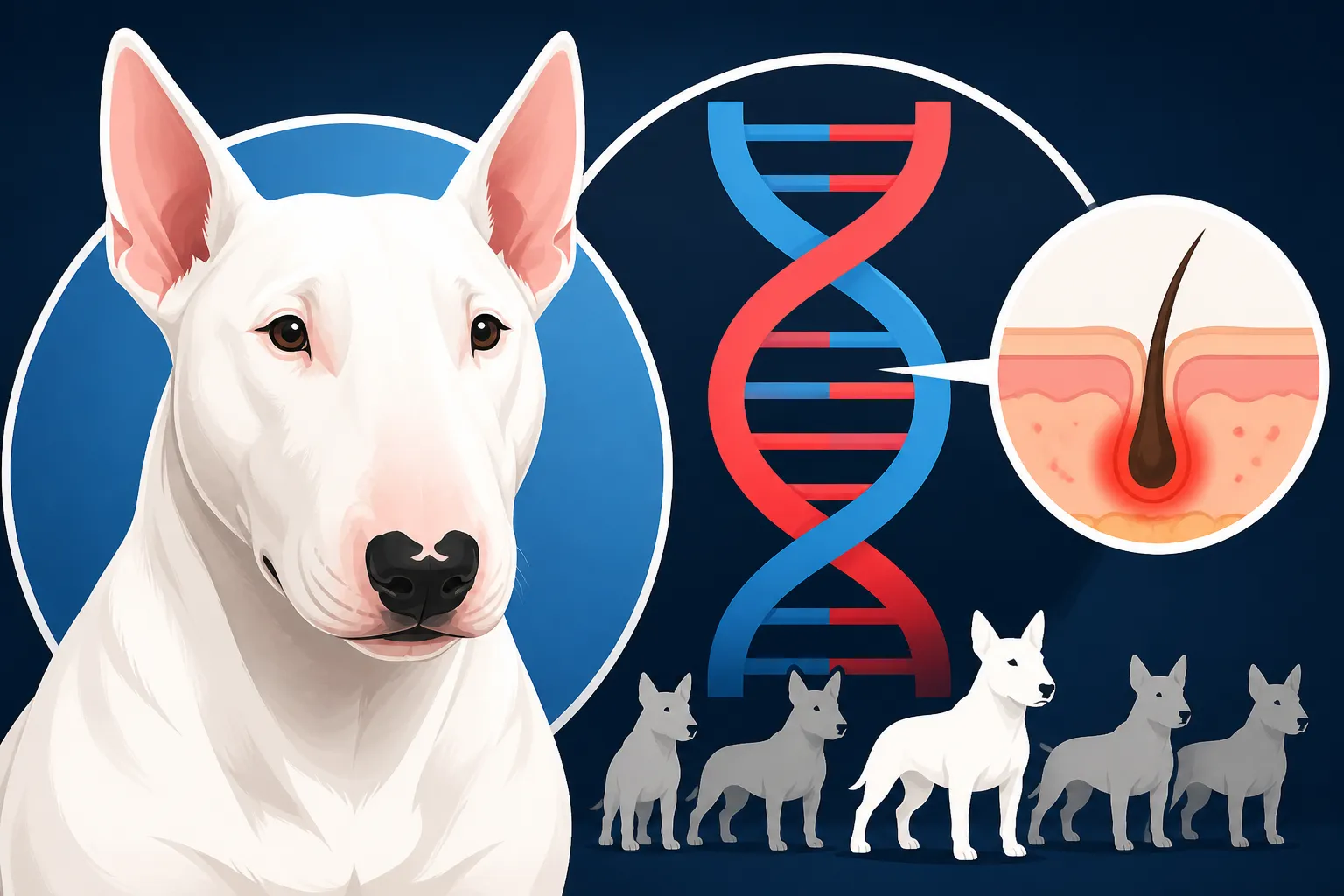
Thanks to the development of a reliable DNA test, breeders and researchers have been able to get a much clearer picture of the gene's prevalence. While exact, universal figures can fluctuate slightly depending on the specific population studied (e.g., region, specific kennel lines), general estimates suggest that around 15-20% of Bull Terriers may be carriers for the LAD gene. Some studies have placed this figure slightly higher or lower, but this range gives you a good idea of the gene's presence.
This percentage might sound high to some, but it’s important to understand the context. Before the DNA test became widely available, breeders were often unaware of carrier status, making it much harder to avoid breeding two carriers together. The advent of genetic testing has been a game-changer, allowing for informed breeding decisions that significantly reduce the likelihood of producing affected puppies. The key is that these numbers are known now, which empowers responsible breeders.
Organizations like the Orthopedic Foundation for Animals (OFA) collect and publish health testing data, including LAD results for Bull Terriers in North America. These public databases provide transparency and help track the gene's frequency. Many dedicated breed clubs and ethical breeders actively test their breeding stock and work towards reducing the carrier rate responsibly without overly constricting the gene pool.
The Impact of Carrier Status
Let's reiterate something incredibly important: a Bull Terrier that is a carrier for LAD is not affected by the disease itself. They will not show any symptoms, they will not get sick from it, and they will live a completely normal, healthy life. Their carrier status only becomes relevant if they are considered for breeding.
Imagine you have a beautiful Bull Terrier, full of life and mischief. If you decide to have them tested and find out they are a carrier, it's natural to feel a pang of worry. But it's crucial to remember that this finding is for future breeding decisions, not a diagnosis of ill health for your current companion. A carrier simply means they carry one copy of the gene, but because they also have a healthy copy, the disease does not manifest. This is why it's a silent threat without testing, but with testing, it's manageable. For more on this, you might find "Whether an Acrodermatitis Carrier Bull Terrier Is Affected" helpful.
This distinction is vital for both breeders and pet owners. For pet owners, understanding that a carrier is a healthy dog helps alleviate unnecessary anxiety. For breeders, it means they can still use carriers in their breeding programs, but only by carefully selecting a "clear" mate to ensure no affected puppies are produced.
The Importance of Genetic Testing and Responsible Breeding
Knowing the prevalence of the LAD gene puts the power in our hands. Genetic testing isn't just a suggestion; it's a fundamental responsibility for anyone involved in breeding Bull Terriers and a smart move for prospective puppy buyers.
The Role of DNA Testing
The DNA test for Lethal Acrodermatitis is a simple, non-invasive cheek swab test that can definitively determine a Bull Terrier's status: clear, carrier, or affected (though affected puppies usually don't survive long enough to be breeding candidates). This test is incredibly accurate and has revolutionized the way breeders approach this condition.
Leading laboratories, such as Animal Health Trust (AHT) in the UK (though they have ceased operations, other labs have taken over), the University of California, Davis (UC Davis), and Optigen, among others, offer this specific genetic test. They provide reliable results that breeders can use to make informed decisions. The test involves simply swabbing the inside of the dog's cheek to collect saliva, which contains DNA. This sample is then sent to the lab for analysis. It’s a small, one-time investment that offers immense peace of mind and prevents untold suffering. Knowing When the Bull Terrier Acrodermatitis DNA Test Arrived really highlights how relatively new and impactful this tool is.
If you are considering getting a Bull Terrier puppy, always ask to see the LAD test results for both parents. A reputable breeder will have this information readily available and will be transparent about their breeding practices. If a breeder hesitates or cannot provide these results, it should raise a significant red flag.
Responsible Breeding Practices to Mitigate LAD
Responsible Bull Terrier breeders take LAD seriously. Their goal is to produce healthy puppies, and genetic testing is an indispensable tool in achieving that. Here's how ethical breeders typically approach the challenge of LAD:
- Test All Breeding Stock: Every Bull Terrier intended for breeding should be DNA tested for LAD before being bred. This is non-negotiable for responsible breeders.
- Strategic Pairings:
- Clear to Clear: The safest pairing, guaranteeing all puppies will be clear of the LAD gene.
- Clear to Carrier: This pairing will produce puppies that are approximately 50% clear and 50% carriers. No affected puppies will be born from this cross. Breeders using this pairing will test the resulting puppies to identify carriers, who can then be placed in pet homes with appropriate spay/neuter contracts or carefully considered for future breeding with a clear mate. This method allows for the retention of valuable traits from the carrier parent while still preventing affected offspring. The Bull Terrier Club of America outlines such guidelines.
- Carrier to Carrier: This pairing is strictly avoided by responsible breeders because it carries a 25% risk of producing affected puppies. This is why knowing "Whether Two Bull Terrier Acrodermatitis Carriers Should Be Bred" is so important.
- Transparency: Responsible breeders will openly share test results with prospective puppy buyers, often providing copies of the official certificates.
- Long-Term Goal: While completely eliminating the carrier gene from the population is a long and complex process (and sometimes undesirable if it severely restricts the gene pool), the immediate goal is to prevent the birth of affected puppies. Over time, by consistently breeding clear to clear or clear to carrier, the overall prevalence of the gene can be reduced.
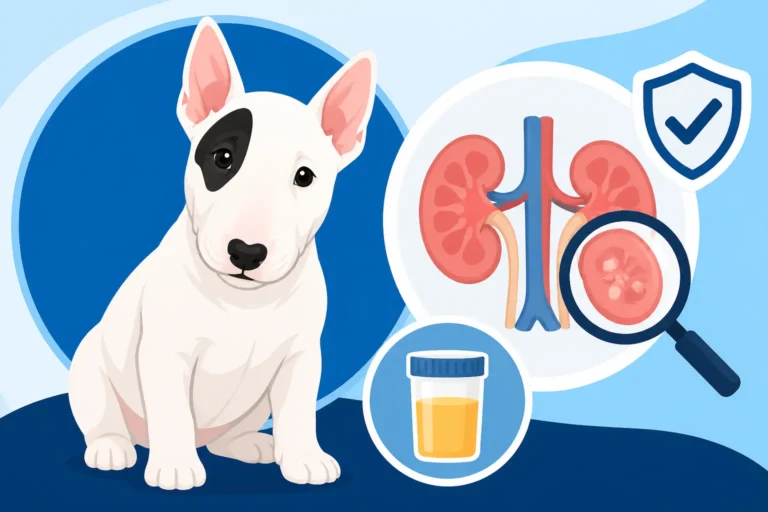
By following these practices, breeders ensure that families bringing home a Bull Terrier puppy can do so with confidence, knowing they won't face the tragedy of LAD. This commitment to health testing, including the yearly kidney screen a Bull Terrier needs for life, is part of What a Bull Terrier Breeder Should Have Tested.
Life as a Bull Terrier Owner: Practical Considerations
Beyond the genetics, being a Bull Terrier owner means being prepared for anything. These dogs are robust and full of life, but their unique breed-specific health concerns warrant a proactive approach.
What Owners Should Know and Do
If you’re embarking on the incredible journey of owning a Bull Terrier, arming yourself with knowledge is your best defense.
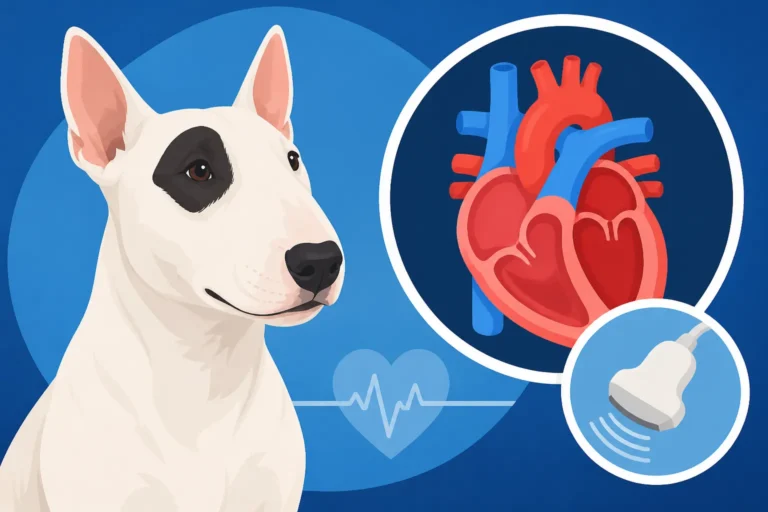
- Demand Health Clearances: As mentioned, always ask to see the LAD DNA test results for both parents of any puppy you consider. Don't be shy about it. A good breeder will appreciate your diligence. Inquire about other crucial health tests as well, such as cardiac screenings (echo/auscultation), kidney screening (UPC ratio), and BAER testing for deafness, especially if you're considering a white Bull Terrier.
- Consider Testing Your Own Dog: Even if your dog came from a reputable breeder, or if you've adopted a rescue whose background is unknown, you can still have your Bull Terrier tested for LAD. This might not change anything about your dog's health (if they're a carrier, they're still healthy), but it provides valuable information if you ever considered breeding (which, without a clear purpose, is usually best left to experienced individuals) or contributing to genetic health databases.
- Be Vigilant for Any Symptoms: While carriers are unaffected, it’s still important to understand the signs of LAD if, by chance, an affected puppy somehow slipped through (though highly unlikely with proper testing). Early detection, even if incurable, allows for palliative care and makes heartbreaking decisions with your vet.
- Embrace Preventative Care: Regular veterinary check-ups are paramount for Bull Terriers. Their unique skin, for example, is their weakest point and needs careful monitoring. Understanding A Bull Terrier's Skin Is Its Weakest Point is crucial for their well-being. Proactive care helps catch issues early.
Financial Preparedness for Potential Health Issues
Bringing any dog into your family comes with financial responsibilities, and for a Bull Terrier, anticipating potential health concerns is a smart move. While LAD carriers won't face health issues related to the gene, other breed-specific conditions like hereditary nephritis or heart murmurs can arise.
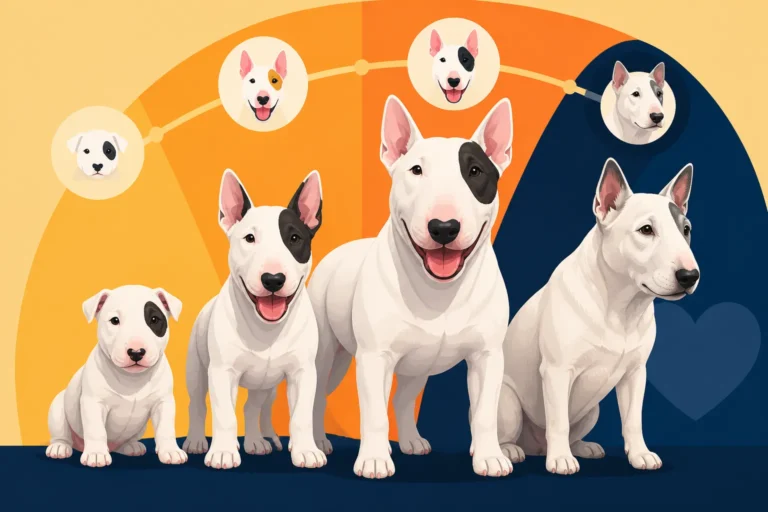
Investing in pet insurance early in your Bull Terrier's life can be a true lifesaver. Companies like Healthy Paws offer comprehensive coverage that can help mitigate the costs of unexpected illnesses or accidents. When you're facing thousands of dollars in veterinary bills for a sudden diagnosis, having a good insurance policy can allow you to make decisions based on what's best for your dog, rather than your wallet. Be sure to research policies carefully, understanding what is covered (and what isn't, like pre-existing conditions) and how deductibles and reimbursement rates work. A robust emergency fund is also a wise idea, even with insurance, to cover unexpected costs or deductibles. Being prepared financially means you can provide the best possible care for your Bull Terrier throughout its life, which, thankfully, can span The Ten to Fourteen Years a Bull Terrier Gets.
Navigating the Future of the Bull Terrier Breed
The journey to reduce the prevalence of genetic diseases like LAD is ongoing. It requires constant dedication from breeders, veterinarians, and owners alike. With each passing year, and with every responsible breeding decision, the breed moves closer to a healthier future.
Breed clubs, such as the Bull Terrier Club of America, play a vital role in educating members, promoting health testing, and supporting research. They often maintain lists of recommended health tests and resources for finding ethical breeders. Their commitment to the breed standard also includes a dedication to health and longevity.
As a Bull Terrier enthusiast, your actions contribute to this future. By supporting breeders who prioritize health testing, by having your own Bull Terrier tested, and by advocating for responsible practices, you become an integral part of safeguarding this magnificent breed for generations to come. The goal isn't just to produce a beautiful dog, but a healthy, vibrant companion ready to bring joy and laughter to its human family.
Disclaimer
Please remember that this article provides general information and should not be used as a substitute for professional veterinary advice. Always consult with a qualified veterinarian for any health concerns or before making any decisions about your Bull Terrier's care or breeding. Genetic testing and breeding decisions should be made in consultation with veterinary geneticists and experienced, ethical breeders.