Whether an Acrodermatitis Bull Terrier Has an Arched Palate
When you're dealing with a Bull Terrier puppy diagnosed with something as devastating as Acrodermatitis, every little unusual thing you notice can send your anxiety spiraling. You start scrutinizing every detail, wondering if this symptom is also part of the disease, if that anomaly is another sign of trouble. It’s absolutely heartbreaking to see your spirited little clown struggling, and it's natural to try and connect all the dots. One specific concern that sometimes pops up is whether an Acrodermatitis Bull Terrier might also present with an arched palate. Let’s dive deep into what Acrodermatitis truly entails and whether an arched palate is indeed one of its heartbreaking manifestations.
Understanding Acrodermatitis in Bull Terriers: A Devastating Genetic Condition
Acrodermatitis (AD) is a truly cruel genetic disease unique to Bull Terriers, and sadly, it’s always fatal. It's an inherited disorder that severely impacts a puppy's ability to metabolize and absorb zinc, even if there's plenty of zinc in their diet. This isn't just about nutrition; it's a systemic problem that affects multiple body systems, leading to a cascade of debilitating symptoms. Imagining a puppy, full of potential, slowly wasting away because its body can’t properly use a vital mineral is truly devastating for any owner.
The core problem stems from a specific gene mutation. Bull Terriers affected by Acrodermatitis inherit two copies of this faulty gene, one from each parent. Even if the parents are perfectly healthy carriers, they can pass it on, which is why diligent testing is so crucial. When a puppy inherits this double dose, its zinc transport systems are compromised. Zinc is essential for countless bodily functions, especially skin health, immune system function, and growth. Without it, the puppy essentially develops a severe, intractable deficiency that no amount of dietary zinc can correct. This leads to a puppy that struggles to thrive from the very beginning. Owners often first notice something is amiss when their lively, boisterous puppy isn't growing as it should, or they start seeing peculiar skin issues. For a deeper understanding, you might want to read about What Lethal Acrodermatitis Does to a Bull Terrier.
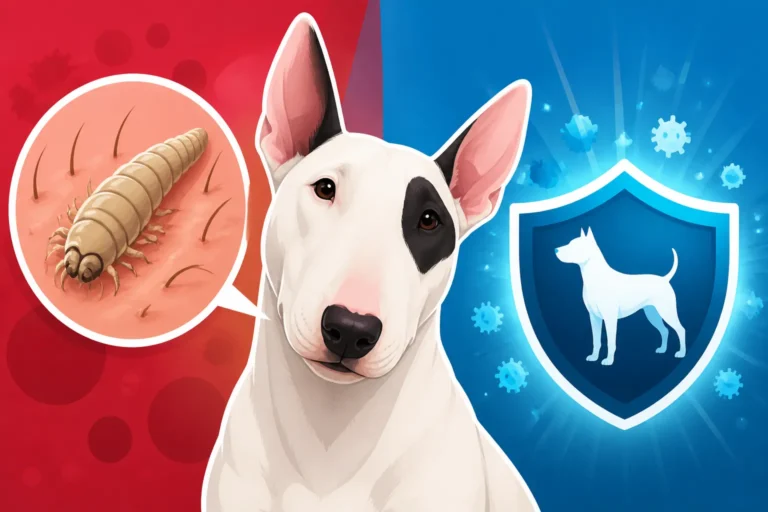
The common, well-documented symptoms of Acrodermatitis are varied and severe. We often see profound skin lesions, particularly on the pressure points and mucocutaneous junctions – think the paws, muzzle, and around the eyes. These can become crusty, thickened, and incredibly painful, resembling severe dermatitis that just doesn't respond to typical treatments. The immune system is also severely compromised, making these puppies highly susceptible to secondary infections, from bacterial skin infections to respiratory illnesses, which can become life-threatening very quickly. These puppies also experience significant growth retardation, remaining much smaller than their littermates, and often suffer from diarrhea, lethargy, and a general failure to thrive. It’s a relentless disease that strips a puppy of its ability to grow and stay healthy.
The Specifics of Oral Manifestations in Acrodermatitis: Is an Arched Palate One of Them?
Given the wide range of symptoms associated with Acrodermatitis, it's completely understandable why an owner might look at any physical anomaly, especially in the mouth, and wonder if it's connected. Oral health and structural integrity are crucial for a puppy's feeding and comfort, and when a pup is already struggling, any additional issue is cause for concern.
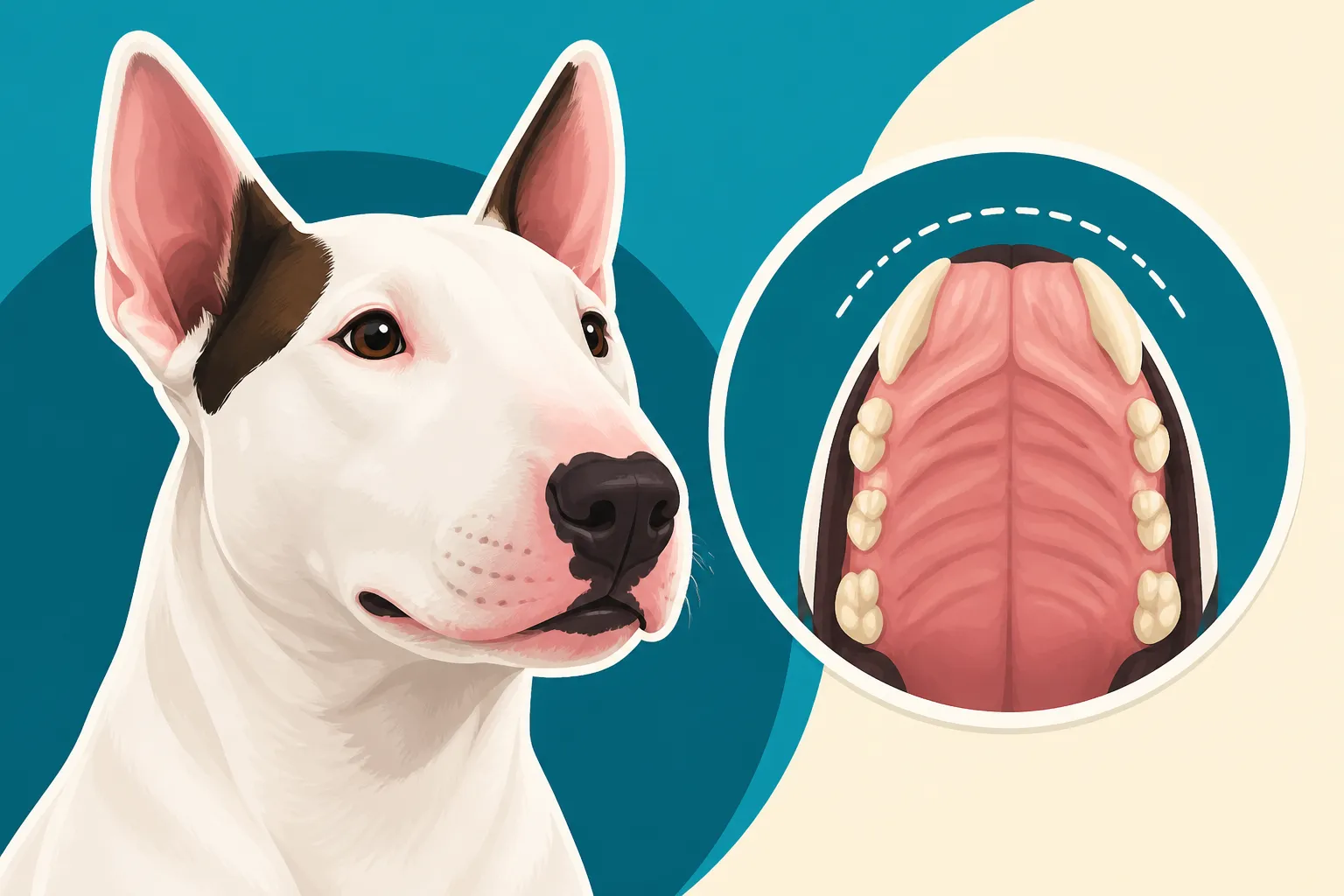
An arched palate, sometimes referred to as a high-arched palate, is a structural variation where the roof of the mouth is noticeably higher and narrower than usual. This can be a congenital condition, meaning the puppy is born with it, and it can sometimes be associated with other developmental anomalies or genetic syndromes in various species, including humans. In dogs, a significantly arched palate could potentially affect nursing, eating, or even lead to dental issues later on, although mild cases might be asymptomatic.
However, when we look at the established clinical picture of Acrodermatitis in Bull Terriers, an arched palate is not typically listed as a primary, characteristic, or commonly associated symptom. The definitive veterinary literature and diagnostic criteria for Acrodermatitis focus on the severe dermatological issues, immune deficiency, growth stunting, and the underlying zinc metabolism defect. While affected puppies might show a variety of general signs of ill health due to their systemic condition, a specific structural anomaly like an arched palate hasn't been identified as a direct or frequent manifestation of AD itself. It is not listed among the common Signs a Bull Terrier Puppy Has Acrodermatitis.
This doesn't mean it's impossible for a Bull Terrier puppy with Acrodermatitis to also have an arched palate. Like any population, Bull Terriers can have other unrelated congenital issues. If a puppy has a high-arched palate, it's more likely to be an incidental finding or an indicator of another, separate congenital defect, rather than a direct symptom of their Acrodermatitis. In a severely ill puppy, generalized developmental issues can occur, but a distinct arched palate hasn't been singled out as an AD-specific feature. What you might see in an AD puppy, more broadly, could be discomfort around the mouth due to secondary infections, or difficulty eating due to general weakness and lethargy, but these are different from a structural palate issue.
Why the Confusion? Connecting the Dots Between Symptoms and Diagnosis
It’s easy to get overwhelmed when your beloved Bull Terrier puppy is sick, and medical information can feel like a labyrinth. There are several reasons why a concerned owner might mistakenly link an arched palate to Acrodermatitis, and it mostly stems from the sheer complexity and severity of the disease itself.
Firstly, puppies with Acrodermatitis are generally unwell and often have a range of non-specific symptoms. A puppy that is failing to thrive, not gaining weight, and generally weaker than its littermates might indeed have some subtle facial or oral abnormalities that become more apparent as they fail to grow. If a vet or owner notices a slightly high palate in a very sick, stunted puppy, it's a natural inclination to try and find a single unifying cause for all their problems. The extreme illness caused by Acrodermatitis means that the body isn't developing properly, and this can manifest in various ways beyond the specific, classic signs. The fact that Why an Acrodermatitis Bull Terrier Puppy Stops Growing is so pronounced can make other subtle developmental issues more noticeable.
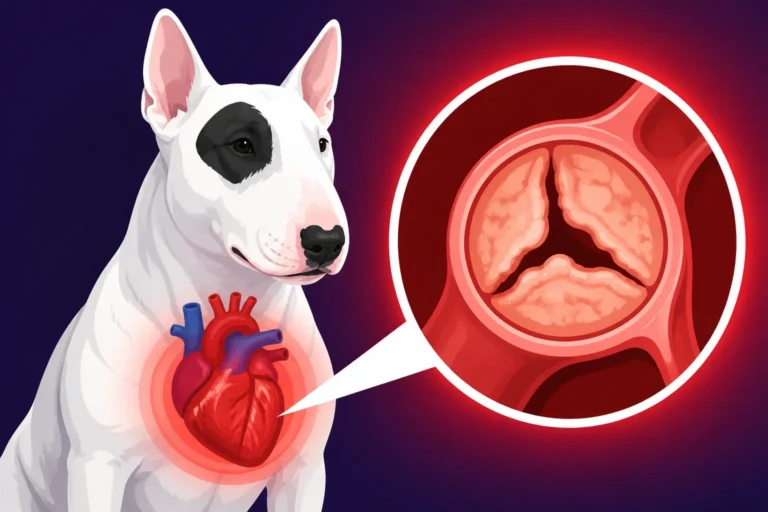
Secondly, Acrodermatitis, while specifically affecting zinc metabolism, can lead to widespread inflammation and tissue damage. While this typically manifests as skin lesions and immune dysfunction, extreme systemic disease could theoretically have broader impacts on development. However, again, current scientific understanding doesn't point to an arched palate as a specific outcome of these systemic issues in AD. It's more likely that any observed oral structural variations would be coincidental or part of a separate, possibly less significant, congenital anomaly.
Finally, the sheer rarity and devastating nature of Acrodermatitis mean that some vets, especially those without extensive experience with the Bull Terrier breed, might not be fully familiar with every nuance of the condition. While primary symptoms are well-documented, secondary or coincidental findings might lead to conjecture in individual cases. This highlights the importance of working with a veterinarian who is either familiar with Bull Terriers and their unique health challenges or is willing to consult with specialists or breed experts. When faced with a complex set of symptoms in a vulnerable puppy, it’s understandable to try and fit all the pieces into one puzzle, even if they don't quite belong there. Always ask your vet for clarity on what symptoms are directly linked to the diagnosed condition versus what might be secondary effects or unrelated findings.
Comprehensive Care for a Bull Terrier with Acrodermatitis: What Does Matter
When you're facing a diagnosis of Acrodermatitis, the focus quickly shifts from understanding every subtle symptom to providing the best possible care for your precious puppy. While an arched palate isn't a direct concern for AD, managing the actual, documented symptoms is paramount.
The core challenge with Acrodermatitis is the body's inability to utilize zinc. While zinc supplementation is often tried, it usually doesn't lead to a cure because the problem isn't a lack of dietary zinc, but a metabolic defect in its absorption and utilization. However, some individual responses can vary, and your vet might recommend specific high-quality zinc supplements to see if it offers any relief, though it's typically a management rather than a curative strategy. It's truly disheartening because the underlying genetic issue means that the puppy's systems are fundamentally compromised. For more on this, consider reading Whether Zinc Helps a Bull Terrier With Acrodermatitis.
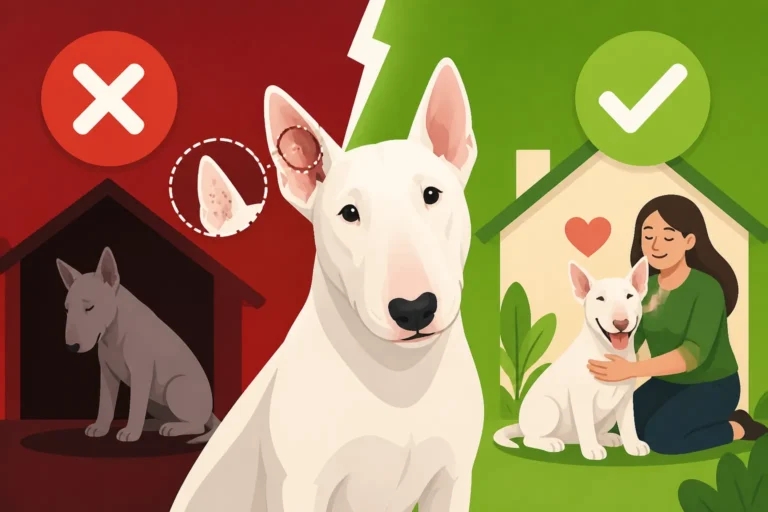
Supportive care becomes the cornerstone of treatment. This includes meticulously managing the skin lesions on the paws, muzzle, and other affected areas. This often involves medicated baths, topical ointments, and antibiotics for secondary bacterial infections. Keeping the skin clean, dry, and protected from further irritation is crucial, not only for comfort but to prevent more serious infections from taking hold. These puppies are also prone to systemic infections due to their suppressed immune system, so prompt veterinary attention for any signs of illness is non-negotiable. This might mean frequent vet visits, aggressive antibiotic courses, and sometimes even hospitalization.
Nutrition is another critical aspect. Due to growth retardation and general ill health, ensuring the puppy receives adequate, easily digestible nutrition is vital. While no diet can reverse the genetic defect, a high-quality, palatable diet can help support their overall health and energy levels. Many Bull Terrier owners find themselves struggling with the practical realities of managing such a severe condition. This includes the emotional toll of seeing their puppy suffer and the significant financial burden that comes with intensive veterinary care. Investing in pet insurance like Healthy Paws, ideally before any symptoms arise, can be a game-changer for covering the costs of diagnostics, medications, and frequent vet visits associated with a chronic, severe condition like Acrodermatitis. Many insurance policies, like those from Healthy Paws, offer comprehensive coverage for accidents and illnesses, which can provide immense relief when facing ongoing medical expenses.
The prognosis for Acrodermatitis is, unfortunately, grim. Most puppies succumb to the disease by around 12 to 24 months of age, with many not even reaching their first birthday. The constant struggle with infections and failure to thrive eventually takes its toll. Understanding How Long an Acrodermatitis Bull Terrier Puppy Survives can help owners prepare for the difficult journey ahead and make informed decisions about their puppy's quality of life. The focus shifts to making their limited time as comfortable and joyful as possible, minimizing pain and managing symptoms aggressively. Regular check-ups, potentially including What a Bull Terrier's Yearly Bloodwork Should Cover, are vital for monitoring their overall health and catching any new issues early.
| Symptom Category | Common Acrodermatitis Manifestations | Typical Oral Manifestations (if any) | Arched Palate Link to AD |
|---|---|---|---|
| Skin | Severe crusting, thickening, lesions on paws, muzzle, eyes, pressure points; secondary bacterial infections. | Ulcerations, inflammation, secondary infections around the mouth/lips. | Not a characteristic symptom. |
| Growth/Development | Stunted growth, failure to thrive, smaller size compared to littermates. | General developmental issues might be seen due to overall illness, but not specifically an arched palate. | No direct link established. |
| Immune System | Immunodeficiency, recurrent infections (skin, respiratory, GI). | Increased susceptibility to oral infections, gingivitis, difficulty fighting off pathogens in the mouth. | Indirect connection possible if severe overall developmental impact, but not a primary AD symptom. |
| General | Lethargy, diarrhea, weakness, poor appetite. | Difficulty eating due to weakness or discomfort, but not structural palate changes. | Coincidental finding more likely. |
When choosing a Bull Terrier puppy, always prioritize a responsible breeder who performs comprehensive health testing. This includes testing for Acrodermatitis. Knowing Whether the Bull Terrier Acrodermatitis Test Is Reliable and demanding proof of clear results for both parents can prevent untold heartache. While there's no official cost for an arched palate diagnosis, the price of an Acrodermatitis test itself is a minor investment compared to the potential future vet bills. For more information, you might be interested in What the Bull Terrier Acrodermatitis Swab Costs.
Living with a Bull Terrier, especially one facing health challenges, is a journey filled with unique ups and downs. While the worry about an arched palate is understandable, it’s important to redirect your energy toward managing the primary and known aspects of Acrodermatitis, and to ensure you have strong support from your vet and, ideally, a reliable pet insurance partner like Healthy Paws.
Disclaimer
The information provided in this article is intended for general knowledge and informational purposes only, and does not constitute veterinary advice. Always consult with a qualified veterinarian for any health concerns or before making any decisions about your pet's health or treatment.