Whether a Bull Terrier Gets Hypothyroidism
One of the most frustrating things as a Bull Terrier owner is noticing subtle changes in your beloved clown that you can't quite put your finger on. They might seem a little sluggish, gain a bit of weight, or their usually easy-care coat starts looking dull, and you wonder if it's just them getting older or some quirky Bull Terrier trait. This comprehensive guide will help you understand whether a Bull Terrier gets hypothyroidism, how to spot the signs, get a diagnosis, and manage this often-missed condition.
Understanding Hypothyroidism in Bull Terriers
It’s easy to feel overwhelmed by all the potential health issues our furry friends can face, and hypothyroidism often sneaks up on us. But once you understand what it is, you'll be much better equipped to advocate for your Bull Terrier.
What Exactly is Hypothyroidism?
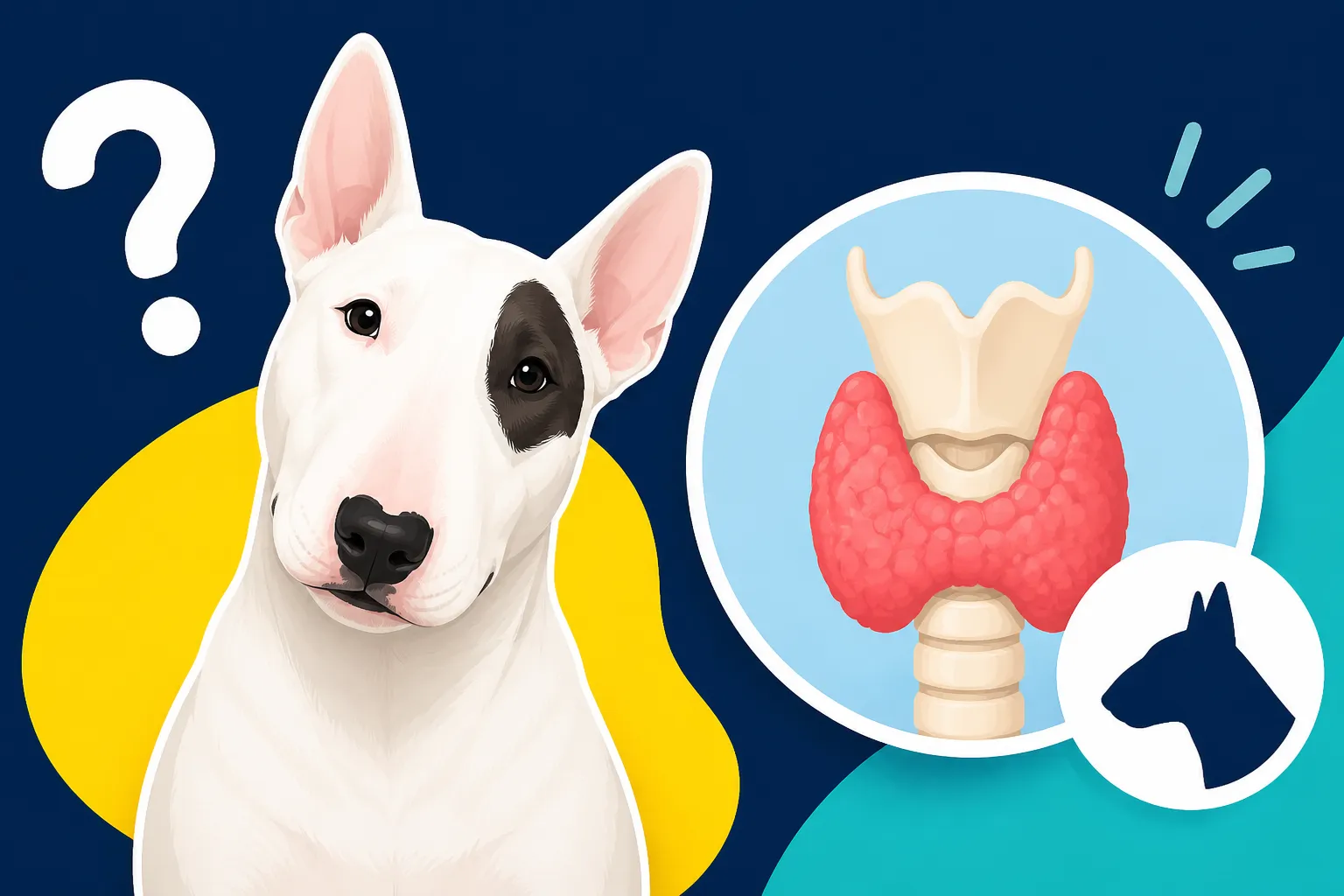
At its simplest, hypothyroidism is a condition where your dog's thyroid gland, located in their neck, doesn't produce enough thyroid hormones. These hormones are absolutely critical for regulating metabolism across the entire body. Think of them like the conductors of an orchestra, making sure every cell and organ is performing at the right tempo. When there aren't enough hormones, everything slows down.
For most dogs, including Bull Terriers, the issue is primary hypothyroidism, meaning the thyroid gland itself is the problem. This is usually due to one of two main causes: either the thyroid gland atrophies (shrinks and wastes away) or, more commonly, it's an autoimmune disease called lymphocytic thyroiditis. In this scenario, the dog's own immune system mistakenly attacks and destroys the thyroid tissue, preventing it from producing those essential hormones. This isn't like human hypothyroidism, where iodine deficiency can be a common cause; in dogs, it’s rarely about diet. If your Bull Terrier has this condition, it means their internal systems are just not firing on all cylinders, leading to a host of sometimes vague and easily dismissed symptoms.
Why Bull Terriers Are Susceptible
Unfortunately, Bull Terriers are among the breeds identified as being predisposed to hypothyroidism, especially the autoimmune form, lymphocytic thyroiditis. While it can occur in any breed, certain lines and families within the Bull Terrier population seem to have a higher incidence, suggesting a genetic component. This isn't something that typically shows up in a young puppy; it’s more common for Bull Terriers to develop symptoms in their middle to senior years, often between the ages of 4 and 10 years old.
The inherited nature of this condition is why reputable breeders make an effort to screen their breeding stock. While there isn't a definitive DNA test for predisposition to hypothyroidism itself, careful monitoring and health screening of parents can help reduce the incidence in future generations. Knowing this breed predisposition helps us be more vigilant as owners. It’s not about panicking, but about being informed and observant, recognizing that these dogs have a higher likelihood than some other breeds. Understanding that it’s a potential concern allows you to discuss it proactively with your vet during routine check-ups.
Recognizing the Subtle Signs of Hypothyroidism
Spotting hypothyroidism can be tricky because the symptoms often mimic other conditions or can be brushed off as "just getting older." As a Bull Terrier owner, you know these dogs are unique, and sometimes their quirks can mask underlying health issues.
The 'Classic' Metabolic Symptoms
When a Bull Terrier's metabolism slows down, it affects their energy levels, weight, and even their mental acuity. One of the most common complaints is weight gain, even if you haven't changed their diet or exercise routine. It feels unfair, doesn't it? You're doing everything right, but your Bull Terrier is putting on pounds, and it's not the robust muscle mass we love to see on them. This isn't just a cosmetic issue; excess weight puts strain on their joints and organs.
Alongside weight gain, lethargy and reduced activity are hallmarks. Your usually boisterous Bull Terrier might be less enthusiastic about walks, seem tired all the time, or prefer napping over playing. They might also seem to be always seeking out warm spots or shivering more easily, as they struggle to regulate their body temperature. It’s heartbreaking to see your usually lively companion become a couch potato, and it’s easy to think, "Oh, they're just getting lazy in their old age." But this persistent dullness and lack of energy, especially if it's a marked change, should raise a red flag. In some cases, owners report a certain "mental dullness" or a less responsive demeanor, which can sometimes be mistaken for aging cognitive decline.
Skin and Coat Changes
Beyond metabolic shifts, hypothyroidism often manifests quite visibly through changes in the skin and coat. This is often where owners first really notice something isn't right because it's something they can see and feel. You might notice your Bull Terrier’s normally smooth, short coat becoming dry, brittle, or thinning, perhaps even with excessive shedding that seems out of the ordinary for their breed. A classic, though not always present, sign is a "rat tail" – a noticeable thinning of the hair on the top of the tail.
Their skin might also start to show changes, becoming dry, flaky, or even oily and greasy in patches. You might also spot hyperpigmentation, where the skin darkens, particularly in areas of friction or where hair loss has occurred, making it appear almost leathery. Recurrent skin infections, like hot spots or bacterial folliculitis, are also common because the compromised skin barrier and immune system make them more susceptible. It's so frustrating because many of these symptoms can easily be mistaken for environmental allergies, dietary sensitivities, or just a generic "bad skin day." This is why a closer look at your Bull Terrier's skin health is so important, as discussed in detail in the article, "A Bull Terrier's Skin Is Its Weakest Point". If your dog is constantly battling skin issues that don't quite resolve with typical allergy treatments, hypothyroidism should definitely be on the list of possibilities for your vet to investigate.
Diagnosing Hypothyroidism in Your Bull Terrier
Getting an accurate diagnosis for hypothyroidism isn't always a straightforward path. It requires careful consideration and the right diagnostic tools, so don't be discouraged if it takes a bit of time to get clear answers.
The Initial Vet Visit and Screening Tests
When you first bring your concerns to your veterinarian, they’ll start with a thorough physical examination and take a detailed history of your Bull Terrier's symptoms. They'll want to know about changes in weight, energy levels, appetite, thirst, and any skin or coat abnormalities. During the physical exam, they might notice things like a low heart rate, a dull coat, dry skin, or possibly even thickened skin.
Routine bloodwork, which usually includes a complete blood count (CBC) and a chemistry panel, is often the first step to rule out other issues and give a general picture of your dog's health. While not directly diagnostic for hypothyroidism, a chemistry panel might reveal elevated cholesterol levels, which can be a suggestive indicator of an underactive thyroid. However, these basic tests are just screening tools. The challenge often arises when a basic "total T4" test is run alone. While a very low total T4 can strongly suggest hypothyroidism, a T4 level that falls within the "low normal" range can be misleading. Many factors can suppress T4 levels, including other illnesses, certain medications (like steroids or sulfa antibiotics), or even just stress from a vet visit. This phenomenon is known as "euthyroid sick syndrome," meaning the dog has normal thyroid function but their T4 is temporarily low due to another condition. This is why more comprehensive testing is crucial.
Comprehensive Thyroid Panel and Interpretation
To truly diagnose hypothyroidism in a Bull Terrier, your vet will likely recommend a full thyroid panel. This isn't just a simple total T4 test; it's a suite of tests designed to give a much clearer picture of thyroid function. A comprehensive panel typically includes:
- Total T4 (TT4): Still important, but less definitive on its own.
- Free T4 by Equilibrium Dialysis (fT4ED): This is considered the gold standard for assessing circulating thyroid hormone because it measures the biologically active, unbound portion of the hormone and is less affected by non-thyroidal illnesses or medications.
- Thyroid-Stimulating Hormone (TSH): Produced by the pituitary gland, TSH tells the thyroid gland to produce hormones. In primary hypothyroidism, the thyroid isn't responding, so the pituitary typically pumps out more TSH, resulting in a high TSH level.
- Thyroglobulin Autoantibodies (TgAA): This test helps identify if the cause of the hypothyroidism is autoimmune (lymphocytic thyroiditis). If these antibodies are present, it strongly supports an autoimmune origin.
Interpreting these results can be complex. Your veterinarian will look at the whole picture: your Bull Terrier's clinical signs, the fT4ED, and the TSH levels in particular. For instance, a low fT4ED combined with a high TSH is highly indicative of primary hypothyroidism. If the TgAA is also positive, it confirms the autoimmune nature. It’s also vital to ensure these tests are sent to a reputable veterinary diagnostic lab that specializes in canine endocrine testing.
Be aware that medications your Bull Terrier might be on for other conditions, like phenobarbital for seizures or anti-inflammatory drugs, can affect thyroid hormone levels. Always inform your vet about all medications and supplements your dog is receiving. This careful, multi-faceted approach to testing ensures that you get an accurate diagnosis, avoiding unnecessary treatment for a healthy dog or missing the diagnosis in a truly hypothyroid one. This meticulous diagnostic process is just one example of the detailed health screening a responsible breeder will undertake for their dogs, as highlighted in "What a Bull Terrier Breeder Should Have Tested".
| Symptom Category | Hypothyroidism Signs | Other Common Bull Terrier Issues That Can Mimic |
|---|---|---|
| Energy & Activity | Lethargy, reduced stamina, increased sleeping, seeking warmth, mental dullness. | Normal aging, insufficient exercise (How Much Exercise a Bull Terrier Actually Needs), general fatigue from other illnesses, pain (e.g., arthritis). |
| Weight | Unexplained weight gain, difficulty losing weight despite diet/exercise, flabby body condition. | Overfeeding, lack of exercise, specific diets not suited for activity level, fluid retention from heart/kidney issues. |
| Skin & Coat | Dry, brittle, thinning coat; excessive shedding; "rat tail"; dullness; recurrent skin infections; hyperpigmentation; greasy skin. | Allergies (environmental, food), demodectic mange, bacterial/yeast infections, poor diet, seasonal shedding, normal coat variations. |
| Behavior | Less responsive, listless, less playful. | Normal aging, boredom, pain, other neurological issues, depression. |
Managing Hypothyroidism for a Healthy Life
Receiving a diagnosis of hypothyroidism can feel daunting, but the good news is that it is a highly manageable condition. With consistent treatment and monitoring, most Bull Terriers go on to live full, happy lives.
The Treatment Protocol
The cornerstone of treating hypothyroidism in dogs, including Bull Terriers, is the daily administration of a synthetic thyroid hormone called levothyroxine. This medication effectively replaces the hormones your dog's thyroid gland isn't producing. It’s a relatively inexpensive medication, especially compared to some other chronic conditions, and it's given orally, typically once or twice a day. The key is consistency – giving the medication at the same time each day, usually about 30-60 minutes before food, can help optimize absorption. Always follow your veterinarian's specific dosing instructions.
You'll usually start to see improvements in your Bull Terrier relatively quickly, though not all symptoms resolve at the same pace. The first changes you might notice are often an increase in energy levels and a more alert demeanor, sometimes within just a few weeks. It's like flipping a switch! Their metabolic engine starts to kick back into gear. Skin and coat changes, however, take much longer to resolve. It can take several months for hair to regrow, for skin thickening to recede, and for secondary infections to clear up completely. Patience is definitely a virtue during this phase of treatment, but watching your Bull Terrier slowly regain their zest for life is incredibly rewarding.
Monitoring and Adjusting Medication
Treating hypothyroidism isn't a "set it and forget it" situation; it requires ongoing monitoring to ensure your Bull Terrier is receiving the correct dose. Initially, your vet will want to recheck blood thyroid levels about 4 to 6 weeks after starting treatment or after any dose adjustment. This usually involves measuring T4 levels about 4-6 hours after the morning dose of medication, which helps ensure the dose is effectively bringing hormone levels into the normal range. Getting the dose just right is critical; too little, and symptoms persist; too much, and your Bull Terrier could develop iatrogenic hyperthyroidism, leading to symptoms like increased thirst, weight loss, nervousness, and a fast heart rate.
Once your Bull Terrier is stable on a maintenance dose, blood tests are typically recommended every 6 to 12 months. This regular monitoring ensures that their needs haven't changed over time and helps catch any fluctuations. It’s a lifelong commitment to their health, but one that yields immense benefits. Having a good, open relationship with your veterinarian is invaluable throughout this process, as they are your partner in keeping your Bull Terrier healthy. When considering the long-term costs of managing a chronic condition, it highlights the value of pet insurance, much like discussing "Whether Insurance Covers Bull Terrier Kidney Disease" for another common ailment. A comprehensive policy from a provider like Healthy Paws can significantly alleviate the financial burden of these ongoing tests and medications.
Living with a Hypothyroid Bull Terrier
Once properly diagnosed and treated, a Bull Terrier with hypothyroidism can live an incredibly normal and vibrant life. It's about understanding the condition and committing to their ongoing care.
Lifestyle Adjustments and Prognosis
The fantastic news is that the prognosis for Bull Terriers diagnosed with hypothyroidism is excellent, provided they receive consistent treatment. With daily levothyroxine, most dogs experience a complete resolution of symptoms and can enjoy their full lifespan. You'll likely see your Bull Terrier return to their energetic, goofy self, eager for walks and play.
While the medication takes care of the hormone deficiency, a healthy lifestyle continues to be paramount. If your Bull Terrier gained weight due to the condition, maintaining a healthy weight through appropriate diet and exercise will be even more important. You can find excellent advice on keeping your Bull Terrier at an ideal weight in "Keeping a Bull Terrier Lean When It Carries This Much Muscle". While your Bull Terrier might have been too lethargic for much activity before treatment, once their energy returns, ensuring they get sufficient mental and physical exercise, as explored in "How Much Exercise a Bull Terrier Actually Needs", will be crucial for their overall well-being. This journey can sometimes be an emotional one for owners, but seeing your dog thrive again is incredibly validating.
The Importance of Early Detection and Prevention
The biggest takeaway is the profound impact of early detection. The sooner hypothyroidism is identified and treated, the less time your Bull Terrier spends feeling unwell and the sooner they can get back to their best. Being observant of subtle changes in their behavior, weight, or coat is your first line of defense. Regular wellness exams with your veterinarian, even when your Bull Terrier seems perfectly fine, are critical for catching these conditions early. These routine checks, similar to the importance of "The Yearly Urine Test Every Bull Terrier Owner Should Book" for kidney health, allow your vet to spot issues before they become severe.
Prevention, in the context of an inherited condition, largely comes down to responsible breeding practices. Choosing a puppy from a breeder who conscientiously screens their breeding stock for inherited diseases, including thyroid function, is a vital step in minimizing risk. Discussions around "Which Health Tests a Bull Terrier Breeder Should Run" are incredibly important here. For ongoing peace of mind, considering pet insurance like Healthy Paws can be a smart move. If your Bull Terrier develops a chronic condition like hypothyroidism, having a policy in place, especially if enrolled before symptoms arise, can help cover the significant costs of lifelong medication and regular blood tests, allowing you to focus on your dog's health without undue financial stress. Healthy Paws, for instance, is known for its comprehensive coverage that supports pet parents through these long-term care needs. This proactive approach ensures your Bull Terrier has every chance at a long, healthy, and happy life.
Disclaimer
This article is for general informational purposes only and does not constitute professional advice. Laws, prices and regulations vary by location and change over time. Consult a qualified professional for guidance on your specific situation.