Whether a Bull Terrier Gets Skin Allergies
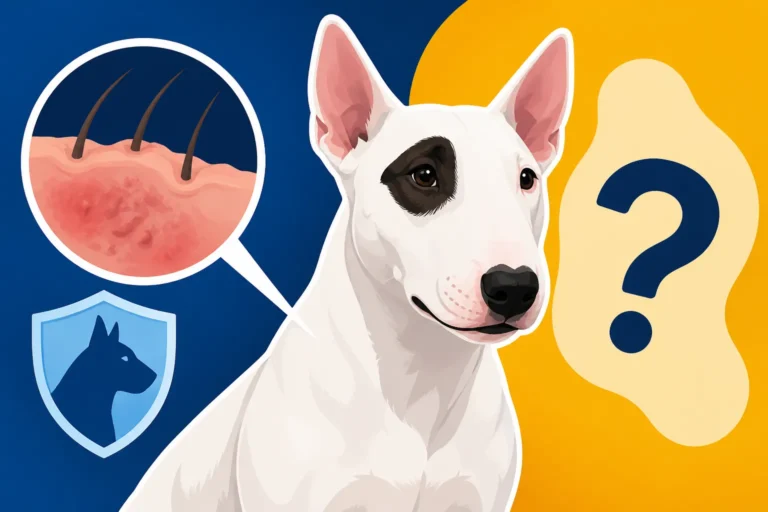
One of the most disheartening experiences as a Bull Terrier owner is watching your quirky, energetic companion suffer from relentless itching, redness, and discomfort, often leading to raw, irritated skin. It feels like a constant battle, trying to figure out what's causing their misery and how to bring them relief. This guide aims to thoroughly explore the world of skin allergies in Bull Terriers, from understanding why they're so prone to them, to identifying symptoms, and navigating diagnosis and treatment options.
Understanding Bull Terrier Skin Sensitivity
Bull Terriers, with their distinctive look and personality, are truly special dogs. But let's be real, their skin often throws us a curveball. It’s a common frustration among owners that these wonderful dogs seem to be more susceptible to skin issues than many other breeds, and it's not just your imagination. There are very specific reasons why their skin can be so delicate and reactive.
The Bull Terrier's Unique Skin and Coat
Unlike many breeds with thick double coats, a Bull Terrier's coat is short, flat, and coarse, almost like bristles. While this might seem easy to maintain on the surface, it offers less protection from environmental irritants than a dense undercoat would. This sparse covering means their skin, which is often a delicate pink, is more exposed to the elements and potential allergens. Think about how easily you get a sunburn on exposed skin, and you can imagine how this translates to them. In particular, a white Bull Terrier's skin is especially vulnerable to the sun, making them prone to problems like Why a White Bull Terrier Sunburns This lack of a thick barrier also means that any irritants they come into contact with can more directly affect their skin, often bypassing the protective layer of fur that other breeds benefit from. Their skin itself tends to be on the drier side for many individuals, which can exacerbate itching and make them more susceptible to breaking the skin barrier through scratching.
Common Environmental Triggers
Our Bull Terriers live in the same world we do, filled with microscopic allergens and irritants that can wreak havoc on sensitive skin. One of the most prevalent issues is atopic dermatitis, essentially environmental allergies. Just like people can be allergic to pollen, dust mites, or mold, so can our Bull Terriers. These allergens are usually inhaled or absorbed through the skin, triggering an immune response that manifests as intense itching and inflammation. We're talking about pollen from trees, grasses, and weeds that float through the air, especially during seasonal changes. Dust mites, those tiny critters that live in our carpets, bedding, and upholstery, are year-round culprits for many dogs. Mold spores, particularly in humid environments, can also contribute significantly to allergic reactions. It's not just about what they inhale; what they touch matters too. Walking through certain types of grass, lying on chemically treated carpets, or even coming into contact with certain cleaning products can set off a nasty reaction. It’s a constant battle to keep their environment as clean and allergen-free as possible, which feels like a full-time job in itself.
Types of Skin Allergies in Bull Terriers
It's not enough to simply say a Bull Terrier has "skin allergies." Just like with humans, there are different culprits and different ways these allergies present themselves. Pinpointing the exact type of allergy is a huge step in finding effective relief for your dog. It's often a complex puzzle, and sometimes they're dealing with more than one kind of allergy at the same time, which just makes diagnosis and management even trickier.
Atopic Dermatitis (Environmental Allergies)
This is hands down one of the most common and frustrating forms of allergy for Bull Terrier owners to deal with. Atopic dermatitis is an inherited predisposition to develop allergic symptoms following exposure to common environmental allergens that are otherwise harmless to most animals. As mentioned, these can be pollens, dust mites, and molds. When a Bull Terrier with atopic dermatitis comes into contact with these allergens, their immune system overreacts, leading to inflammation and intense itchiness. The signs often include incessant scratching, licking, and chewing at their paws, flanks, groin, and ears. You might notice redness, hair loss, and thickened skin in these areas. For some Bull Terriers, these allergies are seasonal, flaring up with specific pollen counts, while for others, especially those sensitive to dust mites, it can be a year-round nightmare. It's a cyclical problem: the itching leads to scratching, which further damages the skin barrier, allowing more allergens in and increasing the risk of secondary bacterial or yeast infections, which then cause even more itching. It’s a vicious circle that often requires a multi-faceted approach to break. This is also why A Bull Terrier's Skin Is Its Weakest Point and requires careful management.
Food Allergies and Sensitivities
While less common than environmental allergies, food allergies can be equally, if not more, challenging to diagnose and manage. Unlike food intolerances which are digestive issues, a true food allergy involves an immune response to a specific protein in the diet. The most common culprits for dogs include proteins like beef, dairy, chicken, wheat, and soy. The symptoms of food allergies can overlap with environmental allergies, presenting as itchy skin, redness, chronic ear infections, and sometimes even gastrointestinal upset like vomiting or diarrhea. The frustration here is that symptoms can appear at any age, even after years on the same food. It’s not just about the new kibble you introduced; it could be an ingredient they've been eating for ages. The only reliable way to diagnose a food allergy is through an elimination diet trial, which is a rigorous process requiring strict adherence to a novel protein or hydrolyzed diet for at least 8-12 weeks. This means absolutely no cheating with treats or table scraps, which can be incredibly hard when your Bull Terrier gives you those soulful, pleading eyes.
Contact Dermatitis
Contact dermatitis occurs when a Bull Terrier's skin comes into direct contact with an irritating substance or allergen. This isn't always an immune-mediated response like atopic or food allergies; it can simply be an irritation. Common irritants include certain chemicals in cleaning products, topical flea and tick medications, or even plants like poison ivy or oak (though these are less common in dogs than humans). The reaction is usually localized to the area of contact, such as the belly, paws, or chin. You might see sudden redness, bumps, or blisters. For example, if your Bull Terrier walks through a recently fertilized lawn, they might develop red, itchy paws. Or if they sleep on a bed washed with a harsh detergent, their belly might break out. This type of allergy can be easier to identify if the onset is sudden and localized, as it often correlates directly with a new exposure. It highlights the need to be mindful of all the substances your Bull Terrier comes into physical contact with on a daily basis, from their bedding to the cleaners you use in your home. Some owners have found relief by switching to hypoallergenic laundry detergents, asking Which Detergent Suits a Bull Terrier Owner.
Recognizing the Signs and Symptoms
Identifying skin allergies in your Bull Terrier can be tricky because many symptoms overlap with other conditions. However, paying close attention to both visible skin changes and behavioral shifts can give you a critical head start in seeking proper veterinary care. Don't dismiss persistent scratching or licking as "just a habit"—it's often a cry for help from their skin.
Visible Skin Changes
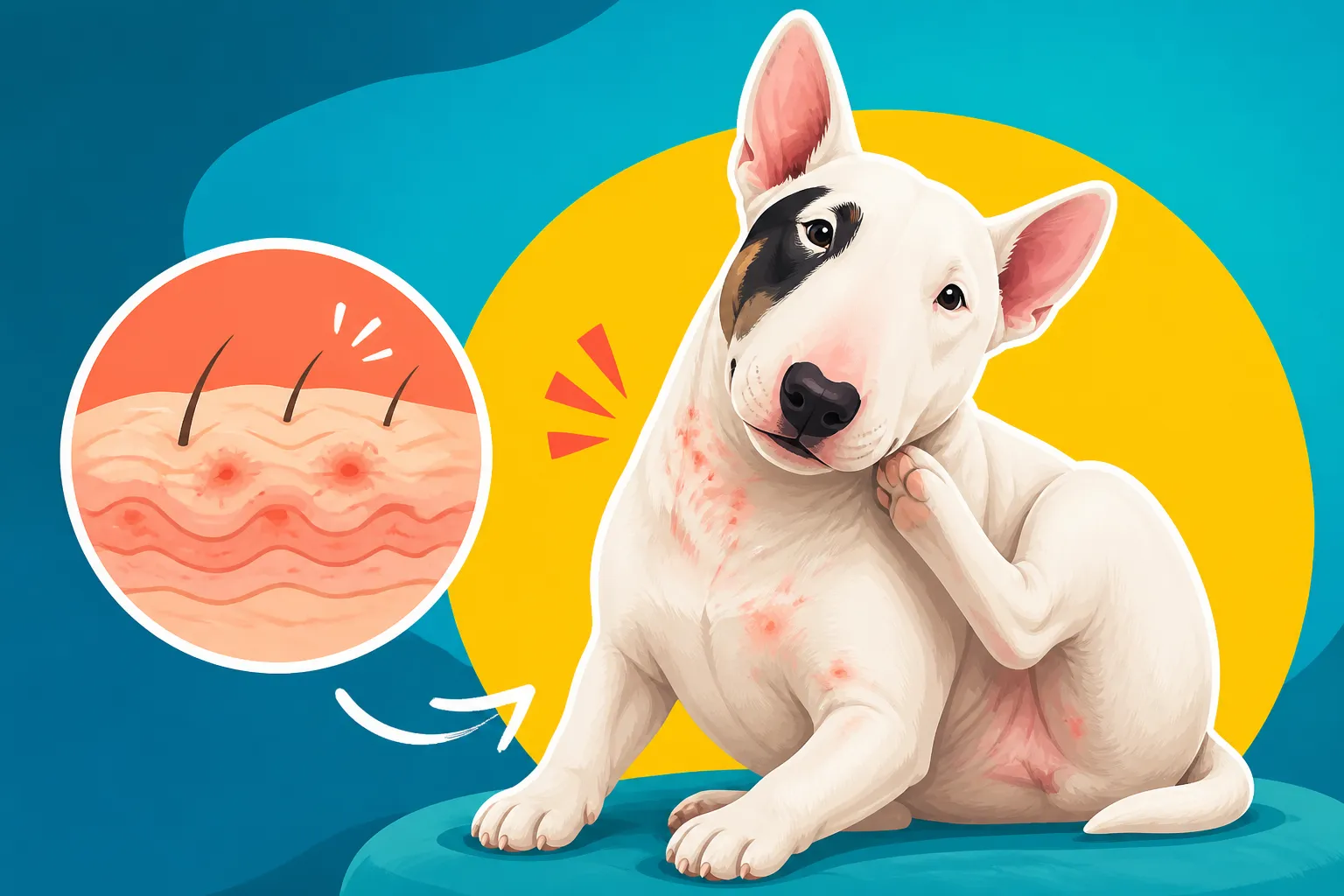
The most obvious indicators of skin allergies are the changes you can see on your Bull Terrier's skin and coat. You might first notice redness or inflammation, especially in areas like the armpits, groin, belly, between the toes, and inside the ears. This redness often progresses to rashes or bumps, which can sometimes be small and scattered, or develop into larger, irritated patches. In areas where they've been incessantly licking or chewing, the skin can become thickened and darkened, a condition known as lichenification. This is a common sign of chronic irritation. You may also observe hair loss (alopecia) in these areas, either from constant scratching or due to the underlying inflammation.
Beyond just redness, you might spot crusts, scales, or scabs on their skin. These can indicate secondary infections—bacterial or yeast—that often develop because the allergic reaction has compromised the skin barrier. Another tell-tale sign of secondary infection is a peculiar odor emanating from their skin, often described as yeasty or musty. This smell is usually due to an overgrowth of Malassezia yeast or bacteria. And, unfortunately, many Bull Terriers suffer from Hot Spots—acute moist dermatitis—which are painful, rapidly spreading skin infections that arise from intense, localized licking and chewing. Catching these visible changes early can prevent them from spiraling into more severe issues.
Behavioral Indicators of Itchiness
Sometimes, the first signs of an allergy aren't visible skin changes but rather changes in your Bull Terrier's behavior. The most common behavioral symptom is, of course, excessive scratching. This isn't just a casual scratch; it's persistent, intense, and can occur at any time, day or night, often disrupting their sleep and yours. Beyond scratching with their paws, Bull Terriers will frequently lick or chew at specific body parts, especially their paws and legs. If you notice your dog constantly gnawing at their feet, it’s a strong indicator that a Bull Terrier's Feet Itch due to allergies. Some dogs will also rub their face on furniture or carpet to alleviate an itchy muzzle or ears.
Chronic ear infections, characterized by head shaking, pawing at the ears, or a discharge, are also very frequently linked to underlying allergies, rather than just being isolated infections. For some Bull Terriers, the constant discomfort can lead to restlessness or agitation, making it difficult for them to settle down. They might pace, whine, or seem generally uncomfortable. In severe cases, the chronic pain and itch can impact their mood, making them withdrawn, irritable, or even aggressive if the affected areas are touched. Observing these behavioral cues is just as important as spotting physical signs, as they often precede more visible skin damage.
Diagnosing Skin Allergies
Getting to the root cause of your Bull Terrier's skin allergies is often a journey, not a single step. It requires patience, collaboration with your veterinarian, and a methodical approach to rule out various possibilities. Don't be discouraged if a definitive answer isn't immediately apparent; skin issues are notoriously complex.
The Initial Veterinary Examination
Your first stop should always be your veterinarian. During the initial visit, your vet will perform a thorough physical examination, paying close attention to your Bull Terrier's skin, coat, and ears. They’ll ask you a lot of questions about the history of the problem: when did it start? Is it seasonal? What food are they on? Have there been any changes in their environment or routine? This detailed history is crucial.
Next, your vet will likely perform some basic diagnostic tests right in the clinic. These typically include:
- Skin scrapes: To check for external parasites like mites, especially Demodex. Demodectic Mange in a Bull Terrier can mimic allergy symptoms.
- Cytology (tape impressions or swabs): This involves pressing a piece of tape onto the skin or swabbing an ear canal and then examining it under a microscope to look for bacterial overgrowth, yeast infections (like Malassezia), and inflammatory cells. Treating these secondary infections is often the first step to providing immediate relief, even if it doesn't solve the underlying allergy.
- Fungal cultures: To rule out ringworm, another common skin condition.
Your vet might also suggest a trial with flea prevention, even if you don't see fleas. Flea allergy dermatitis (FAD) is incredibly common, and even one flea bite can trigger a severe reaction in a sensitive dog. It's often said that if a Bull Terrier has skin problems, the first thing to rule out is fleas, even if you've never seen one. These initial steps are vital for narrowing down the potential causes and ensuring any immediate infections are addressed.
Advanced Diagnostic Testing
Once common causes like parasites and infections have been ruled out or managed, and if symptoms persist, your vet might recommend more advanced diagnostics to identify specific allergens.
- Elimination Diet Trial: As discussed for food allergies, this is the gold standard for diagnosis. It involves feeding a strictly controlled diet with a novel protein (one your dog has never eaten before, like venison or duck) or a hydrolyzed protein diet (where proteins are broken down into tiny molecules that the immune system doesn't recognize) for at least 8-12 weeks. No other food, treats, or flavored medications are allowed. If symptoms resolve on this diet and then return when the original food is reintroduced, a food allergy is confirmed. It's a commitment, but it's the most accurate way to know if food is the culprit.
- Allergy Testing (Intradermal Skin Testing or Blood Tests): These tests are primarily used to identify environmental allergens for atopic dermatitis.
- Intradermal Skin Testing (IDST): Considered the most accurate for environmental allergies, this test is performed by a veterinary dermatologist. It involves shaving a patch of fur on your Bull Terrier's side, injecting small amounts of various common allergens (like pollens, grasses, dust mites) just under the skin, and observing for immediate reactions (red welts).
- Serum IgE Blood Tests: These tests measure the levels of allergen-specific antibodies (IgE) in your dog's blood. While less sensitive and specific than IDST, they are less invasive and can be performed by your regular vet. The results can help guide decisions about immunotherapy.
- Skin Biopsy: In some cases, if the lesions are unusual or don't respond to typical treatments, a vet may take a small tissue sample for a pathologist to examine. This can help rule out rare skin conditions, autoimmune diseases, or even some cancers. Understanding What a Bull Terrier's Skin Biopsy Costs can help you prepare for this step.
It's important to understand that these advanced tests don't always provide a magic bullet, but they offer valuable information that can help you and your vet develop the most effective long-term management plan for your Bull Terrier's specific allergies.
Managing and Treating Bull Terrier Skin Allergies
Living with a Bull Terrier who suffers from skin allergies means you'll become an expert in managing symptoms and trying various treatments. The goal isn't always to "cure" the allergy, as environmental allergies are often lifelong, but to control the itching, prevent secondary infections, and improve your dog's quality of life significantly. This often involves a multi-modal approach, combining different therapies to achieve the best results.
Topical Treatments and Shampoos
Often, the first line of defense against itchy, irritated skin is right in your own bathroom or local pet store. Topical treatments can provide immediate relief and help heal damaged skin.
- Medicated Shampoos: These are absolute game-changers for many Bull Terriers. Depending on the specific issue, your vet might prescribe an antifungal, antibacterial, or anti-itch shampoo. Shampoos containing chlorhexidine, miconazole, or benzoyl peroxide are common for treating secondary infections. For general itch relief and to support the skin barrier, shampoos with oatmeal, aloe vera, or ceramides can be very soothing. It's not just about what's in the shampoo; it's also about the contact time. Most medicated shampoos require a 5-10 minute soak before rinsing to allow the active ingredients to work their magic. Learning Whether a Bull Terrier Needs a Medicated Shampoo is key, and if they do, How to Bathe a Bull Terrier With Demodex (a common secondary issue) is a vital skill.
- Topical Sprays, Foams, and Wipes: For localized hot spots or itchy patches, sprays or foams containing corticosteroids, antihistamines, or soothing ingredients can offer quick relief without the systemic side effects of oral medications. Wipes are fantastic for cleaning between toes, facial folds, or around the ears. Brands like Douxo S3 Pyo or Malaseb make excellent options.
- Ointments and Creams: Prescribed for very specific, small areas of intense inflammation or infection. These often contain antibiotics or antifungals, sometimes combined with a corticosteroid. Always follow your vet's instructions carefully, as some topical steroids should not be used long-term or on large areas.
The regular use of these topical aids can significantly reduce the need for oral medications and help maintain a healthy skin barrier, making your Bull Terrier much more comfortable.
Dietary Adjustments and Supplements
What goes into your Bull Terrier's body can have a profound impact on their skin health. Beyond elimination diets for diagnosed food allergies, certain nutritional strategies and supplements can support the skin barrier and reduce inflammation.
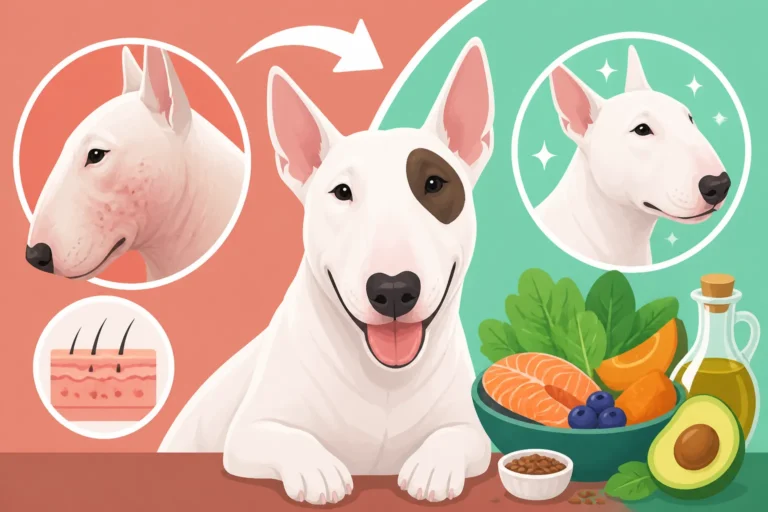
- Omega-3 Fatty Acids: These are potent natural anti-inflammatories. Supplements containing high levels of EPA and DHA (typically derived from fish oil) can significantly improve skin and coat health, reduce dryness, and lessen allergic reactions. Many owners report that a Bull Terrier's Skin Improves With Fish Oil. Look for reputable brands like Nordic Naturals or Grizzly Salmon Oil, and always consult your vet for appropriate dosing, as too much can cause digestive upset.
- Probiotics: A healthy gut microbiome can influence overall immune function, which in turn can impact skin health. Probiotic supplements can help rebalance the gut flora, potentially reducing allergic reactivity.
- Antioxidants: Vitamins E and C, along with other antioxidants, can help protect skin cells from damage caused by inflammation. Many high-quality diets are supplemented with these, but your vet might recommend additional supplementation.
- Limited Ingredient Diets (LID): Even if a full food allergy isn't diagnosed, some Bull Terriers with sensitive stomachs or skin may benefit from an LID that avoids common allergens like chicken, beef, or wheat. Look for foods where a single animal protein and single carbohydrate source are clearly listed, such as "salmon and sweet potato." Brands like Natural Balance, Hill's Z/D, or Royal Canin Hydrolyzed Protein are often recommended.
It’s crucial to make any significant dietary changes slowly and under veterinary guidance to avoid further upsetting your Bull Terrier's system.
Medications and Immunotherapy
When topical treatments and dietary adjustments aren't enough to control severe or chronic allergies, systemic medications or advanced therapies become necessary.
- Antihistamines: For mild, acute allergic reactions, your vet might suggest an antihistamine like diphenhydramine (Benadryl) or cetirizine (Zyrtec). However, it's important to know that these are often not very effective for severe canine atopy, and When a Bull Terrier Needs an Antihistamine should always be decided by a vet.
- Corticosteroids: Drugs like prednisone are highly effective at rapidly reducing inflammation and itching, providing significant relief. However, they come with a host of potential side effects, especially with long-term use (increased thirst, urination, appetite, weight gain, panting, and long-term organ damage). They are typically used for short bursts to get severe flare-ups under control.
- Immunosuppressants (e.g., Cyclosporine – Atopica): Cyclosporine works by modulating the immune system's response to allergens. It's often used for chronic atopic dermatitis where other treatments haven't worked or when long-term steroids are not an option. It can take several weeks to see the full effect, and requires regular monitoring by your vet.
- Janus Kinase (JAK) Inhibitors (e.g., Apoquel): Apoquel is a targeted medication that specifically blocks the pathways that cause itching and inflammation in allergic dogs. It works relatively quickly and has fewer side effects than corticosteroids, making it a popular choice for long-term management of environmental allergies.
- Monoclonal Antibody Therapy (e.g., Cytopoint): Cytopoint is an injectable antibody that targets and neutralizes a specific protein (IL-31) that triggers itch in dogs. It provides targeted itch relief that can last 4-8 weeks with a single injection. It's generally very safe and has minimal side effects, making it an excellent option for many Bull Terriers, especially those for whom oral medications are difficult to administer or tolerated poorly.
- Allergen-Specific Immunotherapy (ASIT / Allergy Shots or Oral Drops): This is the only treatment that aims to change your Bull Terrier's immune response to allergens, rather than just suppress symptoms. Based on the results of allergy testing (IDST or blood tests), a custom vaccine is formulated with tiny amounts of the specific allergens your dog reacts to. Over time, administered via injections or oral drops, this therapy gradually desensitizes the immune system. It requires a long-term commitment (often 6-12 months before significant improvement is seen) and isn't effective for all dogs, but it offers the potential for true long-term relief with minimal side effects.
Working closely with your vet, and potentially a board-certified veterinary dermatologist, will help you navigate these options to find the most effective and sustainable treatment plan for your Bull Terrier.
Preventative Measures and Long-Term Care
Dealing with Bull Terrier skin allergies is a marathon, not a sprint. While treatments can bring immense relief, implementing preventative measures and establishing a consistent long-term care routine is crucial for minimizing flare-ups and maintaining your dog's overall skin health. It's all about creating an environment and lifestyle that supports their sensitive system.
Creating an Allergy-Friendly Environment
Many environmental allergens are unavoidable, but you can significantly reduce your Bull Terrier's exposure within your home.
- Regular Cleaning: Frequent vacuuming with a HEPA filter can reduce dust mites and pet dander. Wash your Bull Terrier's bedding (and yours, if they sleep with you!) weekly in hot water to kill dust mites. Consider using dust mite covers on pillows and mattresses.
- Air Filtration: High-efficiency particulate air (HEPA) filters in your home's HVAC system or standalone air purifiers can help remove airborne allergens like pollen and mold spores.
- Humidity Control: If mold is a concern, use a dehumidifier in damp areas of your home, like basements or bathrooms.
- Outdoor Management: During high pollen seasons, try to walk your Bull Terrier in the early morning or late evening when pollen counts are lower. After outdoor excursions, gently wipe down their paws and coat with a damp cloth or a pet-safe wipe to remove residual allergens. This simple step can make a big difference in preventing irritants from being tracked into your home.
- Avoid Irritants: Be mindful of household cleaning products, air fresheners, and even certain types of carpet or flooring that might trigger contact dermatitis. Opt for natural or unscented products whenever possible.
These small, consistent efforts can add up to a much more comfortable existence for your allergy-prone Bull Terrier.
The Role of Regular Grooming and Hygiene
A consistent grooming routine is not just about keeping your Bull Terrier looking spiffy; it's a vital component of managing their skin health.
- Routine Bathing: Even without a prescribed medicated shampoo, regular bathing with a gentle, hypoallergenic dog shampoo can help wash away environmental allergens and soothe irritated skin. The frequency will depend on your Bull Terrier's individual needs and your vet's advice, but often once a week or every two weeks is beneficial. Always ensure a thorough rinse to prevent any shampoo residue from causing further irritation.
- Paw Care: Bull Terriers often lick and chew their paws due to allergies. Beyond wiping them after walks, consider regular paw soaks in a dilute Epsom salt or medicated solution if recommended by your vet. Keep the fur between their paw pads trimmed to prevent allergens from getting trapped and to allow air circulation.
- Ear Cleaning: Chronic ear infections are a hallmark of allergies. Regularly cleaning your Bull Terrier's ears with a vet-approved ear cleaner can help prevent yeast and bacterial overgrowth. Look for signs of redness, odor, or discharge, and address them promptly with your vet.
- Skin Checks: Make a habit of performing The Weekly Skin Check Every Bull Terrier Needs. Gently part their fur, visually inspect for any redness, bumps, scabs, or hair loss. Feel for any changes in skin texture or temperature. Early detection of issues can lead to faster intervention and prevent minor irritations from escalating into full-blown infections.
By integrating these practices into your daily and weekly routine, you'll be actively supporting your Bull Terrier's skin health and helping them lead a much happier, less itchy life. Remember, managing allergies is a partnership with your vet, and consistent, proactive care on your part makes all the difference.
Common Bull Terrier Allergens and Symptoms
Understanding which allergens might affect your Bull Terrier and what signs to look for can help you communicate effectively with your vet and advocate for your dog's health.
| Allergen Type | Common Sources | Typical Symptoms | Management Tips |
|---|---|---|---|
| Environmental | Pollens (trees, grasses, weeds), Dust Mites, Mold | Itchy skin (paws, belly, armpits, ears), redness, hair loss, ear infections, skin infections. | Regular bathing with hypoallergenic shampoo, wiping paws/coat after outdoor time, HEPA filters, frequent vacuuming, washing bedding weekly in hot water, vet-prescribed medications (Apoquel, Cytopoint, steroids), immunotherapy. |
| Food (Protein-based) | Beef, Chicken, Dairy, Wheat, Soy (common culprits) | Chronic itching (often generalized), recurrent ear infections, gastrointestinal upset (vomiting, diarrhea). | Strict elimination diet trial (novel or hydrolyzed protein diet), then reintroduction of ingredients to identify triggers. Once identified, lifelong avoidance of offending proteins. |
| Flea Saliva | Flea bites (even just one or two) | Intense itching, scabs, redness, hair loss, especially over the hindquarters and tail base. | Year-round, consistent use of a high-quality flea preventive (oral or topical). Regular vacuuming and treating the home environment if fleas are present. |
| Contact Irritants | Cleaning chemicals, certain plants, fabrics, topical medications | Localized redness, rash, blisters, swelling at the point of contact. | Identify and avoid the specific irritant. Barrier creams or protective clothing for outdoor exposure if needed. Gentle cleansing of affected areas. |
Disclaimer
The information provided in this article is for general informational purposes only and is not intended as a substitute for professional veterinary advice, diagnosis, or treatment. Always seek the advice of your veterinarian or other qualified health provider with any questions you may have regarding a medical condition. Never disregard professional veterinary advice or delay in seeking it because of something you have read in this article.