Why a White Bull Terrier Sunburns
If you've ever owned a white Bull Terrier, you know their pristine, short coats are absolutely striking. But beneath that beautiful white exterior lies a vulnerability many owners don't fully appreciate until it's too late: their delicate skin. Unlike their colored counterparts, white Bull Terriers lack the protective pigmentation that shields them from the sun's harsh rays, making them incredibly prone to sunburn and the serious health issues that follow. This guide will walk you through exactly why your white Bull Terrier is so susceptible to sunburn and, more importantly, how you can protect them effectively.
The Unique Biology of a White Bull Terrier's Skin
It's easy to assume all dogs are created equal when it comes to sun exposure, but with white Bull Terriers, that couldn't be further from the truth. Their striking appearance is a direct result of a specific genetic trait that fundamentally alters their skin's defense mechanisms, leaving them significantly more exposed than you might imagine.
Lack of Pigmentation in Skin and Hair
The fundamental reason a white Bull Terrier is so vulnerable to the sun lies in the complete or near-complete absence of melanin, the natural pigment that provides color to skin, hair, and eyes across the animal kingdom, including us humans. Melanin acts like a built-in sunscreen, absorbing harmful UV radiation and dissipating it as heat, preventing it from damaging skin cells. In white Bull Terriers, the cells responsible for producing melanin, called melanocytes, are either completely absent or non-functional in their skin and hair follicles. This isn't just about superficial color; it's about a critical protective layer that simply isn't there.
Imagine spending a day at the beach without any sunscreen at all – that's essentially the starting point for a white Bull Terrier's skin when exposed to sunlight. Their skin is often a pale pink, completely transparent to UV light. Even though they have a coat, it's typically short and relatively sparse, offering minimal physical barrier. This means the UV rays penetrate directly to the underlying skin, leading to rapid cellular damage. It’s a very different situation from a dog with a dark, dense coat, where the melanin in each hair shaft and the skin beneath provides a considerable amount of natural protection. This inherent lack of defense means that even on a moderately sunny day, damage can begin quickly, long before you notice any visible redness.
The Genetic Link to White Coats
The genetic story behind a white Bull Terrier's coat color is a fascinating, albeit double-edged, sword. The extreme white coat in Bull Terriers, much like in breeds such as Dalmatians, is often linked to a gene that affects pigmentation. Specifically, mutations in genes like the MITF (Melanocyte Inducing Transcription Factor) gene are known to cause a lack of melanocytes. While breeders have painstakingly selected for this iconic white coat over generations, this genetic trait comes with significant health implications, including the increased risk of deafness in white dogs and, pertinent to our discussion, profound sensitivity to sunlight.
This isn't a flaw in breeding, but rather an inherent characteristic tied to the desired aesthetic. It means that every white Bull Terrier, regardless of their lineage, carries this genetic predisposition to sun sensitivity. There's no "sun-resistant" white Bull Terrier; it's simply part of their genetic makeup. This is why vigilance is absolutely non-negotiable for owners of these beautiful dogs. Understanding this genetic reality helps owners accept that sun protection isn't an optional extra but a fundamental aspect of their Bull Terrier's care, much like understanding Which Gene Causes Acrodermatitis in Bull Terriers is for preventing other specific health issues in the breed. It’s about recognizing that beauty sometimes comes with specific responsibilities.
Why White Coats Offer Less Protection
While a dark, dense coat acts like a natural shield against UV radiation, the distinctive coat of a white Bull Terrier simply doesn't offer the same level of defense. This isn't just about color; it's about hair density, texture, and the areas of the body that are most exposed.
Thinning Hair and Sparse Coverage
Bull Terriers are known for their short, sleek, and often stiff coat. It’s certainly low-maintenance from a grooming perspective, making A Bull Terrier's Coat Is Easy and Its Skin Is Not a common adage, but it's a significant drawback when it comes to sun protection. Unlike breeds with thick double coats or long, flowing hair, the Bull Terrier's single layer of short hair offers very little in the way of physical barrier against ultraviolet rays. The individual hairs are thin, and the density of the coat can vary, often being quite sparse in certain areas, particularly on the belly, inner thighs, and even the tops of the ears.
Think of it like wearing a very thin, loosely woven t-shirt compared to a thick, denim jacket on a sunny day. The t-shirt provides some cover, but UV rays can still penetrate easily. For a white Bull Terrier, this means that sunlight often reaches their delicate, unpigmented skin with very little obstruction. The lack of an undercoat further exacerbates this issue, as an undercoat would typically add another layer of insulation and protection. This physical characteristic, coupled with the absence of melanin, creates a perfect storm for rapid sunburn, making even a short stroll in bright sunlight a potential risk.
Exposed Areas: Belly, Inner Thighs, Nose, and Ears
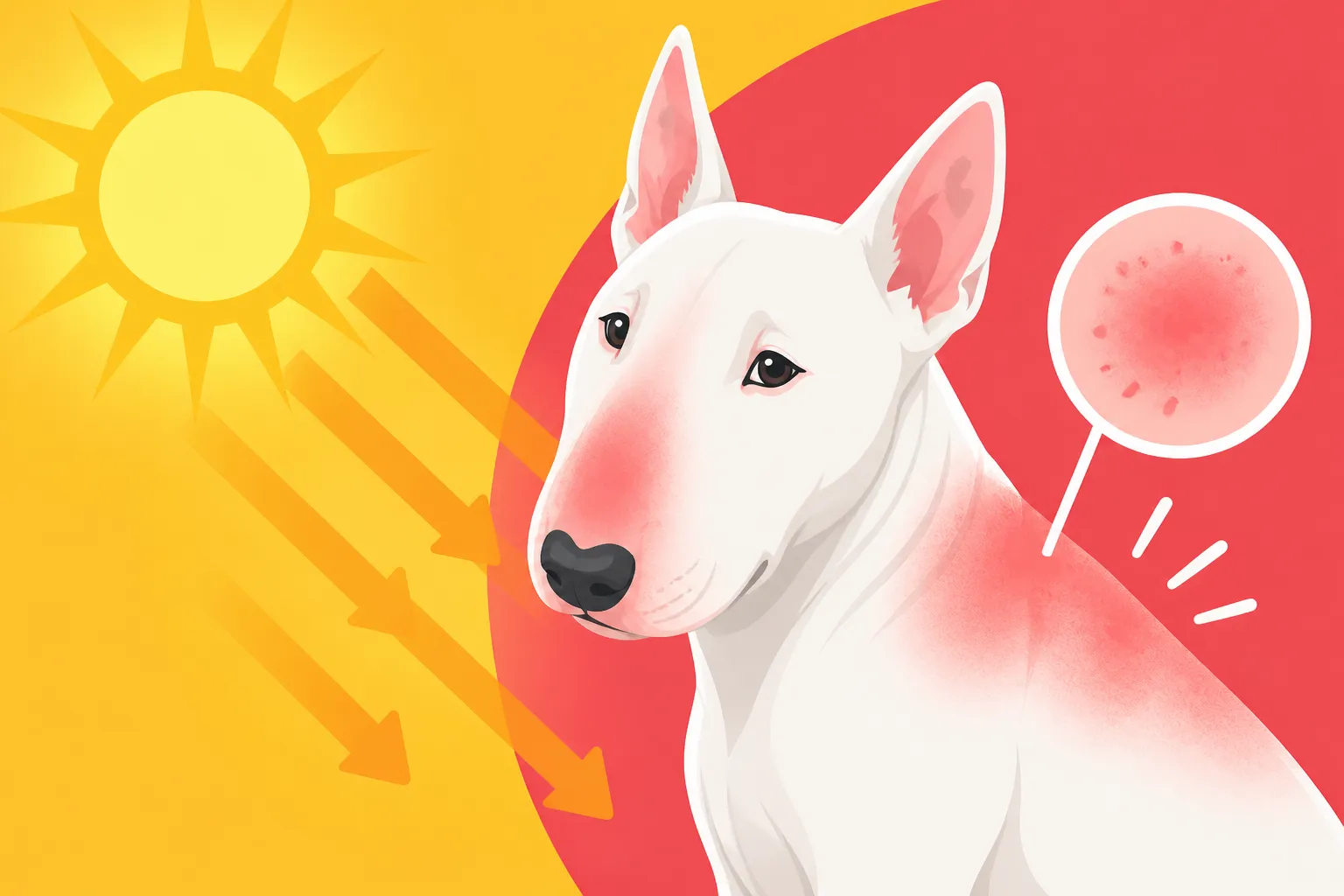
Beyond the overall thinness of the coat, certain areas of a white Bull Terrier's body are exceptionally vulnerable due to their inherent exposure and even thinner skin. The belly and inner thighs are prime examples. When a Bull Terrier lies down to sunbathe (a favorite pastime for many, despite the risks!), their soft, pink belly is directly exposed to the sun's rays reflecting off the ground or patio. The skin in these areas is often completely hairless or very sparsely covered, making it incredibly sensitive.
Then there are the ears and nose. The tips of a white Bull Terrier's ears are particularly prone to burning because they are delicate, often have very little hair, and are constantly exposed to direct sunlight. The bridge of the nose, a prominent feature on these dogs, also frequently lacks dense hair and can burn quickly. It's not uncommon to see white Bull Terriers with perpetually red or peeling ear tips and noses if their owners aren't diligent with protection. These areas, alongside any bald patches or areas where the coat is naturally thinner, require extra attention. Just as you'd remember to put sunscreen on your own nose and ears, these are the critical spots for your Bull Terrier. Neglecting these areas can lead to chronic irritation, infection, and, critically, increase the risk of developing skin cancers over time.
| Body Part | Vulnerability Level | Protection Recommendations |
|---|---|---|
| Belly/Groin | High | Dog-safe sunscreen, UV protective vests, avoid sunbathing. |
| Ear Tips | High | Dog-safe sunscreen, pet-specific hats/snoods, limit exposure. |
| Nose Bridge | High | Dog-safe sunscreen (reapply frequently), seek shade. |
| Inner Thighs | Medium-High | Dog-safe sunscreen, UV protective clothing, avoid prolonged sun. |
| Back/Sides | Medium | UV protective clothing, shade, limited peak sun exposure. |
| Paws | Low (pads) | Avoid hot pavement, but not typically sunburn risk for skin. |
The Dangers of Sunburn Beyond Redness
While a mild sunburn might seem like a temporary discomfort, for a white Bull Terrier, the risks extend far beyond a few days of redness and peeling. Prolonged or repeated sun exposure can lead to serious, even life-threatening, health complications.
Immediate Pain and Discomfort
Just like in humans, a sunburn on a dog is painful. It's not just a superficial reddening; it's a burn. Imagine the agony of having your entire back or belly feel raw and tender to the touch. Your Bull Terrier can't tell you they're hurting, but you'll likely notice them acting uncomfortable, perhaps whining when touched, excessively licking or chewing at affected areas, or being restless. The skin might appear red, inflamed, and warm to the touch. In more severe cases, you might see blistering, peeling, or crusting of the skin, which can be incredibly itchy and painful.
These open or damaged areas are also ripe for secondary bacterial infections. When the skin barrier is compromised, bacteria that normally live on the surface can penetrate deeper, leading to pustules, sores, and more generalized skin infections. This adds another layer of discomfort and can require veterinary intervention, including antibiotics. What starts as a simple oversight can quickly escalate into a distressing and costly problem. It's a stark reminder that A Bull Terrier's Skin Is Its Weakest Point and demands constant vigilance and proactive care to prevent these painful outcomes.
Long-Term Risks: Skin Cancer
This is where the real danger lies. Chronic sun exposure in dogs with light pigmentation is a significant risk factor for various forms of skin cancer. The most common type seen in these cases is squamous cell carcinoma (SCC). This aggressive form of cancer often appears as non-healing sores, crusty patches, or raised lesions, particularly on the ear tips, nose, and belly – precisely the areas most prone to sunburn in white Bull Terriers. While it can be locally invasive, it can also metastasize if not caught early.
Another concerning possibility is hemangiosarcoma, a malignant tumor of blood vessel cells, which can sometimes occur on sun-exposed skin, though it's more commonly found internally. Even less aggressive, but still problematic, are actinic keratoses, which are pre-cancerous lesions that often appear as rough, scaly, or thickened patches of skin. These can eventually progress to full-blown squamous cell carcinoma if left untreated. Recognizing How to Spot a Sun Damaged Patch on a Bull Terrier early is paramount.
The reality is grim: every sunburn event contributes to cumulative damage, increasing the risk of these cancers over your Bull Terrier's lifetime. Treatment for skin cancer can range from surgical removal (which may require extensive procedures if the tumor is large or on a difficult area like the nose or ear) to radiation or chemotherapy, all of which are emotionally and financially taxing. This long-term risk makes diligent sun protection not just about comfort, but about preventing potentially fatal diseases and ensuring your Bull Terrier lives a full, healthy life.
Practical Steps to Protect Your Bull Terrier from the Sun
Protecting your white Bull Terrier from the sun might seem like a daunting task, but with a few consistent habits and the right tools, it's entirely manageable. It requires a bit of planning, but the peace of mind knowing you're safeguarding their health is well worth the effort.
Safe Sunscreen Options for Dogs
Choosing the right sunscreen for your Bull Terrier is crucial, as human sunscreens can contain ingredients toxic to dogs if ingested (which, let's be honest, they probably will lick off). Always opt for dog-specific sunscreens. Look for products that are formulated without zinc oxide or para-aminobenzoic acid (PABA), both of which are common in human sunscreens and can be harmful if licked and swallowed. Zinc oxide, in particular, can cause gastrointestinal upset and, in larger amounts, red blood cell damage. Many reputable pet brands offer sunscreens designed for dogs.
When applying, focus on those highly vulnerable areas: the tips of the ears, the bridge of the nose, the belly, and any thinly coated or pink-skinned areas. Apply a generous amount about 15-20 minutes before going outside to allow it to absorb. Reapply frequently, especially if your Bull Terrier is swimming, playing vigorously, or just after they've had a good lick. This isn't a one-and-done application; think of it like reapplying sunscreen on a toddler. A great example of such products would be those from brands focusing on pet wellness. While I can't recommend specific dog sunscreen brands in this context, popular options often include natural, non-toxic ingredients.
Protective Clothing and Shade
Sunscreen is a fantastic tool, but it's even better when paired with physical barriers. UV protective clothing for dogs has become more readily available and can be a game-changer for white Bull Terriers. These lightweight shirts and vests are often made from fabrics with a UPF (Ultraviolet Protection Factor) rating, similar to human sun-protective clothing. They can cover large areas of the back and belly, offering continuous protection without the need for constant reapplication of sunscreen. When choosing clothing, ensure it fits well, isn't restrictive, and is made of breathable material to prevent overheating. Brands like Ruffwear or Hurtta, known for their durable outdoor gear, sometimes offer vests or cooling coats with UV protection features.
Creating ample shade in your yard or any outdoor area where your Bull Terrier spends time is also non-negotiable. This could mean positioning an umbrella, installing a shade sail, or ensuring access to a covered patio or dog house. Encourage your Bull Terrier to use these shaded areas, perhaps by placing their water bowl or a favorite chew toy there. Remember, even on cloudy days, UV rays can penetrate the cloud cover, so vigilance remains important.
Scheduling Outdoor Activities
One of the simplest yet most effective ways to protect your Bull Terrier is to be mindful of when you take them outside. The sun's UV index is highest during the middle of the day, typically between 10 AM and 4 PM. This is when sunlight is most intense and harmful.
Adjust your routine to schedule walks, playtime, and potty breaks during the early morning or late afternoon/early evening hours. Before 9 AM and after 5 PM are generally safer times, especially during the summer months. During peak hours, keep your Bull Terrier indoors in a cool, shaded environment. This isn't just about preventing sunburn; it also significantly reduces the risk of overheating, which can be another serious concern for Bull Terriers due to their short snouts and enthusiastic nature. By making this simple adjustment, you drastically reduce their exposure to the most damaging UV rays. It's a proactive measure that goes hand-in-hand with ensuring Whether a Bull Terrier Needs a Coat in Winter for cold weather protection.
When to Consult Your Vet About Sun Damage
It's natural to feel a bit overwhelmed when you notice something off with your Bull Terrier's skin. Knowing when to reach for the dog-safe sunscreen and when to pick up the phone to your vet is key to managing sun-related issues effectively and preventing them from escalating. Proactive care, backed by professional advice, is always the best approach.
Recognizing Signs of Sunburn and Skin Damage
Being vigilant and performing The Weekly Skin Check Every Bull Terrier Needs is your first line of defense. After any significant sun exposure, carefully examine your Bull Terrier's skin, especially the vulnerable areas.
Look for:
- Redness and Inflammation: The most obvious sign of acute sunburn. The skin might be pinker or redder than usual, particularly on the belly, ears, and nose.
- Warmth to the Touch: The affected skin might feel noticeably warmer than surrounding areas.
- Tenderness or Pain: Your Bull Terrier might flinch, whine, or pull away when you touch the reddened areas.
- Excessive Licking or Chewing: They may try to soothe the irritated skin themselves.
- Blistering or Peeling: In more severe cases, fluid-filled blisters can form, which can then rupture and peel, leaving raw, exposed skin. This requires immediate veterinary attention due to the high risk of infection.
- Crusting or Scabbing: Chronic sun exposure can lead to thickened, dry, crusty patches, especially on the ear tips or nose. These might be early signs of pre-cancerous lesions or even developing cancer.
- Changes in Skin Texture or Color: Any new lumps, bumps, persistent sores that don't heal, or areas of thickened, discolored skin should be a red flag. These are classic indicators of potential skin cancer or precancerous conditions.
If you notice any of these signs, especially blistering, non-healing sores, or persistent changes in skin texture, don't delay in contacting your veterinarian.
Regular Skin Checks and Early Detection
The importance of routine, thorough skin checks cannot be overstated for a white Bull Terrier. Make it a habit to examine your dog head-to-tail at least once a week, and more frequently during periods of high sun exposure. Gently part their fur, paying close attention to the ears (both inner and outer surfaces), nose, around the eyes, lips, belly, groin, and inner thighs. Feel for any lumps, bumps, or areas of thickened skin. Look for any new discolorations, sores, or scabs that weren't there before.
Early detection of any suspicious lesions is absolutely critical for successful treatment, particularly when it comes to skin cancers. The smaller and more localized a tumor is when identified, the higher the chance of a complete cure with surgical removal. If you're ever unsure about a particular spot, err on the side of caution and have your vet check it out. They can determine if it's merely an irritation or something more serious that requires further investigation. This diligence is a cornerstone of responsible Bull Terrier ownership, much like understanding The Yearly Urine Test Every Bull Terrier Owner Should Book for kidney health.
Diagnostic and Treatment Options
When you bring your Bull Terrier to the vet with suspicious skin lesions, they will likely start with a thorough physical examination. Depending on what they find, they might recommend several diagnostic steps:
- Cytology: For superficial lesions, the vet might take a small sample using a tape strip or a fine needle aspirate to look at the cells under a microscope. This can help rule out infections or identify certain types of tumors.
- Biopsy: This is often the definitive diagnostic tool. A small piece of the affected tissue is surgically removed (sometimes under local anesthesia, sometimes requiring sedation or general anesthesia, depending on the location and size) and sent to a pathology lab. The pathologist will examine the tissue to determine if it's benign, pre-cancerous, or cancerous, and if cancerous, what type it is and how aggressive it appears.
- Full Workup: If cancer is suspected, your vet may recommend further tests like bloodwork, X-rays, or ultrasound to check for metastasis (spread of cancer) to other parts of the body.
Once a diagnosis is made, treatment options will vary based on the type, size, and location of the lesion, as well as the overall health of your Bull Terrier.
- Surgical Excision: For many skin cancers, surgical removal is the primary treatment. This involves removing the tumor and a margin of healthy tissue around it to ensure all cancerous cells are gone.
- Cryotherapy: For smaller, superficial lesions or pre-cancerous spots, freezing the tissue with liquid nitrogen might be an option.
- Radiation Therapy: In some cases, especially if surgery isn't feasible or to target remaining cancer cells, radiation might be recommended.
- Chemotherapy: Less common for skin cancers unless there's evidence of metastasis, but can be part of a multi-modal approach.
The cost of these treatments can be significant. A biopsy might run a few hundred dollars, while surgery for a complex skin cancer can easily reach into the thousands, especially if specialized surgeons are needed. This is where investing in a comprehensive pet insurance plan, such as those offered by Healthy Paws, can be an absolute lifesaver. Policies like those from Healthy Paws can help cover a substantial portion of these unexpected and often high veterinary bills, ensuring you can make treatment decisions based on what's best for your beloved Bull Terrier, rather than solely on your budget. They cover accidents and illnesses, which would include skin cancers that develop over time. Without insurance, the financial burden of managing skin cancer, which can often recur, can be overwhelming for owners.
In essence, understanding What Skin Treatment Costs a Bull Terrier Owner can really highlight the need for both preventative measures and financial preparedness.
Disclaimer
Please remember that this article is intended for informational purposes only and does not constitute professional veterinary advice. Always consult with a qualified veterinarian for any health concerns or before making any decisions about your Bull Terrier's care and treatment.