What Hinks Won Betting on His Bull Terrier
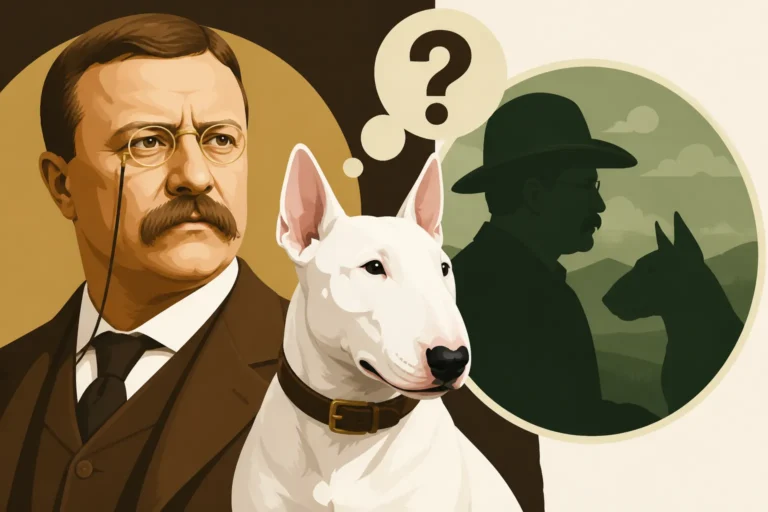
James Hinks is said to have won a wager after his Bull Terrier, Puss, defeated another dog at Cremorne Gardens in London. The story is often told as a dramatic proof of Puss’s courage, but the details are less tidy than the familiar version suggests. Here’s what the wager was about, what the tale says happened, and what can—and cannot—be treated as established history.
What Hinks Was Betting On
The wager was about Puss winning a fight
The best-known version of the story says Hinks backed Puss in a fight against another dog. Puss won, and Hinks collected on his wager. In that sense, the answer to “what did Hinks win betting on his Bull Terrier?” is money: he reportedly won a bet that Puss would beat the opposing dog.
That distinction matters because the story is sometimes retold as though Puss won a formal dog-show prize. The anecdote is not chiefly about a show-ring award. It centers on a contest between dogs and a wager on the outcome. That makes it a different kind of episode from the breed’s participation in an exhibition, even if the tale is associated with the Cremorne Gardens setting and early public displays.
The account fits the rougher sporting culture in which some early Bull Terrier stories were circulated. In those days, people often praised a dog’s courage by describing how it performed in a confrontation. That does not mean every detail of the Puss story is reliable, or that it should be treated as a modern endorsement of dog fighting. It means the anecdote belongs to a historical context in which such contests were used to advertise a dog’s qualities.
The amount of the bet is not firmly settled
Retellings sometimes give a precise amount for Hinks’s wager, but the figure is not consistent enough to repeat as a settled fact. The story’s central claim is clearer than its fine details: Hinks is said to have wagered on Puss, Puss won, and Hinks profited from the result.
When a historical anecdote travels through breed histories, club lore, and popular retellings, details can shift. One version may name an amount; another may leave it out. Some accounts emphasize the odds, the opponent, or Puss’s condition afterward. Without a dependable contemporary record to anchor those details, it is sensible to separate the core of the story from the embellishments.
For a fuller account of the anecdote and the question of what is documented, see Puss, the Bull Terrier That Won a Wager Without a Scratch and Whether the Cremorne Bull Terrier Story Is True. The titles reflect the familiar tradition, but a memorable title is not itself proof that every element of the story is certain.
Puss’s victory was presented as evidence of character
The story’s appeal was never only about Hinks receiving money. It made Puss a vivid example of the kind of dog Hinks wanted people to notice: determined, composed under pressure, and capable of holding her own. In an era when a breeder’s reputation depended heavily on public opinion and the performance of individual dogs, a striking story could do a great deal of promotional work.
That does not tell us precisely what Hinks intended when he entered or backed Puss. We should avoid claiming certainty about his private motives. Still, the anecdote helped attach a recognizable image to the young breed. It gave people a dog, a setting, and a dramatic result to remember.
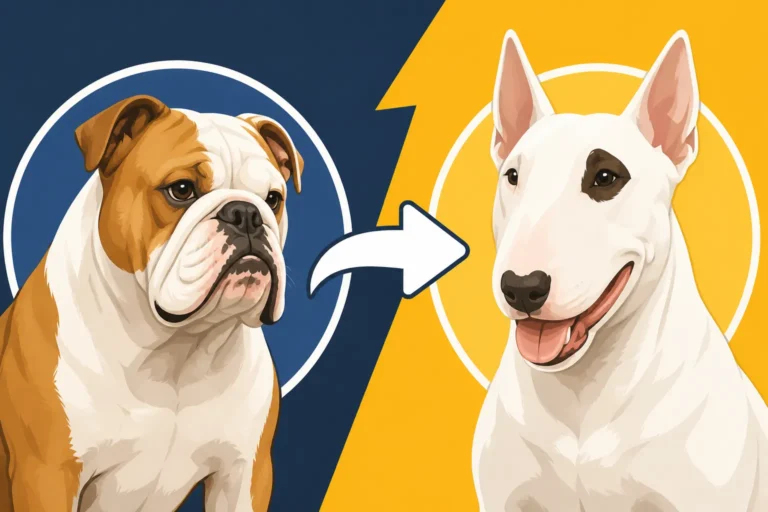
This is part of the broader background to James Hinks Built the Bull Terrier in Birmingham in the 1860s. The breed was being shaped and presented to the public during a period when appearance, temperament, and reputation were all part of how breeders distinguished their dogs.
What the Story Says Happened at Cremorne
Cremorne Gardens gave the tale a public stage
Cremorne Gardens was a London pleasure ground associated with public entertainment. Placing the Puss story there gives it a theatrical quality: a crowd, an anticipated contest, a wager, and a dog whose performance was remembered afterward. That setting helps explain why the anecdote has remained so appealing to Bull Terrier enthusiasts.
The story is often connected with 1862, a year that appears frequently in accounts of Hinks and the early breed. But a date attached to a familiar narrative should still be handled carefully. Later retellings can make an event sound more precisely documented than it really is. The location and period help frame the story; they do not automatically settle every disputed detail.
For the broader event context, What Happened at the 1862 Cremorne Show looks at the show-related story, while What Puss the Bull Terrier Did at Cremorne focuses on Puss herself. Those are useful distinctions: one account may discuss the public event, while another concentrates on the dog and the wager.
Puss is commonly described as a white Bull Terrier
Puss is remembered as a white Bull Terrier associated with Hinks. That detail connects her to the early white dogs that helped define the breed’s public image. The name “White Cavalier” also became attached to the Bull Terrier, reflecting an ideal of a capable dog with a polished, companionable presence.
A white coat, however, does not tell us everything about a dog’s breeding, temperament, or role. The historical story has often been simplified into a neat portrait of a brave white dog who defeated an opponent and emerged nearly unhurt. That image is powerful, but it risks turning a complex period of breed development into a single heroic scene.
Puss’s place in the breed’s memory is better understood alongside the longer story of how Hinks presented his dogs. The White Cavalier: Why the Bull Terrier Never Started Fights explores the way the breed’s public identity has been discussed, including the tension between the dog’s historic associations and the companion image later emphasized by admirers.
The “without a scratch” detail deserves caution
Some versions say Puss came away without a scratch. Others describe her condition differently or focus more generally on the outcome. The detail is part of the popular legend, but it should not be repeated as if a complete veterinary record or uncontested eyewitness account survives.
Stories about contests often magnify the winner’s toughness. A dog that reportedly wins with little visible injury becomes more impressive than one whose victory is described plainly. Over time, a phrase such as “without a scratch” can become inseparable from the story even when the underlying evidence is thin or varies between tellings.
That is why it is helpful to ask not just whether Puss won, but how confidently we can state what happened afterward. Whether Puss the Bull Terrier Was Injured at All addresses that question directly. The careful answer is that Puss is remembered as having suffered little or no injury, but the exact condition of the dog is not as firmly established as the legend may suggest.
| Part of the story | What is commonly claimed | How cautiously to treat it |
|---|---|---|
| The wager | Hinks backed Puss to win | Central to the familiar anecdote |
| The outcome | Puss defeated another dog | Repeated in Bull Terrier histories, but details vary |
| The setting | Cremorne Gardens in London | Commonly associated with the story |
| The date | Often linked with 1862 | Frequently repeated, but not every detail is equally secure |
| The bet amount | A specific sum appears in some tellings | Not consistent enough to present as settled |
| Puss’s injuries | Often said to have been minimal or absent | A memorable detail, but not firmly established in every account |
| A show prize | Sometimes confused with the wager | The anecdote is about a bet, not simply a formal show award |
How to Separate Breed History from Breed Legend
Look for the claim beneath the dramatic details
When reading a historical story like Puss’s, separate its basic claim from the vivid details added around it. The basic claim is that Hinks backed his dog in a contest and won the wager when Puss prevailed. The precise amount, the opponent’s identity, the exact sequence of events, and the dog’s injuries are details that may be less consistently supported.
This approach does not require dismissing the entire story. It simply gives each part the confidence it deserves. A recurring anecdote may preserve a real event while also absorbing embellishments as it is retold. That is common in popular histories, especially when a story serves as a memorable origin point for a breed’s reputation.
A useful habit is to compare accounts that focus on different questions. One may emphasize the show or public event; another may repeat the bet; a third may examine whether Puss was injured. The overlap can reveal what the tradition consistently claims, while the differences show where certainty thins out.
Remember that public spectacle shaped the breed’s image
The Puss story is not just a tale about one dog. It also reflects the way dogs were discussed and promoted in the nineteenth century. Courage and performance could be treated as evidence of a dog’s worth, and public contests made dramatic stories easy to circulate. That history can feel uncomfortable to modern readers, particularly when the account involves animals being set against one another.
It is possible to acknowledge that context without romanticizing it. Puss’s story has become part of Bull Terrier history, but it should not be used to suggest that a contemporary Bull Terrier needs to fight, prove toughness, or be tested through aggression. Breed heritage is not a training plan. A dog’s welfare and behavior today are shaped by its individual temperament, upbringing, health, and environment.
The distinction also helps explain why later descriptions of the Bull Terrier may present a different ideal from the one suggested by the wager story. Breed histories can contain competing images: the dog as a formidable performer, the dog as a stylish companion, and the dog as a lively family pet. A single anecdote cannot define every Bull Terrier, then or now.
Treat the wager as an anecdote, not a complete record
The safest way to answer the title question is straightforward: Hinks reportedly won money by betting that Puss would win her contest. The story is linked with Cremorne Gardens and is often dated to 1862. But the exact sum, the complete circumstances, and the claim that Puss escaped entirely uninjured are details to treat with caution.
That answer preserves what makes the story historically interesting without turning uncertain details into hard facts. Puss remains memorable because the story connects a named dog, a prominent breeder, and the early public identity of the Bull Terrier. The wager itself is the hook; the uncertainty around the supporting details is part of an honest account of how breed history is remembered.
If you want to explore the surrounding history, What Puss the Bull Terrier Did at Cremorne and What Happened at the 1862 Cremorne Show help place the anecdote in its setting. For the larger question of how the breed developed and earned its name, James Hinks Built the Bull Terrier in Birmingham in the 1860s provides the wider frame.
Why the Puss Story Still Gets Retold
It gives an early breed a memorable character
Many breeds have complicated histories, but the details can be difficult to remember until they are attached to a particular dog. Puss gives the Bull Terrier story a face and a moment of drama. Rather than describing only breeding decisions or exhibition records, the anecdote gives readers a small narrative: Hinks trusted his dog, Puss won, and the wager paid off.
That memorable structure helps explain why the story survives even when the details are debated. A tidy, dramatic account travels more easily than a cautious explanation of incomplete records. Readers can remember Puss at Cremorne long after forgetting the finer points of nineteenth-century dog breeding.
The downside is that memorable stories can become overly polished. Repetition may gradually make a debated detail sound certain. Keeping the distinction between the core anecdote and its later embellishments allows the story to remain engaging without presenting every flourish as settled fact.
It is a window into how people valued dogs then
The wager also reveals something about the social world surrounding early Bull Terriers. People evaluated dogs through public appearances, contests, breeding reputations, and stories passed between enthusiasts. A wager made a dog’s performance a public matter, not simply a private assessment by its owner.
That way of thinking is very different from the priorities many owners bring to dogs today. Modern discussions tend to focus on responsible breeding, health, welfare, training, and the dog’s fit within a household. Looking back at Puss can help us see that ideas about what made a dog admirable have changed, even as the breed’s energetic and distinctive character continues to attract attention.
The history is most useful when it is read with both interest and perspective. Puss’s reported win may be part of the Bull Terrier’s story, but it is not a recommendation for recreating the conditions that made the anecdote possible. It is a reminder that breed lore reflects the values and entertainment of its own time.
Disclaimer
This article is for general informational purposes only and does not constitute professional advice. Laws, prices and regulations vary by location and change over time. Consult a qualified professional for guidance on your specific situation.