Who Carried On the Hinks Bull Terrier Line
Many Bull Terrier enthusiasts admire the foundational work of James Hinks, the Birmingham breeder credited with creating our beloved "White Cavalier." However, it’s a common frustration to wonder what happened after his initial groundbreaking efforts – who picked up the torch? This guide delves into the fascinating lineage of individuals and kennels that continued to shape the Bull Terrier breed, preserving Hinks' vision while guiding the breed through its evolution to the iconic dog we know today.
James Hinks' Initial Vision and Legacy
James Hinks was a true visionary in the dog world, a man who saw potential where others saw only utility. In the mid-19th century, he took the rough-and-tumble "bull and terrier" types, dogs bred primarily for fighting and sport, and set about refining them. His goal was not just to create a physically impressive dog, but one with a noble spirit, a true gentleman's companion. This pursuit laid the groundwork for the modern Bull Terrier, yet his personal time with the breed he founded was surprisingly short.
The 'White Cavalier' Ideal
Hinks' initial focus was on creating an all-white dog, a striking departure from the often motley-colored bull and terriers of the era. He envisioned a dog with unparalleled courage, elegance, and a surprisingly gentle disposition when not provoked. This was the birth of the "White Cavalier" ideal, a nickname that perfectly encapsulated his desire for a dog that was both formidable and refined. He selectively bred for intelligence, loyalty, and a distinct, appealing appearance that would set his creation apart. His method involved crossing the Old English Bulldog with the now-extinct English White Terrier, and possibly other breeds like the Dalmatian, to achieve the desired look and temperament. He actively campaigned his dogs, showcasing their prowess and gentle nature, famously demonstrating that they were not aggressive instigators but rather noble defenders. You can read more about his initial work in James Hinks Built the Bull Terrier in Birmingham in the 1860s and The White Cavalier: Why the Bull Terrier Never Started Fights.
Hinks' Untimely Passing
Tragically, James Hinks died relatively young in 1878, just sixteen years after he first exhibited his white Bull Terriers. His passing left a significant void, and for any newly established breed, such an event could have spelled disaster, potentially leading to the dilution or even disappearance of his carefully cultivated lines. The breed was still very much in its infancy, with specific traits still being solidified. It was a critical juncture, and the question loomed: would his unique vision for the Bull Terrier fade with him, or would others be dedicated enough to continue his pioneering work? Fortunately, the foundation he laid was strong, and his passion had already inspired a devoted following, ensuring that the Bull Terrier's future was far from uncertain. This early period of breed development, following the founder's death, often determines the ultimate success and longevity of a breed.
The Immediate Successors: Family and Close Associates
The continuation of James Hinks' work after his death was not left to chance; it was primarily taken up by his dedicated family and a close-knit circle of breeders who had been deeply influenced by his methods and vision. They understood the importance of maintaining the integrity of the lines and refining the characteristics that Hinks had established.
The Hinks Family Continues the Work
Foremost among those who carried on the Hinks Bull Terrier line were his own sons, particularly James Hinks Jr. and Frederick Hinks. They had grown up alongside their father's breeding program, witnessing firsthand the meticulous selection and development that went into creating the "White Cavalier." They were steeped in their father's ideals and possessed an intimate knowledge of his dogs' pedigrees and temperaments. James Hinks Jr., in particular, became a prominent figure in the breed, continuing to breed and exhibit Bull Terriers with considerable success. His efforts were crucial in stabilizing the breed's characteristics during a period when many other "bull and terrier" types were still highly variable. This familial continuity provided an invaluable bedrock for the fledgling breed, preventing it from fragmenting or losing its distinctive identity. The commitment of the Hinks family ensured that the genetic legacy and specific traits James Hinks had painstakingly established were not lost but rather reinforced and carried forward into the next generation of Bull Terriers. It wasn't just about breeding dogs, but about maintaining a specific vision. To understand the family's extended commitment, you can refer to Whether the Hinks Family Bred Bull Terriers for Generations.
Early Breeders Inspired by Hinks
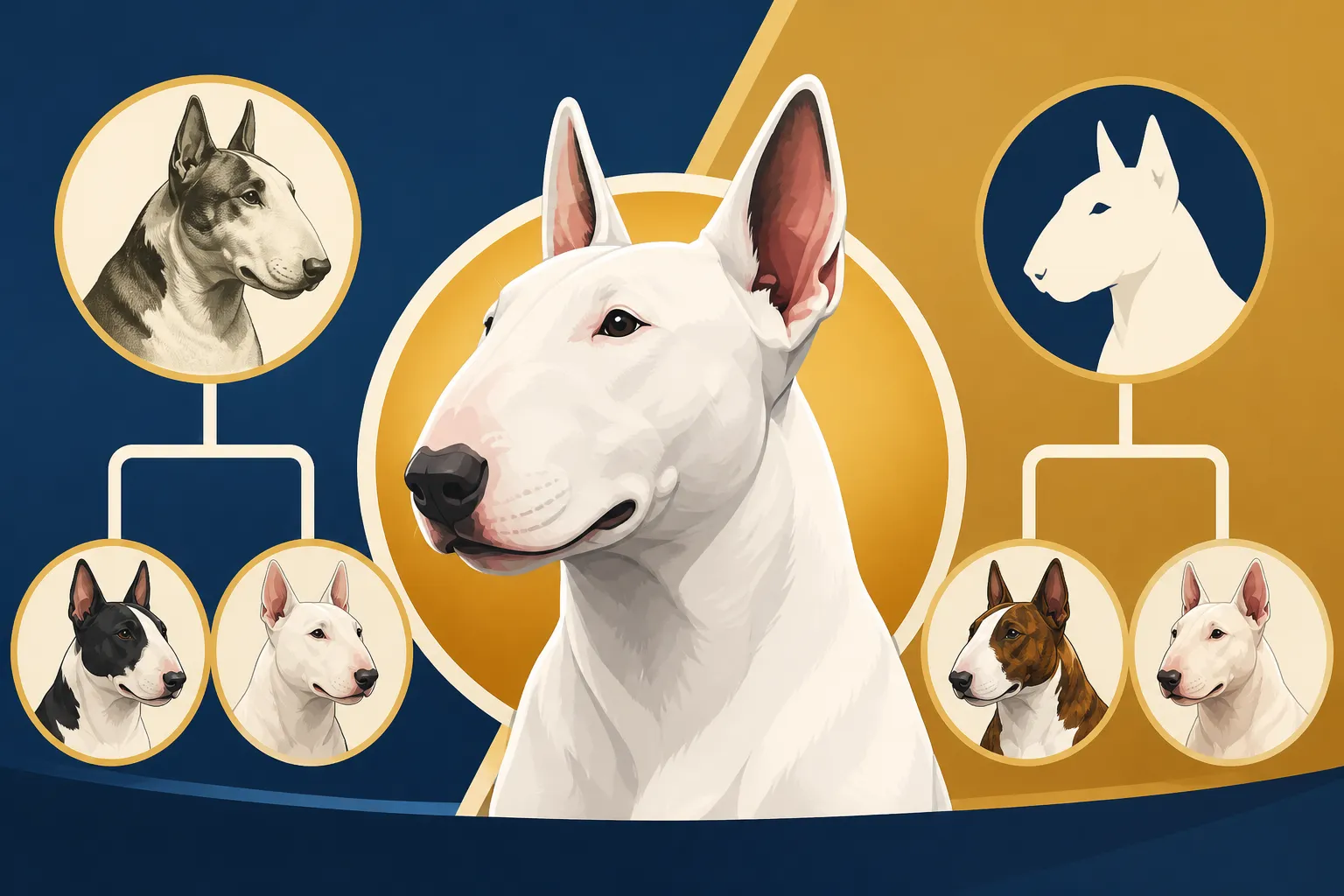
Beyond the immediate family, several key individuals and kennels emerged as ardent supporters and developers of the Bull Terrier. These were breeders who recognized the unique qualities of Hinks' dogs and committed themselves to their advancement. Figures like W.J. Monk, who established the famous "Monk" strain, played a pivotal role. These early breeders often started with stock directly from Hinks' kennel or from his closest associates, ensuring a direct link to the foundational lines. They shared a common goal: to produce dogs that embodied the "White Cavalier" spirit – brave, loyal, and beautiful. Their combined efforts expanded the breed's gene pool while adhering to the core tenets laid down by Hinks. The formation of early breed clubs and societies, though still nascent, also provided a platform for these dedicated individuals to collaborate, share knowledge, and collectively guide the breed's development, laying the groundwork for more formalized standards in the years to come. This collaborative spirit was essential for the breed's resilience and growth.
The Evolution of the Breed and Key Figures
While the Hinks family and early associates laid the foundation, the Bull Terrier continued to evolve throughout the late 19th and early 20th centuries. Key breeders introduced new characteristics, solidifying the breed's iconic look and expanding its color palette beyond pure white.
Shaping the Iconic 'Egg Head'
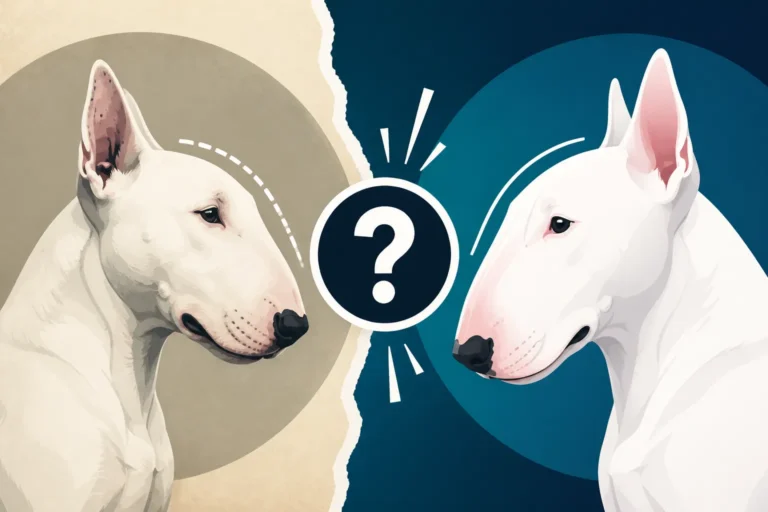
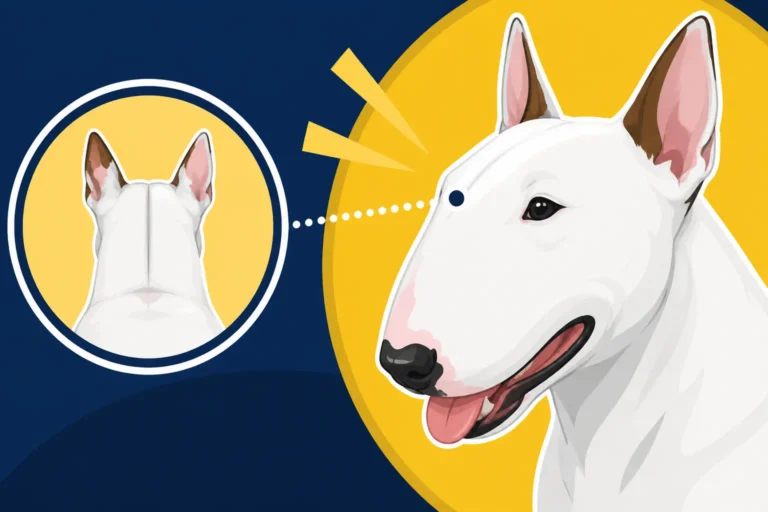
One of the most striking and recognizable features of the modern Bull Terrier is its distinctive egg-shaped head, often described as having a "Roman finish" or "downface." This unique head shape was not present in Hinks' original dogs; early Bull Terriers had more conventional, albeit strong, heads. The development of the "egg head" was a gradual process, largely attributed to the breeding efforts of later generations. Breeders like Mr. R.L. Rawlinson and his "Ormandy" kennel in the early 20th century were instrumental in popularizing and perfecting this characteristic. They selectively bred for the continuous curve from the top of the skull to the tip of the nose, eliminating the "stop" (the indentation between the eyes) that is common in most dog breeds. This aesthetic became highly desirable and is now a hallmark of the breed. This fascinating transformation is explored further in When the Bull Terrier's Egg Head Appeared and How the Bull Terrier's Head Changed Over Time. It was a deliberate artistic choice by breeders, aiming for a singular profile that truly set the Bull Terrier apart in the canine world.
The Reintroduction of Color
Another significant evolution in the Bull Terrier's history was the reintroduction and acceptance of colored varieties. Initially, James Hinks had focused almost exclusively on the all-white Bull Terrier, which was seen as the epitome of the "Cavalier" ideal. However, the all-white coat brought with it some genetic challenges, most notably a higher incidence of deafness. Breeders recognized the need to broaden the genetic base and mitigate these issues. The move to reintroduce color was championed by enthusiasts such as Ted Lyon and his "Willaston" kennel. Lyon, starting in the late 1890s, worked tirelessly to bring back the colored varieties, often by crossing white Bull Terriers with Staffordshire Bull Terriers, which carried the desired color genes. It was a long and sometimes contentious battle within the breed fancy, but eventually, the colored Bull Terriers gained official recognition. The colored varieties proved to be robust and helped diversify the gene pool, contributing to overall breed health. You can delve deeper into this story in When the Colored Bull Terrier Was Accepted and Who Bred the First Colored Bull Terriers. This decision was crucial for the long-term health and vitality of the breed, ensuring its continued existence beyond the pure white ideal.
Establishing Breed Standards and Modern Lines
As the Bull Terrier continued to gain popularity, particularly across the Atlantic, the need for formal breed standards and organized clubs became paramount. This period saw the solidification of the breed's appearance and temperament guidelines, setting the stage for the modern Bull Terrier and the responsible breeding practices that persist today.
Formation of Breed Clubs
The establishment of formal breed clubs was a critical step in guiding the Bull Terrier's future. In the United Kingdom, The Bull Terrier Club was founded in 1887, providing a structured framework for breeders and enthusiasts. This club played a vital role in drafting and refining the breed standard, which describes the ideal physical characteristics, temperament, and movement of the Bull Terrier. Across the pond, the Bull Terrier Club of America (BTCA) was formed in 1897, and the breed was officially recognized by the American Kennel Club (AKC) in 1885. These clubs served as guardians of the breed, promoting responsible breeding practices, organizing dog shows, and disseminating information to members and the public. They ensured that breeders had clear guidelines to follow, helping to maintain consistency in type and temperament while discouraging practices that could be detrimental to the breed's health or reputation. Without these structured organizations, the breed's development might have been far more chaotic.
| Era/Figure | Key Contribution | Notable Characteristic Developed | Impact on Breed |
|---|---|---|---|
| James Hinks | Founder, established "White Cavalier" ideal | All-white coat, gentle demeanor | Defined initial breed type, laid foundation |
| Hinks Family | Continued father's lines after his death | Maintained purity of early lines | Ensured continuity and stability in early years |
| Ted Lyon | Reintroduced color to the breed | Brindle, red, tricolor coats | Broadened genetic diversity, addressed deafness |
| R.L. Rawlinson | Perfected the "egg head" | Downface, continuous curve head | Established iconic modern head shape, aesthetic |
| Breed Clubs (e.g., BTCA) | Formalized standards, promoted responsible breeding | Defined ideal type, temperament | Guided consistent development, preserved integrity |
Influential Kennels of the 20th Century
Throughout the 20th century, a succession of influential kennels and dedicated individuals further cemented the Bull Terrier's place in the dog world. These breeders worked to refine existing lines, address emerging health concerns, and uphold the breed standard. Kennels like "Romany," "Souperlative," and "Bullyon" became household names within the Bull Terrier community, producing champions and contributing significantly to the breed's genetic heritage. These breeders were not just focused on show ring success; they were committed to health, temperament, and structural soundness. They carefully selected breeding pairs, often tracking pedigrees for generations to ensure the quality of their offspring. This meticulous approach helped to iron out inconsistencies and further solidify the distinctive Bull Terrier characteristics we appreciate today, from its muscular build to its singular "triangular eye." It’s through their enduring commitment that the modern Bull Terrier maintains its unique appeal. Many modern Bull Terrier owners benefit from these historical efforts, finding robust, well-tempered dogs that still echo Hinks' original vision. When considering health products or breed-specific items, places like Chewy offer a wide range of options that these historic breeders could only have dreamed of for their precious charges. For instance, finding resources on What a Bull Terrier breeder should have tested often points back to the legacy of health-conscious breeders.
The Bull Terrier's Unique Place in the Canine World
The Bull Terrier's journey from its origins in the mid-19th century to its current status as a beloved companion is a testament to the dedication of many individuals who picked up where James Hinks left off. Their collective efforts have ensured that the breed's unique blend of strength, character, and charming eccentricity continues to thrive.
Preserving Temperament and Health
Beyond physical appearance, the successors to Hinks' legacy also focused heavily on preserving the Bull Terrier's remarkable temperament. Hinks himself championed a dog that was "the White Cavalier" – courageous but not aggressive, a playful companion with a strong sense of loyalty. Later breeders understood that this unique personality was as crucial to the breed's identity as its looks. They worked to ensure that the inherent clownishness and affectionate nature of the Bull Terrier were maintained through careful selection. Simultaneously, as veterinary science advanced, attention increasingly turned to genetic health. Early concerns like deafness in white Bull Terriers eventually led to the widespread adoption of testing like the BAER test, ensuring healthier generations. Other conditions, such as kidney issues, also became a focus for responsible breeders who sought to produce robust dogs that would live long, healthy lives. This commitment to both sound mind and body has been a continuous thread woven through the work of Hinks' successors. For those looking into current health care for their Bull Terrier, you can learn more by looking into The Yearly Urine Test Every Bull Terrier Owner Should Book or The Heart Murmur a Bull Terrier Puppy Should Be Checked For. Modern Bull Terrier owners can explore comprehensive options on platforms like Chewy for specialized diets or supplements designed to support their dog's well-being, a stark contrast to the limited resources available to Hinks and his immediate successors.
The Lasting Impact of Dedicated Breeders
The story of "who carried on the Hinks Bull Terrier line" is not just a historical account; it's a living testament to the power of dedicated breeders. Each generation of enthusiasts, from the Hinks family themselves to the influential kennel owners of the 20th century, contributed their passion and expertise. They navigated the challenges of evolving aesthetics, genetic health, and changing societal perceptions to ensure the Bull Terrier's continued success. Their efforts highlight that a breed is never truly "finished" but is constantly refined and stewarded by those who love it. The result is a breed with an unmistakable look and an unforgettable personality that continues to captivate hearts worldwide. Without these tireless individuals, the Bull Terrier would undoubtedly be a very different dog, or perhaps not exist at all in its current form. Their legacy ensures that the iconic Bull Terrier, with its playful spirit and distinctive appearance, will continue to grace homes and show rings for many years to come.
Disclaimer
This article is for general informational purposes only and does not constitute professional advice. Laws, prices and regulations vary by location and change over time. Consult a qualified professional for guidance on your specific situation.