How Tall a Bull Terrier Stands
One of the first things people notice about a Bull Terrier is their striking, unique appearance, but often, the sheer physical presence of the breed can be a bit of a surprise. It’s not just about the egg-shaped head or the tiny triangular eyes; it's about how much dog is packed into that athletic frame. This guide will walk you through everything you need to know about the typical height of a Bull Terrier, covering the official standards, what factors can influence their size, and how these measurements impact their daily lives.
The Breed Standard: What the Official Guidelines Say
When we talk about a Bull Terrier's height, we're really looking at the breed standard – the official blueprint that defines what an ideal Bull Terrier should look like. These standards are set by kennel clubs around the world, like the American Kennel Club (AKC) and The Kennel Club in the UK, to ensure that breeders have a consistent goal in mind. Unlike some breeds where a specific height range is strictly enforced with disqualifications for being outside it, the Bull Terrier standard has a more nuanced approach.
Understanding the Breed's "Ideal" Height
The most important thing to know about the Bull Terrier standard concerning height is that it doesn't specify a numerical range. That's right, there's no "must be exactly 21-22 inches tall" clause. Instead, the standard emphasizes substance for size, meaning the dog should be "of good substance for size" and "give the impression of maximum substance for the size of the dog." This means a Bull Terrier should feel sturdy, solid, and powerful, not dainty or leggy, regardless of its exact measurement. The standard clearly states that there are no weight or height limits, but the dog "should always be well balanced."
This can be a bit confusing for new owners or those accustomed to breeds with precise height requirements. It essentially means that a Bull Terrier's height is secondary to its overall balance, power, and proportionate structure. A shorter, very heavily muscled Bull Terrier might be considered more "correct" than a taller, more lightly built one, if both are within a reasonable range and are otherwise well-balanced. It’s a breed that’s meant to be robust, compact, and strong for its size, whatever that size may be within typical ranges.
Average Height for a Standard Bull Terrier
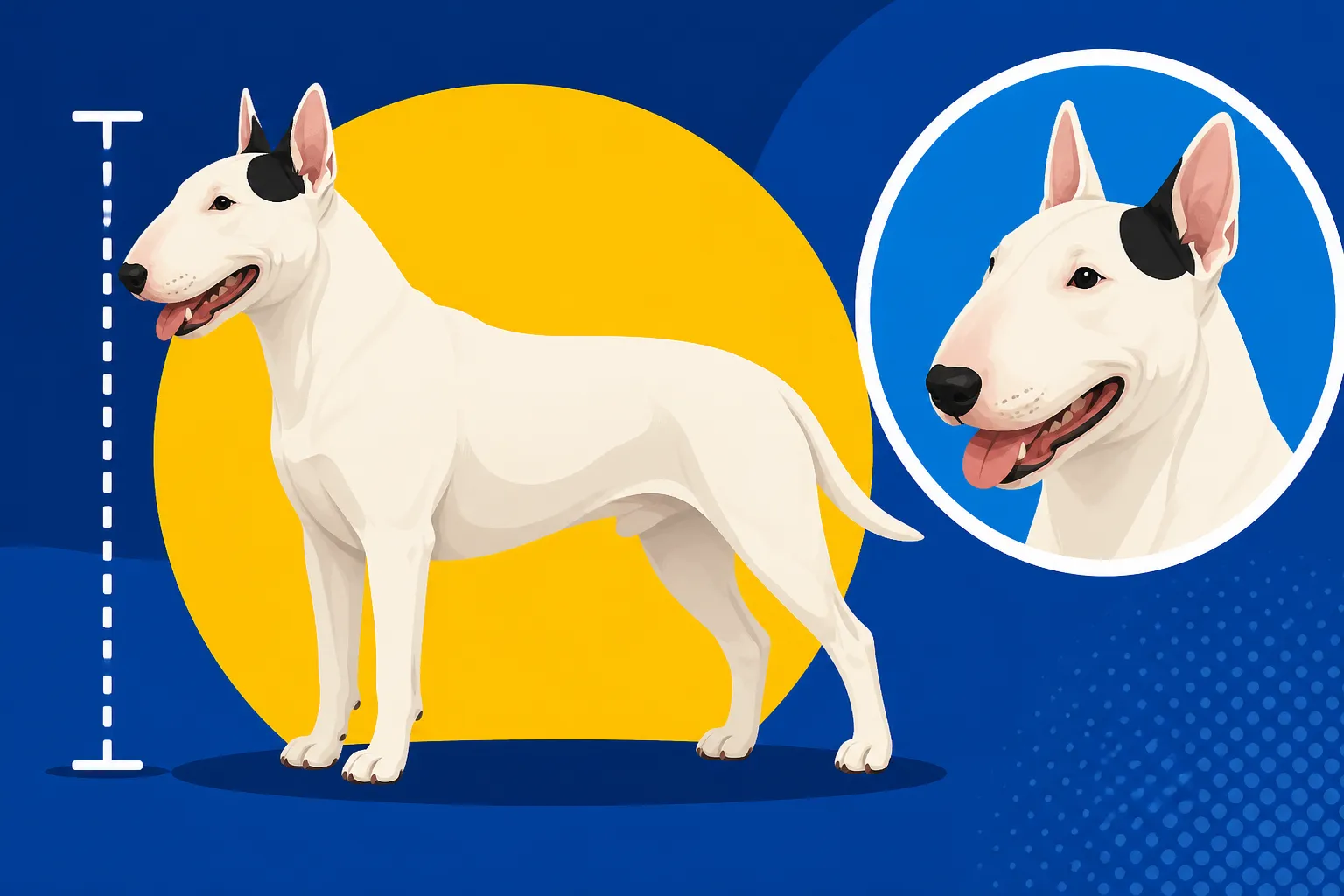
While the official standard doesn't give hard numbers, decades of breeding and showing have established a generally accepted average range for what a "well-balanced" standard Bull Terrier looks like. Most adult male Bull Terriers will stand somewhere between 21 to 22 inches (approximately 53-56 cm) at the shoulder (withers). Females tend to be a touch smaller, typically ranging from 20 to 21 inches (51-53 cm).
However, it's crucial to remember that these are averages, not strict rules. You might encounter a perfectly healthy, well-proportioned male Bull Terrier who measures 23 inches, or a female who is 19 inches. What truly matters is their overall condition – are they compact, muscular, and agile? Do they move freely and powerfully? A Bull Terrier should look and feel like a substantial dog, whether they are on the taller or shorter end of this spectrum. They are built for strength and resilience, and their height contributes to that impression of sturdy athleticism.
Factors Influencing a Bull Terrier's Height: Beyond the Books
It’s easy to get caught up in the ideal standards, but the reality is that several factors play a significant role in how tall your individual Bull Terrier will actually grow. Just like people, dogs have genetic predispositions, but their environment and upbringing also contribute heavily to their final adult size.
Genetics and Lineage
The genetic makeup of your Bull Terrier is the primary determinant of its potential height. If both parents are on the taller side of the average, their puppies are likely to inherit those genes and grow to be taller. Conversely, if the parents are smaller and more compact, their offspring will likely follow suit. This is why a reputable breeder is so important; they understand their lines and can often give you a good estimation of a puppy's likely adult size based on the parents and previous generations. They’re not just breeding for looks, but for health and conformation that aligns with the breed's functional purpose.
Beyond the immediate parents, the genetics of the wider lineage play a role too. A particular bloodline might consistently produce larger or smaller Bull Terriers, even if the immediate parents are average. It’s a complex mix, and sometimes you get a "throwback" – a puppy that takes more after a distant ancestor than its immediate parents. This genetic lottery means that even with the best predictions, there can always be a slight variation in the final outcome. This is also why some breeders might focus on maintaining a specific type, which can include a consistent size range.
Nutrition and Environment During Growth
While genetics set the potential, proper nutrition and a healthy environment during a Bull Terrier puppy's critical growth phases allow that potential to be realized. Feeding a high-quality, balanced diet specifically formulated for large breed puppies (or for puppies expected to reach a substantial adult size) is crucial. Overfeeding, especially with diets too high in certain nutrients, can lead to rapid growth, which paradoxically can cause skeletal problems and not necessarily lead to a taller, healthier dog. Slow and steady growth is generally preferred for developing strong bones and joints.
Adequate exercise, but not excessive, high-impact exercise, is also important. Puppies need to move to develop muscle and bone, but too much strenuous activity on still-developing joints can be detrimental. A controlled environment where the puppy isn't subjected to undue stress or injury also contributes to healthy growth. Think about a proper Bull Terrier puppy should grow slowly guideline. If a puppy experiences significant illness or nutritional deficiencies during its prime growth period, its final adult height might be slightly stunted, or its overall bone and muscle development could be compromised, regardless of its genetic potential.
Gender Differences and Spay/Neuter Impact
As mentioned, there's a general tendency for male Bull Terriers to be slightly taller and heavier than females. This sexual dimorphism is common across many dog breeds, with males often displaying a more robust and masculine build. These differences are usually subtle within the Bull Terrier breed, where overall substance and balance are prioritized over strict size, but they are noticeable to the discerning eye.
The timing of spaying or neutering can also subtly influence a dog's final height. Studies in some breeds have shown that dogs spayed or neutered before reaching full maturity tend to grow slightly taller. This is because the sex hormones, which are removed during spay/neuter surgery, play a role in signaling the closure of growth plates in the bones. Without these hormones, the growth plates might remain open for a little longer, allowing the long bones to grow a bit more. However, this effect is usually minimal in Bull Terriers and is often outweighed by genetic factors. It's also a decision that has broader health and behavioral implications, so discussing it with your vet is always the best approach, considering the balance of factors. Whether a Nephritis Bull Terrier Should Be Neutered discusses one health-related aspect that might be considered.
How Height Relates to Health and Structure
While Bull Terriers don't have strict height limits, their overall structure and how their height integrates with their build is critically important for their health and well-being. A dog that is extremely tall for its breed or disproportionately built can face various health challenges.
Impact on Joints and Movement
A Bull Terrier is a powerful, active dog. Its sturdy, muscular build is designed for agility and strength. When a Bull Terrier grows to an exceptionally tall stature without the corresponding increase in bone density and muscle support, it can put undue stress on its joints, particularly the hips, elbows, and knees. This can potentially exacerbate conditions like patellar luxation, a common orthopedic issue where the kneecap slips out of place, or lead to earlier onset of arthritis.
Conversely, a Bull Terrier that is too short and stocky for its musculature might also face challenges with movement and agility. The balance of height, length, and muscle mass is what allows a Bull Terrier to move with its characteristic powerful, free gait. Any significant deviation from this balance can lead to an awkward gait, reduced stamina, or increased risk of injury during play or exercise. It’s all about proportion and ensuring the dog's frame can comfortably support its incredible musculature. When you see a Bull Terrier moving with grace and power, that's a testament to its balanced structure.
Overall Well-being and Longevity
The right height and proportionate build contribute to a Bull Terrier's overall quality of life. A dog that is structurally sound is more comfortable, can participate in activities without excessive strain, and generally enjoys a more active and fulfilling life. Dogs with significant structural imbalances, whether due to height or other factors, might experience chronic pain, require more veterinary intervention, and potentially have a shorter lifespan. The Ten to Fourteen Years a Bull Terrier Gets depends a lot on good health and structure.
Maintaining a healthy weight, which is often tied to appropriate height and build, is also paramount. An overweight Bull Terrier, regardless of its height, will put immense strain on its joints and internal organs. The focus should always be on a dog that is fit, well-muscled, and in excellent condition, where its height is simply one aspect of its overall robust and athletic package. You want a dog that can enjoy its How Much Exercise a Bull Terrier Actually Needs without discomfort.
Measuring Your Bull Terrier: Tips for Accuracy
So, you’re curious about your Bull Terrier's exact height? Measuring a dog can be trickier than it sounds, especially with a lively Bull Terrier who might think it’s a new game. But with a few simple tools and a calm approach, you can get a reasonably accurate measurement.
Tools and Technique
To measure your Bull Terrier's height, you'll want to measure their height at the withers. The withers are the highest point of the shoulder blades, where the neck meets the back. This is the standard point for measuring dog height.
Here's how to do it:
- Gather your tools: You'll need a measuring tape, a level, or a flat, stiff ruler, and a pencil. Having a helper can make this much easier.
- Find a flat, hard surface: Have your Bull Terrier stand squarely on a flat, non-slip surface like concrete or hardwood. Avoid carpet, as it can make their stance uneven.
- Get them to stand naturally: Encourage your dog to stand in a natural, stacked position – not slouching, stretching, or with legs splayed. Treats and praise can help keep them still. If you have a friend, one person can hold the dog's attention while the other measures.
- Locate the withers: Feel for the bony prominence between their shoulder blades. This is your target point.
- Measure: Place one end of the measuring tape on the floor directly beside your dog’s front paw. Extend the tape straight up. Use the level or ruler to make a horizontal line from the highest point of their withers to the tape measure. Mark where the level intersects the tape.
- Record: Note the measurement. Repeat a few times to ensure consistency.
It's important to be patient. If your Bull Terrier gets wiggly, take a break and try again. A relaxed dog will give you a more accurate reading than one that's stressed or resisting.
When to Measure and What to Expect
A Bull Terrier puppy grows rapidly in its first year, but they generally reach their full height by about 12 to 18 months of age, though they may continue to fill out and add muscle mass until they are closer to two or even three years old. What an Adult Bull Terrier Should Weigh is something to track alongside height.
You can measure your puppy periodically to track their growth, but you won't get their final adult height until they've stopped growing vertically. Here's a rough timeline of what to expect:
- Birth to 6 months: This is the period of most rapid growth. You'll see significant changes week to week.
- 6 to 12 months: Growth will slow down but still be noticeable. They'll be nearing their adult height.
- 12 to 18 months: Most Bull Terriers will reach their final height during this window.
- 18 months onwards: While height might be fixed, they'll continue to mature, gain muscle, and "fill out."
Don't panic if your Bull Terrier puppy seems to go through an awkward, leggy phase. It's completely normal for them to grow in spurts, sometimes looking a bit uncoordinated before their body catches up. It's a journey, and they'll eventually settle into their magnificent adult form.
Miniature Bull Terriers: A Different Stature
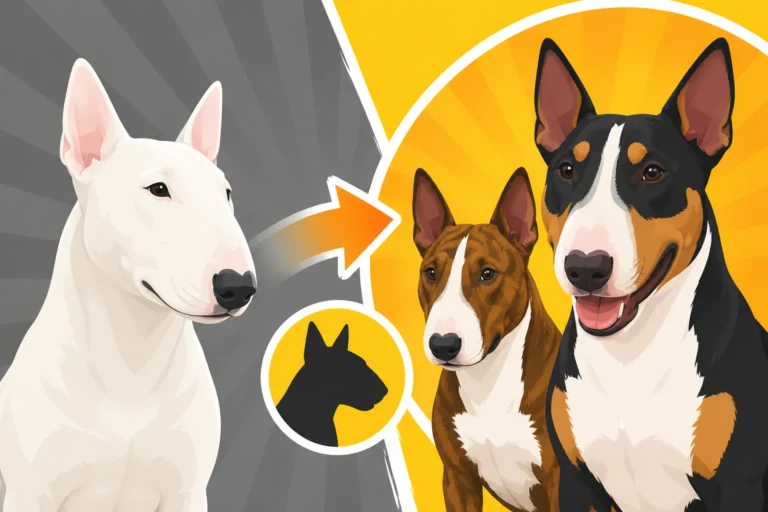
When discussing the height of a Bull Terrier, it's absolutely vital to distinguish between the Standard Bull Terrier and the Miniature Bull Terrier. These are two distinct breeds, recognized separately by kennel clubs, and their size differences are a primary defining characteristic. It's not just a small version of the same dog; it's a breed with its own specific height standard. The Miniature Bull Terrier Is a Different Breed is a topic worth exploring further.
Key Differences in Height and Build
The most apparent difference between a Standard and a Miniature Bull Terrier is, of course, their height. While the Standard Bull Terrier has no specific height limit but aims for overall substance, the Miniature Bull Terrier has a definitive height restriction in its breed standard.
Miniature Bull Terriers must not exceed 14 inches (35.5 cm) at the shoulder. There is also no weight limit, but like their larger cousins, they should be "of good substance for their size" and well-balanced. This means a Miniature Bull Terrier should still embody the same powerful, sturdy build, just on a much smaller scale. They should not look frail or delicate.
Here’s a quick comparison:
| Characteristic | Standard Bull Terrier | Miniature Bull Terrier |
|---|---|---|
| Height at Withers | Typically 20-22 inches (51-56 cm) | Must not exceed 14 inches (35.5 cm) |
| Weight | Typically 45-65 lbs (20-30 kg) | Typically 20-35 lbs (9-16 kg) |
| Breed Recognition | Separate breed | Separate breed |
| General Impression | Powerful, substantial, athletic | Compact, sturdy, robust (smaller scale) |
Understanding How a Bull Terrier Differs From a Miniature Bull Terrier helps owners appreciate the unique characteristics of each. While they share the iconic egg-shaped head and lively personality, their size makes a big difference in terms of living arrangements, exercise needs, and even how they interact with the world around them.
Why the Distinction Matters
The clear height distinction for Miniature Bull Terriers isn't just a formality; it serves an important purpose for the breed's health and development. Breeding for specific size parameters helps maintain the desired physical characteristics without compromising soundness. A Miniature Bull Terrier that is consistently over the 14-inch limit might be an indication of poor breeding practices or a dilution of the breed's unique traits.
For prospective owners, knowing this difference is crucial. If you're looking for a smaller, more manageable Bull Terrier for apartment living or simply prefer a compact companion, the Miniature Bull Terrier is the breed you should be researching. Expecting a Standard Bull Terrier to stay under 14 inches would be unrealistic and would mean you're not getting a true representation of the breed. Each size category has its own charm and suits different lifestyles, but both demand the same level of commitment to their health and well-being.
Living With a Bull Terrier of Any Size: Practical Considerations
No matter if you have a 20-inch female or a 22-inch male Bull Terrier, their size and powerful build have practical implications for everyday life. It's not just about how tall they are, but how that height and musculature interact with your home, your routine, and the world around them.
Home Environment and Space Needs
A Bull Terrier, whether on the taller or shorter side of the standard, is a sturdy, active dog that needs appropriate space. While they are often described as adaptable and can do well in apartments, a taller Bull Terrier might feel more cramped in a very small space, especially when they're prone to their famous zoomies or body slams. They need room to stretch out, play, and navigate without constantly bumping into furniture. Whether a Bull Terrier Suits an Apartment is a common question, and their height plays a role.
Consider the height of your furniture. A taller Bull Terrier can more easily reach countertops if not trained, and they'll certainly be more capable of launching themselves onto sofas and beds with impressive force. Fencing in a yard needs to be secure and high enough to contain a powerful, agile dog that can easily clear lower barriers. Their strong desire to be with their people means they often want to be where you are, so having space for them to comfortably lie down in your main living areas is important. Even if they are just following you around, a taller dog takes up more 'moving space'.
Equipment and Gear
The robust build and moderate height of a Bull Terrier mean that standard dog equipment might not always be the best fit. When choosing things like harnesses, collars, and crates, you'll need to look for options designed for strong, muscular breeds, often labeled as "heavy-duty." A flimsy collar or harness won't stand up to the power of a determined Bull Terrier. Consider brands that prioritize durability and fit. When I'm looking for a new harness for my own Bull Terriers, I always check the reviews on sites like Chewy for insights into how well they hold up to enthusiastic pulling and strong builds.
- Harnesses: A well-fitting harness is crucial for walking a Bull Terrier, especially one who loves to pull. Look for options that distribute pressure evenly and are escape-proof. Which Harness Holds a Bull Terrier is a crucial piece of research.
- Crates: If you plan on crate training, ensure the crate is spacious enough for your adult Bull Terrier to stand up, turn around, and lie down comfortably. A taller dog will need a taller crate. Metal crates are often preferred for their durability against the Bull Terrier's chewing power.
- Beds: Even a taller Bull Terrier enjoys a comfy spot to rest. Look for durable, supportive beds that can withstand their tendencies to "dig" before settling down.
- Carriers/Seatbelts: For car safety, a taller Bull Terrier will need a sturdy crash-tested crate or a robust car harness designed for larger dogs to keep them secure.
Always measure your dog before purchasing any gear, as a slight difference in height can impact the fit, especially with harnesses and clothing like Whether a Bull Terrier Needs a Coat in Winter.
Interacting with People and Other Animals
A Bull Terrier's height and muscular build inherently give them a strong physical presence. This can be intimidating to some people who aren't familiar with the breed, or to smaller children and other pets. While a well-socialized Bull Terrier is typically friendly and enjoys company, their sheer power means that accidental bumps or enthusiastic greetings can easily knock someone over. Living With a Bull Terrier That Body Slams You for Fun is a real aspect of their personality.
Teaching proper manners, like not jumping up to greet, is essential from a young age. Their height means that when they do jump, they're often at eye level or higher with many adults. This becomes especially important around elderly individuals or very young children, where an accidental nudge could cause a fall. Similarly, when interacting with smaller dogs or cats, their size difference needs to be managed carefully. Their play style can be quite rough, and while they may not mean harm, their size means they can inadvertently injure a smaller, more fragile companion. Consistent training and supervision are key to ensuring harmonious interactions for all.
Disclaimer
This article is for general informational purposes only and does not constitute professional advice. Laws, prices and regulations vary by location and change over time. Consult a qualified professional for guidance on your specific situation.