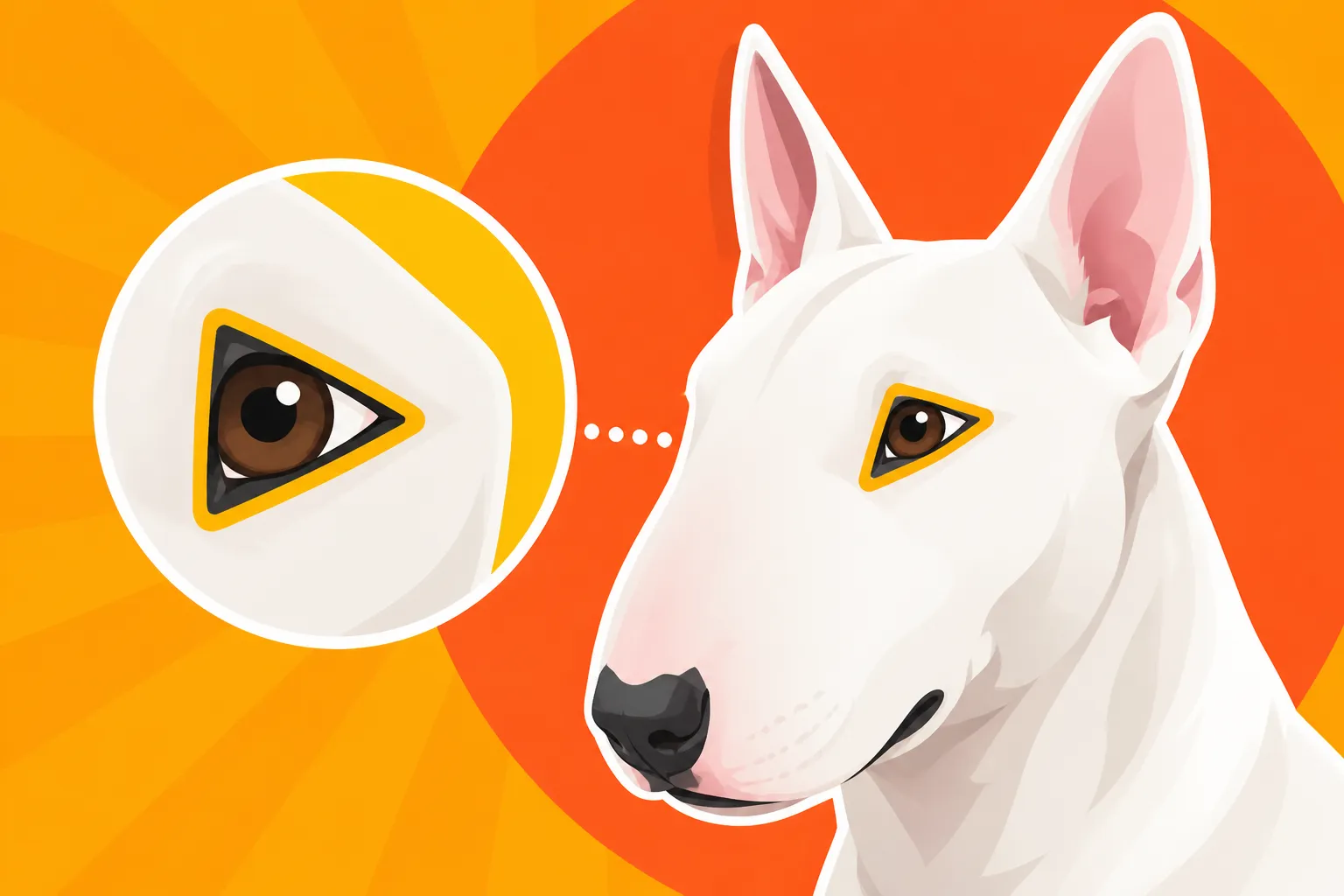
Why a Bull Terrier’s Eye Is Triangular
Anyone who has spent even a moment with a Bull Terrier can't help but notice that utterly distinctive gaze. It’s not just the depth of their stare, but the very shape of their eyes that makes them so unique. You've probably noticed that their eyes aren't round like many other breeds; instead, they have a distinctly triangular appearance that leaves many people wondering why. This guide will dive deep into the fascinating history and genetics behind this hallmark trait, explaining exactly what makes a Bull Terrier's eyes so uniquely shaped and what that means for owners.
The Distinctive "Downface" and Its Influence on Eye Shape
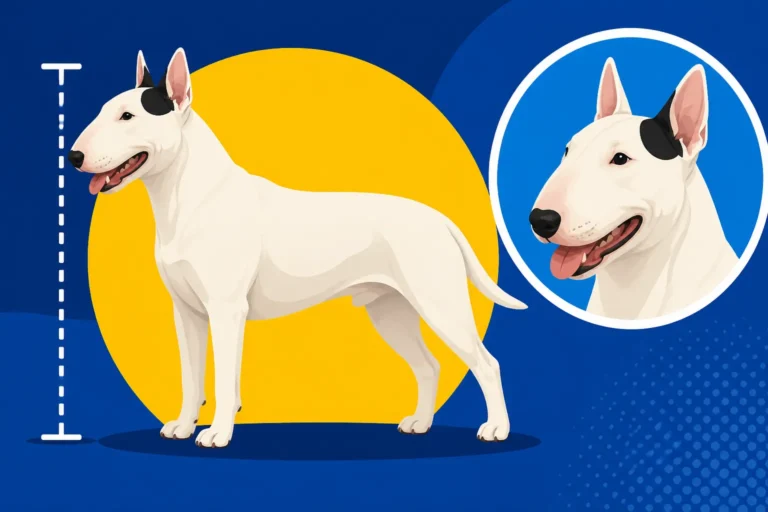
The most iconic feature of the Bull Terrier, beyond its muscular build and undeniable personality, is undoubtedly its head. That smooth, egg-shaped profile, curving gently from the top of the skull right down to the nose, is called the "downface." It's a breed characteristic that took generations of careful breeding to achieve, and it plays a monumental role in shaping the perception, and indeed the actual appearance, of their eyes. Without this unique head structure, the triangular eye simply wouldn't exist as we know it in the breed.
Tracing the Origins of the Bull Terrier's Head
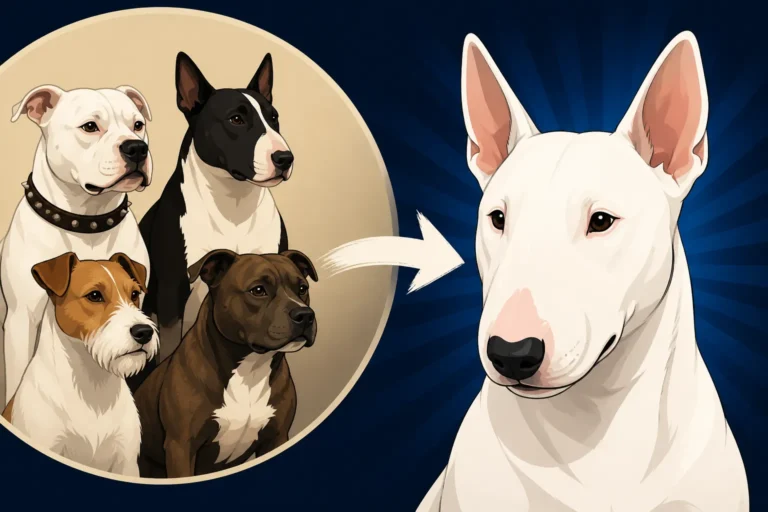
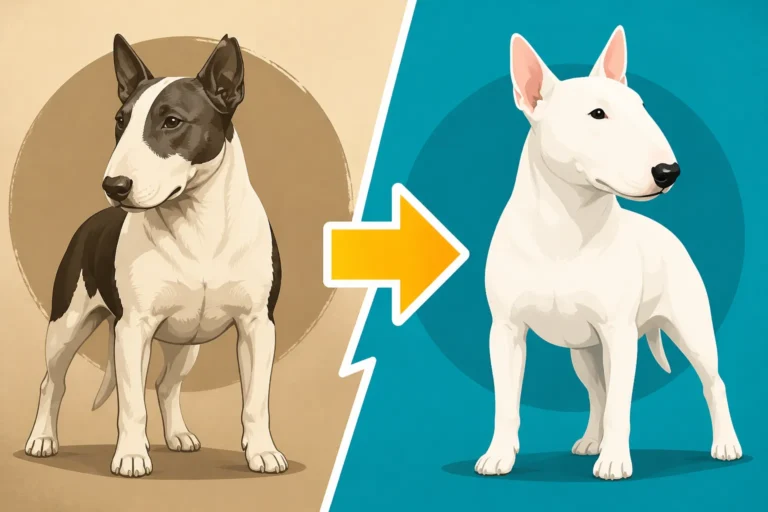
To understand the Bull Terrier's eye, we first have to appreciate the journey its head took. The breed's creator, James Hinks, had a vision for a "White Cavalier" in the 1860s—a dog that combined the strength of the old bull and terrier types with elegance and a distinctive look. Early Bull Terriers didn't quite have the pronounced downface we see today; they still retained a more defined "stop" (the indentation between the eyes), reminiscent of their Bulldog and White English Terrier ancestors. However, Hinks and subsequent breeders were driven by an aesthetic ideal: a clean, unbroken curve. This pursuit led to meticulous selection over decades, slowly refining the skull to remove the stop and create that famous "Roman finish" to the profile.
This wasn't just about superficial beauty; it was about creating a dog that was instantly recognizable and aesthetically striking. The breeders' dedication to this particular head shape meant focusing on the skeletal structure underneath all that muscle and skin. They were essentially sculpting the very bones of the skull to achieve that smooth, uninterrupted line. This relentless quest for the perfect head had a profound and undeniable impact on how the eyes were situated within that evolving facial structure. If you look at Where the Bull Terrier Comes From, you can truly appreciate the transformation the breed underwent from its rough-and-tumble origins to the refined dog we know today, with its highly specific head characteristics.
The Role of Skull Structure and Bone Placement
The triangular appearance of a Bull Terrier's eye isn't actually because the eyeball itself is triangular. That would be quite a medical anomaly! Instead, it's an optical illusion created by the specific architecture of their skull and, more precisely, the shape and placement of the orbital bones that house the eyes. When you look at a Bull Terrier head, you'll notice the forehead is broad and flat, tapering down to that signature downface. The eyes are set relatively close together and quite deep within the skull, protected by prominent brow ridges. The shape of these surrounding bones—especially the way they slope and meet at the inner and outer corners—is what gives the impression of a triangle.
Think of it like framing a picture. The picture itself might be a perfect circle, but if you put a triangular frame around it, your perception of the image changes. In the Bull Terrier's case, the strong bone structure above and below the eye, combined with the way the skin stretches taut across the downface, creates angles. The top line of the eye socket often appears straight or slightly slanted downwards from the inner corner, while the lower eyelid curves up to meet it, creating a definite V or triangular shape at the outer corner. It's a masterclass in breed-specific skeletal development. You can delve into How a Bull Terrier's Skull Is Filled Out to understand the incredible density and unique development of their cranial structure, which directly dictates this eye appearance.
Understanding the "Triangular Eye" in the Breed Standard
The Bull Terrier breed standard is a meticulous document that describes the ideal characteristics of the dog. It's the blueprint that breeders aim for and judges evaluate against. Within this standard, the unique eye shape is not just acknowledged; it's celebrated as a defining trait. This isn't a fluke or a side effect; it's a carefully selected and maintained feature that contributes significantly to the breed's overall identity and expression.
What the Breed Standard Actually Says
The breed standard for the Bull Terrier is very specific about the eyes, often describing them as "small, triangular, deep-set, and as dark as possible, preferably black." Notice that the word "triangular" is right there, front and center. It's not just a casual observation; it's a required characteristic. The emphasis on "deep-set" also reinforces how protected these eyes are within the skull, another direct consequence of the downface. The standard also typically calls for eyes that are obliquely placed, meaning they slant slightly rather than being perfectly straight across the face. This slant further enhances the triangular illusion and contributes to the breed's keen, sometimes mischievous, expression.
For breeders, this means actively selecting for dogs that exhibit these traits, ensuring that the offspring continue to carry and express the desired eye shape. It’s a genetic characteristic that is carefully preserved through generations. Any deviation from this—such as eyes that are too round, too light, or not deep-set enough—would be considered a fault in the show ring. This commitment to a precise aesthetic detail is part of what makes the Bull Terrier truly distinct. Indeed, the Bull Terrier is renowned for this feature, being The Bull Terrier Is the Only Breed With a Triangular Eye.
The Aesthetic Purpose and Function
Beyond meeting the strictures of the breed standard, the triangular eye serves a powerful aesthetic purpose: it defines the Bull Terrier's unmistakable expression. Many describe their look as "keen," "intelligent," "piercing," or even "mischievous," and much of this is down to those unique eyes. The small, deep-set nature combined with the triangular shape gives them a focused, almost intense gaze that is quite unlike any other dog. It contributes to their "clown in a dog suit" persona, allowing for a surprising range of expressions from playful to intensely serious.
Historically, while the breed was developed for companionship and exhibition rather than fighting, some argue that the deep-set, small eye might have offered a degree of protection in rough-and-tumble play or confrontation, making it harder for opponents to injure the delicate eye itself. Today, however, its function is primarily aesthetic. It's a visual signature that captures the essence of the breed's personality and history. When you look at How the Bull Terrier's Head Changed Over Time, you can clearly see how the development of the head and the eye shape went hand-in-hand, each influencing the other to create the complete Bull Terrier look.
Misconceptions and Health Considerations
With such a unique and distinct physical trait, it's only natural that questions and misconceptions arise regarding the Bull Terrier's triangular eyes. Owners and potential owners often wonder if this unusual shape impacts their dog's comfort or vision, or if it predisposes them to specific health issues. It's important to separate fact from fiction and understand the practical realities of living with a Bull Terrier's unique gaze.
Is the Triangular Eye Uncomfortable for the Dog?
One of the most common concerns I hear from people unfamiliar with the breed is whether the triangular eye shape causes discomfort or affects the Bull Terrier's vision. I can confidently say that, for the vast majority of Bull Terriers, this unique eye shape causes absolutely no discomfort. The triangular appearance is, as we discussed, largely due to the surrounding bone structure and skin, not the eyeball itself being misshapen. The eyes are small and deep-set, which actually provides them with a good degree of protection from external irritants or minor bumps.
A healthy Bull Terrier with appropriately shaped eyes will have no issues with vision directly related to the triangular look. They see the world just fine! The internal structures of the eye—the lens, retina, optic nerve—are typically perfectly normal. Their field of vision might be slightly different than a dog with more prominent, rounder eyes due to the deep-set nature, perhaps a little more restricted laterally, but it's not a functional impairment. It's just a different way of framing their world. So, rest assured, that intense, triangular gaze is usually a sign of health and breed conformity, not discomfort. It also helps explain Why a Bull Terrier's Eye Is the Smallest of Any Breed when compared to other dogs.
Potential for Eye-Related Issues (and How They Relate to the Shape)
While the triangular shape itself doesn't cause problems, Bull Terriers, like any breed, can be prone to certain eye conditions. It’s crucial for owners to understand these and know what to look for. One common issue is Primary Lens Luxation (PLL), a genetic condition where the lens of the eye becomes displaced. While not directly caused by the triangular shape, any eye issue can become more challenging to spot if the eyes are deep-set. Another concern can be entropion or ectropion, where the eyelids roll inward or outward, respectively. These conditions can be exacerbated or influenced by the shape and tightness of the skin around the eye, leading to irritation or exposure.
Regular visual checks are paramount. Look for any redness, discharge, excessive tearing, squinting, or cloudiness. These are universal signs of eye trouble in any dog breed. Because their eyes are deep-set, keeping the area clean is important to prevent debris from accumulating and causing irritation. A quick, gentle wipe with a damp cloth or a vet-approved eye cleaner can go a long way. You can find gentle eye care products, including saline wipes, at many pet retailers like Chewy, which can be helpful for routine cleaning. Pay attention if your Bull Terrier is pawing at its eyes or rubbing its face excessively. These could be subtle indicators of discomfort. Regular veterinary check-ups, where your vet can thoroughly examine the eyes, are essential for early detection and management of any potential issues. Don't forget that their eyes are one of the Ears, Eyes and Tail: the Parts of a Bull Terrier to Check that demand consistent attention. Prompt attention to Signs a Bull Terrier's Eye Is Irritated can prevent minor problems from escalating into more serious conditions.
Comparing the Bull Terrier Eye to Other Breeds
To truly appreciate the uniqueness of the Bull Terrier's eye, it helps to put it into context by comparing it to other breeds, particularly those from its own heritage group. This comparison highlights just how much selective breeding has shaped this distinctive trait, setting the Bull Terrier apart from its canine cousins.
How the Bull Terrier's Eye Differs from Traditional Terriers
When you picture a typical terrier—be it a Jack Russell, a Fox Terrier, or even a Staffordshire Bull Terrier—you generally envision a dog with round, expressive, and often forward-facing eyes. These eyes are usually set moderately, neither too prominent nor too deep, giving them that alert, keen "terrier gaze" ready to spot quarry. The eyelids often fit snugly, and the overall impression is one of directness and intensity.
Now, contrast that with the Bull Terrier. Their eyes are strikingly different. Instead of round, they are triangular. Instead of being set at a moderate depth, they are deep-set within that solid, egg-shaped skull. This difference isn't minor; it's a fundamental divergence in facial anatomy. While other terriers might share a certain spark or intensity in their gaze, none achieve the peculiar, almost alien-like, focused intensity that comes from the Bull Terrier's specific eye shape and placement. It's a testament to the singular vision of the breed's founders and the commitment of subsequent breeders to create something truly one-of-a-kind.
| Feature | Bull Terrier Eye | Typical Terrier Eye (e.g., Fox Terrier) |
|---|---|---|
| Shape | Triangular (due to surrounding bone structure) | Round or slightly oval |
| Set | Deep-set within the skull, protected | Moderately set, neither prominent nor too deep |
| Placement | Obliquely placed, giving a slant | More forward-facing, less oblique |
| Color (Ideal) | As dark as possible, preferably black | Often dark, matching coat, but less strict on blackness |
| Overall Impression | Keen, intense, unique, sometimes mischievous | Alert, expressive, intelligent, direct |
The Impact of Breeding for Distinctive Features
The Bull Terrier's triangular eye is a prime example of how selective breeding, when focused on a specific aesthetic ideal, can lead to truly distinctive physical traits. The journey from the early Bull and Terriers with more conventional head shapes to today's downfaced, triangular-eyed Bull Terrier illustrates a profound dedication to a unique vision. Breeders weren't just breeding for temperament or health (though those were certainly factors); they were actively sculpting the very form of the dog. Every generation that produced a more pronounced downface or a more distinctly triangular eye was prized and used to continue the line.
This intensive focus on a specific head and eye characteristic had a ripple effect, often influencing other aspects of the breed's appearance and even its gait or carriage. It's a powerful reminder that while "form follows function" in many evolutionary contexts, in purebred dog breeding, "form often follows aesthetic vision." The triangular eye isn't a functional adaptation in the same way a retriever's webbed feet are; it's a highly desired ornamental feature that defines the breed. And it’s why the appearance of the eyes, including their preferred dark color, is so explicitly detailed in the breed standard. Having a Bull Terrier whose eyes are Whether a Bull Terrier's Eye Should Be Dark is highly valued for the overall aesthetic.
Living with a Bull Terrier and Its Unique Eyes
For those of us lucky enough to share our lives with a Bull Terrier, their distinctive triangular eyes are more than just a breed characteristic; they're a window into their spirited, often comical, and always loyal personalities. Understanding and appreciating this unique feature enriches the bond we share with these incredible dogs.
Appreciating the Breed's Signature Look
There's something truly captivating about a Bull Terrier's eyes. They are undeniably part of what makes the breed so visually striking and, dare I say, almost hypnotic. That small, dark, triangular glance can convey so much – from focused intent during a training session to utter adoration while curled up on the sofa. It's an expression that is unmistakably Bull Terrier, setting them apart from every other dog breed. Owners often find themselves lost in those eyes, trying to decipher the latest thought bubbling up in their clownish companion's head.
This signature look is also a conversation starter. People are invariably curious about the breed's unusual appearance, and the eyes are often the first feature they comment on. As Bull Terrier guardians, we get to share the fascinating story behind their unique morphology, celebrating the generations of careful breeding that brought forth this iconic aesthetic. It's a feature that adds to their undeniable charm and makes them one of the most recognizable and beloved breeds in the canine world.
Practical Eye Care for Bull Terriers
While their triangular, deep-set eyes are generally robust, practical, routine care is essential to keep them healthy and comfortable. The deep-set nature means that occasionally, dust, dirt, or even stray hairs can become trapped, leading to irritation. Making eye checks a regular part of your grooming routine is a great habit. When you're running your hand over their smooth coat or giving them a good ear rub, take a moment to look closely at their eyes.
Check for any signs of redness, discharge, or excessive watering. A little sleep crust in the morning is normal, but anything persistent or colored should be addressed. Gently wiping the area around the eyes with a soft, damp cloth, or a specifically designed pet eye wipe, can help keep them clean. You can easily find these types of gentle eye-cleaning supplies at major pet retailers like Chewy. Always wipe away from the eye, and use a separate clean section of the cloth for each eye to avoid cross-contamination. If you notice persistent squinting, pawing, or any signs of pain or vision changes, don't hesitate to consult your veterinarian. Early intervention is always best for eye health. Understanding How to Clean a Bull Terrier's Eyes properly will ensure their unique features remain bright and clear. Furthermore, it's worth noting that even with their distinctive eye shape, a Bull Terrier's field of vision is generally adequate, and Whether a Bull Terrier Can See Straight Ahead is not typically an issue related to this characteristic.
Disclaimer
This article is for general informational purposes only and does not constitute professional advice. Laws, prices and regulations vary by location and change over time. Consult a qualified professional for guidance on your specific situation.