Whether a Bull Terrier Needs a Coat in Winter
The crisp bite in the air, the first dusting of snow, or just those relentlessly grey, damp winter days can leave many Bull Terrier owners scratching their heads. You look at your sturdy, muscular companion, and while they might seem tough as nails, their short, sleek coat often leaves you wondering if they're truly comfortable out there. This guide aims to clear up the confusion and help you determine when a winter coat is less of a fashion statement and more of a necessity for your beloved Bull Terrier.
Understanding Your Bull Terrier's Unique Physiology in the Cold
It’s easy to assume that because Bull Terriers are such robust, active dogs, they must be naturally resistant to cold. They certainly exude an air of unwavering confidence and energy, often bounding through a frosty park with apparent glee. However, their physical makeup is quite different from many other breeds, and these distinctions play a crucial role in how well they tolerate chilly temperatures.
The Bull Terrier's Short Coat and Lack of Undercoat
One of the most defining characteristics of a Bull Terrier's coat is its extreme shortness and density. Unlike many breeds that thrive in cold climates, Bull Terriers simply do not possess an insulating undercoat. Think of a Siberian Husky or a German Shepherd; they have a thick, fluffy layer of hair beneath their coarser outer guard hairs, designed to trap warm air close to their skin and repel moisture. Your Bull Terrier, however, has a single layer of very fine, close-lying hair.
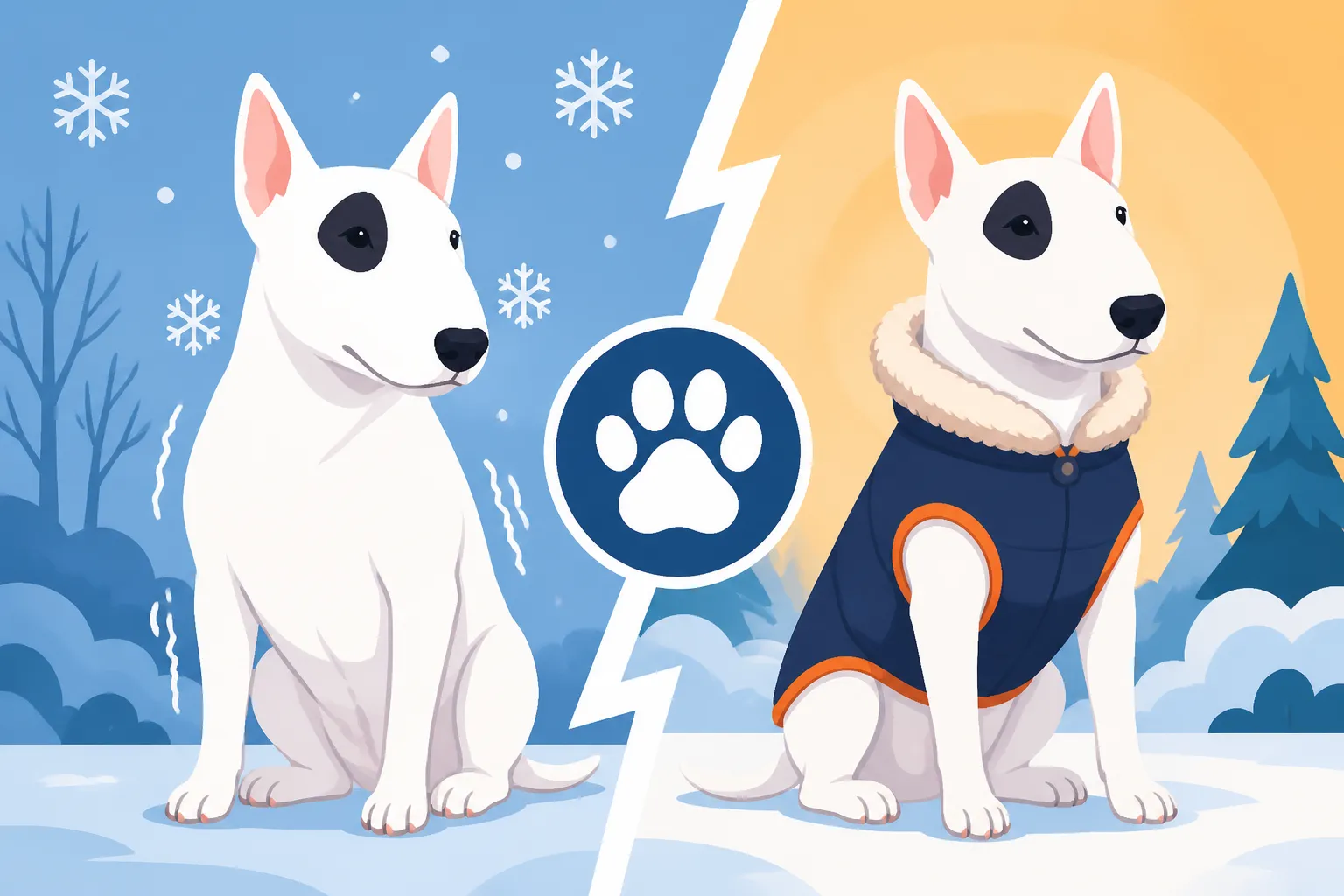
This sleek coat, while beautiful and easy to maintain, offers minimal protection against cold winds, rain, or snow. It's like us going out in a t-shirt in freezing weather – it just doesn't cut it. Their skin is quite exposed to the elements, and even a brief exposure to cold, wet conditions can quickly lead to their body temperature dropping. This is particularly noticeable on white Bull Terriers, where their pink skin is often visible beneath the sparse fur, highlighting their vulnerability. A Bull Terrier's Skin Is Its Weakest Point is something we always need to remember.
Body Fat and Muscle Mass: Not All Insulation Is Equal
When you look at a Bull Terrier, you see a magnificent, muscular dog. Their powerful build and impressive physique can lead to the misconception that they have plenty of "natural insulation." While muscle tissue does generate heat during activity, it doesn't offer the same kind of passive insulation that a layer of fat or a thick coat would. In fact, Bull Terriers are generally quite lean, with lower percentages of body fat compared to some other breeds.
Consider the role of fat: it's a natural insulator. Breeds designed for cold weather often have a decent layer of subcutaneous fat to help them stay warm. Your Bull Terrier, with its athletic build, typically lacks this extra padding. This means that without sufficient external protection, their bodies have to work much harder to maintain a stable core temperature when exposed to cold environments. This increased effort can lead to faster energy depletion and a higher risk of becoming chilled.
Individual Tolerance to Cold: Age, Health, and Acclimatization
Just like people, not all Bull Terriers are created equal when it comes to tolerating cold. A young, healthy, and highly active Bull Terrier might seem to handle a quick jaunt in 40-degree Fahrenheit weather better than an older, more sedentary one. However, even the most robust Bull Terrier has its limits. Puppies, with their less developed circulatory systems and lower body mass, are particularly vulnerable to cold. Their tiny bodies lose heat much faster, and they can become dangerously cold before you even realize it.
Conversely, senior Bull Terriers, especially those with underlying health conditions like arthritis, heart issues, or kidney disease, will feel the cold much more acutely. Cold can exacerbate joint pain, making movement difficult and reducing their desire to move, which in turn hinders their ability to generate body heat. For these dogs, a winter coat isn't just about comfort; it's a critical part of their health management. Caring for a Bull Terrier Past Eight involves paying extra attention to their warmth and comfort. Even a Bull Terrier used to cooler temperatures will struggle if the humidity rises or if there's a strong wind chill, demonstrating that "toughness" only goes so far.
When a Winter Coat Becomes a Necessity, Not a Luxury
The idea of dressing your dog might seem frivolous to some, but for a Bull Terrier, a good winter coat is often as essential as a leash. It’s not about making them look cute; it’s about safeguarding their health and ensuring their comfort during the colder months. Ignoring their need for warmth can lead to discomfort, illness, and in extreme cases, serious health complications.
Signs Your Bull Terrier Is Cold
Your Bull Terrier can't tell you in words that they're feeling chilly, so it's up to us to read their body language. The most obvious sign is shivering. This might start subtle, like a slight tremble, and escalate to full-body shakes. However, shivering isn't the only indicator. A cold Bull Terrier might hunch their back, tuck their tail tightly between their legs, or lift their paws off the ground alternately, trying to minimize contact with the cold surface.
They might also try to seek warmth aggressively, burrowing under blankets the moment they come inside, or curling up tightly in a ball. If they seem reluctant to go outside for walks or potty breaks, especially after being perfectly willing moments before, it could be a sign that the temperature is too low for their comfort. Their ears might feel unusually cold to the touch, and if they're exhibiting lethargy or acting generally subdued after being outside, it’s a strong signal they got too cold.
Factors Influencing the Need for a Coat
Deciding if your Bull Terrier needs a coat isn't just about looking at the thermometer. Several factors come into play:
- Ambient Temperature: While a healthy adult Bull Terrier might tolerate a brisk 45-50°F (7-10°C) for a quick walk, temperatures dropping below 32°F (0°C) generally warrant a coat for any extended time outdoors. For puppies or seniors, this threshold should be even higher, perhaps around 40°F (4°C).
- Wind Chill: This is often overlooked. A breezy 40°F can feel like 20°F (or colder!) to a dog with a single coat. The wind strips away any warmth quickly.
- Precipitation: Rain, sleet, or snow can penetrate a Bull Terrier's thin coat rapidly, wetting their skin and accelerating heat loss. A wet dog gets cold much faster than a dry one, even at the same temperature.
- Activity Level: If your Bull Terrier is running and playing vigorously, they'll generate more body heat. However, if they're standing around during a potty break or a slower walk, they'll cool down quickly.
- Individual Health and Age: As mentioned, puppies, seniors, and Bull Terriers with conditions like Hereditary Nephritis Takes Bull Terriers in Their Prime or a The Heart Murmur a Bull Terrier Puppy Should Be Checked For have compromised systems and require extra vigilance. Their ability to regulate body temperature is often diminished.
Protecting Against Specific Winter Hazards
A winter coat isn't just for comfort; it actively protects against several serious winter hazards. Frostbite, while more common in extreme cold, can affect exposed areas like ear tips, paw pads, and tails, especially in Bull Terriers with their shorter fur and sometimes pink skin. A good coat can shield their torso and upper legs.
Hypothermia, a dangerous drop in core body temperature, is another major concern. If your Bull Terrier becomes too cold for too long, their body can shut down. Symptoms range from shivering and lethargy to stumbling, confusion, and collapse. A waterproof, insulated coat can prevent this by keeping them dry and warm. The dampness and cold also challenge their immune system, making them more susceptible to other illnesses. Providing a layer of protection is a proactive step in preventing these more serious issues.
Choosing the Right Winter Wear for Your Bull Terrier
Once you've decided a coat is in order – and for most Bull Terriers in true winter conditions, it absolutely is – the next step is finding the right one. This isn't just about aesthetics; it's about functionality, fit, and ensuring your dog is truly protected.
Key Features to Look For in a Coat
Bull Terriers have a very distinct build: broad chest, deep brisket, and a generally athletic frame that can make off-the-rack dog clothes a real challenge to fit. Many standard dog coats are designed for narrower, longer-backed breeds, leading to poor coverage or restrictive movement for a Bull Terrier.
Here's what to prioritize:
- Material and Insulation: Look for waterproof or highly water-resistant outer shells, especially if you live in an area prone to rain, sleet, or heavy snow. This is crucial for keeping them dry. The inner lining should be insulated, often with fleece or synthetic fill, to trap body heat.
- Fit and Coverage: This is paramount. You need a coat that accommodates their wide chest and deep brisket without chafing or restricting their shoulders, which are vital for their powerful gait. The coat should extend from the base of their neck down to at least the base of their tail for good back coverage. Adjustable straps around the chest and belly are a huge plus for getting a snug, custom fit. Brands that cater to broader-chested breeds, or those with highly adjustable designs, are your best bet. Avoid anything that binds at the armpits.
- Ease of Use: Wrestling a wiggly Bull Terrier into a complicated coat is no fun for anyone. Look for designs that are easy to put on and take off, often with large buckles, Velcro closures, or simple pull-over styles.
- Durability: Bull Terriers are active and strong. Their coats need to withstand zoomies, rolling in the snow, and general Bull Terrier antics without tearing or falling apart after a few wears.
- Visibility: Reflective strips or bright colors are excellent safety features for walks during shorter, darker winter days.
Types of Coats for Different Conditions
Just like we have different jackets for different weather, your Bull Terrier might benefit from a couple of options:
- Raincoats/Light Shells: For those damp, chilly days when it's not freezing but there's a risk of getting wet. These are typically uninsulated but waterproof, perfect for keeping their short coat dry. They prevent that bone-chilling dampness that can lead to rapid heat loss.
- Insulated Winter Coats/Parkas: When the temperatures really drop, or if there's significant wind chill or snow, a heavily insulated, waterproof coat is essential. These offer the maximum warmth and protection, often featuring a fleece lining and a thick layer of synthetic insulation. They're designed for serious cold.
- Sweaters/Fleece Jackets: For slightly milder days, or to wear indoors if your house is particularly drafty, a fleece sweater can provide a comfortable extra layer. These aren't typically waterproof and shouldn't be relied upon for outdoor protection in wet conditions, but they're great for adding warmth around the house or for quick, dry potty breaks. They can also be worn under a waterproof shell for extreme cold. You can find many options on sites like Chewy or Amazon.
Beyond the Coat: Paw Protection and Other Accessories
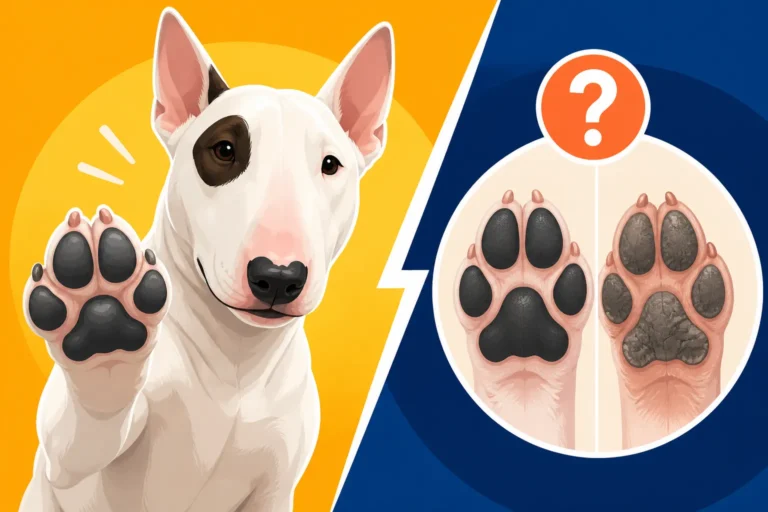
While the torso is crucial, don't forget other vulnerable areas. Your Bull Terrier's paw pads are directly exposed to freezing ground, ice, rock salt, and de-icing chemicals, all of which can cause pain, cracking, and even chemical burns.
- Dog Boots: High-quality dog boots can provide excellent protection for their paws. Look for boots that are waterproof, insulated, and have a good grip. It might take some acclimatization for your Bull Terrier to get used to wearing them – they might do the "boot dance" at first – but it's worth the effort for their paw health. Ensure they fit snugly enough not to fall off, but not so tight they cut off circulation. When a Bull Terrier Needs Boots on Hot Ground also applies to cold, wet conditions.
- Paw Balm: Even if your Bull Terrier wears boots, applying a protective paw balm before and after walks can help moisturize their pads and create a barrier against harsh elements.
- Neck Warmers/Snoods: For particularly sensitive dogs or extreme cold, a neck warmer can provide extra protection for their neck and ears, especially on Bull Terriers whose ears stand proudly, exposing them to the elements.
Remember, the goal is not to over-bundle your Bull Terrier but to provide appropriate protection for the actual conditions outside.
Practical Tips for Winter Bull Terrier Care
Beyond just getting a coat, integrating smart winter practices into your routine will make a big difference in your Bull Terrier's comfort and health during the colder months. It’s about being mindful and adjusting to the environment, much like you would for yourself.
Monitoring and Acclimatization
You wouldn't jump into an ice bath without some preparation, and your Bull Terrier shouldn't be forced into prolonged cold exposure either. If your Bull Terrier is typically a couch potato during warmer months, don't expect them to suddenly tolerate long walks in frigid temperatures just because they have a new coat. Gradually introduce them to cooler weather and shorter outdoor sessions.
Always keep a close eye on your Bull Terrier for any signs of discomfort. Even with a coat, if they start to shiver, tuck their tail, or lift their paws, it's time to head indoors. Pay particular attention to how they behave after coming inside. If they're unusually quiet, lethargic, or still seem cold, it means they might have been out too long or their coat wasn't sufficient. This monitoring is an ongoing process, as winter weather can change quickly, and what was fine one day might be too cold the next.
Indoor Warmth and Comfort
While coats are for outdoor protection, ensuring your Bull Terrier is warm and cozy indoors is just as vital. Many Bull Terriers love to snuggle and burrow, a clear sign of their desire for warmth. Make sure they have a comfortable, draft-free spot to sleep. A soft, Which Bed Survives a Bull Terrier with plenty of blankets or an orthopedic bed can make a world of difference. Many Bull Terriers adore memory foam beds or donut beds that allow them to curl up and retain body heat.
If your home has drafty windows or doors, consider placing their bed away from these areas or using draft stoppers. Some Bull Terriers might even appreciate a warm sweater or a fleece jacket to wear inside if your home tends to be on the cooler side, particularly if they are older or have less natural insulation. Products from brands like Ollie might offer specific diet considerations, but even a robust diet can't replace physical warmth when temperatures drop.
Adjusting Exercise and Potty Breaks
Winter doesn't mean an end to exercise, but it does mean being smart about it. Shorter, more frequent walks might be better than one long excursion on a bitter cold day. If conditions are truly extreme – think ice storms, blizzards, or dangerously low wind chills – consider indoor alternatives. Engaging puzzle toys, training sessions, or even a game of fetch in a long hallway can help burn off energy without risking exposure. Which Indoor Games Tire a Bull Terrier Out is a great resource for ideas.
For potty breaks, try to make them as quick and efficient as possible. If your Bull Terrier is reluctant to go out in the cold, a coat can often encourage them. Consider setting up a designated potty area that's cleared of snow and ice. If you have a yard, shoveling a clear path or a small 'potty patch' can be very helpful. Always dry off your Bull Terrier thoroughly after being outside in wet or snowy conditions, paying special attention to their paws and belly, to prevent chilling.
| Factor | Needs a Coat (Likely) | Might Not Need a Coat (Unlikely) |
|---|---|---|
| Temperature | Below 40°F (4°C) | Above 50°F (10°C) |
| Wind Chill | Moderate to High | Low or None |
| Precipitation | Rain, Sleet, Snow | Dry |
| Activity Level | Standing, Slow Walk | Vigorous Running/Play (briefly) |
| Age | Puppy, Senior (>8 years) | Young to Middle-Aged Adult |
| Health Status | Illness, Arthritis, Thin | Healthy, Robust |
| Time Outdoors | Extended Periods (15+ min) | Quick Potty Break (5 min) |
This table offers a general guideline. Always consider your individual Bull Terrier's behavior and health in combination with the environmental factors. When in doubt, it's always better to err on the side of caution and provide a coat. Your Bull Terrier's comfort and well-being are always the priority.
Disclaimer
This article is for general informational purposes only and does not constitute professional advice. Laws, prices and regulations vary by location and change over time. Consult a qualified professional for guidance on your specific situation.