When a Bull Terrier Needs an Antihistamine
It's absolutely heartbreaking to see your usually boisterous Bull Terrier suddenly start scratching incessantly, gnawing at their paws, or developing irritated skin. Your heart sinks as you wonder if it’s allergies, and the immediate thought often jumps to, "Can I just give them an antihistamine?" This guide will walk you through the complexities of canine allergies, when an antihistamine might actually be appropriate for your beloved bully, and why a trip to the vet is always your crucial first step.
Understanding Allergy Symptoms in Your Bull Terrier
Watching your Bull Terrier suffer from relentless itching can be one of the most frustrating experiences as a dog parent. They're usually so full of life and goofy charm, but when allergies hit, they can become miserable, restless, and even develop secondary infections. It’s important to recognize the signs and understand that not all itchiness is created equal.
Common Signs of Allergic Reactions
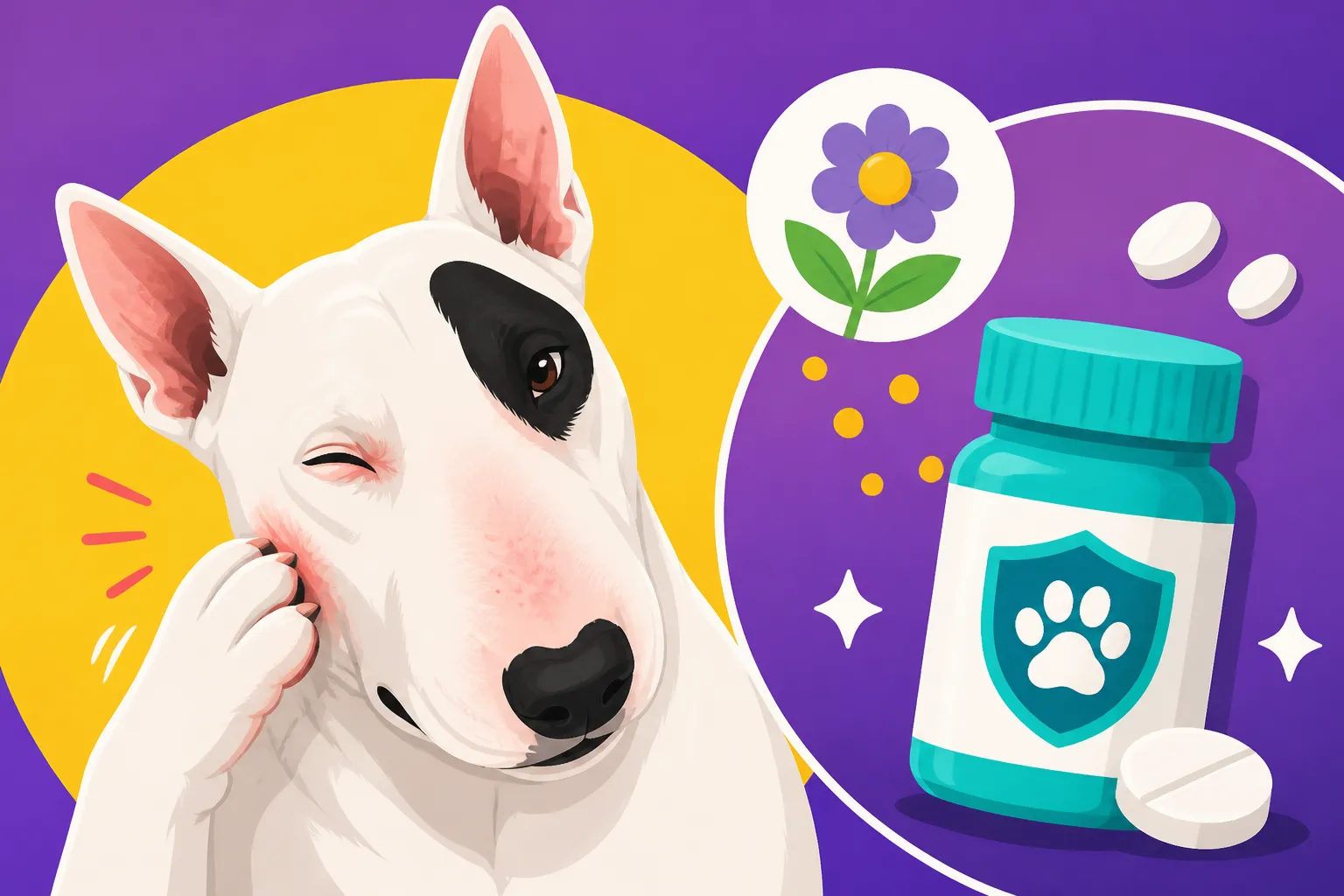
Bull Terriers, with their often sensitive skin and unique physiology, can display a range of allergic symptoms. The most common presentation is skin-related, often referred to as atopic dermatitis. You might notice your bully constantly licking their paws until they’re raw and inflamed. Their ears might become red, itchy, and smelly, leading to recurrent ear infections – a miserable cycle that can drive both you and your dog crazy. The skin on their belly, armpits, and groin area can become red and bumpy. Sometimes, you’ll even spot small scabs or bald patches from their incessant scratching. They might rub their face on the carpet or furniture, trying to relieve the deep itch that seems impossible to satisfy. These symptoms are not just annoying; they significantly impact your Bull Terrier's quality of life and can quickly escalate into more serious skin issues. Remember, A Bull Terrier's Skin Is Its Weakest Point, so any persistent irritation needs swift attention.
Beyond the skin, some Bull Terriers might exhibit respiratory symptoms, though these are less common than in humans. You might observe sneezing, watery eyes, or a runny nose. In rare cases, severe allergic reactions can lead to swelling of the face, hives, or difficulty breathing, which are considered medical emergencies requiring immediate veterinary care. It’s a terrifying moment when you see your dog struggling, and knowing what to look for can make all the difference.
Differentiating Between Allergies and Other Issues
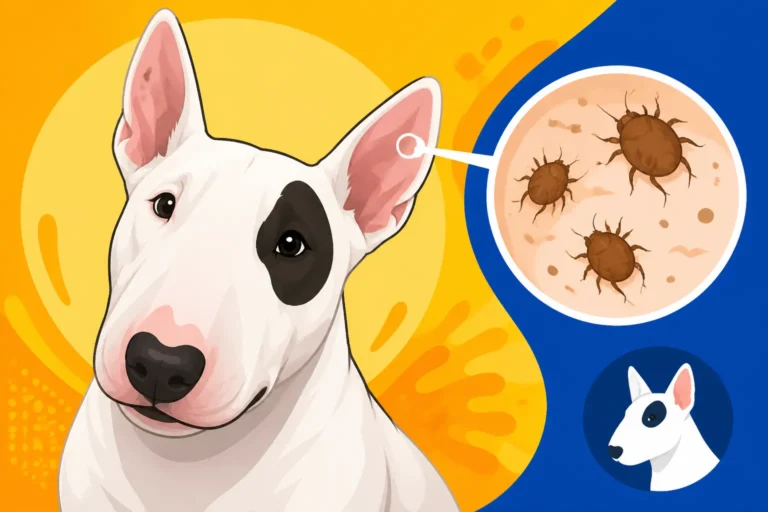
Here’s the thing that often catches Bull Terrier owners off guard: not every itch is an allergy. Many other conditions can mimic allergy symptoms, and treating them incorrectly can worsen the problem or delay proper diagnosis. For instance, external parasites like fleas, mites (especially Demodex, which Bull Terriers can be prone to), or even ticks can cause intense itching, redness, and hair loss. Imagine treating your dog for allergies when they actually have a full-blown flea infestation – the antihistamines won't touch the root cause, and your dog will continue to suffer. You might have to investigate What Treating a Bull Terrier's Demodex Costs if that's the culprit.
Bacterial or yeast infections, often secondary to allergies but sometimes primary issues themselves, can also cause severe skin irritation, odor, and discomfort. These infections require specific antimicrobial or antifungal treatments, not just antihistamines. Certain autoimmune conditions or even nutritional deficiencies can manifest with skin problems. This is why a thorough veterinary examination is non-negotiable. Your vet can perform skin scrapings, cytology, or even a simple flea comb test to rule out these other possibilities before jumping to an allergy diagnosis. They might also discuss What a Bull Terrier Is Most Often Allergic To to help you understand potential triggers.
When to Consider Antihistamines for Your Bull Terrier
Once you’ve had a conversation with your vet and other causes for your Bull Terrier's discomfort have been ruled out, antihistamines might enter the conversation. It’s crucial to understand their role: they are often part of a broader management plan, not a standalone cure, especially for chronic allergies.
Seasonal Allergies and Environmental Triggers
For many Bull Terriers, allergies manifest seasonally, much like hay fever in people. These are often linked to environmental allergens such as pollen from trees, grasses, and weeds, or indoor allergens like dust mites and mold spores. If your Bull Terrier only starts scratching their paws uncontrollably every spring, or develops ear infections like clockwork during certain months, environmental allergies are a strong suspect. These types of allergies can be incredibly frustrating because the triggers are often impossible to completely avoid.
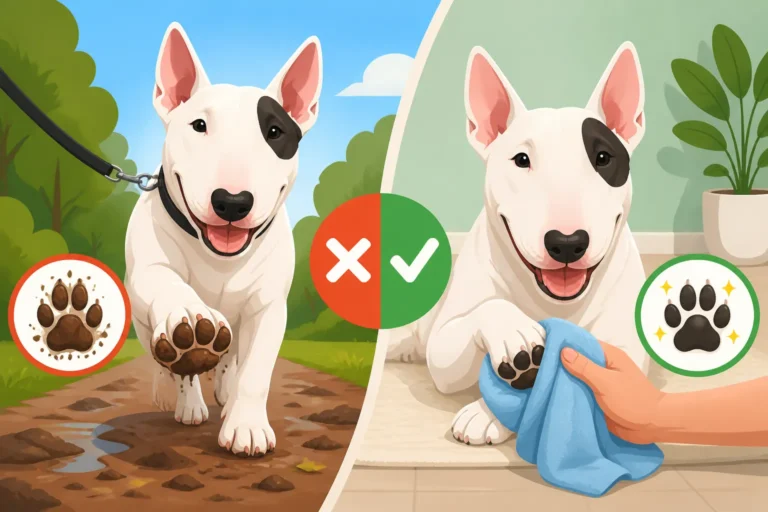
In these scenarios, your vet might suggest trying an antihistamine to help manage the symptoms. The goal isn’t to eradicate the allergy, but to reduce the itching and inflammation, making your Bull Terrier more comfortable and less likely to cause self-trauma that leads to secondary infections. It's about taking the edge off that relentless itch. Think of it as a tool in your allergy management toolbox, alongside regular bathing with hypoallergenic shampoos, wiping paws after walks (especially if your Bull Terrier's feet itch), and maintaining a clean home environment to reduce dust mites. This is where you might look for gentle, dog-specific shampoos on Amazon or Chewy.
Mild Reactions to Food or Insect Bites
Antihistamines can also be helpful for mild, acute allergic reactions. For example, if your Bull Terrier gets stung by a bee or bitten by an insect and develops localized swelling, redness, or mild hives, an antihistamine might be recommended by your vet to alleviate these symptoms. The key word here is mild. If your Bull Terrier experiences severe swelling, particularly around the face or throat, or shows any signs of difficulty breathing, this is an emergency. Do not attempt to treat it at home with antihistamines alone; seek immediate veterinary attention.
Similarly, while antihistamines generally aren't effective for true food allergies (which require strict dietary elimination and specialized diets, perhaps like those offered by Ollie for sensitive dogs), they might offer very minor, temporary relief for some food sensitivities. However, relying on antihistamines for food issues is like putting a band-aid on a gaping wound – it doesn't solve the underlying problem. A proper dietary trial, under vet guidance, is always the correct approach for suspected food allergies. You might find a whole new world of questions opens up, such as Whether a Bull Terrier's Skin Improves With Diet.
The Role of Antihistamines in Management, Not Cure
It bears repeating: antihistamines are symptomatic relief. They don't cure the allergy; they simply block the histamine response that causes itching and inflammation. This means that if you stop giving the antihistamine and the allergen is still present, the symptoms will likely return. For chronic allergies, a multi-modal approach is often necessary, combining antihistamines with other treatments like omega-3 fatty acid supplements, topical therapies, sometimes steroids, or even allergy-specific immunotherapy (allergy shots).
Your vet is your best ally in creating this comprehensive plan. They will consider your Bull Terrier's specific symptoms, their overall health (for instance, if your Bull Terrier has kidney disease, certain medications might be contraindicated, so knowing Which Diet Suits a Bull Terrier With Kidney Disease is important), and the severity of the allergies. Sometimes, a "wait and see" approach is taken, especially for very mild, infrequent flare-ups. However, if your Bull Terrier is scratching to the point of skin damage or misery, proactive management, potentially including antihistamines, is often warranted.
Types of Antihistamines and How They Work
When it comes to antihistamines for dogs, you can't just grab whatever's in your medicine cabinet. What's safe and effective for humans isn't always safe or effective for our canine companions, and dosages are vastly different.
Over-the-Counter Options and the Importance of Vet Consultation
Several over-the-counter (OTC) antihistamines commonly used by humans can be prescribed by a veterinarian for dogs. These typically fall into two categories: first-generation (like diphenhydramine) and second-generation (like cetirizine and loratadine).
- Diphenhydramine (often found in brands like Benadryl): This is a first-generation antihistamine known for causing drowsiness. It's often used for acute, mild reactions, or when a calming effect is desired. However, the dose is critical, and many human formulations contain other ingredients (like decongestants or pain relievers) that are toxic to dogs. Never give a multi-symptom human medication to your dog. You must use a single-ingredient product and only with your vet’s explicit dosage instructions.
- Cetirizine (often found in Zyrtec): A second-generation antihistamine, cetirizine is generally less sedating than diphenhydramine and can be effective for managing environmental allergies. Again, a single-ingredient product and vet-approved dosage are paramount.
- Loratadine (often found in Claritin): Another second-generation option, loratadine is also typically non-drowsy. Similar caveats apply regarding single-ingredient formulations and veterinary guidance on dosing.
These medications work by blocking histamine receptors in the body, which helps to reduce the allergic response. Histamine is a chemical released during an allergic reaction, causing itching, swelling, and redness. By blocking its action, antihistamines can bring relief. Your vet will determine which type, if any, is best for your Bull Terrier based on their specific symptoms, age, and any existing health conditions. They might even recommend specific brands or generic equivalents that are safe for pets, which you could then source from reputable pet suppliers like Chewy or Amazon.
Potential Side Effects and Drug Interactions
Even "safe" antihistamines can have side effects in dogs. The most common side effect of first-generation antihistamines like diphenhydramine is sedation. Your Bull Terrier might seem unusually sleepy, lethargic, or a bit wobbly. While sometimes desirable for a restless, itchy dog, excessive sedation is a sign the dose might be too high. Other potential side effects can include dry mouth (leading to increased thirst), urinary retention, or gastrointestinal upset like vomiting or diarrhea. These are usually mild but should be reported to your vet.
Second-generation antihistamines like cetirizine and loratadine are generally less prone to causing sedation, but individual dogs can still react differently. It’s a good idea to monitor your Bull Terrier closely for any unusual changes in behavior or physical symptoms after starting a new medication.
Crucially, antihistamines can interact with other medications your Bull Terrier might be taking. If your Bull Terrier is on any other drugs – perhaps for heart conditions, kidney issues, or even other allergy medications – it’s vital to inform your vet. For instance, if your Bull Terrier is being treated for The Heart Murmur a Bull Terrier Puppy Should Be Checked For, or for kidney disease which you might manage by monitoring What a UPC Ratio Tells a Bull Terrier Owner, adding a new medication needs careful consideration. Your vet needs a complete picture of your Bull Terrier’s health to ensure the chosen antihistamine won't cause adverse interactions.
Administering Antihistamines Safely and Effectively
Once your vet has given you the green light and provided specific instructions, the next step is safely administering the medication. This isn't just about getting the pill down; it's about consistency, observation, and knowing when to seek further help.
Dosage Guidelines and Vet Recommendations
This cannot be stressed enough: always follow your veterinarian's specific dosage instructions. The dose of an antihistamine for a dog is calculated based on their weight and the specific medication. It is not the same as the human dose, and giving too much can be dangerous. For example, a standard human diphenhydramine tablet might be far too high a dose for a smaller Bull Terrier, or require careful division. Your vet will provide you with a precise milligram per kilogram (mg/kg) dosage and tell you how often to administer it.
When picking up an antihistamine, whether from your vet or a pharmacy, double-check that it’s a single-ingredient product. Avoid anything labeled "cold and flu," "allergy and sinus," or "PM" formulas, as these often contain ingredients like pseudoephedrine, acetaminophen, or ibuprofen, which are highly toxic to dogs. If you're purchasing an approved product online from Chewy or Amazon, always verify the active ingredient and strength. It's often helpful to keep a log of when you give the medication and any observed changes in your Bull Terrier's symptoms or behavior. This record can be invaluable for your vet at follow-up appointments.
| Antihistamine Type | Common Active Ingredient | Primary Effect | Considerations |
|---|---|---|---|
| First-Generation | Diphenhydramine | Sedating, relieves itching | Can cause significant drowsiness; avoid multi-ingredient formulations. Vet-specific dosing is crucial. |
| Second-Generation | Cetirizine | Non-sedating, relieves itching | Generally fewer side effects; ensure single-ingredient. Still requires vet guidance for proper canine dosage. |
| Second-Generation | Loratadine | Non-sedating, relieves itching | Similar to Cetirizine, usually well-tolerated. Strict adherence to vet's prescribed dose and formulation is key. |
Long-Term Management Strategies Beyond Medication
Antihistamines are a valuable tool, but they are just one piece of the puzzle for managing your Bull Terrier's allergies, especially if they are chronic. Effective long-term management often involves a holistic approach.
Firstly, identifying and minimizing exposure to allergens is paramount. If pollen is a trigger, wiping your Bull Terrier’s paws and coat with a damp cloth after outdoor excursions can help remove allergens before they cause irritation. Regular bathing with a gentle, moisturizing shampoo (recommended by your vet) can also wash away environmental allergens from their skin, which is often A Bull Terrier's Skin Is Its Weakest Point. For dust mite allergies, frequent vacuuming, washing bedding in hot water, and using dust mite covers can make a difference.
Secondly, diet plays a significant role in overall skin health and immune function. While antihistamines don't treat food allergies, a high-quality, balanced diet rich in omega fatty acids can support a healthy skin barrier, which is your Bull Terrier's first line of defense against environmental allergens. Some owners explore specialized diets, or even fresh-food options like those from Ollie, under vet supervision, to see if it improves their Bull Terrier’s general skin resilience. You can read more about it in Whether a Bull Terrier's Skin Improves With Diet.
Finally, consistent veterinary care is essential. Regular check-ups, especially for breeds prone to certain health issues, ensure that your Bull Terrier’s overall health is monitored. Yearly wellness exams, including routine bloodwork and urine tests (like The Yearly Urine Test Every Bull Terrier Owner Should Book), can catch underlying issues that might exacerbate allergy symptoms or affect how medications are metabolized. Your vet can adapt the allergy management plan as needed, introduce new therapies, or adjust existing ones to keep your Bull Terrier as comfortable and healthy as possible throughout their life.
Disclaimer
This article is for general informational purposes only and does not constitute professional advice. Laws, prices and regulations vary by location and change over time. Consult a qualified professional for guidance on your specific situation.