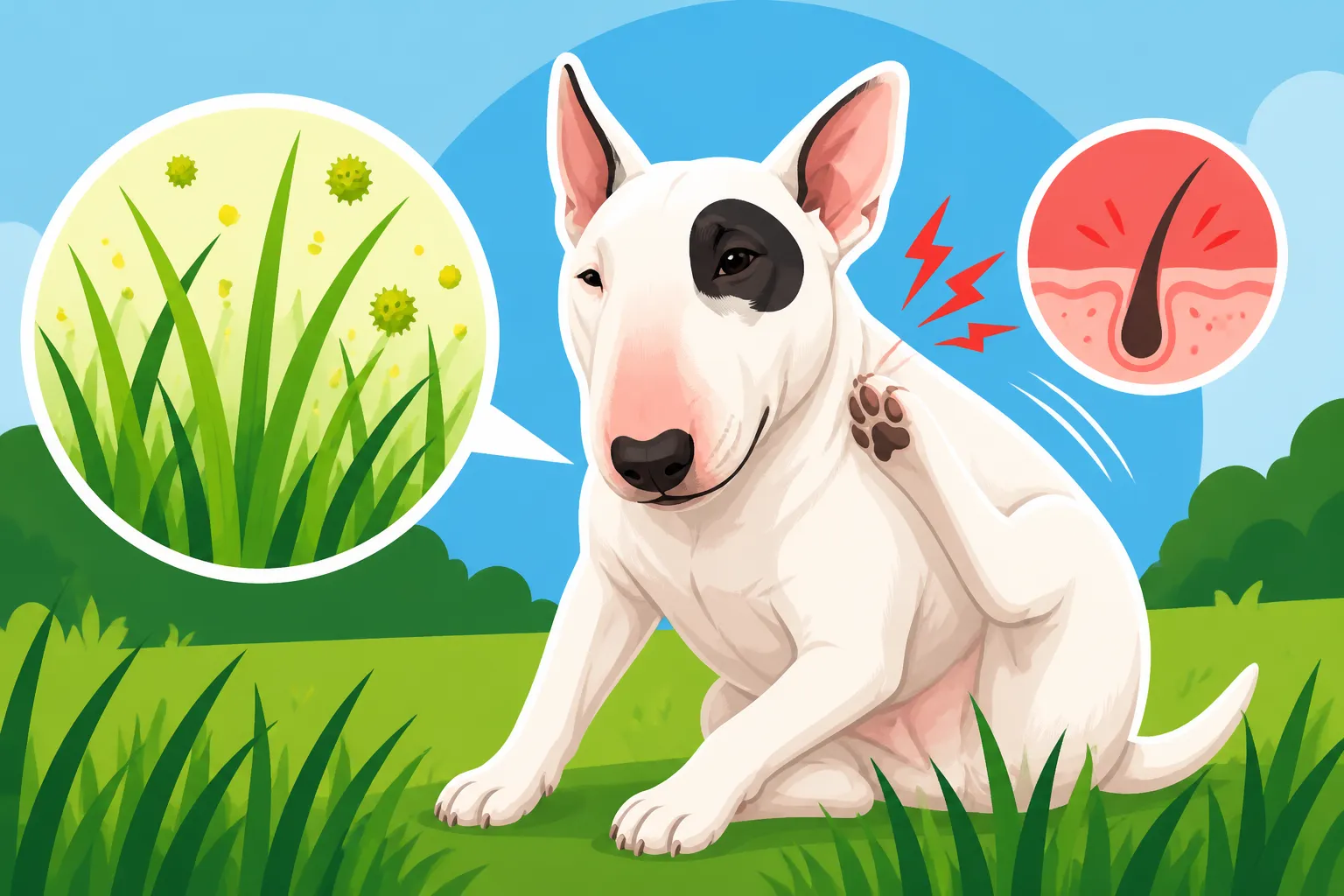
Why Grass Makes a Bull Terrier Itch
It’s a scenario many Bull Terrier owners know all too well: your beloved clown romps happily in the park or your own backyard, chasing a ball or investigating an interesting smell, only to come inside and immediately start scratching, biting, and rubbing themselves raw. That innocent patch of green grass, the very place you hoped your dog would enjoy, seems to turn them into an itchy, miserable mess. This guide is here to help you understand why grass might be making your Bull Terrier itch and, more importantly, what practical steps you can take to bring them some much-needed relief.
The Suspect: Allergic Reactions to Grass and Environmental Triggers
When your Bull Terrier becomes an itchy wreck after contact with grass, the first thing many of us suspect, and rightly so, is an allergic reaction. Dogs, just like people, can suffer from a variety of allergies, and environmental allergens are incredibly common culprits, especially for breeds with sensitive skin like our Bull Terriers. It's not just the grass itself, but a whole ecosystem of potential irritants living within it.
Contact Dermatitis Versus Environmental Atopy
It's helpful to distinguish between two main types of allergic reactions when we talk about grass. The first is contact dermatitis, which is a direct, localized reaction to something the skin touches. Imagine walking through a patch of poison ivy – that's contact dermatitis. For a Bull Terrier, this could mean their paws, belly, muzzle, or any area where their bare skin directly touches the grass, might become red, bumpy, and intensely itchy almost immediately after exposure. The reaction is usually confined to the areas that made contact.
The second, and often more insidious, type is environmental atopy, also known as allergic inhalant dermatitis. This isn't just about direct skin contact; it's about allergens that are inhaled or absorbed through the skin more generally. Think of human hay fever, but instead of just sneezing, your Bull Terrier experiences it primarily as skin irritation. Pollen from grasses, weeds, and trees are major atopic allergens. While they might be inhaling pollen from the air, the reaction often manifests on their skin, leading to widespread itching, paw licking, ear infections, and skin redness. This reaction might not be immediate, sometimes building up over hours or days, making it harder to pinpoint the exact cause. Bull Terriers are particularly susceptible to Whether a Bull Terrier Gets Skin Allergies, making environmental triggers a significant concern for their overall well-being.
Common Grass Allergens and Irritants
Beyond just "grass," there are specific components within grassy environments that can trigger your Bull Terrier's immune system into overdrive. Grass pollens are perhaps the most notorious. Different types of grass release pollen at various times of the year, so your Bull Terrier might be fine with one type of lawn but react severely to another, or their allergies might be seasonal. Fescue, Bermuda grass, ryegrass, and timothy grass are all common culprits. These tiny pollen grains can settle on your dog's coat, paws, and skin, or be inhaled, kicking off that frustrating cascade of itchiness.
Molds are another frequent irritant found in damp grass or decaying leaves within a grassy area. Spores can become airborne or settle directly onto your dog's skin, leading to similar allergic responses. Even fungi and other microscopic organisms naturally present in soil and grass can act as allergens. It's not always the vibrant green blades themselves, but the invisible world thriving around them that causes distress. Some Bull Terriers also react to the physical texture of certain sharp grass blades, which can create tiny abrasions on their sensitive skin, making them more vulnerable to other irritants.
Why Bull Terriers Are Especially Prone to Skin Issues
Our beloved Bull Terriers, with their striking appearance and vivacious personalities, unfortunately, come with a predisposition to a range of skin issues, making them particularly vulnerable to grass-related itching. Their short, single coat, while low-maintenance in terms of shedding, offers less protection against environmental irritants compared to dogs with denser undercoats. This means allergens and irritants have a more direct pathway to their sensitive skin.
Moreover, many Bull Terriers have pink skin, especially white ones, which is inherently more delicate and prone to irritation and sunburn. Why a White Bull Terrier Sunburns is a constant concern, and this same sensitivity can make them react more strongly to contact allergens. Genetically, the breed also appears to have a higher incidence of atopic dermatitis, meaning their immune systems are simply more likely to overreact to common environmental substances like grass pollen. It’s not just an inconvenience; for many Bull Terriers, A Bull Terrier's Skin Is Its Weakest Point, requiring diligent care and attention to keep them comfortable. This genetic predisposition means that even if a dog from another breed might tolerate a patch of grass with no issue, your Bull Terrier could be scratching uncontrollably after the same exposure.
Beyond Allergies: Other Irritants Lurking in the Lawn
While allergies are often the primary suspect, it's crucial not to overlook other environmental factors hiding in that seemingly innocent patch of green. Sometimes, the itching isn't a true allergic reaction, but rather an irritation caused by pests, chemicals, or even the physical properties of the grass itself. These factors can either directly cause discomfort or exacerbate an underlying sensitivity in your Bull Terrier.
Pesky Pests and Parasites
Grass, especially taller, untamed varieties, is a playground for all sorts of tiny, unwelcome guests. Fleas, ticks, and mites are common inhabitants, and a single bite from any of these can send a sensitive Bull Terrier into an itching frenzy. Even if your Bull Terrier is on a regular flea and tick preventative, it's not always 100% effective, and it doesn't prevent the bite itself, which can be enough to trigger a reaction. Some dogs develop flea allergy dermatitis, where they are highly allergic to the flea's saliva, and just one bite can cause severe, widespread itching for days.
Mites, like those responsible for Demodectic Mange in a Bull Terrier, can also be picked up from the environment, though Demodex is more often a result of an immune system imbalance. Scabies mites, however, are highly contagious and can cause intense itching, redness, and hair loss. Regular grooming and thorough checks after walks are essential to catch these parasites early. Always check between paw pads, in the ears, and around the armpits and groin for ticks, as these spots are often overlooked but are prime hiding places.
Chemical Contaminants
Our lawns and public parks are often treated with a cocktail of chemicals – fertilizers to make the grass greener, pesticides to kill unwanted insects, and herbicides to eliminate weeds. While these products are often marketed as "pet-safe," the truth is that any chemical residue can be irritating to a Bull Terrier's sensitive skin, especially if they have an existing predisposition to skin issues. Even organic or "natural" products can contain substances that can cause irritation or allergic reactions in some individuals.
When your Bull Terrier walks, rolls, or plays in a chemically treated lawn, these substances can cling to their coat and skin. They might then lick their paws or belly, ingesting the chemicals, which can cause internal upset in addition to external irritation. Always be cautious about where you allow your Bull Terrier to roam, especially after a lawn has been recently treated. If you're unsure, it's always best to err on the side of caution and keep them away until the area is thoroughly dry and aired out, or better yet, avoid chemically treated areas entirely. Public parks can be particularly problematic because you often don't know the last time they were sprayed.
Physical Irritants and Plant Matter
Sometimes, the irritation isn't chemical or biological, but simply physical. Certain types of grass have stiff, sharp blades that can cause micro-abrasions on a Bull Terrier's delicate skin, particularly on their bellies and between their paw pads. Imagine rubbing sandpaper on sensitive skin – that's what some coarse grasses can feel like. These tiny cuts, though often invisible to the naked eye, can create entry points for bacteria or allergens, leading to secondary infections and increased itching.
Beyond the grass blades themselves, other plant matter commonly found in grassy areas can be problematic. Burrs, thorns, and particularly nefarious foxtails are notorious for embedding themselves in fur, skin, and even working their way into paws, ears, or nostrils. Foxtails, with their barbed heads, are especially dangerous as they only move forward, potentially causing serious infections, abscesses, or even organ damage if not removed promptly. Even common weeds can have irritating sap or bristles. Always do a quick visual check of your Bull Terrier's coat and paws after a walk, especially if they've been in an area with long grass or lots of weeds.
Proactive Steps: Practical Solutions and Management
Witnessing your Bull Terrier's discomfort is heartbreaking, but the good news is there are many practical steps you can take to alleviate their itching and manage their reactions to grass. It's often a multi-faceted approach, combining immediate relief with long-term prevention. The key is consistency and understanding your individual Bull Terrier's sensitivities.
Immediate Relief and Post-Walk Routines
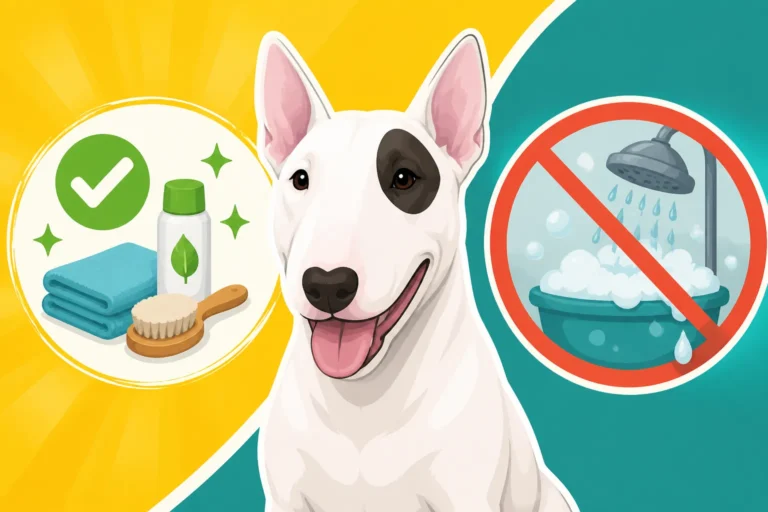
The moment you notice your Bull Terrier getting itchy after being in the grass, immediate action can make a world of difference. Establishing a consistent post-walk routine is paramount. As soon as you come inside, dedicate a few minutes to wiping down your Bull Terrier's paws, belly, and muzzle. Use a damp cloth or a pet-safe wipe to remove any lingering pollen, grass particles, or chemical residues. Some owners even keep a small basin of plain water by the door for a quick paw dip and rinse.
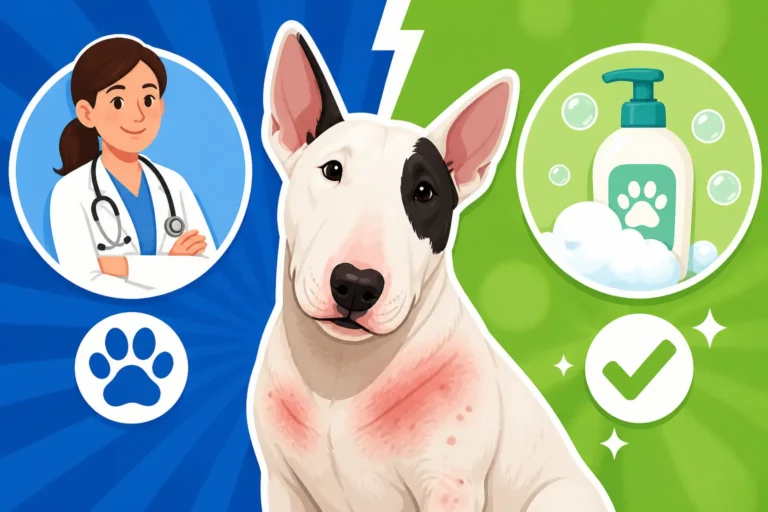
For dogs with more severe reactions, a quick, gentle rinse with plain, cool water over their body, particularly their underside, can wash away irritants before they have a chance to settle and cause a reaction. You don't necessarily need a full bath every time, but a targeted rinse can be very effective. When a full bath is necessary, opt for a hypoallergenic, soap-free shampoo specifically formulated for sensitive skin. Your vet might recommend a medicated shampoo to soothe irritation or treat secondary infections. Products available from retailers like Chewy or Amazon often include options for sensitive skin, but always double-check ingredients. For specific guidance, you might find valuable information in articles like Which Shampoo Suits a Bull Terrier's Skin.
Veterinary Consultation and Allergy Testing
If your Bull Terrier's itching persists or is severe, a visit to your veterinarian is crucial. Your vet can rule out other medical conditions that might mimic allergies, such as fungal infections, bacterial skin infections, or internal parasites. They can also recommend appropriate treatments for immediate relief, such as antihistamines, corticosteroids (for short-term severe flares), or newer medications designed to target the itch response, like Apoquel or Cytopoint injections.
For persistent environmental allergies, your vet might suggest allergy testing. There are generally two types: blood tests (serum IgE testing) or intradermal skin testing (IDST), performed by a veterinary dermatologist. Both aim to identify the specific allergens your Bull Terrier is reacting to. Once identified, a common long-term treatment is allergy immunotherapy, often referred to as allergy shots or drops. This involves administering small, increasing doses of the identified allergens over time, gradually desensitizing your Bull Terrier's immune system. This treatment doesn't offer a quick fix but can provide significant long-term relief for many dogs and reduce the need for other medications.
Environmental Management and Lawn Care
Managing your Bull Terrier's environment is a powerful tool in reducing grass-related itching. This starts with being mindful of where your dog spends their time. If you have your own yard, consider letting the grass grow a little longer, as shorter grass often leads to more direct skin contact. Mow less frequently during peak pollen seasons. If you treat your lawn, switch to pet-safe, natural alternatives for fertilizers and weed control, or consider laying down artificial turf in high-traffic areas where your Bull Terrier plays. For more options, stores like Amazon and Chewy often carry a variety of natural and pet-friendly lawn care products.
When walking your Bull Terrier, try to stick to paved paths during high pollen times, or choose areas with different ground cover, like wood chips or dirt trails, if possible. If you frequent public parks, ask about their lawn treatment schedule, or choose parks that explicitly state they use pet-safe practices. Creating "safe zones" in your own yard – perhaps a mulched area or a shaded patio – where your Bull Terrier can relax without direct grass contact can also be beneficial. Remember, it's not about eliminating all grass, but about minimizing exposure to the specific triggers that cause your Bull Terrier discomfort.
Long-Term Strategies and Lifestyle Adjustments
Beyond immediate fixes, thinking about long-term management and lifestyle adjustments can significantly improve your Bull Terrier's quality of life if they suffer from grass-induced itching. It's about supporting their overall health, building resilience, and creating an environment that minimizes allergic triggers.
Diet and Supplements for Skin Health
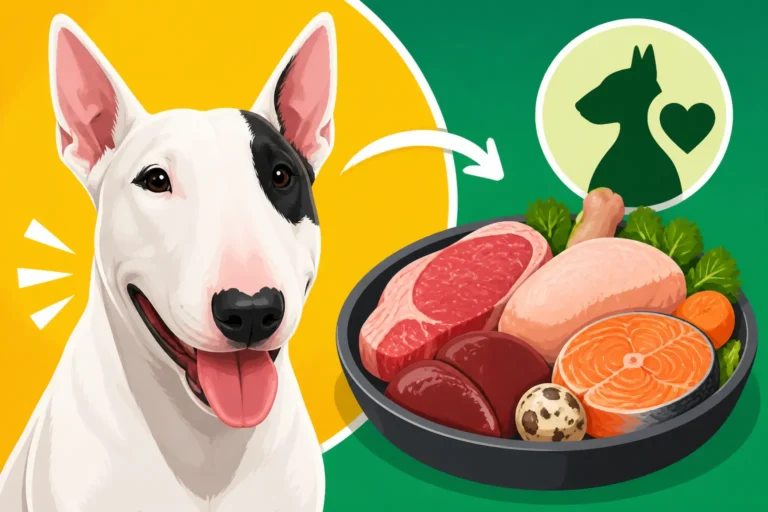
A well-balanced, high-quality diet plays a fundamental role in maintaining a healthy skin barrier, which is your Bull Terrier's first line of defense against environmental allergens. While diet changes won't cure environmental allergies, certain nutritional choices can certainly help. Look for foods with high-quality protein sources and beneficial fats. Some Bull Terrier owners find success with novel protein diets or limited ingredient diets, which can sometimes reduce generalized inflammation that might exacerbate skin sensitivities.
Incorporating omega-3 fatty acids into your Bull Terrier's diet is often recommended for skin health. These healthy fats, found in fish oil, krill oil, or flaxseed oil, have anti-inflammatory properties that can help soothe irritated skin and improve coat condition. You can find many reputable omega-3 supplements at pet stores or online retailers like Chewy. Always discuss any dietary changes or supplements with your vet, especially if your Bull Terrier has other health concerns. For deeper insights into dietary impacts, you might want to read Whether a Bull Terrier's Skin Improves With Diet. If your Bull Terrier has more severe allergies, your vet might recommend specific prescription diets designed to support skin health, some of which are available through services like Ollie, delivered fresh.
Product Choices and Protective Gear
The products you use on and around your Bull Terrier can make a big difference. When it comes to bathing, stick to veterinarian-recommended, hypoallergenic shampoos and conditioners that are free of harsh chemicals, dyes, and fragrances. These will clean without stripping the skin of its natural oils, maintaining its protective barrier. After a bath, ensure your Bull Terrier is thoroughly dry, paying special attention to skin folds, as moisture can trap irritants and encourage yeast or bacterial growth.
Consider topical soothing sprays or balms to apply to itchy areas. Many contain ingredients like oatmeal, aloe vera, or colloidal silver, which can provide temporary relief. For Bull Terriers that are highly reactive to grass contact on their paws, dog booties can be a game-changer. While some dogs might initially resist them, a good-fitting, breathable pair can create a physical barrier between their sensitive paw pads and the irritating grass. You can find a wide variety of these products, from specialized shampoos to protective booties, on platforms like Amazon or Chewy.
Consistent Skin Health Monitoring
Regular, thorough skin checks are paramount for Bull Terriers, especially if they are prone to itching. Make it a habit to do a quick visual and tactile inspection of your Bull Terrier's skin a few times a week, and always after a significant romp in the grass. Pay close attention to their paws (between the toes and pads), belly, armpits, groin, and ears – these are common areas for allergies to manifest and for irritants to collect.
Look for any signs of redness, bumps, scabs, hair loss, or unusual odors. Early detection of irritation or infection can prevent a minor issue from escalating into a more severe and painful problem. If you notice persistent redness, strong odors, or excessive licking/chewing, don't hesitate to contact your vet. Keeping a journal or taking photos of affected areas can also be helpful for tracking changes and communicating with your vet. This consistent monitoring aligns perfectly with the advice in The Weekly Skin Check Every Bull Terrier Needs, ensuring you stay ahead of potential problems and keep your Bull Terrier comfortable and happy.
| Irritant Type | Common Examples | Affected Areas (Often) | Immediate Action | Long-Term Strategy |
|---|---|---|---|---|
| Allergic (Atopy) | Grass pollen, mold spores | Paws, belly, armpits, face, ears | Post-walk wipe/rinse, topical soothing spray | Vet consultation, allergy testing, immunotherapy, diet |
| Allergic (Contact) | Specific grass blades, plant sap | Direct skin contact points (belly, paws) | Thorough wipe/rinse, hypoallergenic bath | Identify trigger, protective gear, environmental control |
| Pests/Parasites | Fleas, ticks, mites | Anywhere, often warm, hidden spots | Check and remove, topical treatments, medicated bath | Consistent preventative medication, yard treatment |
| Chemicals | Fertilizers, pesticides, herbicides | Paws, belly, coat (where contact occurs) | Thorough rinse/bath with gentle shampoo | Avoid treated areas, use pet-safe lawn products |
| Physical Irritants | Sharp grass blades, burrs, foxtails | Paws, ears, eyes, coat | Inspect and remove plant matter, clean affected area | Trim grass, dog booties, avoid dense brush |
Disclaimer
This article is for general informational purposes only and does not constitute professional advice. Laws, prices and regulations vary by location and change over time. Consult a qualified professional for guidance on your specific situation.