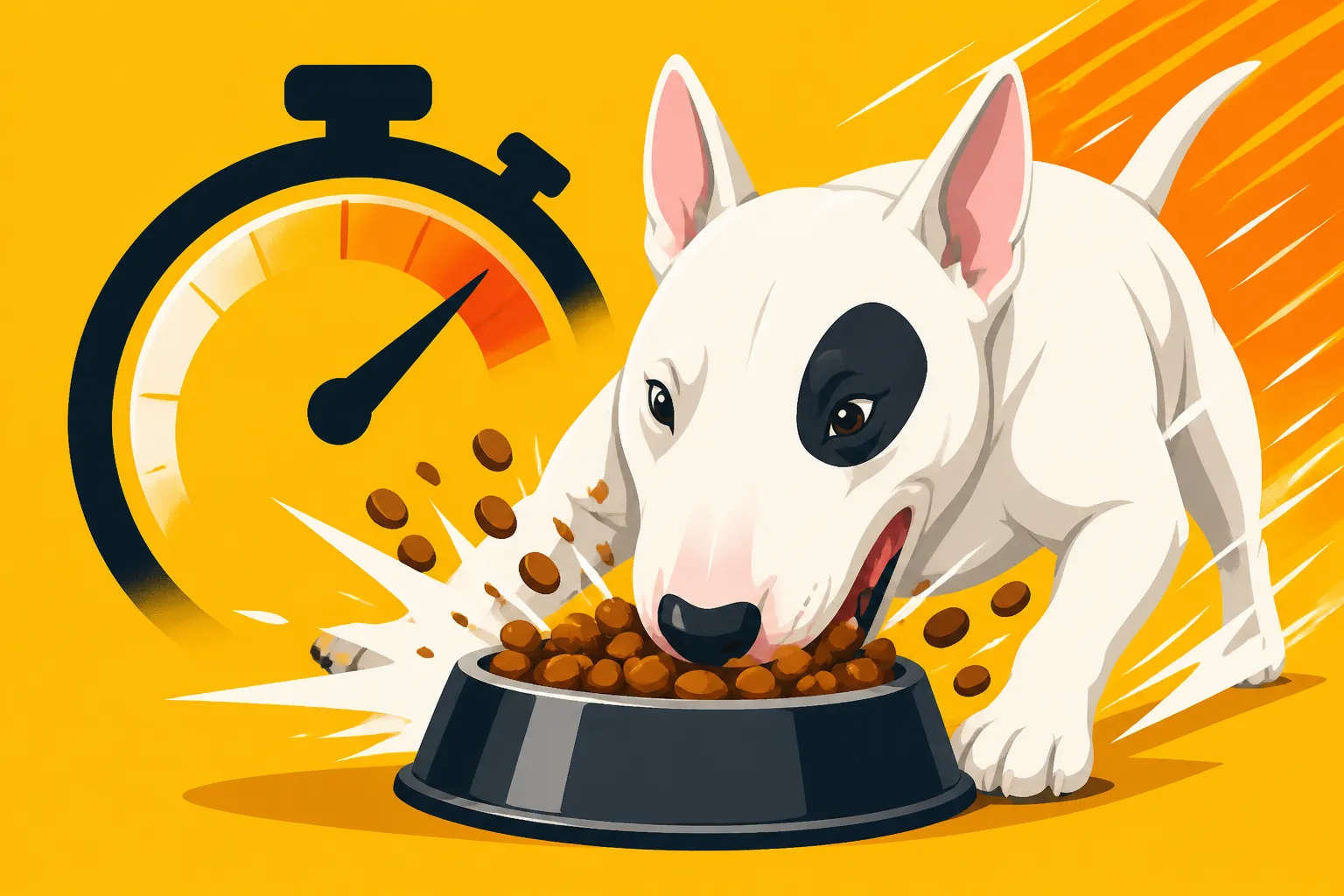
How Fast a Bull Terrier Eats
It's a scene many Bull Terrier owners know all too well: you put down the food bowl, turn around for a second, and poof – the meal is gone, leaving you wondering if your dog even tasted it. This lightning-fast eating isn't just a funny quirk; it can lead to some serious health and behavioral issues for your beloved bully. This guide will explore why Bull Terriers often eat so quickly and, more importantly, share practical, empathetic strategies to help your dog slow down, savor their meals, and stay healthier.
Why Your Bull Terrier Behaves Like a Vacuum Cleaner at Mealtime
If your Bull Terrier scarfs down their food faster than you can say "sit," you're certainly not alone. Many owners of this wonderful breed report the same behavior, and it often stems from a combination of instinct, breed traits, and even past experiences. It's not necessarily because they're starving, but rather a complex mix of factors at play.
The Instinctual Drive to Gobble
Dogs, in general, are wired to eat quickly. In the wild, or even just in a multi-dog household, competition for food is a real thing. If you don't eat it fast, someone else might. This primal instinct to secure resources is deeply ingrained, even in our pampered house pets. For a Bull Terrier, who can be quite assertive and, let's face it, a bit pigheaded when they want something, this instinct can be even more pronounced. They see the food, they want the food, and they want it now, before some imaginary rival can get to it.
Think about it from their perspective. A bowl of delicious kibble is a high-value item. If they've ever experienced competition, perhaps in a large litter as a puppy, or even just perceived it from another pet in the home, that drive to consume quickly is reinforced. It's not about being rude; it's about historical survival programming kicking in.
The Bull Terrier's Unique Physique and Personality
Bull Terriers are known for their strong jaws and broad heads, designed for powerful biting and holding. While not directly linked to speed of eating, this robust oral structure certainly doesn't hinder a rapid gulping technique. They also tend to be very enthusiastic dogs, approaching most activities with gusto – and mealtime is no exception. That characteristic Bull Terrier zest for life often translates into a very eager, quick approach to their food bowl. Their intense focus, combined with their muscular build, can make them formidable eating machines.
Beyond physical traits, consider the Bull Terrier's personality. They are often described as having "a three-year-old in a dog suit" temperament – full of energy, sometimes a little impatient, and always ready for the next exciting thing. For many Bull Terriers, mealtime is an exciting thing, and they throw themselves into it with typical bully exuberance. This isn't a problem unique to Bull Terriers, but their particular blend of traits seems to amplify the "eat it all now" behavior.
Learned Behaviors and Environmental Cues
Sometimes, fast eating isn't just instinctual; it's a learned behavior. If a Bull Terrier has been in an environment where food was scarce, inconsistent, or competitive, they quickly learn to eat as much as possible, as fast as possible. This can be particularly true for rescue dogs who may have unknown histories. Even in a loving home, if there are multiple pets, or if the dog experiences stress around meal times, this can contribute. For instance, if you rush to put the bowl down and then immediately leave the area, your Bull Terrier might feel pressured to eat quickly before you're "gone" again.
Consider the energy you bring to mealtime, too. If you're stressed or hurried, your Bull Terrier picks up on that. A calm, consistent mealtime routine can help, but it's important to recognize that once a dog has adopted fast eating as a habit, it takes conscious effort to reverse it. It's not a moral failing on their part; it's simply how they've learned to navigate their world.
The Health Risks of a Speedy Eater
While a Bull Terrier devouring their dinner in seconds might seem harmless, or even a sign of a healthy appetite, it can actually lead to a host of significant health problems. We want our bullies to live long, healthy lives, and understanding these risks is the first step in mitigating them.
Bloat and Choking Hazards
One of the most immediate and dangerous risks of fast eating is Gastric Dilatation-Volvulus (GDV), commonly known as bloat. While bloat is more prevalent in deep-chested breeds, it can affect any dog, and rapid ingestion of food and air is a known contributing factor. When a dog eats too quickly, they swallow a lot of air along with their food. This air can become trapped in the stomach, causing it to distend. In some severe cases, the stomach can then twist upon itself, cutting off blood supply and becoming a life-threatening emergency. Every Bull Terrier owner should be aware of the signs of bloat, as time is critical for survival. Whether a Bull Terrier Bloats is a real concern, and fast eating exacerbates this risk.
Beyond bloat, there's the simpler, yet still serious, danger of choking. Large, unchewed pieces of food can become lodged in the esophagus or windpipe, causing your Bull Terrier to gag, cough frantically, or even collapse. If your Bull Terrier inhales their food without properly chewing, they're essentially playing a game of Russian roulette with every meal. It's not just discomfort; it can be fatal if not addressed immediately.
Digestive Issues and Nutrient Absorption
Eating too fast also puts a strain on your Bull Terrier's digestive system. When food is gulped down rapidly, it's often not chewed adequately, meaning larger particles enter the stomach. The stomach has to work harder to break these down, which can lead to indigestion, gas, vomiting, and diarrhea. Think about how you feel after you've rushed a meal – often uncomfortable and sometimes with an upset stomach. Your Bull Terrier feels the same, but they can't tell you in words.
Furthermore, proper digestion is crucial for nutrient absorption. If food rushes through the digestive tract too quickly, or if the body is overwhelmed by poorly masticated food, your Bull Terrier might not be getting all the vital nutrients from their diet. This can lead to nutritional deficiencies over time, even if you're feeding a high-quality food. It's a cruel irony: a dog that eats with immense appetite might still be undernourished because of how they eat.
Behavioral Complications
Fast eating isn't just a physical issue; it can also be a behavioral one, contributing to or being a symptom of deeper problems. Resource guarding, where a dog becomes possessive of their food, toys, or even people, can be linked to a frantic eating style. A dog that feels the need to eat quickly might also be more prone to growling or snapping if anyone approaches their bowl during mealtime. This protective behavior stems from that same underlying instinct to secure resources.
Beyond resource guarding, excessive fast eating can be a sign of anxiety or stress. A Bull Terrier who feels insecure about their food supply, or who is in an overstimulating or competitive environment, might develop this habit. Addressing the fast eating can sometimes help alleviate some of these underlying anxieties, leading to a calmer, happier Bull Terrier. It’s all interconnected, and tackling the eating speed can have positive ripple effects on their overall well-being.
Effective Strategies to Slow Down Your Bull Terrier's Eating
Now that we understand why Bull Terriers eat so fast and the risks involved, let's talk about practical solutions. The good news is there are many creative and effective ways to turn mealtime from a frantic gulp-fest into a more measured, enjoyable experience for your bully.
Introducing Slow Feeder Bowls
One of the most popular and often immediately effective solutions is a slow feeder bowl. These aren't just regular bowls; they have ridges, mazes, or pillars built into them that force your Bull Terrier to navigate around obstacles to get to their food. This simple design trick means they can't just dive in and inhale everything; they have to slow down, pick out individual kibble pieces, and work a little harder. Many brands offer different designs, from simple bumps to intricate labyrinths, so you can find one that challenges your Bull Terrier without frustrating them too much.
You can often find a wide variety of these bowls on platforms like Amazon or Chewy, offering different materials, sizes, and puzzle complexities. Start with a simpler design and, if your Bull Terrier masters it quickly, you can always upgrade to a more challenging one. The key is to make mealtime a bit of a mental exercise, rather than a race.
Engaging Puzzle Feeders and Food Dispensing Toys
Taking the slow feeder concept a step further, puzzle feeders and food dispensing toys turn mealtime into a game. These toys require your Bull Terrier to roll, nudge, or manipulate them to release kibble piece by piece. This engages their brain and makes them "hunt" for their food, much closer to how dogs might naturally forage. Not only does it slow down their eating, but it also provides valuable mental enrichment, which is especially important for intelligent and energetic breeds like Bull Terriers. A mentally stimulated Bull Terrier is often a happier and less destructive Bull Terrier! Which Puzzle Toys Occupy a Bull Terrier delves into more options.
You can use these for full meals or just for a portion of their meal, especially if you're out and about or need to keep them occupied. Rotate different types of puzzles to keep it interesting – a snuffle mat one day, a treat ball the next. This variety prevents boredom and keeps the challenge fresh.
Creative Feeding Methods Beyond the Bowl
Sometimes, you don't even need a special bowl. Simple changes to how you feed can make a huge difference.
- Scattering Food: If you have a clean, safe area (like a backyard or a designated indoor mat), try scattering your Bull Terrier's kibble. They'll have to sniff it out and pick up each piece individually, naturally slowing down the process. This taps into their natural foraging instincts and can be a wonderful form of enrichment.
- Hand-Feeding Portions: For a particularly fast eater, or to build a stronger bond, consider hand-feeding portions of their meal. This allows you to control the pace and reward calm behavior between bites. It also offers a great opportunity for some gentle training, asking for a "sit" or "stay" before each small portion.
- Muffin Tins or Ice Cube Trays: Place small amounts of food in each cup of a muffin tin or ice cube tray. This creates multiple mini-obstacles, forcing your Bull Terrier to move from cup to cup, reducing the speed at which they can gobble down large quantities.
- Adding Water or Broth: If your Bull Terrier eats dry kibble, adding a bit of warm water or unsalted broth can soften the food and make it harder to inhale. They'll have to lap it up, which naturally takes more time.
Here's a quick comparison of some popular slow-feeding solutions:
| Method | Description | Pros | Cons | Ideal For |
|---|---|---|---|---|
| Slow Feeder Bowl | Bowl with ridges, mazes, or pillars to create obstacles. | Easy to use, widely available, variety of designs. | Can be cleaned quickly by clever dogs; some designs might be too easy. | Beginners, daily use, minimal effort. |
| Puzzle Feeder | Toy that dispenses food as dog manipulates it (e.g., KONG Wobbler). | High mental stimulation, fun, durable for strong chewers. | Can be noisy, requires dog interaction, some dogs may get frustrated. | Engaging active dogs, mental enrichment, reducing boredom. |
| Snuffle Mat | Fabric mat with hidden pockets/strips to hide kibble. | Great for scent work, soft, washable, can be very engaging. | Not suitable for heavy chewers (can destroy/ingest fabric), can get messy. | Dogs needing mental stimulation, sensitive gums, indoor use. |
| Scattering Food | Spreading kibble on a clean floor or yard. | Free, natural foraging behavior, engaging, reduces bloat risk. | Requires suitable clean space, can be messy, not ideal for wet food. | All dogs, especially those needing to use their nose, outdoor fun. |
| Muffin Tin/Ice Tray | Placing small portions of food in each compartment of a tray. | Inexpensive, readily available, simple obstacle, easy to clean. | Limited capacity, might still be too easy for determined eaters. | Small to medium meals, introducing slow feeding concepts. |
Meal Frequency and Environment
Sometimes, simply adjusting when and where your Bull Terrier eats can help. Instead of one or two large meals, try breaking their daily food allowance into three or four smaller meals. This reduces the sheer volume they need to consume at once, making it less overwhelming and lessening the perceived urgency. How Many Meals a Day a Bull Terrier Needs is a relevant read here.
Also, evaluate the mealtime environment. Is it noisy? Are other pets hovering? Is there a lot of foot traffic? Try to create a calm, consistent, and distraction-free space for your Bull Terrier to eat. If you have multiple dogs, feed them in separate rooms or crates to eliminate competition and reduce stress. A sense of security around their food can go a long way in encouraging a slower, more relaxed eating pace. For a dog that struggles with anxiety, consider playing calming music during meals or ensuring they have a quiet corner to themselves.
Dietary Considerations for Slowing Down Meals
Beyond how you present the food, the food itself can play a role in how quickly your Bull Terrier eats. Making some thoughtful adjustments to their diet can complement your slow-feeding strategies and promote better digestion.
Kibble Size and Texture
The physical characteristics of your Bull Terrier's kibble can influence eating speed. Smaller kibble pieces are often easier to gulp down quickly without much chewing. Conversely, larger kibble might necessitate more chewing, thereby slowing down the eating process. However, very large kibble can also pose a choking hazard if your Bull Terrier tries to swallow it whole. The ideal is often a medium to large size that encourages chewing but isn't so big it becomes a risk.
Consider also the texture. Some kibbles are very dense and hard, others are more porous. A slightly less dense kibble might break down more easily in the mouth, while an overly hard one might be frustrating to chew. If your Bull Terrier is on a specific diet, like a prescription one, it might be harder to change kibble. In such cases, focusing on feeding methods becomes even more crucial. For example, some owners choose to add water to dry kibble, which softens it and turns it into more of a "soup" that has to be lapped up rather than crunched and gulped. This also adds hydration, which is a bonus.
Incorporating Wet Food or Hydration
Wet food naturally takes longer to eat than dry kibble because it's softer and requires more licking than crunching. If your Bull Terrier's diet allows, mixing in some wet food or using wet food exclusively can be a great way to slow down mealtime. The higher moisture content also aids digestion and hydration. Brands like Ollie offer fresh, human-grade food options that can be a good choice for this, as they often have a softer, more palatable texture.
Even if you primarily feed dry kibble, adding warm water or low-sodium, dog-safe broth can significantly help. The liquid makes the kibble swell and become mushier, making it impossible for your Bull Terrier to swallow large quantities quickly. They have to lap and slurp, which is a naturally slower process. This method is particularly effective for dogs prone to bloat, as the softened food and added liquid can help prevent excessive air intake. Just ensure the added liquid isn't too hot, and always use plain water or broth without onions, garlic, or excessive salt.
Raw Feeding and Whole Foods
Some Bull Terrier owners opt for a raw diet, which can also influence eating speed. When feeding raw, especially bone-in pieces that require chewing, the process is inherently slower. Large chunks of meat or recreational bones encourage natural chewing, tearing, and gnawing, which takes considerable time and provides excellent mental and physical exercise for their powerful jaws. This can be a very effective way to slow down a fast eater.
However, a raw diet requires careful research and preparation to ensure it's balanced and safe. It's not simply throwing a piece of meat at your dog. Proper sourcing, handling, and understanding nutritional balance are paramount. Consult with a veterinary nutritionist if you're considering a raw diet to ensure it meets all your Bull Terrier's needs. For those not ready for a full raw diet, incorporating safe, chewable whole foods like large carrots, bell pepper pieces, or specific dental chews as part of mealtime (separate from their main meal, if needed) can also provide some beneficial chewing time. Which Chews Are Safe for a Bull Terrier offers great options for appropriate chew items.
When to Seek Professional Guidance for Eating Habits
While many fast-eating habits can be managed with home strategies, there are times when it's really important to get a professional involved. If you've tried various methods and your Bull Terrier is still scarfing down food at warp speed, or if you notice other concerning symptoms, a vet visit or a consultation with a certified behaviorist might be in order.
Veterinary Consultation for Underlying Issues
If your Bull Terrier is eating extremely fast and also showing other signs like weight loss, excessive hunger, vomiting after eating, or changes in stool, it's crucial to schedule a visit to your veterinarian. These symptoms could indicate an underlying medical condition that needs attention. For instance, certain parasites, malabsorption issues, or even metabolic disorders can cause a dog to feel constantly hungry and eat frantically. Your vet can perform a thorough examination, including blood work or stool samples, to rule out any health problems contributing to the rapid eating.
Sometimes, the fast eating itself causes chronic issues, like frequent bouts of indigestion or persistent gastrointestinal upset. Your vet might suggest specific dietary changes, digestive supplements, or medications to help manage these symptoms. It's always best to get a professional medical opinion to ensure your Bull Terrier's health isn't compromised by their eating habits.
Addressing Anxiety and Resource Guarding with a Behaviorist
Beyond physical health, if your Bull Terrier's fast eating is accompanied by behavioral issues like severe resource guarding (growling, snapping, or biting when someone approaches their food), intense anxiety around mealtime, or obsessive behaviors related to food, a certified professional dog trainer or veterinary behaviorist can be a tremendous asset. These professionals can help you understand the root cause of the behavior and develop a tailored plan to address it.
They might use counter-conditioning and desensitization techniques to help your Bull Terrier feel safer and more relaxed around food. For example, they might guide you through exercises where you approach the bowl and drop in an even higher-value treat, teaching your dog that your presence near their food is a positive thing, not a threat. A behaviorist can also help you identify environmental stressors that might be contributing to anxiety and offer strategies to create a calmer home environment for your Bull Terrier. Remember, patience and consistency are key when working on behavioral changes, and a professional can provide invaluable guidance and support.
Helping your Bull Terrier eat at a more sensible pace isn't just about preventing bloat; it's about promoting overall well-being, enhancing digestion, and potentially resolving underlying behavioral anxieties. It requires observation, patience, and a willingness to try different strategies, but the benefits for your beloved bully are truly worth the effort.
Disclaimer
This article is for general informational purposes only and does not constitute professional advice. Laws, prices and regulations vary by location and change over time. Consult a qualified professional for guidance on your specific situation.