How Many Meals a Day a Bull Terrier Needs
One of the biggest questions that keeps Bull Terrier owners up at night, right after "What did they just chew?", is often about their dog's diet. It’s easy to feel overwhelmed, wondering if you're feeding your quirky companion enough, too much, or at the right times, especially with their unique metabolism and boundless energy. This comprehensive guide will help you understand the ideal meal frequency for your Bull Terrier through every stage of their life, offering practical advice to keep them healthy and happy.
The Puppy Stage: Setting the Foundation for Feeding Habits
Bringing a Bull Terrier puppy home is an exhilarating whirlwind of joy and, let's be honest, a lot of questions. One of the most critical aspects of their early care is establishing a proper feeding routine. Their tiny bodies are growing at an incredible rate, and their metabolic needs are vastly different from those of an adult dog. Getting this right from the start can prevent many common issues down the line.
Why Little and Often is Key for Growing Pups
Bull Terrier puppies, like all puppies, are little bundles of energy with rapidly developing systems. Their stomachs are small, and their digestive tracts are still maturing. If you try to give them all their daily calories in one or two large meals, you're not only risking digestive upset like bloating or diarrhea, but you're also not supporting their steady growth. Imagine trying to eat your entire day's food in one sitting; it's just not practical or comfortable, and it's the same for a pup.
Multiple smaller meals spread throughout the day ensure a more consistent supply of nutrients and energy. This helps stabilize their blood sugar levels, which is crucial for their developing brains and bodies, preventing those intense "hangry" puppy moments. For most Bull Terrier puppies, especially those under three months, three to four meals a day is generally recommended. This approach supports their fast metabolism, giving them easily digestible portions to process efficiently.
The Importance of Structured Meal Times for Puppies
Establishing a consistent feeding schedule is about much more than just hunger management; it's a cornerstone of house training and behavior. When your Bull Terrier puppy learns to expect food at specific times, their bodily functions become more predictable. This makes potty training significantly easier, as you'll have a better idea of when they'll need to go outside after eating. A predictable routine also provides a sense of security and structure, which is incredibly important for such an intelligent and sometimes strong-willed breed.
Think of it as creating a rhythm for their day. This rhythm helps reduce anxiety and makes your puppy feel more settled in their new environment. It also teaches them patience and impulse control, as they learn to wait for their food rather than having it available constantly. This discipline translates to other areas of their training, making them a more well-adjusted companion. For instance, knowing What a Bull Terrier Puppy Eats at Four Months can help you portion out these structured meals correctly.
Transitioning to Fewer Meals as They Mature
As your Bull Terrier puppy grows, their metabolism begins to slow down slightly, and their stomachs become more robust. The need for constant small meals gradually diminishes. Typically, around four to six months of age, you can start the transition from four meals a day down to three. Then, between six to twelve months, depending on the individual puppy's development and energy levels, you can often move them to two meals a day. This is generally when you'll start considering When a Bull Terrier Puppy Moves to Adult Food.
This transition should always be gradual. Don't suddenly cut a meal out. Instead, incrementally reduce the portion size of one meal while slightly increasing the other meals, slowly phasing out one feeding time over a week or two. Observe your Bull Terrier closely during this period. Are they still energetic? Are they maintaining their weight? Any signs of hunger or digestive upset mean you might need to slow down the transition or reconsider if they're truly ready. Each Bull Terrier is an individual, and their readiness for fewer meals might vary slightly.
Adult Bull Terriers: Finding the Right Balance
Once your Bull Terrier reaches adulthood, typically around 12 to 18 months of age, their feeding routine usually settles into a more consistent pattern. At this stage, the primary goals are maintaining a healthy weight, providing sustained energy, and supporting their overall well-being. This is where most owners find their groove, but it’s still crucial to be mindful of their specific needs.
The Two-Meal-a-Day Standard and Why It Works
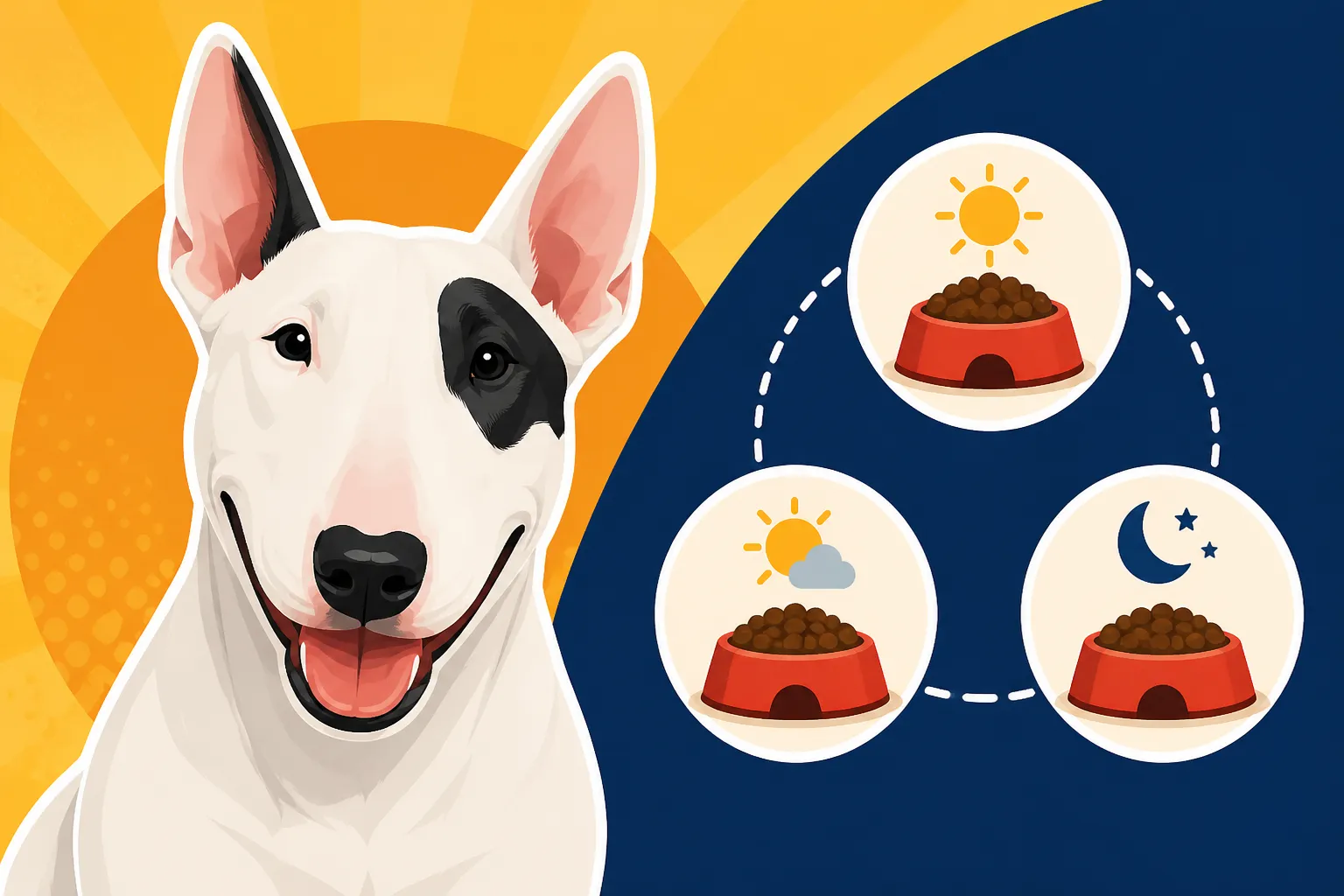
For the vast majority of adult Bull Terriers, feeding two meals a day – one in the morning and one in the evening – is the golden standard. This schedule aligns well with their digestive system, preventing them from feeling overly full or excessively hungry for long stretches. It helps manage their energy levels throughout the day, providing a boost after breakfast and sustaining them until dinner. This also makes it easier to accurately measure their daily How Much an Adult Bull Terrier Eats and ensure they are getting the correct nutritional balance.
Splitting their daily food allowance into two meals helps prevent issues like bloating, which can be a concern for many breeds, though less common in Bull Terriers than some deep-chested dogs. It also helps with satiety, meaning your Bull Terrier feels full and content, reducing the likelihood of them scavenging for forbidden snacks or engaging in destructive behaviors out of boredom or hunger. Plus, it provides two distinct opportunities for you to check in with them, reinforce training, and ensure they're eating well.
Factors Influencing Meal Frequency for Adults
While two meals a day is a common guideline, it's not a rigid rule for every single Bull Terrier. Several factors can influence whether your adult dog might benefit from a slightly different schedule. For instance, an extremely active Bull Terrier who participates in dog sports, long hikes, or is generally on the go for many hours might benefit from a very small, mid-day snack to keep their energy levels up, especially if their main meals are very far apart. This isn't a full meal, but a little something to bridge the gap.
On the flip side, some less active Bull Terriers, or those prone to weight gain, might do perfectly fine on one larger meal a day if their veterinarian approves it and they show no signs of discomfort or extreme hunger. However, this is less common and should be approached with caution to ensure proper digestion and blood sugar regulation. Health conditions, as we'll discuss later, can also significantly alter meal frequency, requiring more frequent, smaller meals even in adulthood.
The Risks of Free-Feeding Your Bull Terrier
The idea of "free-feeding" – leaving a bowl of kibble out all day for your dog to graze on – might sound convenient, but it comes with a host of potential problems, especially for a breed like the Bull Terrier. Firstly, it makes it incredibly difficult to monitor their actual food intake. You won't know if they're eating too much, which can quickly lead to weight gain, or too little, which could signal an underlying health issue. This is a crucial step in understanding Signs a Bull Terrier Is Overweight.
Secondly, free-feeding can undermine house training and scheduled potty breaks. Without predictable meal times, their bowel movements become less predictable. It also makes it harder to manage food guarding issues, as the resource is always available, potentially increasing stress in multi-dog households. Moreover, stale food left out can lose nutrients and attract pests. Finally, many Bull Terriers are prone to inhaling their food rather than leisurely grazing, so a bowl left out will likely be emptied in minutes anyway, making the "grazing" concept irrelevant for them. Slow feeder bowls, easily found on Amazon or Chewy, can help mitigate the speed of eating even with structured meals.
Senior Bull Terriers: Adjusting for Age and Health
As our beloved Bull Terriers gracefully transition into their senior years, typically starting around eight years old, their needs begin to shift once more. Just like with humans, aging brings changes to metabolism, activity levels, and often, health status. Their feeding routine needs to evolve to support these changes and ensure their comfort and well-being. This is a critical part of Caring for an Old Bull Terrier.
Changes in Metabolism and Appetite in Older Dogs
One of the most significant changes in a senior Bull Terrier is a slowdown in metabolism. They generally aren't as active as they once were, even if they still have bursts of that classic Bull Terrier exuberance. This reduced activity means they burn fewer calories, and continuing to feed them the same amount or frequency as an adult can quickly lead to unwanted weight gain. Extra weight puts unnecessary strain on aging joints and organs, exacerbating conditions like arthritis or heart issues.
Conversely, some senior Bull Terriers might experience a decrease in appetite, either due to dental problems, certain medications, or the onset of various health conditions. Their sense of smell might diminish, making food less appealing. It's a tricky balance: you want to ensure they get enough nutrients without overfeeding. Monitoring their weight, body condition, and appetite closely becomes even more vital in these golden years. You might also notice their thirst increasing, so ensuring they have access to plenty of fresh water is key.
When to Consider More Frequent, Smaller Meals for Seniors
For senior Bull Terriers, especially those facing challenges with appetite or digestion, a return to more frequent, smaller meals can be incredibly beneficial. Splitting their daily food allowance into three or even four smaller portions can make it easier for their digestive system to process, reducing the risk of upset stomachs. This approach can also make mealtime less daunting for a dog with a reduced appetite, as smaller portions are less overwhelming.
If your senior Bull Terrier has certain health conditions, such as diabetes, where steady blood sugar levels are paramount, or kidney disease, where specific dietary timing might be beneficial, your vet might strongly recommend multiple small meals. This can help prevent drastic spikes or drops in blood sugar and ensure a consistent intake of nutrients tailored to their condition. It's all about making their meals as comfortable and effective as possible for their changing bodies.
Addressing Specific Health Needs and Dietary Adjustments
Many senior Bull Terriers will inevitably face age-related health issues, and their diet and feeding schedule often play a crucial role in managing these conditions. For example, a Bull Terrier diagnosed with Which Diet Suits a Bull Terrier With Kidney Disease will not only need a specialized renal diet but might also benefit from smaller, more frequent meals to ease the burden on their kidneys and maintain hydration. Similarly, dogs with pancreatitis might require low-fat diets given in smaller, more frequent portions.
Dental problems are also common in older dogs, making it painful to chew hard kibble. In such cases, softening kibble with water, switching to a wet food, or even exploring fresh food options like those offered by Ollie might be necessary. The key is regular veterinary check-ups to identify these needs early and work with your vet to tailor a feeding plan that addresses their unique health profile. Never make significant dietary changes for a senior dog without consulting your veterinarian.
Special Considerations: Health, Activity, and Diet Type
Beyond life stages, other critical factors influence how many times a day your Bull Terrier should eat. These are not one-size-fits-all scenarios, and a truly effective feeding plan requires a holistic view of your dog's individual circumstances.
Feeding for High Activity Levels vs. Couch Potatoes
A Bull Terrier's energy expenditure directly correlates with its caloric needs and, sometimes, how those calories are delivered. A Bull Terrier who is an active working dog, perhaps engaged in agility, flyball, or long daily runs (after careful conditioning and vet clearance, of course!), will naturally burn through more calories than a Bull Terrier whose primary exercise involves sofa surfing. For highly active dogs, two main meals might be sufficient, but a small, easily digestible snack between meals could be beneficial to maintain energy and prevent blood sugar dips during intense activity.
Conversely, a more sedentary Bull Terrier, even if they still get their daily walks and playtime, might require fewer calories overall. For these dogs, sticking strictly to two well-portioned meals is paramount to prevent weight gain. It's not just about the number of meals, but the total caloric intake spread across those meals. Regularly assessing your Bull Terrier's body condition by feeling their ribs (you should be able to feel them easily without seeing them) is a more reliable indicator than just relying on generic guidelines or perceived hunger. Knowing How Much Exercise a Bull Terrier Actually Needs helps inform their caloric intake.
How Health Conditions Impact Meal Schedules
Certain health conditions can drastically alter a Bull Terrier's ideal feeding frequency. As mentioned, diabetes requires strict meal timing to coincide with insulin injections and maintain stable blood sugar. Typically, two meals a day, given 12 hours apart, are recommended for diabetic dogs to ensure consistency. For dogs with megaesophagus or other esophageal issues, multiple small, elevated meals might be necessary to prevent regurgitation.
Gastrointestinal sensitivities, common in some Bull Terriers, might also mean smaller, more frequent meals are easier on their system. A Bull Terrier recovering from surgery or illness might need a gentle, easily digestible diet offered in small, frequent amounts to coax their appetite back and prevent nausea. Always, always consult your veterinarian if your Bull Terrier has a diagnosed health condition that could be affected by their feeding schedule. They are the best resource for tailoring a plan to their specific medical needs.
The Role of Food Type Kibble, Wet, Raw in Meal Frequency
The type of food you feed your Bull Terrier can also play a subtle role in meal frequency, primarily due to digestibility and caloric density.
- Kibble: Most commercial kibbles are designed to be nutritionally complete and are generally fed in two meals a day for adults. They are calorie-dense, so portion control is crucial. If your Bull Terrier tends to eat very fast, look into slow feeder bowls available from retailers like Chewy or Amazon.
- Wet Food: Wet food often has a higher moisture content and can be less calorie-dense than kibble per serving. This might mean larger volumes are needed, or that it's more easily digestible, sometimes allowing for more frequent small feedings if preferred, especially for seniors or those with dental issues.
- Raw/Fresh Diets: For Bull Terriers on raw or fresh diets (like some brands you might find online or at specialty pet stores), the feeding frequency often mirrors kibble – two meals a day for adults. However, the ingredients and digestibility might lead to different satiety levels. Some owners find their dogs stay fuller longer on fresh diets, while others report the opposite. Always ensure these diets are balanced and prepared safely.
Regardless of the food type, the goal remains the same: provide consistent, balanced nutrition throughout the day without over or underfeeding. If you're considering a significant dietary change, it's a good idea to chat with your vet or a canine nutritionist to ensure you're meeting all your Bull Terrier's needs.
Common Feeding Mistakes and How to Avoid Them
Even with the best intentions, it's easy to fall into common feeding traps that can impact your Bull Terrier's health and well-being. Recognizing these pitfalls is the first step toward correcting them and ensuring your blocky-headed friend thrives.
Overfeeding and the Silent Creep of Weight Gain
This is probably the most prevalent feeding mistake. It's so easy to do! Those soulful Bull Terrier eyes, the way they "beg" (which they are expert at!), or the sheer joy they exhibit around food can lead us to believe they're constantly starving. We might add a little extra to the bowl, toss them too many treats, or forget to account for those "just a taste" moments from our own plates. But Bull Terriers are prone to weight gain, and that weight can creep up silently. You may not even realize your dog is overweight until it’s a significant problem.
Overfeeding, even by a small amount each day, leads to obesity, which opens the door to a host of health problems: joint issues, diabetes, heart disease, and a shorter lifespan. To avoid this, be diligent with measuring their food. Use a dedicated measuring cup, not just a scoop. Limit treats to 10% or less of their daily caloric intake, and ensure they are healthy options. Regularly assess their body condition – you should be able to easily How to Feel a Bull Terrier's Ribs without seeing them, and they should have a discernible waist when viewed from above. If you suspect your Bull Terrier is gaining too much weight, talk to your vet about adjusting their portions and increasing their activity.
The Dangers of Inconsistent Feeding Schedules
While life can be unpredictable, your Bull Terrier craves routine, especially around feeding. Inconsistent meal times can lead to several problems. For starters, it can cause digestive upset. Their bodies are expecting food at certain intervals, and disrupting that can lead to gas, bloating, or irregular bowel movements. Imagine your own digestive system if you ate breakfast at 7 AM one day, 11 AM the next, and skipped it entirely the day after. Not pleasant, right?
Beyond the physical, inconsistent feeding can contribute to behavioral issues. A Bull Terrier who doesn't know when their next meal is coming can become anxious, leading to excessive begging, pacing, or even destructive chewing as they seek out food sources. It can also make house training harder if their elimination schedule is erratic. Sticking to a consistent morning and evening mealtime, with perhaps a small, scheduled snack for very active dogs, creates a sense of security and predictability that benefits both your Bull Terrier’s physical and mental health. This also ensures they don't develop bad habits like Why a Bull Terrier Inhales Its Food due to intense hunger.
Not Monitoring Your Bull Terrier's Intake and Output
It's not enough to just put food in a bowl; you need to be aware of what goes in and what comes out. Monitoring your Bull Terrier's food intake means paying attention to whether they're eating all their food, leaving some behind, or suddenly devouring it at an unusual speed. Any significant change in appetite can be a subtle but important indicator of an underlying health issue. For example, a sudden refusal to eat could signal anything from an upset stomach to dental pain or a more serious illness.
Equally important is monitoring their output – their potty habits. Changes in stool consistency, frequency, or color can tell you a lot about their digestive health and whether their current diet and feeding schedule are working for them. Diarrhea, constipation, or excessive gas might indicate a need for dietary adjustment, a different feeding frequency, or a trip to the vet. Keeping a mental (or even a physical) log of these things helps you catch potential problems early, often before they become severe. Being observant is one of the greatest acts of care you can give your Bull Terrier.
Meal Frequency by Life Stage: A Quick Overview
To help visualize the general recommendations, here's a handy table outlining typical meal frequencies for Bull Terriers at different life stages. Remember, these are guidelines, and your individual dog's needs may vary.
| Life Stage | Recommended Meal Frequency (Daily) | Key Considerations |
|---|---|---|
| Puppy (8-12 weeks) | 3-4 meals | Small stomach, rapid growth, high metabolism, house training. |
| Puppy (3-6 months) | 3 meals | Continued rapid growth, increasing stomach capacity. |
| Adolescent (6-12 months) | 2-3 meals | Transition to adult food, growth slowing, energy peaks. |
| Adult (1-7 years) | 2 meals | Maintain healthy weight, consistent energy levels. |
| Senior (8+ years) | 2-3 meals (or more if needed) | Slower metabolism, potential health issues, appetite changes. |
Always consult with your veterinarian to establish the best feeding plan for your unique Bull Terrier, especially if they have specific health concerns or unusual activity levels.
Disclaimer
This article is for general informational purposes only and does not constitute professional advice. Laws, prices and regulations vary by location and change over time. Consult a qualified professional for guidance on your specific situation.