How Often a Nephritis Bull Terrier Needs Bloodwork
Receiving a diagnosis of nephritis for your beloved Bull Terrier can feel like a punch to the gut. The world suddenly narrows to medical terms, dietary changes, and an overwhelming concern for your dog's future. One of the most common anxieties owners face is trying to understand the ongoing care, particularly the frequency of bloodwork, which often feels like a constant looming expense and source of stress. This guide is here to walk you through the nuances of monitoring a Bull Terrier with kidney disease, helping you understand why these tests are so crucial and what a typical schedule might look like.
Understanding the Initial Diagnosis and Setting a Baseline
When your Bull Terrier is first diagnosed with nephritis, whether it's the hereditary form or another type, it’s a lot to process. The immediate aftermath involves not just understanding the disease itself, but also establishing a clear picture of your dog’s current health status. This initial phase is critical for setting a baseline that will inform all future monitoring.
Hereditary Nephritis: A Bull Terrier's Specific Concern
For Bull Terrier owners, the term "nephritis" often brings to mind Hereditary Nephritis, a genetic condition that tragically affects many in the breed. This isn't just any kidney disease; it's one that can unfortunately take Bull Terriers in their prime, often without much warning until the disease is quite advanced. Hereditary Nephritis Takes Bull Terriers in Their Prime It causes progressive damage to the tiny filtering units within the kidneys, known as glomeruli, leading to protein leakage and eventual kidney failure. Understanding What Hereditary Nephritis Does to a Bull Terrier helps you appreciate the seriousness of the diagnosis and the critical need for diligent monitoring. While other forms of kidney disease can affect Bull Terriers, the hereditary predisposition makes this a particularly poignant concern for breed enthusiasts.
The Foundation: Baseline Bloodwork and Urinalysis
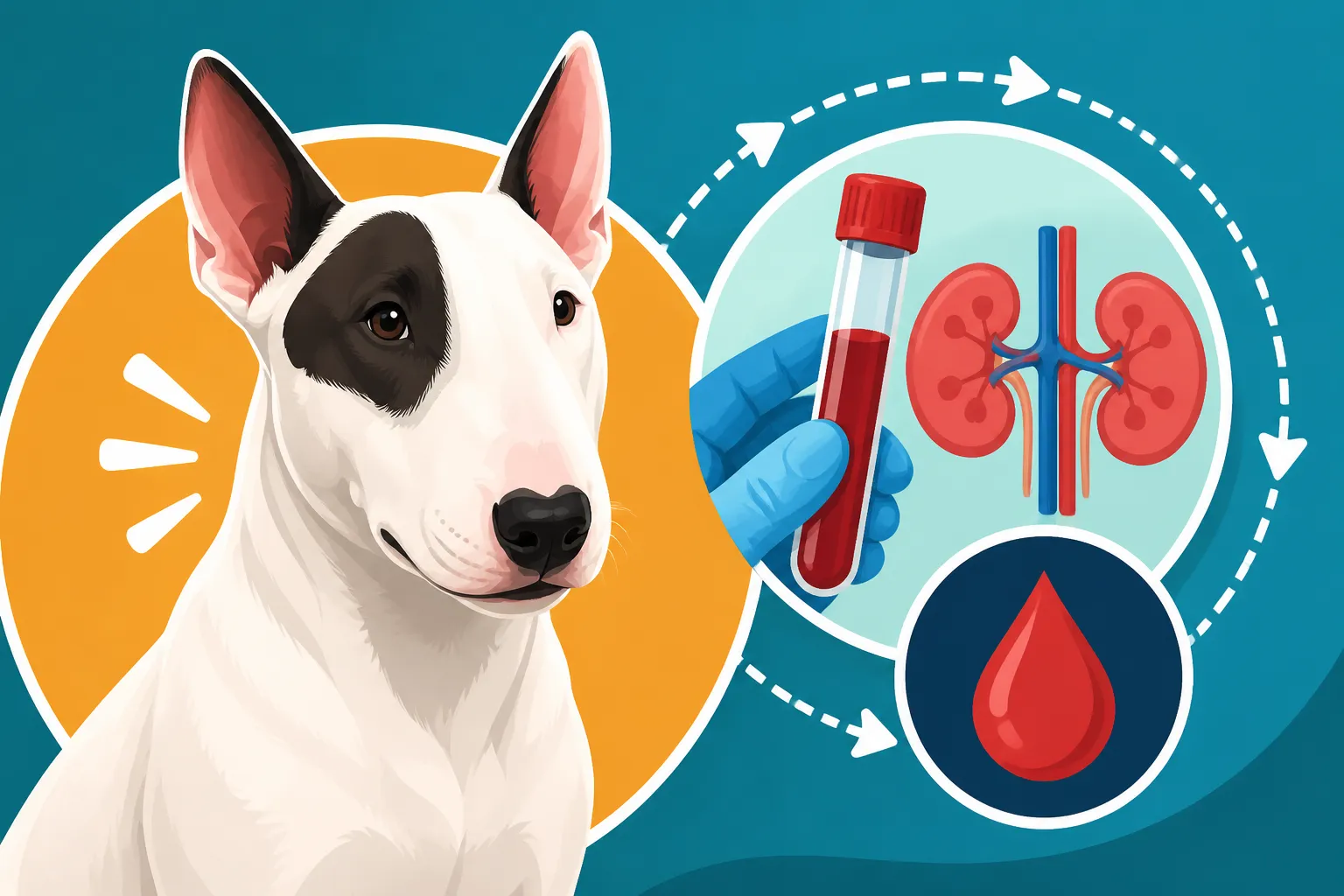
When your vet first diagnoses nephritis, they will run a comprehensive suite of tests to establish a baseline. This isn't just a single blood draw; it's typically a full picture, including biochemistry, complete blood count (CBC), and a thorough urinalysis.
- Blood Biochemistry Panel: This measures crucial markers like Blood Urea Nitrogen (BUN) and Creatinine, which are waste products that build up in the blood when the kidneys aren't filtering efficiently. Elevated levels of these are classic indicators of kidney impairment. It also checks electrolytes like potassium and phosphorus, which can become imbalanced in kidney disease, and calcium, which can also be affected. Additionally, a full panel will assess liver enzymes, glucose, and total protein, giving a broader view of your Bull Terrier's overall organ function. The veterinarian will also look at the Packed Cell Volume (PCV) or hematocrit, as kidney disease can lead to anemia.
- Complete Blood Count (CBC): This evaluates your dog's red blood cells, white blood cells, and platelets. While not directly indicating kidney function, a CBC can reveal secondary issues like anemia, which is common in chronic kidney disease due to reduced erythropoietin production (a hormone made by the kidneys that stimulates red blood cell production), or signs of infection.
- Urinalysis: This is just as important as the bloodwork. It assesses the urine's specific gravity, which indicates the kidneys' ability to concentrate urine. In kidney disease, urine often becomes dilute. The urinalysis also checks for the presence of protein, blood, glucose, and ketones, as well as looking for crystals or bacteria under the microscope.
- Urine Protein:Creatinine (UPC) Ratio: A critical component of the urinalysis, the UPC ratio quantifies the amount of protein leaking into the urine. For Bull Terriers, particularly with hereditary nephritis, an elevated UPC ratio is a strong indicator of glomerular damage, even before BUN and Creatinine levels rise significantly. What a UPC Ratio Tells a Bull Terrier Owner Monitoring this ratio over time is key to tracking disease progression and the effectiveness of treatment.
These initial tests provide the foundational data. Your vet will use these results to stage the kidney disease, which helps guide the treatment plan and subsequent monitoring schedule.
Establishing a Monitoring Schedule for Stable Nephritis
Once the initial diagnosis is made and treatment has begun, the goal shifts to managing the disease and slowing its progression. This requires a proactive, regular monitoring schedule, even if your Bull Terrier appears stable. It's a bit like driving a car and constantly checking the dashboard – you wouldn't wait for the engine to seize before looking at the temperature gauge, right? The same goes for your Bull Terrier's kidneys.
The Standard: Quarterly to Biannual Checks
For a Bull Terrier with stable nephritis, meaning their kidney values are not rapidly worsening and clinical signs are well-controlled, a general guideline for bloodwork is every three to six months. This range isn't arbitrary; it allows your veterinarian to track trends, identify subtle changes before they become major problems, and adjust treatments as needed.
- Every Three Months: This frequency is often recommended for dogs in the earlier stages of kidney disease (IRIS Stage 1 or 2 with mild azotemia or significant proteinuria), or for those whose values are borderline but not yet requiring aggressive intervention. It's also common when first starting new medications or dietary changes, as it allows for quicker assessment of their impact.
- Every Six Months: If your Bull Terrier has very mild, stable kidney disease (IRIS Stage 1 without proteinuria or very minimal, stable proteinuria), and their clinical signs are minimal or non-existent, a six-month check-up might be appropriate. This assumes no sudden changes in appetite, thirst, or energy levels between visits.
Each check-up typically includes:
- Repeat Blood Biochemistry Panel: To monitor BUN, Creatinine, Phosphorus, Potassium, and other essential electrolytes.
- Repeat Complete Blood Count (CBC): To check for anemia or other blood cell abnormalities.
- Repeat Urinalysis with UPC Ratio: This is crucial for tracking protein loss and the kidney's concentrating ability. How Often a Bull Terrier's Urine Should Be Tested
It's important to remember that these are general guidelines. Your vet will tailor the schedule specifically for your dog. For example, a dog consistently doing well on a renal diet like those offered by Ollie, which can be customized, might settle into a biannual rhythm faster than one still struggling to maintain weight or manage electrolyte imbalances.
Factors Influencing Monitoring Frequency
The "how often" question isn't a fixed rule; it's a dynamic assessment based on several key factors:
- Stage of Kidney Disease: Dogs in advanced stages (IRIS Stage 3 or 4) will absolutely require more frequent monitoring, sometimes monthly or even bi-weekly, to manage rapidly changing values and prevent crises.
- Individual Progression: Some Bull Terriers might have a slower, more gradual progression of nephritis, while others can decline more quickly. Your vet will base the frequency on your dog's unique disease trajectory.
- Clinical Signs: Even if scheduled bloodwork is months away, new or worsening clinical signs (increased thirst, decreased appetite, lethargy, vomiting) necessitate an immediate vet visit and potentially new bloodwork. Signs a Bull Terrier's Kidneys Are Failing These symptoms are often the earliest warning signs that something is changing internally.
- Other Concurrent Health Issues: If your Bull Terrier develops another health problem, such as an infection, pancreatitis, or dental disease, it can put additional stress on the kidneys and require more frequent monitoring until the concurrent issue is resolved.
- Medication Adjustments: Anytime a new medication is started, or the dosage of an existing one is changed (e.g., blood pressure medication, phosphorus binders), follow-up bloodwork is essential to assess its efficacy and ensure there are no adverse side effects on kidney function.
- Dietary Changes: If you're transitioning your Bull Terrier to a new renal diet, like one you might source from Chewy, or introducing supplements, your vet might want to recheck bloodwork more frequently in the initial weeks to ensure the diet is well-tolerated and positively impacting kidney values. Which Diet a Bull Terrier With Kidney Disease Needs
Your veterinarian is your best resource for determining the precise schedule for your Bull Terrier. They have the full medical history and can interpret the nuances of your dog's condition.
When to Increase Bloodwork Frequency
While a regular schedule is important for stable nephritis, there are definite times when that schedule needs to be accelerated. Ignoring these signals can lead to a rapid decline in your Bull Terrier's health. Think of it as hitting a bump in the road; you need to check under the hood sooner than your regularly scheduled oil change.
Identifying Signs of Deterioration
Your observations at home are paramount. You live with your Bull Terrier every day, and you're the first to notice subtle shifts. Any of the following signs should prompt a call to your vet and likely an immediate trip in for examination and bloodwork:
- Increased Thirst and Urination (Polyuria/Polydipsia): This is one of the most common early signs of kidney disease and often worsens as the disease progresses. If you notice your Bull Terrier drinking significantly more water and needing to go outside more often, or having accidents in the house, it's a red flag.
- Decreased Appetite or Anorexia: A Bull Terrier with declining kidney function may become picky about food or refuse to eat altogether. The buildup of toxins can cause nausea and a general feeling of unwellness.
- Weight Loss: Despite a hearty appetite (sometimes), kidney patients often lose muscle mass and overall body condition.
- Lethargy and Weakness: Your normally energetic Bull Terrier might seem unusually tired, less interested in play, or generally weaker.
- Vomiting or Diarrhea: The buildup of toxins (uremia) can irritate the gastrointestinal tract, leading to stomach upset.
- Bad Breath (Uremic Halitosis): A distinct, often ammonia-like odor on their breath can indicate advanced kidney failure, as waste products are excreted through the breath. Whether a Bull Terrier's Bad Breath Means Kidney Failure
- Changes in Coat Quality: A dull, dry coat can also be a subtle sign of chronic illness.
- Oral Ulcers: In severe cases, high levels of urea can cause ulcers in the mouth.
If you observe any of these symptoms, don't wait for the next scheduled bloodwork. Contact your vet immediately. They will likely recommend an immediate recheck of blood values and urinalysis to assess the severity of the change and adjust the treatment plan accordingly. Catching these changes early can make a significant difference in managing the disease and improving your Bull Terrier's quality of life.
Adjustments Due to Medication Changes and Diet
The management of nephritis is often a delicate balance of medications and dietary adjustments. Any changes to this regimen warrant closer monitoring.
- Starting New Medications: When your vet prescribes a new medication, such as an ACE inhibitor for proteinuria, a blood pressure medication, or a phosphorus binder, they will typically want to recheck kidney values and electrolytes within a few weeks. This is to ensure the medication is working as intended and not causing any unintended side effects that could negatively impact kidney function. For example, some blood pressure medications need careful titration.
- Dosage Adjustments: Even if your Bull Terrier has been on a medication for a while, a change in dosage (up or down) will often require follow-up bloodwork. This allows the vet to confirm the new dose is achieving the desired effect without compromising other bodily functions.
- Dietary Tweaks: If you've been working with your vet on specific dietary modifications, perhaps exploring options from Chewy for low-phosphorus or controlled-protein kibble, or even a home-prepared diet (with vet and nutritionist guidance), follow-up bloodwork is crucial. It confirms that the diet is helping to maintain kidney values and not inadvertently causing deficiencies or imbalances. Sometimes, even the best intentions with a new diet might require fine-tuning based on how your individual Bull Terrier's body responds.
These rechecks are not about a lack of trust in your vet or your ability to follow instructions; they are standard best practice to ensure the treatment plan remains optimal for your Bull Terrier's evolving needs.
The Role of Owner Observation and Communication
While bloodwork provides vital objective data, your role as the owner is equally critical. You are the frontline observer, and your detailed insights can often provide clues that laboratory results alone cannot. Managing nephritis in a Bull Terrier is a true partnership between you and your veterinary team.
Keeping a Detailed Log
One of the most powerful tools you have is a detailed log of your Bull Terrier's daily habits and health. This isn't just for serious crises; it helps track subtle trends over time that might indicate a slow decline or improvement. Keep a small notebook or a dedicated app to record:
- Food Intake: How much are they eating? Are they finishing their meals? Any changes in appetite or pickiness? Are they still enjoying their Ollie meals or are they turning up their nose?
- Water Consumption: Measure how much water they drink in a 24-hour period. A sudden increase can be a key indicator of worsening kidney function.
- Urination Frequency and Volume: How often are they asking to go out? Are the puddles bigger or smaller than usual? Note any changes in urine color or smell, if you can safely observe.
- Energy Levels and Activity: Are they playing less? Sleeping more? Are their zoomies as enthusiastic as they once were? How Far a Bull Terrier Should Walk Before It Gets Silly
- Vomiting/Diarrhea: Note frequency, timing, and characteristics.
- Medication Administration: Keep a record of what medications were given, when, and at what dose. This ensures you're consistent and can pinpoint if a particular medication seems to correlate with a change in symptoms.
- General Demeanor: Any subtle changes in mood, alertness, or interaction with family members.
Bringing this log to your vet appointments gives them invaluable context to interpret bloodwork results. A slight uptick in creatinine might be concerning, but if your log shows a concurrent decrease in water intake due to a hot day, it provides a fuller picture.
Partnering with Your Veterinarian
Your veterinarian is your primary partner in this journey. Don't hesitate to ask questions, voice concerns, or seek clarification on anything you don't understand.
- Open Communication: Be honest and thorough about your observations. No detail is too small if it concerns you. If you're struggling to administer medication or afford a specific diet, discuss it openly; there might be alternatives.
- Understanding the Results: Ask your vet to explain the bloodwork results in plain language. What do the numbers mean for your Bull Terrier? How do they compare to previous results? What's the plan based on these new numbers?
- Specialist Care: In some cases, your vet might recommend consulting a veterinary internal medicine specialist, particularly one with expertise in nephrology. These specialists have advanced training and diagnostic tools that can offer more detailed insights and treatment options. It's a significant investment, and something that pet insurance providers like Healthy Paws might help cover, but it can be incredibly beneficial for complex cases. What a Bull Terrier's Kidney Specialist Charges Discuss with your primary vet if this is a worthwhile step for your Bull Terrier's specific situation. How Long a Bull Terrier Lives After a Nephritis Diagnosis
- Proactive Planning: Discuss long-term projections and what to expect as the disease progresses. Having an understanding of potential challenges can help you mentally and financially prepare. What Kidney Failure Costs a Bull Terrier Owner It's also wise to research pet insurance options like those from Healthy Paws early on, as pre-existing conditions are typically not covered, but future related complications might be if coverage is in place. Whether Insurance Covers Bull Terrier Kidney Disease
By actively participating in your Bull Terrier's care, keeping meticulous records, and maintaining open lines of communication, you are providing the best possible support for them through their nephritis journey. It's a marathon, not a sprint, and every piece of information helps.
Bloodwork Parameters to Watch in Nephritis
Here's a quick reference table for some of the key bloodwork parameters your vet will be monitoring for your Bull Terrier with nephritis:
| Parameter | What it Measures | Why it's Important in Nephritis |
|---|---|---|
| BUN (Blood Urea Nitrogen) | Waste product from protein metabolism. | Rises when kidneys can't filter waste effectively. |
| Creatinine | Waste product from muscle metabolism. | More specific indicator of kidney function; rises as kidney function declines. |
| Phosphorus | Mineral essential for bones and energy. | Often rises in kidney disease as kidneys fail to excrete it, leading to issues. |
| Potassium | Electrolyte crucial for nerve and muscle function. | Can be too high or too low, both dangerous in kidney disease. |
| Calcium | Mineral for bones, muscles, and nerves. | Often imbalanced in advanced kidney disease. |
| PCV (Packed Cell Volume) | Percentage of red blood cells in blood. | Lower levels indicate anemia, common with chronic kidney disease. |
| Albumin | A protein produced by the liver, important for fluid balance. | Can be low if kidneys are leaking protein or if nutrition is poor. |
| UPC Ratio (Urine Protein:Creatinine) | Ratio of protein to creatinine in urine. | Indicates protein loss through damaged kidney filters (glomeruli). |
| Urine Specific Gravity | Measures the kidney's ability to concentrate urine. | Low values (dilute urine) indicate kidneys are struggling to concentrate. |
Remember, interpreting these values requires a veterinarian's expertise, as they consider the full clinical picture and not just isolated numbers.
Disclaimer
This article is for general informational purposes only and does not constitute professional advice. Laws, prices and regulations vary by location and change over time. Consult a qualified professional for guidance on your specific situation.