Caring for an Old Bull Terrier
Watching your beloved Bull Terrier enter their senior years is a bittersweet experience. On one hand, you cherish every moment with that goofy, loyal companion you've shared so many laughs and adventures with. On the other, you start noticing subtle changes – a little less pep in their step, a few more naps, maybe some new quirks – and a worry can creep in about how best to keep them comfortable and happy. This guide is all about navigating those golden years, understanding what to expect, and giving your aging Bull Terrier the best possible care.
Understanding the Aging Bull Terrier: What to Expect
It feels like just yesterday your Bull Terrier was a mischievous puppy, full of boundless energy, probably chewing on everything in sight! Now, you might notice they don't quite leap off the sofa with the same enthusiasm, or maybe they're a bit slower to greet you at the door. These subtle shifts can be easy to miss at first, but they signal that your Bull Terrier is entering a new phase of life. It’s a natural part of aging, but it means their needs are going to change.
When a Bull Terrier Is Considered Senior
Just like people, dogs age at different rates, but for a Bull Terrier, typically around eight years old is when we start to think of them as officially "senior." Some might still act like energetic youngsters well past this age, while others might show signs of slowing down a little earlier. It really depends on the individual dog, their genetics, and their overall health history. However, that eight-year mark is a good general guideline to begin thinking proactively about senior care. It’s not a sudden cliff edge where they transform overnight, but rather a gradual transition that requires a mindful shift in how we approach their daily lives.
This isn't to say your eight-year-old Bull Terrier is suddenly "old" and ready for the rocking chair. Many Bull Terriers remain quite active and playful well into their double-digit years. Think of it more as a checkpoint where you should start increasing your vigilance regarding their health and comfort. Regular veterinary check-ups become even more critical, and you'll want to pay closer attention to any new lumps, changes in appetite, or subtle shifts in their gait. It's about being prepared and proactive, rather than reactive, to ensure their comfort as they mature. You can learn more about this general timeframe by reading The Age a Bull Terrier Is Considered Senior.
Common Physical and Behavioral Changes
As your Bull Terrier ages, you’ll likely observe a range of changes, both physical and behavioral. Physically, they might start to develop a gray muzzle, especially around the eyes and nose, and their coat might become a little coarser or thinner in places. Joint stiffness is very common, leading to a slower pace, difficulty with stairs, or a reluctance to jump. You might notice they sleep more deeply and for longer periods, or perhaps they seem less tolerant of boisterous play from younger dogs or children. These are all normal parts of the aging process, but they shouldn't be ignored.
Behaviorally, some Bull Terriers might become a little less tolerant of change, or they might seem to "forget" commands they once knew instantly. This can be frustrating for owners, but it's important to remember that these aren't necessarily signs of defiance, but rather potential indicators of cognitive decline or discomfort. Their senses might also start to dull; hearing loss or a decrease in vision can make them more easily startled or less responsive to calls. Keeping a journal of these changes can be incredibly helpful for your vet, as subtle shifts over time can provide crucial clues about their underlying health. It’s a good idea to pay attention to What Changes in a Bull Terrier After Eight.
Nutritional Adjustments for Senior Bull Terriers
One of the most impactful ways you can support your aging Bull Terrier is through their diet. Their metabolism slows down, activity levels decrease, and their bodies just don't process nutrients the same way they used to. Sticking to the same diet they ate in their prime might inadvertently lead to weight gain or, conversely, muscle loss if not managed properly. Getting their nutrition right can genuinely improve their quality of life and potentially stave off some age-related health issues.
Choosing the Right Senior Dog Food
When your Bull Terrier transitions into their senior years, their dietary needs shift significantly. They generally require fewer calories to maintain a healthy weight due to decreased activity, but they still need high-quality protein to support muscle mass and overall bodily function. Look for senior-specific dog foods that are formulated with slightly lower calorie counts, moderate protein levels, and often include joint-supporting ingredients like glucosamine and chondroitin. Wet food can also become more appealing and easier to chew for older dogs, especially if they have dental issues.
Some owners also explore fresh or lightly cooked food options, which can be easier on a senior digestive system and often more palatable. Brands like Ollie focus on human-grade ingredients, which can be a fantastic option for an older dog who might be picky or experiencing some digestive sensitivities. Always introduce new foods gradually over several days to avoid upsetting their stomach. Your vet can provide specific recommendations tailored to your Bull Terrier's individual health status, considering any underlying conditions like kidney or heart disease. Whether an Aging Bull Terrier Needs Softer Food is a common question, and often the answer is yes.
Managing Weight and Muscle Loss
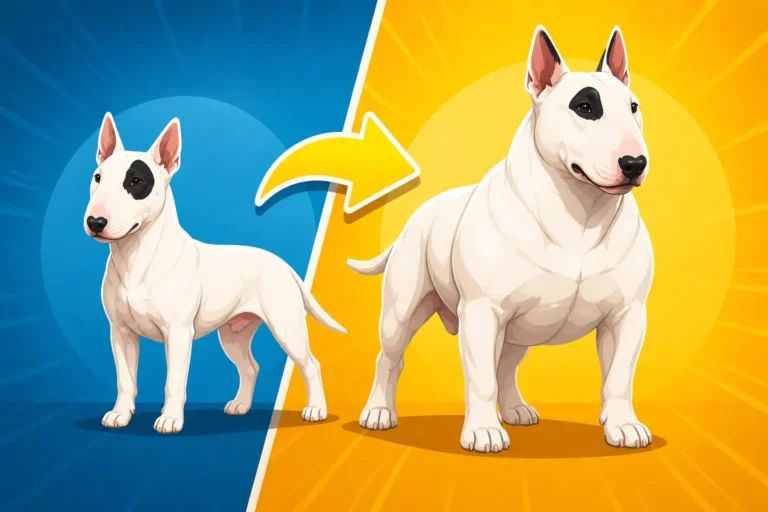
Maintaining an ideal weight is absolutely crucial for an aging Bull Terrier. Excess weight puts undue strain on their joints, exacerbates arthritis, and can contribute to other health problems like diabetes and heart disease. On the other hand, some senior Bull Terriers may start to lose muscle mass, especially along their topline and hindquarters, even if their appetite remains good. This muscle loss, known as sarcopenia, can lead to weakness and reduced mobility. It's a tricky balance to strike: reducing calories without compromising protein intake.
Regularly weighing your Bull Terrier and feeling their ribs is essential. You should be able to feel their ribs easily without seeing them protruding. If you notice weight gain, a slight reduction in portion size or a switch to a lower-calorie food might be necessary. For muscle loss, ensuring adequate, high-quality protein in their diet, combined with gentle, consistent exercise, is key. Your vet can help you assess their body condition score and recommend precise calorie targets. Don't forget to consider How Much Weight an Aging Bull Terrier Loses and address it proactively.
Beneficial Supplements for Older Bull Terriers
Beyond their regular food, certain supplements can be incredibly beneficial for an aging Bull Terrier. Joint supplements containing glucosamine, chondroitin, and MSM are almost universally recommended to support cartilage health and reduce inflammation associated with arthritis. Omega-3 fatty acids, often found in fish oil, can also help reduce inflammation throughout the body, support skin and coat health, and even aid cognitive function.
For cognitive health, supplements with ingredients like SAMe, resveratrol, or antioxidants are often suggested to help slow cognitive decline. If your Bull Terrier has specific organ issues, such as early-stage kidney disease, your vet might recommend specific renal support supplements. However, it's vital to discuss any supplements with your veterinarian before adding them to your dog's regimen. They can advise on appropriate dosages and ensure there are no contraindications with any medications your Bull Terrier might be taking. You can find a wide range of these supplements from reputable retailers like Chewy or Amazon, but always prioritize your vet's guidance. Whether a Bull Terrier Needs Joint Supplements is a good question to bring up with your vet.
Managing Aches and Pains: Joint Health and Mobility
It's heartbreaking to see your once-agile Bull Terrier struggle to stand up or limp after a walk. Joint pain and reduced mobility are almost inevitable as dogs age, and Bull Terriers, with their muscular build and active nature, can be prone to conditions like arthritis. The good news is that there's a lot we can do to manage their comfort and keep them moving.
Recognizing Signs of Arthritis and Joint Pain
Arthritis in dogs often manifests subtly at first, and our stoic Bull Terriers are particularly good at hiding discomfort. You might initially notice a slight stiffness after they've been lying down for a while, especially in the morning or after a nap. They might be less enthusiastic about walks, or perhaps they're reluctant to jump into the car or onto the sofa – activities they once did without a second thought. A change in gait, a reluctance to use stairs, or even a decrease in their playful zoomies can all be indicators.
Licking at a particular joint, lameness, or crying out when touched are more overt signs, but by then, the pain is often quite significant. It’s important to be a keen observer of your dog’s everyday movements and behaviors. A slight hesitation before sitting, a shorter stride, or even just a general decrease in activity levels should prompt a conversation with your veterinarian. Early intervention is key to managing arthritis effectively and maintaining your Bull Terrier’s quality of life. Remember, How a Bull Terrier Hides Pain can make these signs subtle.
Exercise Modifications for Senior Bull Terriers
While your senior Bull Terrier might not be up for marathon hikes or intense agility sessions, regular, gentle exercise is still incredibly important. It helps maintain muscle mass, supports joint flexibility, and keeps their mind engaged. The key is moderation and listening to your dog. Instead of one long, strenuous walk, consider two or three shorter, slower strolls throughout the day. Flat, even surfaces are preferable to rocky trails or steep hills, which can put unnecessary strain on their joints.
Swimming can be an excellent low-impact exercise for senior Bull Terriers, as the buoyancy supports their weight while allowing them to move their limbs freely. Supervised play in a soft, grassy yard can also be good, but avoid anything that involves sudden starts, stops, or high jumps. Pay close attention to their cues; if they lag behind, start panting excessively, or show any signs of discomfort, it’s time to head home. The goal is to keep them moving comfortably, not to push them beyond their limits.
Pain Management Options
When your Bull Terrier is diagnosed with arthritis or other joint pain, your veterinarian can explore various pain management options. Non-steroidal anti-inflammatory drugs (NSAIDs) are a common first-line treatment to reduce pain and inflammation. There are also newer medications that specifically target nerve pain or block pain pathways without the side effects associated with NSAIDs. In some cases, injectable medications like polysulfated glycosaminoglycans can help improve joint fluid and cartilage health.
Beyond pharmaceuticals, adjunctive therapies can play a significant role. This includes physical therapy, therapeutic laser treatments, acupuncture, and even massage. A warm compress on sore joints can provide temporary relief, and ensuring your Bull Terrier has a soft, orthopedic bed can make a huge difference in their daily comfort. Working closely with your vet to create a multi-modal pain management plan – one that combines medication with other therapies and lifestyle adjustments – is often the most effective approach.
Keeping Their Minds Sharp: Cognitive Health
Just as their bodies change, an aging Bull Terrier's mind can also experience shifts. While they may never lose their charming, clownish personality entirely, you might start to notice changes in their memory, awareness, and even their sleep patterns. Addressing cognitive health is just as important as physical health in their senior years.
Recognizing Canine Cognitive Dysfunction (CCD)
Canine Cognitive Dysfunction (CCD), sometimes referred to as "doggy dementia," is a real and progressive condition that affects older dogs. It can manifest in several ways, often summarized by the acronym DISHA: Disorientation, Interactions (changes in), Sleep-wake cycle alterations, House-soiling, and Activity level changes. You might notice your Bull Terrier getting "stuck" in corners, staring blankly at walls, or having trouble navigating familiar spaces. They might seem less interested in interacting with family members or, conversely, become more clingy.
Disturbances in their sleep cycle, like pacing or barking at night and sleeping more during the day, are common. House-soiling, even in a previously perfectly house-trained dog, can occur. Their overall activity might decrease, or they might engage in repetitive behaviors like excessive licking or pacing. If you observe any of these signs, it's crucial to consult your vet. While there's no cure, early diagnosis allows for interventions that can slow its progression and improve your dog’s quality of life.
Mental Enrichment for Senior Bull Terriers
Keeping a senior Bull Terrier's mind active is paramount for their cognitive health and overall happiness. Even if their physical activity is limited, mental stimulation remains vital. Puzzle toys that dispense treats when manipulated can provide engaging challenges without requiring much physical exertion. Snuffle mats, where treats are hidden in fabric strips, encourage their natural foraging instincts.
Short, gentle training sessions using positive reinforcement can help keep their minds sharp and reinforce their bond with you. Even revisiting simple commands they know well can be beneficial. Introducing new, gentle scents during walks or playing hide-and-seek with a favorite toy can also stimulate their senses. Remember, the goal isn't to tire them out physically, but to engage their brains in a fun, low-stress way. Brands like Amazon offer a wide array of excellent puzzle toys that can be a great addition to their daily routine.
Maintaining Routine and Managing Stress
For a senior Bull Terrier, consistency and routine become even more important. Predictable meal times, walk schedules, and bedtime routines can provide a sense of security and reduce anxiety, especially if they are experiencing some cognitive decline. Sudden changes in environment, such as moving house or introducing new pets, can be particularly stressful for older dogs.
Creating a quiet, comfortable space where they can retreat and feel safe is also crucial. This might be their familiar bed in a low-traffic area of the house. If they seem agitated or anxious, consult your vet; they might suggest calming supplements or even anti-anxiety medication if the stress is significant. Minimizing loud noises and chaotic environments can also help reduce their stress levels, allowing them to relax and feel more secure in their golden years.
Senior Bull Terrier Skin and Coat Care
An aging Bull Terrier's skin and coat can reveal a lot about their internal health. As they get older, you might notice changes in their skin elasticity, coat texture, and susceptibility to various skin conditions. Regular checks and appropriate care become even more important to keep them comfortable and free from irritation.
Changes in Skin and Coat Health
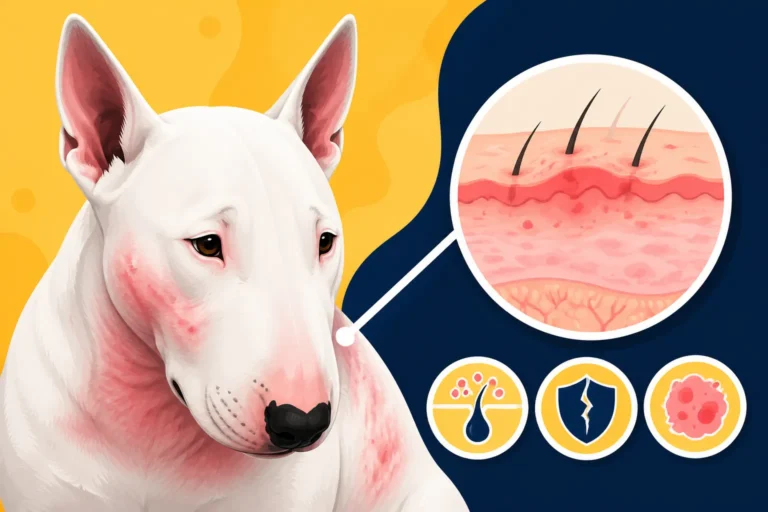
As your Bull Terrier enters their senior years, their skin may become drier, less elastic, and more prone to irritation. You might notice thinning of the coat, particularly over their back and flanks, or even some patchy hair loss. White Bull Terriers, who were already prone to sunburn, might become even more sensitive as their skin thins. Older dogs can also develop benign fatty tumors (lipomas) or skin tags, which are generally harmless but should always be monitored by a vet.
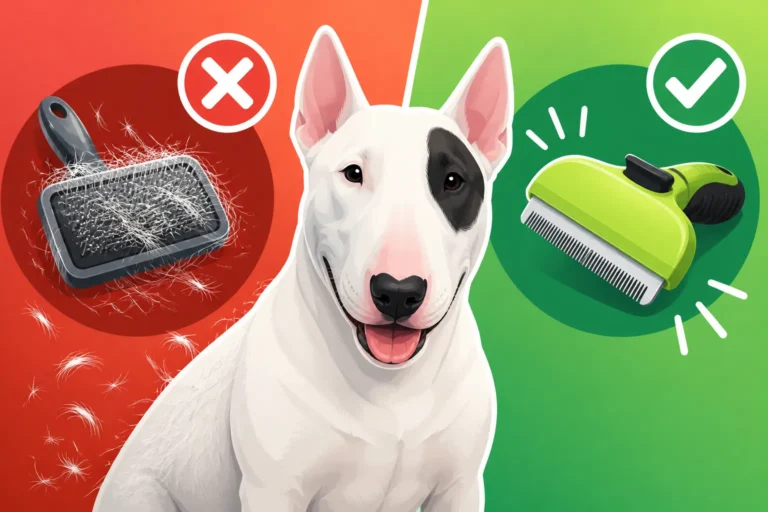
Their skin might also become less efficient at healing, meaning small scrapes or irritations can take longer to resolve. Hormonal changes associated with aging can sometimes lead to issues like hypothyroidism, which often presents with coat and skin problems. Regular grooming, gentle bathing with a moisturizing shampoo, and a watchful eye for any new lumps, bumps, or persistent itchiness are essential. Don't forget that A Bull Terrier's Skin Is Its Weakest Point throughout their lives, and this holds true in old age.
Eye and Ear Care in Senior Years
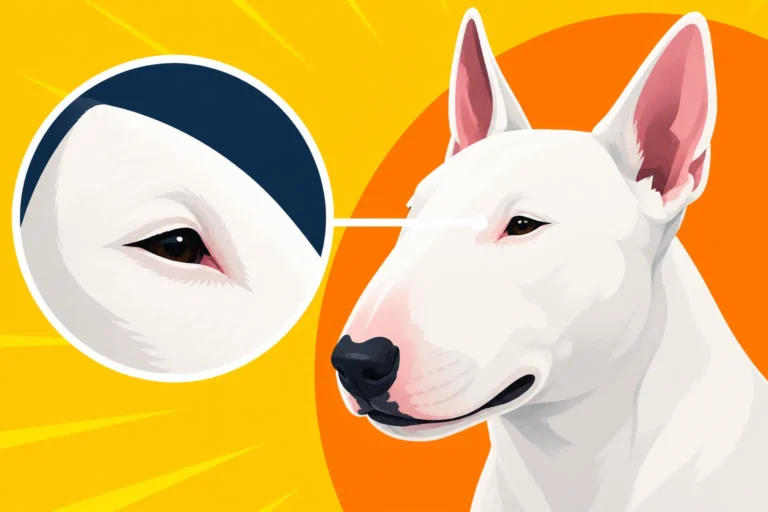
Your Bull Terrier's eyes and ears also need special attention as they age. Vision changes are common; they might develop nuclear sclerosis (a bluish haze in the lens, common and usually not sight-impairing) or even cataracts, which can significantly affect their vision. Regular eye checks can help identify any issues early. You might also notice increased discharge or dryness, so gentle cleaning with a vet-approved solution can be helpful. If you notice any redness, cloudiness, or significant changes in their eyes, always consult your vet immediately.
Hearing can also decline in senior Bull Terriers. While some might go completely deaf, others might just have reduced hearing, making them less responsive to verbal commands. This can be frustrating, but it's important not to get angry; they simply can't hear you. Switching to hand signals for commands can be a great way to communicate effectively. Regular ear checks for wax buildup, infections, or mites are also crucial, especially if they spend more time lying down, which can sometimes reduce air circulation in the ear canals. Deafness in an Aging Bull Terrier is a common concern that can be managed with patience and alternative communication methods.
Nail and Paw Pad Maintenance
With reduced activity, your senior Bull Terrier's nails might not wear down as naturally as they once did. Overgrown nails can become painful, affecting their gait and potentially leading to splayed toes or infections. Regular nail trims become even more important. If your Bull Terrier is reluctant to have their nails trimmed, consider having a groomer or vet tech do it, or invest in a Dremel tool for a smoother, less invasive trim.
Their paw pads can also become drier and more prone to cracking, especially if they spend more time lying on hard surfaces or have less fatty padding. Regularly check their paw pads for cuts, cracks, or foreign objects. Applying a dog-specific paw balm can help keep their pads moisturized and pliable, preventing discomfort. Ensure they have soft, comfortable bedding to rest on, which can also protect their paws and joints.
Here is a table summarizing key care areas for an aging Bull Terrier:
| Care Area | What to Look For (Signs of Aging) | Recommended Actions |
|---|---|---|
| Nutrition & Weight | Weight gain or loss, decreased appetite, muscle loss | Senior-specific food, portion control, vet-guided dietary changes |
| Joint & Mobility | Stiffness, limping, reluctance to jump/climb, slower gait | Gentle exercise, orthopedic bed, joint supplements, vet pain management |
| Cognitive Health | Disorientation, house-soiling, altered sleep, changes in interaction | Mental enrichment, consistent routine, vet assessment for CCD |
| Skin & Coat | Dry skin, thinning coat, new lumps/bumps, increased itching | Regular grooming, gentle baths, moisturizers, vet checks for skin issues |
| Eyes & Ears | Cloudy eyes, decreased vision, reduced hearing, ear discharge | Regular vet checks, gentle cleaning, hand signals for deaf dogs |
| Dental Health | Bad breath, tartar buildup, difficulty eating, swollen gums | Regular brushing, dental chews, professional vet dental cleanings |
| Bladder & Bowel | Accidents, increased urination, straining, changes in stool | Regular potty breaks, vet check for UTIs or kidney issues, diet adjustments |
Addressing Organ Health: Kidneys and Heart
As our Bull Terriers age, their internal organs naturally become more susceptible to disease. The kidneys and heart are particularly vulnerable, and conditions affecting these organs can significantly impact their quality and length of life. Vigilant monitoring and early intervention are key to managing these common senior health challenges.
Kidney Disease and Monitoring
Kidney disease is unfortunately a common ailment in aging dogs, and Bull Terriers are predisposed to conditions like Hereditary Nephritis Takes Bull Terriers in Their Prime. Even if your Bull Terrier doesn't have a hereditary predisposition, age-related decline can still affect kidney function. Early signs can be subtle and easily missed: increased thirst, more frequent urination, and sometimes a decreased appetite. As the disease progresses, you might notice lethargy, weight loss, vomiting, and bad breath (due to toxin buildup).
Regular veterinary check-ups, including blood work and urine tests, are vital for early detection. A yearly urine protein-to-creatinine (UPC) ratio test is particularly important for Bull Terriers, as it can detect early kidney issues even before your dog shows symptoms. If kidney disease is diagnosed, your vet will recommend dietary changes (often a prescription renal diet lower in protein and phosphorus), medications to manage symptoms, and potentially fluid therapy. Early and consistent monitoring can significantly slow the progression of the disease. The Yearly Urine Test Every Bull Terrier Owner Should Book is truly non-negotiable for a Bull Terrier of any age, but especially seniors. And How Often an Aging Bull Terrier's Kidneys Should Be Checked usually means every six months once they hit senior status.
Heart Conditions and Cardiac Care
Heart conditions, such as valve disease or arrhythmias, can also develop or worsen in aging Bull Terriers. A common concern for the breed is The Heart Murmur a Bull Terrier Puppy Should Be Checked For, which, if present and significant, can progress with age. Signs of heart disease often include coughing (especially at night or after exercise), decreased stamina, difficulty breathing, lethargy, and sometimes swelling in the abdomen (ascites). You might notice they tire more easily or are reluctant to play.
Your vet will listen to your Bull Terrier's heart at every check-up. If a new murmur or arrhythmia is detected, further diagnostics, such as an echocardiogram (an ultrasound of the heart), may be recommended. Depending on the diagnosis, treatment can involve various medications to manage symptoms, improve heart function, and slow disease progression. Limiting strenuous exercise and managing weight are also crucial components of cardiac care. Consistent monitoring allows your vet to adjust medications as needed, ensuring your Bull Terrier's heart is supported as effectively as possible.
Routine Veterinary Care and Preventative Measures
As your Bull Terrier ages, their need for veterinary care typically increases, not decreases. Proactive, preventative care becomes the cornerstone of keeping them healthy and comfortable in their senior years. Regular check-ups are no longer just about vaccinations; they're comprehensive health assessments aimed at early detection and management of age-related conditions.
Increased Frequency of Vet Visits
While adult Bull Terriers might get by with annual wellness exams, once they hit their senior years (around 8+), most veterinarians recommend twice-yearly check-ups. Why the increase? Because age-related diseases can progress rapidly, and a lot can change in six months. These more frequent visits allow your vet to catch subtle changes early, before they become serious problems. Early detection often means more effective treatment options, better outcomes, and a higher quality of life for your senior companion.
During these visits, your vet will perform a thorough physical examination, paying close attention to their joints, teeth, eyes, ears, and any new lumps or bumps. They'll also discuss any behavioral changes you've noticed and assess their overall body condition. It’s a dedicated time to address any concerns you have and to ensure your Bull Terrier is as comfortable and healthy as possible. Think of these visits as proactive health planning rather than just reactive problem-solving.
Essential Senior Health Screenings
Beyond the routine physical exam, several diagnostic tests become particularly important for senior Bull Terriers. Comprehensive blood work, including a complete blood count (CBC) and a chemistry panel, provides vital information about organ function (kidneys, liver), blood sugar levels, and red and white blood cell counts. These tests can reveal underlying issues before clinical signs become apparent.
Urine analysis, specifically a urinalysis with a UPC ratio, is crucial for assessing kidney function and detecting urinary tract infections that senior dogs can be more prone to. Thyroid hormone levels may also be checked, as hypothyroidism is not uncommon in older dogs. Depending on your Bull Terrier's individual health, your vet might also recommend blood pressure checks, radiographs (X-rays) to assess joint health or look for internal masses, or even an abdominal ultrasound. These screenings provide a comprehensive picture of your Bull Terrier's internal health, allowing for targeted interventions. What a Bull Terrier's Yearly Bloodwork Should Cover will likely expand as they age.
Creating a Comfortable and Safe Senior Environment
Your home environment plays a huge role in your aging Bull Terrier's comfort and safety. As their mobility and senses decline, what was once easy for them can become a challenge or even a hazard. Thoughtful adjustments can make a world of difference, allowing them to navigate their familiar surroundings with ease and dignity.
Adapting Your Home for Reduced Mobility
If your Bull Terrier is starting to show signs of joint stiffness or difficulty with stairs, it's time to make some home modifications. Ramps are a fantastic investment, whether for getting into and out of the car, or for accessing furniture they still enjoy, like the sofa or your bed. Strategic placement of non-slip rugs on slick floors can prevent slips and falls, which can be devastating for an older dog with fragile joints.
Consider blocking off access to stairs if they become a major hazard, or at least supervising their use very closely. Elevated food and water bowls can also ease strain on their neck and joints while eating. Ensure their favorite resting spots are easily accessible and don't require difficult maneuvering. Every small adjustment you make contributes to their daily comfort and reduces the risk of injury.
Providing Orthopedic Bedding and Easy Access
A good quality orthopedic bed is no longer a luxury; it's a necessity for an aging Bull Terrier. These beds are designed to support their joints, relieve pressure points, and provide a comfortable, restful sleep. Look for beds with dense, supportive foam that won't flatten out quickly. Place these beds in quiet, easily accessible areas where your Bull Terrier can retreat without feeling isolated.
Beyond bedding, think about other "easy access" elements. If your Bull Terrier struggles to get up after lying down, a small boost from a strategically placed cushion or a helping hand from you can make a huge difference. If they enjoy spending time outdoors, ensure there's a shaded, comfortable spot for them to rest without having to climb steps or navigate rough terrain. The goal is to minimize effort and maximize comfort in all their daily activities.
Ensuring Safety for Declining Senses
As your Bull Terrier's vision and hearing decline, their environment needs to be made safer. For those with significant vision loss, try to keep furniture arrangements consistent. Avoid leaving obstacles in pathways, and consider using gates to block off potentially dangerous areas like stairs or pools. Clear communication with family members about these arrangements is key.
For deaf or hard-of-hearing Bull Terriers, rely more on visual cues and vibrations. A strong stomp on the floor can sometimes get their attention. Be mindful when approaching them from behind, as they might be easily startled. Use hand signals consistently, and consider attaching a bell to your own shoe or a collar for them so they can always locate you. Brightly colored or reflective collars and leashes can also increase their visibility, particularly during evening walks, further enhancing their safety.
Maintaining Dental Health
Dental health is often overlooked but profoundly impacts a senior Bull Terrier's overall well-being. Poor dental hygiene can lead to painful infections, difficulty eating, and even systemic health problems as bacteria from the mouth can enter the bloodstream and affect vital organs.
The Importance of Regular Dental Care
As your Bull Terrier ages, the accumulation of plaque and tartar on their teeth can become severe. This not only causes bad breath but can lead to gingivitis (gum inflammation) and periodontal disease, where the gums recede, and the bone supporting the teeth deteriorates. Periodontal disease is incredibly painful and can lead to tooth loss. Furthermore, the bacteria present in severe dental disease can spread to other organs like the heart, kidneys, and liver, exacerbating existing health conditions.
Regular dental care, including professional cleanings under anesthesia, becomes even more critical in their senior years. While anesthesia carries some risks, modern veterinary practices employ advanced monitoring techniques to ensure the procedure is as safe as possible for older pets. Your vet will conduct pre-anesthetic blood work to assess organ function and tailor the anesthetic protocol accordingly. Addressing dental issues can significantly improve your Bull Terrier's comfort, appetite, and overall health. A Bull Terrier's Teeth and That Enormous Jaw need consistent care throughout their life, but especially as they age.
At-Home Dental Care for Senior Bull Terriers
While professional dental cleanings are essential, at-home dental care can help maintain their oral health between vet visits. Daily tooth brushing with a dog-specific toothbrush and toothpaste is the gold standard. Start slowly and make it a positive experience with lots of praise and treats. Even if you can't brush every day, brushing a few times a week is better than nothing.
Dental chews, water additives, and specialized dental diets can also contribute to reducing plaque buildup, though they are usually not as effective as brushing. Look for products that have a Veterinary Oral Health Council (VOHC) seal of acceptance, which indicates they meet certain standards for plaque and tartar control. Always choose chews that are appropriately sized and not too hard, as senior Bull Terriers can be more prone to dental fractures.
Recognizing Dental Problems
It's important to be able to recognize the signs of dental problems in your senior Bull Terrier, as they might not always show obvious pain. Beyond bad breath, look for red, swollen, or bleeding gums. You might notice yellow or brown tartar buildup on their teeth. Changes in eating habits, such as dropping food, chewing on one side of their mouth, or a sudden preference for softer foods, can all indicate dental discomfort.
Pawing at their mouth, excessive drooling, or swelling on one side of the face (which could indicate an abscess) are more serious signs requiring immediate veterinary attention. Regularly lifting their lips to inspect their teeth and gums should be part of your routine senior care. The sooner you identify and address dental issues, the less pain your Bull Terrier will experience, and the healthier they will be overall.
Disclaimer
This article is for general informational purposes only and does not constitute professional advice. Laws, prices and regulations vary by location and change over time. Consult a qualified professional for guidance on your specific situation.