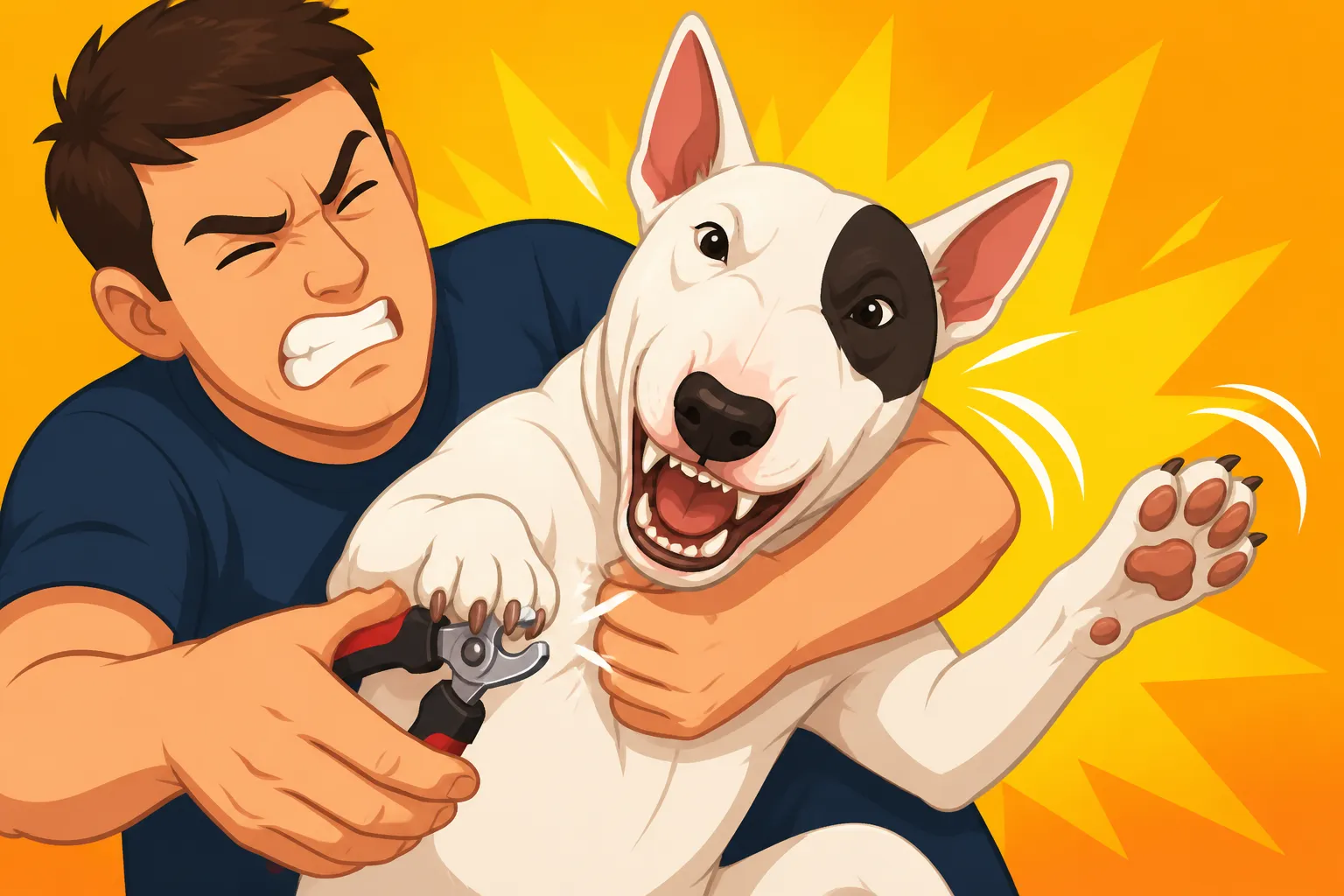
Trimming a Bull Terrier’s Nails While It Fights You
If you're a Bull Terrier owner, the phrase "nail trim" probably conjures images of a wrestling match, a squirming, unhappy dog, and perhaps a bit of existential dread. You're not alone. Many of us know the frustration of trying to keep those sturdy nails short when our strong-willed, sensitive Bull Terriers decide it's the absolute worst thing that could ever happen to them. This guide is here to walk you through understanding why it's such a struggle, equip you with the right tools, and provide actionable strategies to turn nail trimming from a dreaded chore into a manageable, even peaceful, routine.
Understanding Why Nail Trimming Is Such a Battle with Bull Terriers
Let's be honest, getting a Bull Terrier to do something they don't want to do can feel like moving a mountain with a spoon. When it comes to nail trimming, this inherent stubbornness, coupled with a dash of Bull Terrier sensitivity, often escalates into a full-blown confrontation. It's not just about their strong will; there are very real anatomical and psychological factors at play that make this particular grooming task especially challenging for our beloved egg-heads.
The Bull Terrier Temperament and Resistance
Bull Terriers are renowned for their unique personalities – they're clowns, companions, and incredibly intelligent, but they're also famous for being, shall we say, opinionated. They truly believe that A Bull Terrier Trains When It Sees the Point, and if they don't see the point in having their nails trimmed, you're in for a fight. This isn't out of malice, but rather a deeply ingrained independence and a desire to be in control of their own bodies. They don't just passively resist; they actively engage in a struggle, using their considerable strength and compact, muscular build to pull away, squirm, or even body-slam you if they feel particularly affronted.
Their stubbornness isn't a flaw, it's just them. It's part of What a Bull Terrier's Temperament Is Really Like. They are sensitive to discomfort and quick to remember negative experiences. If a nail trim has ever been painful, rushed, or forced, they will develop a strong aversion. This isn't just a mild dislike; it can manifest as a profound distrust of the tools, the process, and even your intentions. They're not being "bad"; they're reacting to what they perceive as a threat or an unpleasant intrusion.
This combination of physical strength and mental fortitude means that a Bull Terrier won't just "tolerate" a nail trim they dislike. They will put their entire being into resisting it, making it an incredibly taxing experience for both dog and owner. Understanding this temperament is the first step toward finding methods that work with them, rather than trying to force them into submission, which rarely ends well with a Bull Terrier.
The Anatomy of a Bull Terrier's Paw and Quick
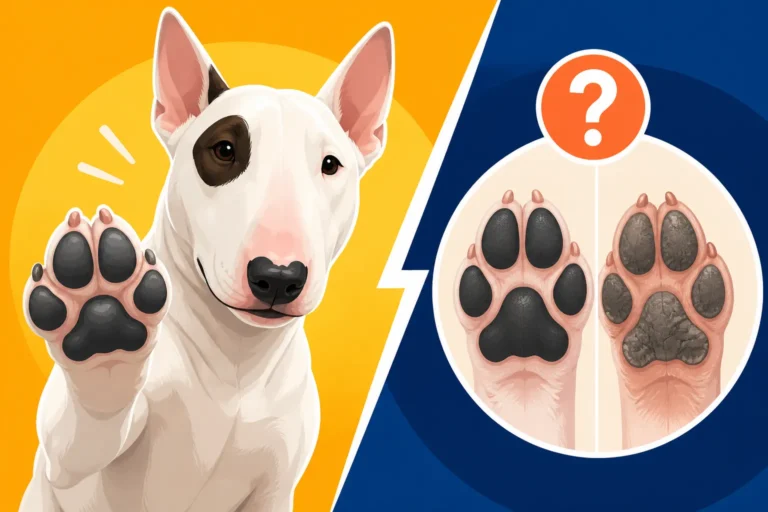
One of the biggest practical hurdles for Bull Terrier owners is the often-dark pigmentation of their nails. Unlike dogs with clear or white nails where the pink quick (the living tissue containing blood vessels and nerves) is easily visible, many Bull Terriers have black or dark brown nails. This makes it incredibly difficult to judge where the quick ends and where it's safe to cut. Cutting into the quick, even slightly, causes pain and bleeding, instantly setting back any progress you might have made in building trust.
The quick grows with the nail. If a Bull Terrier's nails are allowed to grow long, the quick will extend further down the nail shaft, making it even harder to trim without causing discomfort. This creates a vicious cycle: long nails are harder to trim safely, which leads to fewer trims, which leads to even longer nails and further quick growth. It's a frustrating feedback loop that can leave owners feeling helpless, worrying about their dog's comfort and the ongoing struggle.
Beyond the dark nails, Bull Terriers have strong, compact paws designed for power and agility. The nails themselves are thick and robust, requiring sharp, sturdy clippers or a powerful grinder. Trying to use flimsy tools or dull blades will only cause crushing, splitting, and pain, further cementing your Bull Terrier's conviction that nail trims are an act of torture. Understanding this physical reality is crucial for choosing the right tools and technique.
Previous Bad Experiences and Learned Helplessness
It often only takes one bad experience – one quicked nail, one rough handling, one accidental slip – to turn a neutral or mildly apprehensive Bull Terrier into a nail-trimming terror. Dogs, especially intelligent ones like Bull Terriers, have excellent memories, particularly when it comes to pain or fear. That single incident can lead to a lasting negative association, where the mere sight of the clippers or grinder triggers an immediate stress response: panting, trembling, pulling away, or even snapping.
This learned helplessness can manifest as outright refusal or a complete shutdown. A Bull Terrier might try to hide, struggle violently, or become completely rigid and unresponsive, making it impossible to safely trim their nails. Owners, understandably, become anxious too, which their sensitive dogs pick up on. This creates a feedback loop of fear and stress, where both parties are dreading the inevitable confrontation.
Breaking this cycle requires immense patience, a shift in strategy, and often, starting completely from scratch with desensitization. It means acknowledging that their fear is real and valid, even if it seems exaggerated to us. We need to respect their past experiences and work to create new, positive ones, however small, to gradually rebuild their trust and confidence in the process.
Essential Tools for a Less Stressful Nail Trim
You wouldn't try to build a house with a plastic hammer, right? The same goes for trimming your Bull Terrier's nails. Using the wrong tools, or tools that aren't up to the task, will only make an already difficult situation worse. Investing in quality, dog-specific grooming equipment is non-negotiable for a breed with such strong, thick nails and often dark quicks. Let's break down what you absolutely need in your nail trimming arsenal.
Choosing the Right Nail Clippers
When it comes to clippers, you typically have two main styles: scissor-style (often called Resco or Miller's Forge style) and guillotine-style. For Bull Terriers, with their thick, hard nails, many owners find scissor-style clippers to be more effective and safer. Guillotine clippers, while popular, can sometimes pinch or crush thicker nails if not perfectly aligned or if they're not incredibly sharp, leading to discomfort. Scissor-style clippers, which resemble a heavy-duty pair of pliers, allow for better leverage and a cleaner, more precise cut on tough nails.
The key to any clipper, regardless of style, is sharpness. Dull clippers don't cut cleanly; they crush the nail, causing pain, splitting, and trauma to the quick. This is a surefire way to make your Bull Terrier hate nail trims even more. You should be able to hear a clean "snip" as the nail is cut, not a dull crunch. Regularly inspect your clippers for sharpness and replace them when they start to feel less effective. You can find good quality, sharp clippers on Amazon or Chewy, often from brands like Millers Forge or Safari.
Consider the size of the clippers as well. A small pair designed for toy breeds won't stand a chance against a Bull Terrier's nails. Look for large, heavy-duty clippers designed for medium to large breeds. The handles should be comfortable for you to grip firmly, providing good control, which is essential when dealing with a strong, potentially wiggly dog. Good grip prevents slips that can lead to quicking.
The Magic of a Dremel or Grinder
For many Bull Terrier owners, a Dremel or electric nail grinder becomes a game-changer, especially if their dog has dark nails or a deep-seated fear of clippers. Grinders work by sanding down the nail gradually, rather than cutting it. This slow, controlled reduction allows you to stop frequently and check your progress, minimizing the risk of quicking. The quick also tends to recede faster with regular grinding, as the vibration stimulates the quick to pull back.
The major hurdles with grinders are the noise and vibration. These can be startling and frightening for a sensitive Bull Terrier. Therefore, a careful and gradual introduction is paramount. Start by simply letting your dog see and smell the grinder, rewarding them heavily. Then, turn it on in another room, then in the same room, always pairing the sound with high-value treats. Slowly progress to touching the back of their paw with the off grinder, then the on grinder, before ever touching a nail. Patience here will pay dividends. This aligns with what we explore in Whether a Dremel Suits a Bull Terrier's Nails.
When choosing a grinder, look for one designed specifically for pets. These tend to be quieter and have features like protective covers that guide the nail. Cordless models offer more flexibility, but ensure they have enough power to efficiently grind Bull Terrier nails. Some pet-specific models include the Dremel PawControl or similar brands found on Amazon. Remember, even with a grinder, taking off tiny bits at a time is crucial. The goal is to slowly round off the nail and reduce its length without causing heat buildup or hitting the quick.
Must-Have Ancillary Supplies
Beyond the main cutting tool, a few other items are absolutely essential to ensure a safe, positive, and prepared nail trimming experience. Without these, you're setting yourself up for added stress and potential setbacks.
First and foremost: styptic powder. This is your insurance policy. Even the most experienced owners can accidentally nick the quick, especially with a sudden movement from a Bull Terrier. Styptic powder (like Kwik Stop) contains agents that quickly staunch bleeding. Have it open and ready before you even start trimming. Knowing it's there and ready can also reduce your own anxiety, making you calmer, which your Bull Terrier will pick up on. If you do quick them, apply a pinch of the powder firmly to the bleeding nail and hold for 10-15 seconds.
Next, high-value treats are non-negotiable. Forget basic kibble; you need something irresistible. Think bits of cooked chicken, cheese, hot dogs, or even a spoonful of peanut butter (xylitol-free!) on a Lickimat. These treats serve multiple purposes: they distract your Bull Terrier, reward their calm behavior, and help create a positive association with the entire process. The treat should be so good that it momentarily outweighs their dislike of the nail trim. You can find excellent high-value treats from companies like Ollie or on Chewy that can be cut into small, frequent rewards.
Finally, consider a non-slip mat for your dog to stand or lie on, which provides stability and comfort, reducing their urge to squirm. Having an extra set of hands from a patient helper can also be invaluable, allowing one person to hold and distract while the other trims. For extreme cases, discussing calming aids or anti-anxiety supplements with your vet might be a step to consider, creating a foundation for desensitization without overt panic.
Desensitization and Positive Reinforcement: The Long Game
You can't rush a Bull Terrier, especially when it comes to something they've deemed unpleasant. Successful nail trimming isn't about brute force; it's about gradually changing your dog's emotional response to the process. This takes time, consistency, and a deep understanding of positive reinforcement. It's truly a long game, but the payoff — a calm dog and stress-free trims — is priceless.
Starting Early and Making it a Positive Experience
If you're fortunate enough to have a Bull Terrier puppy, you have a golden opportunity to prevent future nail trimming struggles. The key is to start early and make every single interaction with their paws and grooming tools overwhelmingly positive. Even before their nails need trimming, begin handling their paws daily. Gently touch their toes, rub their pads, and extend each individual digit. As you do this, lavish them with praise and deliver small, incredibly tasty treats. The goal is for them to associate paw handling with good things.
Once they tolerate paw handling, introduce the clippers or grinder. Don't even attempt a trim yet. Just show them the tool, let them sniff it, then immediately give a treat. Place the clippers on the floor near them, treat. Tap the clippers gently against their nails without cutting, treat. The entire process should be playful, short, and always end on a high, positive note. This gentle introduction is crucial for preventing fear from developing in the first place, setting them up for a lifetime of easier grooming. This early handling can also help with other puppy behaviors, like Teaching a Bull Terrier Puppy to Stop Nipping, by establishing gentle touch and boundaries.
Think of it as building a positive emotional bank account for nail trims. Every positive interaction is a deposit, and you want to build up a large surplus so that any minor discomfort or mistake doesn't completely empty the account. Keep sessions brief, just a minute or two, several times a day if possible. The repetition of positive association, without any pressure to actually do anything, is incredibly powerful for impressionable puppies.
Counter-Conditioning for Adult Bull Terriers
For adult Bull Terriers who already have a strong aversion to nail trims, you need to employ counter-conditioning. This means changing their emotional response from fear/dislike to neutrality or even anticipation. It’s a slow, methodical process that requires immense patience and empathy. Start by identifying your dog's "threshold"—the point at which they start to show signs of stress. Your goal is to work below that threshold.
Begin with just the sight of the clippers or grinder, from a distance, without any expectation of trimming. Show the tool, immediately give a high-value treat. Hide the tool. Repeat this several times a day. Gradually, very, very slowly, decrease the distance, or bring the tool closer to their paw, always pairing it with a treat. If they show any sign of stress (lip licking, yawning, pulling away, tensing up), you've gone too far, too fast. Back up to the previous step where they were comfortable. Remember, the goal isn't to get the trim done; it's to change their feelings about the tool.
Once they tolerate the tool being near their paw, move to touching their paw with the off tool, then touching their nail. Again, small steps, massive rewards for any calm acceptance. If you're using a grinder, repeat this entire process with the grinder turned on, starting from a distance. The sessions should be super short – literally 5-10 seconds of interaction followed by a jackpot of treats – and always end before your Bull Terrier becomes stressed. The aim is to build positive associations, one tiny, successful step at a time.
Creating a Calm Environment
The environment in which you attempt nail trims plays a significant role in your Bull Terrier's willingness to cooperate. A chaotic or noisy space will only heighten their anxiety and make them less receptive to your efforts. Before you even bring out the tools, ensure you've created a quiet, calm, and safe space where your Bull Terrier feels secure.
Choose a time when your household is relaxed and there are no loud distractions. Turn off the TV, silence your phone, and ask other family members to give you space. Playing soft, calming music or white noise can sometimes help mask unsettling sounds. Some owners find that using a pheromone spray or diffuser designed for dogs can contribute to a more relaxed atmosphere, though individual responses vary.
Consider the surface where you'll be working. A slippery floor can make a dog feel insecure and more likely to struggle. Lay down a non-slip mat or even a thick blanket to provide traction. If your Bull Terrier is comfortable on your lap or snuggled against you, this close physical contact can be very reassuring. If you have a helper, make sure they understand their role is to calmly comfort and distract, not to hold the dog in a forceful grip. The more relaxed and confident you are, the more your Bull Terrier will mirror that energy.
Step-by-Step Guide to Trimming Your Bull Terrier's Nails
Alright, you've got your tools, you've done your desensitization homework, and you're ready to tackle those tough Bull Terrier nails. This section will walk you through the practical steps, ensuring you're prepared and confident, even when facing a potentially reluctant participant. Remember, consistency and patience are your best friends here.
Preparing for the Trim
Preparation is half the battle when it comes to Bull Terrier nail trims. Before you even think about bringing your dog into the picture, gather all your supplies. This includes your chosen clippers or grinder, styptic powder (open and ready!), a generous stash of high-value treats, and any other calming aids or comfort items you plan to use. Having everything within arm's reach prevents frantic searching mid-trim, which can spook your dog and ruin your focus.
Next, consider your Bull Terrier's energy levels. A tired dog is generally a more cooperative dog. Take your Bull Terrier for a good, vigorous walk or play session beforehand. Let them run, chase, and burn off some of that boundless energy. How Much Exercise a Bull Terrier Actually Needs is often more than we think, and utilizing that energy for a pre-trim workout can make a significant difference in their ability to settle down. A physically satisfied Bull Terrier is much less likely to have the reserves for a prolonged wrestling match.
Finally, choose your position. Some Bull Terriers are more comfortable lying on their side, curled up on a soft bed or your lap. Others prefer to stand. Experiment to see what feels most secure and least threatening to your dog. If you have a helper, discuss your plan beforehand: who will hold, who will treat, and who will trim. The goal is a coordinated, calm effort that minimizes the time your Bull Terrier spends in an uncomfortable position.
The Actual Clipping or Grinding Process
This is where the rubber meets the road. Whether you're clipping or grinding, the principles of small, frequent actions and constant reinforcement remain paramount. Remember, you're not trying to do all four paws at once, especially not initially. Aim for one or two nails, then take a break.
If clipping: Gently but firmly hold your Bull Terrier's paw, isolating one nail. Make sure your grip is secure enough that they can't easily pull away, but not so tight that it causes pain or discomfort. With your clippers, aim to take off only the very tip of the nail. For dark nails, look for the point where the nail starts to curve downwards, or where the small, dried center of the nail appears white or grayish. You want to avoid the darker, often moist-looking center, which indicates you're nearing the quick. Take off tiny slivers, like shaving off paper-thin pieces, rather than large chunks. After each clip, immediately offer a treat and praise. Repeat for a few nails, then release and praise generously.
If grinding: Turn the grinder on away from your dog's paw initially, letting them hear the sound before you bring it close. Gently take a paw and isolate one nail. Touch the grinder to the very tip of the nail for only a second or two, then pull away and treat. This "touch-and-go" method prevents heat buildup on the nail, which can be uncomfortable. As you grind, you'll see a white powder appear; keep grinding until you see a small, dark dot appear in the center of the nail—that's the entrance to the quick. Stop just before that. Roll the grinder around the tip of the nail to smooth it and gradually push the quick back. Again, small bursts, frequent breaks, and generous treats are key.
What to Do If You Quick Your Bull Terrier
It's going to happen. Even the most careful owners will occasionally quick a nail, especially with a strong, wiggly Bull Terrier and those tricky dark nails. The most important thing is not to panic. Your Bull Terrier will react to your stress, and a quicked nail is already a negative experience; your panic will only amplify it.
Immediately grab your styptic powder. If you're using a powder, take a pinch between your fingers and apply it firmly to the bleeding nail tip. Hold it there with gentle, steady pressure for 10-15 seconds. The pressure helps the powder work. If it's a styptic stick, press the stick directly onto the bleeding nail. The bleeding should stop fairly quickly. If it doesn't, reapply more powder and pressure.
Once the bleeding has stopped, don't try to continue trimming. The session is over. Offer comfort and praise to your Bull Terrier, even if they're still a bit shaken. Acknowledge their discomfort without making a huge fuss. Give them some extra high-value treats and let them go. In the coming days, spend extra time doing positive paw handling without any trimming, just to rebuild trust. Rushing back into another trim or forcing it after a quick will only make them more resistant next time. It might take a week or two of just positive association before you can attempt another trim, starting from the easiest nail.
Alternative Strategies and Professional Help
Sometimes, despite all your best efforts, your Bull Terrier simply isn't having it. Or perhaps their nails are so overgrown that you're hesitant to tackle them yourself. That's okay! There are alternative strategies and professional resources available to help ensure your Bull Terrier's paw health. Knowing when to call in backup is a sign of a responsible and empathetic owner.
"Wrap and Trim" or Muzzle Training
For Bull Terriers with extreme fear or aggression around nail trims, sometimes a degree of restraint becomes necessary for safety, both for the dog and the human. One common method is a "wrap and trim," where the dog is gently but securely wrapped in a blanket or towel, sometimes leaving only one paw exposed at a time. This can provide a sense of security for the dog and prevent them from struggling as violently, while also protecting the handler from accidental nips or scratches. This is not about force, but about creating a more controlled and secure environment when fear is overwhelming.
Muzzle training is another excellent tool to consider for fearful or potentially reactive Bull Terriers during grooming procedures. A well-fitting basket muzzle allows your dog to pant, drink, and even take treats, but prevents bites. It should be introduced gradually and positively, never as a punishment. Many professionals recommend muzzling for safety during nail trims, especially for dogs who have previously shown aggression or whose fear manifests in defensive behavior. Training your Bull Terrier to happily wear a muzzle is a valuable life skill for a Bull Terrier, similar to how we might train them for other handling procedures, like managing A Bull Terrier's Teeth and That Enormous Jaw.
It's important to differentiate between necessary, humane restraint for safety and forcefully pinning down a terrified dog. The latter will only exacerbate fear and damage trust. If you find yourself needing to resort to significant restraint, it's often a signal that professional help is needed to address the underlying fear and implement a more effective behavioral modification plan.
Professional Groomers or Veterinary Technicians
There comes a point for many Bull Terrier owners where they realize that professional intervention is the safest and least stressful option for nail trims. There's absolutely no shame in this! Professional groomers and veterinary technicians have specialized tools, techniques, and experience dealing with reluctant or fearful dogs. They can often get the job done quickly and efficiently, minimizing stress for both you and your Bull Terrier.
When seeking professional help, look for groomers who have experience with strong, large breeds or those who specifically advertise "fear-free" or low-stress grooming. They will often use positive reinforcement, take breaks, and work quickly to ensure the experience is as pleasant as possible. Veterinary clinics also offer nail trims, often performed by veterinary technicians who are skilled at handling dogs, particularly those who might be medically compromised or extremely anxious. Don't hesitate to call your vet and ask about their approach to nail trims.
For Bull Terriers with extreme anxiety or aggression, your veterinarian might discuss the option of sedation. This is typically a last resort but can be a humane option for dogs whose stress levels are so high that they are a danger to themselves or others during grooming. Sedation allows the nails to be trimmed safely and without your Bull Terrier having to endure immense fear, sometimes providing a "reset" for future, less stressful attempts at home or with a professional.
Incorporating Paw-Friendly Activities
While not a substitute for regular trimming, certain activities can help naturally wear down your Bull Terrier's nails between professional visits or in conjunction with your home efforts. Consistent physical activity, especially on appropriate surfaces, is key.
Regular walks on concrete, pavement, or even rough asphalt sidewalks can help file down nail tips. Think about how much ground a Bull Terrier covers when they get How Much Exercise a Bull Terrier Actually Needs. The friction from these surfaces can prevent nails from becoming excessively long. Avoid walking exclusively on soft surfaces like grass or carpet, as these offer no natural abrasion for the nails. However, be mindful of paw pad health on hot pavement in summer.
Another clever tool gaining popularity is a "scratch board" or "scratch pad." This is essentially a piece of wood covered in sandpaper. You teach your Bull Terrier to file their own nails by scratching on the board, usually for a treat. This turns nail maintenance into a fun, interactive game rather than a confrontational procedure. It's particularly effective for the front paws and can be a great way to engage your Bull Terrier's intelligence while addressing a grooming need. You can find pre-made scratch boards or easily make your own. Just be sure to supervise and reward generously.
Troubleshooting Common Bull Terrier Nail Trimming Issues
Even with the right tools and a solid plan, you might still encounter bumps in the road. Bull Terriers are masters of finding new ways to express their displeasure, and their thick nails and strong will present unique challenges. Let's tackle some of the most common issues you might face and how to troubleshoot them.
Dealing with a Fearful or Aggressive Bull Terrier
When your Bull Terrier becomes fearful or aggressive during nail trims, it's a clear signal that something needs to change. First, distinguish between fear-based reactions (shaking, panting, pulling away, lip-licking, whale eye, growling) and true aggression. While a Bull Terrier may snap or growl out of fear, it's a defensive mechanism, not an attack. Regardless, prioritize safety for everyone involved. If you anticipate biting, implement muzzle training immediately.
If fear is the primary driver, go back to basics with your counter-conditioning and desensitization. This means backing up several steps, perhaps just showing the clippers from a distance and treating. The sessions must be shorter, more frequent, and always end before your dog shows overt signs of stress. Never push past their comfort level, as this will only intensify their fear and make future attempts harder. It's often helpful to consult with a certified professional dog trainer or veterinary behaviorist. They can observe your Bull Terrier's specific reactions, help you identify triggers, and create a tailored behavior modification plan. Trying to force a fearful or aggressive Bull Terrier can lead to serious injury or further cement their negative associations.
Remember, a Bull Terrier's resistance is almost always rooted in a perceived threat or discomfort, not an attempt to be "naughty." Validate their feelings, even if you don't understand them. The goal is to make nail trims feel safe and even rewarding, not like something to be endured. This applies to many aspects of their care, as we discuss in topics like How a Bull Terrier Hides Pain.
Keeping the Quick Receded for Easier Trims
The quick, that sensitive living tissue inside the nail, grows longer if nails are left untrimmed. This is why it's so frustrating: the longer the nails get, the harder it is to trim them without hitting the quick, and the more the dog resists. The secret to keeping the quick short and making trims easier is frequency.
Regular, short trims are far more effective than infrequent, dramatic ones. Aim to trim a little bit off your Bull Terrier's nails every week or two, rather than waiting until they're long and clicking on the floor. With clippers, this means taking off just the very tip. With a Dremel, it means grinding a small amount every few days. The consistent stimulation and removal of the nail tip encourages the quick to recede over time, pulling back from the end of the nail. This makes it progressively easier and safer to trim the nails shorter without causing pain.
The ideal nail length is when the nails do not touch the ground when your Bull Terrier is standing naturally on a flat surface. You shouldn't hear them "click-clack" as your dog walks across hard floors. While this might seem like an impossible dream for some Bull Terrier owners, consistent, frequent attention to their nails can slowly but surely achieve this goal. This proactive approach to care is vital throughout their life, especially as they age, as explored in Caring for a Bull Terrier Past Eight.
Maintaining Consistency and Patience
If there's one overarching theme to successful Bull Terrier nail care, it's consistency and patience. There are no quick fixes, no magic solutions that will instantly transform a nail-trim-averse Bull Terrier into a cooperative one. This is a marathon, not a sprint.
Every interaction you have around their paws and grooming tools is a training opportunity. If you skip sessions, if you get frustrated and rush, or if you force the issue, you undo all the hard work you've put in. Short, positive, consistent sessions, even if you only manage one nail or just a quick touch of the clippers to a paw, are far more valuable than sporadic, stressful battles. Set realistic goals for each session; sometimes, success is simply showing the tool and getting a calm reaction.
Your Bull Terrier will test your patience. They're strong, smart, and they remember. But with unwavering consistency in your positive approach, paired with understanding their unique temperament, you can gradually shift their perspective. Celebrate every small victory. A dog that used to fight for five minutes now only fights for one? That's progress! The reward for your persistence isn't just shorter nails; it's a deeper bond of trust and a Bull Terrier who feels safe and comfortable with their human, even during dreaded grooming tasks. Remember, How Often a Bull Terrier's Nails Need Trimming is a frequent endeavor that requires a routine commitment.
| Feature | Nail Clippers (Scissor Style) | Nail Grinder (Dremel) |
|---|---|---|
| Method | Cuts/snips the nail | Sands down the nail gradually |
| Speed | Faster per nail | Slower per nail, but allows for more precision |
| Risk of Quicking | Higher, especially with dark nails or quick dog | Lower, as you can see progress more easily |
| Noise/Vibration | Quiet "snip" sound only | Produces noise and vibration, requires desensitization |
| Nail Finish | Can leave sharp edges, may need filing | Smooths and rounds the nail tip, no sharp edges |
| Quick Recession | Can be achieved with very frequent, small cuts | Tends to encourage quicker recession with regular use |
| Comfort for Dog | Sudden pressure can be alarming for sensitive dogs | Vibration can be off-putting, but less sudden impact |
| Cost | Generally less expensive | Often a higher upfront cost |
Disclaimer
This article is for general informational purposes only and does not constitute professional advice. Laws, prices and regulations vary by location and change over time. Consult a qualified professional for guidance on your specific situation.