How Much a Bull Terrier Puppy Should Exercise
It’s a tale as old as time for Bull Terrier owners: you look at your bouncy, energetic puppy and think, “How on earth do I tire this little dynamo out without doing too much?” The worry is real – you want your puppy to grow into a strong, healthy adult, but you also know Bull Terriers are famous for their endless zest for life. This guide is here to untangle the confusion, provide clear guidelines, and help you understand exactly how much exercise is appropriate for your growing Bull Terrier puppy, ensuring they develop properly without unnecessary strain on their developing bodies.
Understanding the Bull Terrier Puppy Growth Stages and Exercise Needs
Raising a Bull Terrier puppy means navigating a critical period of rapid growth. Their bones, joints, and soft tissues are all developing at an astonishing rate, and what they need in terms of physical activity changes dramatically from week to week. Ignoring these developmental stages can lead to serious, lifelong health issues, which is the last thing any loving owner wants for their goofy, spirited companion.
The Critical Development of Growth Plates and Joints
When your Bull Terrier puppy is tiny, their long bones aren't fully ossified; they have what are called growth plates (or epiphyseal plates) made of cartilage. These plates are softer than mature bone and are where the bone lengthens. Intense, repetitive, or high-impact exercise can easily damage these delicate growth plates, potentially leading to malformed bones, uneven limb lengths, or even crippling arthritis later in life. It’s not just the bones either; ligaments and tendons are also developing, providing stability to the joints. Over-stressing these can cause sprains, strains, and long-term joint instability. We all want our Bull Terriers to live a full, happy life, and protecting these foundational structures in puppyhood is paramount to ensuring The Ten to Fourteen Years a Bull Terrier Gets.
During the first few months, your puppy is essentially a collection of soft, pliable parts, eager to run, jump, and play with boundless energy. It's up to us, their human companions, to act as wise guardians, setting appropriate limits even when their enthusiasm tells them otherwise. Think of it like a human child’s growth; you wouldn’t have a toddler running marathons, no matter how much energy they seem to have. Their bodies simply aren’t ready for that kind of impact and stress. For a Bull Terrier puppy, every jump off a high step, every long run on hard pavement, and every intense, prolonged play session could be contributing to micro-traumas you won't see until years down the line. It's a tricky balance, but one we absolutely must get right.
The "Rule of Five Minutes" Guideline
This brings us to the widely accepted "rule of five minutes" for puppy exercise. This isn't a hard and fast law carved in stone, but it's a fantastic guiding principle that helps prevent over-exertion during critical growth phases. The rule states that your puppy should get roughly five minutes of structured exercise per month of age, two times a day.
Let’s break that down:
- 2 months old: 10 minutes of structured exercise, twice a day (total 20 minutes)
- 3 months old: 15 minutes of structured exercise, twice a day (total 30 minutes)
- 4 months old: 20 minutes of structured exercise, twice a day (total 40 minutes)
- 5 months old: 25 minutes of structured exercise, twice a day (total 50 minutes)
- 6 months old: 30 minutes of structured exercise, twice a day (total 60 minutes)
This "structured exercise" doesn't include the puppy's natural bursts of zoomies or short, self-initiated play sessions in the yard. It refers to walks on a leash, focused playtime, or specific training exercises. The idea is to keep these periods short and frequent rather than long and strenuous. By adhering to this, you’re allowing their joints and bones to mature without undue stress. Remember, slow and steady wins the race when it comes to puppy development, and trying to push them too hard for fear of them not being "tired enough" often backfires. A tired puppy might just be an over-tired puppy, and that’s a different problem entirely.
When a Bull Terrier Puppy Reaches Physical Maturity
Bull Terriers are fairly robust, but they aren’t fully mature until they’re around 18-24 months old. This means that even when they look like big, strong adults, those growth plates might still be closing, and their skeletal structure is still solidifying. While the "five-minute rule" is crucial for the first 6-8 months, you should still exercise caution with high-impact activities like jumping, intense agility, or very long runs on hard surfaces until they are at least a year old, preferably closer to 18 months. Think about the specific needs of their unique build and musculature. Why a Bull Terrier Puppy Should Grow Slowly is not just about avoiding lameness; it's about building a solid foundation for their entire life.
| Age of Bull Terrier Puppy | Recommended Structured Exercise Duration (per session, twice daily) | Total Daily Structured Exercise | Key Considerations |
|---|---|---|---|
| 8-10 Weeks | 10 minutes | 20 minutes | Potty breaks, short exploring walks, gentle play. |
| 3 Months | 15 minutes | 30 minutes | Introducing leash manners, varied surfaces. |
| 4 Months | 20 minutes | 40 minutes | Start light obedience, continue short walks. |
| 5 Months | 25 minutes | 50 minutes | Moderate walks, intro to fetch on soft ground. |
| 6 Months | 30 minutes | 60 minutes | Longer walks, more vigorous play, still avoid high impact. |
| 7-12 Months | 30-45 minutes | 60-90 minutes | Gradual increase in intensity, still mindful of growth. |
| 12-18 Months | 45-60 minutes | 90-120 minutes | Can begin more sustained activities, monitor for fatigue. |
| 18-24 Months+ | Adult exercise levels | Varies | Fully mature, can engage in higher impact activities. |
Remember, this table provides general guidelines. Every Bull Terrier puppy is an individual, and you'll need to pay close attention to their energy levels, breed-specific health predispositions, and recovery.
The Dangers of Over-Exercising a Bull Terrier Puppy
It's tempting to think that a super active breed like the Bull Terrier needs to be "run ragged" to be calm, but with puppies, this couldn't be further from the truth. Over-exercising a Bull Terrier puppy poses significant risks, not just to their physical development but also to their temperament and future behavior. These dogs are incredibly resilient and will often push themselves beyond their limits if allowed, so it's our job to set those boundaries.
Physical Health Risks: Growth Plates and Beyond
As we touched on earlier, the most immediate and severe physical risk is damage to growth plates. These cartilaginous areas are the last parts of the bone to harden, and they are incredibly vulnerable to trauma or repetitive stress. For a Bull Terrier puppy, forced running on hard surfaces, jumping off furniture, or intense, prolonged games of fetch can cause micro-fractures or premature closure of these plates. This can lead to serious conditions like elbow or hip dysplasia, patellar luxation, or angular limb deformities, issues that might require costly surgeries or lifelong pain management. Patellar Luxation in a Bull Terrier is one such concern that careful puppy management can help mitigate.
Beyond growth plates, excessive exercise can also strain developing ligaments and tendons, leading to sprains, tears, and chronic pain. Their growing bodies are not yet equipped to handle the same stresses an adult dog can. Think of a long walk for a tiny puppy – it's like a marathon for them, tiring them out completely and potentially causing muscle soreness or exhaustion. This is especially true if you have a young puppy that is still developing its immune system; over-exertion can suppress immunity, making them more susceptible to illness.
Behavioral Consequences of Too Much Activity
It might seem counterintuitive, but an over-exercised Bull Terrier puppy can actually become more hyperactive and destructive, not less. When a puppy is pushed past its physical limits, its body often enters an over-tired, over-stimulated state. Just like a toddler who gets cranky and wired when they miss their nap, a puppy can become irritable, nippy, and unable to settle. This can manifest as increased Teaching a Bull Terrier Puppy to Stop Nipping, frantic zoomies that last too long, or destructive chewing as they try to release pent-up stress. This isn't actual energy; it's a stress response.
Furthermore, relying solely on physical exercise to "tire out" a Bull Terrier can create a dog that needs constant, escalating physical activity to be content. You risk building a "super athlete" that demands hours of strenuous exercise daily, making them difficult to manage if you ever have a day where you can't provide that outlet. This can lead to frustration for both you and your dog. Instead, we want to cultivate a dog that is well-rounded, capable of both physical activity and calm relaxation. A puppy that isn't taught how to settle can develop anxiety, boredom behaviors, and even obsessive compulsive behaviors like Tail Chasing in a Bull Terrier Is a Medical Problem.
Safe and Effective Exercise for Your Bull Terrier Puppy
So, if intense exercise is out, what does a Bull Terrier puppy need to thrive? The key is a balanced approach that prioritizes mental stimulation, controlled physical activity, and plenty of rest. We want to build a foundation of strength and confidence, not wear them out to the point of exhaustion.
The Power of Mental Stimulation and Enrichment
For a Bull Terrier puppy, mental exercise is just as, if not more, tiring than physical exercise. Their intelligent, sometimes stubborn, minds need a workout! Engaging their brains helps to satisfy their natural curiosity and problem-solving drive without putting stress on their developing joints. This is where tools like puzzle feeders, snuffle mats, and interactive toys really shine. You can find a huge variety of these on platforms like Amazon, from simple treat-dispensing balls to more complex multi-step puzzles.
Here are some ideas for mental enrichment:
- Puzzle Toys: Fill Kongs or other durable toys with wet food or peanut butter and freeze them. This provides a long-lasting, engaging activity.
- Scent Work: Hide treats around a room and encourage your puppy to find them. This taps into their natural scenting abilities and is incredibly satisfying.
- Obedience Training: Short, positive-reinforcement training sessions (5-10 minutes, multiple times a day) are excellent for mental stimulation. Teaching basic cues like sit, stay, come, and down works their brain and strengthens your bond. Consider online courses, such as those offered by BAXTER & Bella, which often incorporate fun, brain-teasing games into their curriculum, perfect for keeping a puppy engaged without overdoing it physically. What Puppy Classes Cost a Bull Terrier Owner is often well worth it for these benefits.
- New Experiences: Safely exposing your puppy to new sights, sounds, and smells during short, controlled outings (once fully vaccinated) is mentally stimulating. Even just sitting at a park bench and observing the world go by can be a big brain workout for a puppy.
Remember that after a good mental workout, your Bull Terrier puppy will likely need a nap. These naps are crucial for their brain development and physical recovery.
Structured Play and Short, Leashed Walks
While mental exercise is vital, physical activity is still important for muscle development and coordination. The key is to keep it controlled and age-appropriate.
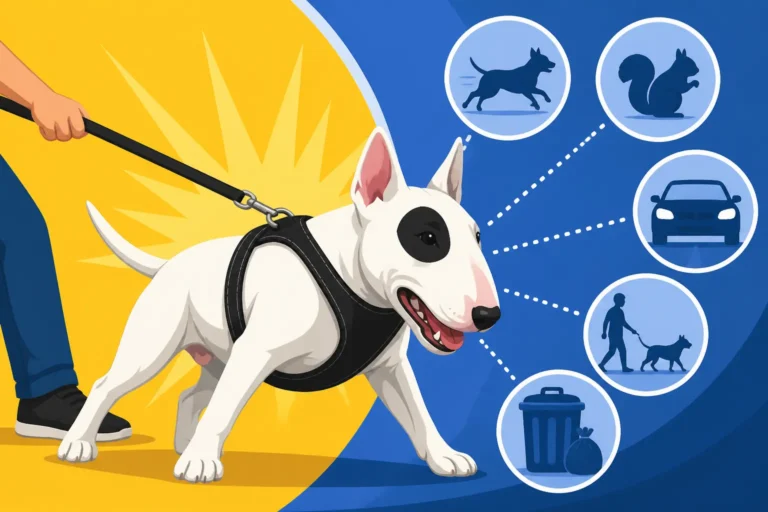
- Short, frequent walks: Follow the "rule of five minutes" for leashed walks. These aren't meant to be forced marches but opportunities for your puppy to explore the neighborhood, sniff new smells, and learn leash manners. Varying the terrain (grass, dirt, short pavement) can help build proprioception and muscle strength without high impact.
- Supervised Free Play: Allow your puppy to play freely in a safely enclosed yard for short bursts. Watch their body language closely. If they're running in circles, pouncing, or doing "zoomies," that's great! But if they start panting heavily, slowing down, or showing signs of fatigue, it’s time to call it quits. Keep these sessions brief, perhaps 10-15 minutes at a time.
- Gentle Fetch and Tug: These can be great for building a bond and burning a little energy, but keep the sessions short. Use soft toys, and always play on a forgiving surface like grass. Avoid high-intensity jumps or turns. For tug, teach an "out" command to prevent resource guarding, and keep the game fun and cooperative, not an endless battle of strength. Which Toy a Bull Terrier Will Work For is often a durable one!
Crucially, avoid intense, sustained running, jumping from heights, or long-distance hikes until your Bull Terrier is at least 12-18 months old. Their bodies just aren't ready for it, and pushing them could lead to irreversible damage.
The Importance of Rest and Sleep
Bull Terrier puppies, despite their boisterous nature, need a remarkable amount of sleep – often 18-20 hours a day. Sleep is when their bodies grow, repair, and consolidate learning. Trying to keep them awake and active constantly will lead to an overtired, cranky, and poorly developed puppy.
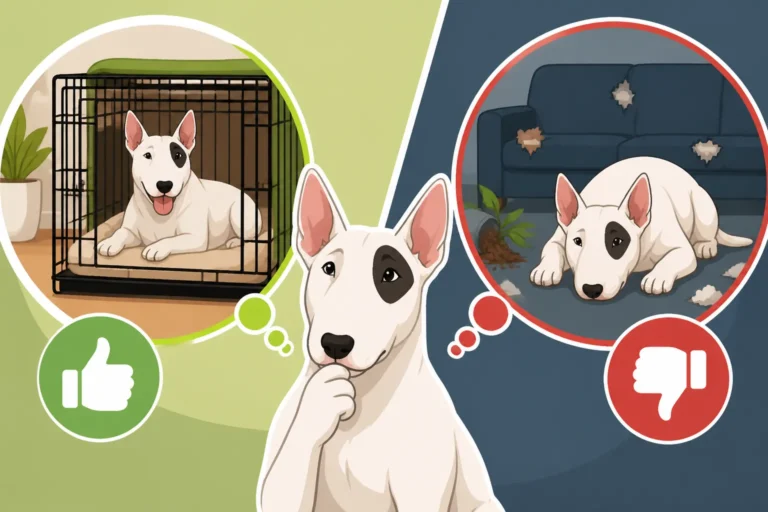
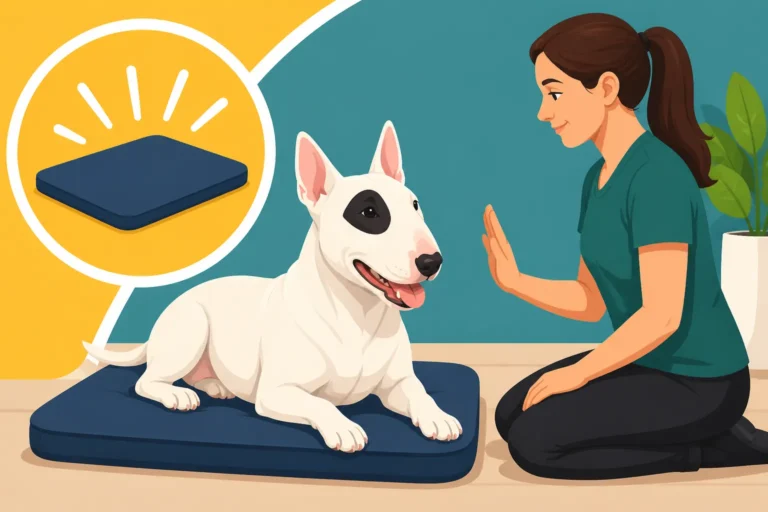
Ensure your puppy has a comfortable, quiet space for napping and sleeping through the night. A well-placed crate, perhaps equipped with a cozy bed (and yes, you'll want one designed to withstand a Bull Terrier's chewing power, available on Amazon), can be invaluable for teaching them to settle down. Don't feel guilty for enforcing nap times; it's one of the best things you can do for their long-term health and well-being. How Much Sleep a Bull Terrier Puppy Needs is a topic often overlooked but critical for their development.
Recognizing When Your Bull Terrier Puppy Has Had Enough
One of the biggest challenges for new Bull Terrier owners is discerning genuine fatigue from a puppy's natural energy or even over-stimulation. Bull Terriers are often stoic, and sometimes their playful nature can mask underlying tiredness or discomfort. Learning to read your individual puppy's signals is paramount to preventing over-exertion.
Telltale Signs of Fatigue and Overtiredness
Your Bull Terrier puppy will communicate their fatigue, but you need to know what to look for beyond just flopping onto the floor.
Common signs of genuine fatigue include:
- Excessive Panting: More than just a bit of panting after a short burst of play. If it's sustained and deep, even when they're not in direct sunlight, it's a red flag.
- Lagging Behind: On walks, if your puppy starts to slow down, lag behind you, or even sit down frequently, they're telling you they’re done. Don't drag them; pick them up or turn back.
- Loss of Enthusiasm: A Bull Terrier puppy is usually eager for interaction. If they start ignoring toys, not responding to their name, or just wanting to lay down during a play session, it's time for a break.
- Increased Clumsiness: Tripping, stumbling, or less coordinated movements can indicate tired muscles and lack of focus.
- Seeking Quiet Spots: Retreating to their crate or a quiet corner of the room, away from the action, is a clear sign they need rest.
On the other hand, overtiredness often manifests in ways that seem like more energy, but it’s actually a sign of distress:
- Hyperactivity/Zoomies that don’t end: Instead of settling, they might get a frantic burst of energy, running around uncontrollably, nipping, or bumping into things. This is often their body trying to cope with exhaustion.
- Increased Nipping/Mouthiness: An overtired puppy often uses their mouth more, nipping at hands, clothes, or furniture. They can become irritable and less tolerant of handling.
- Inability to Settle: They might pace, whine, or struggle to lie down and relax, even when clearly exhausted.
- Destructive Chewing: Gnawing on inappropriate items can be a stress-release mechanism for an overstimulated, overtired puppy.
If you see these signs, it's crucial to calmly intervene, provide a quiet space, and encourage rest rather than pushing for more activity. Sometimes, this means gently leading them to their crate for a forced nap.
Listening to Your Puppy's Body Language
Every Bull Terrier puppy is unique, and developing a keen eye for your own dog's specific cues is key. Pay attention to the subtle shifts in their posture, eye contact, and tail wag. Are their ears pinned back? Is their body stiff? Are their eyes darting, or do they have a faraway look? These are all indicators of their mental and physical state.
For example, a Bull Terrier puppy usually leans into you or offers their head for a nuzzle when they are content and ready to relax. If they are constantly shifting, panting, or seem restless, even when you're trying to snuggle them, it's worth considering if they are overstimulated or uncomfortable. Learning How Physically Affectionate a Bull Terrier Is can help you recognize when they aren't quite themselves.
Adjusting Exercise Based on Individual Needs
Ultimately, the perfect amount of exercise for your Bull Terrier puppy will be a fluid thing that changes as they grow and mature. Factors like their individual temperament, genetic predisposition to certain joint conditions (which a responsible breeder should have screened for), and even the weather can influence their needs on any given day.
If your puppy seems particularly tired, cut the session short. If they are bouncing off the walls after a short walk, try adding more mental games or a brief, controlled play session in the yard, always within the "five-minute rule." If you notice any limping, soreness, or reluctance to move, consult your veterinarian immediately. It’s always better to err on the side of caution when it comes to puppy exercise. Think of yourself as your puppy's personal trainer and advocate; you know them best, and you're the one who can ensure their well-being by carefully monitoring and adjusting their activity levels.
By understanding the delicate balance between play, mental stimulation, and rest, you’re setting your Bull Terrier puppy up for a lifetime of happy, healthy activity.
Disclaimer
This article is for general informational purposes only and does not constitute professional advice. Laws, prices and regulations vary by location and change over time. Consult a qualified professional for guidance on your specific situation.