How Far a Bull Terrier Should Walk Before It Gets Silly
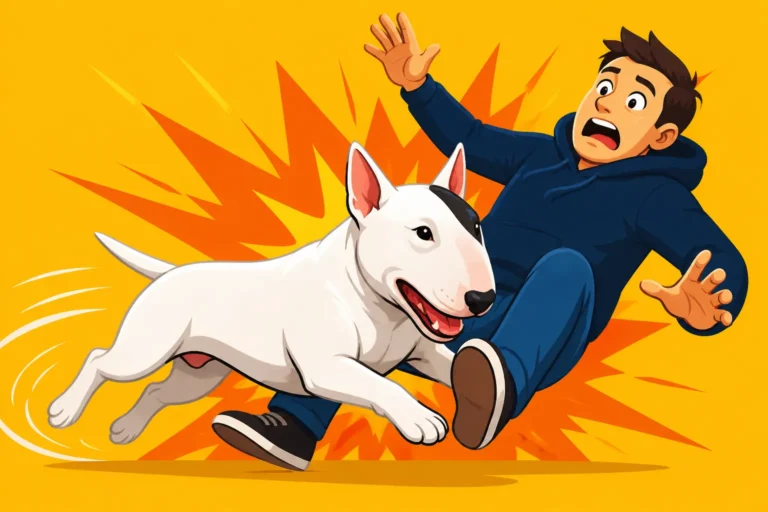
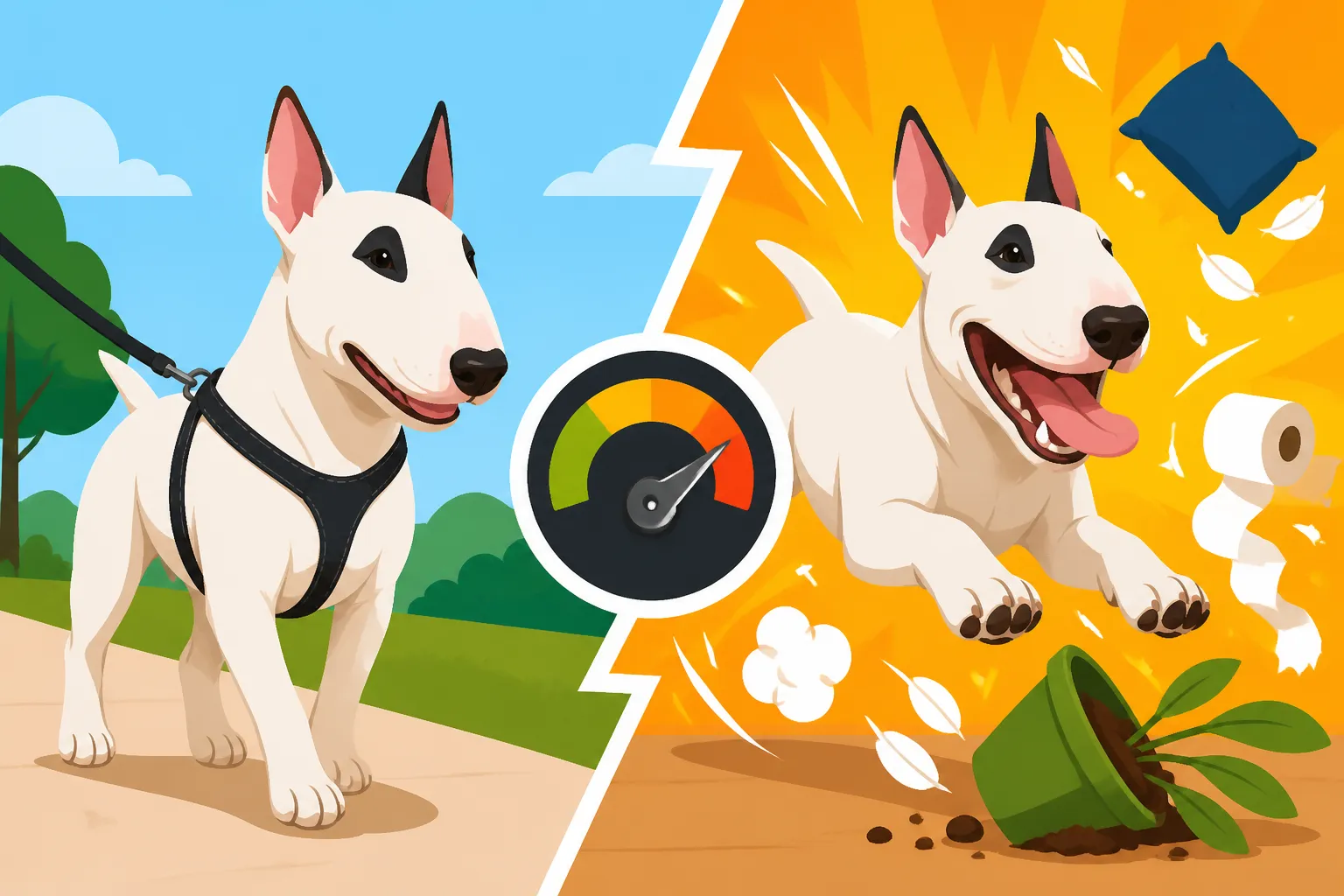
You know the drill: you start your walk with your Bull Terrier, leash in hand, feeling like you’re finally going to have that peaceful, structured outing you’ve always dreamed of. Your Bull Terrier starts off great, a polite heel, sniffing the roses, enjoying the fresh air. Then, seemingly out of nowhere, the switch flips. Suddenly, your dignified companion transforms into a bucking bronco, a land shark snapping at the leash, or a spinning dervish determined to herd an invisible flock of sheep. It’s frustrating, bewildering, and often leaves you wondering, "What just happened? And how far can my Bull Terrier walk before they get like this?" This guide is all about helping you understand why your Bull Terrier transitions from focused to absolutely frantic, how to spot the early warning signs, and what you can do to keep your walks enjoyable and productive for both of you.
Understanding Your Bull Terrier's Unique Brain and Body on Walks
Bull Terriers are, let's face it, a breed like no other. Their physical strength and undeniable athleticism are often coupled with a mischievous intelligence and a capacity for stubbornness that can test the patience of a saint. When it comes to walks, this combination creates a dynamic that can be utterly charming one moment and utterly chaotic the next. It’s not just about physical distance for these dogs; it’s about mental engagement, environmental stimulation, and knowing their individual thresholds.
The Bull Terrier's Energy Paradox: High Drive, Short Attention Span
It's easy to look at a muscular Bull Terrier and assume they need to run for miles and miles to be tired out. While they certainly have stamina and can enjoy a good romp, their energy isn't always channeled into a consistent, focused walk. Often, their mental focus wanes long before their physical energy does. They might have a high drive for doing something, but that "something" might quickly shift from "walking nicely beside you" to "chasing that leaf" or "attempting to excavate the entire flowerbed." This isn't necessarily a fault in their training or a defiance of your authority (though it can feel like it!). It's more about their inherent desire for novelty and their impressive ability to decide, on a whim, that your agenda is no longer as interesting as theirs. They’re smart, yes, but often self-interested, and their attention can be fleeting when something more exciting presents itself.
Consider how a Bull Terrier might react to a consistent, unchanging route. For some dogs, familiarity is comforting. For a Bull Terrier, it can quickly become boring. A boring walk is an open invitation for their creative, often mischievous, minds to invent their own entertainment. This could manifest as pulling, jumping, sniffing every single blade of grass at a snail's pace, or suddenly deciding to perform an interpretive dance with the leash. It’s their way of saying, "Okay, this isn't stimulating enough anymore, so I'm going to find my own fun." This is a big reason why A Bull Terrier Trains When It Sees the Point. If the walk isn't engaging for them, their "point" quickly dissolves.
The "Zoomie Threshold": When Physical Exertion Turns to Mental Overload
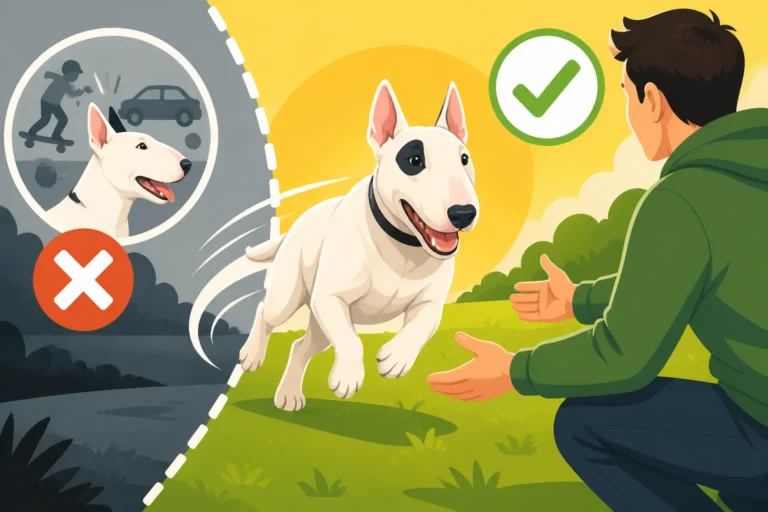
We often think of zoomies as something that happens when a dog has too much energy. But for a Bull Terrier on a walk, especially a younger one, "getting silly" can actually be a sign of too much stimulation or even becoming overtired. Imagine a toddler who starts acting out and having a meltdown when they're past their bedtime – they're not necessarily full of energy, they're just overwhelmed and losing control.
Bull Terriers, with their intense personalities and propensity for deep dives into whatever catches their fancy, can easily become overstimulated by the sights, sounds, and smells of a long walk. What starts as an enjoyable sensory experience can morph into a chaotic overload. The brain simply can't process any more, and the physical manifestations of this overload can look like pure silliness: frantic bursts of speed, sudden changes in direction, play-bowing at inanimate objects, or even spinning in circles. The Age Bull Terrier Tail Chasing Starts can sometimes coincide with these periods of overstimulation, blurring the lines between playful antics and more complex behavioral expressions. It's a key indicator that their mental battery is drained, even if their physical legs could keep going.
The Stubborn Streak: Deciding When the Walk is "Done"
Oh, the Bull Terrier stubborn streak. If you own one, you know exactly what I'm talking about. How Stubborn a Bull Terrier Is is legendary, and it manifests beautifully on walks. Your Bull Terrier might decide, quite emphatically, that they are done. They've had enough. The walk is over. This isn't always about being tired; it's often about their innate Bull Terrier prerogative to make their own choices.
They might plant all four feet, becoming an immovable statue, giving you "the look" that says, "I'm not moving another inch." Or perhaps they'll flop down dramatically, refusing to budge, as if you've asked them to cross the Sahara. Sometimes, this "done" signal might be more subtle: a sudden increase in pulling, sniffing every single blade of grass with renewed intensity (but no actual forward motion), or deliberately veering off course towards a particularly interesting bush, dragging you along for the ride. It’s their way of asserting control over the expedition, a clear indication that your designated walk length has exceeded their personal preference for structured activity.
Decoding the "Silly": Signs Your Bull Terrier is Done with Formalities
Recognizing the shift from a productive walk to a chaotic clown show is key to managing your Bull Terrier's behavior. It’s about paying attention to their body language and understanding what their escalating antics are trying to tell you. These signs aren't always glaringly obvious at first, but with practice, you'll learn to spot the subtle cues before they turn into full-blown shenanigans.
From Focused Forward to Frenetic Frolicking
A happy, engaged Bull Terrier on a walk typically moves with purpose, their nose to the ground (or politely lifted to take in the world), but generally in a forward direction. They might pause to sniff, but they return to walking with you. The shift to "silly" often begins with a break in this rhythm. You might notice them:
- Sudden bursts of speed and erratic changes in direction: One moment they're trotting, the next they're bolting forward, then sharply veering left, then right, as if chasing an invisible butterfly. This isn't a focused run; it's disjointed and often accompanied by a wild-eyed look.
- Play-bowing at inanimate objects: Is your Bull Terrier suddenly inviting a lamppost to play? Are they doing an elaborate dance around a fire hydrant? This is a classic sign that their brain has decided it's playtime, regardless of the appropriateness of their chosen playmate.
- "Sharking" or snapping at the leash: This is a common and incredibly frustrating behavior. They might grab the leash in their mouth, tugging, shaking, and even trying to chew it. It's often a way to self-stimulate or release pent-up mental energy when they're overwhelmed or bored. This is definitely a behavior to address, as it can quickly damage your gear and even be dangerous if they get tangled or pull the leash from your hand.
These behaviors indicate that their ability to self-regulate and maintain a consistent focus on the walk has diminished. They're no longer walking with you; they're walking for themselves, and you're just along for the ride (or being dragged).
The Sudden Stop and Stare: "I'm Done, Human!"
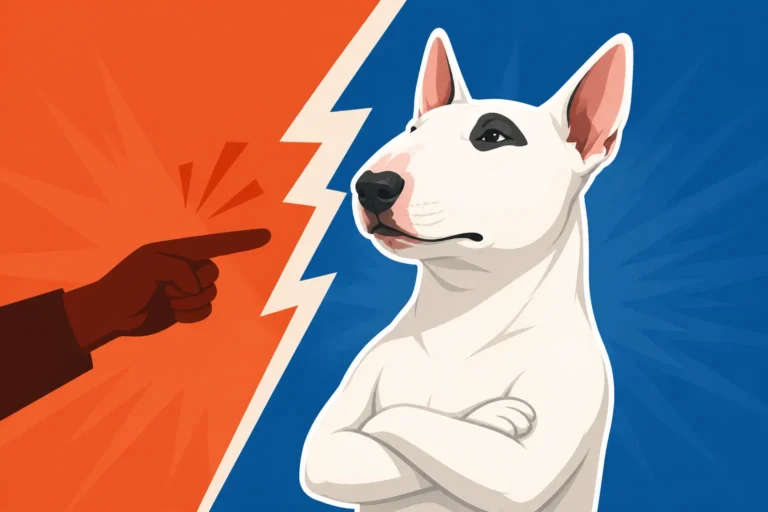
This is the classic Bull Terrier protest move. One moment you're walking, the next they are a concrete statue, rooted to the spot. Their tail might be still, their ears might be perked, and their gaze might be fixed on something utterly uninteresting to you – a speck on the sidewalk, a distant cloud, or simply nothing. This isn't necessarily a sign of fear or curiosity; it's often a defiant "no."
They've decided the walk is over, or at least this particular segment of it is. Trying to tug them forward will likely be met with increased resistance, as Bull Terriers are masters of opposing force. They might even lie down, turning into a dead weight that's almost impossible to move without resorting to physical force, which we want to avoid. This isn't always about physical exhaustion, but often a mental boundary being hit. They've simply reached their limit for structured activity and are asserting their autonomy. Recognizing this "strike" is crucial to avoid a power struggle that neither of you will enjoy.
Mouthiness and Leash Lunge: When Playful Turns Problematic
A young Bull Terrier puppy is naturally mouthy, and we spend a lot of time teaching them Teaching a Bull Terrier Puppy to Stop Nipping. But as they grow, this can escalate on walks when they get over-excited or overstimulated. If your Bull Terrier starts grabbing at your arm, tugging at your clothes, or jumping up and mouthing at your hands, it's a clear signal that they've transitioned into an over-aroused, "silly" state. This isn't malicious, but it can be painful and dangerous, especially with their powerful jaws.
Similarly, a sudden increase in leash lunging, not necessarily at other dogs or people, but at random objects, shadows, or even just the air, indicates a loss of focus and control. They're releasing energy in an uncontrolled, often frantic, manner. This can sometimes be confused with aggression, but it's more often an expression of mental fatigue or over-excitement. They might be bouncing off the ground, trying to snap at the leash, or just generally becoming a bouncy, unmanageable mess. This is a point where the walk is no longer beneficial for teaching good manners or providing calm exercise; it's actively reinforcing chaotic behavior.
Strategies to Keep Your Walks Productive and Pleasant
So, how do you prevent your Bull Terrier from turning into a walking circus act? The answer lies in understanding their unique needs, setting them up for success, and being flexible with your approach. It's not about forcing them to conform to your idea of a perfect walk, but finding a balance that works for both of you.
Know Your Dog's "Walk Window" and Adjust Accordingly
The most straightforward way to avoid the "silly" threshold is to simply not cross it. Every Bull Terrier has an individual "walk window" – a duration where they can remain focused, engaged, and well-behaved. This window will vary greatly depending on their age, temperament, the environment, and even the weather.
- Puppies (under 6 months): These little bundles of energy have incredibly short attention spans. Think 5-10 minutes of structured walking, followed by sniff breaks or play. Pushing them for 30 minutes of heel work will almost certainly result in chaotic behavior. Focus on positive experiences, short bursts of training, and lots of sniffing. You might find that How Much a Bull Terrier Puppy Should Exercise is less about distance and more about diverse experiences.
- Adolescents (6 months to 2 years): This is often the trickiest stage. They have more physical stamina, but their brains are still developing, and their stubbornness might be at its peak. Their walk window might be 15-30 minutes of focused walking before they start pushing boundaries. This is where you might see the full spectrum of "silly" behaviors emerge.
- Adults (2+ years): A mature Bull Terrier might handle 30-45 minutes of a structured walk, or even longer if it's highly engaging. However, even adults have their limits, especially if the walk is monotonous.
The key is observation. If you notice the first signs of silliness – a slight increase in pulling, a momentary lapse in focus, or a nascent attempt to grab the leash – that's your cue. It's time to either change the activity, take a break, or head home. It's far better to end a walk on a positive, slightly shorter note than to push it until it becomes a battle.
Incorporating Mental Engagement Beyond Just Miles
For a Bull Terrier, simply putting one foot in front of the other for a long distance isn't always enough. Their intelligent, curious minds need to be stimulated. Think about quality over quantity.
- Sniffari walks: Let your Bull Terrier lead sometimes, allowing them to thoroughly investigate interesting smells. Sniffing is incredibly mentally fatiguing for dogs and can tire them out far more effectively than endless forward motion. Vary your route to offer new olfactory experiences.
- Training bursts: Break up your walk with short, positive training sessions. Ask for a "sit" at every lamppost, a "stay" before crossing the street, or practice a little bit of heeling. Keep it fun and rewarding with high-value treats. This helps reinforce A Bull Terrier Trains When It Sees the Point by making you the most interesting thing on the walk.
- Environmental enrichment: Take advantage of obstacles. Walk over different surfaces, navigate around park benches, or practice "leave it" with tempting items on the ground. These little challenges keep their brains active and engaged.
- Puzzle toys on the go: While not practical for the entire walk, a treat-dispensing toy for a brief pause can be a great mental break. Something simple they can roll around for a few minutes while you catch your breath.
By making the walk a dynamic experience, you're not just exercising their body; you're also exercising their brain, which leads to a much more satisfied and less "silly" Bull Terrier. This also speaks to Why a Bull Terrier Needs a Job, even if that job is just navigating a walk thoughtfully.
The Power of a Mid-Walk Pause and Reset
Sometimes, all your Bull Terrier needs is a little break to reset their mental state. If you see the silliness beginning to creep in, don't push through it. Find a quiet spot and:
- Take a "decompression" break: Sit on a bench, allow your Bull Terrier to just observe their surroundings quietly, or engage in a gentle petting session. Let them just be without expectation for a few minutes.
- Offer water: A quick drink can sometimes help them refocus, especially if they're getting a bit warm or dehydrated.
- Play a quick game: A short game of "find it" with treats scattered in the grass, or a brief tug session (if appropriate and controlled) can re-engage their playful side in a constructive way.
- Change direction: Sometimes, simply turning around and heading back a different way can break the pattern of escalating silliness and re-establish your leadership.
These short pauses can prevent a full-blown meltdown and help them regain their composure, allowing you to finish the walk on a much better note.
Gear and Tools for a Better Walking Experience
Having the right equipment can make a world of difference in managing your Bull Terrier on a walk and preventing them from reaching that "silly" point. It’s not a magic bullet, but it can provide better control and comfort for both of you.
Harnesses and Leashes for Strong Pullers
Bull Terriers are incredibly strong for their size, and they can be notoriously stubborn about pulling. Why a Bull Terrier Pulls Toward Everything is a common frustration, and a standard flat collar often offers little control and can even cause discomfort or damage to their trachea.
- Front-clip harnesses: These are often highly effective for Bull Terriers. Instead of the leash attaching on their back, it clips at the front of their chest. When your dog pulls, the harness gently redirects their body towards you, making it uncomfortable for them to pull forward. Brands like Balance Harness or the Easy Walk Harness are popular choices that can be found on Amazon and often make a significant difference. Which Harness Holds a Bull Terrier is a crucial consideration for these powerful dogs.
- Head halters: For some Bull Terriers, a head halter (like a Halti or a Gentle Leader) offers the most control. It works similarly to a horse halter, guiding the dog's head, and where the head goes, the body follows. Many owners find these invaluable for managing a strong, persistent puller.
- Durable leashes: Invest in a sturdy, comfortable leash. A 6-foot standard leash is usually ideal, allowing enough freedom without being unwieldy. Avoid retractable leashes, which teach dogs to pull and offer little control. If your Bull Terrier is prone to "sharking" the leash, a chain-reinforced leash can be a temporary solution to prevent chewing, though the root behavior should be addressed with training.
Remember, no piece of equipment replaces good training, but the right gear can certainly assist you in Teaching a Bull Terrier to Walk Without Pulling and make the training process more manageable.
Training Aids and Resources
Sometimes, managing a Bull Terrier's "silliness" on walks requires more than just adjusting the distance; it needs a structured approach to training.
- Positive reinforcement: Bull Terriers respond best to positive reinforcement. High-value treats, their favorite squeaky toy, or enthusiastic praise work wonders when they choose to pay attention. For a breed that often has its "own ideas," making good behavior incredibly rewarding is paramount. Which Reward Outranks a Bull Terrier's Own Idea often involves something truly special.
- Professional guidance: If you're struggling with consistent "silly" behavior that borders on uncontrollable, don't hesitate to seek help from a certified professional dog trainer or a veterinary behaviorist. They can help identify underlying causes (like anxiety, over-arousal, or lack of appropriate mental stimulation) and develop a tailored training plan.
- Online training programs: Many reputable online platforms offer structured training courses. For new puppy owners or those looking to brush up on skills, programs like BAXTER & Bella provide comprehensive resources that can be accessed from home, offering guidance on everything from leash manners to impulse control, which is essential for a Bull Terrier prone to silliness. Their virtual classes can be particularly helpful for dogs who get easily overstimulated in traditional group settings.
- Enrichment toys: Keeping your Bull Terrier mentally engaged at home can significantly impact their behavior on walks. Puzzle toys, snuffle mats, and durable chew toys (again, Amazon has a vast selection) can help burn off mental energy and reduce boredom, making them more receptive to a calm walk when it's time to head out. This helps address What a Bull Terrier Does When It Is Bored.
By combining appropriate walk durations with stimulating activities and the right tools, you can transform those frustrating "silly" moments into opportunities for connection and enjoyable exercise with your unique Bull Terrier. It's a journey, and there will be good days and challenging days, but with patience and understanding, you can certainly find that sweet spot for your special clown.
Disclaimer
This article is for general informational purposes only and does not constitute professional advice. Laws, prices and regulations vary by location and change over time. Consult a qualified professional for guidance on your specific situation.