What a Bull Terrier Grumbles and Groans About
Many Bull Terrier owners find themselves perplexed by the symphony of grumbles, groans, and sometimes outright mumbles that emanate from their beloved companions. It’s easy to wonder if they’re constantly displeased or just having an internal monologue, and you’re not alone in that confusion. This guide will dive deep into the unique vocal habits of Bull Terriers, helping you understand what your expressive companion is truly trying to tell you with all those endearing (and sometimes perplexing) noises.
Understanding the Bull Terrier's Unique Vocalizations
Bull Terriers are, without a doubt, a breed with personality to spare, and much of that personality comes wrapped in a wide array of sounds. Unlike some breeds that might bark incessantly or remain largely silent, Bull Terriers often communicate in a more nuanced, almost human-like manner through a collection of grumbles, groans, sighs, and mumbles. It's not always a clear "woof!" but rather a rich tapestry of low, throaty sounds that can leave you scratching your head or, more often, smiling at their antics.
These vocalizations are a fundamental part of What a Bull Terrier's Temperament Is Really Like. They are intelligent, often stubborn, and possess a wonderfully clownish nature, all of which contribute to their conversational style. They're not just making noise; they're attempting to interact with their world and with you, their primary person. Learning to distinguish between these sounds is key to building an even deeper bond and ensuring your Bull Terrier feels truly understood.
The Spectrum of Grumbles, Groans, and Mumbles
Imagine waking up to a series of low, rumbling sounds coming from the foot of your bed. Is it a complaint about having to move, or a sleepy declaration of comfort? With a Bull Terrier, it could honestly be either! Their grumbles often start in their chest, a deep vibration that escapes as a soft, guttural hum. Groans tend to be longer, more drawn-out sounds, sometimes accompanied by a dramatic sigh or an exaggerated stretch. Mumbles are usually softer, almost whispered grumbles, often made directly into a soft toy or your leg.
These sounds are simply part of their expressive nature. Think of them as vocal punctuation marks in their day. A short, sharp grumble might precede a joyful bounce, while a long, drawn-out groan could follow a particularly satisfying nap. It's rarely aggressive or demanding; instead, it's typically a commentary on their current state of being, much like a human might sigh contentedly or mutter under their breath when concentrating.
Signs of Contentment and Affection
One of the most heartwarming aspects of Bull Terrier vocalizations is how often they signify pure contentment and affection. When your Bull Terrier is curled up beside you, maybe getting a belly rub, and lets out a soft, rumbling grumble, that’s often the sound of pure bliss. It’s their way of saying, “This is nice. I approve.” These are the sounds that melt your heart and solidify their reputation as the "White Cavalier" – a truly charming and devoted companion.
You might also notice these contented grumbles when they’re settling down for the night, nestled deeply into their favorite bed. It’s a comforting sound, a little lullaby telling you they feel safe and secure. Often, these affectionate grumbles are accompanied by other physical cues: a relaxed posture, half-closed eyes, a loose wag of the tail, or leaning into you with their powerful, expressive head. It’s a profound sign of trust and happiness, a confirmation that they are exactly where they want to be, living their best life right by your side. They’re telling you, in their own special way, that everything is just perfect.
When Vocalizations Signal Discomfort or Distress
While a Bull Terrier's grumbles and groans are often charming indicators of contentment, it's crucial for owners to understand that these sounds can also be a subtle warning sign. Bull Terriers are incredibly stoic animals, often masters at How a Bull Terrier Hides Pain. Because of this, a change in their usual vocal patterns, or the sudden onset of new, unexplained grumbles, should always be taken seriously. It's like a person who rarely complains suddenly vocalizing discomfort – it warrants attention.
Learning to differentiate between a happy grumble and a troubled groan requires keen observation and a deep understanding of your individual dog. The context, frequency, intensity, and accompanying body language are all vital clues. Ignoring these potential signals could mean missing an important health issue or an underlying behavioral problem that's causing your loyal companion distress.
Pinpointing Physical Pain or Illness
If your usually jovial Bull Terrier starts grumbling or groaning more frequently, especially when moving, being touched in a specific area, or attempting activities they normally enjoy, it’s time to consider physical discomfort. A low, continuous groan while trying to get up after a nap could signal joint pain, something many large breeds can experience as they age. A sharp, sudden yelp-grumble when you brush their flank might point to a skin irritation or an internal issue.
Pay close attention to when these sounds occur. Do they happen during or after exercise? When they’re eating? When they’re trying to navigate stairs? Look for accompanying signs like a stiff gait, reluctance to jump, licking a particular body part, changes in appetite or thirst, or even a slight tremor. Your Bull Terrier can't tell you "my hip hurts," but a persistent, discomfort-laden groan is their closest equivalent. Don't hesitate to contact your veterinarian if you suspect pain; early intervention can make a significant difference in their quality of life. Even seemingly minor issues like an ear infection or a dental problem can cause enough discomfort to elicit unusual vocalizations.
Addressing Boredom, Anxiety, and Frustration
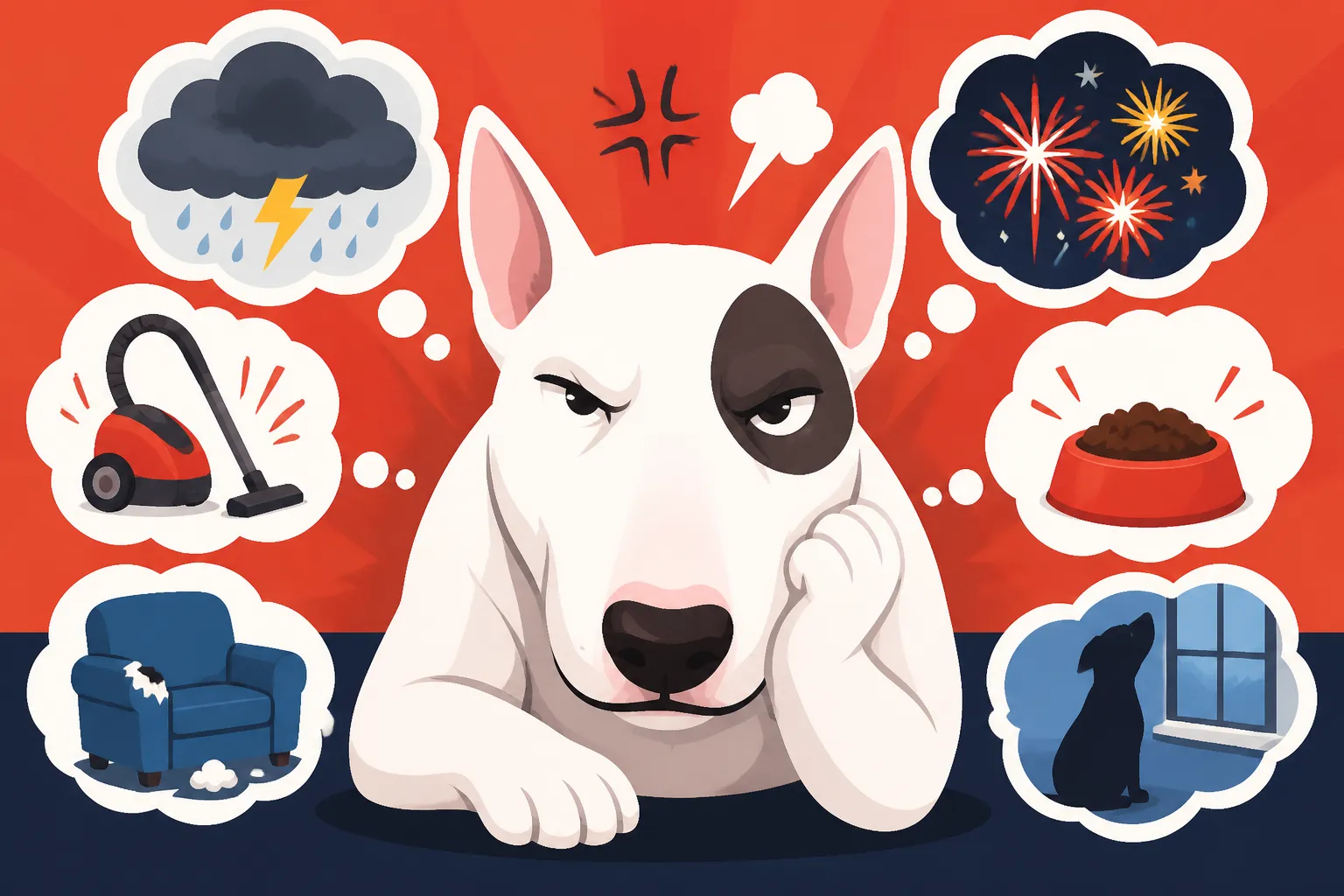
Beyond physical issues, a Bull Terrier's grumbles and groans can also be a powerful indicator of emotional distress. These are highly intelligent, people-oriented dogs who thrive on interaction and mental stimulation. A Bull Terrier left alone too long without enough to do might resort to a variety of behaviors, and persistent grumbling can certainly be one of them. This is often linked to What a Bull Terrier Does When It Is Bored. They might grumble as they pace, chew inappropriately, or simply lie there sounding utterly dejected.
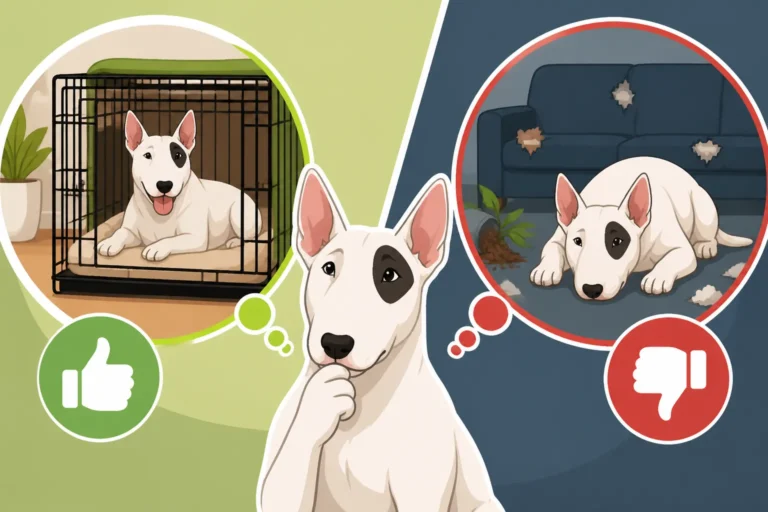
Separation anxiety is another common culprit. If your Bull Terrier starts groaning or moping when you're preparing to leave, or you come home to evidence of distress (and vocalizations, if recorded), it might be a cry for help. A low, mournful groan when you put them in their crate could signal frustration or anxiety about being confined or separated. In these cases, it's not about being "bad"; it's about being genuinely distressed. Utilizing resources like the online puppy school BAXTER & Bella, which offers comprehensive guidance on training and behavior, can be immensely helpful in addressing the root causes of these anxiety-driven vocalizations and teaching your Bull Terrier coping mechanisms and confidence. Training is key to building their resilience and understanding their needs.
Strategies for Decoding and Responding to Bull Terrier Sounds
Once you've tuned into the subtle language of your Bull Terrier's grumbles and groans, the next step is to know how to respond effectively. It’s a two-way street of communication, and your reactions play a huge role in shaping their behavior and emotional well-being. The goal isn't to silence them entirely, as their vocalizations are part of their charm and communication, but rather to understand and address the underlying reasons, especially when those sounds signal distress.
Bull Terriers are known for their strong will and independent thinking; A Bull Terrier Trains When It Sees the Point. This means your approach to managing their vocalizations needs to be consistent, fair, and rooted in positive reinforcement. You want to encourage the happy grumbles while gently guiding them away from those born of discomfort or anxiety.
Enhancing Communication Through Training and Enrichment
A Bull Terrier that is well-exercised, mentally stimulated, and understands basic commands is often a happier, less anxious, and therefore less distress-vocalizing dog. Regular, engaging training sessions can build confidence and provide an outlet for their intelligence. Consider incorporating puzzle toys, which can be found on platforms like Amazon, into their daily routine. These toys make them "work" for their food, turning mealtime into a stimulating mental exercise. Look for durable, Bull Terrier-proof options, because if it can be destroyed, a Bull Terrier probably will destroy it.
For managing boredom and excess energy that might lead to frustrated grumbles, interactive play is paramount. Flirt poles, structured fetch games, and even teaching them new tricks can be fantastic for both physical and mental enrichment. This also helps mitigate issues like Why a Bull Terrier Cannot Be Left Alone All Day. If separation anxiety is causing the grumbles, gradual desensitization training, often guided by professional behaviorists or online programs like BAXTER & Bella, can teach your Bull Terrier to be comfortable and calm when you're away. Creating a safe, enriching environment is crucial, with plenty of appropriate chew toys to redirect any anxious chewing from your furniture.
When to Seek Professional Guidance
While much can be understood and managed at home, there are definitely times when professional help is not just beneficial, but essential. If you notice a sudden increase in grumbling, groaning, or any unusual vocalizations, especially those accompanied by changes in appetite, energy levels, or mobility, your first call should always be to your veterinarian. As mentioned earlier, Bull Terriers are good at masking pain, and an underlying medical condition could be the culprit. A thorough check-up can rule out physical ailments before you dive into behavioral solutions.
If medical issues have been ruled out and the vocalizations persist, particularly if they seem linked to anxiety, aggression, or destructive behaviors, consulting with a certified professional dog trainer or a veterinary behaviorist is highly recommended. These experts can provide tailored strategies, assess the specific triggers for your Bull Terrier's distress, and guide you through targeted training plans. They can also help differentiate between normal breed traits, like How Much a Bull Terrier Snores, and problematic vocal patterns. Sometimes, a fresh pair of experienced eyes is all it takes to unlock the mystery of your Bull Terrier's complex vocal world.
Here's a quick guide to help you distinguish between common Bull Terrier vocalizations:
| Vocalization Type | Common Context | Possible Meaning | What to Observe | Action to Take |
|---|---|---|---|---|
| Soft Grumble | Cuddling, resting, gentle interaction | Contentment, affection, comfort, relaxed pleasure | Relaxed body, wagging tail, half-closed eyes | Enjoy the moment, return affection |
| Deep Groan | Stretching, waking up, settling down | Deep satisfaction, mild exertion, minor annoyance | Slow movements, no signs of pain, general ease | Acknowledge, observe for other cues |
| Mumble/Whisper | Chewing a toy, "talking" to self, greeting | Self-soothing, playful thought, quiet communication | Engaged with toy, soft gaze, no tension | Observe, provide appropriate toys/interaction |
| Sharp Grumble | Interrupted play, unexpected touch | Mild displeasure, "hey, watch it!", warning to stop | Slight body stiffening, direct gaze, ear flick | Cease offending action, observe for escalation, redirect |
| Persistent Groan | Difficulty moving, post-exercise, new situation | Pain, discomfort, anxiety, frustration, loneliness | Limping, licking, panting, pacing, destructive chewing | Consult vet (if pain suspected), provide enrichment, seek trainer |
| Mournful Groan | Left alone, confined, owner preparing to leave | Separation anxiety, sadness, distress | Pacing, destructive chewing, drooling, vocalizing while alone | Address Whether a Bull Terrier Gets Separation Anxiety, seek trainer |
Decoding your Bull Terrier's vocalizations is an ongoing journey, but a rewarding one. With keen observation and a willingness to understand, you'll soon be fluent in the language of their charming grumbles and groans, strengthening the incredible bond you share.
Disclaimer
This article is for general informational purposes only and does not constitute professional advice. Laws, prices and regulations vary by location and change over time. Consult a qualified professional for guidance on your specific situation.