How to Stop a Bull Terrier Greeting at Full Speed
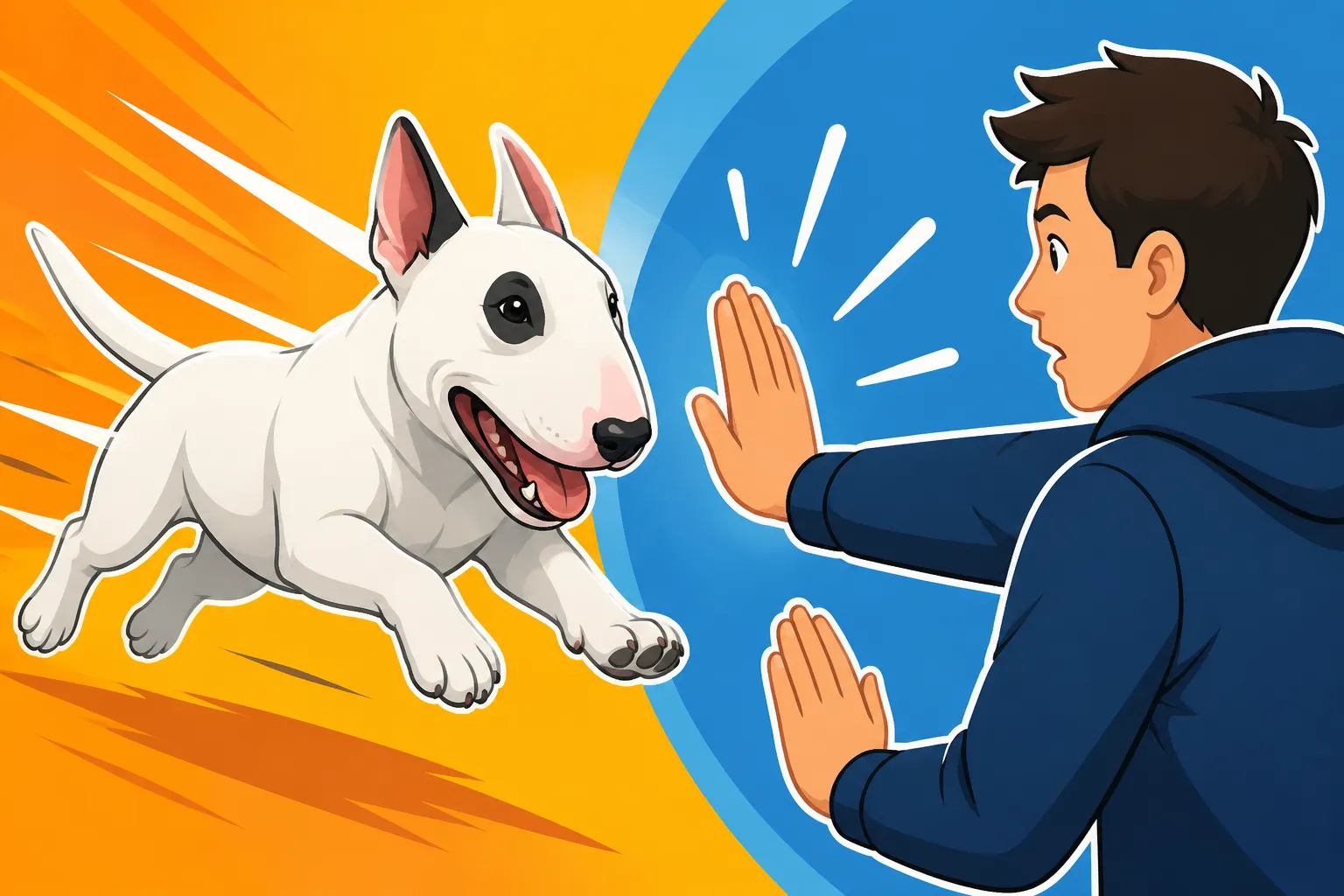
There’s nothing quite like the boundless enthusiasm of a Bull Terrier, is there? They meet every moment, every person, every potential adventure with their whole heart and, often, their entire body at full tilt. But while that incredible zest for life is part of their undeniable charm, it can turn an innocent greeting into a full-contact sport, especially when your powerful Bull Terrier decides to launch itself at you, your guests, or an unsuspecting passerby at top speed. It’s not aggression; it’s pure, unadulterated, often overwhelming joy, and it leaves many Bull Terrier owners wondering how to navigate these boisterous encounters without causing chaos or injury. This guide is here to walk you through understanding why your Bull Terrier greets with such intensity and, more importantly, how to teach them a calmer, more controlled way to say hello.
Understanding the Bull Terrier's "Full-Speed" Greeting
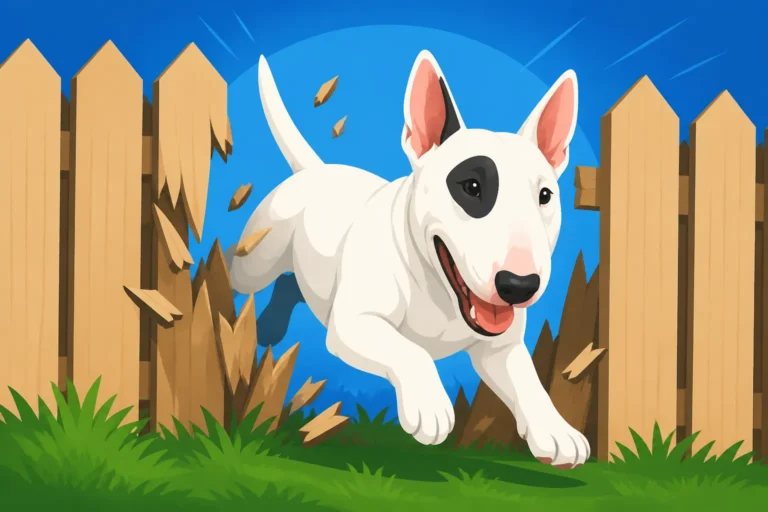
When your Bull Terrier comes tearing around the corner or barrels through the front door like a furry cannonball, it’s rarely out of malice. It's usually a potent cocktail of excitement, affection, and a healthy dose of Bull Terrier obliviousness to their own strength. Understanding these underlying motivations is the first step toward managing the behavior.
Why They Charge: The Bull Terrier Personality
Bull Terriers are renowned for their larger-than-life personalities. They are often described as "a three-year-old in a dog suit" or, affectionately, as clowns, and for good reason. They are incredibly playful, deeply devoted, and possess a singular focus on their people. When you walk through the door, or when a friend arrives, your Bull Terrier experiences a surge of pure joy. They want to connect, to engage, and to share their happiness with you immediately. This isn't just a wagging tail; it's often a full-body expression of affection, which, given their sturdy build and impressive muscle mass, can be a lot to handle. They love to lean on people and sometimes even use their entire body to initiate play or demand attention, a characteristic that often leads to what we affectionately call "body slams." This isn't them being rude; it's just how Why a Bull Terrier Shows Affection With Its Whole Body.
Their high energy levels also contribute significantly. Bull Terriers aren't content to merely trot over for a polite sniff; they often need to burn off that initial burst of excitement. If they haven't had adequate exercise or mental stimulation that day, that pent-up energy will find an outlet, and a human greeting is often the perfect, irresistible opportunity. It's an explosion of affection, often coupled with a strong desire for interaction, that can be tough to interrupt once it's begun.
The Instinct Behind the Impact
Beyond their charming personality, there's an instinctive component to the Bull Terrier's greeting style. Their play often involves rough-and-tumble antics, wrestling, and using their formidable physical presence. They might not fully grasp the difference between playing with another dog and greeting a human, especially if they haven't been taught specific manners for human interaction. This is why Why a Bull Terrier Body Slams is a common topic among owners. They see you, get excited, and their internal switch flips to "play mode" or "seek attention mode," which often involves physical contact.
Another factor is their inherent lack of spatial awareness when overcome with enthusiasm. A Bull Terrier is a substantial dog, muscular and dense, but in their mind, they might still be a tiny puppy, incapable of knocking over a grown adult or sending a child sprawling. They live in the moment, and in that moment, the only thing that matters is getting to you or your guest. This lack of awareness, combined with their incredible strength and speed, means that what they intend as a loving gesture can become an unintentionally forceful collision.
The Real-World Consequences
While adorable in spirit, these full-speed greetings can have serious ramifications. The most obvious concern is safety. A Bull Terrier launching itself at an elderly relative, a small child, or even just someone with poor balance can easily cause them to lose their footing and fall, potentially leading to injuries like sprains, fractures, or worse. Even a robust adult can be caught off guard and bruised by a hefty Bull Terrier's impact.
Beyond human safety, there’s the potential for scaring other dogs or people. Not everyone understands the Bull Terrier's unique brand of exuberance, and a charging dog, regardless of its friendly intent, can be intimidating. This can lead to negative perceptions of your dog and breed, and can even escalate into fear-based reactions from other dogs, which can then turn into actual altercations. On top of that, consider the damage to property – a Bull Terrier zooming through a doorway can scrape walls, knock over lamps, or even damage furniture in their haste to reach you. It’s a messy, and sometimes dangerous, reality many Bull Terrier owners face.
Essential Management Strategies for Immediate Safety
Before you even start formal training, implementing strong management strategies is crucial. These aren't just temporary fixes; they are vital tools to prevent unwanted behaviors and keep everyone safe while your Bull Terrier learns better manners. Think of them as the guardrails that keep your Bull Terrier on the right track.
Leash and Equipment for Control
One of the most immediate and effective management tools is the right equipment. Forget about relying solely on a flat collar, especially when your Bull Terrier is in full "zoomie" mode. Their necks are thick, and a flat collar can put undue pressure on their throat, or worse, allow them to slip out if they lunge. A sturdy, well-fitting harness is your best friend here. Specifically, a front-clip harness can be incredibly helpful. Instead of putting pressure on their windpipe and encouraging them to pull forward, a front-clip harness redirects their momentum to the side when they pull, making it much harder for them to gather speed and body-slam. Look for durable options from trusted brands on Amazon, specifically designed for strong pullers. You want something robust that won't chafe their skin, as A Bull Terrier's Skin Is Its Weakest Point.
A long line (a lightweight leash, 15 to 30 feet in length) can also be invaluable for practicing greetings in a controlled outdoor environment. It allows your Bull Terrier to move and explore a bit, but you retain the ability to step on the line or gently guide them back to you before they can build up too much speed toward a person or another dog. This equipment provides you with the physical control needed to prevent those full-speed encounters, giving you a chance to intervene and start teaching them. Having Which Harness Holds a Bull Terrier is essential for a dog with this breed's strength and enthusiasm.
Controlled Entrances and Exits
The doorway is often the flashpoint for high-speed greetings. When you or a guest enters, it's like a signal for your Bull Terrier to blast off. To counter this, implement strict doorway manners. Teach your Bull Terrier that doorways are not free passes to mayhem. This means practicing "wait" or "stay" at the door before anyone enters or exits. They shouldn't be allowed to barge through ahead of you. This isn't just about greetings; it’s about establishing calm, controlled behavior in a high-excitement area.
For especially enthusiastic Bull Terriers, or when guests are arriving, using a physical barrier is a game-changer. A baby gate can be placed in your entryway, or your Bull Terrier can be secured in their crate for a few minutes while you manage the initial excitement of arrival. If you're using a crate, make sure it's one that can withstand a Bull Terrier's power – they can be quite destructive when bored or overexcited, so you might need a heavy-duty option like those described in Which Crate Holds a Bull Terrier. This allows you to greet your guests calmly, get them settled, and then introduce your Bull Terrier once the initial frenzy has passed. It gives you control over the situation and prevents the dog from rehearsing the unwanted behavior.
Managing Guest Arrivals
This is often where the "full-speed greeting" rears its head most dramatically. When guests arrive, it’s not just you your Bull Terrier is excited to see; it’s everyone. To manage this, have a plan in place. Before your guests even knock, put your Bull Terrier on a leash, or behind a sturdy gate in another room. Have treats ready.
When your guests enter, instruct them to completely ignore your Bull Terrier for the first few minutes. No eye contact, no petting, no verbal greetings. This is often harder for the humans than the dog! Once your Bull Terrier has settled down a bit – meaning all four paws are on the floor, they aren't whining or jumping, and their body language is calmer – then you can initiate a calm, controlled introduction. Bring your Bull Terrier out on a leash, have them sit, and then allow your guest to offer a calm pet, perhaps with a treat. This teaches your dog that calm behavior earns interaction, while frantic excitement gets them nothing. It’s all about setting them up for success, not expecting them to magically figure it out on their own.
| Greeting Scenario | Initial Strategy | Best Equipment | Key Behavior to Reinforce |
|---|---|---|---|
| Family Member Arrives | Gate or crate dog for 1-2 minutes; calm release. | Sturdy gate, crate, house leash | Calmness, "Sit" or "Place" |
| Visitor at the Door | Dog on leash in another room or crated. | Front-clip harness, sturdy leash | Waiting, ignoring doorbell, calm settle |
| Meeting New People | Keep on leash, ask person to ignore initially. | Front-clip harness, 6ft leash | Four paws on floor, polite sniff |
| Approaching Other Dogs | Maintain distance, watchful; interrupt lunging. | Front-clip harness, long line | Focus on owner, calm parallel walk |
| Outdoor Excitement | Use long line for controlled movement. | Long line, treats | Recall to heel, "Watch Me" |
Training Protocols for a Calmer Greeting
Management sets the stage, but training is where the real transformation happens. We want to replace that high-impact greeting with something more polite and manageable. This requires consistent effort and a good understanding of how a Bull Terrier learns. Remember, A Bull Terrier Trains When It Sees the Point, so making polite greetings rewarding is paramount.
Teaching an Alternative Behavior: The "Place" Command
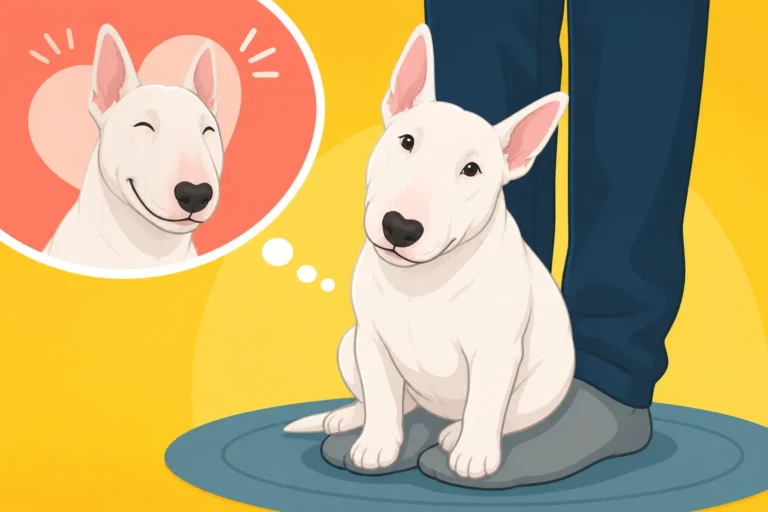
One of the most powerful tools for managing enthusiastic greetings is teaching your Bull Terrier a solid "place" command. "Place" means going to a designated spot – a mat, a dog bed, or a specific rug – and staying there until released. This gives them a clear job to do when exciting things happen, like someone coming to the door. Instead of charging, they learn to go to their place and wait.
To teach "place," start by luring your Bull Terrier onto the mat with a treat. As soon as all four paws are on the mat, mark the behavior (with a clicker or a verbal "yes!") and reward them generously. Repeat this many times. Once they understand going to the mat, start adding the verbal cue "place." Gradually increase the duration they stay on the mat before rewarding, then add small distractions, like you walking around the room. The goal is for them to stay on their "place" even when the doorbell rings or guests arrive. Training resources like those offered by BAXTER & Bella can provide structured lessons and support for teaching this and other essential commands. This command gives them a constructive outlet for their energy rather than resorting to an explosive greeting.
The "Four Paws on the Floor" Rule
This is a non-negotiable rule when it comes to greetings: all four paws must remain on the floor for them to receive any attention. Every single time your Bull Terrier jumps up, whether it’s a full-on leap or just a little hop, you must immediately remove attention. This means turning your back, stepping away, or even leaving the room for a few seconds. Do not scold, do not push them down, as even negative attention can be reinforcing for an attention-seeking Bull Terrier. As soon as their four paws are back on the floor, and they are calm, immediately turn back and offer quiet praise and a treat.
Consistency is absolutely key here. Every family member, every guest, needs to understand and apply this rule. If one person allows jumping, it undermines all your hard work. By being relentless in rewarding only calm, ground-bound greetings, your Bull Terrier will quickly learn that the fastest way to get what they want (attention) is to keep all How to Stop a Bull Terrier Jumping Up. This teaches them to modulate their excitement and approach people with more thought, rather than instinct.
Desensitization and Counter-Conditioning
For Bull Terriers who are particularly reactive to the sight or sound of someone arriving, a structured approach involving desensitization and counter-conditioning can be highly effective. This means gradually exposing your dog to the trigger (the arrival of a person) in a controlled way, while simultaneously associating it with something positive.
Start with a low-intensity version of the trigger. For example, have a family member stand outside the front door, not ringing the bell, and not coming in. As soon as your Bull Terrier notices them (without reacting intensely), immediately give them a high-value treat and calm praise. Repeat this, gradually moving closer, having the person ring the doorbell softly, then gently open the door a crack. Each step should be paired with treats and praise, before your Bull Terrier has a chance to escalate their excitement. The goal is to change their emotional response from "OMG, someone's here, charge!" to "Oh, someone's here, that means good things (treats) happen if I stay calm." It takes time, patience, and many repetitions, but it fundamentally reshapes their reaction.
Incorporating "Meet and Greet" Practice
Once your Bull Terrier has a grasp on basic commands like "sit," "stay," and "place," you can start incorporating controlled meet-and-greet practices. Enlist a few trusted friends or family members who understand your training goals and are willing to help. Start in a low-distraction environment, perhaps in your backyard or a quiet room.
Have your Bull Terrier on a leash with their front-clip harness. As your "guest" approaches, ask your Bull Terrier for a "sit" or "place." Reward heavily for maintaining the calm position. Only when your Bull Terrier is calm and holding their position should your guest approach and offer a very brief, calm pet, followed by you giving another reward. If your Bull Terrier breaks position or gets too excited, the guest immediately stops attention and steps away, or you gently redirect your dog. Keep these sessions short and sweet, always ending on a successful note. Practicing outside the home, too, can help them generalize these skills, provided you start in quieter areas and work your way up to more distracting environments.
Long-Term Solutions and Professional Guidance
Successfully curbing your Bull Terrier’s full-speed greetings isn't just about managing the moment; it’s about a holistic approach to their well-being, consistent training, and knowing when to seek expert help.
Consistent Exercise and Mental Stimulation
A tired Bull Terrier is a good Bull Terrier, and a Bull Terrier that is adequately stimulated mentally is even better. These dogs have impressive stamina and intelligence, and if that energy isn't channeled constructively, it will find an outlet, often in ways you don't appreciate. Ensuring your Bull Terrier gets enough physical exercise is paramount. This goes beyond a quick walk around the block; it means vigorous play, long walks, or even structured activities that allow them to burn off steam. You can find more details on their exercise needs in How Much Exercise a Bull Terrier Actually Needs.
Mental exercise is just as critical. Puzzle toys, snuffle mats, scent work, and short, engaging training sessions can help tire out their busy minds. A bored Bull Terrier is far more likely to resort to unruly behavior, including over-the-top greetings, to gain attention or simply release pent-up energy. Incorporating regular "jobs" or tasks for them to do, even if it's just finding hidden treats, can make a huge difference in their overall calmness and responsiveness to cues. Why a Bull Terrier Needs a Job is something every owner comes to understand.
Seeking Professional Help
While these strategies are effective, there are times when you might need to call in the cavalry. If your Bull Terrier’s greeting behavior is particularly intense, includes nipping or mouthing, or if you feel you’ve hit a wall despite consistent effort, it's time to consult a certified professional dog trainer or a veterinary behaviorist. These experts can assess your individual dog’s temperament, identify any underlying issues (such as anxiety or over-arousal), and create a tailored training plan.
They can offer hands-on guidance, refine your techniques, and provide solutions for more complex behavioral challenges. Don't feel like a failure for seeking help; it's a sign of a responsible owner dedicated to their dog's well-being and the safety of others. They can teach you nuances like How Short a Bull Terrier's Training Session Has to Be to maximize impact, or even guide you through more advanced techniques. You can learn more about when and why to seek this kind of expertise in Whether a Bull Terrier Owner Should Hire a Behaviorist.
Patience and Persistence
Training a Bull Terrier requires a special kind of patience, probably more than with many other breeds. They are smart, but also famously stubborn, and they will test your boundaries. There will be days when you feel like you're making no progress, and perhaps even going backward. But consistency is the single most important factor in training any dog, especially a Bull Terrier. Every person in your household needs to be on the same page, using the same commands, and enforcing the same rules every single time.
Celebrate the small victories: a calm "sit" for three seconds instead of two, a moment of four paws on the floor before a jump, a guest being able to enter the house without a full-speed charge. These small successes build into larger, lasting changes. Remember that your Bull Terrier isn't trying to be difficult; they are simply reacting to their environment and their own powerful instincts. With understanding, consistent training, and a whole lot of love, you can transform that boisterous greeting into a polite, manageable, and still incredibly affectionate welcome.
Disclaimer
This article is for general informational purposes only and does not constitute professional advice. Laws, prices and regulations vary by location and change over time. Consult a qualified professional for guidance on your specific situation.